Related News
- 00
0000-00
How Can Port Equipment Lead-Time Risk Be Managed? - 00
0000-00
Maritime Logistics Operations: How Ports Can Reduce Container Dwell Time - 00
0000-00
What Does Logistics Node Monitoring Cost Across Warehouses and Transport Hubs? - 00
0000-00
How Can IoT Smart Port Solutions Improve Container Tracking and Yard Efficiency? - 00
0000-00
How Real-Time Port Logistics Intelligence Improves Container Yard Efficiency
How a Logistics Node Monitoring API Improves Real-Time Supply Chain Visibility
How a Logistics Node Monitoring API Improves Real-Time Supply Chain Visibility
In supply chain discussions, “visibility” is often treated as a dashboard problem. In practice, it is usually a node problem. If the system cannot reliably observe what is happening at the handoff points between quay, yard, gate, warehouse, truck, rail, and feeder vessel, the dashboard only visualizes delay after the fact. A logistics node monitoring API matters because it sits closer to the operational truth: the timestamp of a container transfer, the state of a crane task, the queue at a gate lane, the exception raised by an AGV route planner, or the hold status on a bulk handling sequence.
For technical evaluators, that distinction is not academic. In maritime logistics especially, real-time visibility is constrained by heterogeneous equipment, mixed communication protocols, and operational systems that were never designed to share a clean event model. One terminal may expose equipment telemetry from remote-controlled cranes; another may only provide TOS event logs and gate OCR records. A yard may report slot occupancy every few seconds, while a dredging support operation may expose machine health data on a slower engineering cadence. The point of a logistics node monitoring API is not to make these systems identical. It is to make them interoperable enough for decisions that cannot wait for end-of-shift reconciliation.
What the API is really monitoring
A useful API in this space does more than return location pings. It needs to represent operational state changes at logistics nodes. That includes arrival and departure events, container handoff confirmations, equipment availability, queue depth, dwell time progression, schedule variance, and exception codes that mean something to operations people, not just to software teams.
This is why technical assessments often fail when they focus only on connectivity. An API can be easy to call and still be poor at visibility. If it reports that a container is “in yard” but cannot tell whether it is awaiting customs release, stack repositioning, crane allocation, or truck pickup, the consuming platform still has to guess. Good node monitoring is granular enough to reduce ambiguity at the exact points where planning starts to drift from execution.
In port environments observed by intelligence platforms such as PS-Nexus, the most operationally sensitive nodes are not always the obvious ones. Quay crane productivity gets attention, but yard transfer nodes, specialized container handling zones, reefer connection points, and inter-equipment dispatch logic often determine whether the terminal absorbs disruption or amplifies it. That is where API design starts affecting real-world visibility.
Why node-level visibility changes decisions faster
A planner does not need every raw signal in the terminal. They need earlier confidence that a plan is no longer valid. A logistics node monitoring API improves that by exposing event timing and state transitions before delay becomes visible in aggregate KPIs.
Take a common port-side scenario: vessel operations are nominal, but truck turnaround begins slipping in one gate cluster because OCR exceptions are rising and manual inspections are backing up lane throughput. If that gate node data reaches the orchestration layer early enough, dispatch rules can be adjusted, pickup windows can be staggered, and yard reshuffles can be deprioritized in favor of outbound readiness. Without that node signal, the system often keeps optimizing for planned flow while the actual bottleneck has already moved.
The same logic applies to automated yards. If AGV task completion times start widening due to route conflicts or charging constraints, the impact is not limited to vehicle management. It affects crane synchronization, stack strategy, and eventually berth productivity. An API that exposes those node conditions in near real time allows upstream systems to respond with operational logic rather than post-event reporting.
The technical difference between “data available” and “data usable”
Many evaluators encounter a familiar problem: data exists somewhere, but not in a form that supports control decisions. This is where a logistics node monitoring API needs to be judged on structure, not promise.
At minimum, each event should carry a stable node identifier, asset or shipment reference, event type, event time, source time if different, quality or confidence information, and a clear state model. If timestamps are inconsistent across systems, “real time” quickly becomes misleading. A gate event stamped by local device time, a TOS event stamped by application server time, and a crane PLC signal stamped by edge controller time can appear sequential even when they were not. Time normalization is not a detail here; it is foundational.
Another practical issue is event semantics. Different systems may use different definitions for “arrived,” “completed,” or “available.” A crane can be mechanically available but operationally blocked. A container can be discharged but not yet ready for onward transfer. Unless the API enforces a documented event dictionary or at least preserves source semantics transparently, downstream visibility tools will produce tidy but unreliable conclusions.
What technical evaluators should inspect before approval
A strong evaluation usually goes beyond throughput and response time. In logistics and port operations, the more important questions are often about failure behavior and operational trust.
One more thing: ask whether the API supports operational confidence scoring. In marine logistics, some node states are inferred rather than directly measured. That is acceptable if the inference is declared. It becomes a problem when inferred status is presented as confirmed status and operations teams begin trusting a certainty that does not exist.
Port and coastal logistics make the problem harder
The maritime side of the supply chain has a habit of exposing weak architecture. Terminals blend OT and IT. Equipment lifecycles are long. Communication stacks vary by vendor and project generation. Weather, channel access, berth windows, and inland congestion all shape the same movement record. That is why visibility design in this sector is less about elegant app integration and more about disciplined event stitching.
PS-Nexus has built its industry perspective around exactly these intersections: terminal gear, specialized handling, automation control systems, and dredging-linked coastal operations. That matters because a monitoring API in this environment cannot stop at container milestones. It may also need to expose equipment state from remote-controlled cranes, queue conditions around bulk handling systems, or engineering signals that affect marine access and scheduling. Not every project requires that breadth, but evaluators should be cautious about APIs that assume port operations are just warehouse workflows near water. They are not.
Common implementation mistakes
A recurring mistake is trying to centralize every raw signal before defining the node events that the business actually cares about. This creates massive ingestion effort and surprisingly little visibility. Start with node decisions: release, handoff, queue, transfer completion, exception, idle threshold, route conflict. Then determine which source signals are required to support those decisions credibly.
Another mistake is ignoring edge conditions because the pilot site looks clean. Terminals with high automation maturity may produce neat event streams. Mixed sites do not. Manual interventions, radio dead zones, equipment maintenance windows, and contractor-operated subprocesses will all create data gaps. A monitoring API that performs well only when the site is behaving normally is less useful than its demo suggests.
There is also a governance issue. When APIs expose node status to multiple planning and customer-facing platforms, teams often discover that “single source of truth” is more slogan than architecture. Someone has to own event definitions, revision control, and backward compatibility. Without that, visibility fragments again, just with more modern interfaces.
Where standards thinking helps, even without a single universal model
There is no single standard that solves node monitoring across every maritime and inland logistics context. Still, standards thinking helps a lot. Evaluators should look for disciplined schema versioning, documented event contracts, security controls appropriate to mixed operational environments, and interoperability with the systems already present in terminal and transport networks.
In practical terms, that means checking whether the API can coexist with TOS platforms, equipment control systems, yard management logic, and external transport interfaces without forcing brittle custom mapping every time operations change. It also means separating commercial visibility needs from operational control needs. A customer portal may tolerate some delay and abstraction. Dispatch logic usually cannot.
A better way to judge value
The value of a logistics node monitoring API is not that it gives everyone “more data.” It is that it shortens the time between operational drift and operational response. If a terminal, carrier, inland transport operator, or control tower can see node-level exceptions early enough to change sequencing, routing, labor allocation, or equipment usage, the API is doing useful work.
For technical evaluators, the right question is simple: does this interface make node truth clearer, earlier, and trustworthy enough to act on? If the answer depends on manual reconciliation, undocumented status mapping, or optimistic assumptions about network and equipment behavior, visibility is still fragile. In modern maritime logistics, where heavy machinery, automation logic, and trade timing are tightly coupled, fragile visibility is usually just delayed disruption wearing a digital label.
Related News
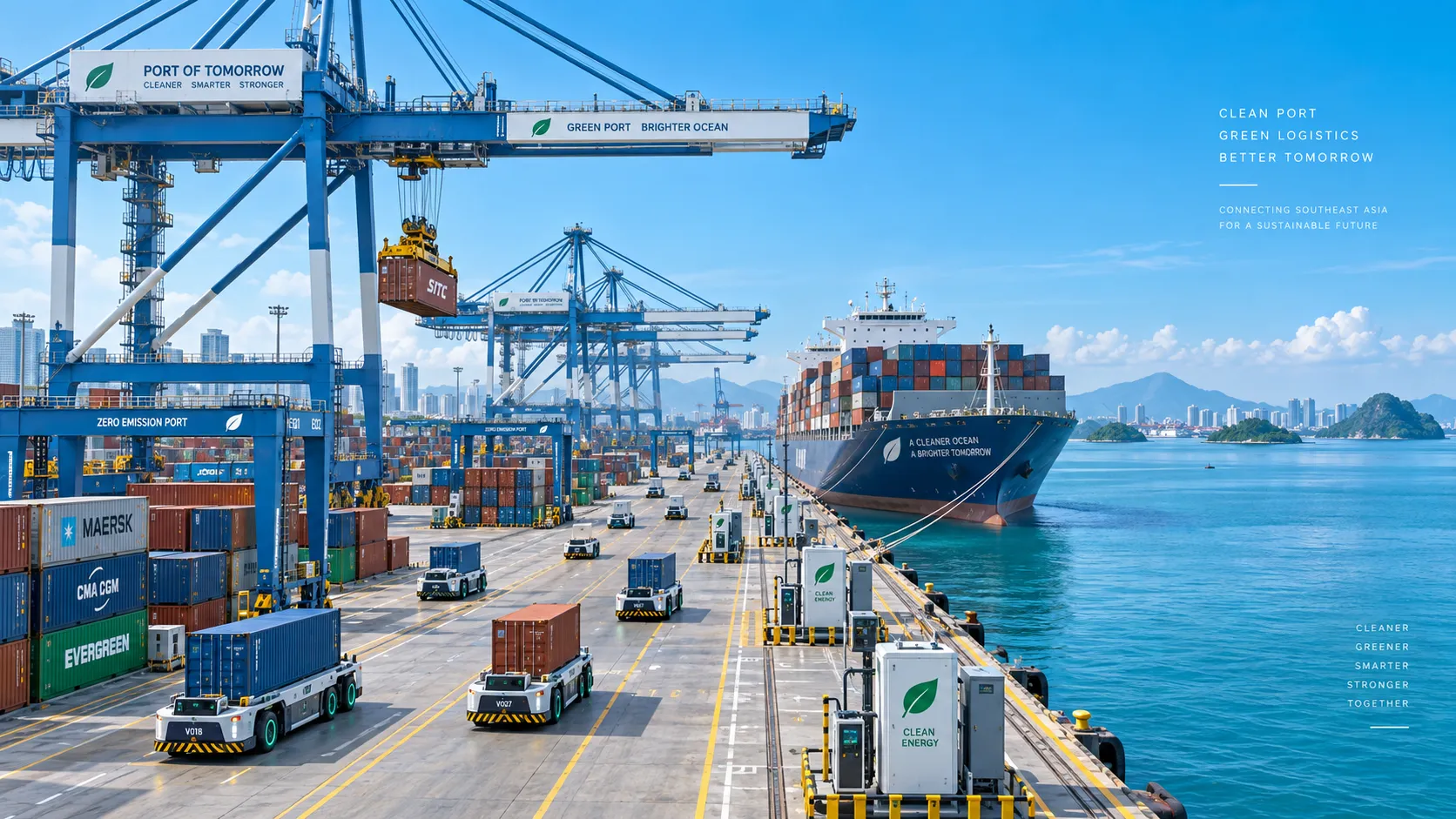
Smart Port Systems in Southeast Asia: Investment Priorities and Adoption Barriers
Smart port systems Southeast Asia: discover investment priorities, adoption barriers, and practical steps to build resilient, connected, high-performing terminals.
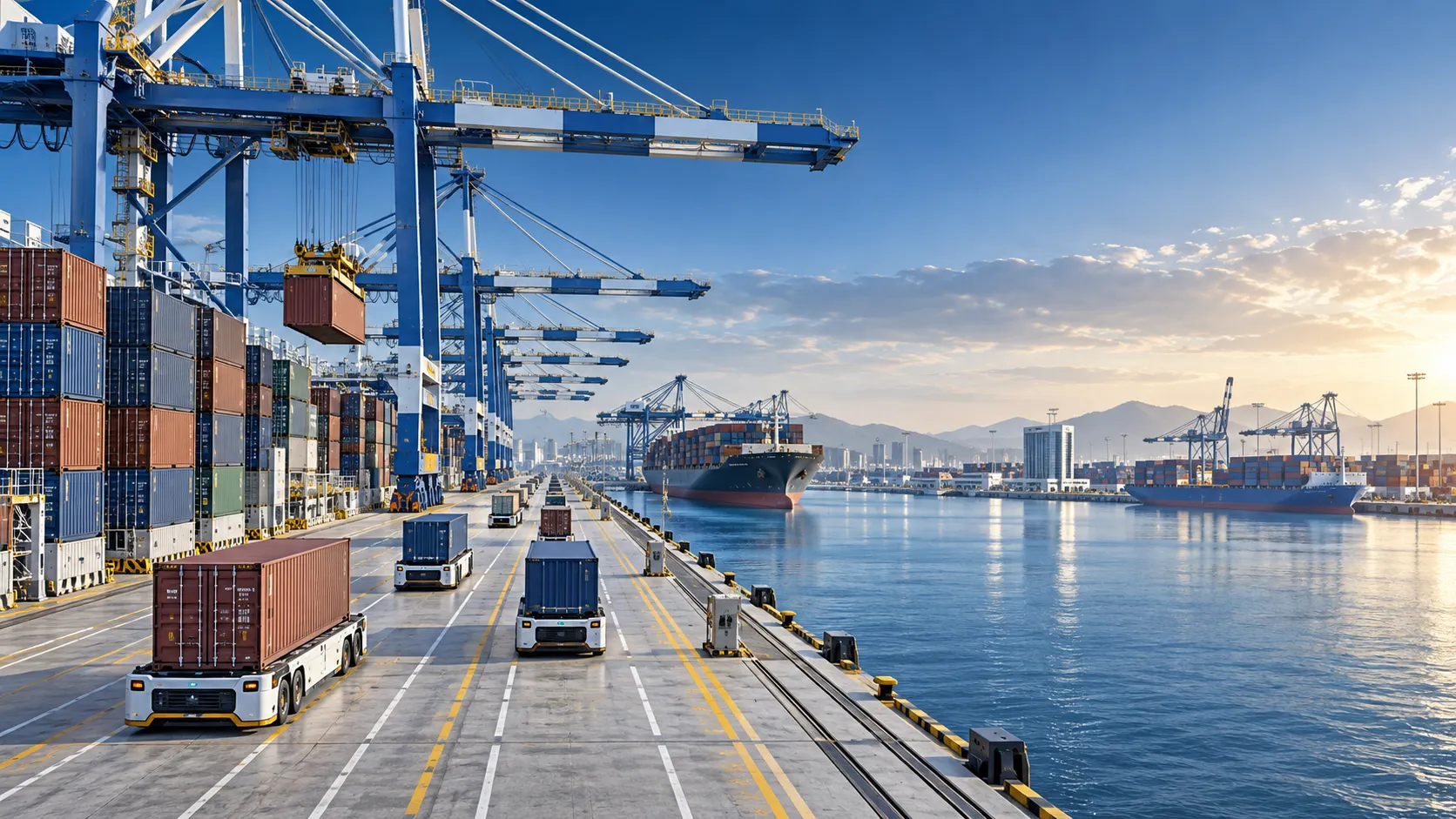
How to Evaluate Terminal Efficiency Solution Suppliers for High-Throughput Operations
Choose a terminal efficiency solutions supplier with confidence. Explore proven criteria for throughput, integration, lifecycle cost, safety, and reliable delivery.
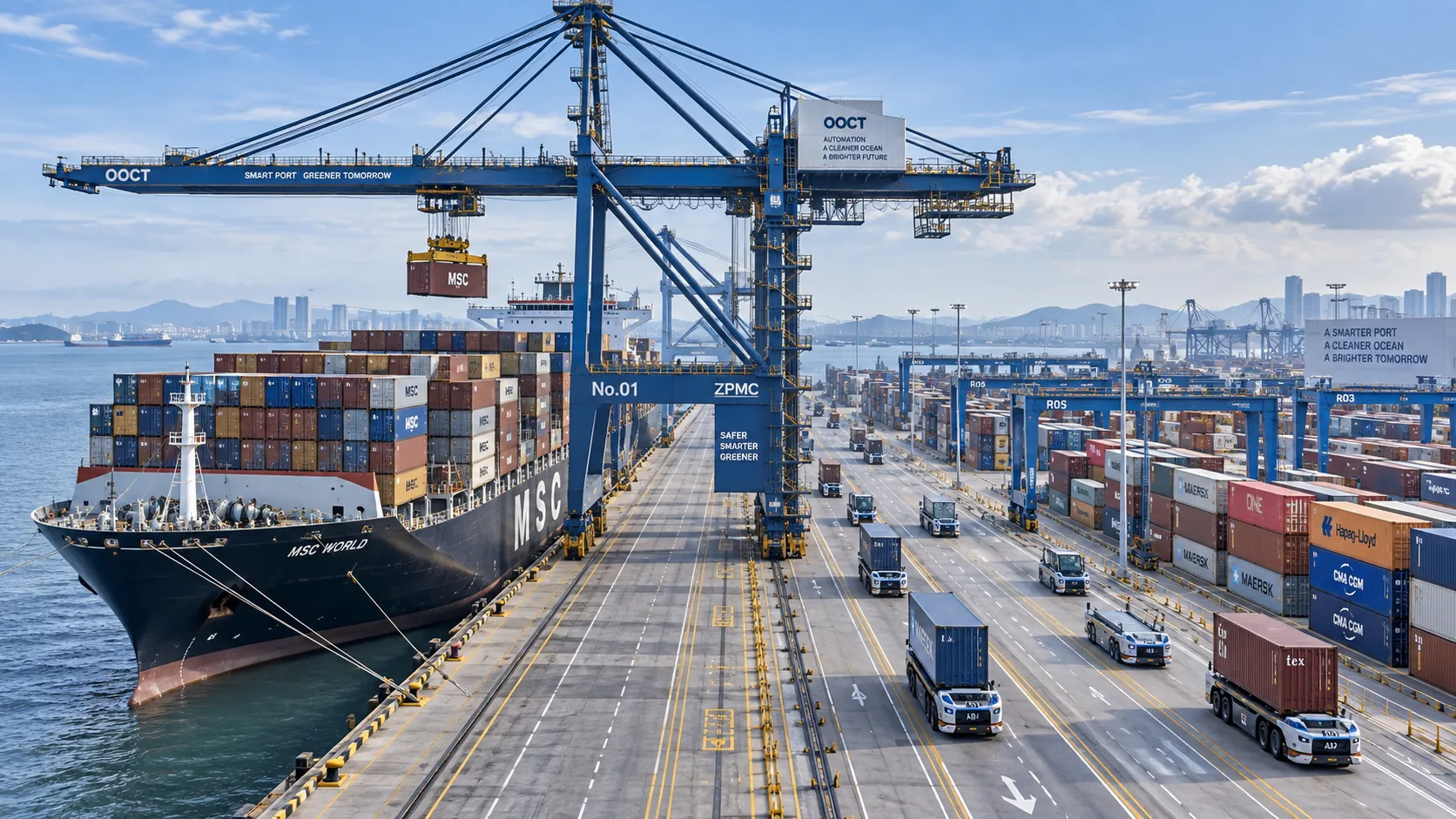
How to Specify a Quay Crane for Container Terminals by Vessel Size and Throughput?
Quay crane for container terminals: learn how to match outreach, lift height, capacity, automation, and cycle performance to vessel size and throughput goals.
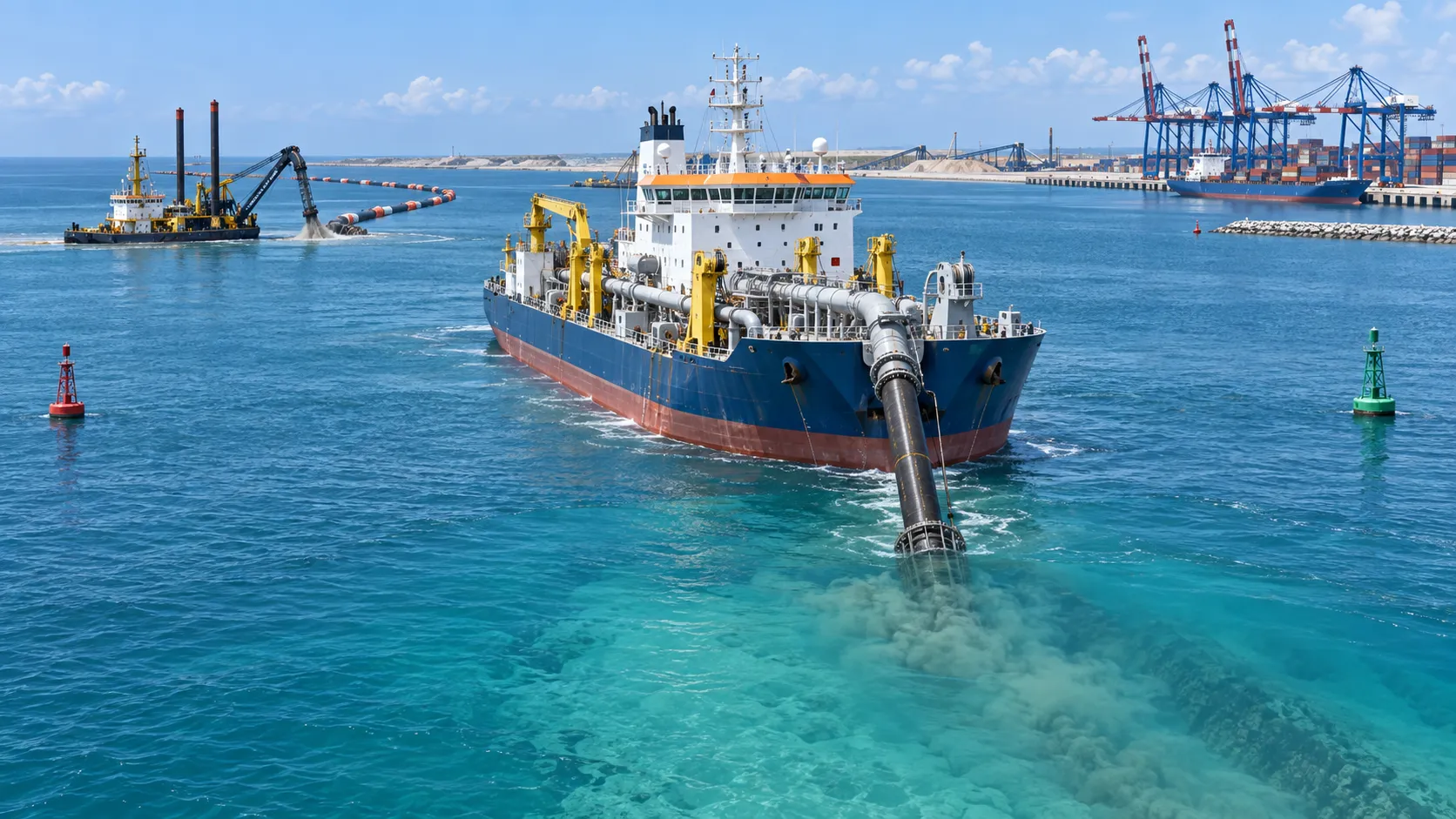
What Dredging Equipment Is Needed for Channel Deepening?
What dredging equipment is needed for channel deepening? Explore dredgers, pipelines, survey tools, and planning strategies for safer, more efficient port access.
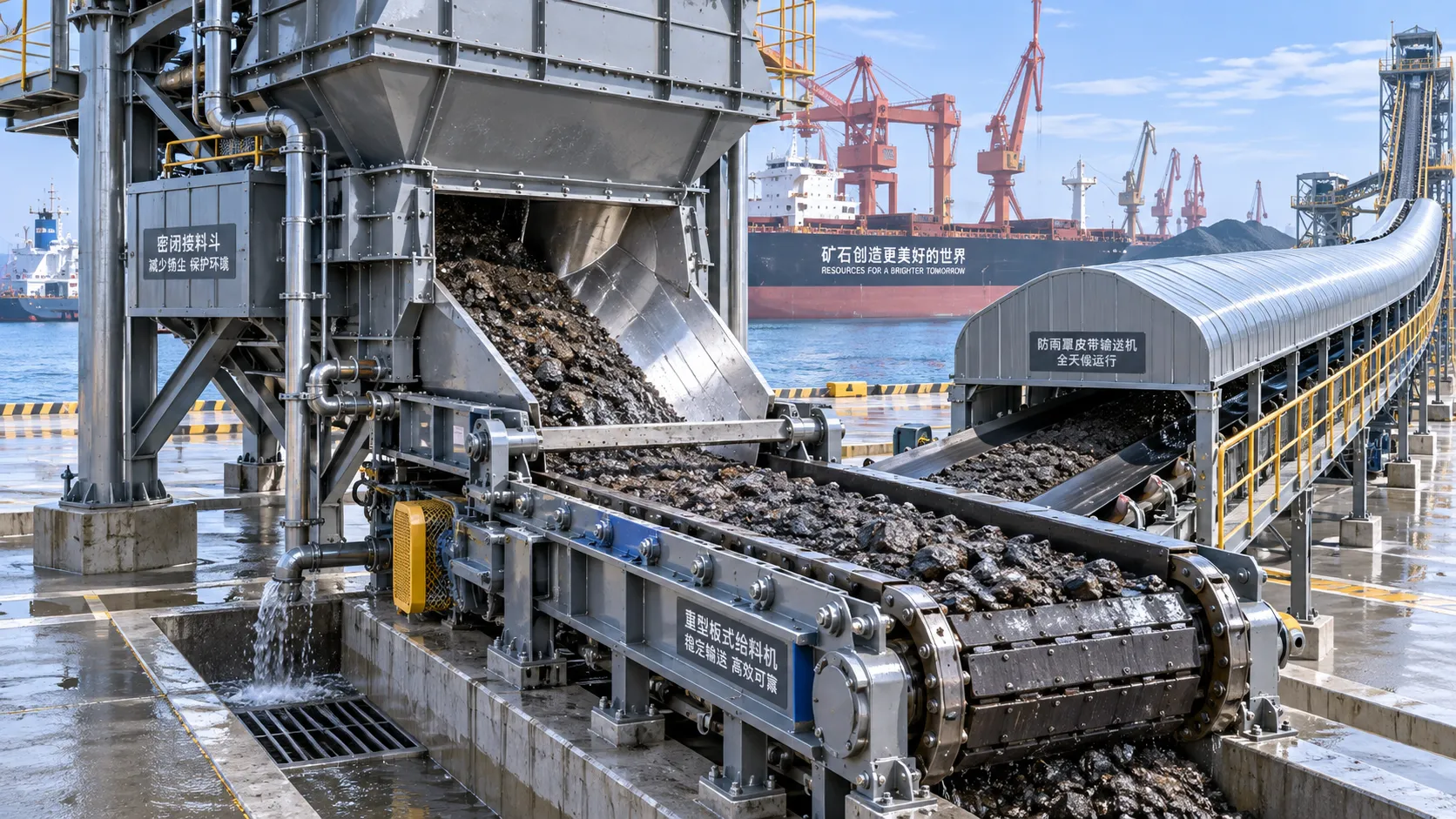
Which Bulk Handling Equipment Suits High-Moisture Cargo?
Which bulk handling equipment suits high-moisture cargo? Compare belt, apron, screw, drag, and slurry systems for reliable flow, less carryback, and higher terminal uptime.
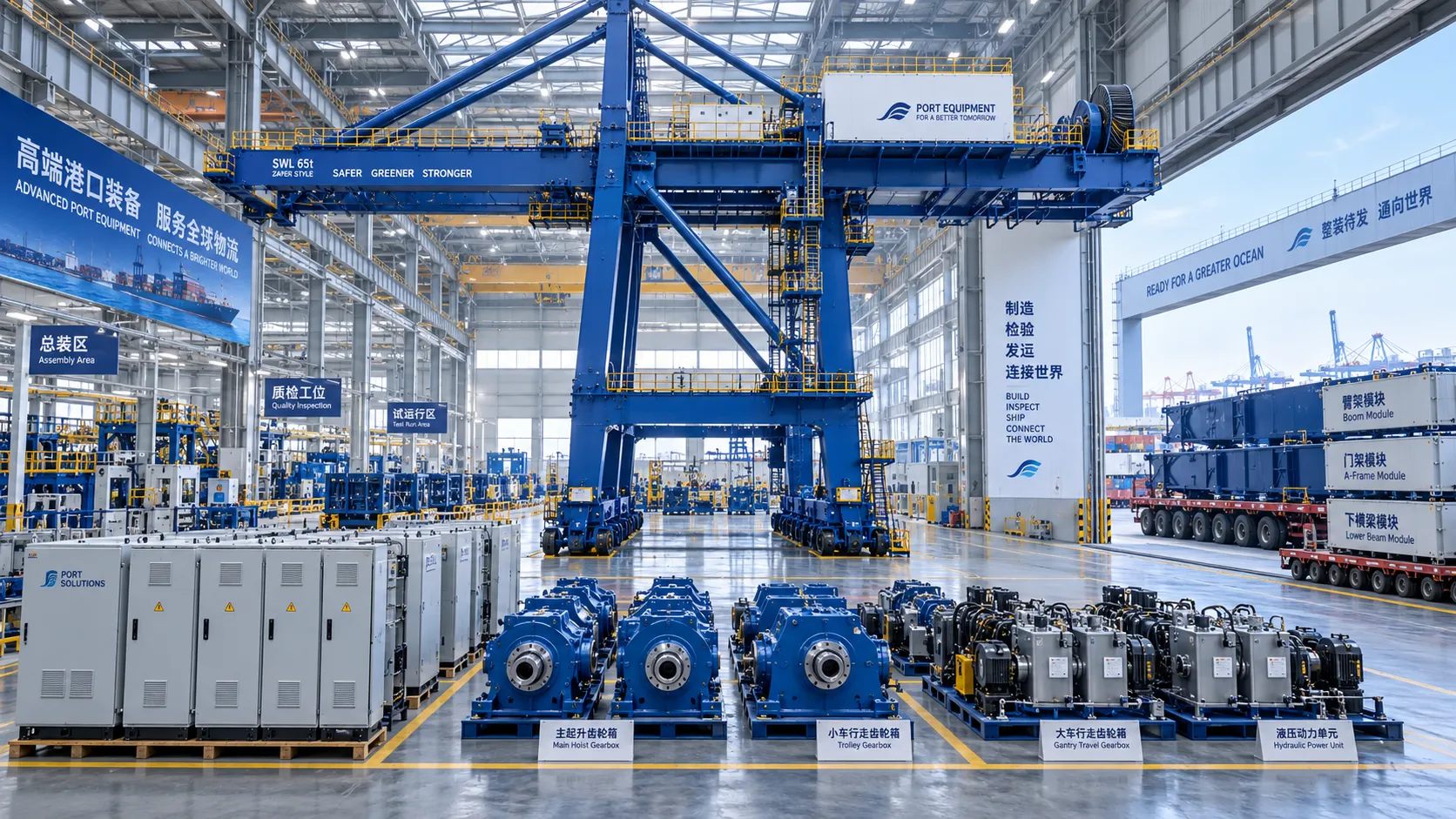
How Can Port Equipment Lead-Time Risk Be Managed?
How can port equipment lead-time risk be managed? Explore practical strategies to control critical paths, suppliers, transport, site readiness, and commissioning delays.
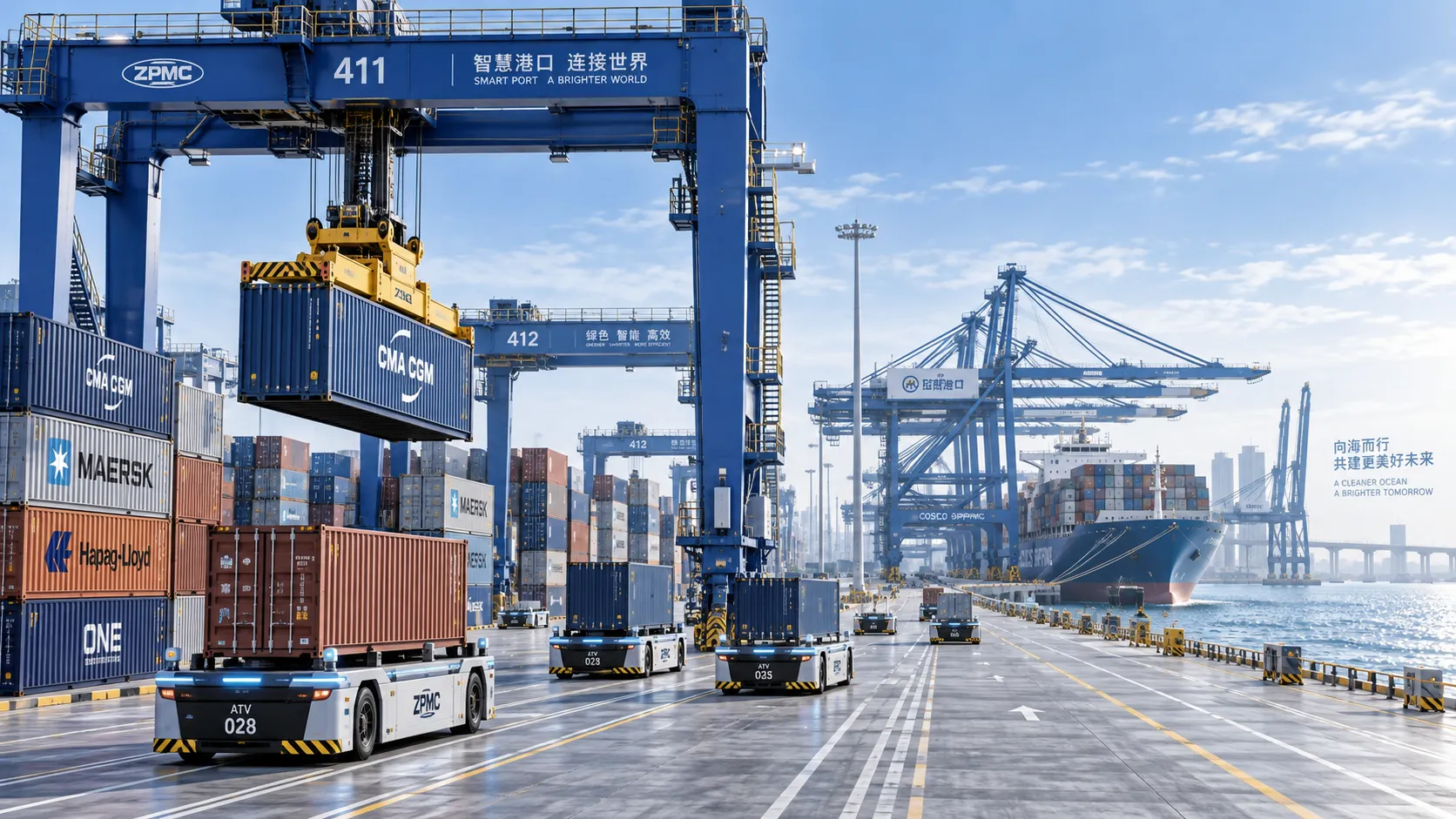
Terminal Automation Technologies That Raise Container Throughput Without Yard Disruption
Terminal automation technology that increases container throughput without disrupting yard flow. Explore smarter integration, resilient workflows, and phased deployment strategies.
Middle East Port Automation: Key Market Drivers, Projects, and Investment Risks
Port automation systems Middle East: explore market drivers, flagship projects, integration challenges, and investment risks shaping smarter, resilient terminals.
Planning Offshore Dredging Operations: Key Risks, Methods, and Project Controls
Offshore dredging operations demand smart planning. Explore key risks, proven methods, environmental controls, and project strategies for reliable delivery.