
Related News
- 00
0000-00
How Can Port Equipment Lead-Time Risk Be Managed? - 00
0000-00
Maritime Logistics Operations: How Ports Can Reduce Container Dwell Time - 00
0000-00
What Does Logistics Node Monitoring Cost Across Warehouses and Transport Hubs? - 00
0000-00
How Can IoT Smart Port Solutions Improve Container Tracking and Yard Efficiency? - 00
0000-00
How Real-Time Port Logistics Intelligence Improves Container Yard Efficiency
How to Improve Terminal Efficiency for Yard Operations in High-Volume Ports
It usually starts with a complaint that sounds simple: trucks are waiting too long, containers are not where the system says they should be, and the yard feels busy without actually moving faster. In a high-volume port, that kind of friction rarely comes from one dramatic failure. More often, it builds from small mismatches between equipment availability, stack rules, dispatch logic, gate arrivals, and the timing of vessel work. When those mismatches stack up, the yard becomes the place where delay spreads.
If you are responsible for improving terminal efficiency for yard operations, the difficult part is not identifying that something is wrong. The difficult part is deciding where to intervene first. A new crane will not fix poor handoff logic. Better software will not help if lane design forces constant rehandling. A revised yard plan can fail if operators and control systems are working from different priorities. In busy terminals, efficiency improves when physical flow and digital control are corrected together, not separately.
Where yard pressure usually shows up first
Many teams notice the problem through symptoms that seem unrelated. Rubber-tired gantries or rail-mounted gantries appear occupied all shift, yet transfer speed does not improve. AGVs or terminal trucks spend too much time waiting at handoff points. Export stacks become hard to access even though the yard still has nominal capacity. Import pickup windows slip because boxes are buried under later arrivals. Reefer rows and hazardous areas stay under control, but standard container zones absorb the operational disorder.
This is why yard inefficiency is often misread as a capacity problem. In reality, some terminals have enough hardware and enough space on paper. The issue is that the flow path through the yard has become unstable. One block receives too many urgent moves, another becomes a temporary buffer for late decisions, and the control room starts dispatching around exceptions rather than managing a predictable rhythm.
A common turning point is when vessel operations begin to feel the yard’s problems directly. Quay cranes slow because the next box is not staged on time. Landside pickups trigger rushed reshuffles. Labor planning becomes reactive. At that point, the yard is no longer just a storage function. It is the operating core of the terminal, and every weakness becomes visible.
The first mistake: trying to solve everything with one lever
One of the more persistent misconceptions is that terminal efficiency for yard operations can be raised mainly by increasing machine intensity: more moves per hour, tighter dispatching, less idle time. That approach can help, but only when the move itself is valuable. If the terminal is generating avoidable rehandles, cross-yard transfers, or repeated searches for the “least bad” stack position, higher activity may simply mean the system is working harder to correct its own disorder.
Another misstep is treating software and machinery as separate improvement tracks. Yard performance depends on the meeting point between equipment behavior and scheduling logic. A terminal can have modern handling gear, but if job sequencing ignores travel distance, stack accessibility, or vessel cut-off priorities, the gain remains limited. The reverse is also true: a strong algorithm cannot compensate for lane conflicts, poor visibility at transfer points, or block layouts that force unnecessary turning and waiting.
Before changing vendors, control rules, or machine deployment, it helps to look at the yard as a chain of commitments. Every container move commits future space, future access, and future machine time. Efficiency improves when those commitments are made deliberately instead of being pushed downstream.
Start with flow, not with isolated assets
In practice, the most useful review begins with a few operating paths rather than a full terminal redesign. Follow an import container from discharge to stack to truck pickup. Follow an export container from gate to stack to vessel loading. Follow an empty box through repositioning. These paths reveal where handoffs create hesitation and where local decisions create later congestion.
When teams do this carefully, several patterns often appear:
- Stacks are assigned by available space rather than by retrieval sequence.
- Equipment is technically available but not positioned where demand peaks.
- Dispatch rules optimize immediate jobs while creating larger travel distances later.
- Gate arrivals and vessel windows are planned separately, causing yard blocks to swing between idle and overloaded.
- Exception handling has quietly become normal operating logic.
That is the point where improvement becomes more concrete. Instead of asking for “better productivity,” you can ask narrower and more useful questions: Which moves are avoidable? Which blocks absorb too much mixed traffic? Which decisions are being made too late? Which assets are waiting because the next operation is not ready?
Reworking stack strategy without disrupting the whole terminal
Yard stacking rules are often inherited from earlier cargo mixes or lower throughput periods. As volume rises, those rules may still look reasonable in the terminal operating system, but they begin to generate avoidable rehandles. A stack strategy should reflect retrieval probability, dwell uncertainty, and interface priority, not just location availability.
For import cargo, one practical adjustment is to separate fast-turn cargo from uncertain dwell cargo more aggressively. If both live in the same block, short-dwell containers become trapped behind slower-moving inventory. For export cargo, grouping by vessel and loading sequence can reduce scramble moves near cut-off, but only if the block has enough access discipline to avoid late mixing. For transshipment cargo, buffer logic matters more than nominal storage density, because the cost of a misplaced box shows up in missed handoff timing.
None of this requires a full rebuild. Often the first gain comes from redefining a few yard blocks by purpose and enforcing those rules consistently. The hard part is not writing the new logic. It is resisting the temptation to break the logic every time pressure rises. Once exception moves become routine, stack discipline collapses quickly.
Dispatching works better when travel is treated as a real cost
Many yards focus on lift productivity while underestimating travel inefficiency. Yet in large terminals, distance, turning, queueing, and handoff delay quietly consume a meaningful portion of the operating day. If dispatch logic sends machines to the nearest urgent task without considering the next likely task, the yard may look responsive while becoming less stable hour by hour.
A better approach is to sequence jobs with awareness of both urgency and locality. That means combining time sensitivity with expected interference: whether a move will block another lane, whether the receiving point is ready, whether the next job can be chained with limited dead travel. For automated or semi-automated terminals, this requires clean control logic. For conventional yards, it requires discipline in radio instructions, transfer-zone management, and supervisor decision-making.
This is also where control systems deserve a closer look. Terminals increasingly rely on automated container handling logic, machine telemetry, and scheduling tools to reduce operator guesswork. Used well, these systems help expose hidden conflicts before they become visible on the ground. Used poorly, they only digitize reactive behavior. The difference comes from rule quality, data freshness, and whether operations teams trust the outputs enough to stop improvising around them.
When layout is the problem, no amount of urgency will hide it
Some yards struggle because the physical geometry keeps creating conflict. Transfer zones may be too narrow for peak exchange rates. One-way circulation may be broken by ad hoc crossings. Blocks intended for one traffic pattern may now receive three. Equipment can then appear underproductive even when operators are making reasonable decisions.
If the yard has recurring hotspots at the same times and in the same places, layout is probably part of the issue. Look for locations where trucks queue into active lanes, where handoff points force backing or sharp turns, or where crane service areas overlap too tightly. Small civil or marking changes can sometimes help more than a broad process memo. Clear lane hierarchy, dedicated waiting zones, and transfer points aligned with actual move patterns often remove friction that software alone cannot see.
For engineering teams, it is useful to treat yard geometry and control logic as one system. A path-planning algorithm for AGVs, for example, performs very differently depending on crossing density and buffer placement. The same goes for remote-controlled or automated cranes: low-latency communication and stable command logic matter, but so does whether the machine is being asked to work inside a poorly structured traffic environment.
Use short review cycles instead of a one-time “optimization project”
One reason yard initiatives stall is that terminals try to solve the whole operating model in a single program. But the yard changes with vessel mix, weather interruptions, gate behavior, labor constraints, and maintenance windows. A more durable method is to work in short review cycles and test a limited set of operational changes at a time.
That might mean revising stack allocation rules for one cargo category, adjusting dispatch parameters for one equipment class, or changing buffer use at one transfer zone. The key is to observe knock-on effects, not just the immediate improvement. A local fix that speeds one block but sends congestion to another is not really a fix.
In these review cycles, teams often benefit from drawing on broader operational intelligence rather than relying only on internal habit. External sector analysis can be useful when comparing terminal gear behavior, automation control approaches, remote crane communication practices, or yard algorithm trends. The value is not in copying another site’s setup. It is in seeing which design principles travel well and which depend heavily on local conditions.
What to verify before approving a bigger change
When the discussion moves toward new equipment, heavier automation, or major process redesign, a few checks help keep the decision grounded.
First, confirm that the bottleneck is repeatable. If the problem moves unpredictably, the issue may be operating discipline or data quality rather than missing capacity. Second, separate peak-hour constraints from all-day constraints. Some terminals experience short bursts of overload that do not justify structural change, while others have chronic interference built into their flow. Third, examine whether the current terminal operating logic can actually support the change being proposed. Buying faster yard assets without changing stack policy or dispatch rules can leave most of the value unused.
It also helps to ask whether the yard is being managed as a storage field or as a synchronized transfer system. High-volume ports need the second mindset. Storage density matters, but not at the expense of access reliability. Every block should be judged not only by how many containers it can hold, but by how predictably it can release them when the terminal needs them.
Keeping the gains from slipping away
Once yard performance improves, the next risk is drift. A few difficult vessel calls, a staffing gap, or a temporary backlog can push teams back into exception-based operation. That is why the most useful safeguards are simple ones: clear stack discipline, visible priority rules, tight feedback between planners and field supervisors, and routine review of where avoidable moves are coming from.
Terminal efficiency for yard operations is rarely transformed by one dramatic change. It improves when the yard stops absorbing uncertainty and starts exposing it early. Better stack logic, better dispatch sequencing, cleaner handoffs, and more realistic use of automation all contribute, but only when they are connected. In a high-volume port, the yard does not need more activity for its own sake. It needs fewer conflicting decisions and a steadier flow from quay to stack to gate.
If you are dealing with recurring congestion, the most practical next step is usually not a grand redesign. It is a disciplined review of where the yard is creating work that did not need to exist. Once those unnecessary moves, delays, and conflicts are visible, the right technical and operational changes become much easier to justify.
Related News
Smart Port Systems in Southeast Asia: Investment Priorities and Adoption Barriers
Smart port systems Southeast Asia: discover investment priorities, adoption barriers, and practical steps to build resilient, connected, high-performing terminals.
How to Evaluate Terminal Efficiency Solution Suppliers for High-Throughput Operations
Choose a terminal efficiency solutions supplier with confidence. Explore proven criteria for throughput, integration, lifecycle cost, safety, and reliable delivery.
How to Specify a Quay Crane for Container Terminals by Vessel Size and Throughput?
Quay crane for container terminals: learn how to match outreach, lift height, capacity, automation, and cycle performance to vessel size and throughput goals.
What Dredging Equipment Is Needed for Channel Deepening?
What dredging equipment is needed for channel deepening? Explore dredgers, pipelines, survey tools, and planning strategies for safer, more efficient port access.
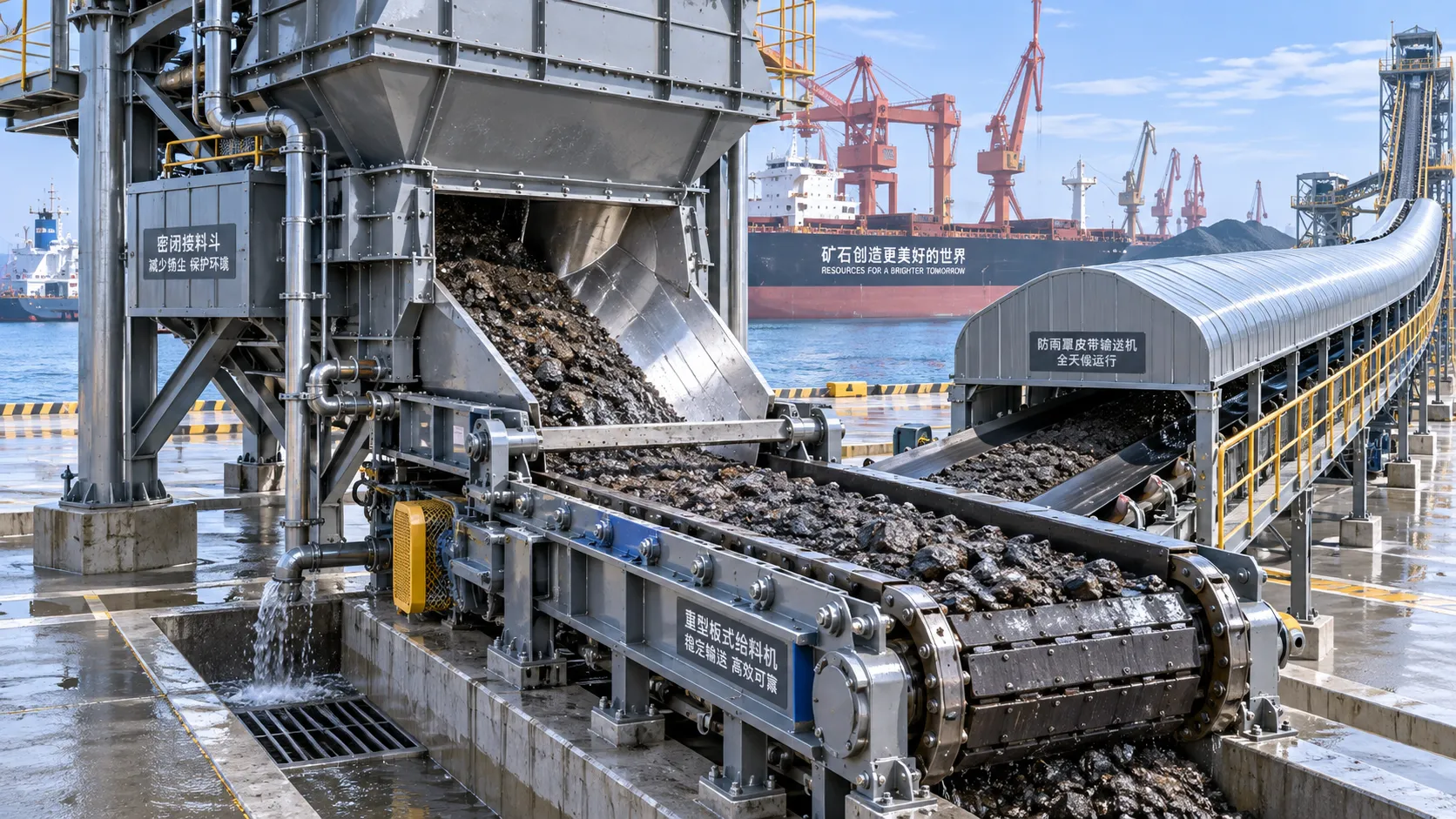
Which Bulk Handling Equipment Suits High-Moisture Cargo?
Which bulk handling equipment suits high-moisture cargo? Compare belt, apron, screw, drag, and slurry systems for reliable flow, less carryback, and higher terminal uptime.
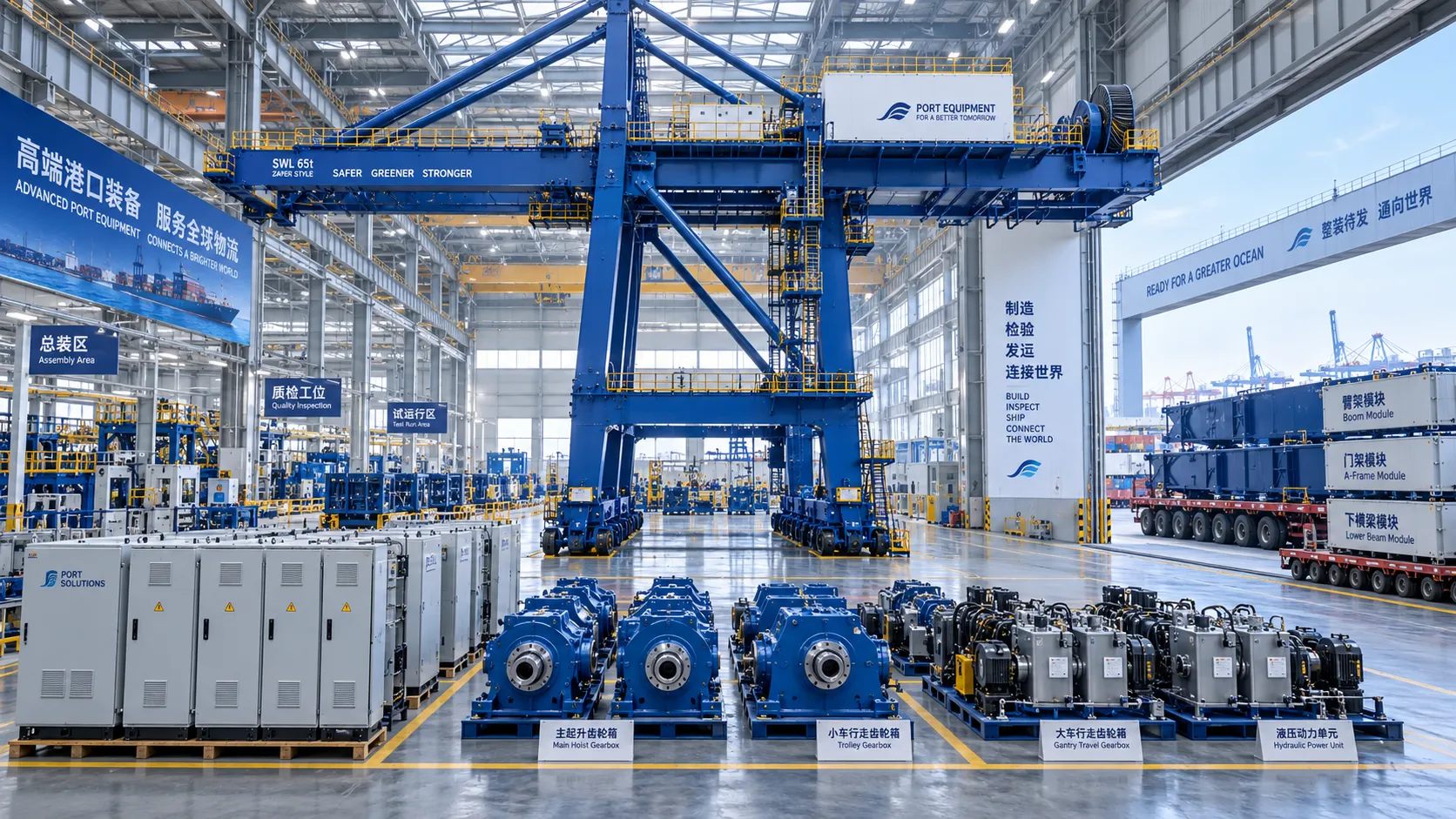
How Can Port Equipment Lead-Time Risk Be Managed?
How can port equipment lead-time risk be managed? Explore practical strategies to control critical paths, suppliers, transport, site readiness, and commissioning delays.
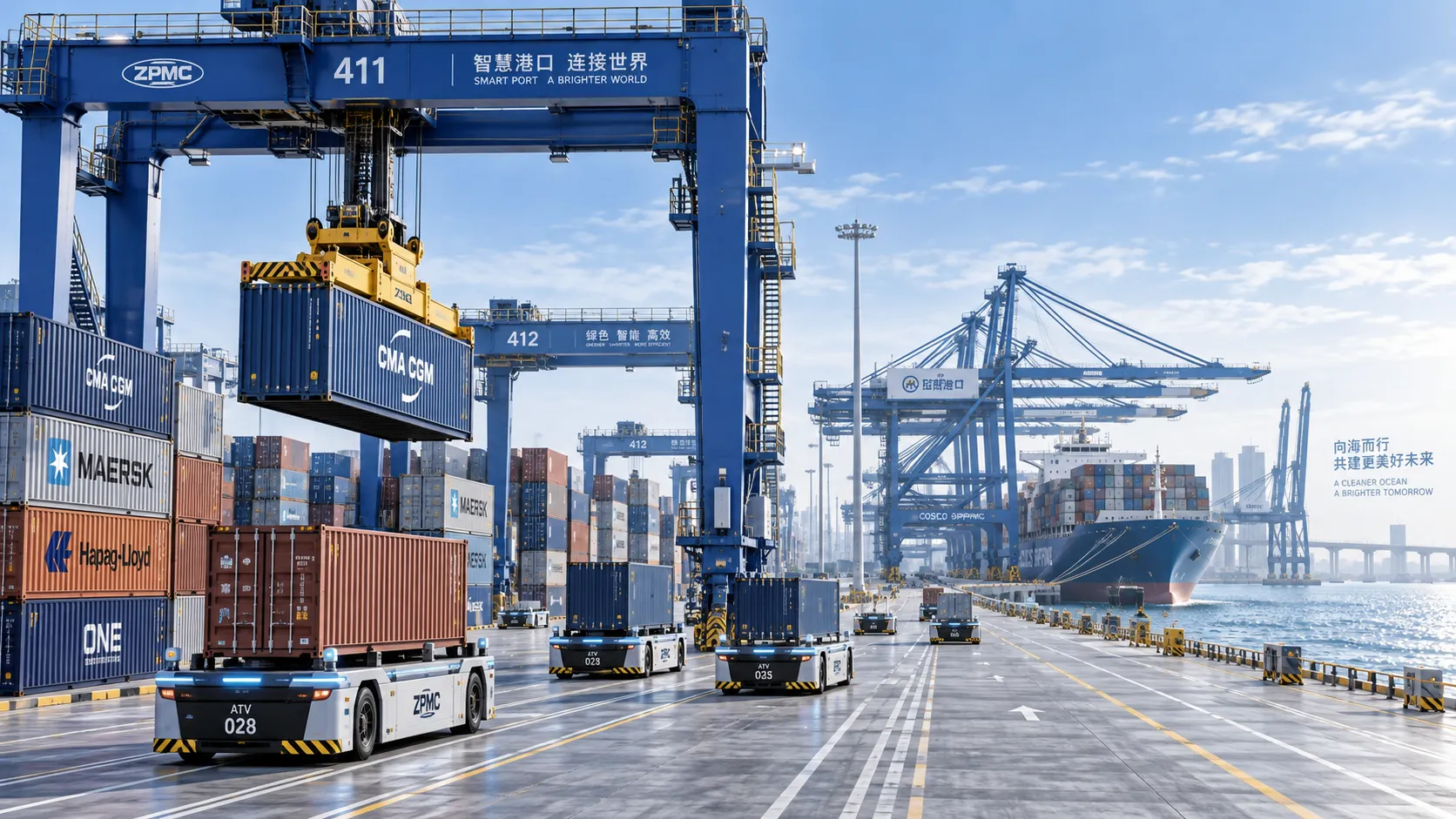
Terminal Automation Technologies That Raise Container Throughput Without Yard Disruption
Terminal automation technology that increases container throughput without disrupting yard flow. Explore smarter integration, resilient workflows, and phased deployment strategies.
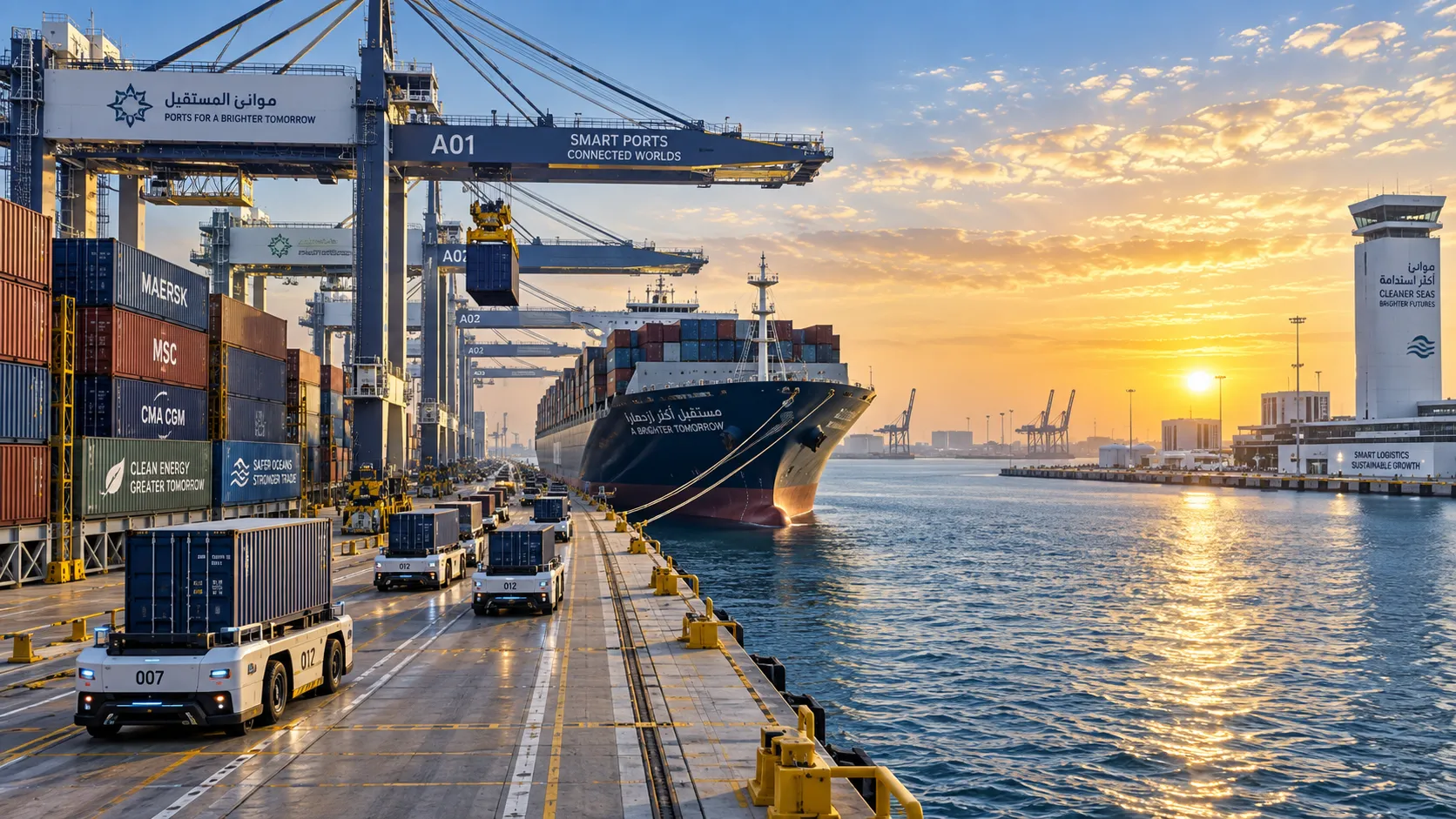
Middle East Port Automation: Key Market Drivers, Projects, and Investment Risks
Port automation systems Middle East: explore market drivers, flagship projects, integration challenges, and investment risks shaping smarter, resilient terminals.
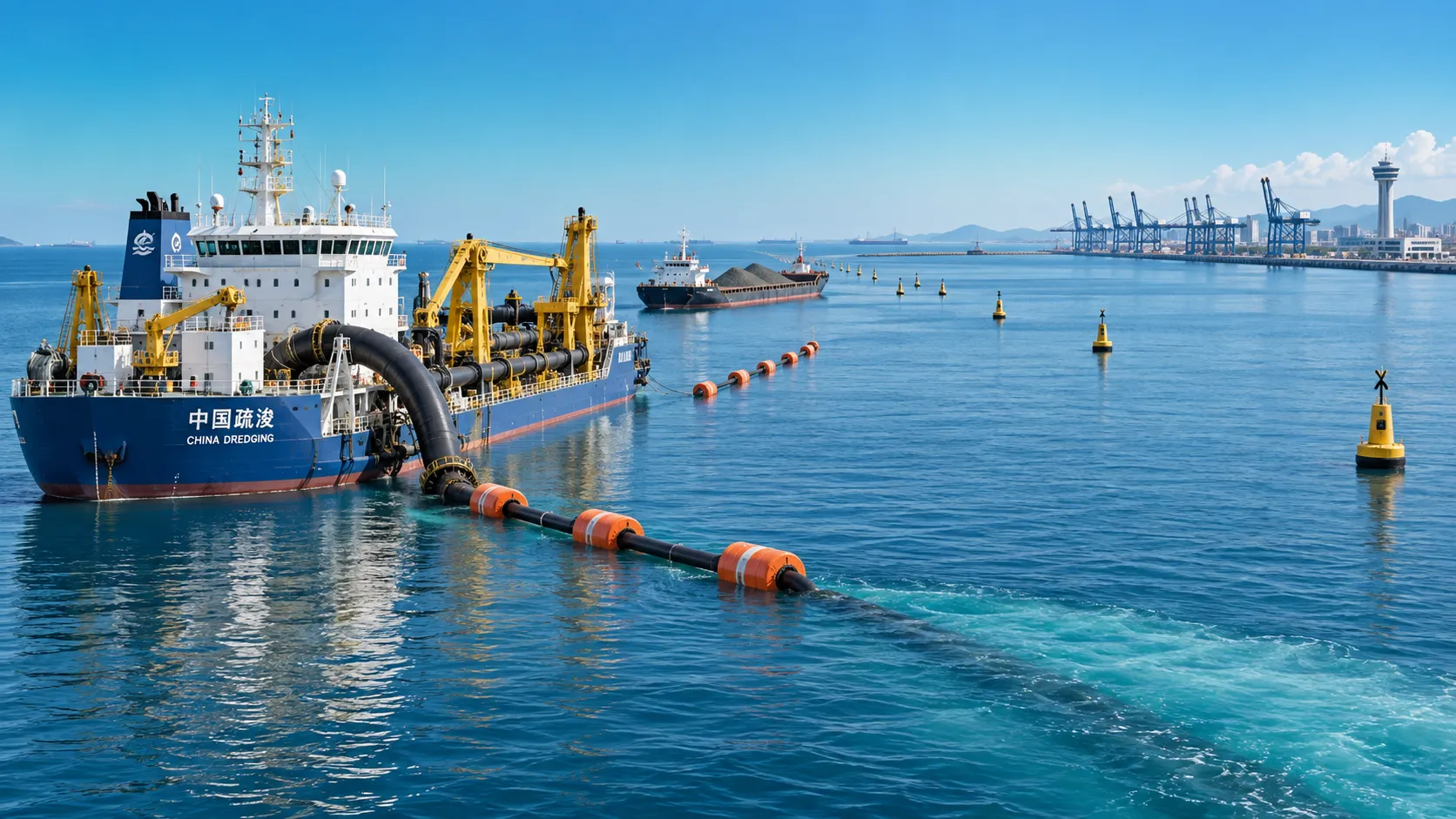
Planning Offshore Dredging Operations: Key Risks, Methods, and Project Controls
Offshore dredging operations demand smart planning. Explore key risks, proven methods, environmental controls, and project strategies for reliable delivery.