Related News
- 00
0000-00
How to Specify a Quay Crane for Container Terminals by Vessel Size and Throughput? - 00
0000-00
Which Bulk Handling Equipment Suits High-Moisture Cargo? - 00
0000-00
Terminal Automation Technologies That Raise Container Throughput Without Yard Disruption - 00
0000-00
Planning Offshore Dredging Operations: Key Risks, Methods, and Project Controls - 00
0000-00
Where Do Automated Guided Vehicles Deliver the Fastest Warehouse Gains in the Middle East?
Harbor Structure Basics: Main Types, Load Factors, and Where Each Design Fits
Why does harbor structure matter so much in modern port planning?
Harbor structure is not just a civil engineering term. It shapes how a port survives rough water, supports cargo movement, and expands without losing operating reliability.
In practical port systems, structure decisions affect berth availability, crane stability, dredging frequency, maintenance cost, and long-term logistics flexibility.
That is why researchers often start with a simple question: which harbor structure fits the site, the vessel mix, and the cargo pattern best?
The answer is rarely isolated. Wave climate, soil behavior, navigation depth, automation targets, and future throughput all push the design in different directions.
For platforms such as PS-Nexus, this topic matters because harbor structure sits at the meeting point of terminal gear, dredging engineering, and smart port operations.
A quay wall that cannot handle crane rail loads will limit equipment choices. A breakwater that underperforms will raise downtime across the whole terminal chain.
So, when people search for harbor structure basics, they usually want more than definitions. They want a clearer way to compare types, loads, and real-world suitability.
When people say harbor structure, what are they actually referring to?
Broadly, a harbor structure includes the built elements that protect, retain, support, and organize port waterside operations.
Some structures sit offshore and calm the basin. Others create berthing edges, support cranes, retain reclaimed land, or guide vessel movement.
The most common categories include breakwaters, seawalls, quay walls, jetties, piers, dolphins, revetments, and bulkheads.
Each serves a different purpose. A breakwater reduces wave energy. A quay wall supports direct vessel berthing and cargo transfer. A jetty extends access into deeper water.
This distinction matters because one harbor structure may solve exposure problems, while another solves loading efficiency or land-retention needs.
A useful working view is to group them into three functional families:
- Protection structures, such as breakwaters and revetments.
- Berthing structures, such as quay walls, piers, and dolphins.
- Retention and edge structures, such as bulkheads and seawalls.
In real projects, these functions often overlap. A single harbor structure can protect land, support traffic loads, and integrate utilities for automated terminal systems.
Which main types of harbor structure are used, and where does each one fit?
The easiest way to compare options is to link type with operating context. That avoids treating every waterfront as if it behaves the same.
If the site is highly exposed, the first harbor structure priority is often protection, not berth geometry. Without calm water, downstream terminal efficiency will remain unstable.
If land is scarce and throughput is dense, a quay wall system becomes more attractive because it supports direct handling and sharper yard integration.
For offshore energy cargo or deep-draft vessels, jetties are common because they reach navigable depth without massive nearshore dredging.
This is also where PS-Nexus coverage becomes relevant. Terminal machinery, dredging strategy, and structure type should be reviewed together, not as separate decisions.
What load factors control harbor structure design most strongly?
People often assume wave force is the main issue. It is important, but it is only one part of the load picture.
A harbor structure must resist environmental loads, operational loads, and long-duration ground effects at the same time.
The main load factors usually include:
- Wave and current action, including overtopping and reflection behavior.
- Vessel berthing and mooring loads, especially for larger or faster-approach ships.
- Cargo surcharge and traffic loads from trucks, stackers, and cranes.
- Earth pressure and hydrostatic pressure behind retaining structures.
- Scour, settlement, liquefaction risk, and long-term geotechnical change.
- Seismic demand, corrosion exposure, and temperature-related material stress.
Container terminals add a special challenge. Their harbor structure must carry repetitive crane rail loads and remain within tight alignment tolerances.
Bulk terminals behave differently. Loads may be less concentrated by rail, but stockpile pressure, dust control systems, and conveyor corridors affect structural planning.
In dredged areas, another concern appears. Deepening a channel can change toe stability, groundwater conditions, and slope response near the structure.
That is why load assessment should never stop at design vessel size alone. A correct harbor structure decision also depends on equipment growth and operational evolution.
How do engineers decide which harbor structure is the better fit for a specific port?
A good choice usually comes from matching constraints, not chasing a universally “best” layout.
In actual studies, engineers compare the harbor structure against five practical questions.
- How exposed is the site to waves, storm surge, and sediment movement?
- What vessel class must berth now, and what class may arrive later?
- What cargo systems will operate on top of the structure?
- How difficult are the soil conditions and dredging requirements?
- Can the structure adapt to automation, electrification, and phased expansion?
For example, a piled pier may reduce fill pressure on weak soils. Yet a heavy automated container terminal may still favor a robust quay wall if rail-mounted cranes dominate operations.
A rubble mound breakwater may be ideal for energy dissipation. Still, if footprint is limited, a vertical solution could become more efficient despite stricter foundation demands.
This is where intelligence-based review helps. PS-Nexus often frames port decisions across equipment, control systems, and dredging interaction, not only structural geometry.
That broader view matters because structure fit is increasingly tied to AGV routes, remote crane reliability, utility corridors, and resilience targets linked to net-zero operations.
What mistakes are common when comparing harbor structure options?
One common mistake is focusing on initial construction cost while ignoring maintenance, dredging recurrence, and operational interruption.
A cheaper harbor structure may trigger years of additional sediment management or crane alignment correction. That changes the economic picture quickly.
Another mistake is treating environmental loads as separate from equipment strategy. In reality, stronger vessels and taller cranes often increase structural demand together.
There is also a frequent timing error. Some ports choose a structure for present cargo only, then face difficult retrofits when throughput doubles or vessel dimensions change.
The checklist below helps keep the comparison grounded:
More often than not, the strongest harbor structure concept is the one that stays functional under changing trade patterns, not merely under current drawings.
If the goal is better long-term judgment, what should be reviewed next?
Start by separating the problem into exposure, soil, vessel, cargo, and equipment layers. That makes harbor structure comparisons much easier to test.
Then check whether the selected concept supports future electrification, automation corridors, and maintenance access. These details increasingly affect port resilience.
It also helps to review the structure alongside dredging strategy. Sediment behavior, berth depth, and shoreline response can reshape lifecycle cost more than expected.
For ongoing research, a practical next step is to build a comparison sheet covering load factors, expansion capacity, construction difficulty, and operational compatibility.
That is the level where harbor structure analysis becomes truly useful. It moves from textbook terminology to informed infrastructure judgment.
Seen through the PS-Nexus lens, the best harbor structure is not chosen in isolation. It is chosen as part of a larger coastal logistics system.
If the next review includes terminal gear loads, control architecture, dredging interfaces, and future trade demand, the final decision will usually be more resilient and more credible.
Related News
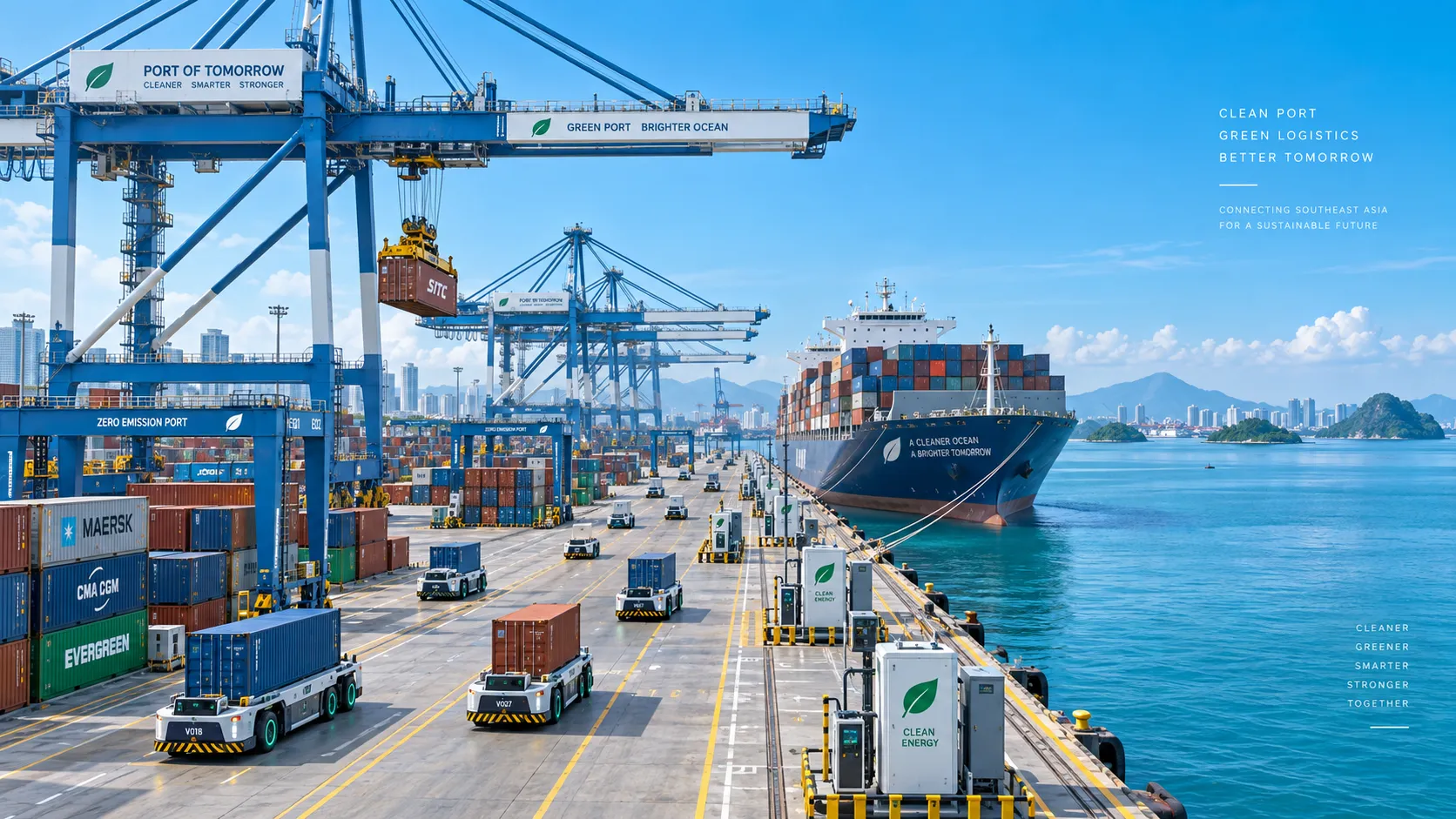
Smart Port Systems in Southeast Asia: Investment Priorities and Adoption Barriers
Smart port systems Southeast Asia: discover investment priorities, adoption barriers, and practical steps to build resilient, connected, high-performing terminals.
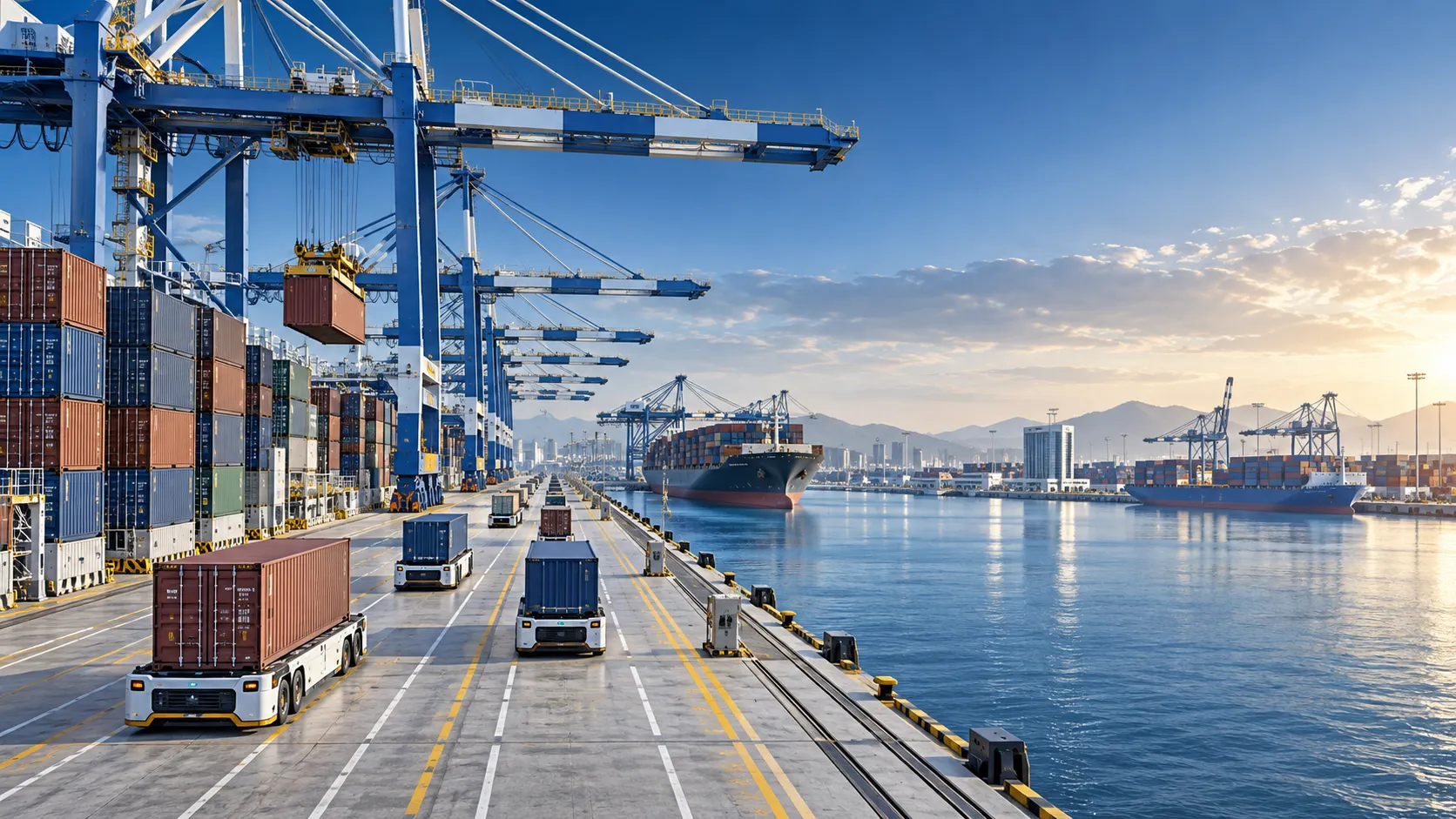
How to Evaluate Terminal Efficiency Solution Suppliers for High-Throughput Operations
Choose a terminal efficiency solutions supplier with confidence. Explore proven criteria for throughput, integration, lifecycle cost, safety, and reliable delivery.
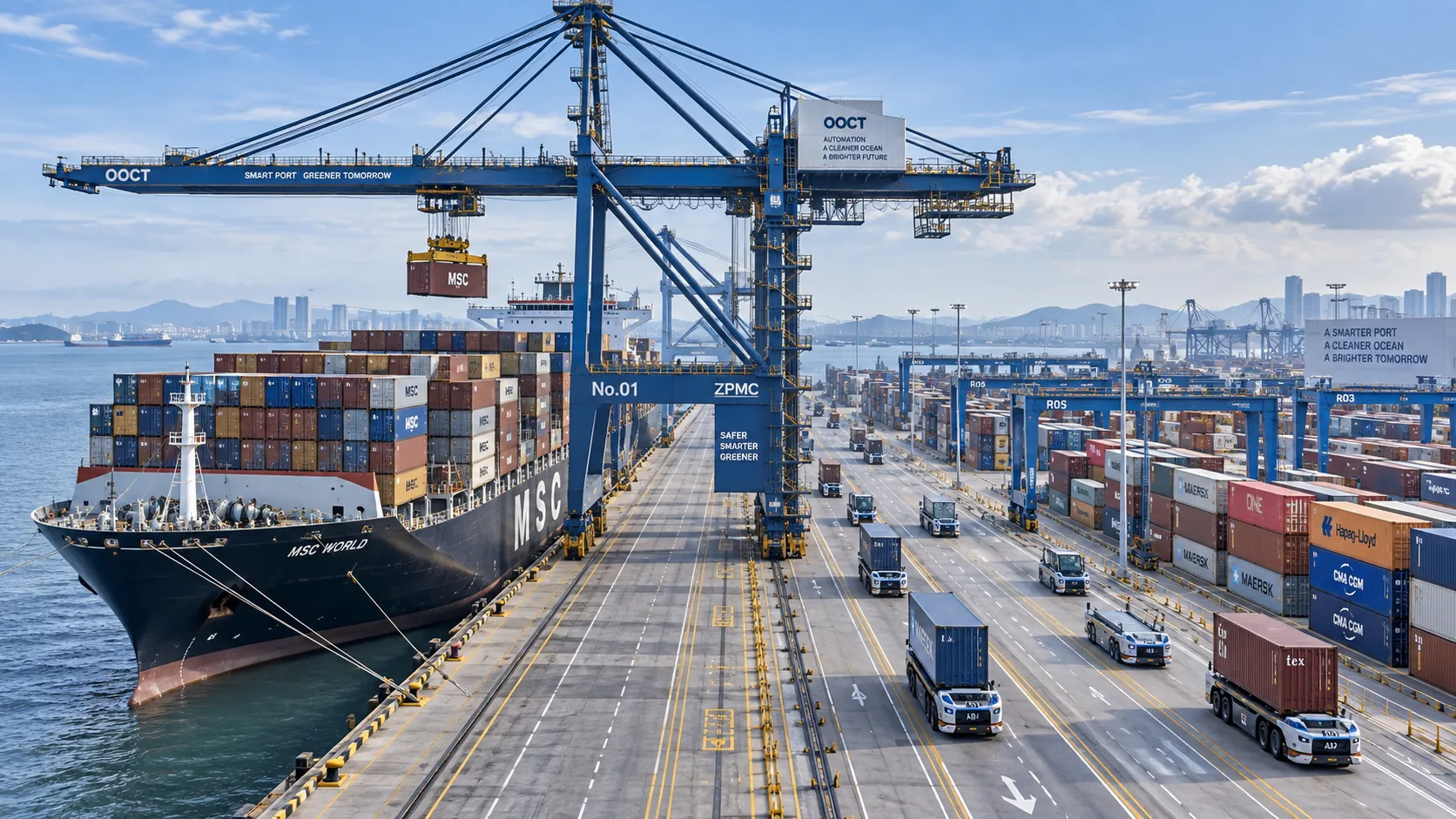
How to Specify a Quay Crane for Container Terminals by Vessel Size and Throughput?
Quay crane for container terminals: learn how to match outreach, lift height, capacity, automation, and cycle performance to vessel size and throughput goals.
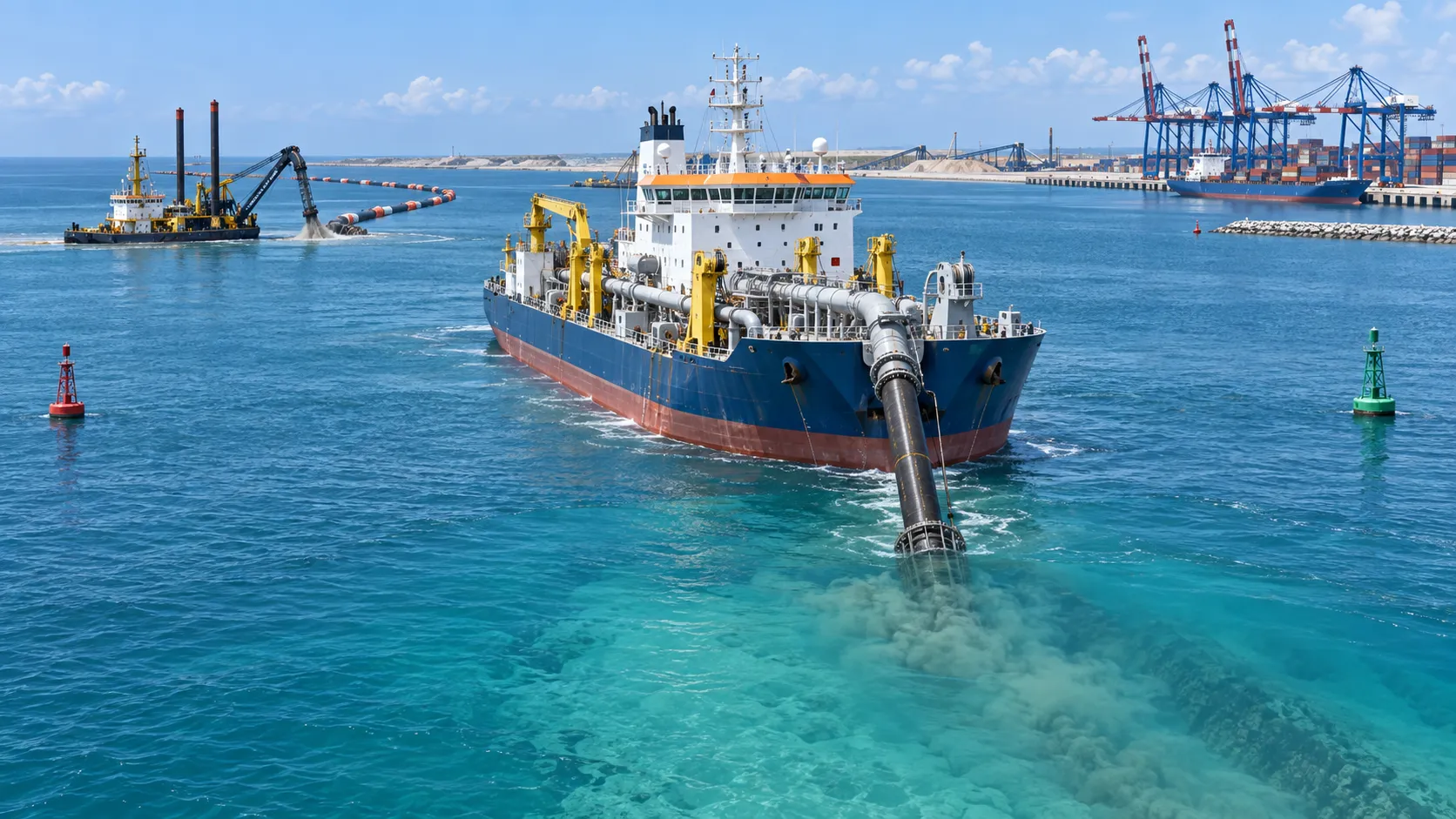
What Dredging Equipment Is Needed for Channel Deepening?
What dredging equipment is needed for channel deepening? Explore dredgers, pipelines, survey tools, and planning strategies for safer, more efficient port access.
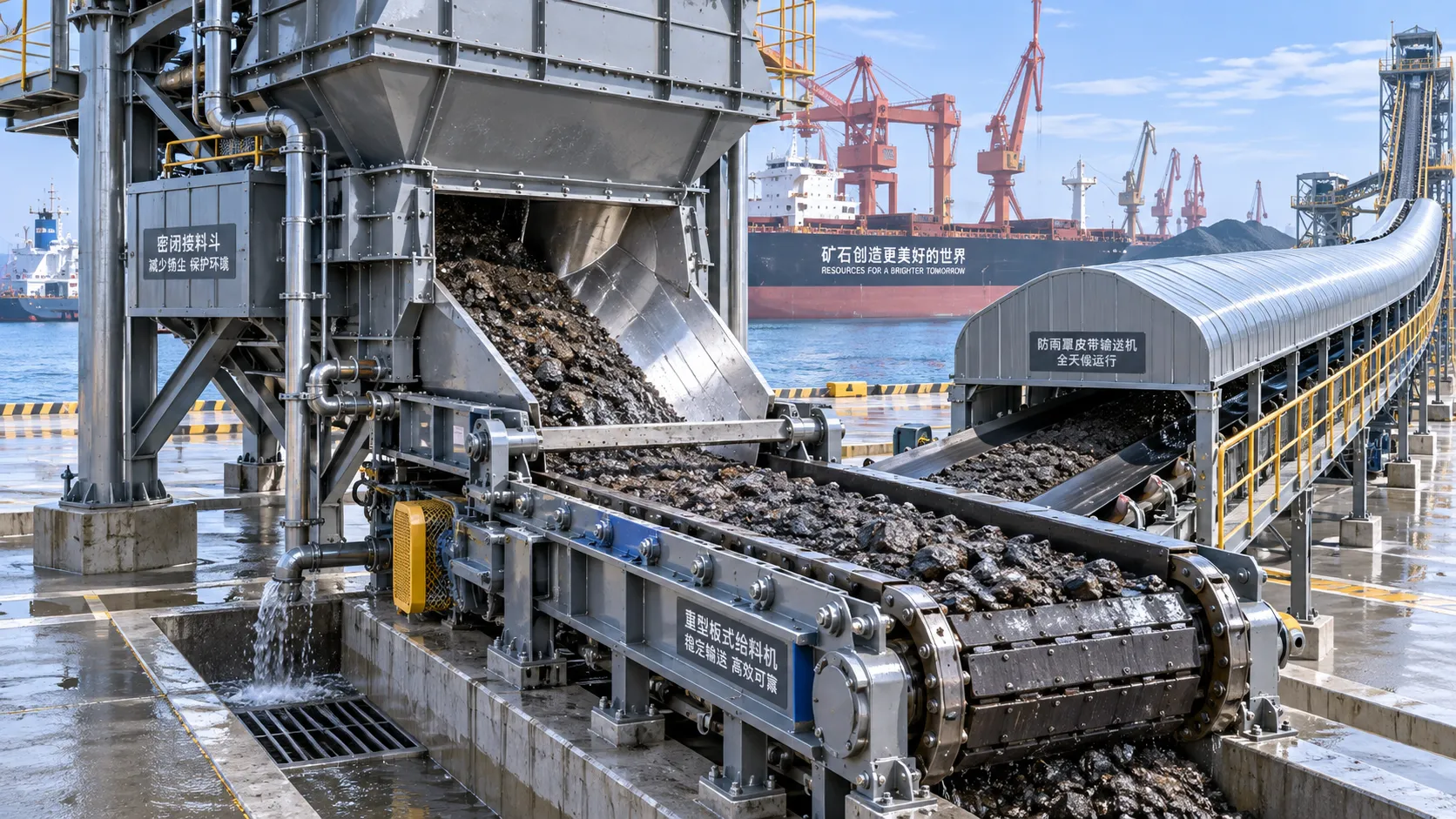
Which Bulk Handling Equipment Suits High-Moisture Cargo?
Which bulk handling equipment suits high-moisture cargo? Compare belt, apron, screw, drag, and slurry systems for reliable flow, less carryback, and higher terminal uptime.
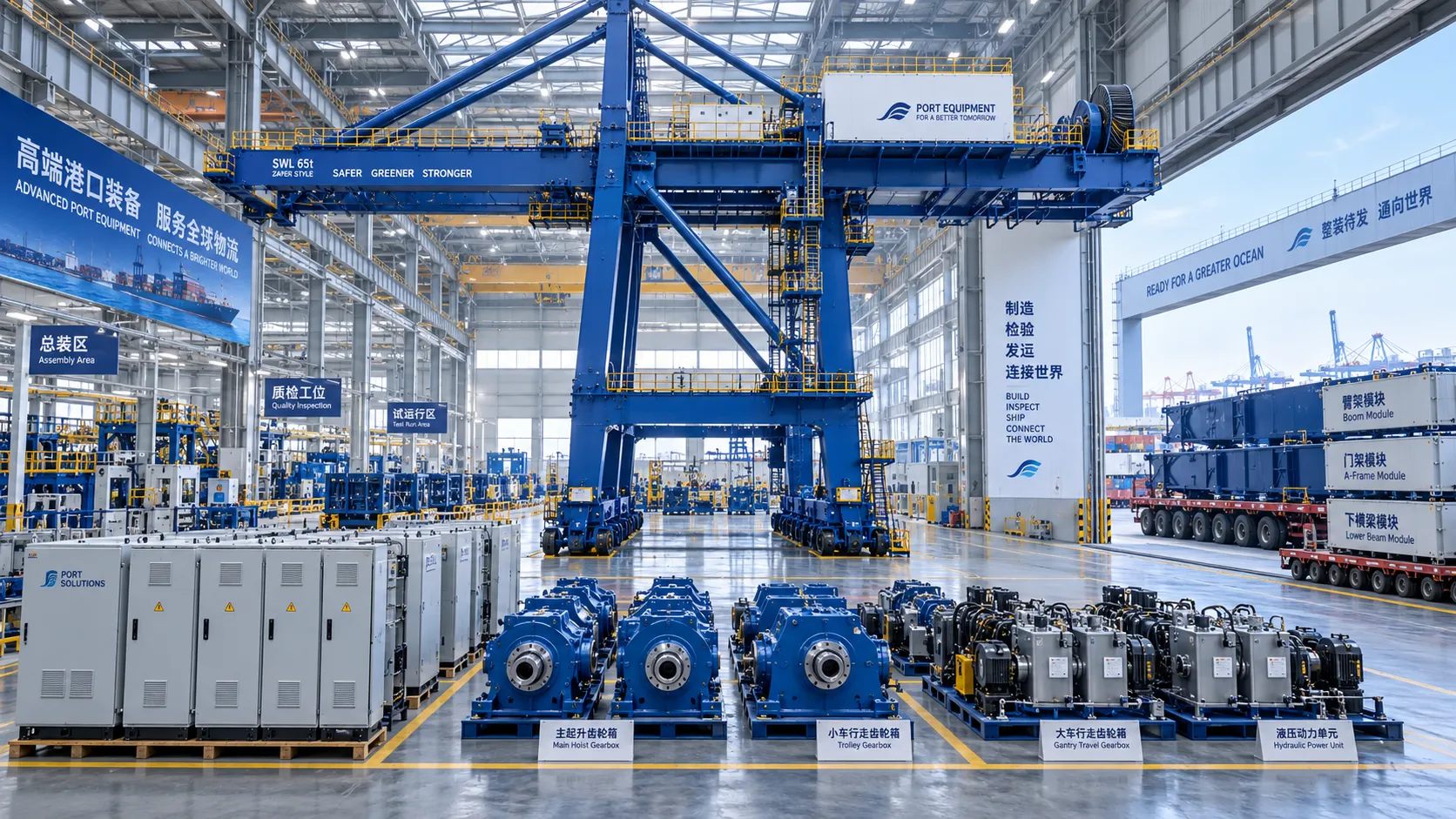
How Can Port Equipment Lead-Time Risk Be Managed?
How can port equipment lead-time risk be managed? Explore practical strategies to control critical paths, suppliers, transport, site readiness, and commissioning delays.
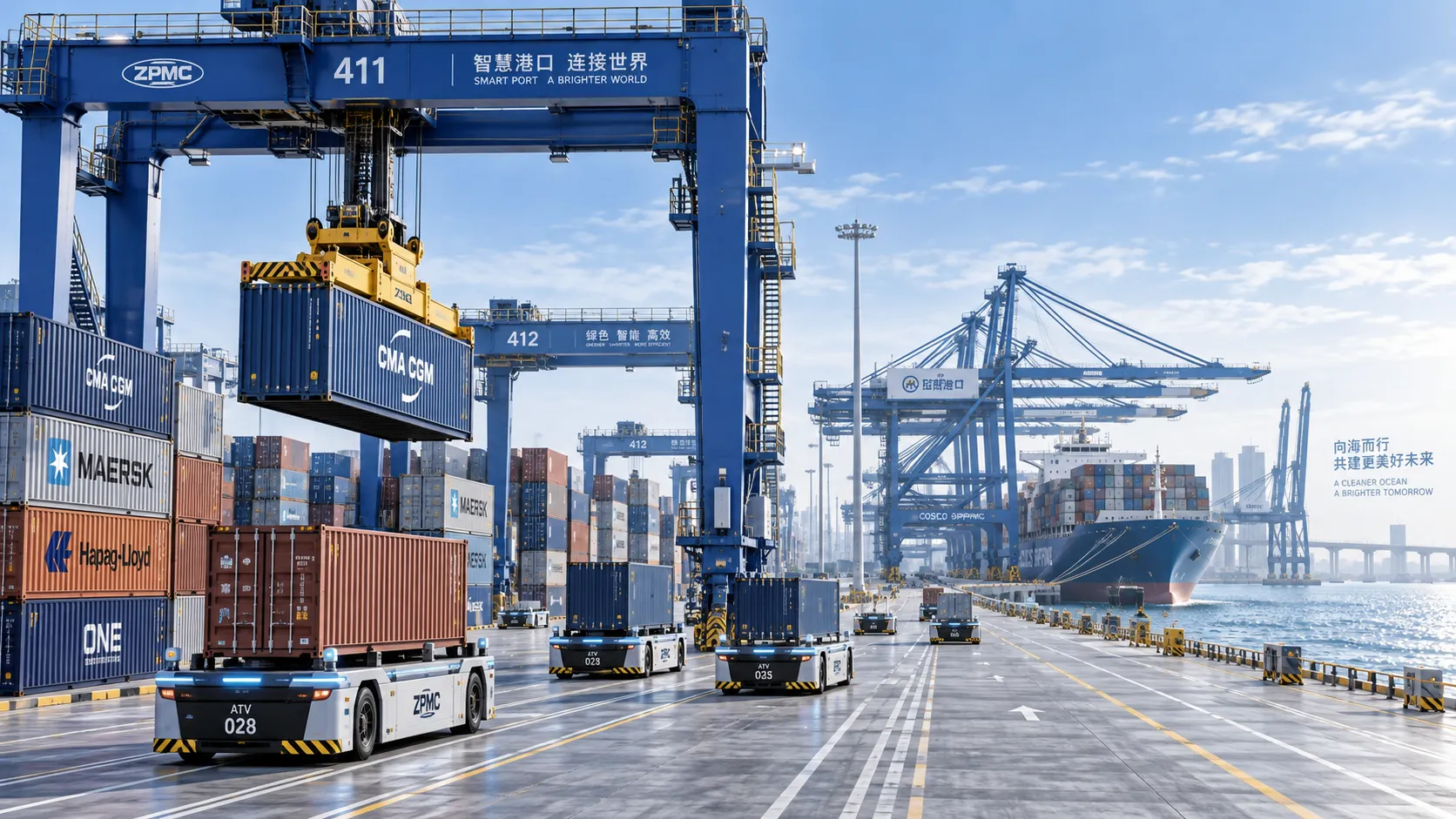
Terminal Automation Technologies That Raise Container Throughput Without Yard Disruption
Terminal automation technology that increases container throughput without disrupting yard flow. Explore smarter integration, resilient workflows, and phased deployment strategies.
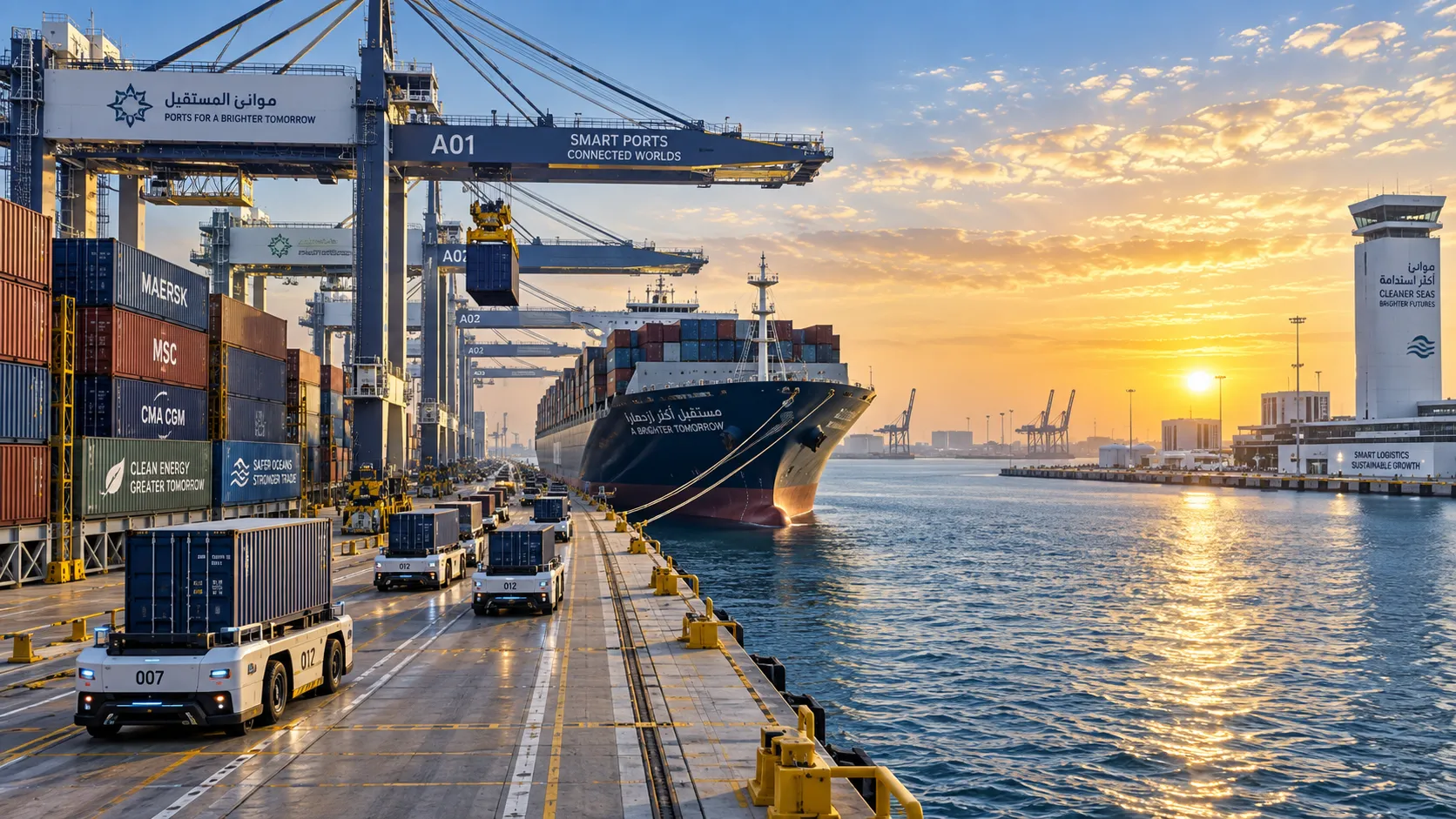
Middle East Port Automation: Key Market Drivers, Projects, and Investment Risks
Port automation systems Middle East: explore market drivers, flagship projects, integration challenges, and investment risks shaping smarter, resilient terminals.
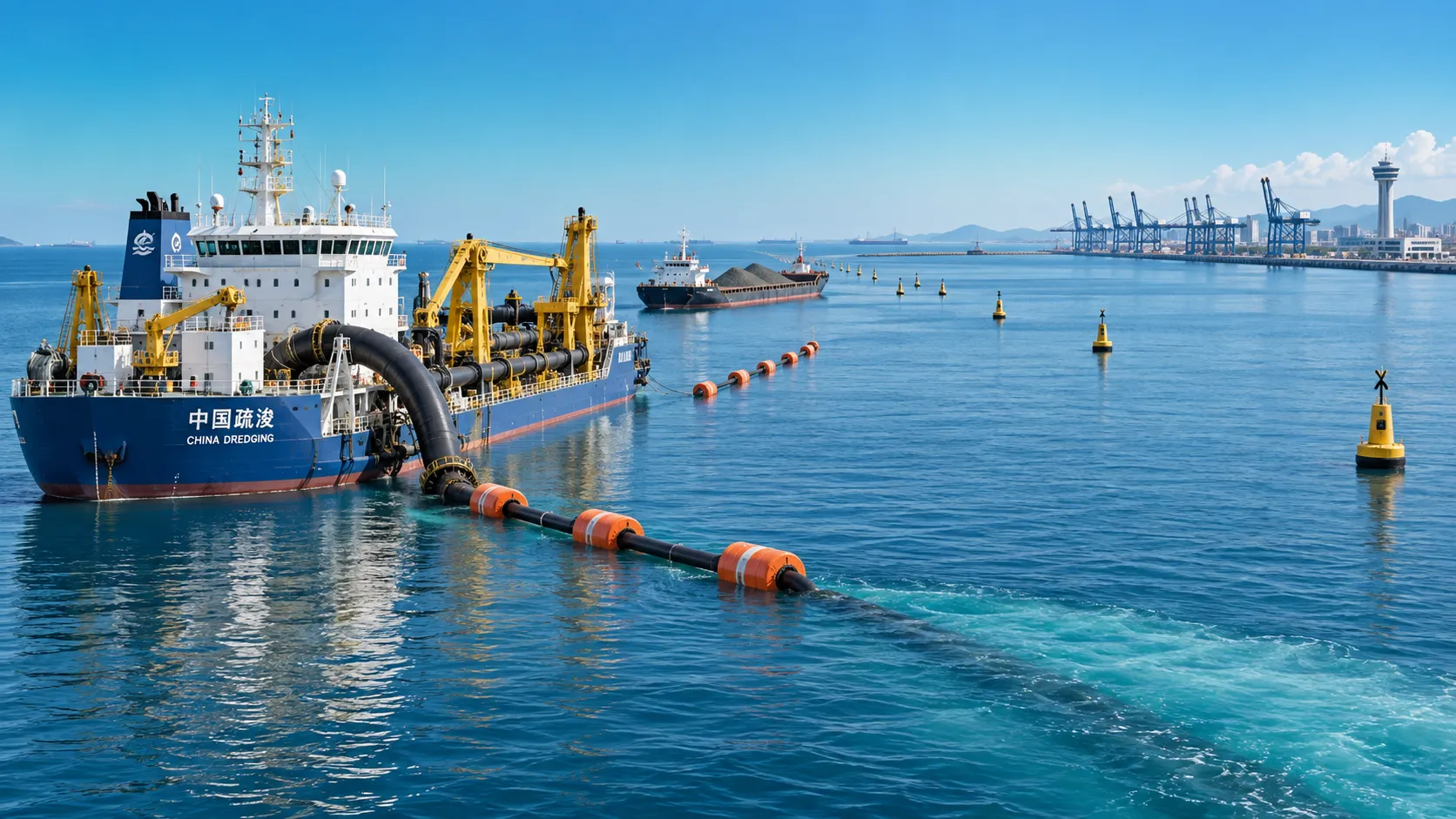
Planning Offshore Dredging Operations: Key Risks, Methods, and Project Controls
Offshore dredging operations demand smart planning. Explore key risks, proven methods, environmental controls, and project strategies for reliable delivery.