Related News
- 00
0000-00
How to Specify a Quay Crane for Container Terminals by Vessel Size and Throughput? - 00
0000-00
Which Bulk Handling Equipment Suits High-Moisture Cargo? - 00
0000-00
Terminal Automation Technologies That Raise Container Throughput Without Yard Disruption - 00
0000-00
Planning Offshore Dredging Operations: Key Risks, Methods, and Project Controls - 00
0000-00
Where Do Automated Guided Vehicles Deliver the Fastest Warehouse Gains in the Middle East?
Smart Oceans Technology in Offshore Monitoring: Sensors, Data Links, and Use Cases
Why smart oceans technology changes offshore monitoring decisions
Smart oceans technology matters when offshore work moves beyond visual checks and delayed reporting.
In port expansion, dredging corridors, and remote terminal support zones, conditions shift faster than manual routines can capture.
The practical value is not only more data.
It is the ability to link seabed movement, equipment health, weather exposure, and communication stability into one operating picture.
That is why smart oceans technology is becoming relevant across maritime logistics, coastal economics, and heavy marine engineering.
For a platform like PS-Nexus, the topic fits naturally.
Terminal gear, automated handling, port control systems, and dredging equipment all depend on accurate offshore visibility.
When sensor feeds, data links, and analytics work together, operating decisions become faster and less reactive.
Actual field conditions make requirements diverge quickly
Not every offshore monitoring task needs the same architecture.
A dredging project tracking slurry flow behaves very differently from a breakwater monitoring program or a buoy network near an automated terminal.
In practice, the first judgment is about operational consequence.
If data loss can stop vessel movement or distort safety margins, resilient links matter more than sensor quantity.
If the site is energy-constrained, low-power sensing and reporting intervals become the real design limit.
Water depth, salinity, fouling, wave action, and maintenance access also reshape what smart oceans technology should look like.
A system that performs well beside a port breakwater may struggle in exposed offshore construction zones.
The core design question is usually not the sensor itself
The harder question is how the sensor, transmission path, and response workflow behave together during disruptions.
This is where smart oceans technology moves from concept to usable infrastructure.
Near-port monitoring often prioritizes continuity over extreme range
In waters supporting quay operations, turning basins, and approach channels, monitoring usually serves immediate operational control.
The demand is less about isolated measurements and more about dependable situational awareness.
Typical smart oceans technology in this setting combines tide sensors, current meters, weather stations, AIS inputs, and CCTV-linked edge devices.
The preferred link may be fiber, private LTE, or short marine radio backhaul, depending on infrastructure maturity.
What matters most is low latency for traffic coordination and fast exception handling.
This is especially relevant where automated container handling and AGV scheduling depend on synchronized marine-side information.
A current anomaly or berth-side wave event can ripple into yard planning, crane sequencing, and gate throughput.
Dredging and seabed works need a different monitoring logic
Dredging projects rarely benefit from generic offshore dashboards.
They need measurement chains tied to excavation accuracy, turbidity control, pump status, slurry density, and channel compliance.
In this environment, smart oceans technology must handle moving assets and unstable operating geometry.
Sensor choice often includes multibeam sonar, sediment concentration sensors, differential positioning, and digital pump monitoring.
Data links also need tolerance for intermittent shadowing, vessel motion, and equipment vibration.
The useful question is whether the system can support corrective action before dredging drift creates rework.
That is why some projects prefer hybrid architectures.
Edge processing filters raw signals onboard, while shore systems receive validated operational indicators instead of constant heavy streams.
Remote offshore assets place more pressure on links and power budgets
Conditions change again when monitoring extends to offshore buoys, subsea nodes, or distant inspection points.
Here, smart oceans technology succeeds only if communication and energy planning are treated as first-order constraints.
A high-resolution sensor package may look impressive on paper.
It becomes less useful if battery cycles, satellite costs, or biofouling shorten service intervals beyond practical limits.
More common field decisions involve trade-offs.
Sampling frequency may be reduced to preserve uptime.
Critical alarms may be prioritized over raw data transmission.
Redundancy may shift from duplicate sensors to dual communication paths.
Sensors only add value when matched to the right failure modes
One of the most common mistakes is selecting sensors by specification sheet rather than by operational risk.
Smart oceans technology works better when each sensing layer answers a specific field question.
For example, corrosion and structural strain monitoring support asset integrity decisions.
Wave, tide, and current sensing support navigational timing and safety buffers.
Turbidity and bathymetry support environmental compliance and excavation control.
Trying to make one sensor network serve all purposes often raises noise, cost, and maintenance burden.
- Use structural sensors where downtime risk is expensive and inspection windows are limited.
- Use environmental sensors where marine conditions affect scheduling, safety, or permitting.
- Use process sensors where dredging, pumping, or transfer performance changes in real time.
Data links should be judged by resilience, not headline speed
Many offshore programs overestimate bandwidth needs and underestimate disruption patterns.
In real use, smart oceans technology depends on whether the right data arrives at the right moment.
Fiber works well where fixed marine infrastructure exists.
Private wireless networks suit dynamic port zones.
Satellite remains important for remote spread, but cost and latency must be aligned with event priority.
A useful planning method is to divide transmissions into three classes.
- Continuous operational data for routine control.
- Exception data for thresholds, anomalies, and safety triggers.
- Bulk historical data for modeling, compliance, and optimization.
This prevents expensive overdesign and helps smart oceans technology remain scalable across expanding marine assets.
Where projects often misread the fit
Misjudgment usually happens at the boundary between engineering intent and field reality.
A common example is assuming similar coastlines have identical monitoring needs.
Sediment behavior, vessel traffic, maintenance access, and local standards can change the correct design.
Another mistake is focusing on acquisition cost while ignoring calibration visits, cleaning cycles, spare parts, and communications fees.
In smart oceans technology, lifecycle fit often matters more than initial hardware appeal.
It is also easy to underrate integration.
If offshore signals cannot feed terminal control logic, maintenance platforms, or dredging reports, the monitoring layer stays isolated.
A practical way to adapt smart oceans technology before rollout
A more reliable path starts with scenario mapping rather than device selection.
List the operating decisions that depend on offshore visibility.
Then define what must be measured, how quickly it must arrive, and what action follows each threshold.
For organizations following PS-Nexus intelligence across terminal gear, automation, and dredging engineering, this step creates a common language between marine operations and digital systems.
Useful rollout checks usually include site exposure, power availability, communications fallback, integration compatibility, and maintenance reach.
If those conditions are clear, smart oceans technology can support safer navigation windows, steadier dredging output, stronger asset awareness, and better coordination across the port supply chain.
The next step is straightforward.
Compare actual operating scenarios, rank the highest-impact monitoring gaps, and build a deployment standard around risk, uptime, and maintainability rather than sensor quantity alone.
Related News
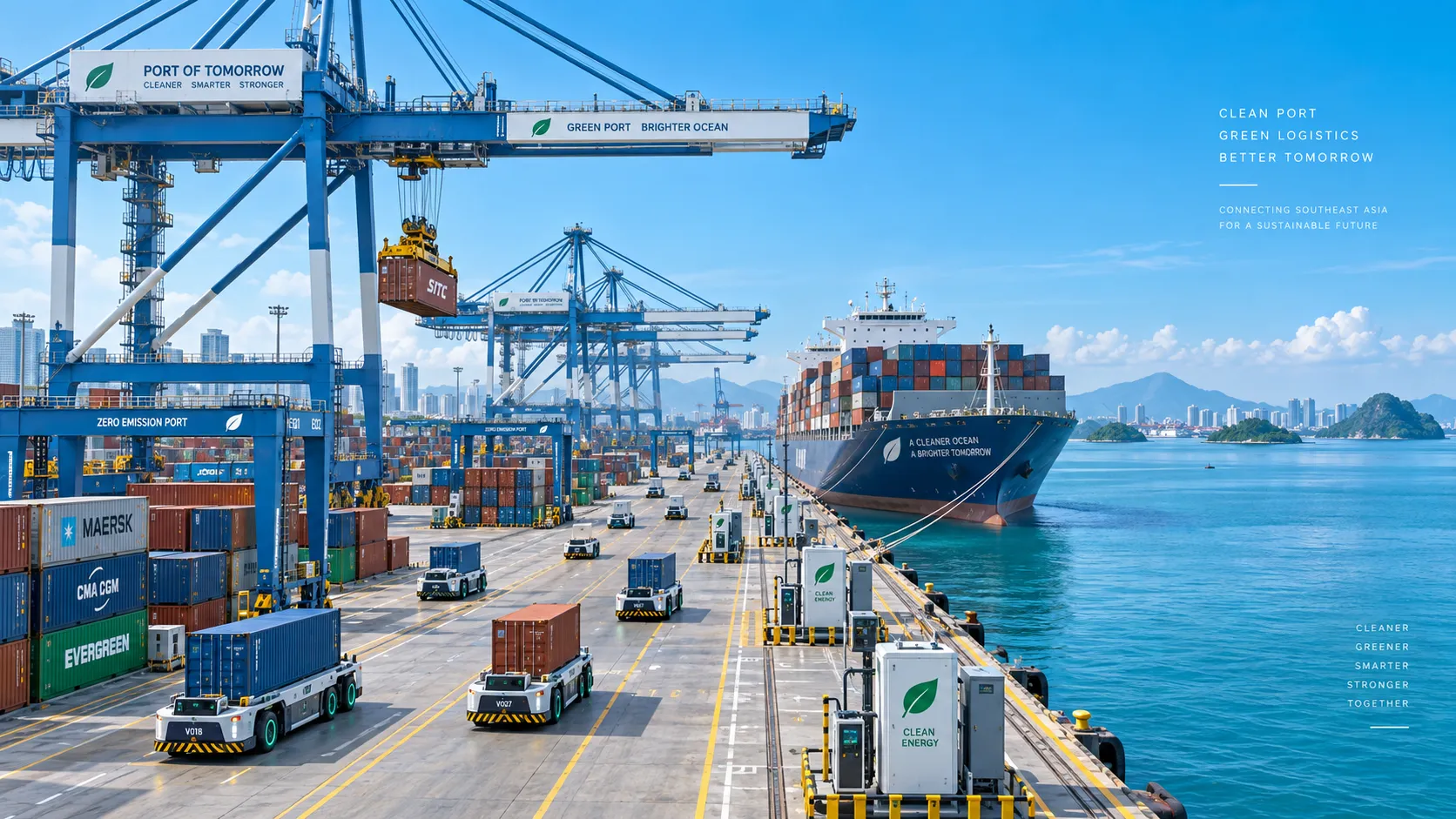
Smart Port Systems in Southeast Asia: Investment Priorities and Adoption Barriers
Smart port systems Southeast Asia: discover investment priorities, adoption barriers, and practical steps to build resilient, connected, high-performing terminals.
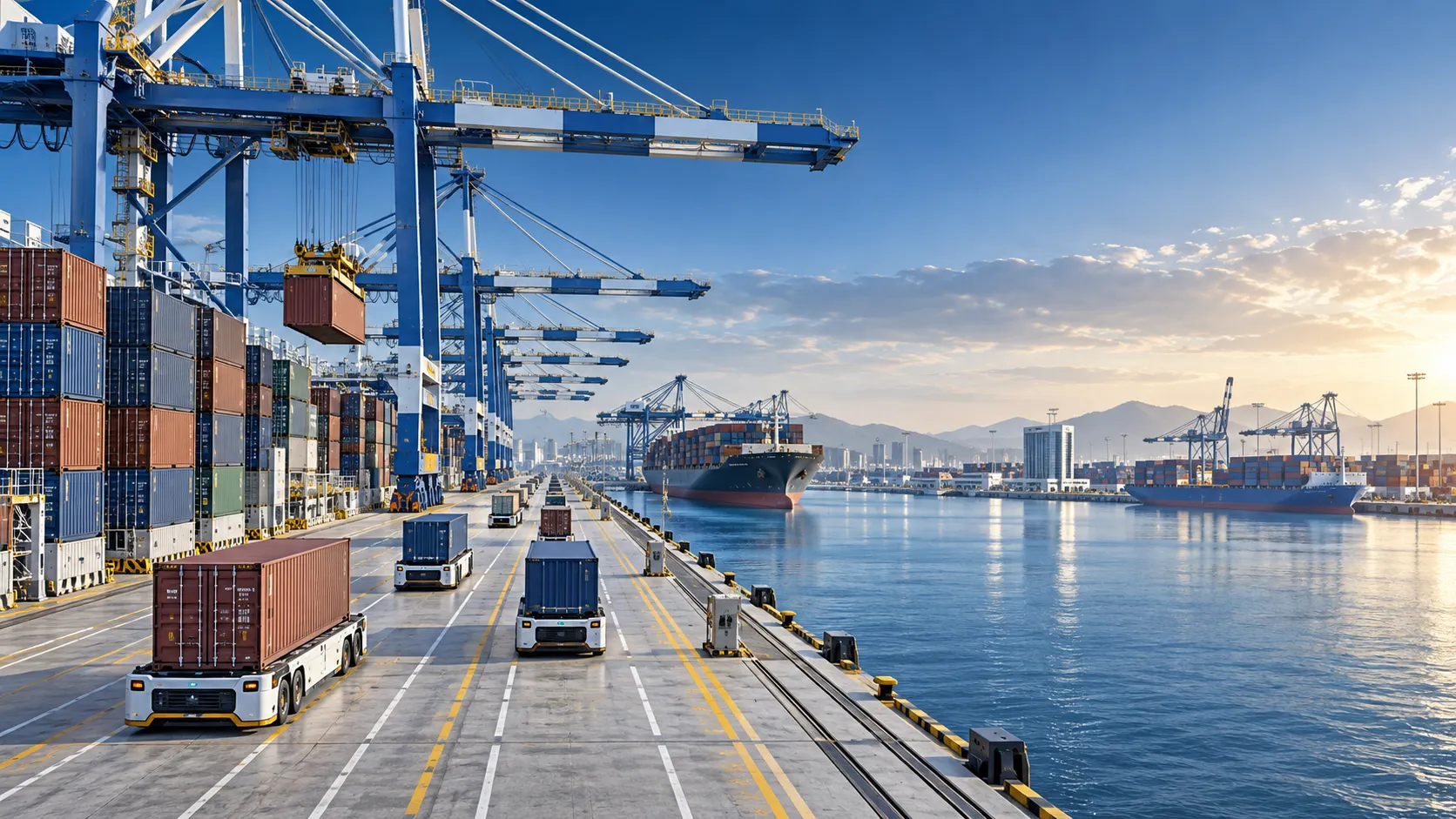
How to Evaluate Terminal Efficiency Solution Suppliers for High-Throughput Operations
Choose a terminal efficiency solutions supplier with confidence. Explore proven criteria for throughput, integration, lifecycle cost, safety, and reliable delivery.
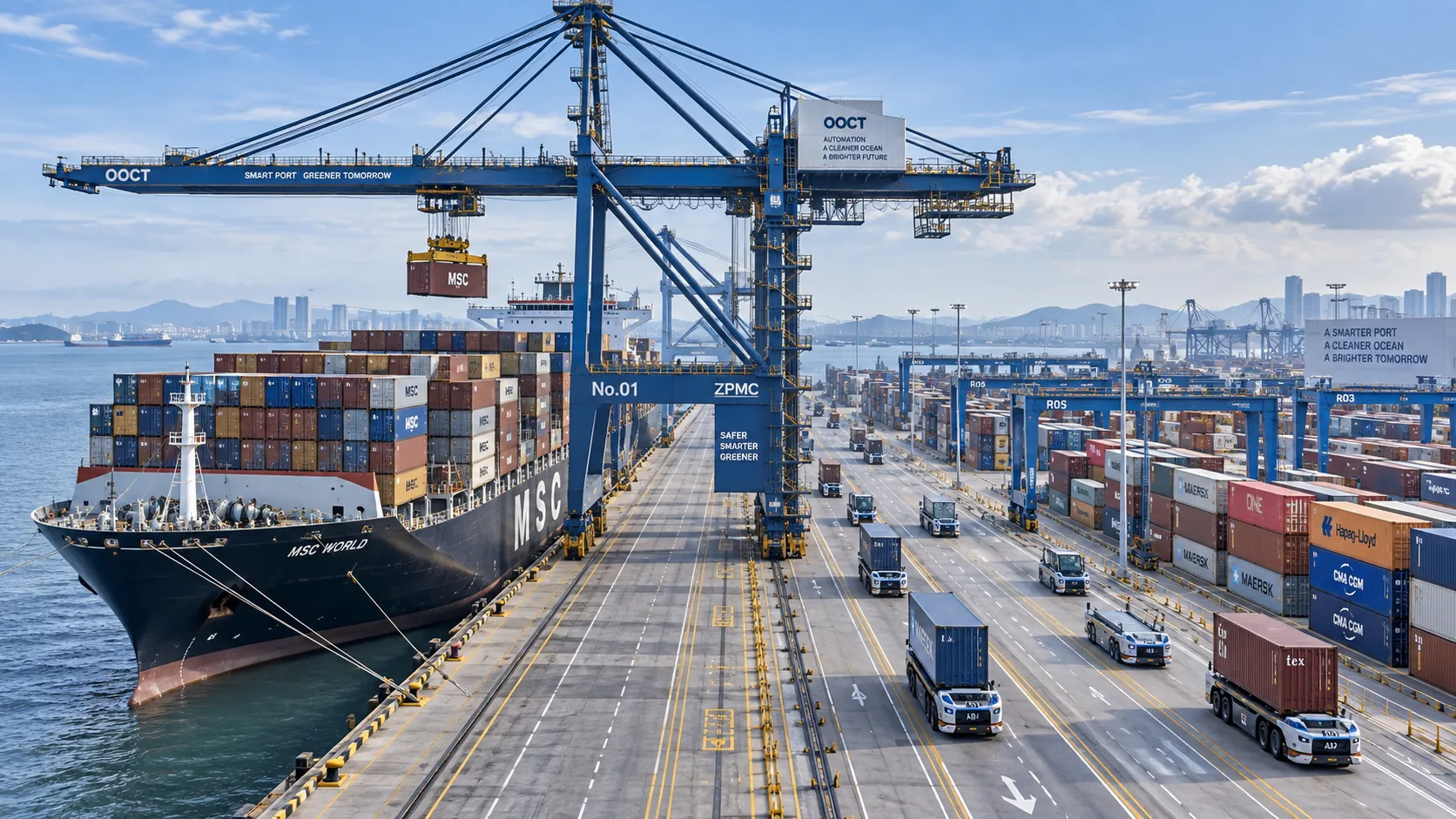
How to Specify a Quay Crane for Container Terminals by Vessel Size and Throughput?
Quay crane for container terminals: learn how to match outreach, lift height, capacity, automation, and cycle performance to vessel size and throughput goals.
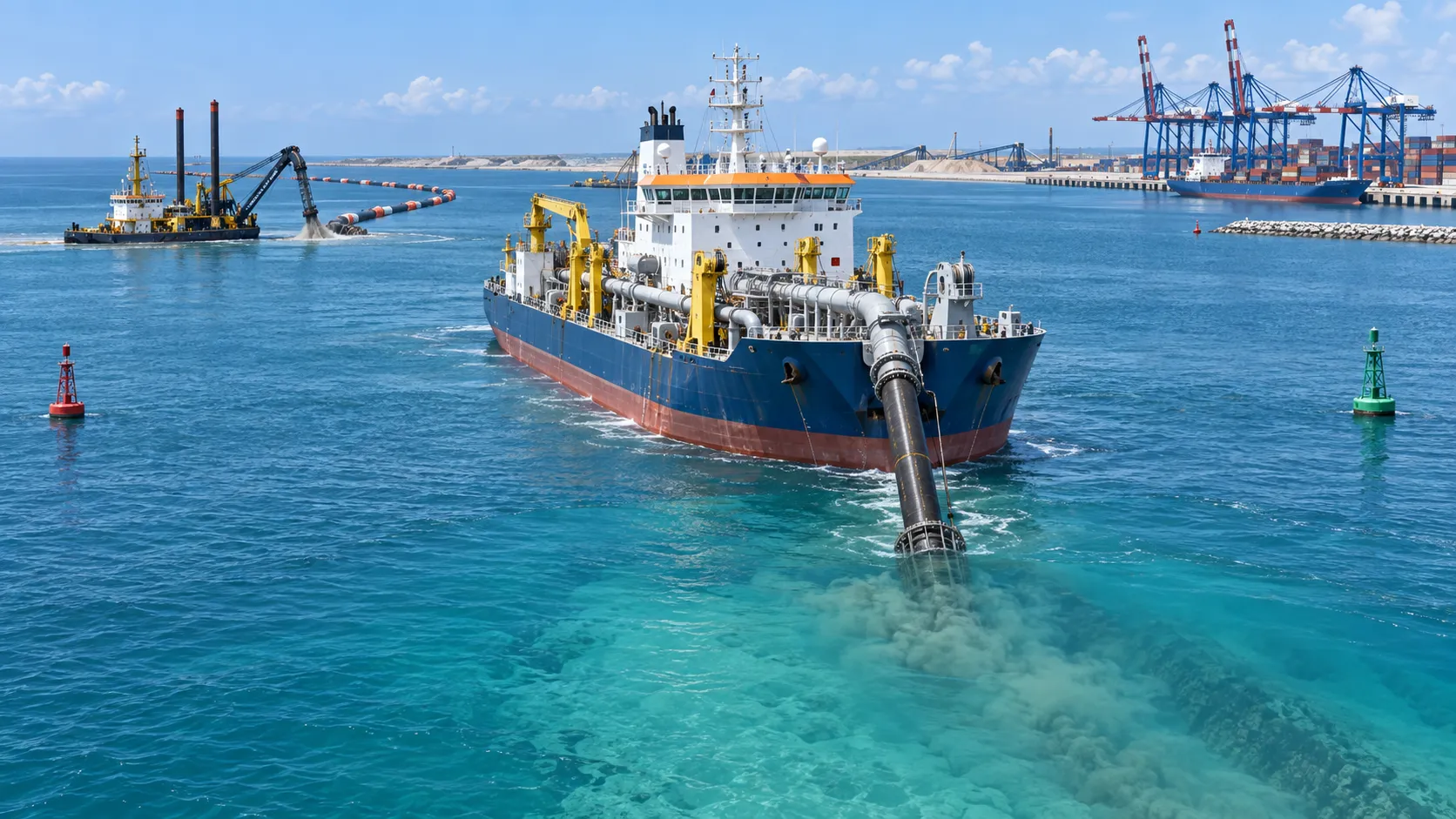
What Dredging Equipment Is Needed for Channel Deepening?
What dredging equipment is needed for channel deepening? Explore dredgers, pipelines, survey tools, and planning strategies for safer, more efficient port access.
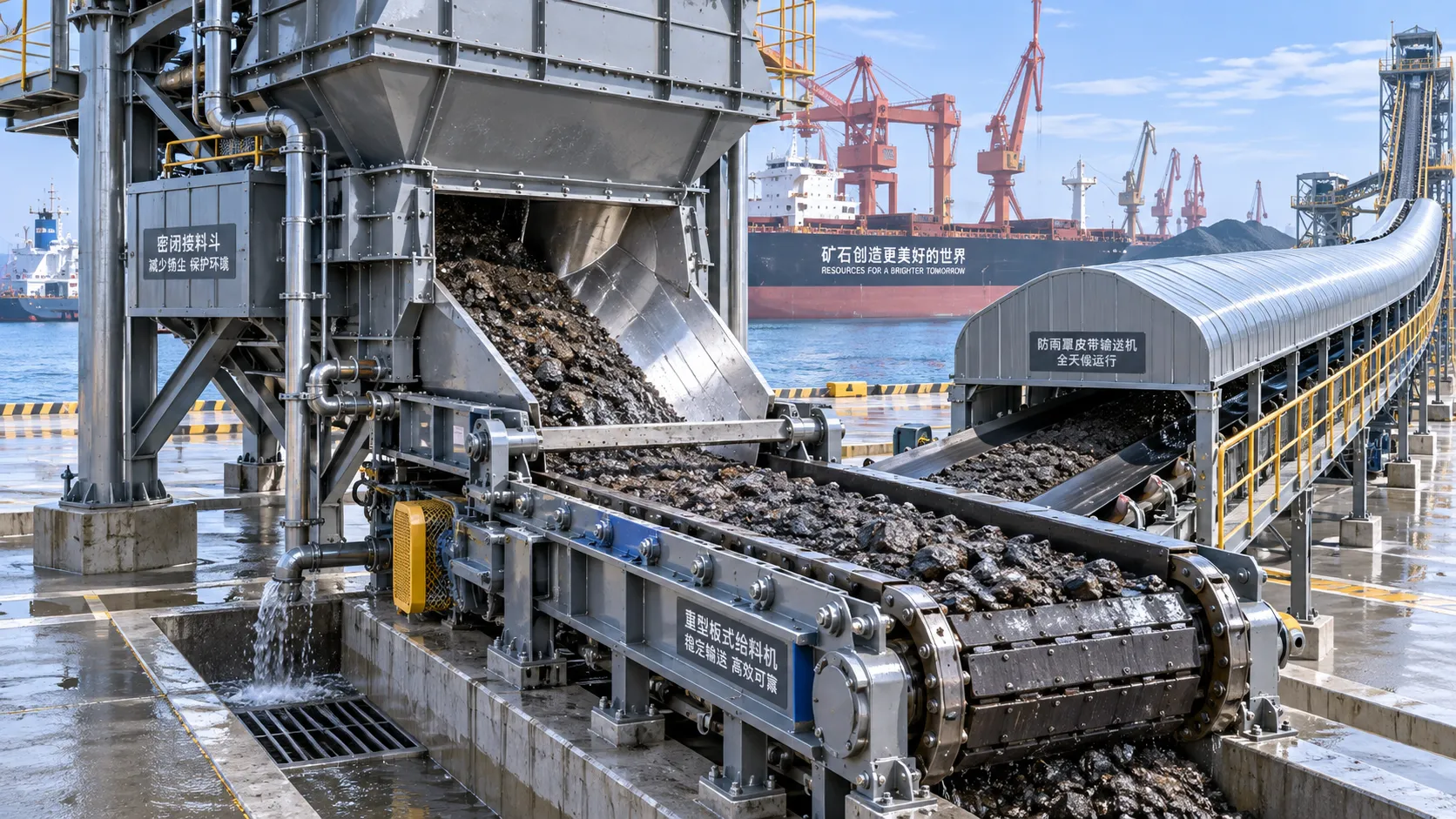
Which Bulk Handling Equipment Suits High-Moisture Cargo?
Which bulk handling equipment suits high-moisture cargo? Compare belt, apron, screw, drag, and slurry systems for reliable flow, less carryback, and higher terminal uptime.
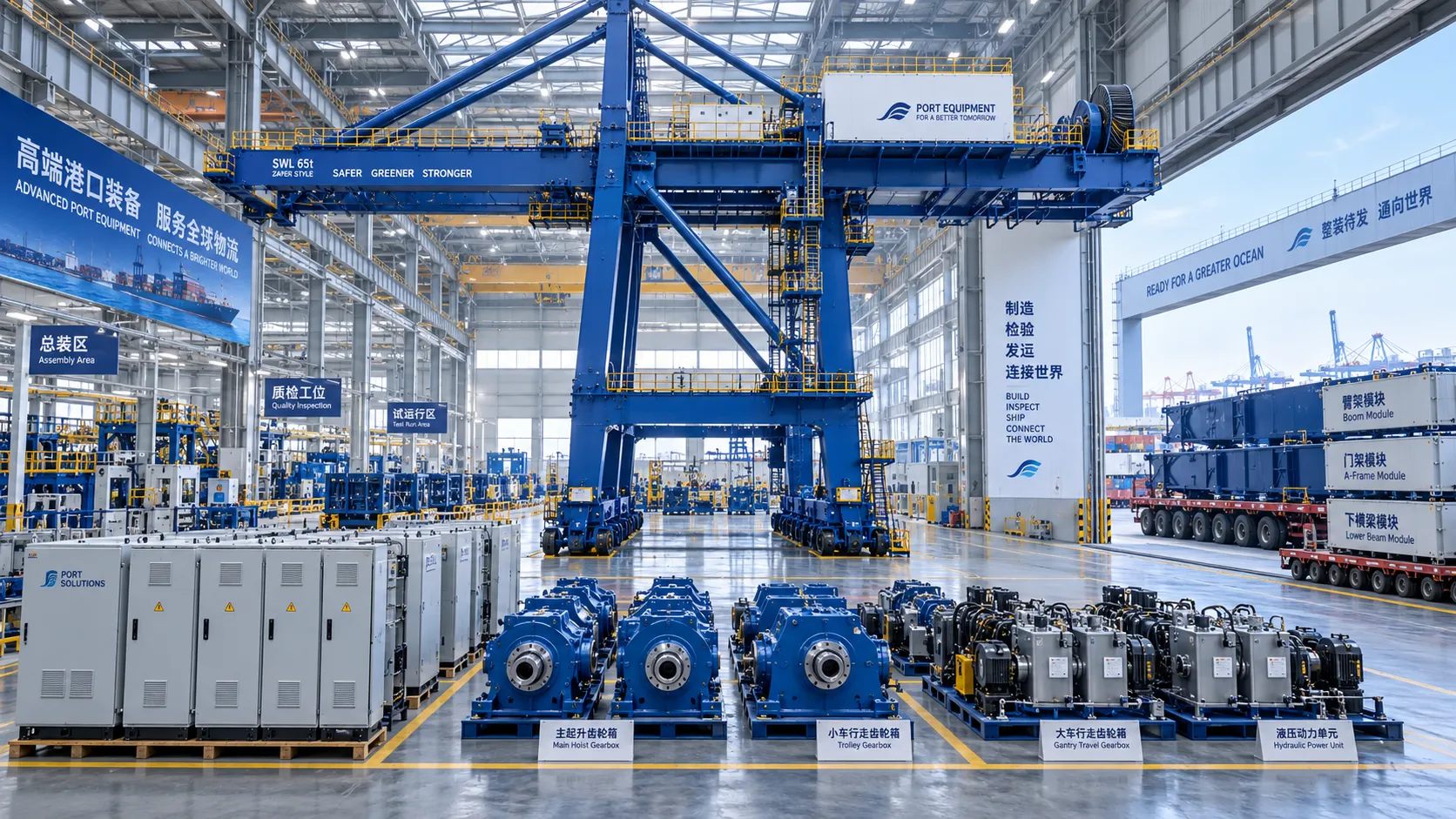
How Can Port Equipment Lead-Time Risk Be Managed?
How can port equipment lead-time risk be managed? Explore practical strategies to control critical paths, suppliers, transport, site readiness, and commissioning delays.
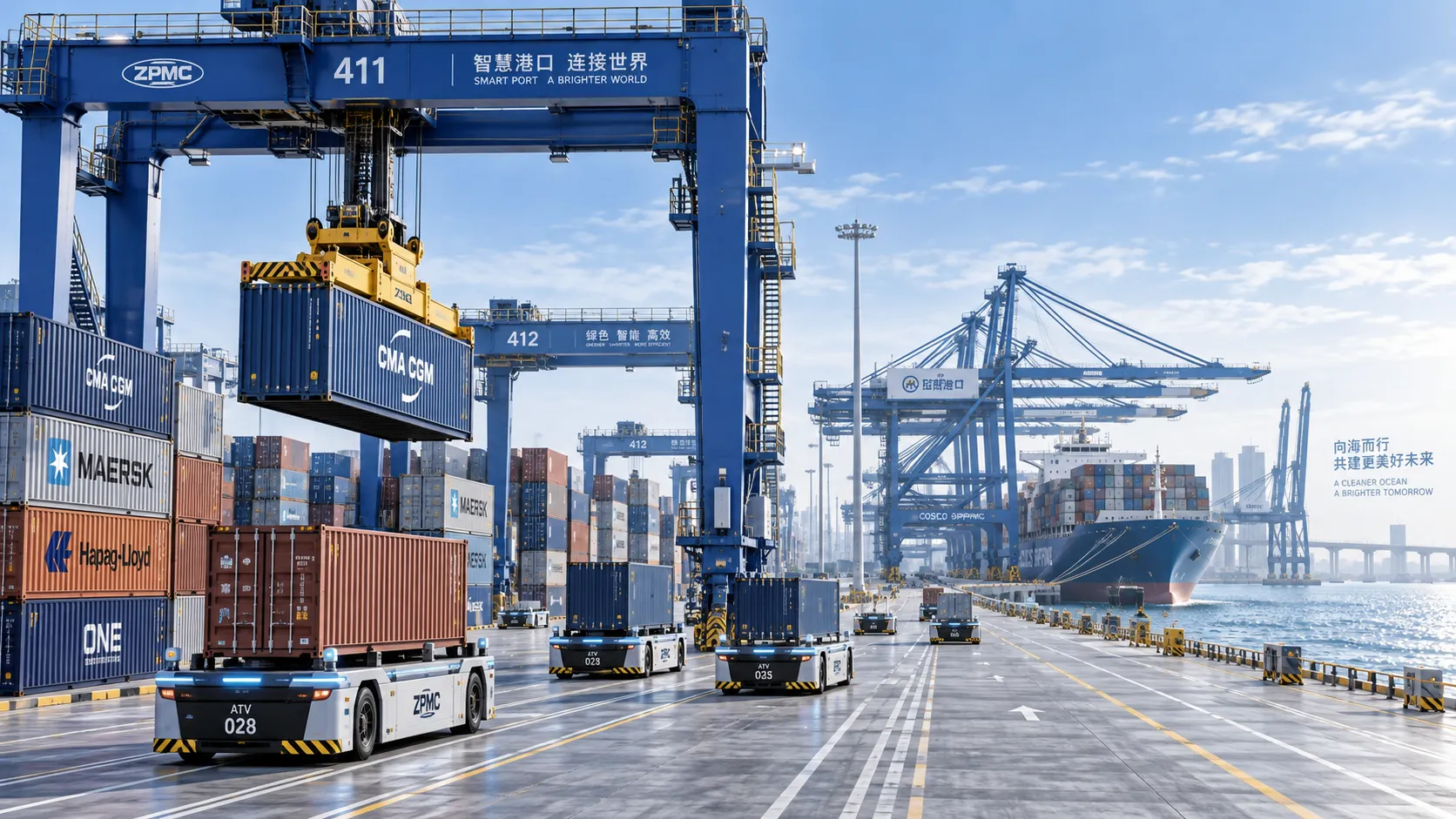
Terminal Automation Technologies That Raise Container Throughput Without Yard Disruption
Terminal automation technology that increases container throughput without disrupting yard flow. Explore smarter integration, resilient workflows, and phased deployment strategies.
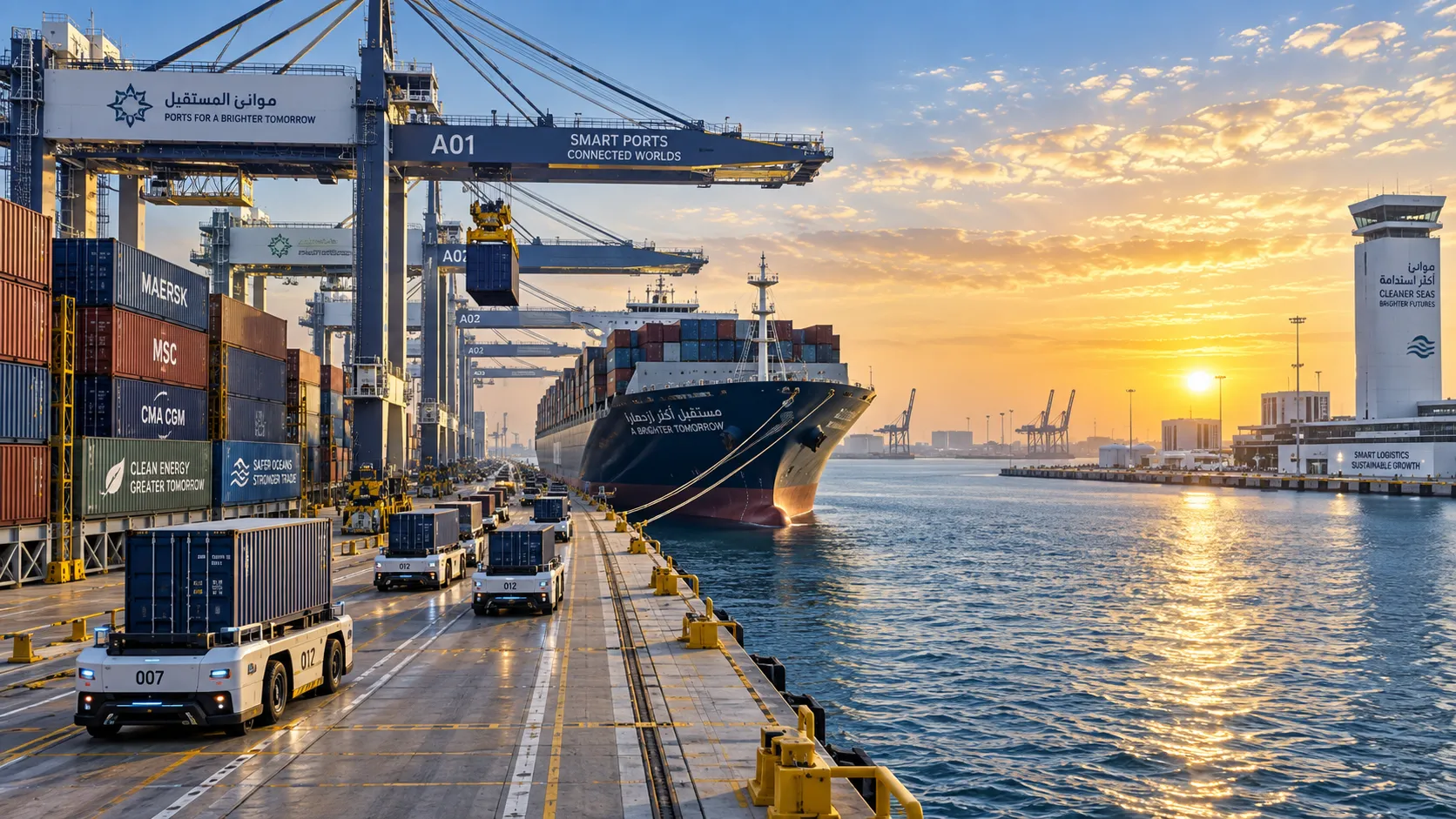
Middle East Port Automation: Key Market Drivers, Projects, and Investment Risks
Port automation systems Middle East: explore market drivers, flagship projects, integration challenges, and investment risks shaping smarter, resilient terminals.
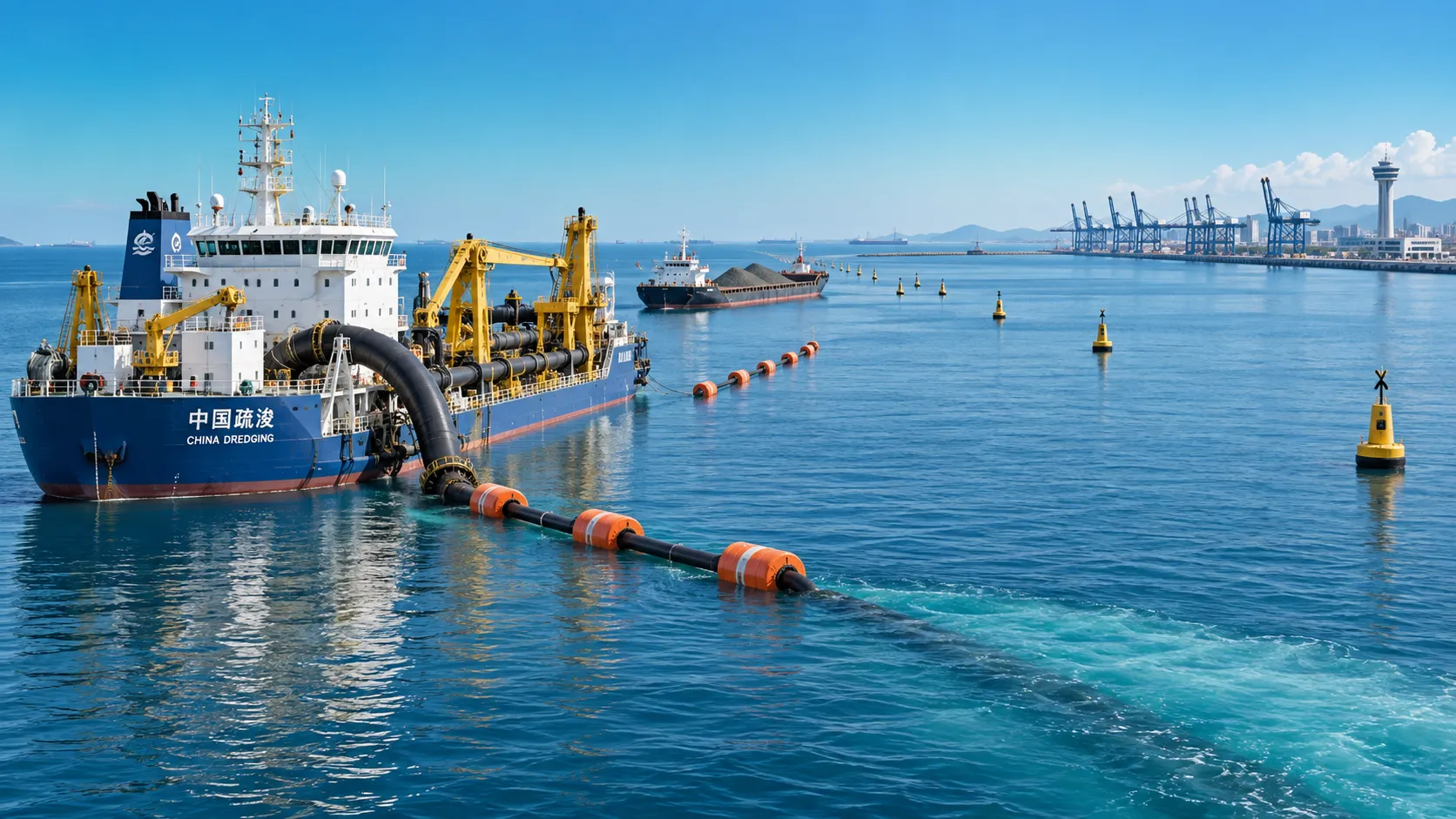
Planning Offshore Dredging Operations: Key Risks, Methods, and Project Controls
Offshore dredging operations demand smart planning. Explore key risks, proven methods, environmental controls, and project strategies for reliable delivery.