
Related News
- 00
0000-00
How to Specify a Quay Crane for Container Terminals by Vessel Size and Throughput? - 00
0000-00
Which Bulk Handling Equipment Suits High-Moisture Cargo? - 00
0000-00
Terminal Automation Technologies That Raise Container Throughput Without Yard Disruption - 00
0000-00
Planning Offshore Dredging Operations: Key Risks, Methods, and Project Controls - 00
0000-00
Where Do Automated Guided Vehicles Deliver the Fastest Warehouse Gains in the Middle East?
How to Choose Automated Guided Vehicles for Ports and Warehouses: 7 Specs That Matter
How to Choose Automated Guided Vehicles for Ports and Warehouses: 7 Specs That Matter
Choosing automated guided vehicles for ports and warehouses is not only about adding automation.
It is about matching vehicle capability with throughput goals, layout limits, safety rules, and software architecture.
A strong buying decision starts with technical fit, not brochure claims.
In real operations, the wrong automated guided vehicles can slow handoffs, increase charging downtime, and complicate future expansion.
That risk is even higher in container yards, cross-docks, and high-density warehouse lanes.
This guide breaks selection into seven practical specifications that directly affect uptime, efficiency, and long-term value.
1. Payload Capacity and Load Interface
The first question is simple: what exactly must the automated guided vehicles carry, tow, lift, or transfer?
Payload is more than a rated number on a datasheet.
It must align with real loads, peak load variation, and the interface between the vehicle and the cargo unit.
In ports, this may involve container frames, roll trailers, or palletized spare parts.
In warehouses, it often means pallets, cages, totes, or custom racks.
- Check nominal payload and maximum dynamic payload.
- Confirm load center limits, not just gross weight.
- Review top module design, forks, lift decks, conveyors, or towing couplers.
- Test load stability during turning, braking, and floor transitions.
A common mistake is selecting automated guided vehicles that meet average load needs but fail during mixed-shift peaks.
That usually shows up later as speed limits, reduced availability, or safety derating.
2. Navigation Method and Positioning Accuracy
Navigation technology is one of the most important automated guided vehicles selection factors.
It affects routing flexibility, installation cost, and long-term adaptability.
Options may include laser navigation, natural feature navigation, magnetic guidance, QR markers, or hybrid systems.
For ports, dust, open sky exposure, lane scale, and reflective surfaces matter.
For warehouses, narrow aisles, shelving geometry, and frequent layout changes matter more.
- Measure required stopping tolerance at pickup and drop-off points.
- Assess map update effort when the site changes.
- Check how navigation performs under poor lighting or weather exposure.
- Ask how the vehicle handles localization loss and recovery.
If loads must align with conveyors, cranes, or automated storage systems, positioning accuracy becomes a hard requirement.
In that case, the best automated guided vehicles are usually the ones with stable repeatability, not just flexible routing.
3. Speed, Acceleration, and Throughput Performance
Higher speed does not automatically mean better system performance.
What matters is completed moves per hour under actual traffic conditions.
That includes loaded speed, empty speed, acceleration curves, deceleration behavior, and waiting time at intersections.
In busy sites, slow traffic logic can erase any gain from faster drive motors.
A useful approach is to compare automated guided vehicles using operational cycle time.
From a decision standpoint, ask for simulated throughput using your route map and demand profile.
That usually reveals more than isolated speed data ever will.
4. Battery System, Charging Strategy, and Energy Uptime
Battery design shapes fleet size, maintenance planning, and uptime resilience.
This is especially important when automated guided vehicles run across multiple shifts or large outdoor routes.
Lithium systems often support opportunity charging and faster turnaround.
Other battery choices may still fit if duty cycles are predictable and charging windows are stable.
- Review battery chemistry, cycle life, and thermal behavior.
- Check charging type, manual, automatic, plug-in, or contactless.
- Model battery degradation under local temperature conditions.
- Estimate whether charging queues will affect dispatch performance.
In practice, energy planning should be done at fleet level, not vehicle level.
A technically strong automated guided vehicles project often succeeds because charging logic is built into traffic orchestration from the start.
5. Safety System and Regulatory Compliance
Safety cannot be treated as a final checklist item.
It changes route design, operating speed, fleet behavior, and mixed-traffic usability.
For automated guided vehicles in ports and warehouses, the key issue is how safely they interact with people, trucks, forklifts, and fixed assets.
Look beyond the presence of scanners and emergency stops.
- Confirm obstacle detection zones at different speeds.
- Review behavior in blind corners and crossing lanes.
- Check compliance with relevant local and international standards.
- Ask how software updates affect validated safety functions.
This matters even more when the site is moving toward higher autonomy and lower staffing.
A safe automated guided vehicles platform should support productivity without creating constant speed restrictions or false stops.
6. Software Integration and Fleet Control
Hardware alone does not deliver automation value.
The control layer decides how well automated guided vehicles work with terminal operating systems, warehouse management systems, PLCs, cranes, and conveyor networks.
This is often where hidden complexity appears.
A solid evaluation should cover these points:
- API openness and protocol compatibility.
- Dispatch logic for priority jobs and congestion handling.
- Real-time visibility of vehicle health, energy, and task status.
- Cybersecurity controls for remote access and software maintenance.
- Scalability from pilot fleet to full deployment.
From recent market shifts, the clearer signal is this: buyers increasingly favor automated guided vehicles that integrate cleanly into broader digital operations.
That includes data exchange, event logging, and support for algorithmic scheduling improvements over time.
7. Maintenance Access, Reliability, and Lifecycle Support
The final specification is often the one that protects long-term return.
Automated guided vehicles may look efficient during acceptance testing, yet become expensive if service access is poor or spare parts are slow.
Reliability should be measured through maintainability, diagnostics, and vendor support depth.
- Ask for MTBF and MTTR definitions, not just headline values.
- Review access to wear parts, sensors, wheels, and battery modules.
- Check remote diagnostics, predictive alerts, and software traceability.
- Confirm spare parts availability and local service response times.
This also affects scale-up planning.
If fleet growth is expected, the best automated guided vehicles are those supported by stable lifecycle planning, not only strong launch performance.
A Practical Selection Framework
To compare automated guided vehicles effectively, score each supplier against a common decision matrix.
Weight each factor based on operational risk, not marketing emphasis.
- Use route and demand simulations before shortlist approval.
- Request site-specific references in similar port or warehouse conditions.
- Evaluate integration scope as early as mechanical specification review.
- Model total cost across energy, maintenance, software, and expansion.
- Run pilot success criteria against throughput and uptime targets.
That approach reduces the chance of buying automated guided vehicles that look advanced but perform poorly in daily operations.
Conclusion
Choosing automated guided vehicles for ports and warehouses is a system decision, not a single-equipment purchase.
Payload, navigation, throughput, energy, safety, software, and lifecycle support all shape the final outcome.
When these seven specifications are reviewed together, selection becomes clearer and more defensible.
For teams evaluating automated guided vehicles, the most reliable next step is to convert operational targets into measurable technical criteria.
That turns automation planning into a practical, scalable decision with long-term value for both port and warehouse environments.
Related News
Smart Port Systems in Southeast Asia: Investment Priorities and Adoption Barriers
Smart port systems Southeast Asia: discover investment priorities, adoption barriers, and practical steps to build resilient, connected, high-performing terminals.

How to Evaluate Terminal Efficiency Solution Suppliers for High-Throughput Operations
Choose a terminal efficiency solutions supplier with confidence. Explore proven criteria for throughput, integration, lifecycle cost, safety, and reliable delivery.
How to Specify a Quay Crane for Container Terminals by Vessel Size and Throughput?
Quay crane for container terminals: learn how to match outreach, lift height, capacity, automation, and cycle performance to vessel size and throughput goals.
What Dredging Equipment Is Needed for Channel Deepening?
What dredging equipment is needed for channel deepening? Explore dredgers, pipelines, survey tools, and planning strategies for safer, more efficient port access.

Which Bulk Handling Equipment Suits High-Moisture Cargo?
Which bulk handling equipment suits high-moisture cargo? Compare belt, apron, screw, drag, and slurry systems for reliable flow, less carryback, and higher terminal uptime.
How Can Port Equipment Lead-Time Risk Be Managed?
How can port equipment lead-time risk be managed? Explore practical strategies to control critical paths, suppliers, transport, site readiness, and commissioning delays.
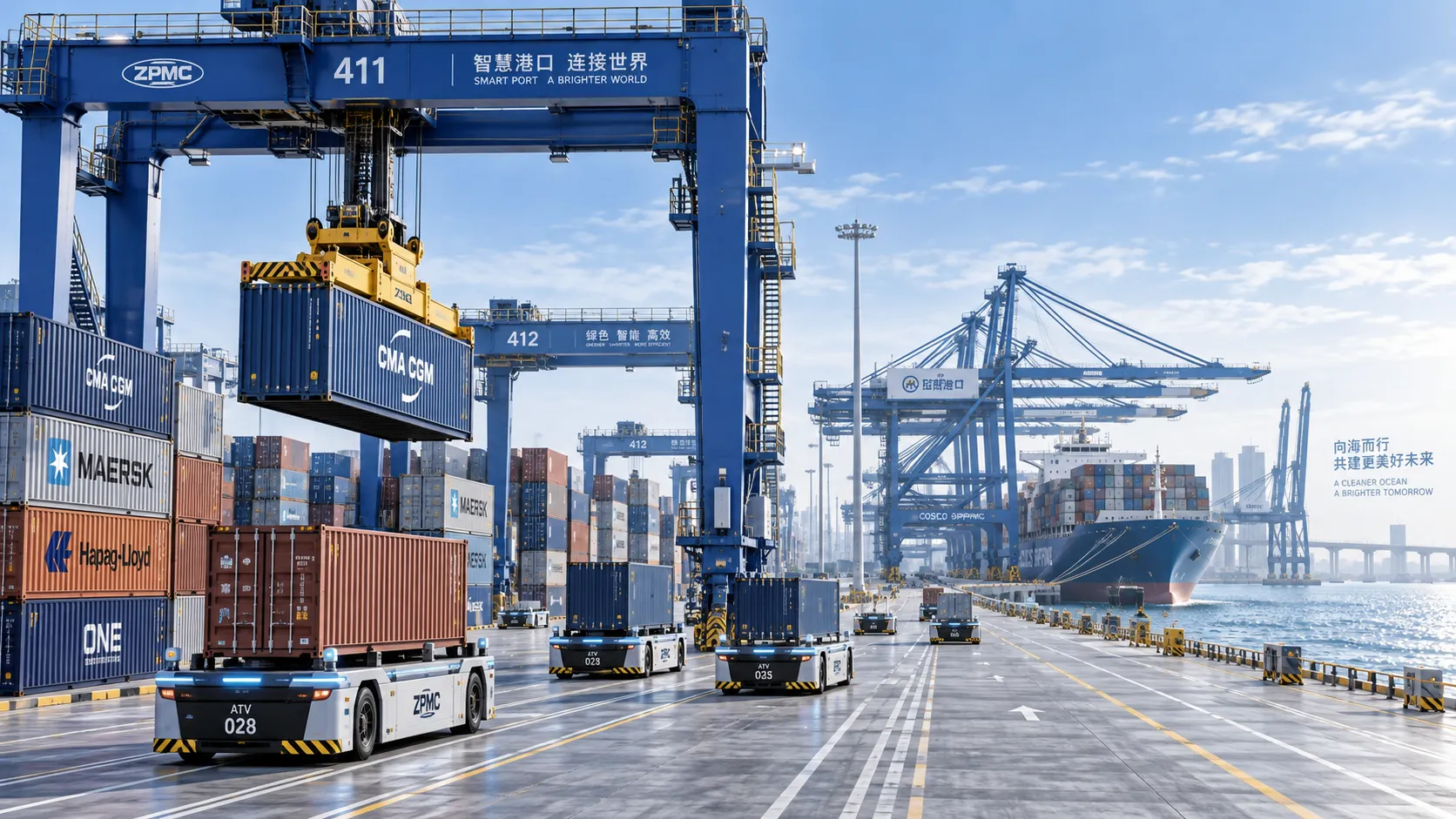
Terminal Automation Technologies That Raise Container Throughput Without Yard Disruption
Terminal automation technology that increases container throughput without disrupting yard flow. Explore smarter integration, resilient workflows, and phased deployment strategies.
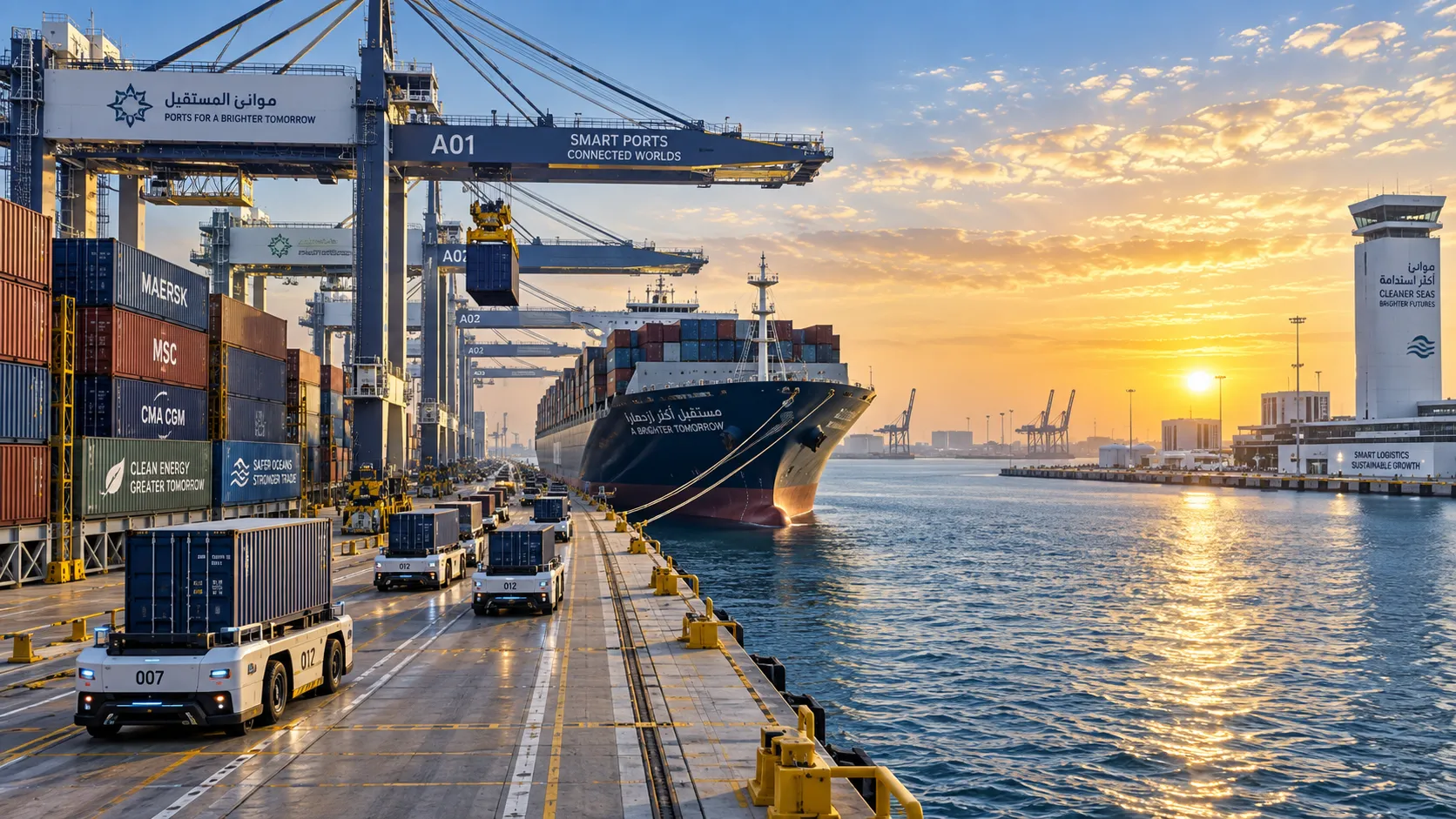
Middle East Port Automation: Key Market Drivers, Projects, and Investment Risks
Port automation systems Middle East: explore market drivers, flagship projects, integration challenges, and investment risks shaping smarter, resilient terminals.
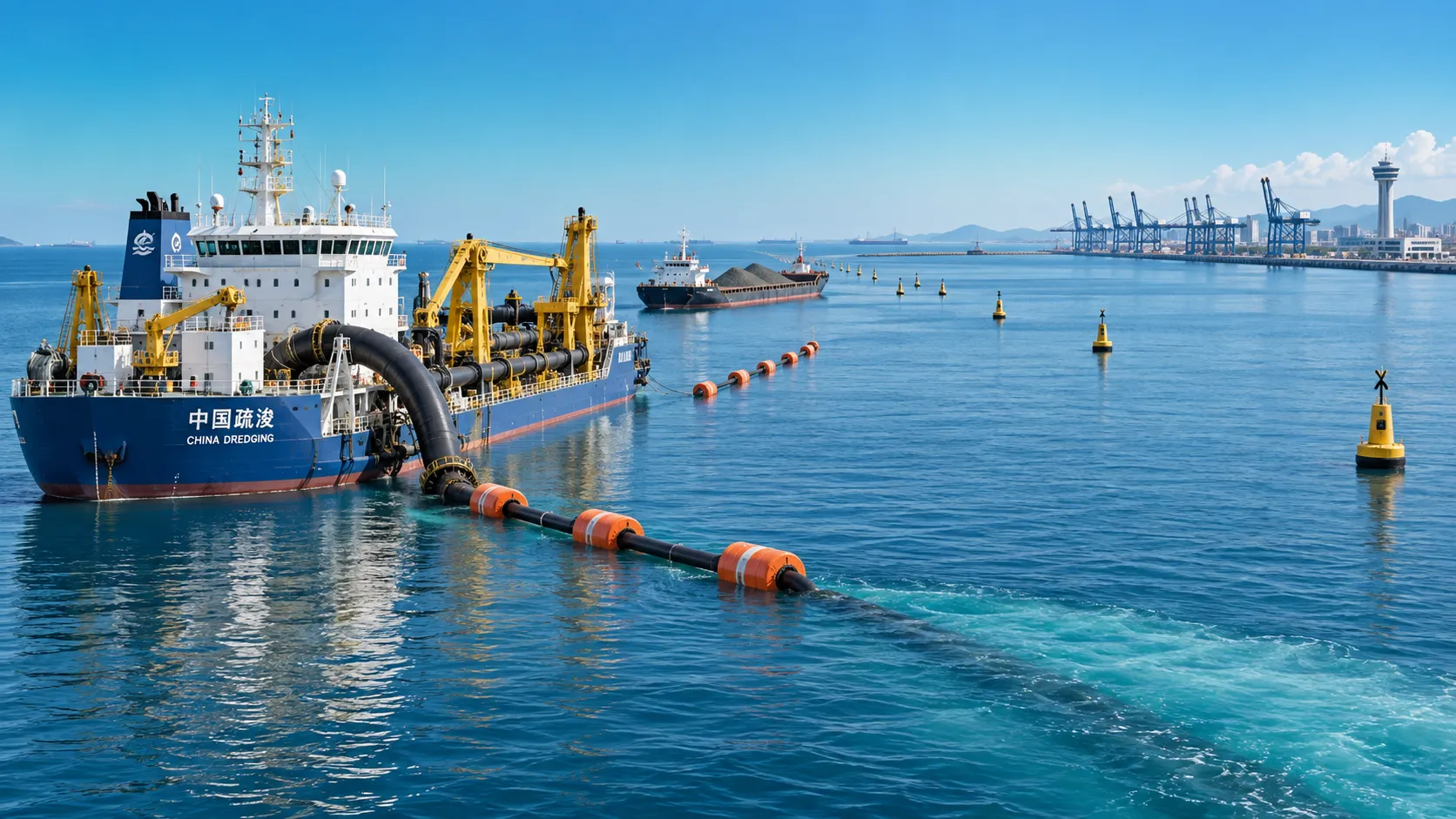
Planning Offshore Dredging Operations: Key Risks, Methods, and Project Controls
Offshore dredging operations demand smart planning. Explore key risks, proven methods, environmental controls, and project strategies for reliable delivery.