Related News
- 00
0000-00
How to Specify a Quay Crane for Container Terminals by Vessel Size and Throughput? - 00
0000-00
Which Bulk Handling Equipment Suits High-Moisture Cargo? - 00
0000-00
Terminal Automation Technologies That Raise Container Throughput Without Yard Disruption - 00
0000-00
Planning Offshore Dredging Operations: Key Risks, Methods, and Project Controls - 00
0000-00
Where Do Automated Guided Vehicles Deliver the Fastest Warehouse Gains in the Middle East?
What Is Coastal Infrastructure? Key Assets, Failure Risks, and Upgrade Priorities
Why does coastal infrastructure matter beyond the shoreline?
Coastal infrastructure is easy to notice only when it fails.
A closed berth, damaged breakwater, or silted channel can disrupt trade, energy supply, local jobs, and emergency access at the same time.
That is why coastal infrastructure sits at the center of maritime logistics and coastal economics.
It supports vessel movement, cargo transfer, shoreline defense, drainage, utilities, and the land-water connections that keep ports operating.
In practical terms, coastal infrastructure is not one asset class.
It is a system of structures, equipment interfaces, and operating layers that must work together under tide, corrosion, traffic, and weather stress.
For that reason, the topic matters not only to civil engineers.
It also matters to anyone tracking throughput limits, dredging cycles, automation readiness, and long-term resilience around major port corridors.
A portal such as PS-Nexus frames this well.
Heavy terminal gear, automated container handling, and marine dredging engineering all depend on whether the supporting coastal infrastructure can carry future loads safely.
So, what is coastal infrastructure in plain terms?
The simplest answer is this:
Coastal infrastructure includes the built assets that protect coasts, enable marine access, and connect ports and coastal communities to supply chains.
Some elements are visible and structural.
Others are operational but just as critical.
- Marine access assets, such as navigation channels, turning basins, and dredged fairways.
- Port interface assets, including quays, wharves, jetties, dolphins, fenders, and mooring systems.
- Shore protection assets, such as seawalls, revetments, levees, groynes, and breakwaters.
- Support systems, including drainage, utility corridors, access roads, rail links, and power distribution.
- Operational enablers, such as sediment management, control systems, and monitoring networks.
People often assume coastal infrastructure means only hard shoreline protection.
In port environments, that view is too narrow.
A berth may look sound, yet still underperform because channel depth, apron loading, drainage, or yard control systems are no longer aligned.
That broader definition matters when evaluating upgrade priorities.
Which assets usually fall into the highest-value category?
Not every component has the same operational impact.
In most trade-facing locations, the highest-value coastal infrastructure assets are the ones that set capacity, reliability, or access limits.
A useful way to judge them is to ask one question:
If this asset weakens, what stops first?
This is where PS-Nexus thinking becomes especially relevant.
A quay crane may define visible terminal power, but the real throughput ceiling often sits in the less visible coastal infrastructure beneath it.
The same applies to AGV routing, dredger deployment, and remote control systems.
If the foundation assets lag behind, advanced equipment cannot deliver its full value.
Where do failure risks usually concentrate?
Coastal infrastructure rarely fails for one reason alone.
More often, risks build slowly across design assumptions, maintenance gaps, and changing operating conditions.
Several pressure points appear again and again.
Aging materials and hidden deterioration
Saltwater exposure accelerates corrosion, concrete cracking, coating failure, and joint weakness.
Many marine structures also deteriorate below the waterline, where defects are harder to inspect.
Climate loading that exceeds historical design ranges
Sea level rise, stronger storms, heavier rainfall, and compound flooding can push older assets past their original tolerance envelope.
A seawall that once looked conservative may now be marginal.
Capacity mismatch
Larger vessels, heavier cranes, denser yards, and faster turnaround targets increase structural and operational demands.
That mismatch is a common source of bottlenecks.
Sedimentation and access instability
If dredging cycles fall behind sediment behavior, channel reliability drops.
The risk is not only navigation delay.
It can reshape berth utilization, tug demand, and cargo scheduling.
System interdependence
A drainage fault can damage electrical rooms.
A quay settlement issue can reduce crane rail tolerance.
A communication outage can weaken automation performance even when civil assets remain intact.
That last point is increasingly important.
Modern coastal infrastructure is no longer just concrete, steel, and stone.
It also depends on sensing, data flow, and coordinated control, especially at automated terminals.
How do operators decide what to upgrade first?
The best upgrade priorities are not always the most visible ones.
A practical decision process usually combines condition, consequence, and future fit.
- Check condition risk: structural distress, corrosion rate, scour exposure, drainage weakness, or recurring maintenance alerts.
- Check consequence risk: what revenue, safety, or access loss follows if the asset underperforms.
- Check future fit: whether the asset can support deeper drafts, higher crane loads, automation, or net-zero retrofits.
- Check dependency links: whether one upgrade unlocks value across several systems.
In actual planning, upgrades usually fall into three priority tiers.
This approach avoids a common mistake.
Many programs spend too early on visible expansion while leaving foundational coastal infrastructure constraints unresolved.
When that happens, utilization targets look strong on paper but weak in operation.
Is coastal infrastructure only about protection, or also about performance?
It is both, and the distinction matters.
Traditional discussion often centers on protection from erosion, flooding, and storm surge.
That remains essential.
But for ports and trade corridors, coastal infrastructure also shapes operating performance every day.
A well-protected harbor that cannot support modern vessel drafts is still constrained.
A reinforced quay without stable control architecture may still underdeliver in an automated terminal.
That is why the strongest current view combines civil, mechanical, and digital layers.
PS-Nexus reflects this integrated perspective by connecting terminal gear, port automation, and dredging intelligence rather than treating them as separate topics.
For coastal infrastructure assessment, that mindset is useful.
It encourages people to ask whether an asset protects the shoreline, supports throughput, and stays compatible with future operating models.
What should be checked next when comparing long-term options?
A good comparison goes beyond headline cost.
The stronger questions are about service life, disruption, upgrade sequencing, and operational upside.
- Does the coastal infrastructure option reduce a known bottleneck or only postpone it?
- Can the asset support larger vessels, heavier equipment, or smarter control systems later?
- How much downtime will installation or rehabilitation create?
- Will sediment management, inspections, or energy demand change after the upgrade?
- Is there a monitoring plan to verify actual resilience and performance gains?
In other words, the most valuable coastal infrastructure decisions usually come from system thinking, not isolated asset replacement.
That is especially true where trade growth, automation, and climate stress are moving at the same time.
If the next step is research, start by mapping the asset chain from channel to berth to yard to control layer.
Then identify where failure risk concentrates and where upgrades unlock multiple gains.
That process makes coastal infrastructure easier to judge in operational, financial, and resilience terms.
It also creates a clearer basis for comparing rehabilitation, expansion, dredging, and digital modernization pathways over time.
Related News
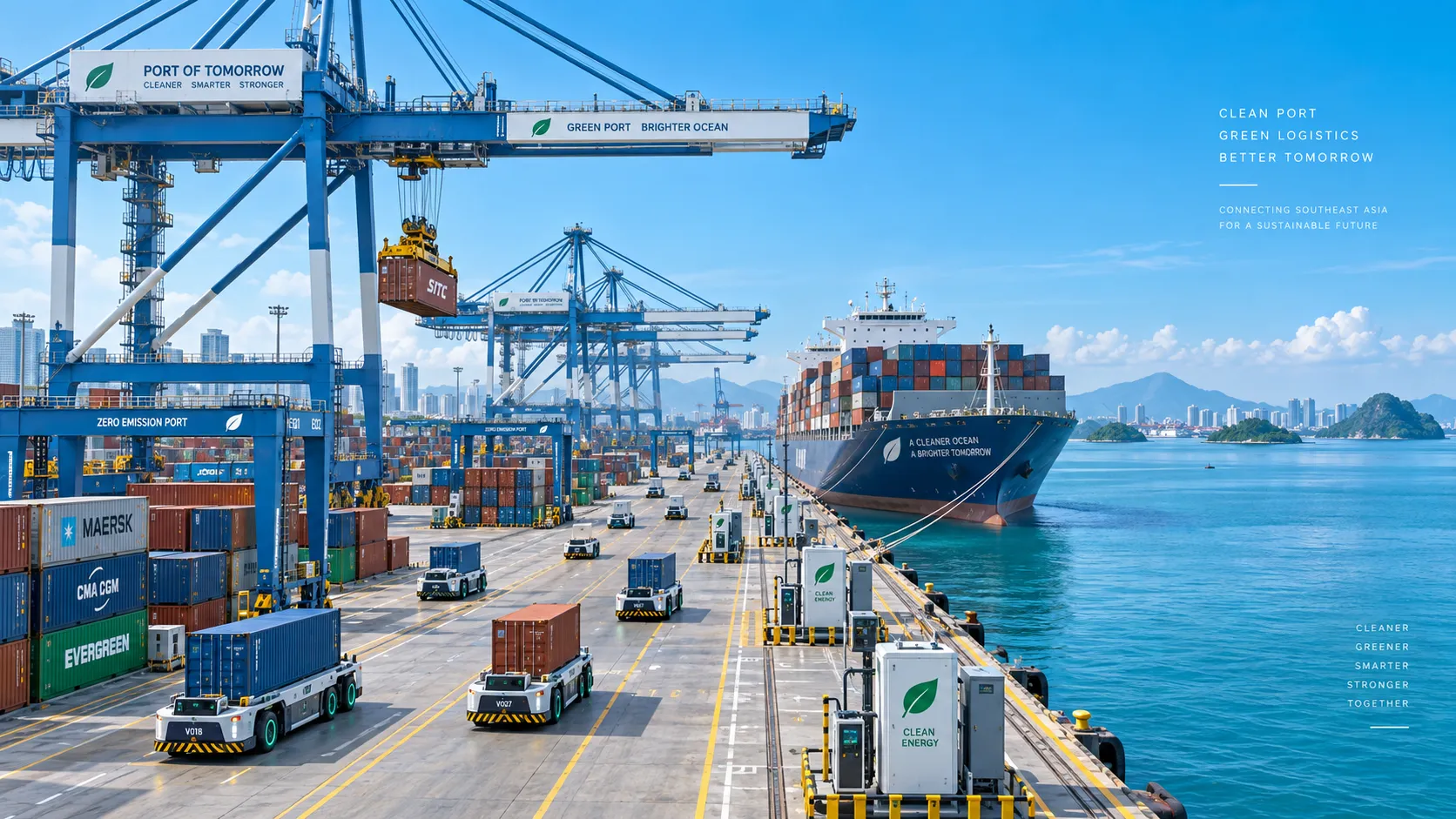
Smart Port Systems in Southeast Asia: Investment Priorities and Adoption Barriers
Smart port systems Southeast Asia: discover investment priorities, adoption barriers, and practical steps to build resilient, connected, high-performing terminals.
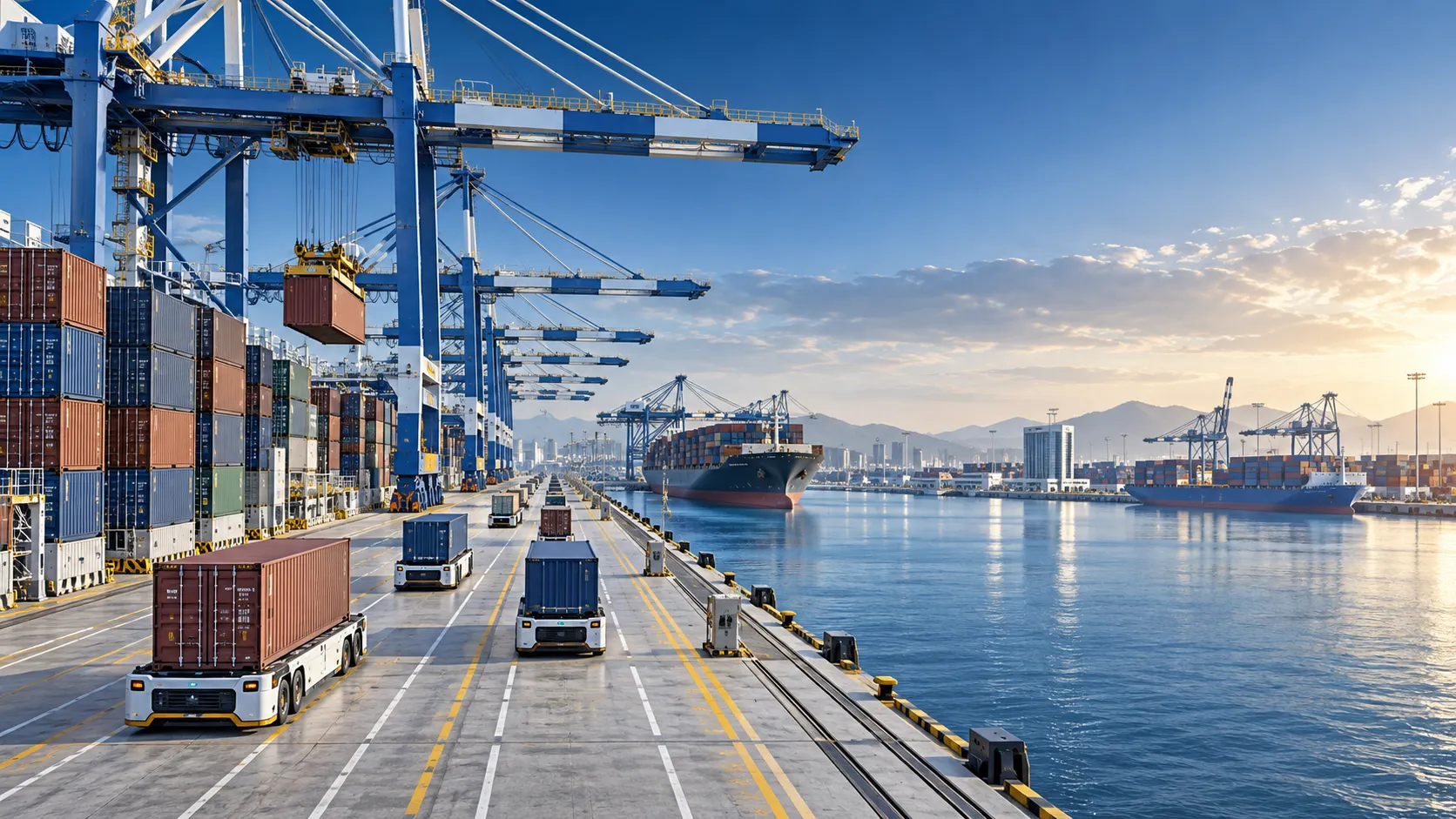
How to Evaluate Terminal Efficiency Solution Suppliers for High-Throughput Operations
Choose a terminal efficiency solutions supplier with confidence. Explore proven criteria for throughput, integration, lifecycle cost, safety, and reliable delivery.
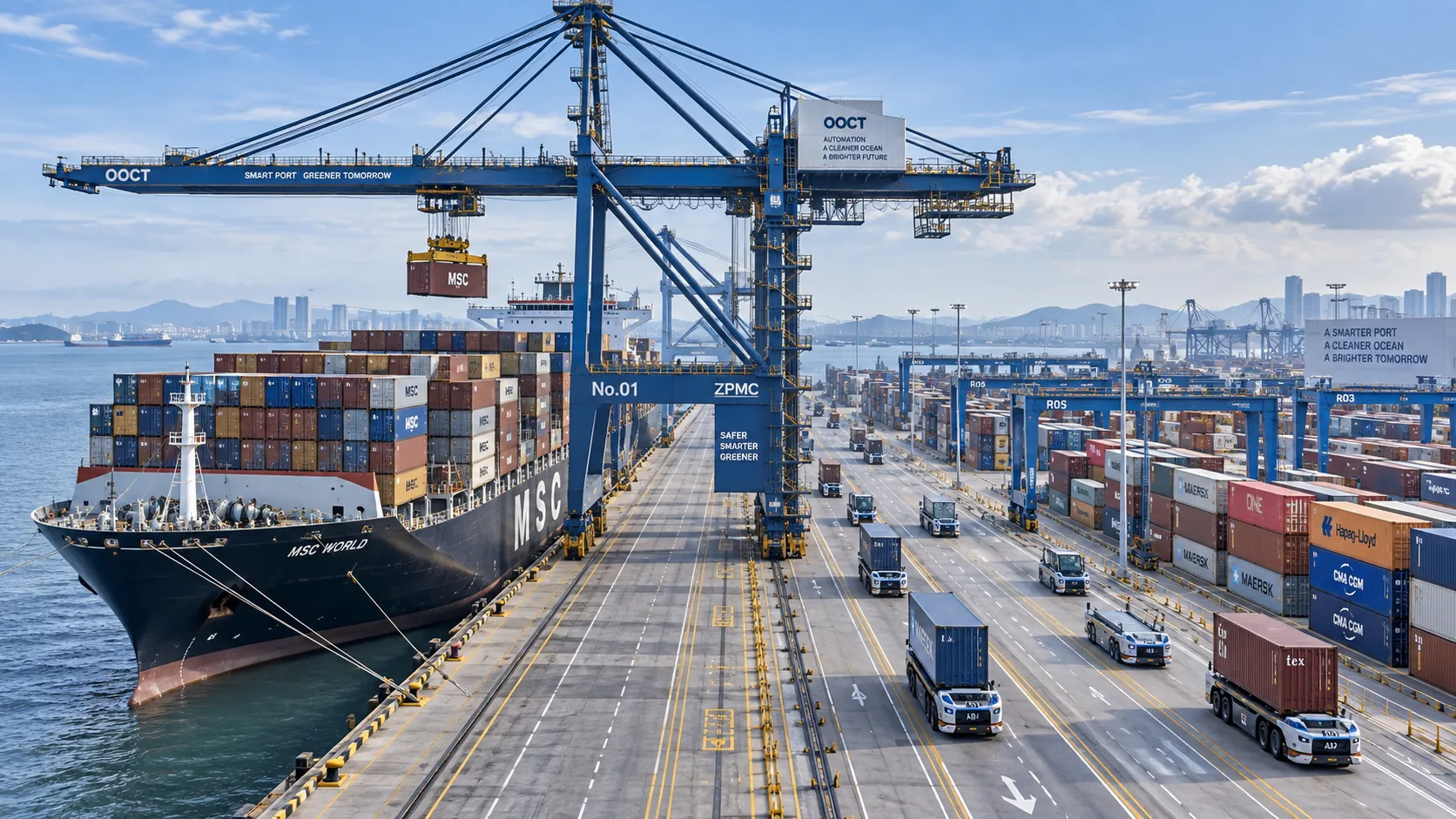
How to Specify a Quay Crane for Container Terminals by Vessel Size and Throughput?
Quay crane for container terminals: learn how to match outreach, lift height, capacity, automation, and cycle performance to vessel size and throughput goals.
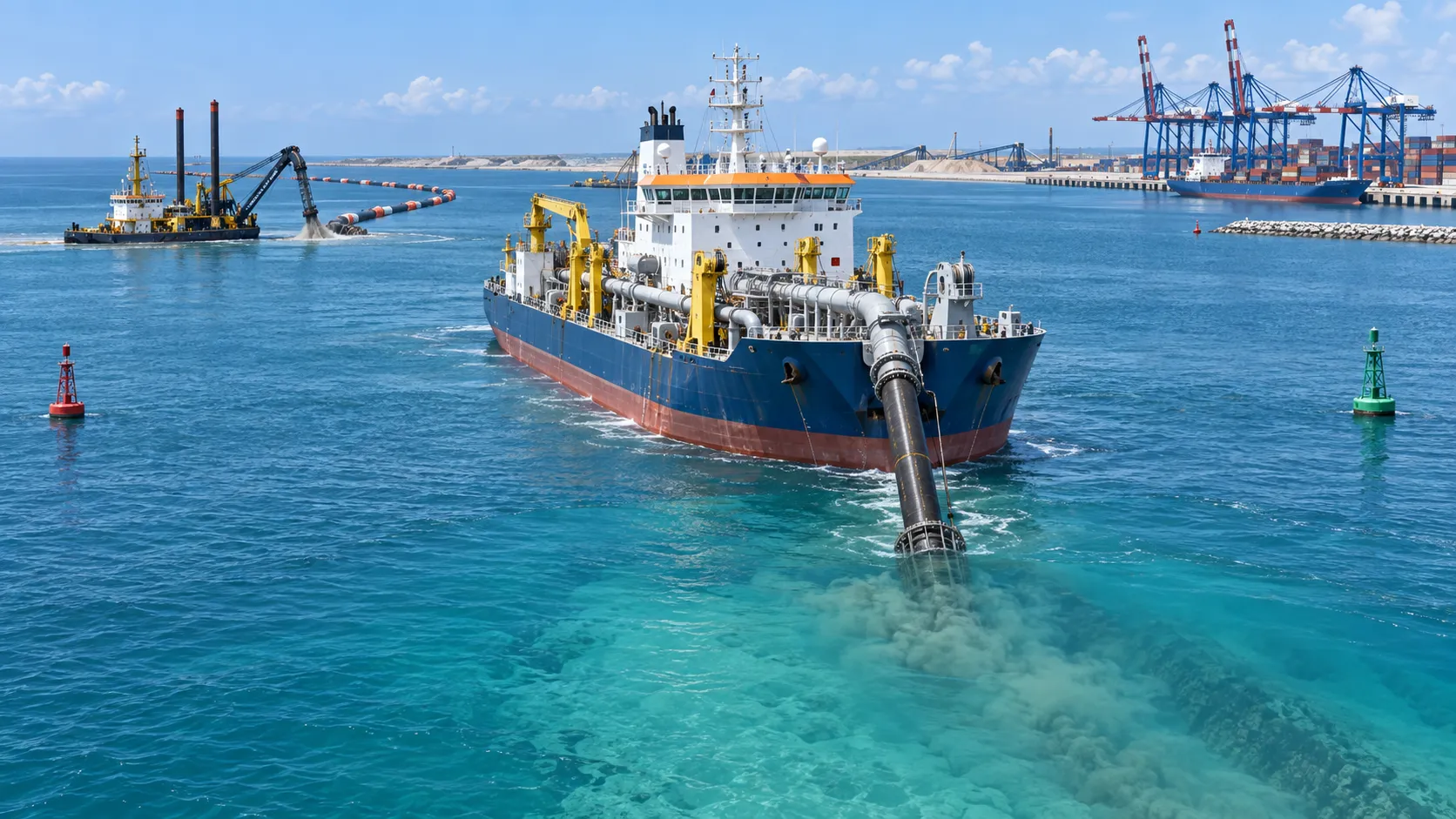
What Dredging Equipment Is Needed for Channel Deepening?
What dredging equipment is needed for channel deepening? Explore dredgers, pipelines, survey tools, and planning strategies for safer, more efficient port access.
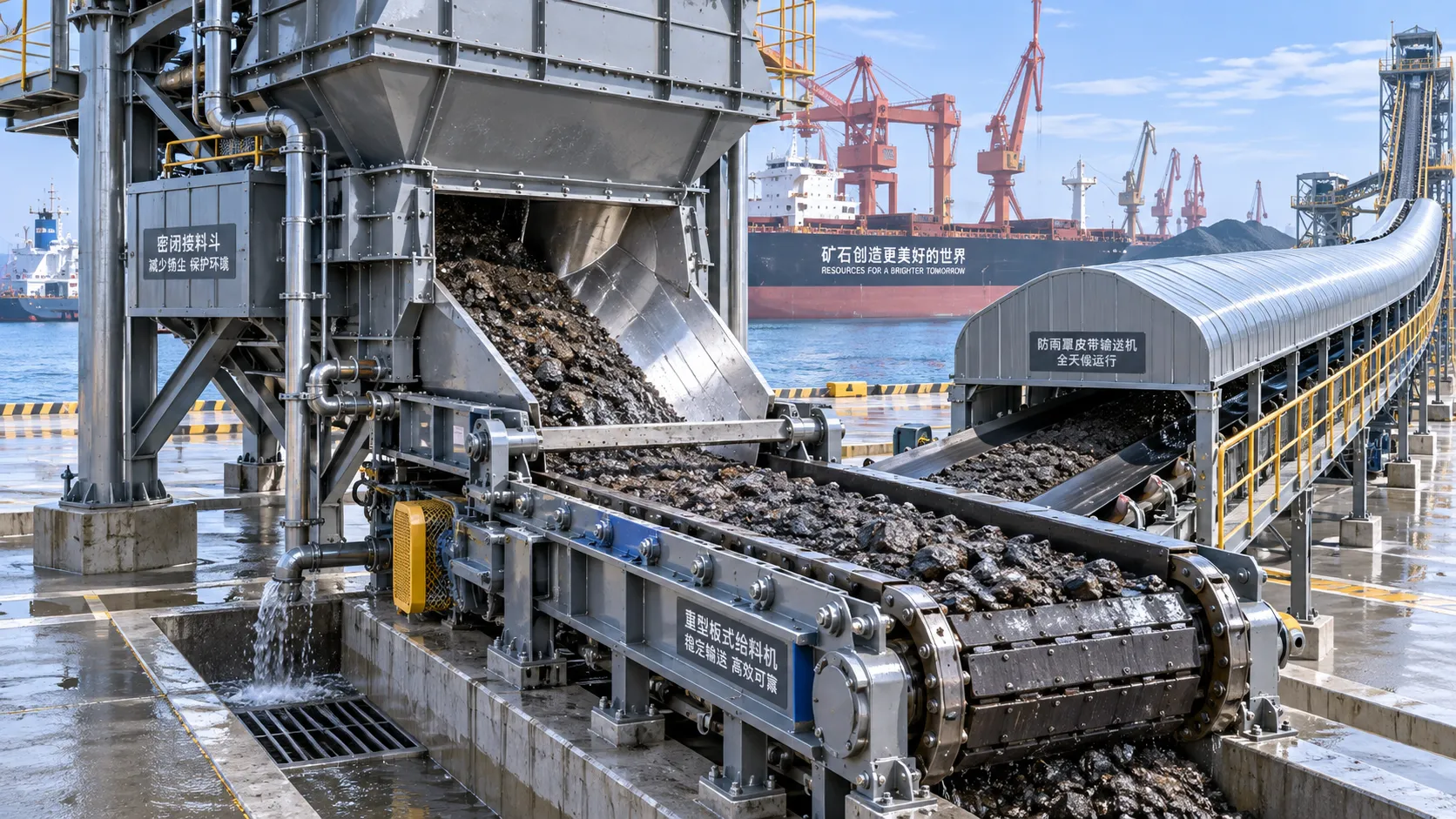
Which Bulk Handling Equipment Suits High-Moisture Cargo?
Which bulk handling equipment suits high-moisture cargo? Compare belt, apron, screw, drag, and slurry systems for reliable flow, less carryback, and higher terminal uptime.
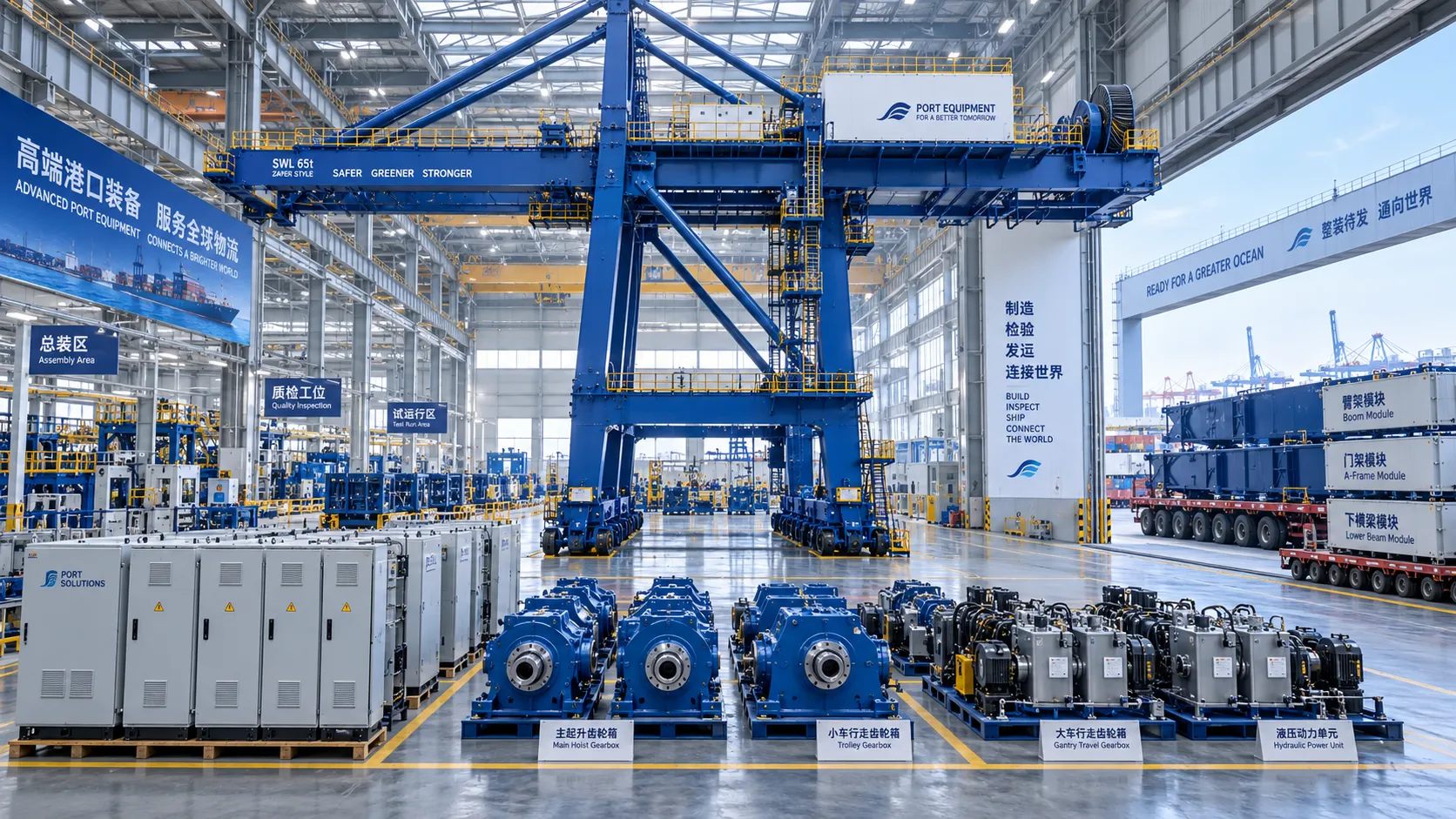
How Can Port Equipment Lead-Time Risk Be Managed?
How can port equipment lead-time risk be managed? Explore practical strategies to control critical paths, suppliers, transport, site readiness, and commissioning delays.
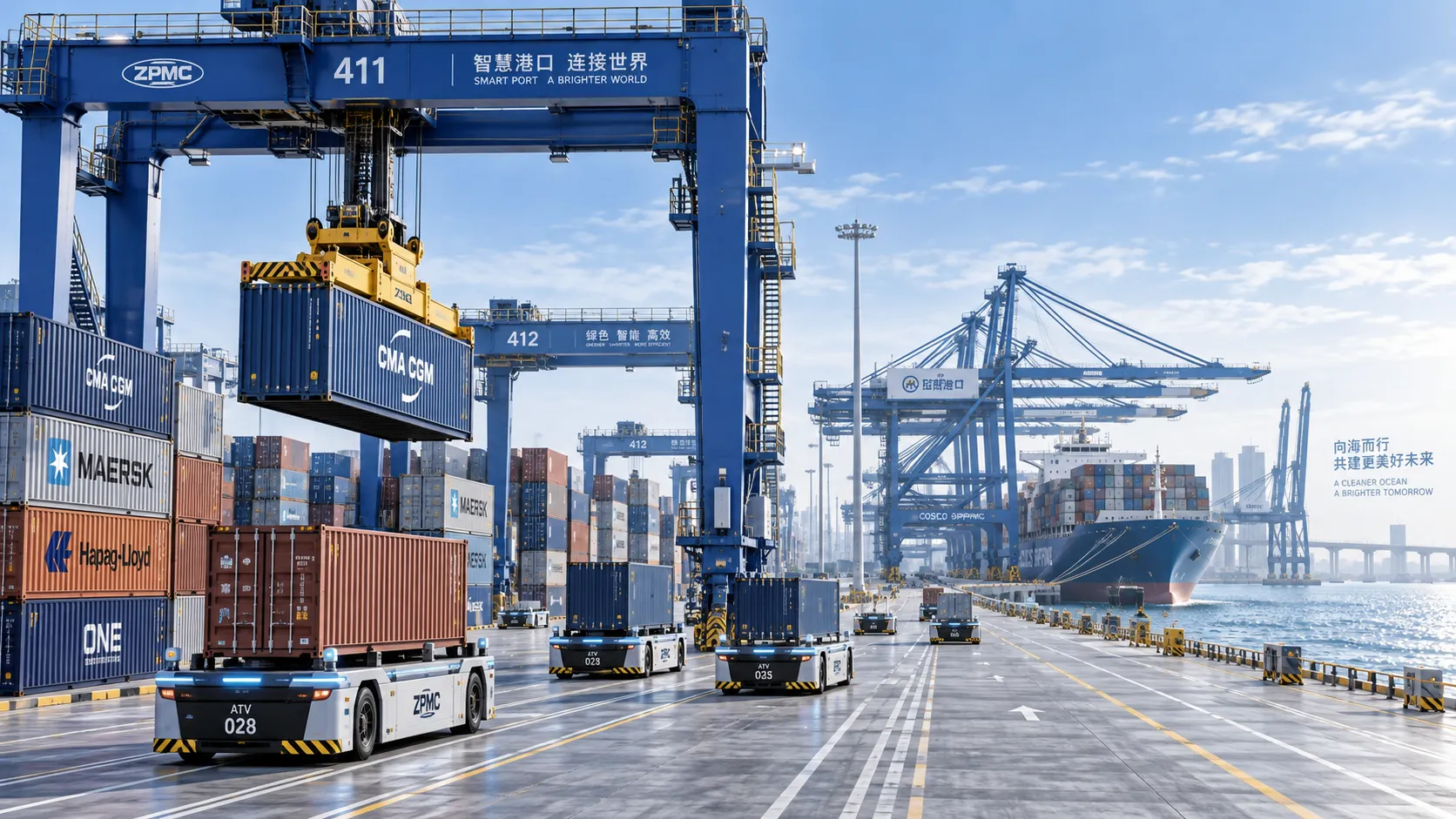
Terminal Automation Technologies That Raise Container Throughput Without Yard Disruption
Terminal automation technology that increases container throughput without disrupting yard flow. Explore smarter integration, resilient workflows, and phased deployment strategies.
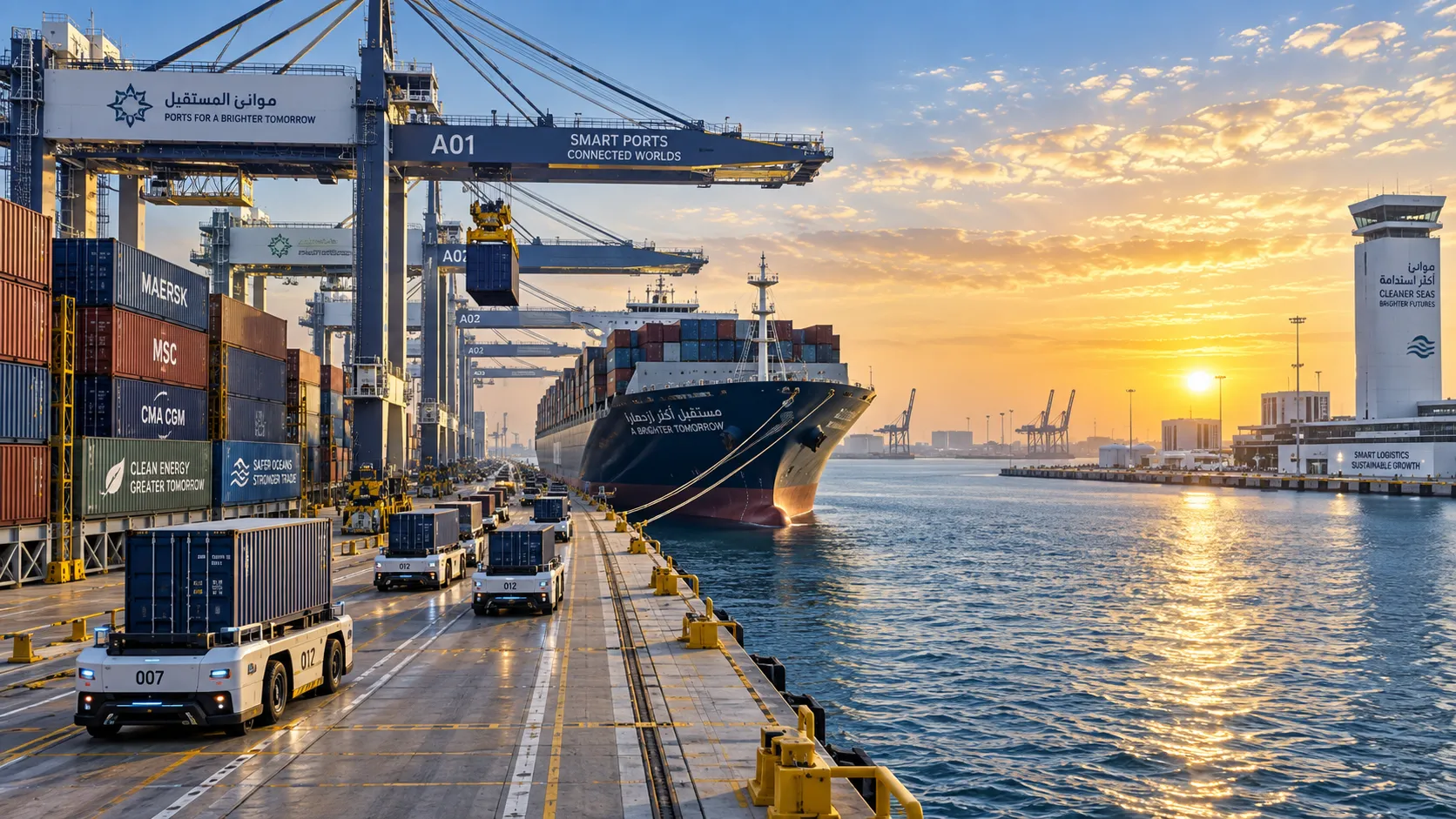
Middle East Port Automation: Key Market Drivers, Projects, and Investment Risks
Port automation systems Middle East: explore market drivers, flagship projects, integration challenges, and investment risks shaping smarter, resilient terminals.
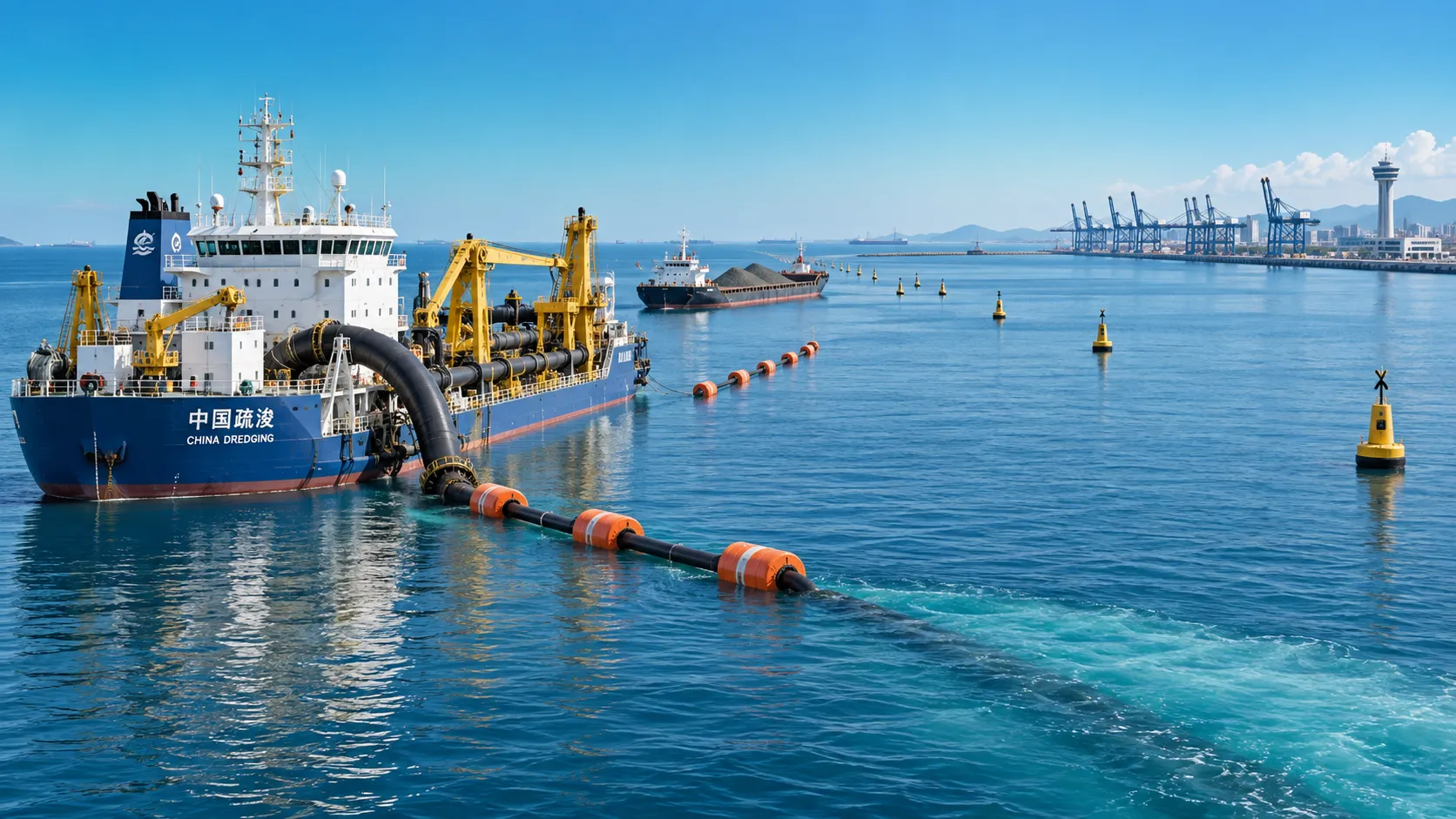
Planning Offshore Dredging Operations: Key Risks, Methods, and Project Controls
Offshore dredging operations demand smart planning. Explore key risks, proven methods, environmental controls, and project strategies for reliable delivery.