Related News
- 00
0000-00
How to Specify a Quay Crane for Container Terminals by Vessel Size and Throughput? - 00
0000-00
Which Bulk Handling Equipment Suits High-Moisture Cargo? - 00
0000-00
Terminal Automation Technologies That Raise Container Throughput Without Yard Disruption - 00
0000-00
Planning Offshore Dredging Operations: Key Risks, Methods, and Project Controls - 00
0000-00
Where Do Automated Guided Vehicles Deliver the Fastest Warehouse Gains in the Middle East?
Harbor Structure Design Basics: What Affects Load Capacity, Durability, and Maintenance?
Harbor structure design sits at the intersection of safety, throughput, and asset longevity. When a quay wall, jetty, wharf, or dolphin underperforms, the impact spreads quickly to berth availability, crane stability, inspection workload, and long-term capital planning.
That is why the basics still matter. Load capacity, durability, and maintenance demand are not isolated engineering topics. They shape daily operating risk, regulatory compliance, and the practical reliability of modern terminals.
Across maritime logistics, the pressure is growing. Heavier terminal gear, denser yard operations, automation systems, and dredging-driven expansion all place more demands on every harbor structure within the port envelope.
From the PS-Nexus perspective, structural performance is part of a wider intelligence picture. The behavior of marine civil works now affects not only construction quality, but also equipment integration, scheduling resilience, and lifecycle efficiency.
What a harbor structure really has to do
A harbor structure is more than a concrete or steel boundary at the water’s edge. It is a working platform that must resist vessel impact, support cargo handling equipment, interact with soils, and remain serviceable in a corrosive environment.
Different forms serve different tasks. Quay walls support berthing and crane rails. Pile-supported wharves transfer loads through decks into deeper layers. Breakwaters reduce wave energy. Revetments protect shorelines and reclaimed areas.
In practice, design success depends on how well the structure matches the intended operation. A harbor structure built for moderate cargo traffic may not perform well under automated container handling or repeated heavy axle loads.
Load capacity begins below the deck
The first question is often how much load the structure can carry. The better question is how those loads travel through the full system, from deck surface to structural members, foundations, and surrounding ground.
Soil and geotechnical conditions
Subsurface conditions are often the controlling factor. Soft marine clay, loose fill, variable strata, and liquefaction risk can limit usable capacity even when the visible structure appears robust.
Settlement matters as much as strength. Even small differential movement can disturb crane rail alignment, drainage gradients, and fender geometry. For many terminals, this is where structural risk becomes operational risk.
Live loads and equipment concentration
A harbor structure must handle more than uniform surface loading. Mobile harbor cranes, ship-to-shore cranes, reach stackers, AGVs, and bulk conveyors create concentrated and repeated loads that can trigger local overstress.
Load paths need clear verification. Wheel loads, rail loads, impact loads, uplift, and accidental overload cases should be checked together rather than in isolation.
Mooring, berthing, and hydraulic actions
Vessel contact introduces lateral and dynamic forces that are easy to underestimate. Fender systems absorb part of the energy, but the supporting harbor structure still sees transferred reactions, repeated fatigue effects, and localized damage risks.
Wave action, current, propeller wash, and ship suction also influence structural demand. In exposed or dredged areas, these effects can accelerate scour and reduce the stability margin over time.
Durability is designed, not added later
In a marine setting, durability is rarely about one protective layer. It comes from coordinated decisions on materials, detailing, exposure classification, and expected inspection access.
Concrete structures face chloride ingress, reinforcement corrosion, cracking, abrasion, and freeze-thaw stress in some regions. Steel elements face corrosion loss, coating breakdown, splash-zone attack, and fatigue at welded details.
Material selection and exposure zoning
A durable harbor structure reflects its exact environment. The splash zone, tidal zone, submerged zone, and atmospheric zone do not degrade at the same rate. Design responses should not be uniform either.
That means concrete cover, mix design, corrosion allowance, cathodic protection, coating systems, and sacrificial thickness should be chosen by exposure severity rather than habit.
Detailing that prevents early failure
Poor detailing often shortens service life faster than inadequate strength. Water traps, inaccessible joints, sharp transitions, weak drainage, and difficult-to-coat connections become recurring maintenance points.
Simple details can improve outcomes. Better drainage routes, sealed joints, protected anchorage zones, and accessible inspection points reduce hidden deterioration and help defects stay visible before they become critical.
Maintenance demand is shaped during design
Maintenance is often treated as a future operations issue. In reality, the maintenance burden of a harbor structure is largely fixed during design, especially when inspection access and replacement strategy are ignored.
If bearings, fenders, bollards, rails, cathodic systems, and drainage components cannot be inspected or replaced efficiently, minor wear can turn into costly shutdown work.
This becomes more important in automated terminals. When heavy terminal gear and control systems depend on high availability, the structure beneath them cannot be treated as passive background infrastructure.
- Provide clear access to corrosion-prone and impact-prone zones.
- Separate sacrificial components from primary structural elements where possible.
- Plan replacement windows for fenders, rails, and service hardware.
- Use monitoring points that support trend analysis, not only one-time inspection.
Why current port development raises the stakes
The harbor structure designed twenty years ago may now face very different demands. Vessel sizes have changed. Crane outreach has increased. Yard intensity is higher. Automation introduces stricter tolerances for movement and alignment.
Dredging and berth deepening can also alter structural behavior. Changes in seabed geometry, scour patterns, or retained soil conditions may affect existing foundations more than expected.
This is one reason PS-Nexus tracks structural conditions alongside heavy equipment, port automation, and marine engineering signals. In active logistics hubs, civil infrastructure performance now directly influences equipment productivity and scheduling reliability.
Common operating scenarios that deserve closer review
Not every harbor structure faces the same risk pattern. The most useful review starts with actual operating scenarios rather than a generic checklist.
Container berths
Here, rail alignment, deck deflection, fatigue resistance, and crane beam integrity usually deserve close attention. Minor geometric issues can disrupt automated or high-speed lifting operations.
Bulk terminals
Bulk handling often adds vibration, spillage, dust-related wear, and sustained conveyor loads. Material buildup and corrosive runoff can accelerate local deterioration in ways routine visual checks may miss.
Dredging-supported expansions
Reclaimed areas and newly deepened berths require close attention to settlement trends, slope stability, and erosion protection. Early-stage monitoring is especially valuable where fill behavior remains time-dependent.
A practical way to judge structural reliability
A useful assessment of any harbor structure should combine design assumptions, current loading reality, and observed condition. Looking at only one of those three usually creates blind spots.
In practical terms, a sound review often includes the following questions:
- Do current vessel and equipment loads still match the original basis of design?
- Are there signs of settlement, cracking, corrosion, scour, or connection distress?
- Can the structure be inspected without major operational disruption?
- Have dredging, retrofits, or automation upgrades changed structural demand?
- Are maintenance records showing repeated failure at the same locations?
When these answers are documented together, decisions become more consistent. Repair timing, load restrictions, retrofit priorities, and inspection frequency can then be set on evidence rather than assumption.
Where to focus next
A reliable harbor structure is not defined by strength alone. It is defined by how safely it carries real loads, how well it resists marine deterioration, and how manageable it remains throughout its service life.
For ports facing equipment upgrades, berth expansion, or stricter compliance pressure, the next step is usually a structured review of loading assumptions, exposure conditions, and maintenance access.
That review becomes more valuable when linked with wider port intelligence. Tracking the relationship between structural condition, terminal gear demand, automation plans, and dredging activity helps turn the harbor structure from a hidden risk into a managed asset.
In other words, better decisions start with clearer structural visibility. Once that baseline is established, upgrades, inspections, and lifecycle investments become easier to prioritize with confidence.
Related News
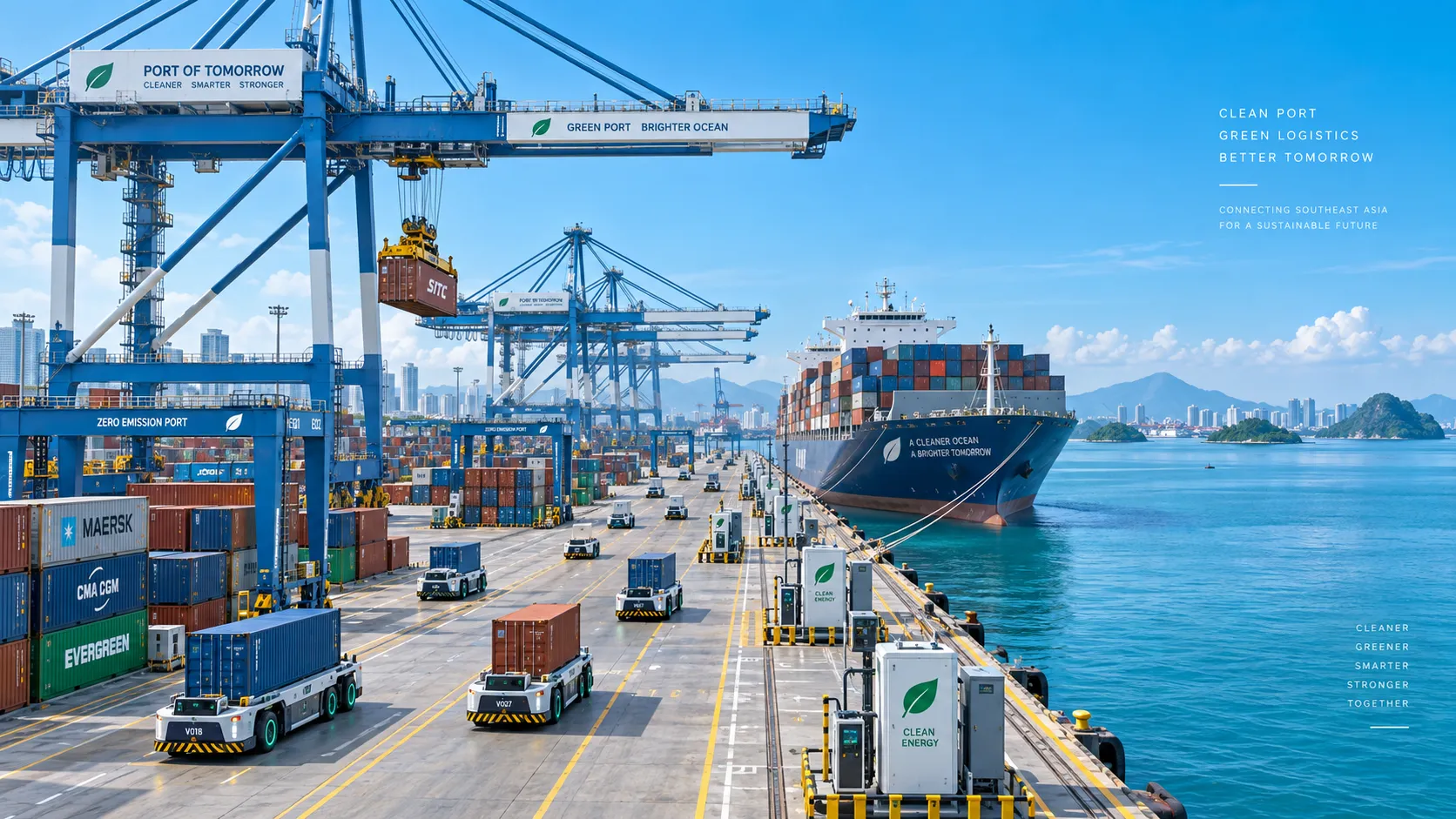
Smart Port Systems in Southeast Asia: Investment Priorities and Adoption Barriers
Smart port systems Southeast Asia: discover investment priorities, adoption barriers, and practical steps to build resilient, connected, high-performing terminals.
How to Evaluate Terminal Efficiency Solution Suppliers for High-Throughput Operations
Choose a terminal efficiency solutions supplier with confidence. Explore proven criteria for throughput, integration, lifecycle cost, safety, and reliable delivery.
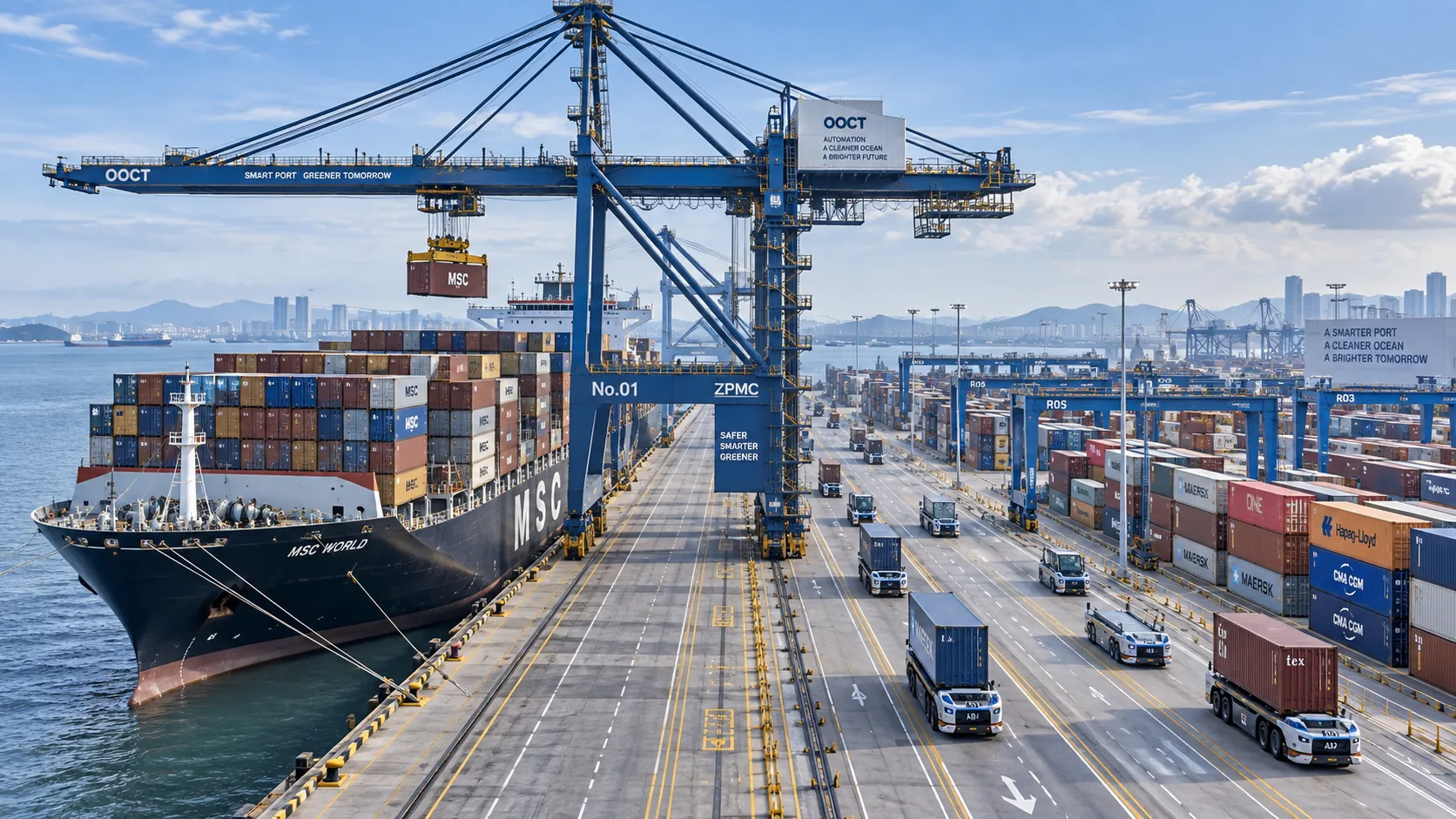
How to Specify a Quay Crane for Container Terminals by Vessel Size and Throughput?
Quay crane for container terminals: learn how to match outreach, lift height, capacity, automation, and cycle performance to vessel size and throughput goals.
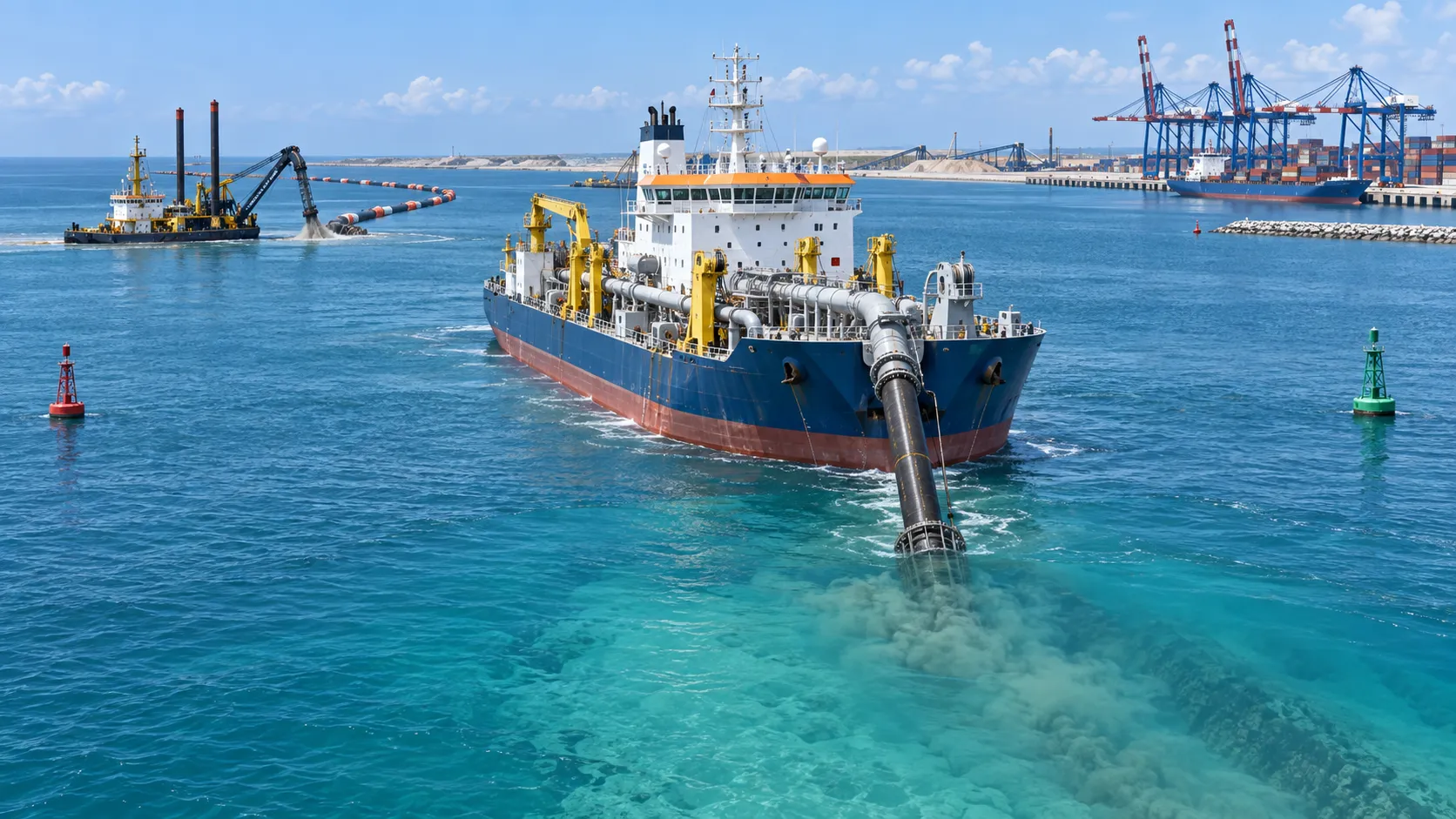
What Dredging Equipment Is Needed for Channel Deepening?
What dredging equipment is needed for channel deepening? Explore dredgers, pipelines, survey tools, and planning strategies for safer, more efficient port access.
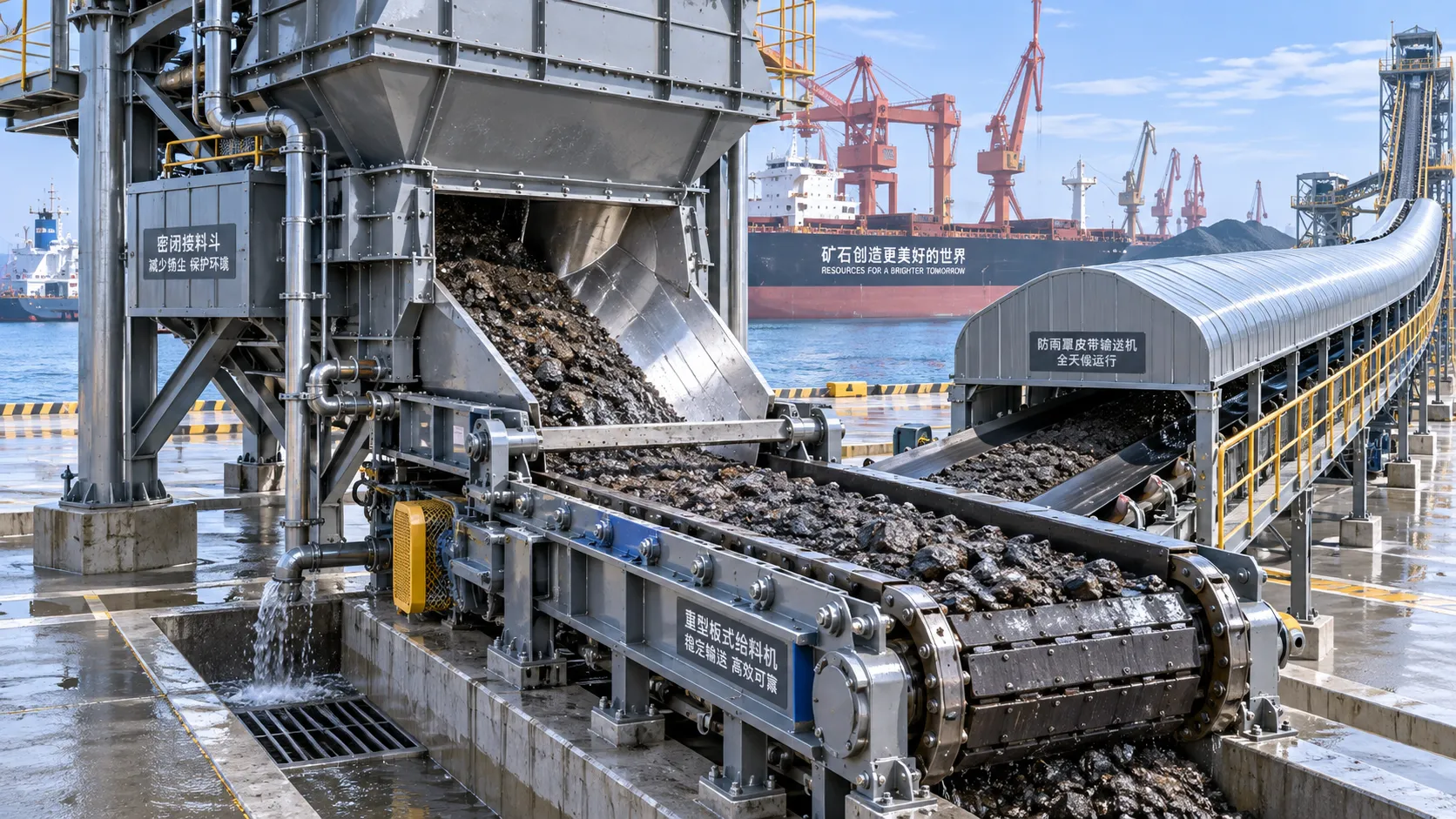
Which Bulk Handling Equipment Suits High-Moisture Cargo?
Which bulk handling equipment suits high-moisture cargo? Compare belt, apron, screw, drag, and slurry systems for reliable flow, less carryback, and higher terminal uptime.
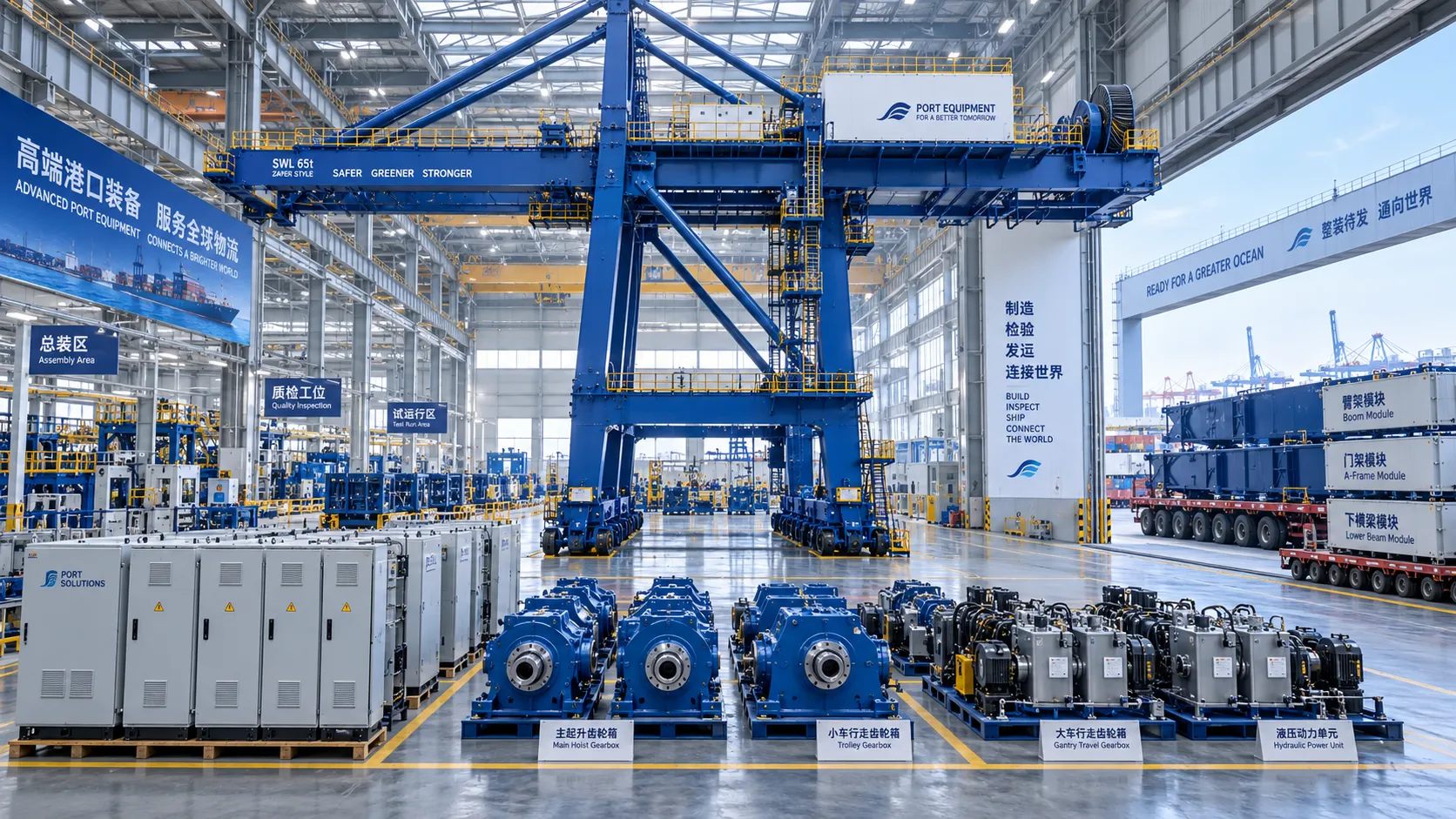
How Can Port Equipment Lead-Time Risk Be Managed?
How can port equipment lead-time risk be managed? Explore practical strategies to control critical paths, suppliers, transport, site readiness, and commissioning delays.
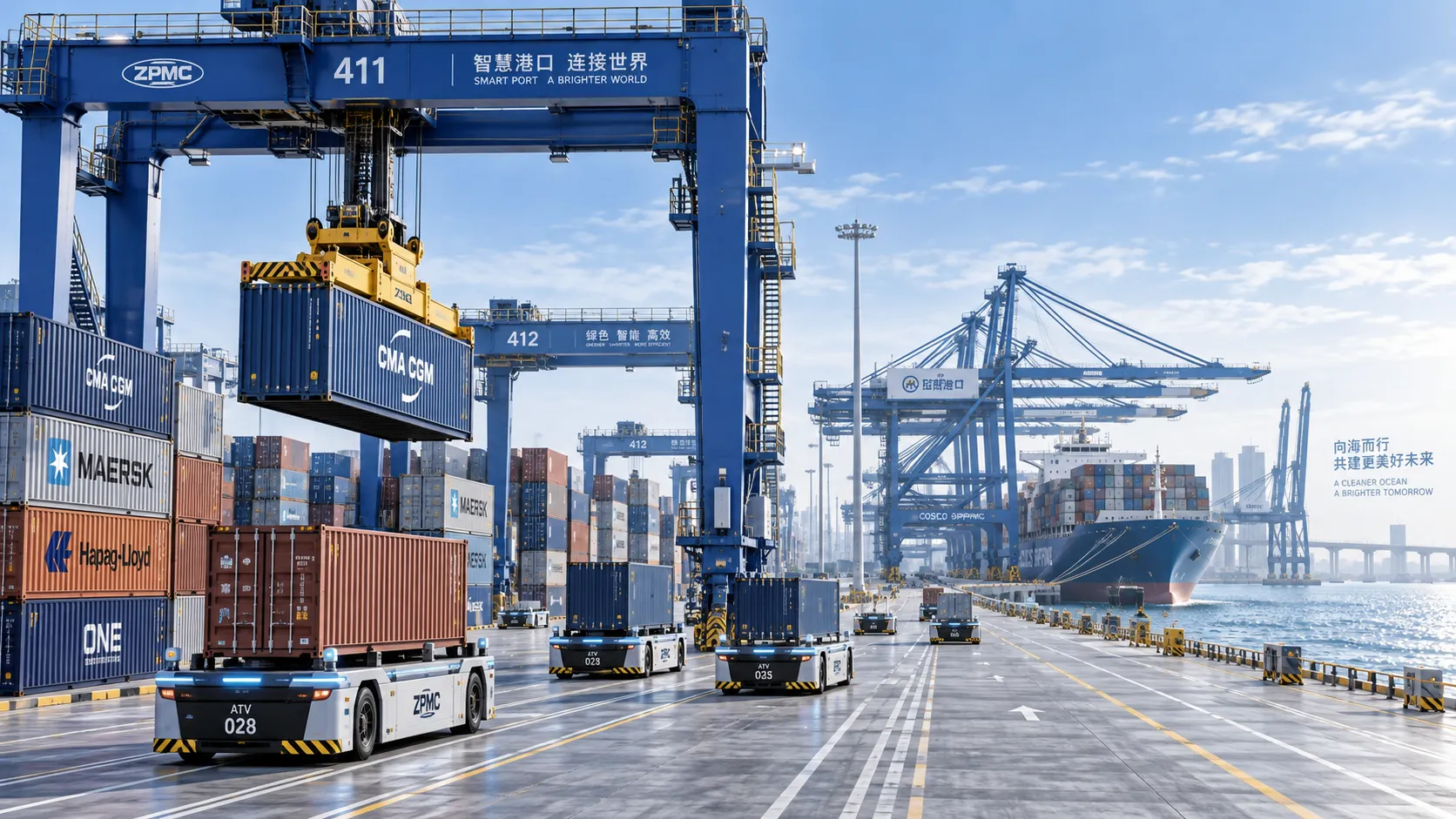
Terminal Automation Technologies That Raise Container Throughput Without Yard Disruption
Terminal automation technology that increases container throughput without disrupting yard flow. Explore smarter integration, resilient workflows, and phased deployment strategies.
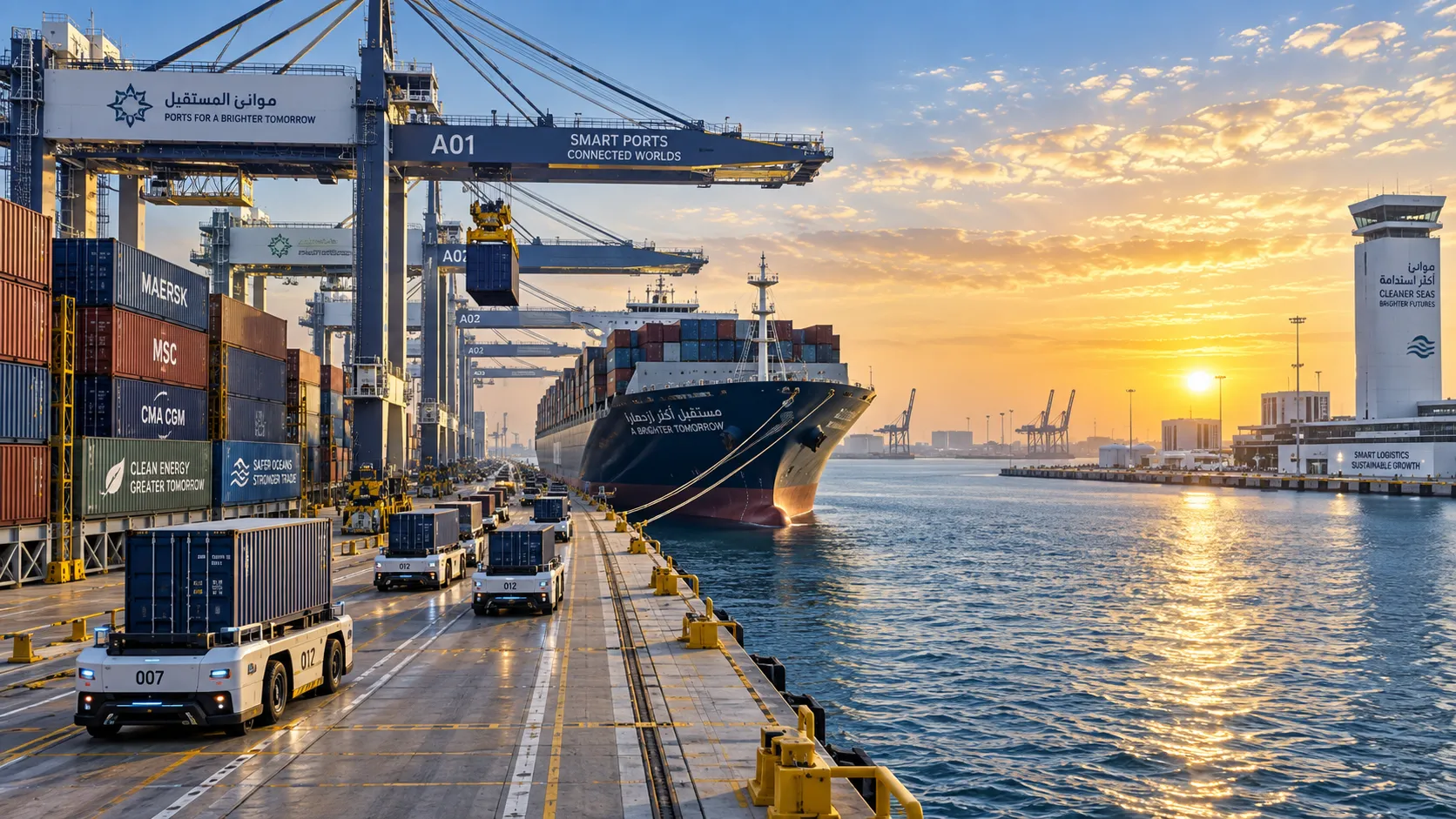
Middle East Port Automation: Key Market Drivers, Projects, and Investment Risks
Port automation systems Middle East: explore market drivers, flagship projects, integration challenges, and investment risks shaping smarter, resilient terminals.
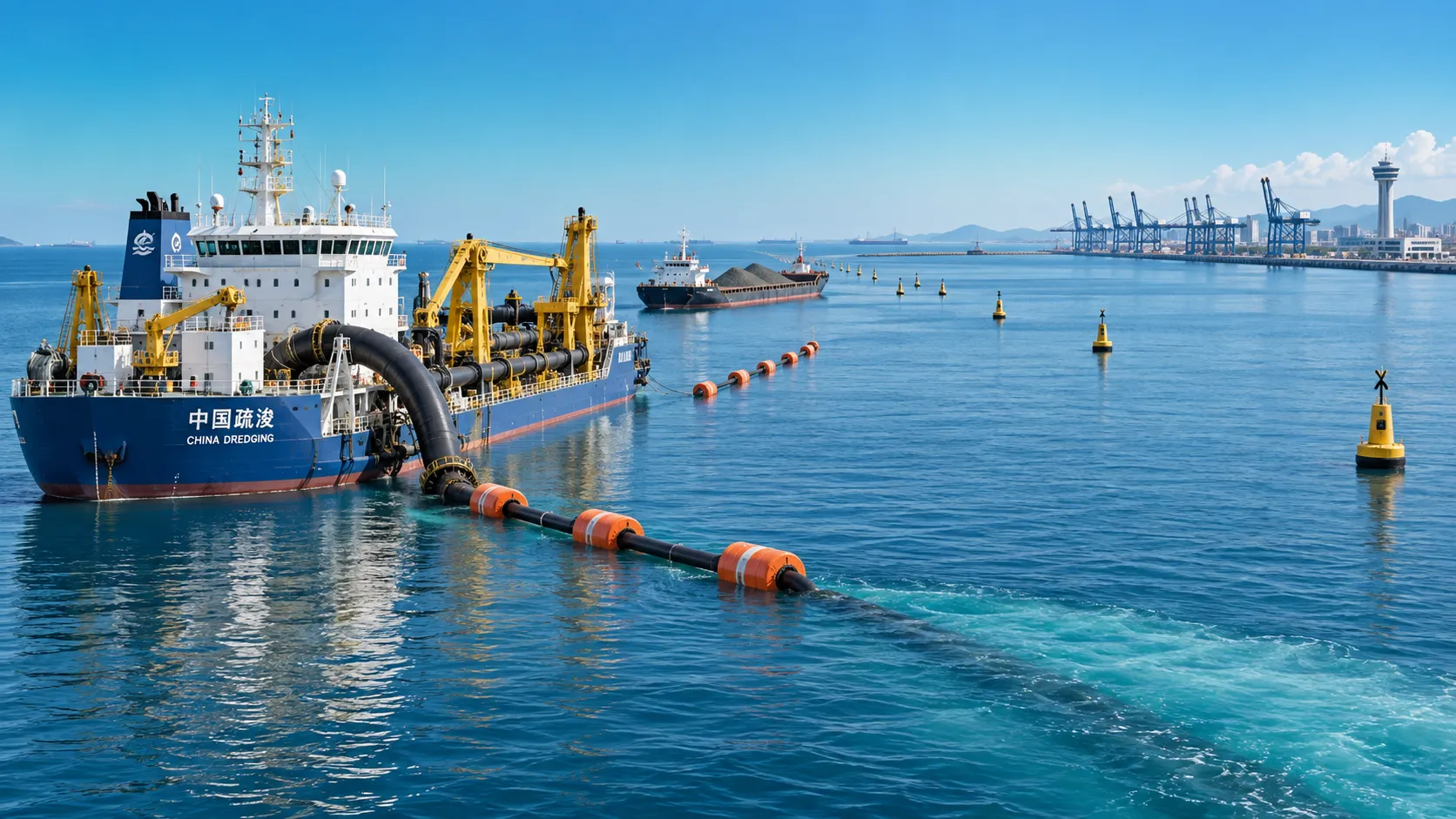
Planning Offshore Dredging Operations: Key Risks, Methods, and Project Controls
Offshore dredging operations demand smart planning. Explore key risks, proven methods, environmental controls, and project strategies for reliable delivery.