
Related News
- 00
0000-00
How to Specify a Quay Crane for Container Terminals by Vessel Size and Throughput? - 00
0000-00
Which Bulk Handling Equipment Suits High-Moisture Cargo? - 00
0000-00
Terminal Automation Technologies That Raise Container Throughput Without Yard Disruption - 00
0000-00
Planning Offshore Dredging Operations: Key Risks, Methods, and Project Controls - 00
0000-00
Where Do Automated Guided Vehicles Deliver the Fastest Warehouse Gains in the Middle East?
Port Machinery Types Explained: How to Match Equipment to Cargo and Terminal Operations
Port machinery: why the match matters more than the machine itself
Port machinery is often discussed as a list of equipment types. In practice, the real question is fit.
A crane, stacker, conveyor, or dredger only creates value when it matches cargo flow, berth layout, and yard logic.
That is why equipment decisions shape throughput, safety, maintenance pressure, and long-term return far beyond the purchase stage.
At PS-Nexus, this broader view matters. The platform tracks heavy terminal gear, container automation, bulk handling systems, and dredging engineering as one connected system.
The useful starting point is simple: do not ask which port machinery is best in general. Ask which combination supports the terminal mission with the fewest operational compromises.
What counts as port machinery, and where do the main categories begin?
The term covers far more than quay cranes. It includes every major machine that moves, stores, transfers, supports, or enables cargo handling in port operations.
A practical way to understand port machinery is to group it by cargo and function.
- Container handling equipment, such as ship-to-shore cranes, RTGs, RMGs, straddle carriers, reach stackers, and terminal tractors.
- Bulk handling machinery, including unloaders, stacker reclaimers, hopper systems, conveyor lines, and grab cranes.
- General cargo equipment, such as mobile harbor cranes, forklifts, ro-ro ramps, and multi-purpose lifting gear.
- Support and engineering assets, including dredgers, pump systems, mooring tools, and maintenance equipment.
- Automation and control layers, from crane control software to AGV scheduling and remote operating systems.
This last category is easy to underestimate. Yet modern port machinery increasingly depends on software, sensors, and communication stability.
PS-Nexus often frames port equipment as a blend of mechanical power and algorithmic coordination. That perspective reflects what is happening in advanced terminals.
Which port machinery fits container, bulk, and mixed terminals best?
This is where many planning mistakes begin. People compare machines directly when they should compare handling patterns first.
Container terminals usually need equipment built around repeatability, stacking density, and fast vessel exchange.
That often means ship-to-shore cranes at berth, supported by yard cranes, terminal trucks, AGVs, or straddle-based transfer systems.
Bulk terminals work differently. Their performance depends on continuous flow, dust control, tonnage stability, and minimal transfer interruptions.
In those cases, unloaders, conveyors, stackers, reclaimers, hoppers, and feeder systems usually matter more than container-style mobility.
Mixed-use terminals need flexibility. Mobile harbor cranes, reach stackers, forklifts, and modular transfer arrangements are often more practical.
The trade-off is clear. Flexible port machinery handles changing cargo profiles better, but usually delivers lower peak efficiency than dedicated systems.
A good equipment shortlist begins with cargo physics, not brochure categories. That one change avoids many expensive mismatches.
How do you choose port machinery without overbuilding the terminal?
More capacity is not always better. Overbuilding can lock a terminal into high maintenance and underused assets for years.
A stronger approach is to test port machinery against six decision filters.
- Cargo profile: containerized, dry bulk, liquid-linked support, breakbulk, or seasonal mixed cargo.
- Volume pattern: steady baseline demand or irregular peaks tied to commodity cycles.
- Infrastructure limits: berth strength, rail span, pavement capacity, turning radius, and channel depth.
- Operating model: manual, semi-automated, or fully automated transfer logic.
- Service ecosystem: spare parts access, training depth, digital support, and remote diagnostics.
- Expansion path: whether the machinery can scale with future yard, berth, or energy transition plans.
In actual projects, the best answer is often phased deployment. Start with port machinery that handles committed throughput, then add capacity once operating data confirms the need.
This matters even more where PS-Nexus sees fast change: remote crane control, AGV path planning, and digital monitoring are improving quickly.
Buying only for today can be shortsighted. Buying for every possible future can be equally costly.
What differences really matter when comparing major port machinery types?
Comparisons become useful when they focus on operational consequences rather than product labels.
Fixed systems versus mobile systems
Fixed port machinery usually offers higher throughput and better repeatability. It also demands more civil readiness and less tolerance for layout changes.
Mobile systems are easier to redeploy. They are valuable where cargo diversity or uncertain growth makes rigid investment risky.
Diesel equipment versus electrified equipment
Electrified port machinery supports lower emissions, quieter operations, and alignment with net-zero goals.
Still, grid reliability, charging logic, cable systems, and peak demand costs must be checked early.
Manual control versus automated handling
Automation helps where volumes are high, movements are repetitive, and safety zones are tightly controlled.
It is less convincing where cargo patterns change daily or local technical support remains limited.
The more common decision is hybridization, not full replacement. Some port machinery stays manual while core transfer nodes become automated.
Where do projects usually go wrong when selecting port machinery?
The biggest mistake is treating the machine as the project. The machine is only one part of the operating chain.
A fast quay crane cannot rescue a congested yard. A strong conveyor line cannot solve poor stockpile strategy.
Another common issue is ignoring waterfront conditions. Wind, salinity, corrosion load, sediment behavior, and tidal variation all affect equipment choice.
That is one reason dredging equipment belongs in the same planning discussion. Channel depth and berth access can limit every other asset.
The third risk is underestimating the digital layer. Modern port machinery depends on control logic, communication latency, and data visibility.
PS-Nexus highlights this often because smart ports no longer compete only on steel and horsepower. They compete on synchronization.
- Do not size berth equipment without checking yard evacuation capacity.
- Do not compare CAPEX alone; downtime exposure can outweigh a lower initial price.
- Do not separate dredging, civil readiness, and cargo systems into unrelated decisions.
- Do not assume automation value without stable processes and skilled maintenance support.
What is a sensible next step if you are reviewing port machinery options?
Start by mapping the cargo journey from vessel arrival to gate, rail, storage, or outbound transfer.
Then test each movement point against actual constraints. Look for queue build-up, rehandling, empty travel, grade limits, and idle interfaces.
After that, compare port machinery options by total operating fit, not isolated technical ratings.
A useful review sheet should include throughput target, cargo mix, power strategy, automation maturity, maintenance readiness, and expansion timing.
If the project also touches berth deepening or reclamation, include dredging dependencies from the start.
That integrated view reflects the PS-Nexus approach: terminal gear, control systems, and marine engineering should be read as one operational picture.
In the end, strong port machinery planning is less about finding the biggest asset and more about building the cleanest flow.
The next practical move is to define a short decision matrix, compare two or three handling scenarios, and verify where bottlenecks shift after each equipment choice.
Related News
Smart Port Systems in Southeast Asia: Investment Priorities and Adoption Barriers
Smart port systems Southeast Asia: discover investment priorities, adoption barriers, and practical steps to build resilient, connected, high-performing terminals.
How to Evaluate Terminal Efficiency Solution Suppliers for High-Throughput Operations
Choose a terminal efficiency solutions supplier with confidence. Explore proven criteria for throughput, integration, lifecycle cost, safety, and reliable delivery.
How to Specify a Quay Crane for Container Terminals by Vessel Size and Throughput?
Quay crane for container terminals: learn how to match outreach, lift height, capacity, automation, and cycle performance to vessel size and throughput goals.
What Dredging Equipment Is Needed for Channel Deepening?
What dredging equipment is needed for channel deepening? Explore dredgers, pipelines, survey tools, and planning strategies for safer, more efficient port access.
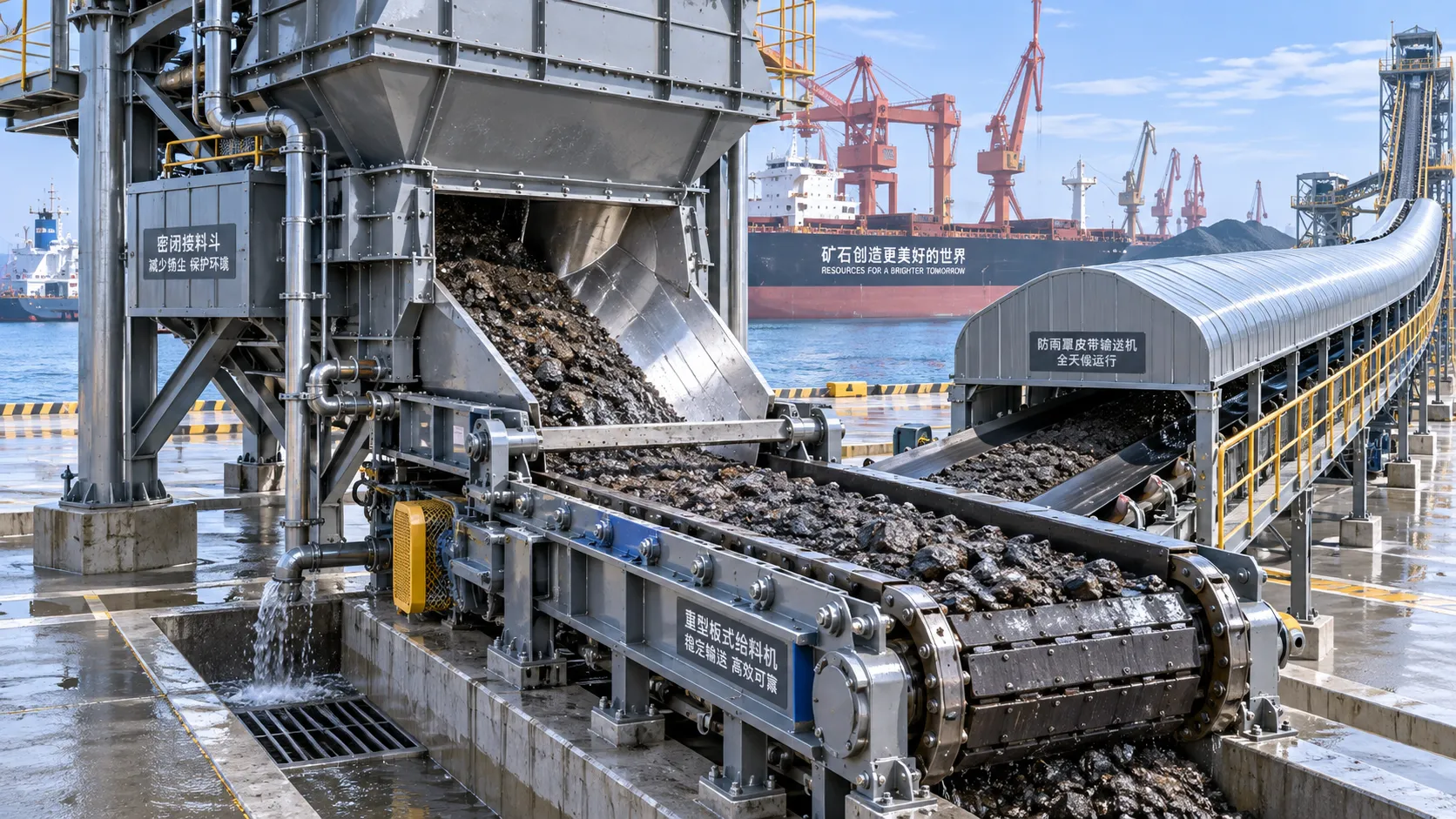
Which Bulk Handling Equipment Suits High-Moisture Cargo?
Which bulk handling equipment suits high-moisture cargo? Compare belt, apron, screw, drag, and slurry systems for reliable flow, less carryback, and higher terminal uptime.
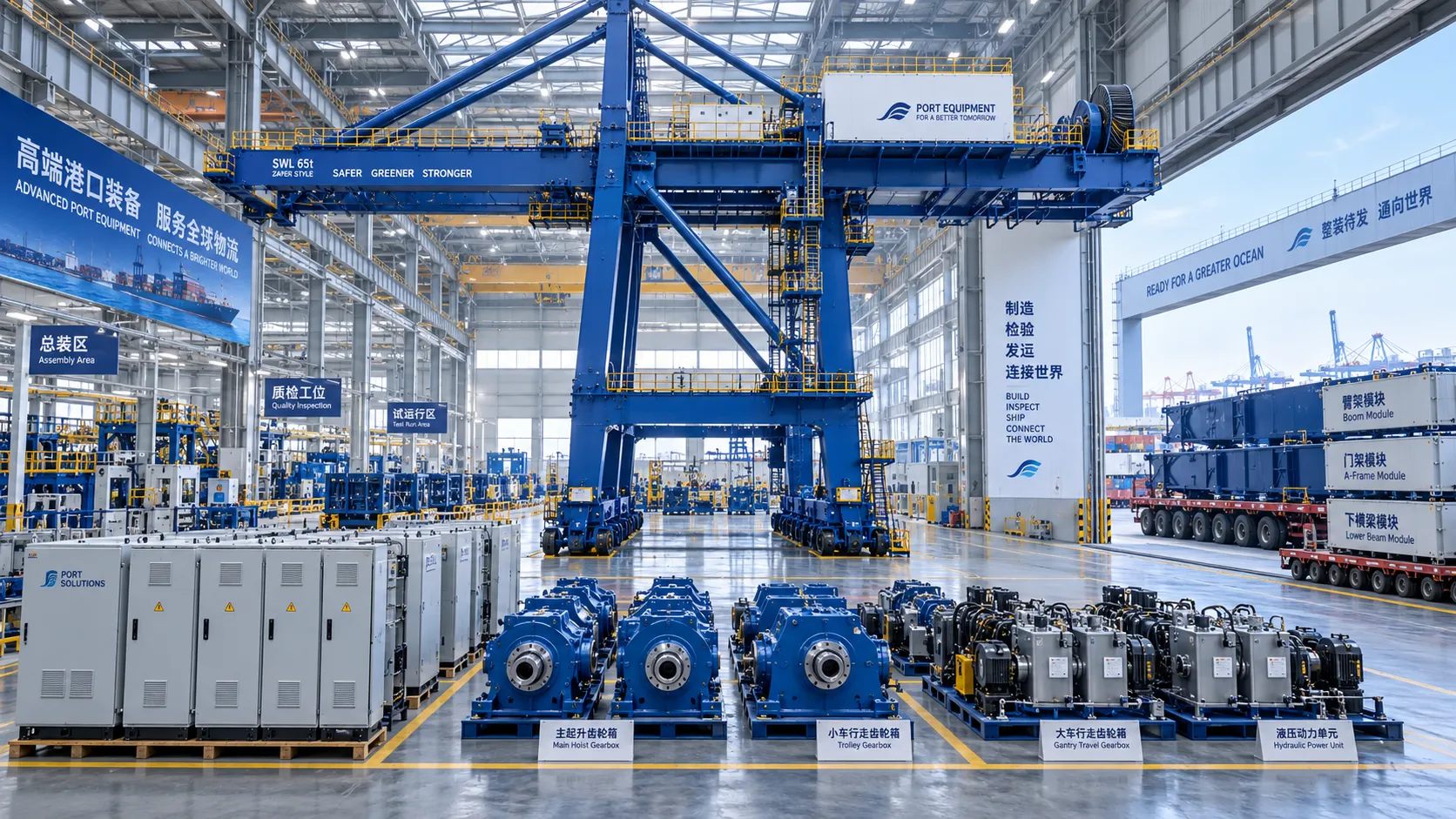
How Can Port Equipment Lead-Time Risk Be Managed?
How can port equipment lead-time risk be managed? Explore practical strategies to control critical paths, suppliers, transport, site readiness, and commissioning delays.
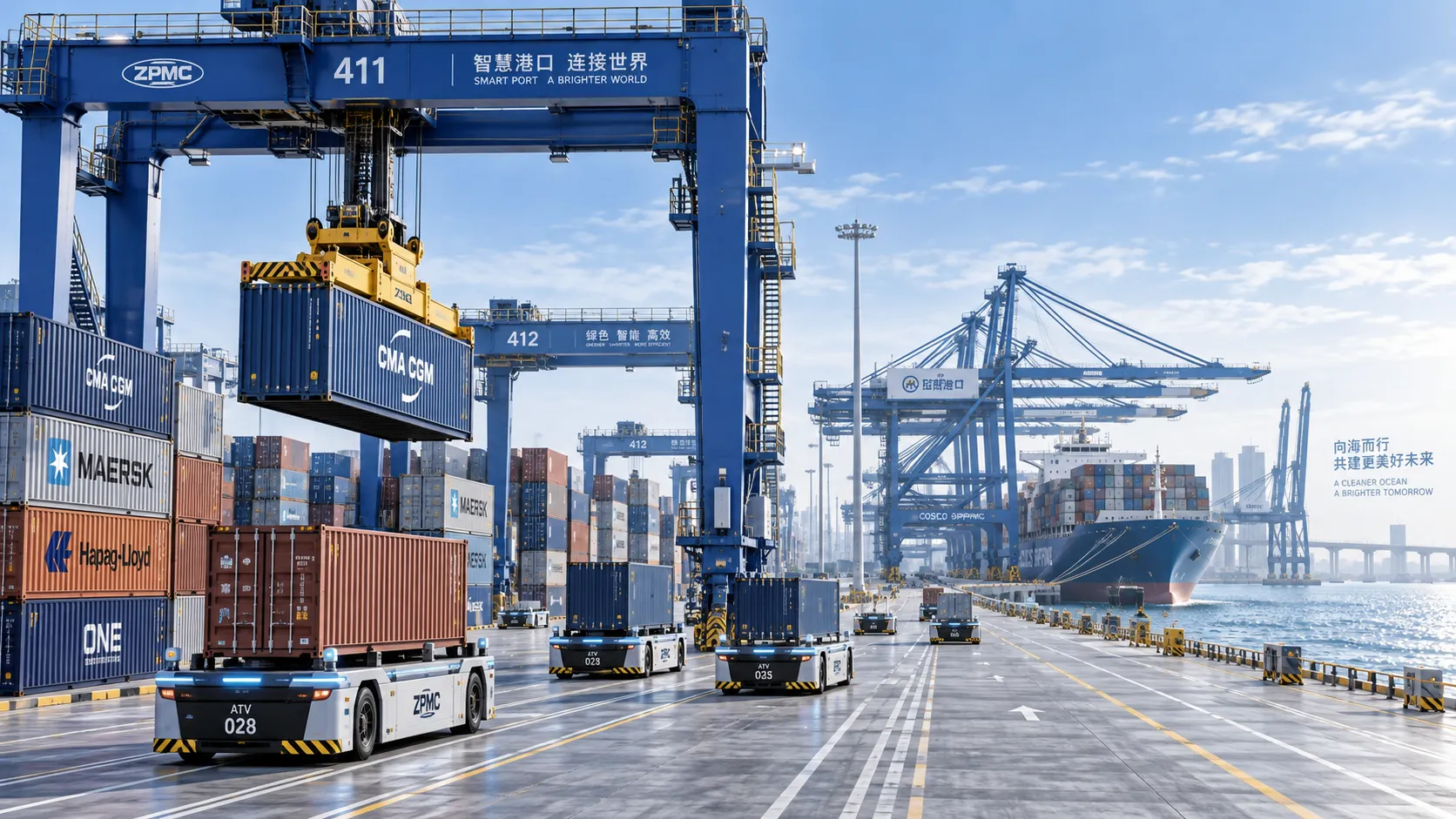
Terminal Automation Technologies That Raise Container Throughput Without Yard Disruption
Terminal automation technology that increases container throughput without disrupting yard flow. Explore smarter integration, resilient workflows, and phased deployment strategies.
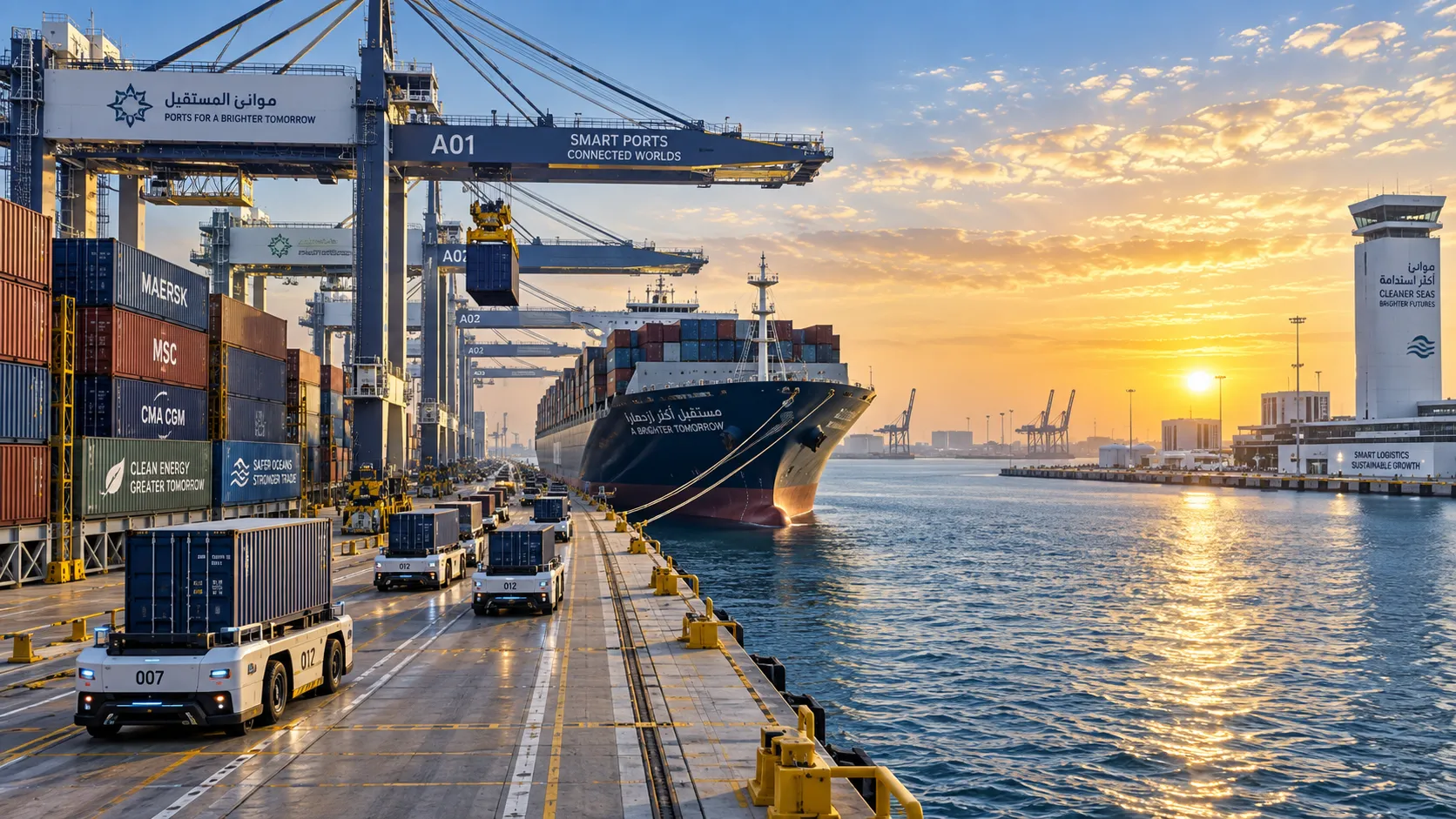
Middle East Port Automation: Key Market Drivers, Projects, and Investment Risks
Port automation systems Middle East: explore market drivers, flagship projects, integration challenges, and investment risks shaping smarter, resilient terminals.
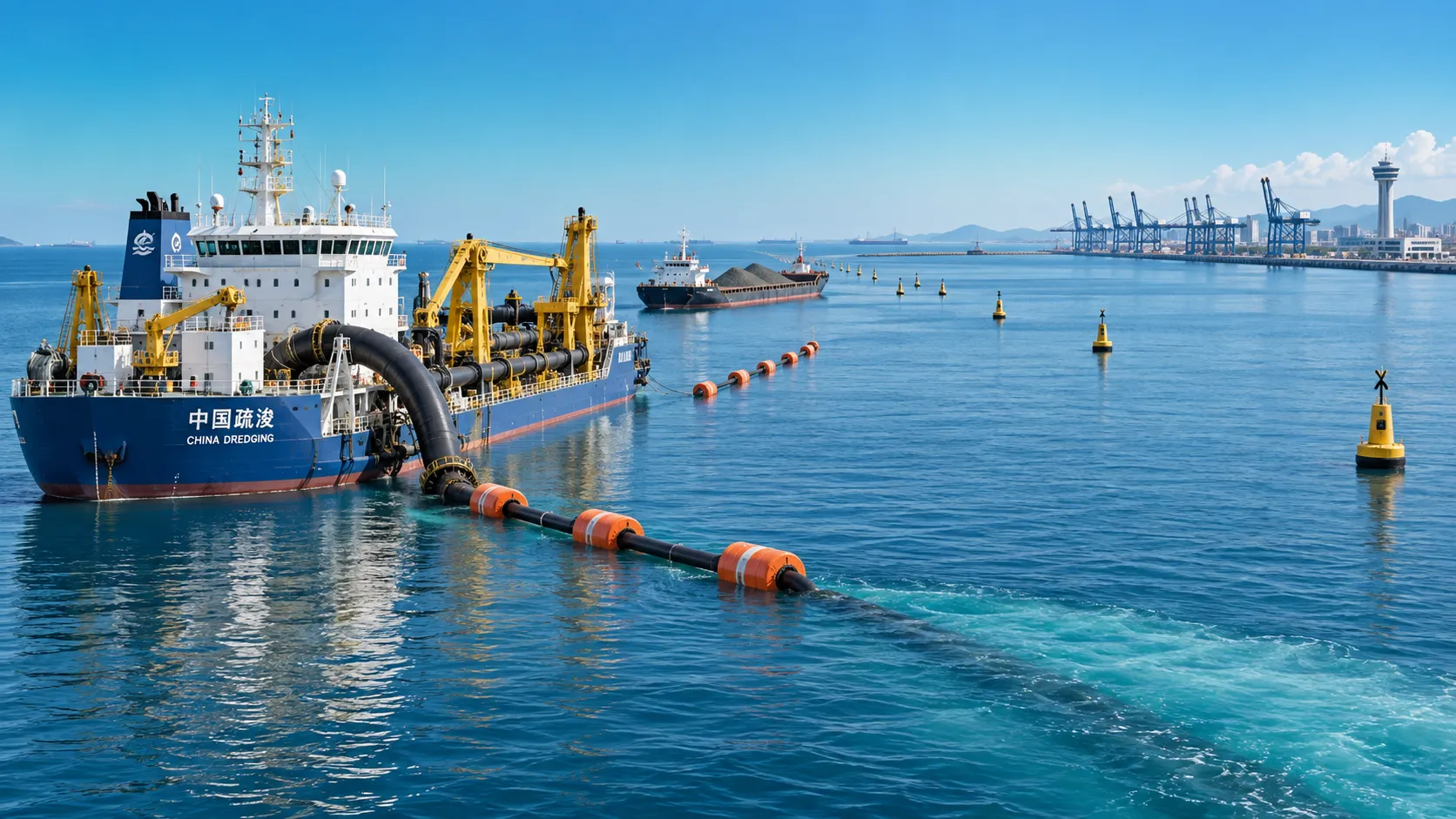
Planning Offshore Dredging Operations: Key Risks, Methods, and Project Controls
Offshore dredging operations demand smart planning. Explore key risks, proven methods, environmental controls, and project strategies for reliable delivery.