Related News
- 00
0000-00
How to Specify a Quay Crane for Container Terminals by Vessel Size and Throughput? - 00
0000-00
Which Bulk Handling Equipment Suits High-Moisture Cargo? - 00
0000-00
Terminal Automation Technologies That Raise Container Throughput Without Yard Disruption - 00
0000-00
Planning Offshore Dredging Operations: Key Risks, Methods, and Project Controls - 00
0000-00
Where Do Automated Guided Vehicles Deliver the Fastest Warehouse Gains in the Middle East?
How to Choose Control Systems for Industrial Equipment: Key Functions and Integration Factors
How to Choose Control Systems for Industrial Equipment: Key Functions and Integration Factors
Choosing the right control systems for industrial equipment is rarely a simple specification exercise.
It is a decision about uptime, safety, expansion, and operational visibility.
That matters even more in ports, bulk terminals, and dredging projects.
In these environments, industrial equipment works under constant pressure, changing loads, and strict timing demands.
A poor control architecture may still run a machine.
But it often creates hidden costs through downtime, integration delays, and maintenance complexity.
A strong solution does the opposite.
It aligns equipment logic, communication layers, operator workflows, and long-term data use.
For PS-Nexus, this topic sits at the center of smart maritime infrastructure.
From quay cranes to AGVs and digital dredging assets, control systems shape how machines perform within larger logistics networks.
Why control systems selection affects more than machine performance
Many teams begin with speed, accuracy, and basic automation requirements.
Those are important, but they are not enough for a sound decision.
Modern control systems also determine how easily equipment connects with SCADA, MES, ERP, fleet software, and remote diagnostics tools.
That is where selection risk usually appears.
A system may look capable in isolation, yet struggle inside a mixed industrial environment.
In actual operations, the real question is broader.
Can the control systems support present tasks while adapting to future process changes, additional assets, and tighter digital coordination?
Core functions every control systems review should test
A structured review starts with function, not branding.
The best control systems show value through reliable execution under real operational stress.
1. Real-time control and response stability
Latency, cycle consistency, and deterministic behavior come first.
For crane motion, conveyor coordination, pump management, or positioning systems, timing errors quickly become safety and productivity issues.
Ask how the platform performs during communication loss, sensor drift, or sudden load changes.
2. Safety logic and fail-safe behavior
Control systems must handle normal automation and abnormal events with equal discipline.
Review emergency stop architecture, interlocks, redundancy paths, alarm handling, and restart sequencing.
Compliance with IEC, ISO, or sector-specific requirements should be clear, documented, and testable.
3. Data acquisition and diagnostics
A machine that runs is useful.
A machine that explains its own condition is far more valuable.
Good control systems capture status, faults, event history, energy use, and performance trends in usable formats.
This becomes critical for predictive maintenance and remote support.
4. Human-machine interface quality
Operators and maintenance teams should not need to fight the interface.
Screens, alarm logic, trends, and manual override paths must be simple, clear, and role-based.
If HMIs are confusing, even advanced control systems lose practical value on site.
Integration factors that separate a workable system from a risky one
From recent project trends, integration risk is often the deciding factor.
That is especially true where brownfield assets meet newer digital platforms.
Communication protocols and openness
Check protocol support before comparing optional features.
OPC UA, Modbus TCP, PROFINET, EtherNet/IP, CAN, and serial legacy links may all matter in one project.
Open integration reduces dependence on custom gateways and one-off engineering patches.
Compatibility with existing equipment
Not every site begins with a clean design sheet.
Many facilities combine old PLCs, third-party drives, specialized sensors, and custom mechanical subsystems.
The selected control systems should fit this reality without forcing avoidable replacement costs.
Cybersecurity and remote access control
As industrial equipment becomes more connected, cybersecurity moves from optional to essential.
Review user permissions, network segmentation, patch policies, logging, encrypted access, and vendor remote support methods.
This is particularly important for port automation and remote-controlled assets.
Scalability and future upgrades
Control systems should not reach their ceiling too early.
Expansion may include extra machines, denser sensor networks, AI-assisted scheduling, or energy optimization modules.
A scalable architecture protects the business from expensive redesign later.
How application context changes control systems priorities
Different industrial environments emphasize different selection factors.
That is a stronger signal than generic feature lists.
This is why context-led evaluation works better than generic vendor scoring.
The same control systems platform may excel in one setting and underperform in another.
A practical evaluation checklist for smarter decisions
When comparing alternatives, a short checklist keeps discussions grounded.
- Define the equipment control logic and critical failure points first.
- Map all required interfaces, including current and future systems.
- Confirm protocol support with evidence, not marketing claims.
- Review safety architecture, alarm strategy, and recovery behavior.
- Check data access for diagnostics, reporting, and optimization.
- Estimate lifecycle support, spare parts access, and engineering availability.
- Test scalability against planned expansion or automation phases.
- Assess cybersecurity controls for connected industrial operations.
This process sounds basic, yet it prevents many expensive surprises.
In practice, disciplined evaluation often matters more than chasing the most advanced feature set.
Common mistakes when selecting control systems
Several recurring mistakes weaken otherwise good procurement decisions.
- Choosing based on purchase price while ignoring integration engineering costs.
- Overlooking operator usability and maintenance access.
- Assuming all open protocols work equally well in real conditions.
- Treating cybersecurity as a later IT issue.
- Ignoring long-term vendor support and software update policies.
Each mistake increases operational friction after commissioning.
That also means the smartest control systems choice is usually the most balanced one, not the most impressive on paper.
Final decision guidance
The best control systems decision connects machine behavior with business reality.
Performance, safety, openness, and support must work together.
For high-demand sectors tracked by PS-Nexus, that balance is now a strategic requirement.
Port automation, specialized handling, and dredging operations all depend on control systems that can scale with smarter, cleaner, and more connected infrastructure.
So before making a final choice, ask one practical question.
Will this system still fit when the process grows more automated, data-driven, and integrated?
If the answer is yes, your control systems selection is likely moving in the right direction.
Related News
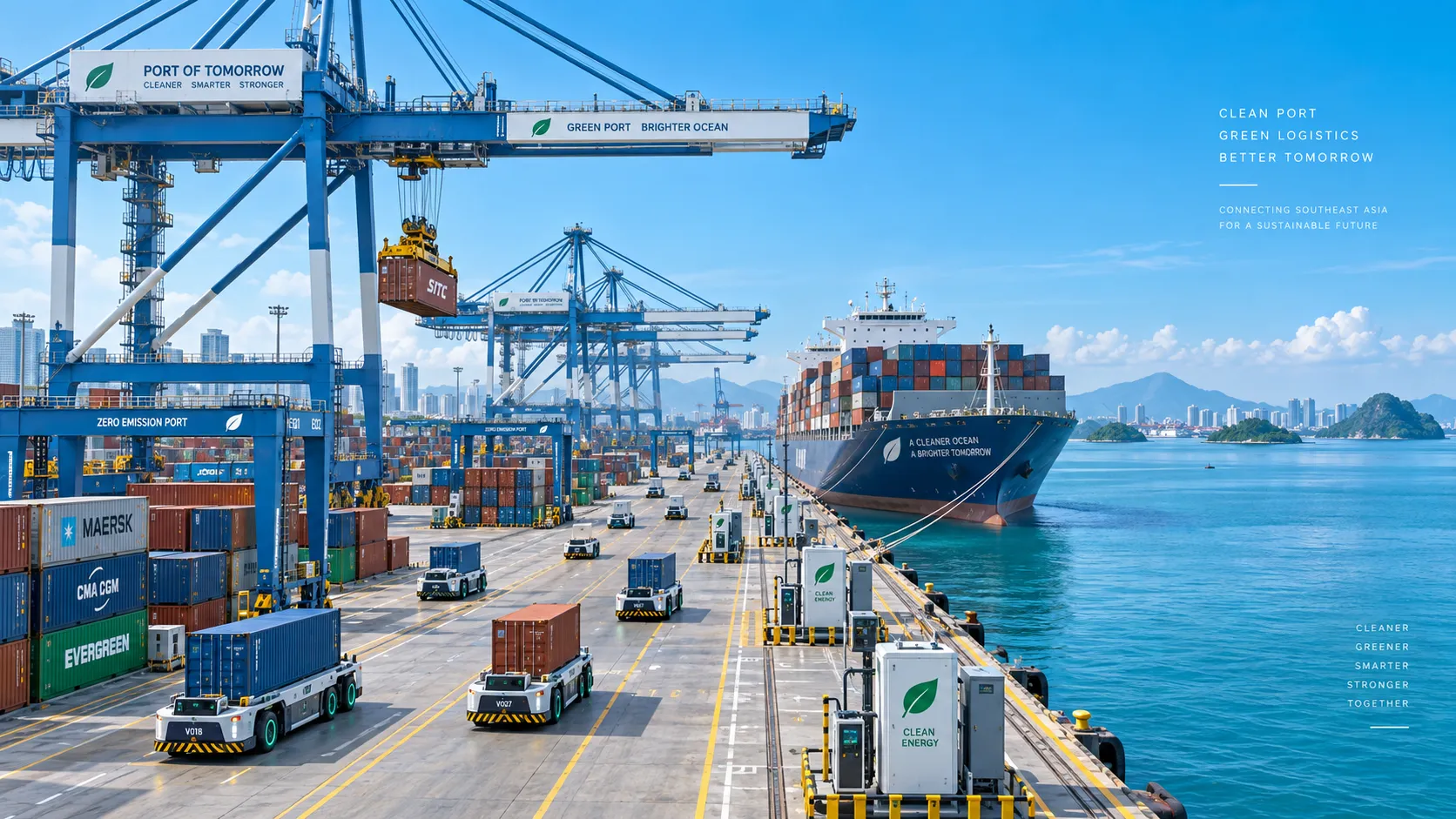
Smart Port Systems in Southeast Asia: Investment Priorities and Adoption Barriers
Smart port systems Southeast Asia: discover investment priorities, adoption barriers, and practical steps to build resilient, connected, high-performing terminals.

How to Evaluate Terminal Efficiency Solution Suppliers for High-Throughput Operations
Choose a terminal efficiency solutions supplier with confidence. Explore proven criteria for throughput, integration, lifecycle cost, safety, and reliable delivery.
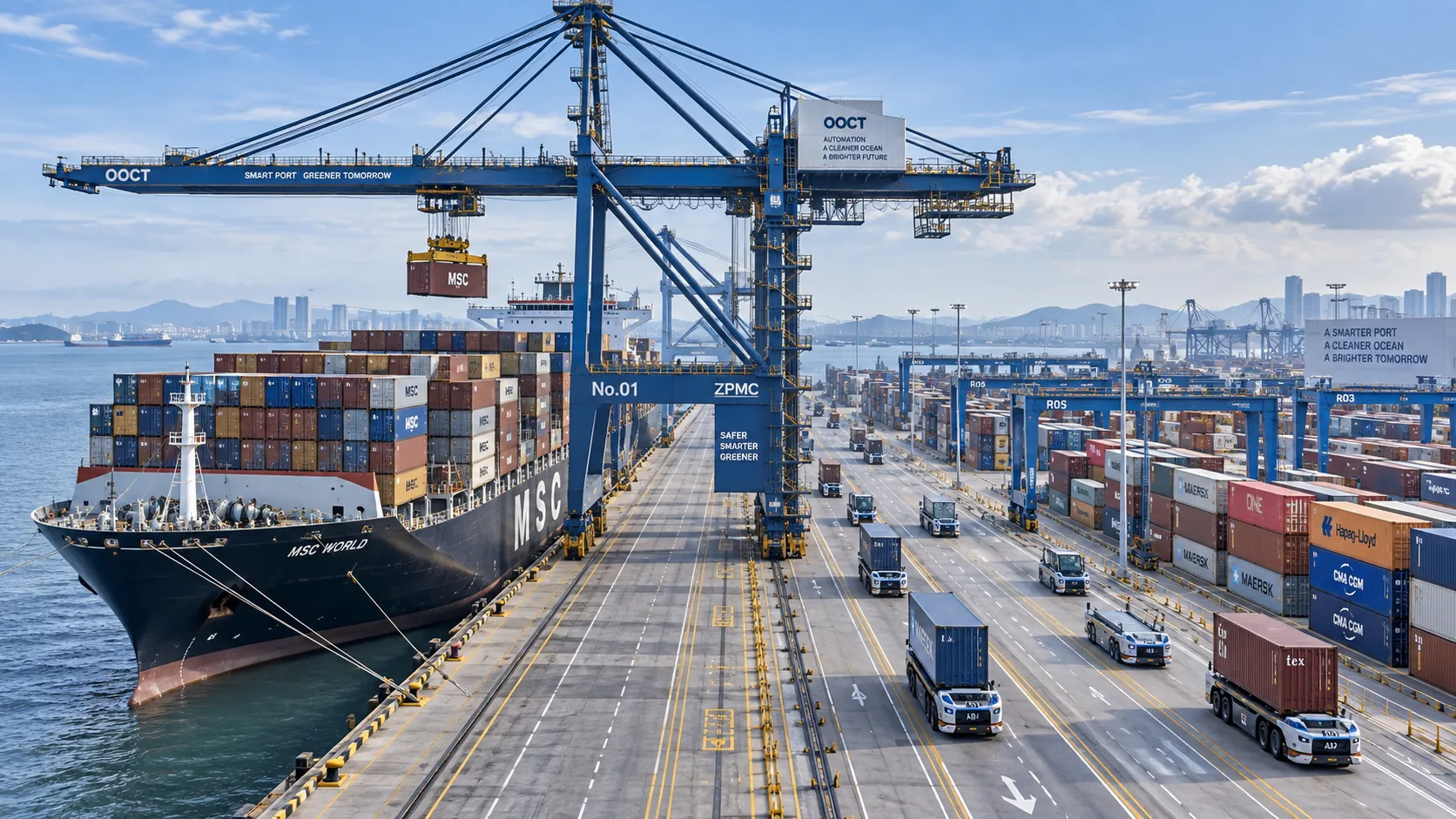
How to Specify a Quay Crane for Container Terminals by Vessel Size and Throughput?
Quay crane for container terminals: learn how to match outreach, lift height, capacity, automation, and cycle performance to vessel size and throughput goals.
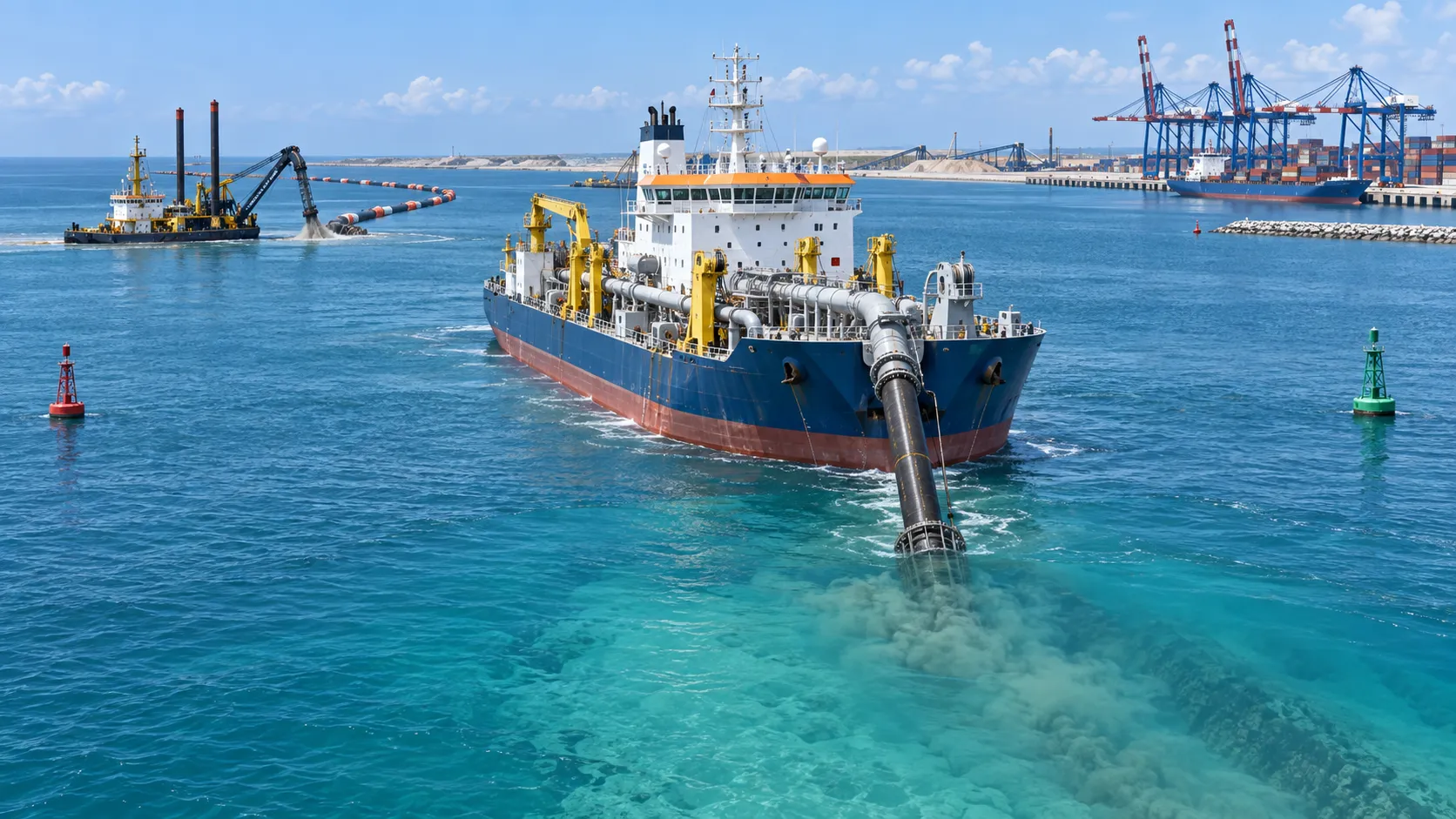
What Dredging Equipment Is Needed for Channel Deepening?
What dredging equipment is needed for channel deepening? Explore dredgers, pipelines, survey tools, and planning strategies for safer, more efficient port access.
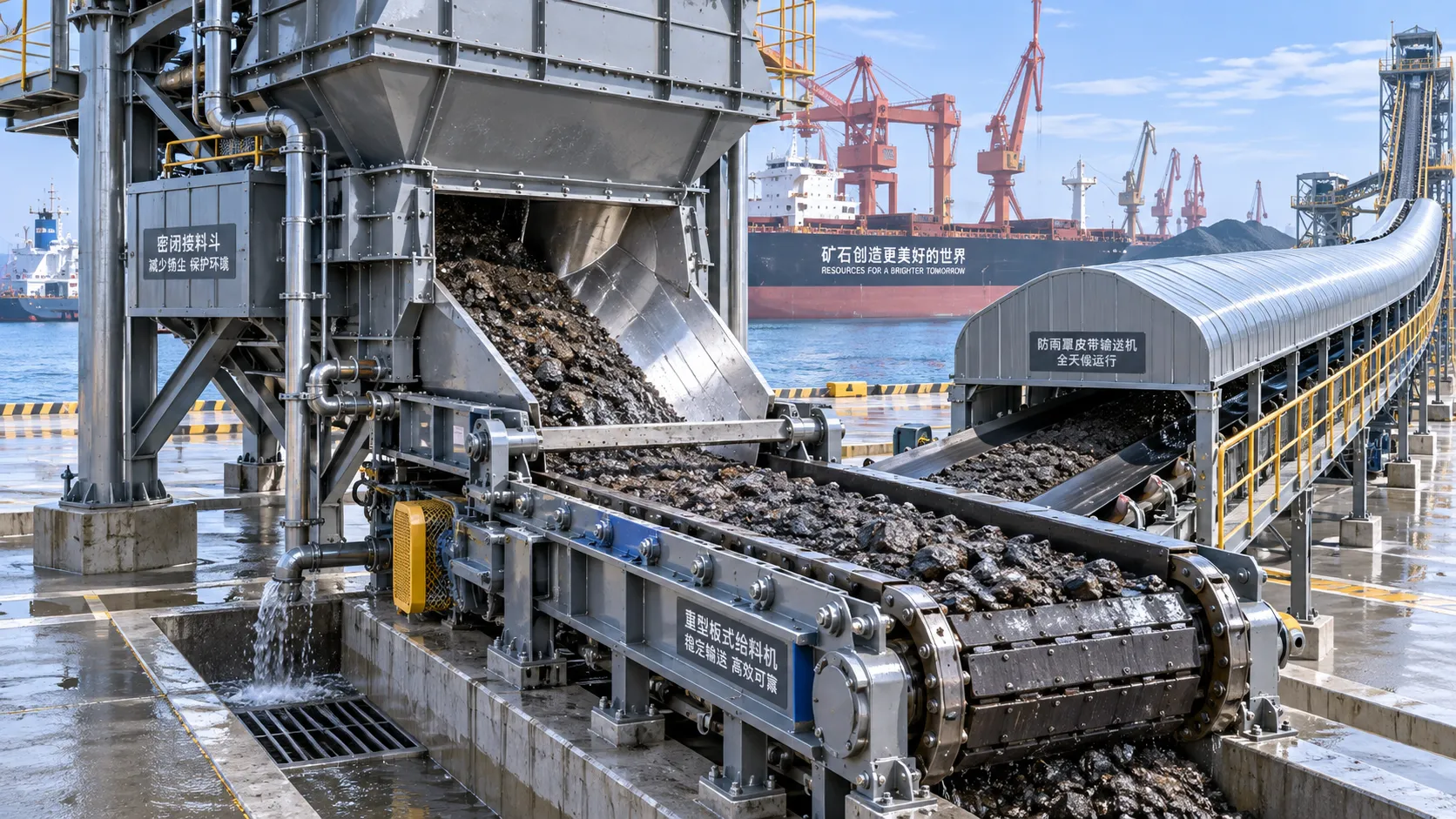
Which Bulk Handling Equipment Suits High-Moisture Cargo?
Which bulk handling equipment suits high-moisture cargo? Compare belt, apron, screw, drag, and slurry systems for reliable flow, less carryback, and higher terminal uptime.
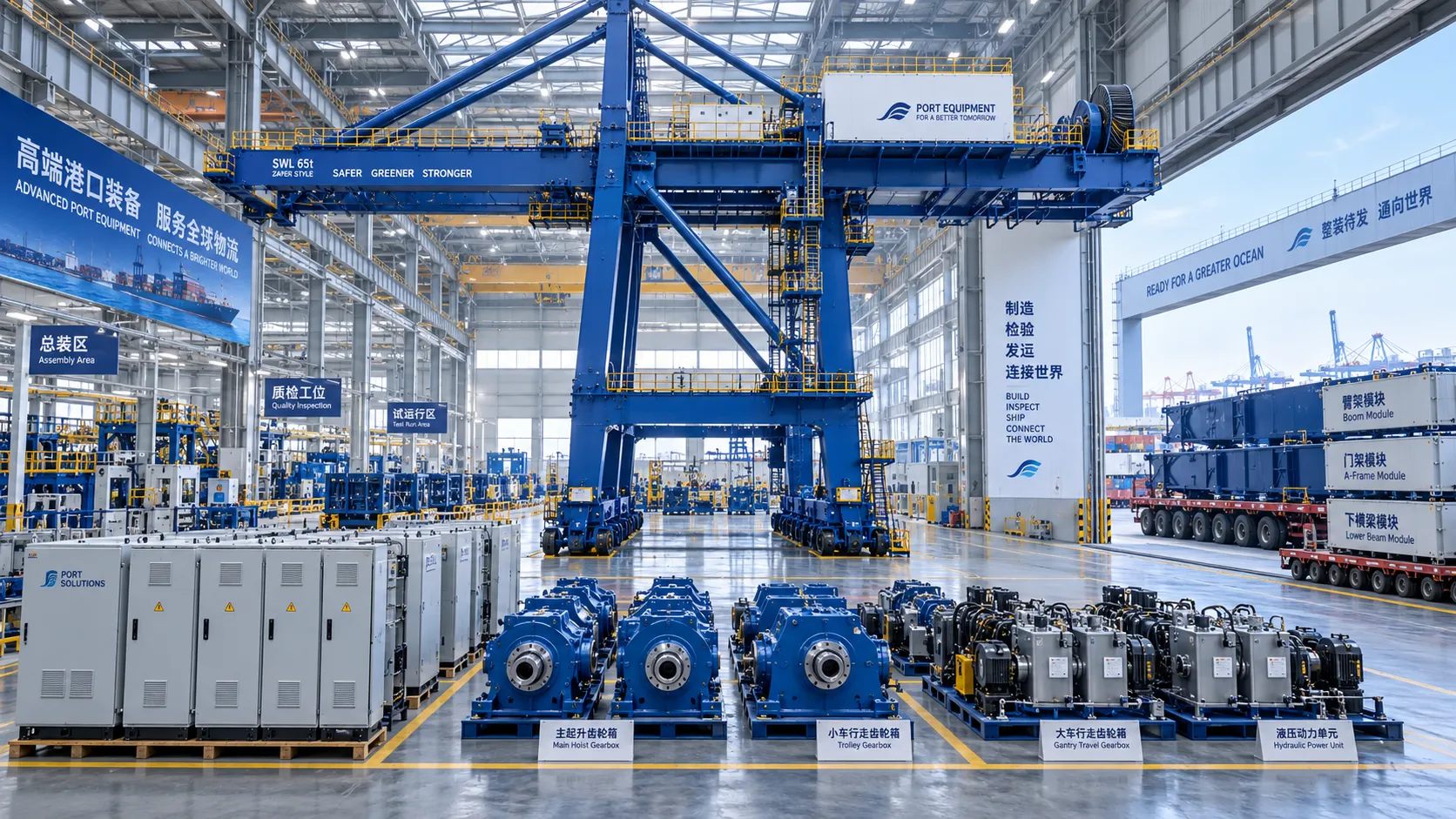
How Can Port Equipment Lead-Time Risk Be Managed?
How can port equipment lead-time risk be managed? Explore practical strategies to control critical paths, suppliers, transport, site readiness, and commissioning delays.
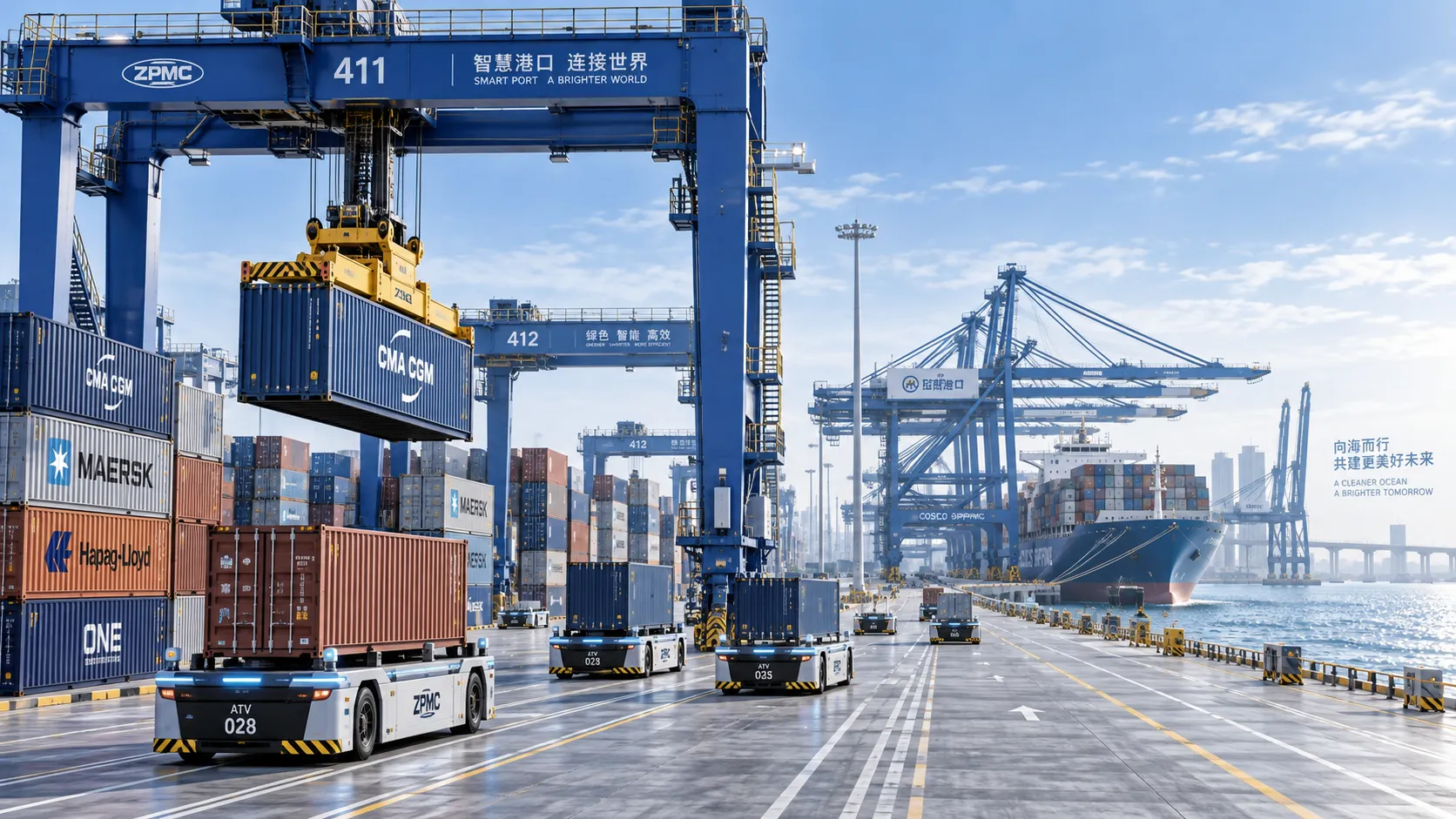
Terminal Automation Technologies That Raise Container Throughput Without Yard Disruption
Terminal automation technology that increases container throughput without disrupting yard flow. Explore smarter integration, resilient workflows, and phased deployment strategies.
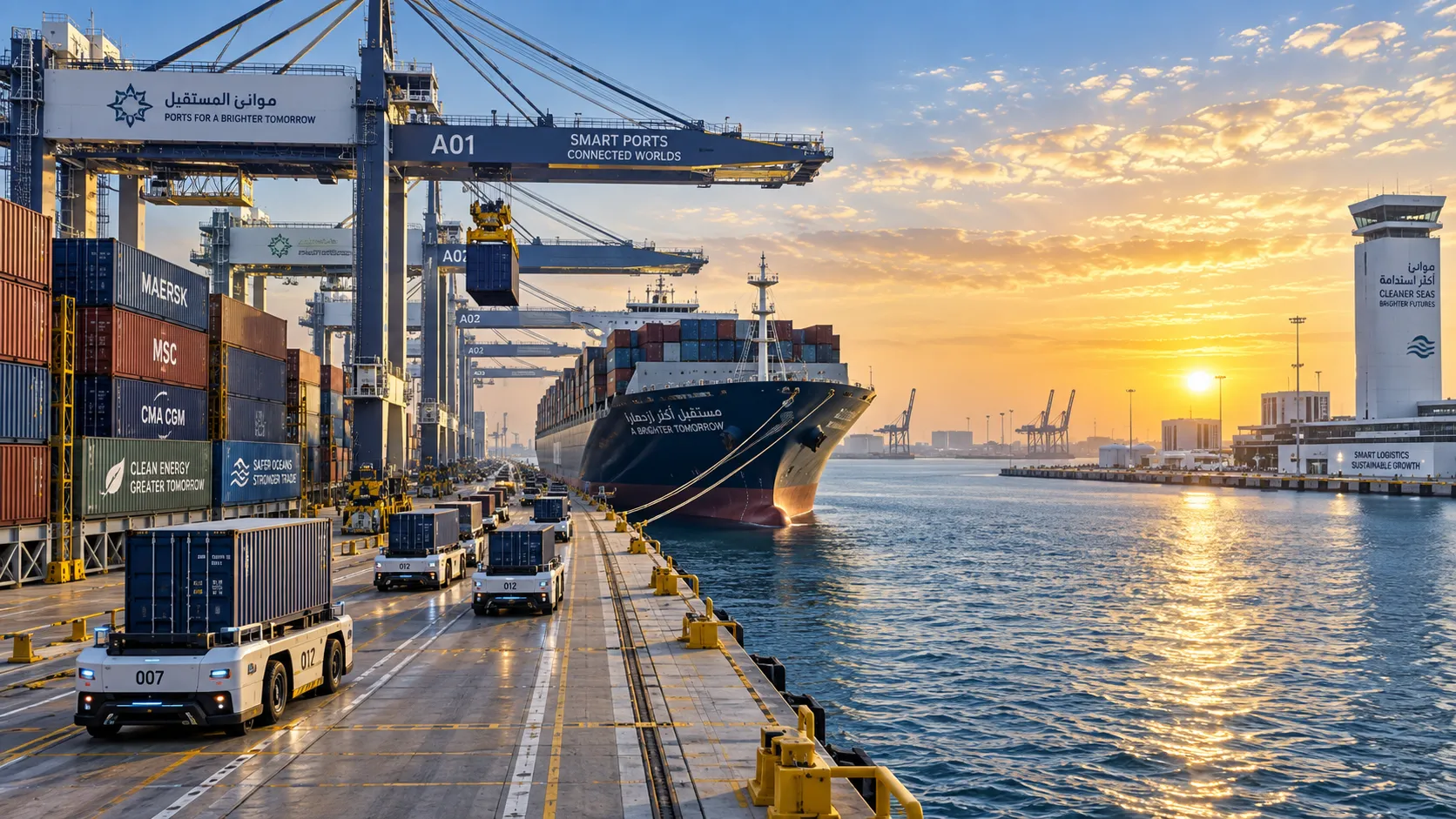
Middle East Port Automation: Key Market Drivers, Projects, and Investment Risks
Port automation systems Middle East: explore market drivers, flagship projects, integration challenges, and investment risks shaping smarter, resilient terminals.
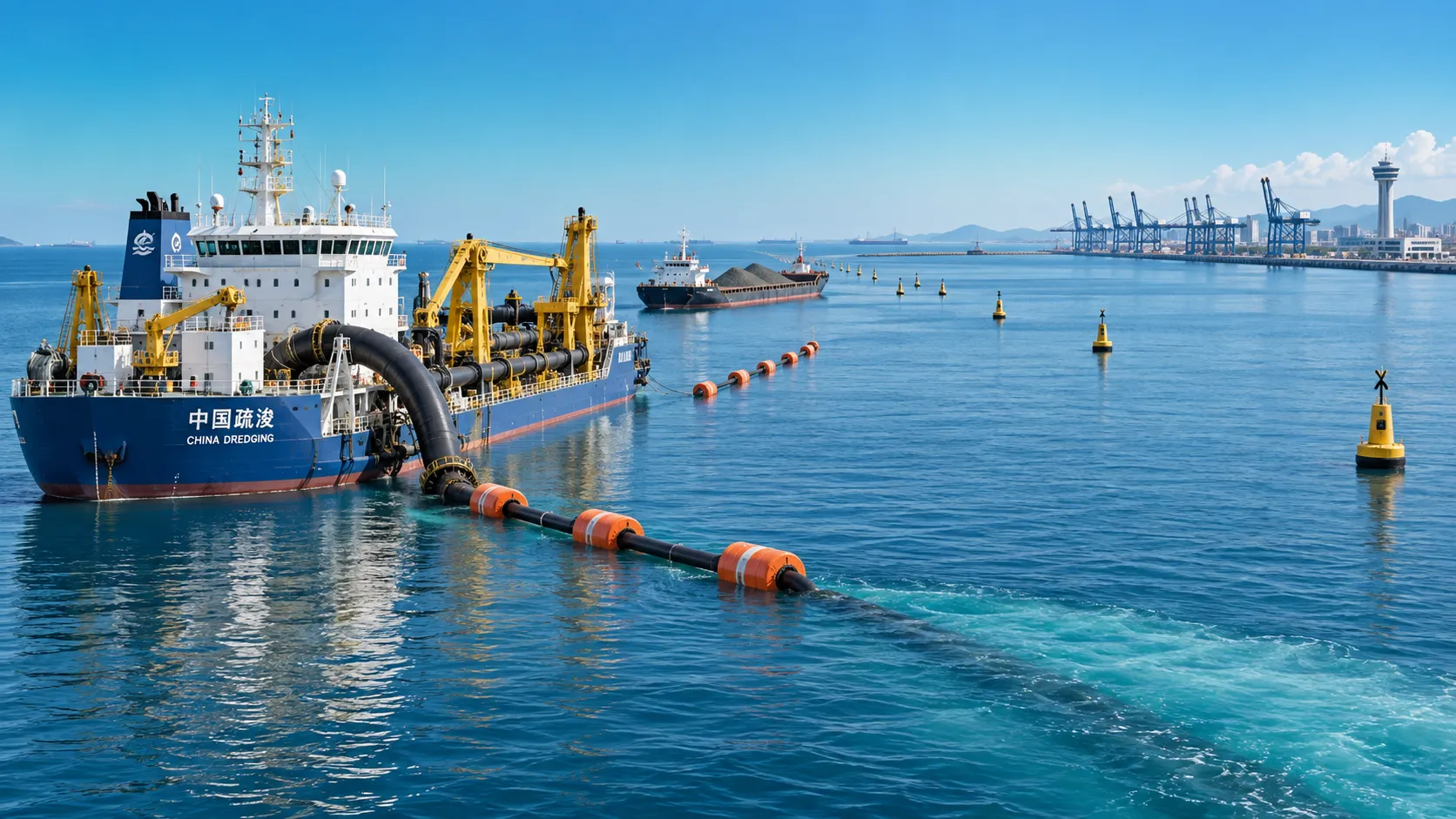
Planning Offshore Dredging Operations: Key Risks, Methods, and Project Controls
Offshore dredging operations demand smart planning. Explore key risks, proven methods, environmental controls, and project strategies for reliable delivery.