Related News
- 00
0000-00
How to Specify a Quay Crane for Container Terminals by Vessel Size and Throughput? - 00
0000-00
Which Bulk Handling Equipment Suits High-Moisture Cargo? - 00
0000-00
Terminal Automation Technologies That Raise Container Throughput Without Yard Disruption - 00
0000-00
Planning Offshore Dredging Operations: Key Risks, Methods, and Project Controls - 00
0000-00
Where Do Automated Guided Vehicles Deliver the Fastest Warehouse Gains in the Middle East?
Port Equipment Automation vs Full Automation: Which Upgrade Path Fits Your Terminal?
Port equipment automation is no longer a niche upgrade topic. It now sits at the center of terminal strategy, where asset productivity, labor design, energy efficiency, and service reliability meet commercial pressure.
The real question is not whether automation matters. It is whether a terminal should automate selected equipment and workflows first, or move toward a fully automated operating model from quay to yard.
That choice has become more urgent as vessel sizes increase, berth windows tighten, and cargo owners expect fewer disruptions. It also matters because automation decisions often lock in infrastructure, software architecture, and capital allocation for years.
Seen through the lens of PS-Nexus, where heavy terminal gear, control systems, and marine logistics intelligence intersect, the upgrade path should be judged as a business system decision, not only an equipment decision.
Two upgrade paths, two different operating logics
Incremental port equipment automation usually starts with targeted improvements. A terminal may automate stacking cranes, remote-control quay cranes, add OCR gates, or deploy AGVs in a limited area.
Full automation aims for tighter orchestration across the terminal. Equipment, traffic control, yard planning, and operating systems are designed to function as one integrated decision environment.
In practice, the difference is less about technology labels and more about system boundaries. Partial automation improves selected bottlenecks. Full automation reshapes the whole terminal logic.
This is why port equipment automation should be evaluated against cargo flow design, exception handling, and digital control maturity, not just equipment specifications.
Where incremental automation usually fits
A phased approach is often suitable when terminals have mixed cargo profiles, constrained budgets, legacy assets with remaining service life, or operational teams still building digital confidence.
It also works well when one process is clearly limiting throughput, such as yard congestion, gate delays, or inconsistent crane cycle times.
Where full automation makes more sense
A fully automated model becomes more compelling in greenfield projects, standardized container flows, and high-volume terminals where schedule precision and repeatable operating patterns create scale benefits.
It is also more attractive where labor availability, safety exposure, and carbon targets push operators toward a redesigned terminal architecture.
Why the industry is paying closer attention
The discussion has moved beyond labor substitution. Today, port equipment automation is tied to resilience, data quality, maintenance visibility, and the ability to absorb demand volatility without rebuilding the terminal every few years.
Several market forces are driving this shift. Larger ships compress exchange volumes into narrower windows. Inland connections are less predictable. Energy costs and emissions reporting are more visible than before.
At the same time, the control layer has become more important. Remote crane communications, AGV path planning, and integrated asset monitoring now influence terminal performance as much as mechanical capacity.
This aligns with PS-Nexus research priorities, which connect heavy terminal gear with logic architecture and strategic trade intelligence. Automation succeeds when machinery, software, and commercial demand signals are read together.
What each model can deliver in business terms
Incremental port equipment automation often delivers value faster. It can reduce manual variability, improve safety around high-risk assets, and create measurable gains without a full terminal shutdown or rebuild.
It also gives operators time to refine data standards, control-room practices, and maintenance workflows before committing to a terminal-wide transformation.
Full automation usually targets a different value profile. The upside is deeper process consistency, lower handoff friction, better yard density control, and more stable planning across the berth-yard-gate chain.
However, that upside depends on disciplined execution. A fully automated terminal with weak exception logic or fragmented systems can underperform a well-run semi-automated facility.
The terminal conditions that should guide the choice
The best path depends on terminal realities. Cargo mix matters because stable container flows are easier to automate deeply than operations with frequent exceptions, special cargo, or irregular yard patterns.
Asset age matters too. If core cranes, power systems, and yard layouts still have strong economic life, selective port equipment automation may protect value better than replacing everything at once.
Digital readiness is another divider. A terminal with inconsistent data capture, weak TOS integration, or limited cybersecurity discipline may struggle to unlock the benefits of full automation.
Physical constraints also shape the answer. Brownfield terminals often face tighter limits around layout, traffic routing, and construction windows than greenfield projects designed for automation from the start.
Questions worth asking early
- Is the main problem throughput, safety, labor availability, emissions, or service consistency?
- Which process creates the largest avoidable delay today?
- Can existing cranes, yard blocks, and power systems support new control layers?
- How much operational disruption can the terminal absorb during implementation?
- Are software governance and data ownership already defined across suppliers?
Common scenarios in real operations
A mature brownfield container terminal may choose remote-operated quay cranes, automated stacking blocks, and digital maintenance monitoring before considering a terminal-wide autonomous flow.
That kind of port equipment automation can remove specific bottlenecks while preserving existing berth geometry and contract structures.
A new coastal hub handling large transshipment volumes may justify full automation earlier. Standardized moves, predictable vessel calls, and long planning horizons make integrated control systems easier to optimize.
Terminals connected to dredging expansion projects face another case. If deeper channels and larger ships are expected, future capacity should be evaluated alongside automation, not as a separate engineering conversation.
This is where a broader intelligence view matters. Equipment strategy, yard logic, berth productivity, and coastal infrastructure often move together, even when procurement decisions are made in separate steps.
How to compare ROI without oversimplifying
ROI should not be reduced to labor savings alone. Strong automation cases often include lower incident exposure, better asset utilization, improved energy management, and fewer planning losses during peak periods.
A phased port equipment automation program may outperform a full automation project if it reaches benefits faster and avoids integration delays.
On the other hand, a terminal that repeatedly patches local bottlenecks may spend more over time if those upgrades cannot scale into a coherent future architecture.
The most useful comparison blends financial and operational measures.
- Berth productivity stability across demand peaks
- Yard density and rehandle frequency
- Exception recovery speed
- Maintenance predictability and spare-parts planning
- Energy consumption per move
- Scalability for future cargo growth
A practical way to move forward
The most effective decisions usually begin with a terminal-wide map of constraints. That means identifying where mechanical limits end and where planning, software, or communication bottlenecks begin.
From there, build a decision model around three horizons: immediate gains, medium-term integration, and long-term terminal design. This prevents short-term automation from blocking future flexibility.
It also helps to compare vendors and concepts at the architecture level. Port equipment automation works best when interfaces, control ownership, and data standards are clear before procurement expands.
For many terminals, the right answer is not a simple either-or. It is a sequenced roadmap that starts with high-value automation, but preserves the option for deeper integration when volume, infrastructure, and digital maturity align.
A useful next step is to test the upgrade path against real traffic patterns, asset condition, and expansion plans. When those signals are read together, the choice between selective automation and full automation becomes far clearer.
Related News
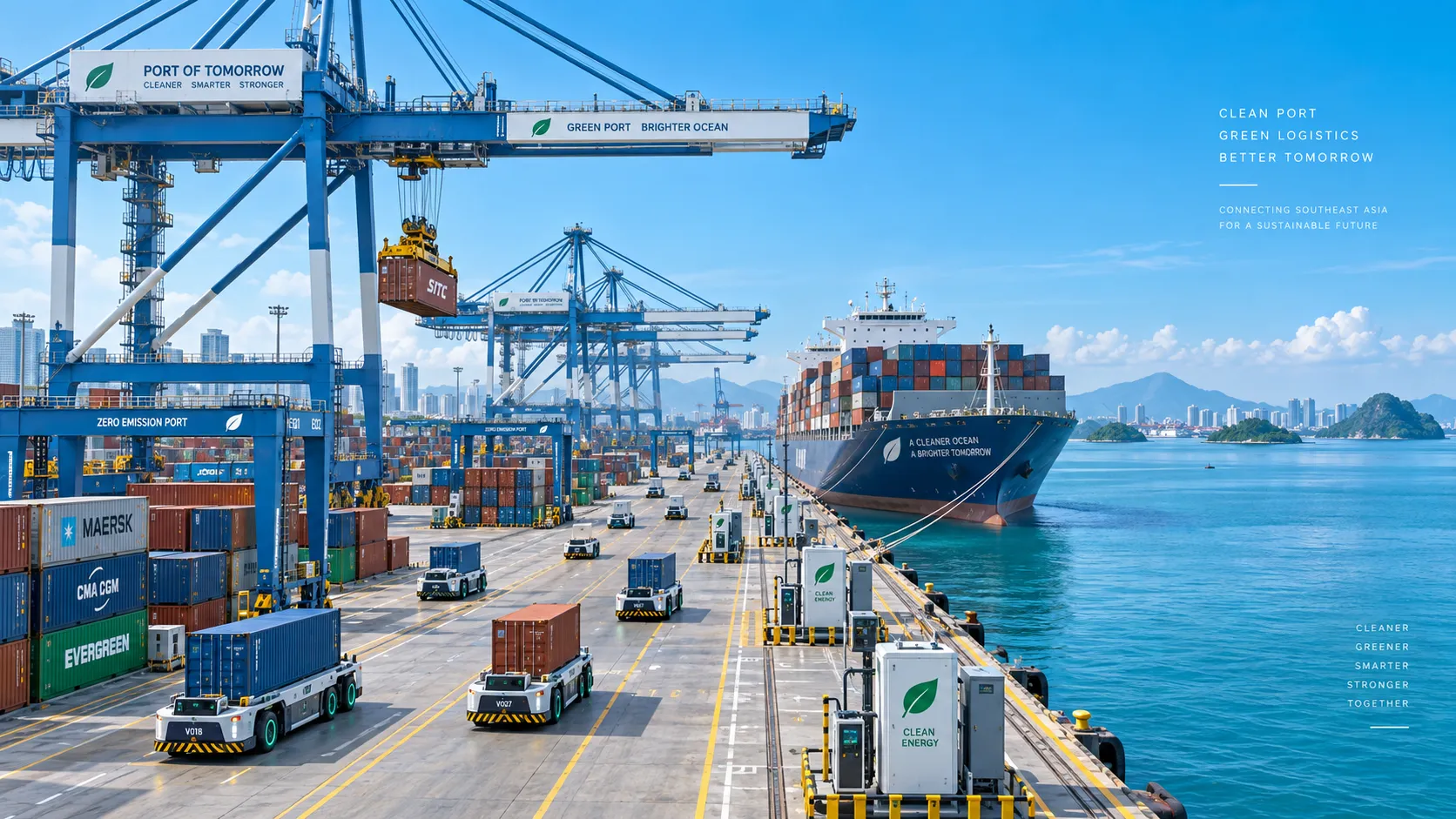
Smart Port Systems in Southeast Asia: Investment Priorities and Adoption Barriers
Smart port systems Southeast Asia: discover investment priorities, adoption barriers, and practical steps to build resilient, connected, high-performing terminals.
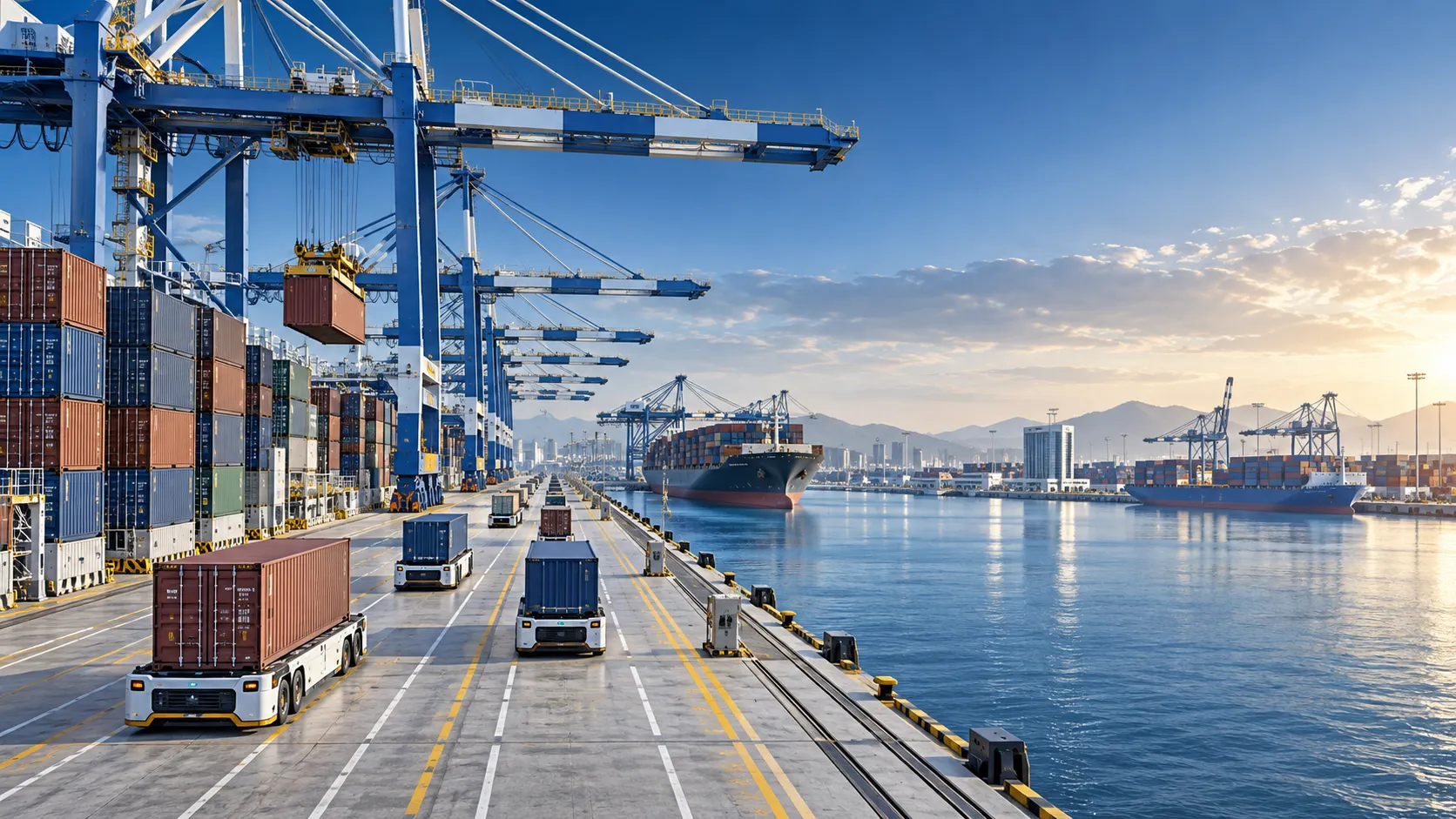
How to Evaluate Terminal Efficiency Solution Suppliers for High-Throughput Operations
Choose a terminal efficiency solutions supplier with confidence. Explore proven criteria for throughput, integration, lifecycle cost, safety, and reliable delivery.
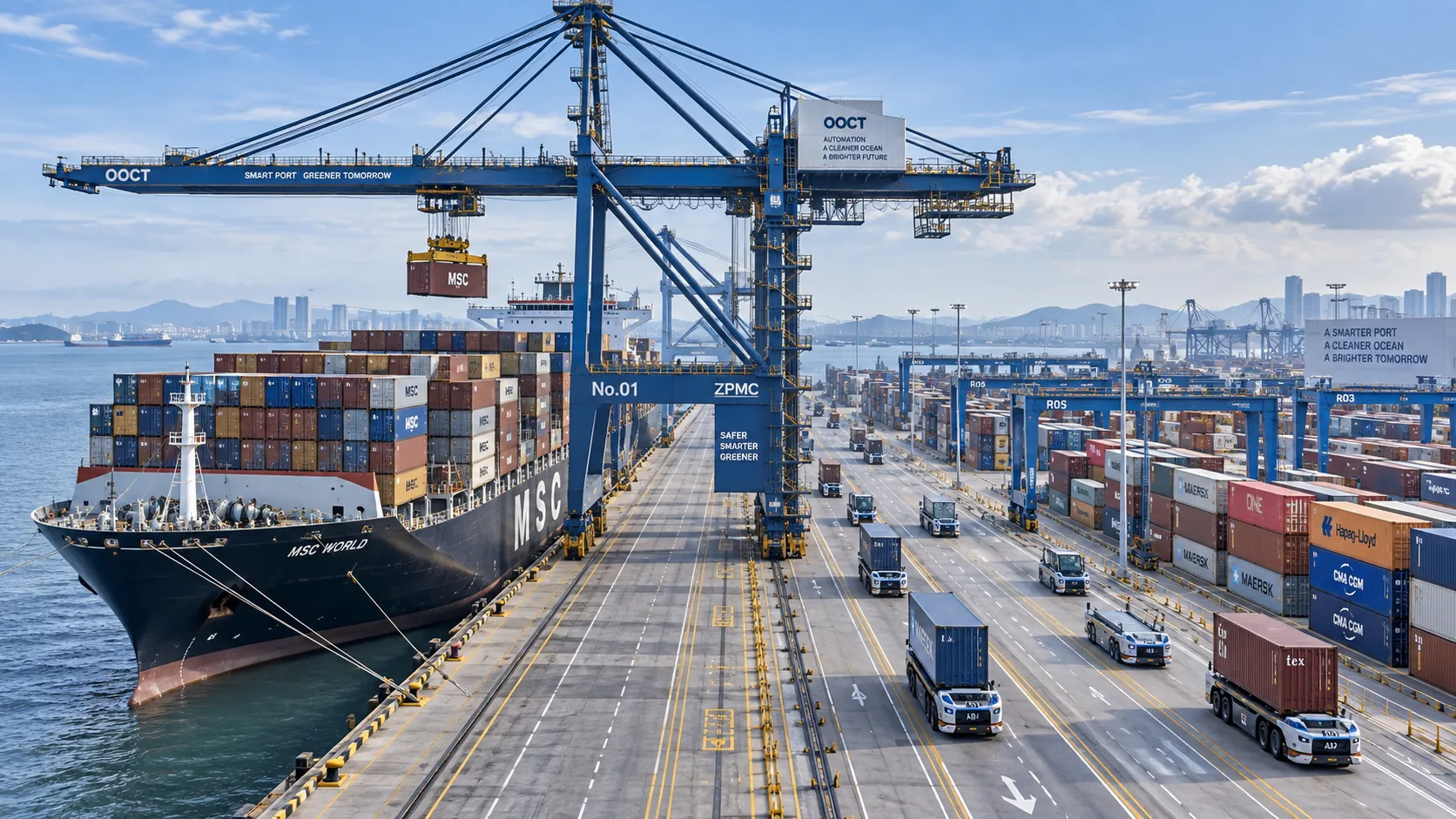
How to Specify a Quay Crane for Container Terminals by Vessel Size and Throughput?
Quay crane for container terminals: learn how to match outreach, lift height, capacity, automation, and cycle performance to vessel size and throughput goals.
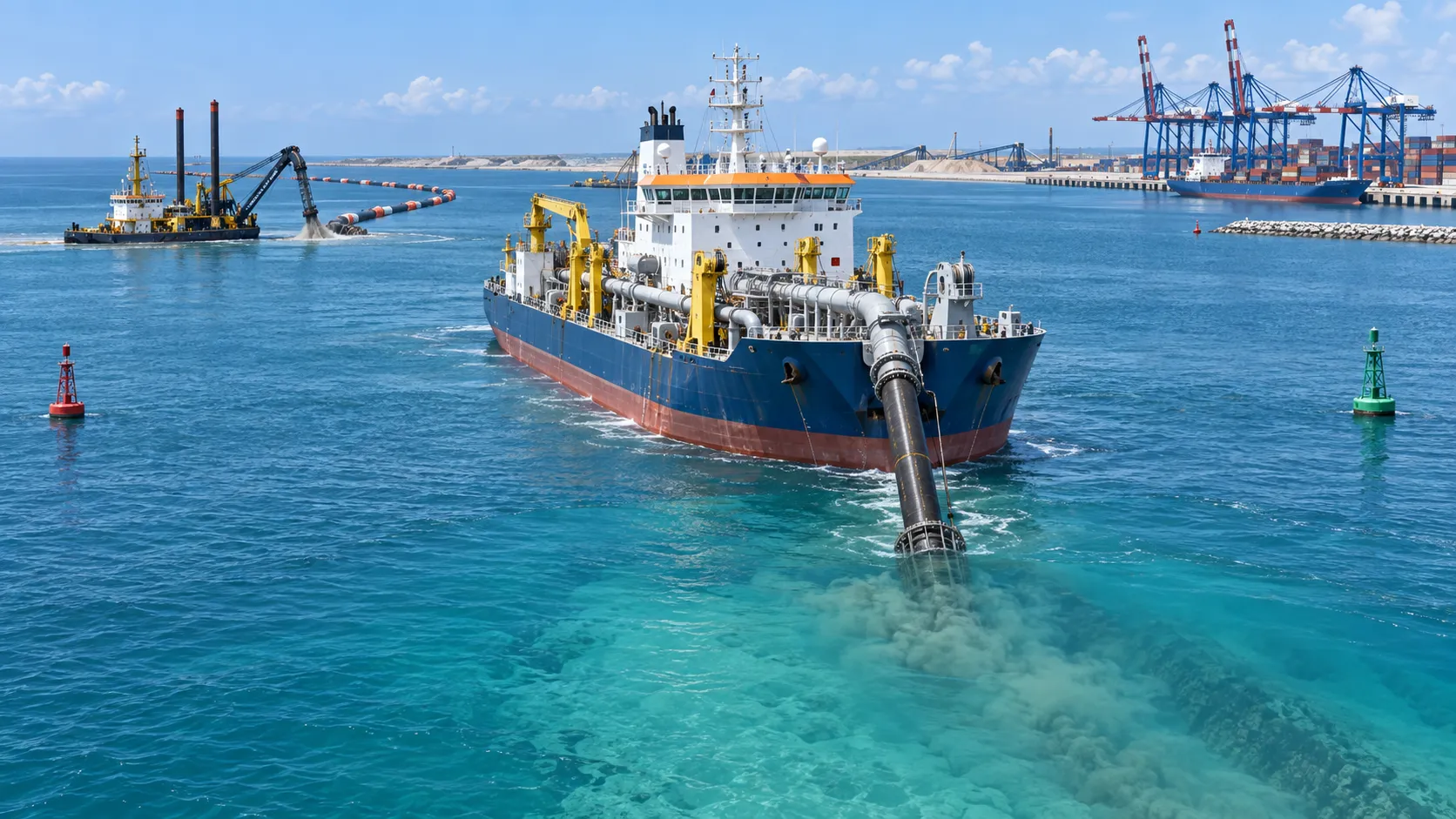
What Dredging Equipment Is Needed for Channel Deepening?
What dredging equipment is needed for channel deepening? Explore dredgers, pipelines, survey tools, and planning strategies for safer, more efficient port access.
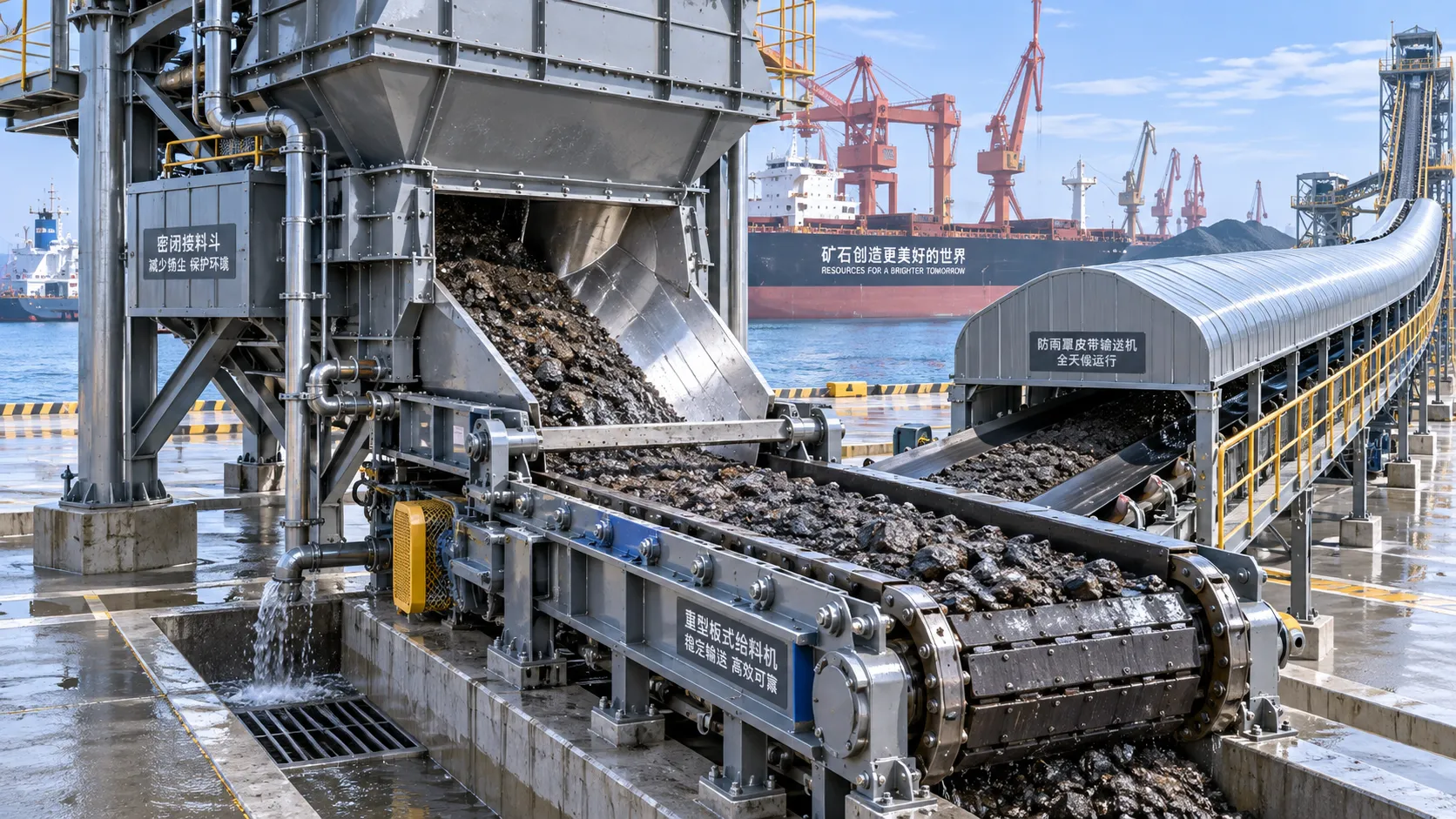
Which Bulk Handling Equipment Suits High-Moisture Cargo?
Which bulk handling equipment suits high-moisture cargo? Compare belt, apron, screw, drag, and slurry systems for reliable flow, less carryback, and higher terminal uptime.
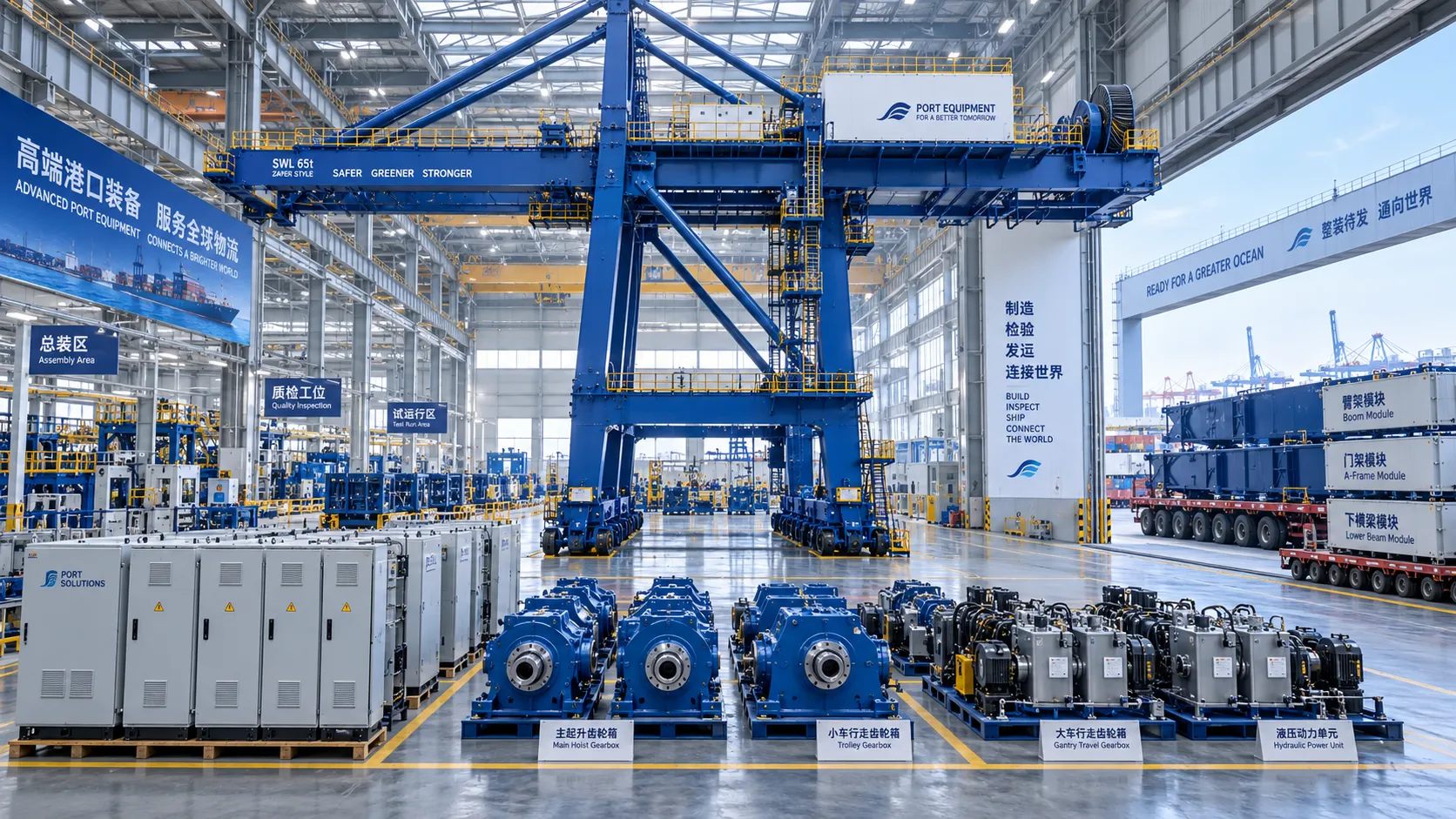
How Can Port Equipment Lead-Time Risk Be Managed?
How can port equipment lead-time risk be managed? Explore practical strategies to control critical paths, suppliers, transport, site readiness, and commissioning delays.
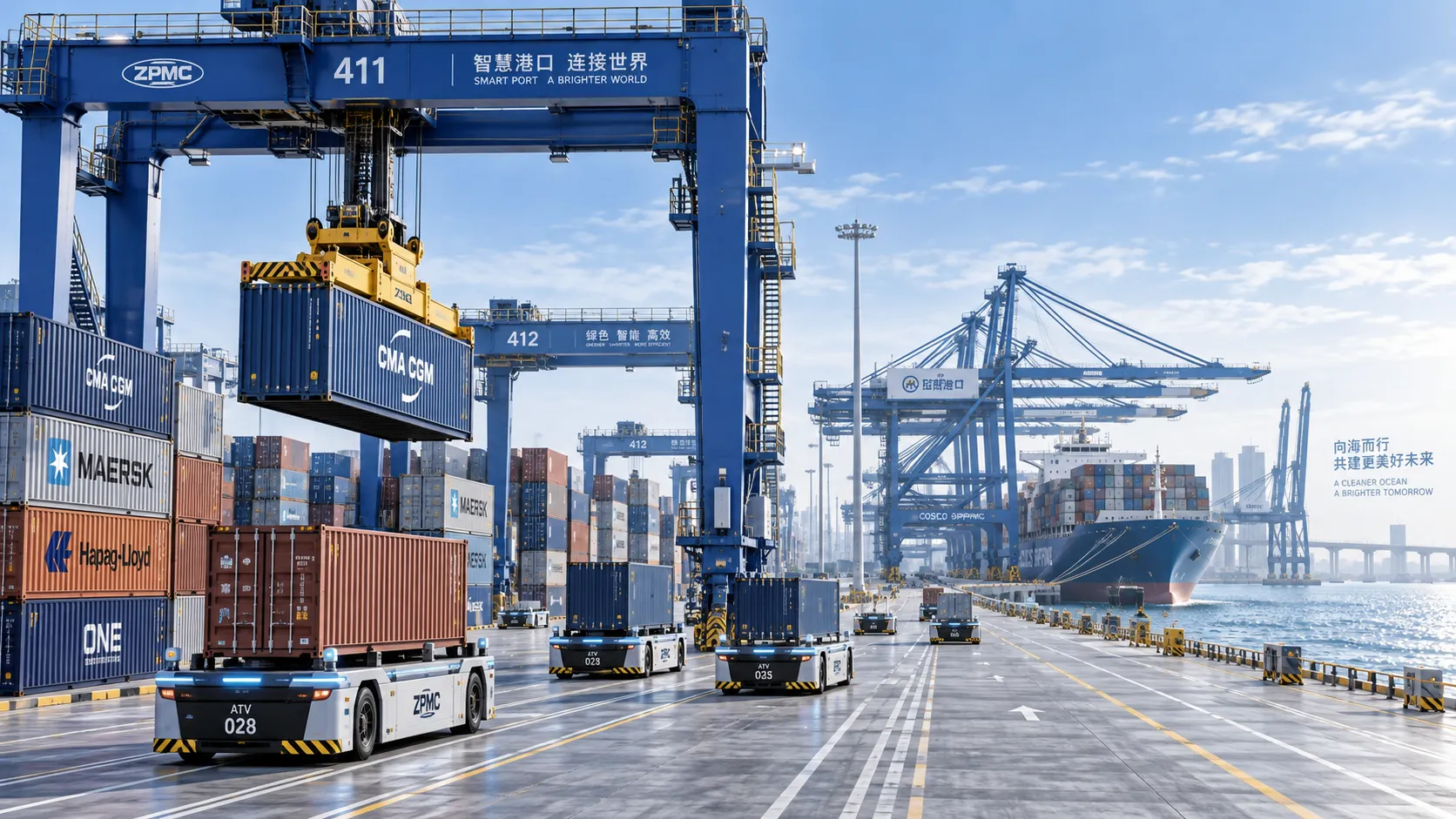
Terminal Automation Technologies That Raise Container Throughput Without Yard Disruption
Terminal automation technology that increases container throughput without disrupting yard flow. Explore smarter integration, resilient workflows, and phased deployment strategies.
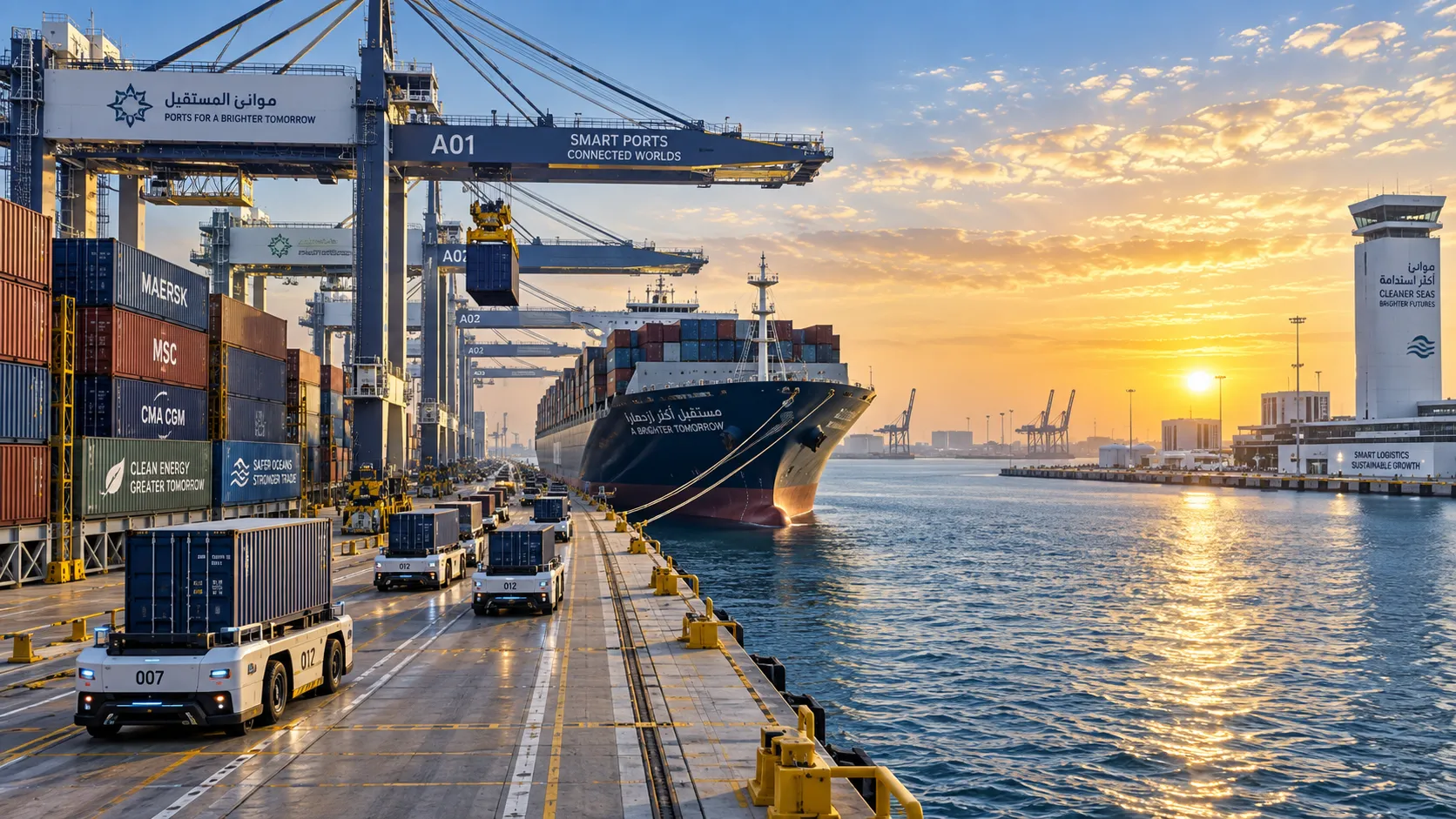
Middle East Port Automation: Key Market Drivers, Projects, and Investment Risks
Port automation systems Middle East: explore market drivers, flagship projects, integration challenges, and investment risks shaping smarter, resilient terminals.
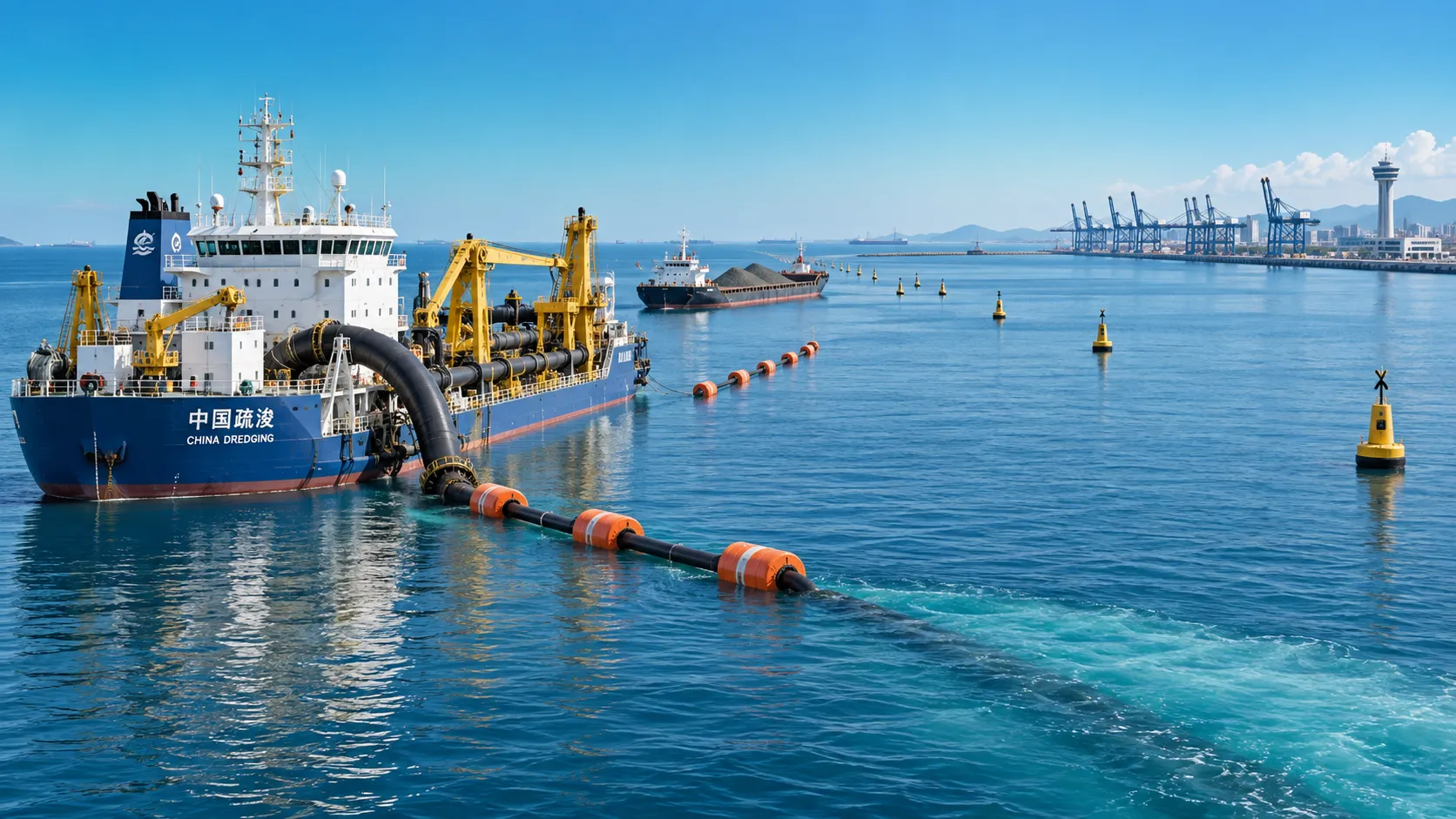
Planning Offshore Dredging Operations: Key Risks, Methods, and Project Controls
Offshore dredging operations demand smart planning. Explore key risks, proven methods, environmental controls, and project strategies for reliable delivery.