Related News
- 00
0000-00
How to Specify a Quay Crane for Container Terminals by Vessel Size and Throughput? - 00
0000-00
Which Bulk Handling Equipment Suits High-Moisture Cargo? - 00
0000-00
Terminal Automation Technologies That Raise Container Throughput Without Yard Disruption - 00
0000-00
Planning Offshore Dredging Operations: Key Risks, Methods, and Project Controls - 00
0000-00
Where Do Automated Guided Vehicles Deliver the Fastest Warehouse Gains in the Middle East?
What Are Automated Guided Vehicles? Types, Navigation Methods, and Best-Fit Warehouse Uses
Why are automated guided vehicles drawing so much attention?
Automated guided vehicles are no longer a niche automation topic. They now sit at the center of warehouse, terminal, and intralogistics planning.
The reason is practical. Material flow has become faster, labor is harder to stabilize, and scheduling mistakes are more expensive than before.
In warehouses, automated guided vehicles reduce repetitive transport tasks. In ports and container yards, they support more predictable handoffs between cranes, storage lanes, and transfer points.
That is also why platforms such as PS-Nexus keep tracking AGV path planning, control logic, and terminal automation trends. These machines are not just vehicles. They are moving nodes inside a larger operational system.
For anyone trying to understand automated guided vehicles, the useful question is not only what they are, but where each type actually fits.
So, what are automated guided vehicles in simple terms?
Automated guided vehicles are driverless transport machines that move materials along planned routes inside controlled environments.
They usually carry pallets, bins, racks, containers, or production materials. Their routes can be fixed, semi-flexible, or dynamically adjusted by software.
Unlike ordinary forklifts, AGVs depend on navigation systems, onboard sensors, traffic control rules, and fleet management software.
In everyday discussion, people often mix automated guided vehicles with AMRs. The overlap is real, but the distinction matters.
A traditional AGV usually follows predefined guidance. An AMR tends to make more autonomous path decisions in real time.
In practice, many projects combine both ideas. A warehouse may use structured AGV lanes for repetitive movement and more adaptive robots for exception handling.
What jobs do AGVs usually handle?
- Pallet transport between receiving, storage, and shipping
- Line feeding in assembly or packaging zones
- Container or unit-load transfer in automated yards
- Buffer movement between cranes, conveyors, and storage systems
- Night-shift or lights-out material handling
Which types of automated guided vehicles are most common?
Not all automated guided vehicles solve the same problem. The best-fit choice depends on load type, aisle design, traffic density, and handoff precision.
A useful way to compare them is by the task they perform rather than by brand naming.
Unit-load AGVs
These carry pallets, cages, or containers on top of the vehicle. They are common in structured warehouses with stable routes.
Tugger or towing AGVs
These pull several carts at once. They work well when many small loads move along repeated loops.
Forklift AGVs
These automate pallet pickup and putaway. They are attractive when vertical storage access matters and floor space is tight.
Assembly-line AGVs
These support sequential production flow. They usually move parts at controlled timing rather than pure speed.
Heavy-duty terminal AGVs
These are designed for container terminals and automated yards. They connect quay cranes, transfer areas, and stacking systems.
This category matters in the PS-Nexus world because terminal AGVs sit between heavy mechanical equipment and algorithmic scheduling.
How do automated guided vehicles know where to go?
Navigation is often the make-or-break factor. Two AGVs may look similar, yet their operational flexibility can differ sharply because of guidance method.
Magnetic tape or magnetic spot guidance
This is simple and reliable for repetitive routes. It is easier to maintain, but layout changes require physical updates.
Wire guidance
Embedded wires create highly controlled paths. This method is durable, though installation is more disruptive.
Laser reflector navigation
The vehicle scans fixed reflectors around the site. It supports accurate movement and is common in larger indoor systems.
Natural feature navigation
The AGV reads walls, columns, racks, and other environmental features. This reduces physical infrastructure and helps future layout changes.
GPS and hybrid outdoor positioning
For ports, yards, and large outdoor areas, AGVs may use GPS, lidar, inertial systems, and local correction layers together.
That hybrid approach is especially relevant in marine logistics, where weather, long travel distances, and heavy equipment interactions complicate navigation.
What should guide the navigation choice?
- Route stability over the next three to five years
- Required positioning accuracy at pickup points
- Indoor or outdoor operating conditions
- Tolerance for installation downtime
- Software integration with traffic control systems
Where do AGVs fit best in a warehouse, and where do they struggle?
Automated guided vehicles perform best when movement rules are clear and transport demand is frequent enough to justify automation.
A strong fit usually includes repeated travel paths, defined pickup stations, measurable throughput, and limited unpredictable obstructions.
Best-fit warehouse uses
- Receiving to storage pallet moves
- Storage to shipping replenishment runs
- Cross-dock transfers with tight timing
- Cold storage, where labor conditions are difficult
- High-volume facilities with standardized unit loads
Less suitable situations
- Constantly changing floor layouts
- Mixed manual traffic with poor discipline
- Irregular loads that vary in shape and weight
- Low-volume operations with weak return on automation
In terminal settings, the same logic applies. AGVs work best where crane cycles, yard logic, and traffic priorities are coordinated by a central control layer.
That systems view is a recurring theme in PS-Nexus intelligence work. Vehicle performance alone does not define success. Fleet orchestration does.
What mistakes are common when comparing automated guided vehicles?
A common mistake is focusing on vehicle speed first. In most operations, bottlenecks come from waiting, congestion, handoff delay, or software mismatch.
Another mistake is treating AGV selection as a hardware purchase only. The vehicle, charging strategy, traffic rules, and host system must be evaluated together.
Some sites also underestimate floor quality, rack accuracy, and load consistency. Automated guided vehicles depend on repeatability more than manual fleets do.
A quick decision check helps
How should you judge cost, implementation time, and long-term value?
The purchase price is only part of the picture. A realistic AGV review should include software, mapping, charging, safety systems, training, and maintenance access.
Implementation time depends on route complexity and system integration. A small indoor loop may move quickly. A terminal-scale deployment takes much longer.
Long-term value usually comes from three areas: throughput stability, labor reallocation, and better operating visibility.
More mature operations also look at energy use and emissions. In that sense, automated guided vehicles support broader smart-port and net-zero targets when fleet logic is well designed.
If the site belongs to a larger logistics network, the bigger advantage may be schedule consistency. Predictable movement often matters more than peak speed.
A sensible next-step checklist
- Map current transport flows by frequency, distance, and delay points
- Separate repetitive moves from exception-heavy moves
- Match AGV type to load form and handoff method
- Compare navigation options against future layout plans
- Review integration needs with WMS, TOS, or control platforms
- Test operating assumptions before scaling fleet size
In short, automated guided vehicles are most valuable when they are chosen as part of a flow strategy, not as isolated equipment.
The right decision starts with route logic, load consistency, and system coordination. Then it moves to vehicle type, navigation method, and rollout pace.
For ongoing research, it is worth tracking how AGVs connect with terminal control systems, smart warehousing, and broader maritime logistics automation.
That wider perspective is exactly where operational intelligence becomes useful: not just understanding the machine, but understanding the network it must serve.
Related News
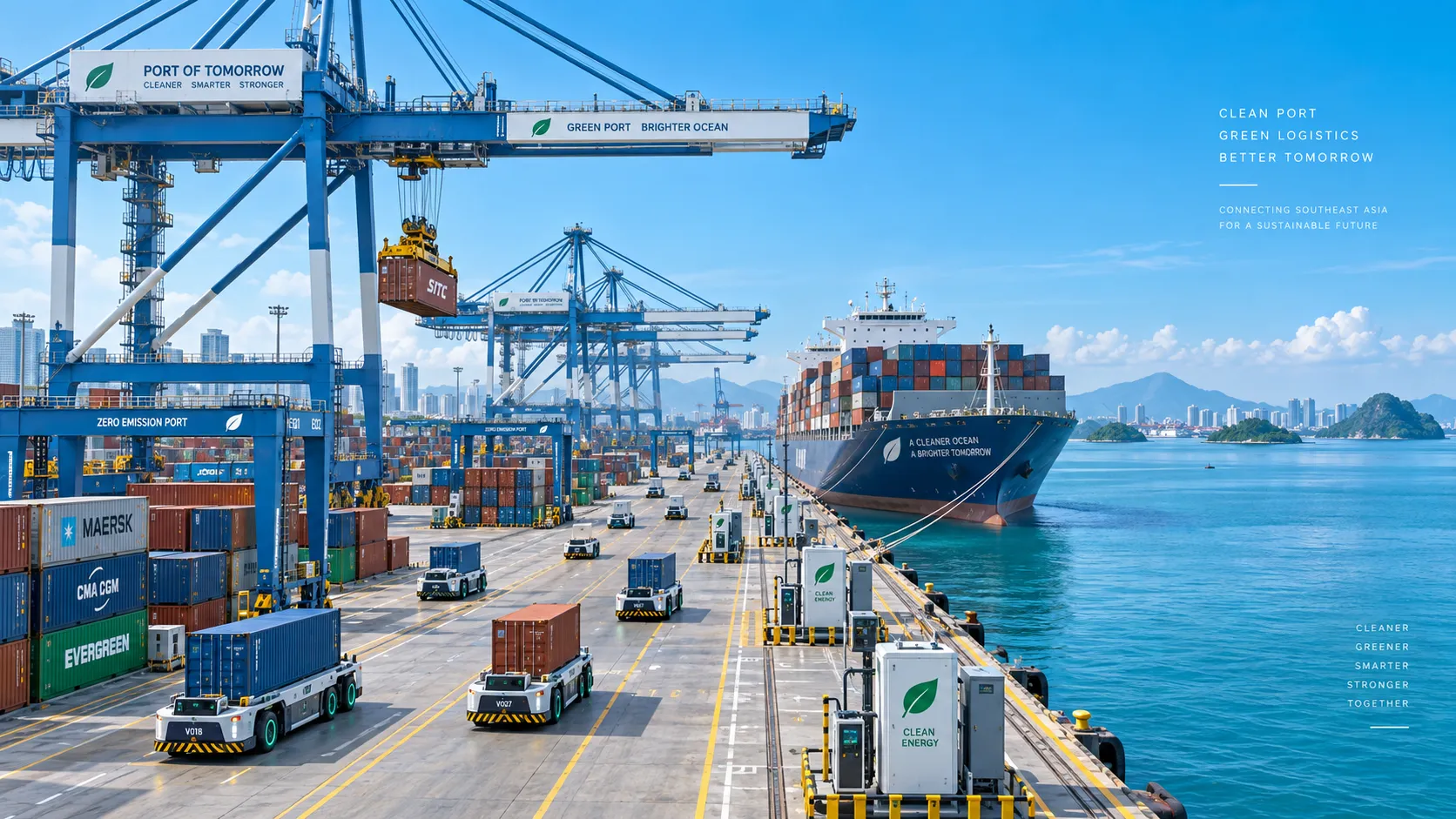
Smart Port Systems in Southeast Asia: Investment Priorities and Adoption Barriers
Smart port systems Southeast Asia: discover investment priorities, adoption barriers, and practical steps to build resilient, connected, high-performing terminals.

How to Evaluate Terminal Efficiency Solution Suppliers for High-Throughput Operations
Choose a terminal efficiency solutions supplier with confidence. Explore proven criteria for throughput, integration, lifecycle cost, safety, and reliable delivery.
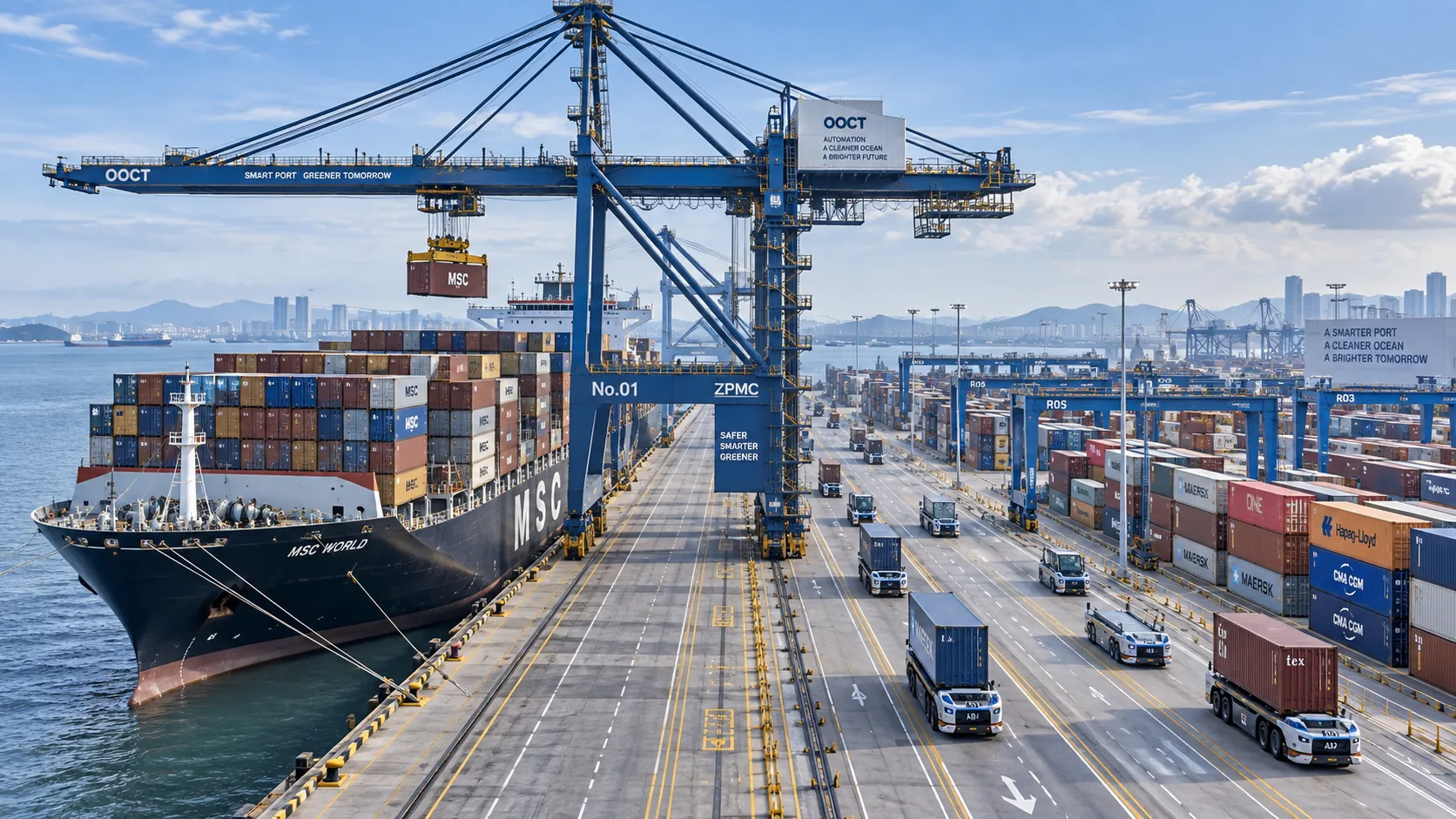
How to Specify a Quay Crane for Container Terminals by Vessel Size and Throughput?
Quay crane for container terminals: learn how to match outreach, lift height, capacity, automation, and cycle performance to vessel size and throughput goals.

What Dredging Equipment Is Needed for Channel Deepening?
What dredging equipment is needed for channel deepening? Explore dredgers, pipelines, survey tools, and planning strategies for safer, more efficient port access.
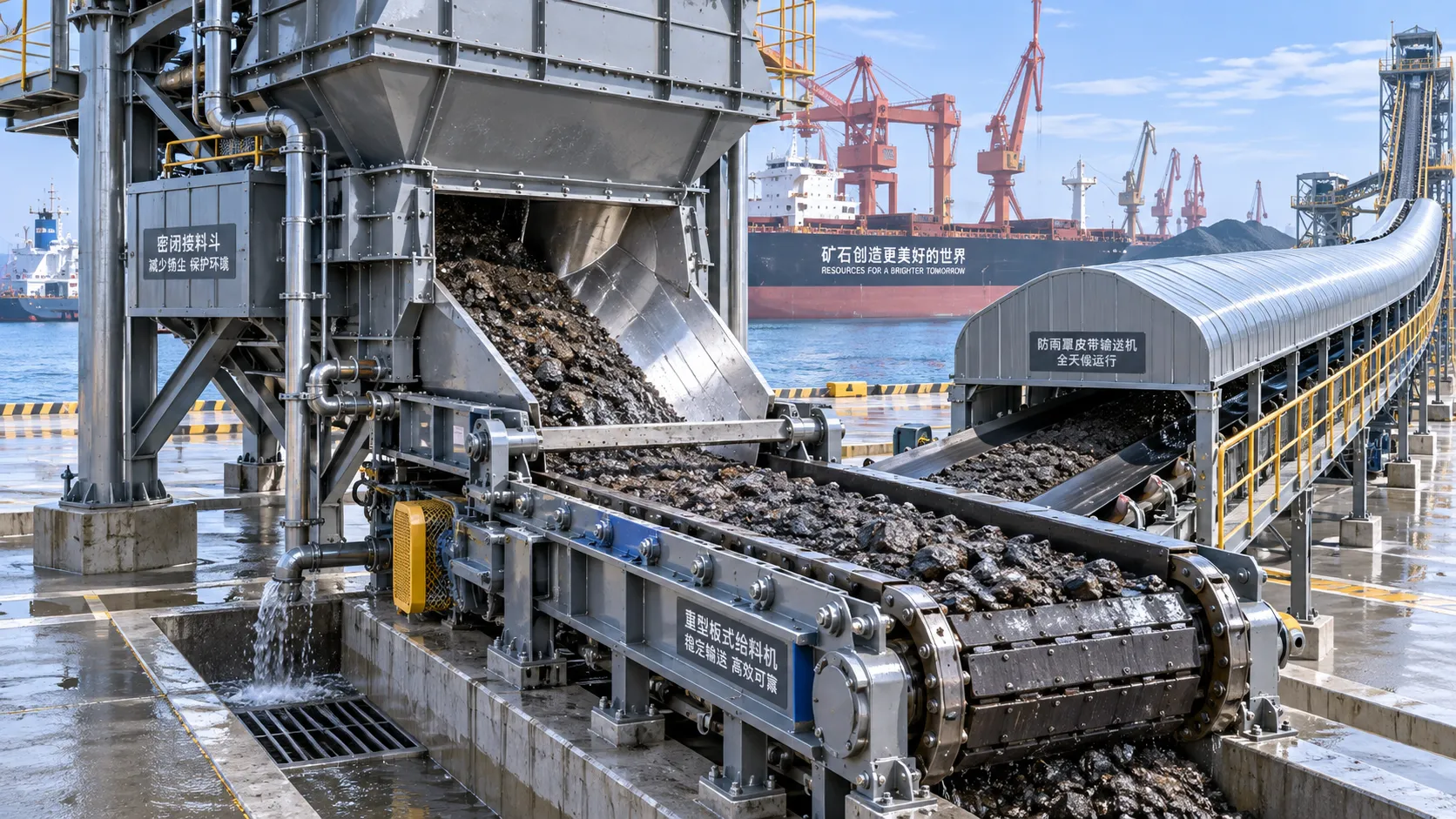
Which Bulk Handling Equipment Suits High-Moisture Cargo?
Which bulk handling equipment suits high-moisture cargo? Compare belt, apron, screw, drag, and slurry systems for reliable flow, less carryback, and higher terminal uptime.
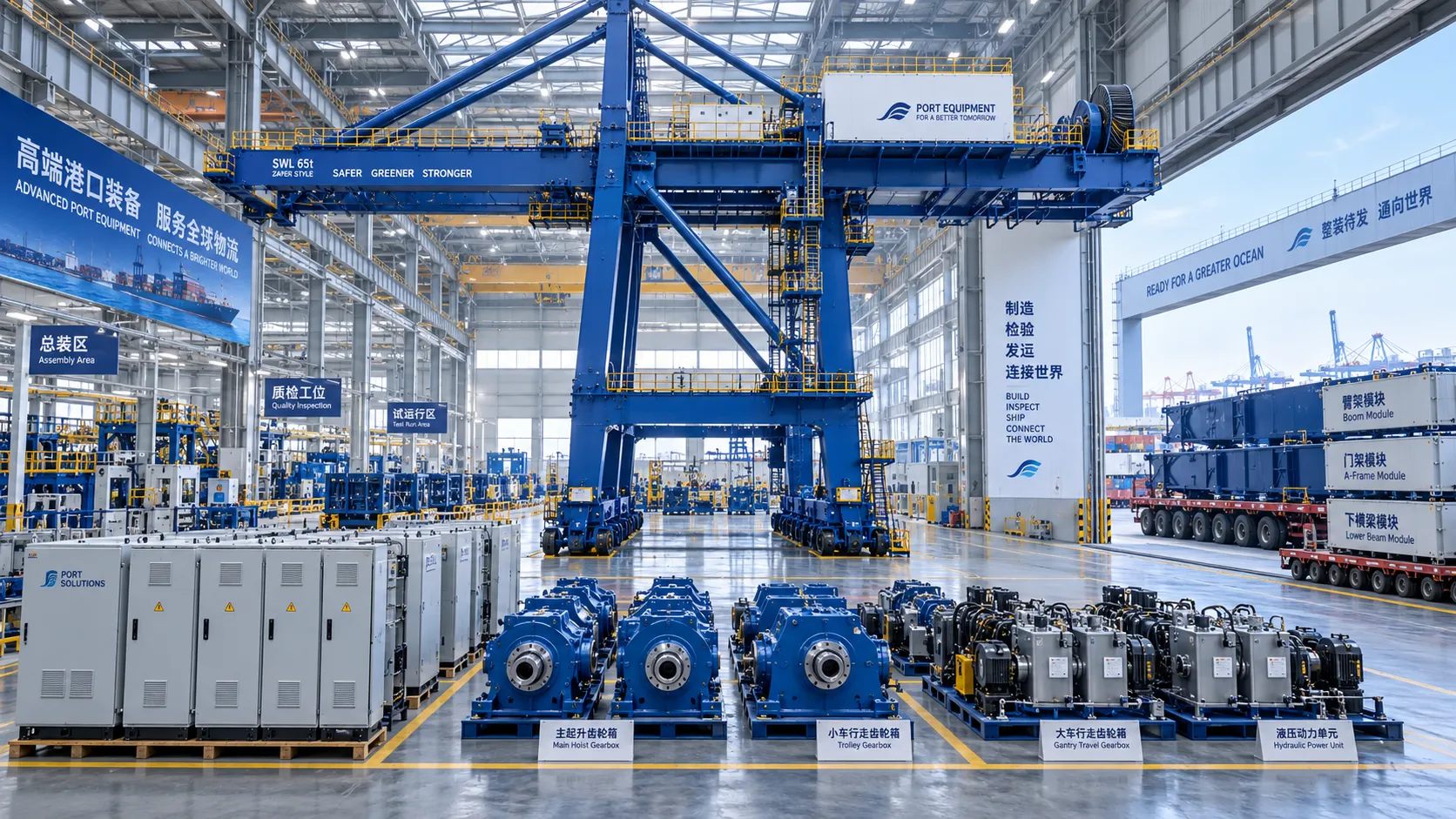
How Can Port Equipment Lead-Time Risk Be Managed?
How can port equipment lead-time risk be managed? Explore practical strategies to control critical paths, suppliers, transport, site readiness, and commissioning delays.
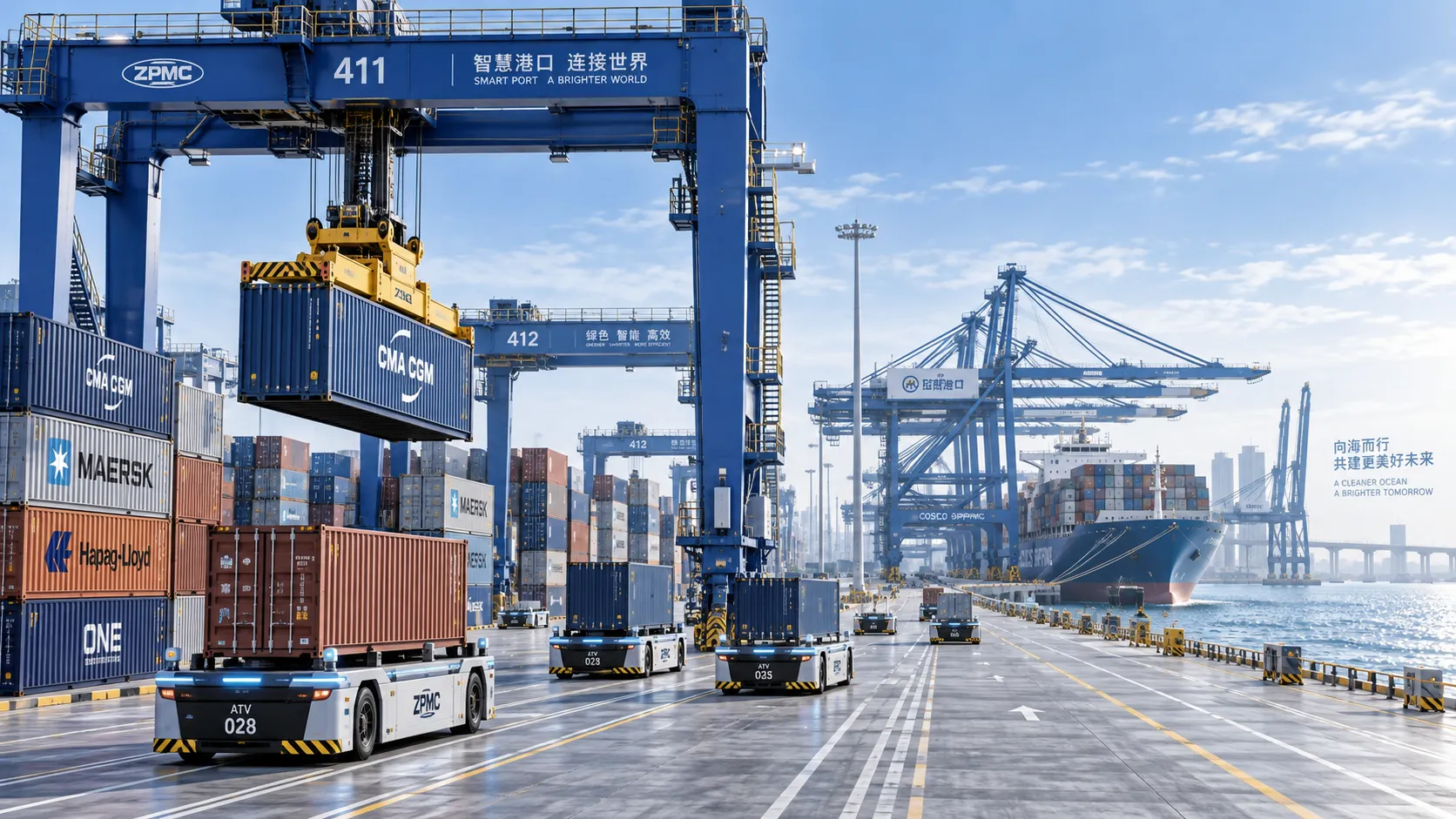
Terminal Automation Technologies That Raise Container Throughput Without Yard Disruption
Terminal automation technology that increases container throughput without disrupting yard flow. Explore smarter integration, resilient workflows, and phased deployment strategies.
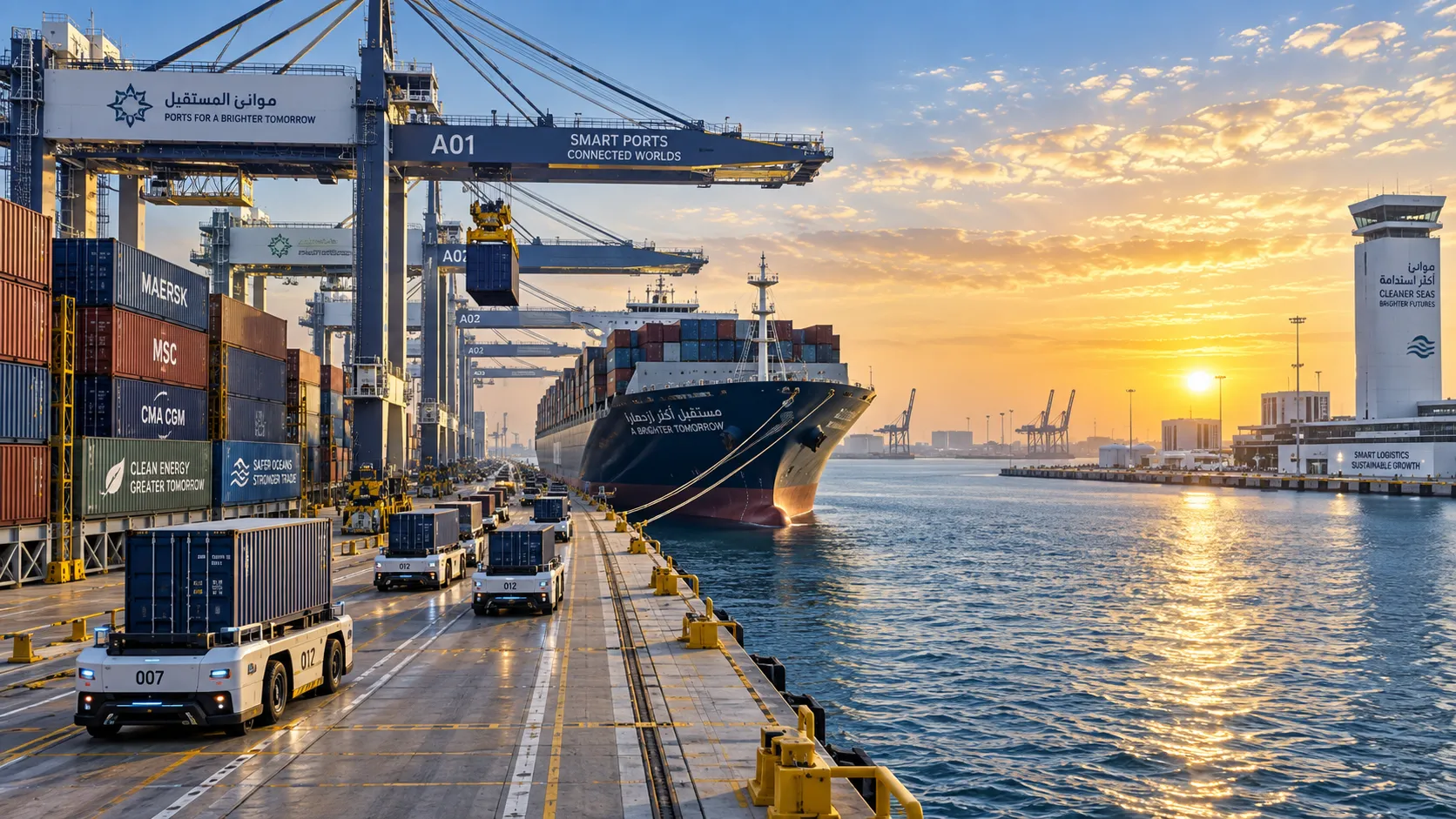
Middle East Port Automation: Key Market Drivers, Projects, and Investment Risks
Port automation systems Middle East: explore market drivers, flagship projects, integration challenges, and investment risks shaping smarter, resilient terminals.
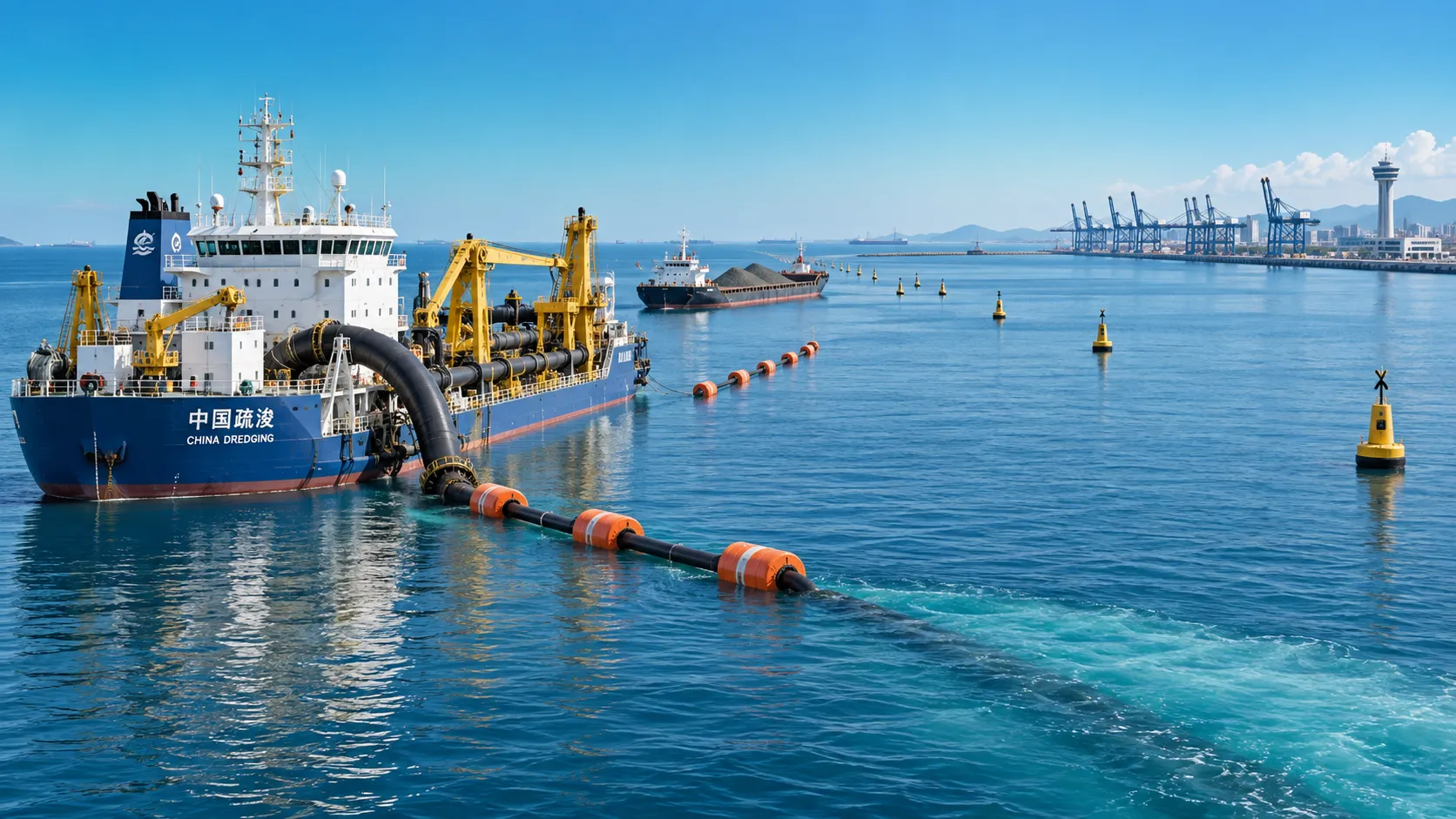
Planning Offshore Dredging Operations: Key Risks, Methods, and Project Controls
Offshore dredging operations demand smart planning. Explore key risks, proven methods, environmental controls, and project strategies for reliable delivery.