Related News
- 00
0000-00
How to Specify a Quay Crane for Container Terminals by Vessel Size and Throughput? - 00
0000-00
Which Bulk Handling Equipment Suits High-Moisture Cargo? - 00
0000-00
Terminal Automation Technologies That Raise Container Throughput Without Yard Disruption - 00
0000-00
Planning Offshore Dredging Operations: Key Risks, Methods, and Project Controls - 00
0000-00
Where Do Automated Guided Vehicles Deliver the Fastest Warehouse Gains in the Middle East?
What Is Smart Oceans Technology and Where Is It Used in Port and Marine Operations?
Smart oceans technology is becoming a practical framework for ports, terminals, and marine operators that need better visibility across complex assets and moving cargo. In simple terms, it connects sensors, control systems, communications networks, software platforms, and operational intelligence so that heavy maritime infrastructure can be monitored and coordinated in real time.
That matters because port and marine operations no longer depend on mechanical strength alone. Throughput, vessel turnaround, dredging accuracy, equipment uptime, emissions pressure, and trade volatility all demand faster decisions. The rise of smart oceans strategies shows how digital systems now shape the performance of quay cranes, AGVs, bulk handling lines, yard equipment, and dredging fleets across the broader supply chain.
A practical definition of smart oceans technology
Smart oceans does not describe one machine or one software product. It describes an operational ecosystem.
That ecosystem usually combines connected field devices, positioning systems, automation controls, edge computing, cloud analytics, and decision support tools. The purpose is not digitalization for its own sake. The purpose is to help marine infrastructure respond faster, operate safer, and use capacity more effectively.
In ports, smart oceans technology often sits between physical equipment and management decisions. It turns signals from cranes, yards, channels, pumps, vessels, and weather systems into usable operational intelligence.
This is why the topic overlaps naturally with port automation, container handling, marine engineering, and coastal logistics. It links operational technology with business outcomes.
Why the industry is paying closer attention
Several pressures are pushing smart oceans from concept to routine practice.
Ports are handling larger vessels and more uneven arrival patterns. Yard density is rising. Labor models are changing. Environmental compliance is tightening. At the same time, shipping lines and cargo owners expect fewer delays and more predictable node performance.
A modern terminal cannot solve these issues only by adding more equipment. It also needs sharper coordination. That is where smart oceans systems stand out. They improve how assets communicate, how schedules adjust, and how exceptions are managed before they spread across the network.
This perspective is closely aligned with the PS-Nexus view of maritime logistics. Heavy terminal gear, specialized container handling, automation controls, and dredging engineering all depend on intelligence stitching between machines, software logic, and trade conditions.
Where smart oceans technology is used in port operations
In port environments, smart oceans applications appear in both visible and less visible layers of operations.
Terminal equipment coordination
Quay cranes, yard cranes, shuttle carriers, terminal tractors, and AGVs perform best when movements are synchronized rather than isolated. Smart oceans platforms help align equipment availability, route planning, and handoff timing.
This reduces idle cycles, prevents transfer bottlenecks, and improves berth productivity. In highly automated terminals, low-latency communications become especially important because remote commands and safety responses must remain reliable under load.
Container yard optimization
Smart oceans tools are also used to manage yard congestion. They combine container position data, move forecasts, gate flows, and vessel schedules.
Instead of treating the yard as static storage, the system treats it as a moving decision space. This supports better slot allocation, fewer rehandles, and tighter links between landside and waterside operations.
Bulk and energy cargo handling
Bulk terminals use smart oceans technology for conveyor condition monitoring, stacker-reclaimer coordination, dust control, stockpile tracking, and predictive maintenance. The value here is not only uptime. It is also consistency in high-volume material flow.
When raw materials or energy cargo move through constrained windows, digital visibility helps avoid slowdowns that affect vessels, storage, and downstream industry.
How marine operations use smart oceans systems
Outside the terminal fence, smart oceans supports a broader operational field.
Dredging engineering and channel management
Dredging operations depend on precise depth control, pump performance, sediment behavior, and vessel positioning. Smart oceans technology brings these variables together through digital monitoring and live operational feedback.
That makes it easier to track dredger efficiency, verify progress against design profiles, and respond quickly when seabed conditions or equipment loads change. In port expansion or fairway maintenance, that visibility reduces both delay risk and rework.
Vessel traffic and coastal awareness
Smart oceans solutions are used to merge AIS feeds, radar, weather, tides, bathymetric data, and berth status into a shared operational view. This supports safer navigation, tighter pilotage planning, and more coordinated arrivals.
For ports dealing with narrow channels or changing sediment patterns, the integration of hydrographic and traffic data becomes especially valuable.
Remote inspection and asset health
Marine structures such as breakwaters, quay walls, pipelines, and offshore support assets increasingly rely on connected inspection methods. Sensors, drones, ROVs, and condition monitoring systems extend the reach of smart oceans into maintenance planning.
That creates a clearer picture of structural stress, corrosion exposure, or operational anomalies before they become service disruptions.
What value smart oceans creates in daily business
The business case for smart oceans is strongest when it is tied to specific operating questions.
In many cases, the real advantage is not one dramatic improvement. It is a chain of smaller gains that reinforce each other across the terminal and marine corridor.
What to examine before calling a system smart oceans
The label can be used loosely, so evaluation should stay practical.
- Check whether the platform connects operational data across cranes, yards, vessels, and marine works, not only within one device.
- Look at latency, reliability, and cybersecurity, especially where remote control or automated movement is involved.
- Assess whether analytics lead to decisions, not just dashboards.
- Review how the system handles exceptions such as weather shifts, equipment faults, and sudden berth changes.
- Confirm that marine engineering data, including depth, sediment, or pump metrics, can be integrated when relevant.
This is where intelligence portals such as PS-Nexus become useful. Market news alone does not explain whether a smart oceans approach is operationally mature. Deeper insight comes from comparing protocols, scheduling logic, equipment behavior, and infrastructure demand signals together.
How to interpret smart oceans in the next stage of port development
The next wave of smart oceans adoption is likely to be less about isolated pilot projects and more about integrated operating models.
Ports are moving toward tighter links between automation control systems, terminal equipment, dredging visibility, and strategic trade intelligence. That means decisions about cranes, AGV routing, bulk flow, and channel maintenance will increasingly be assessed as one coordinated system.
A useful next step is to map where data already exists, where blind spots remain, and which operational delays come from weak coordination rather than physical capacity limits. From there, smart oceans can be evaluated as a business architecture, not only a technology trend.
For anyone tracking port and marine operations, the clearest signal is straightforward: smart oceans creates value when it helps heavy assets, digital controls, and trade decisions work in sync. That is the point where visibility becomes performance.
Related News
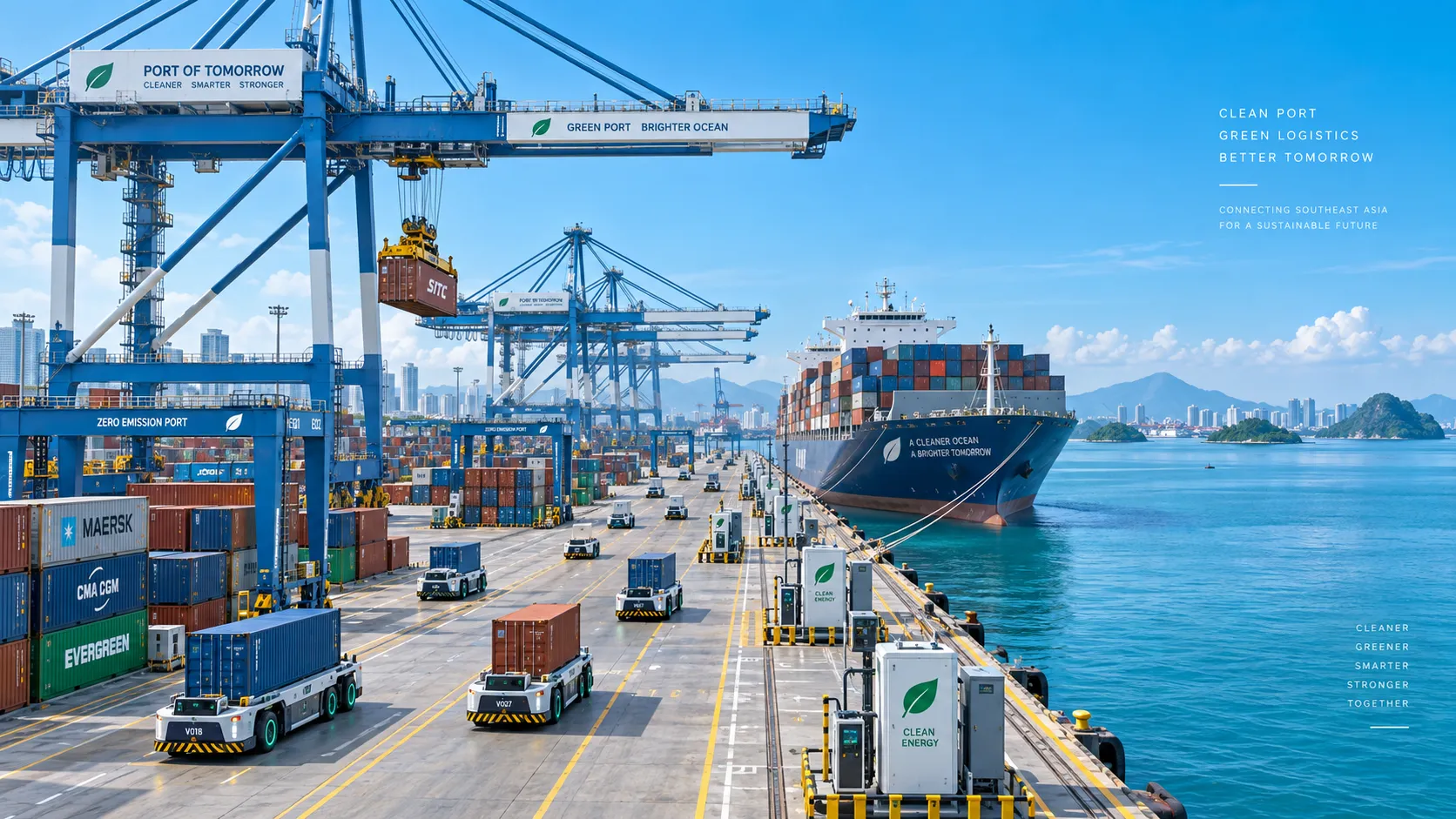
Smart Port Systems in Southeast Asia: Investment Priorities and Adoption Barriers
Smart port systems Southeast Asia: discover investment priorities, adoption barriers, and practical steps to build resilient, connected, high-performing terminals.
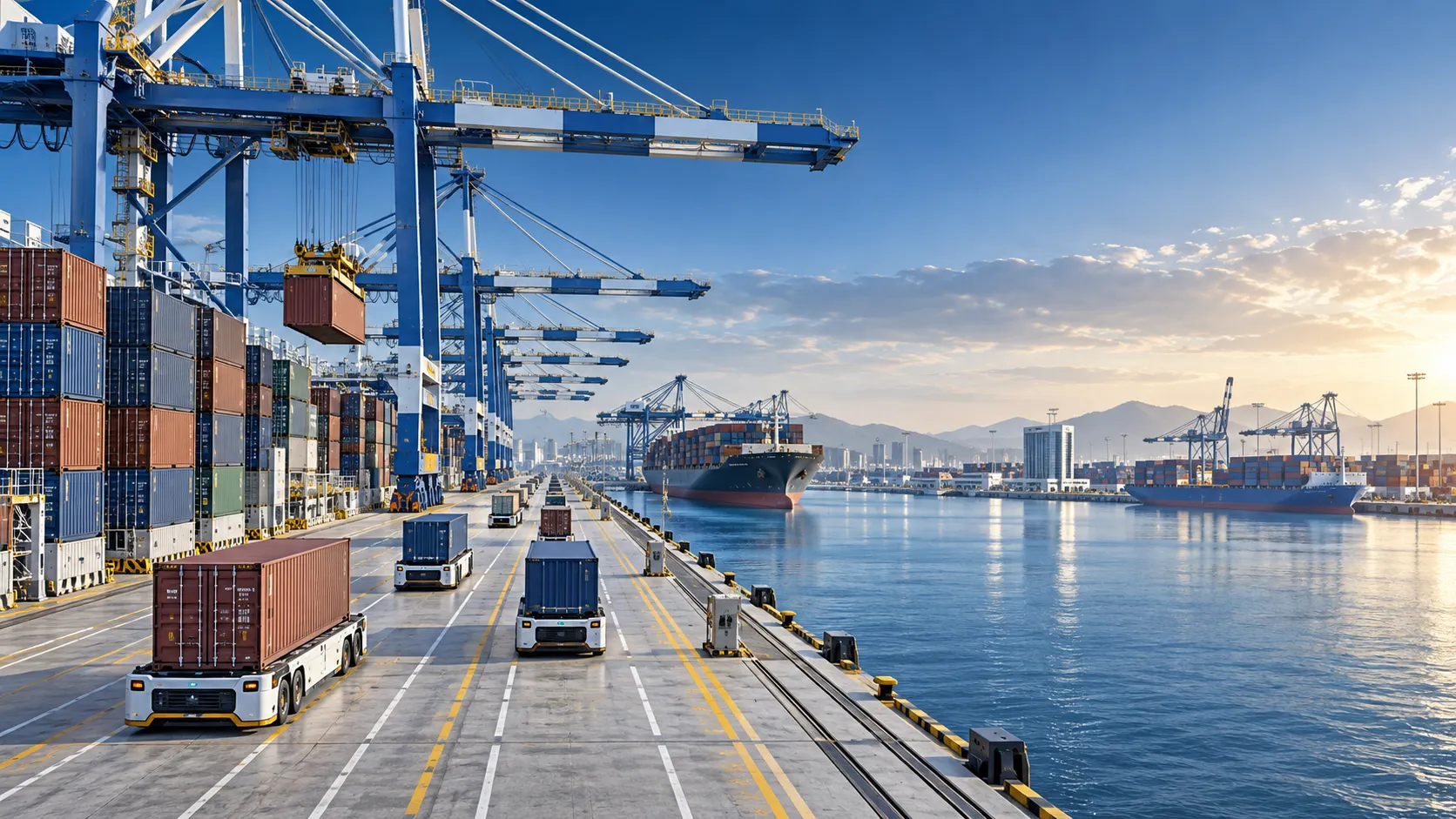
How to Evaluate Terminal Efficiency Solution Suppliers for High-Throughput Operations
Choose a terminal efficiency solutions supplier with confidence. Explore proven criteria for throughput, integration, lifecycle cost, safety, and reliable delivery.
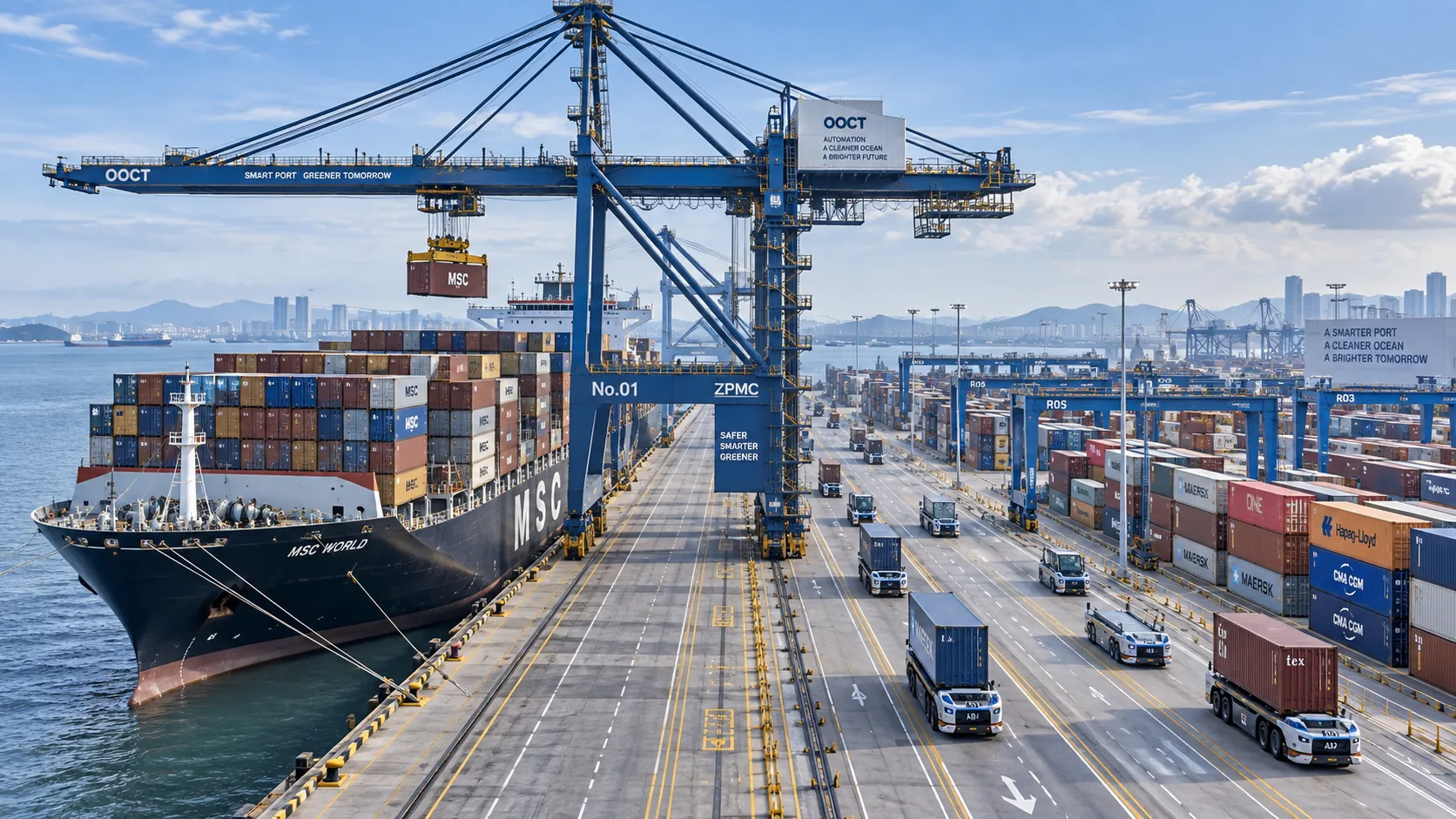
How to Specify a Quay Crane for Container Terminals by Vessel Size and Throughput?
Quay crane for container terminals: learn how to match outreach, lift height, capacity, automation, and cycle performance to vessel size and throughput goals.
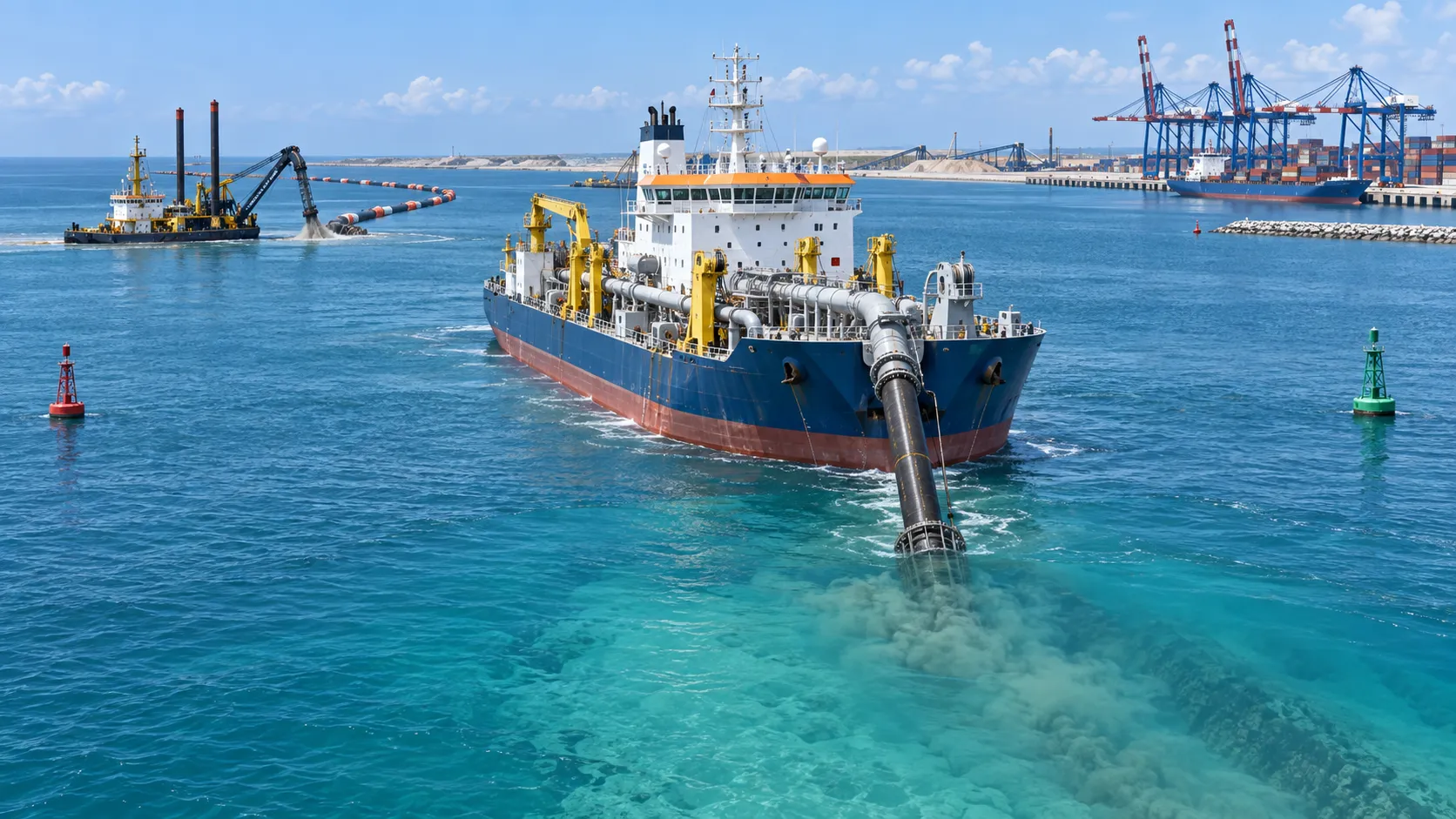
What Dredging Equipment Is Needed for Channel Deepening?
What dredging equipment is needed for channel deepening? Explore dredgers, pipelines, survey tools, and planning strategies for safer, more efficient port access.
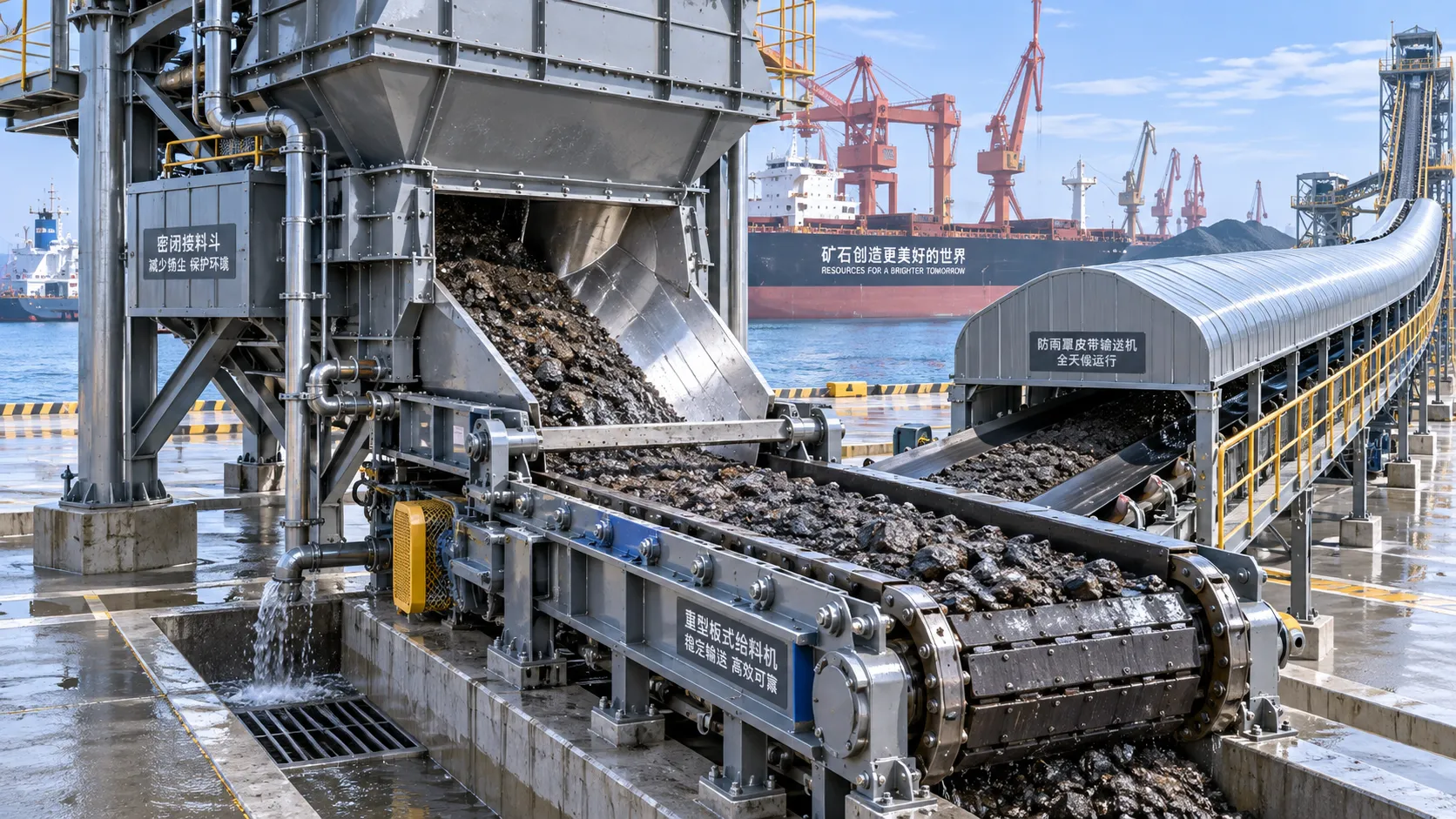
Which Bulk Handling Equipment Suits High-Moisture Cargo?
Which bulk handling equipment suits high-moisture cargo? Compare belt, apron, screw, drag, and slurry systems for reliable flow, less carryback, and higher terminal uptime.
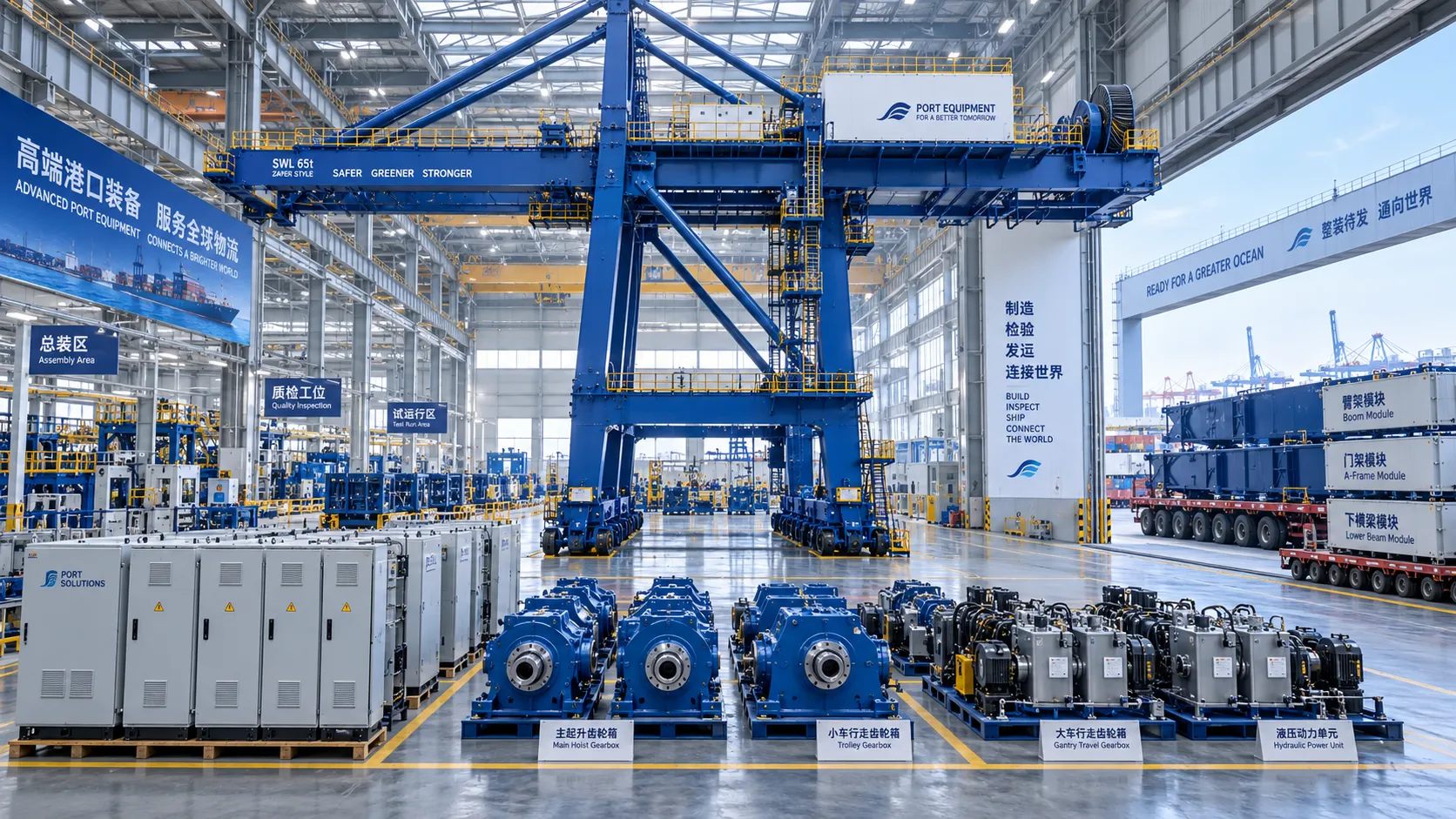
How Can Port Equipment Lead-Time Risk Be Managed?
How can port equipment lead-time risk be managed? Explore practical strategies to control critical paths, suppliers, transport, site readiness, and commissioning delays.
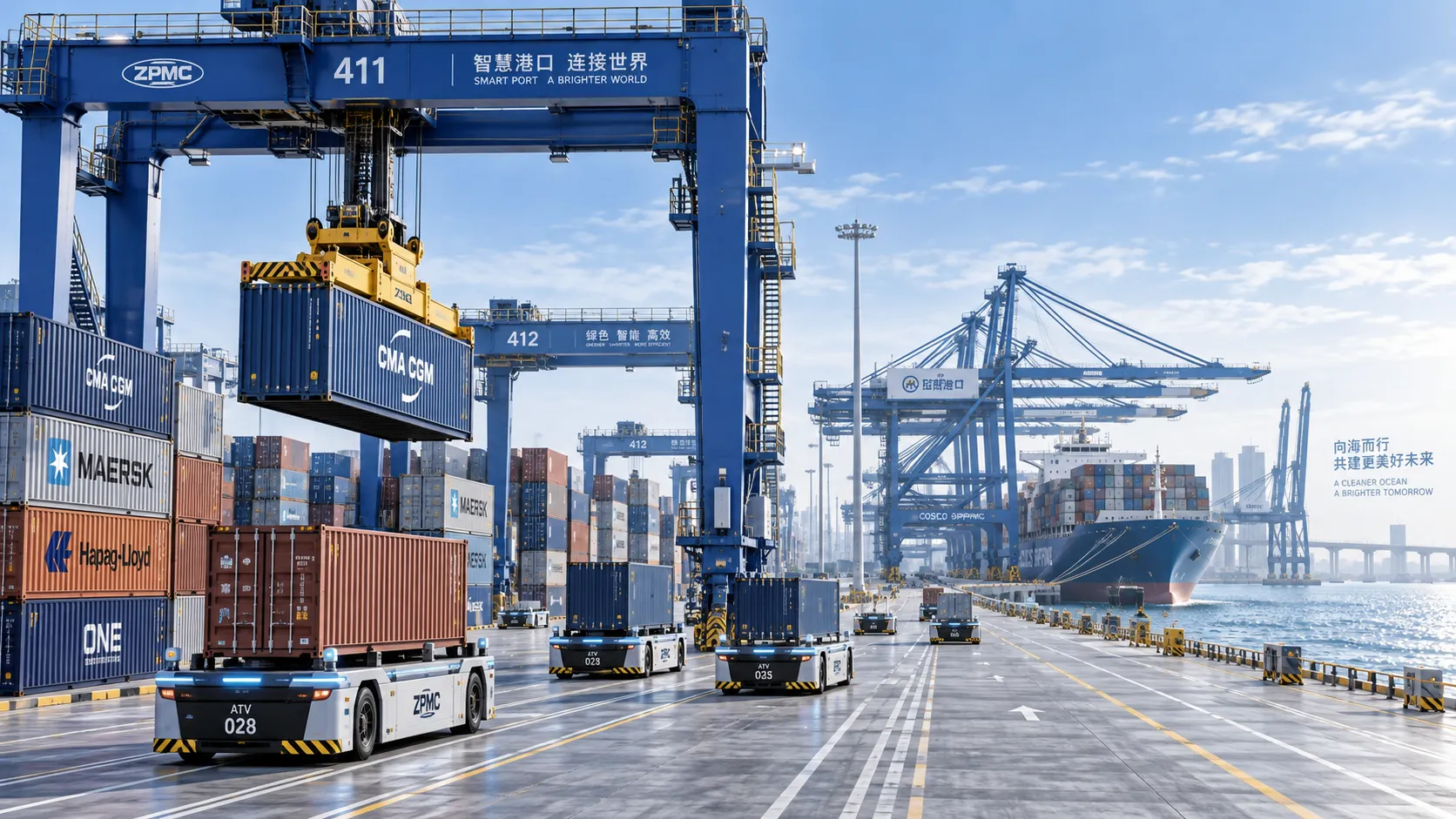
Terminal Automation Technologies That Raise Container Throughput Without Yard Disruption
Terminal automation technology that increases container throughput without disrupting yard flow. Explore smarter integration, resilient workflows, and phased deployment strategies.
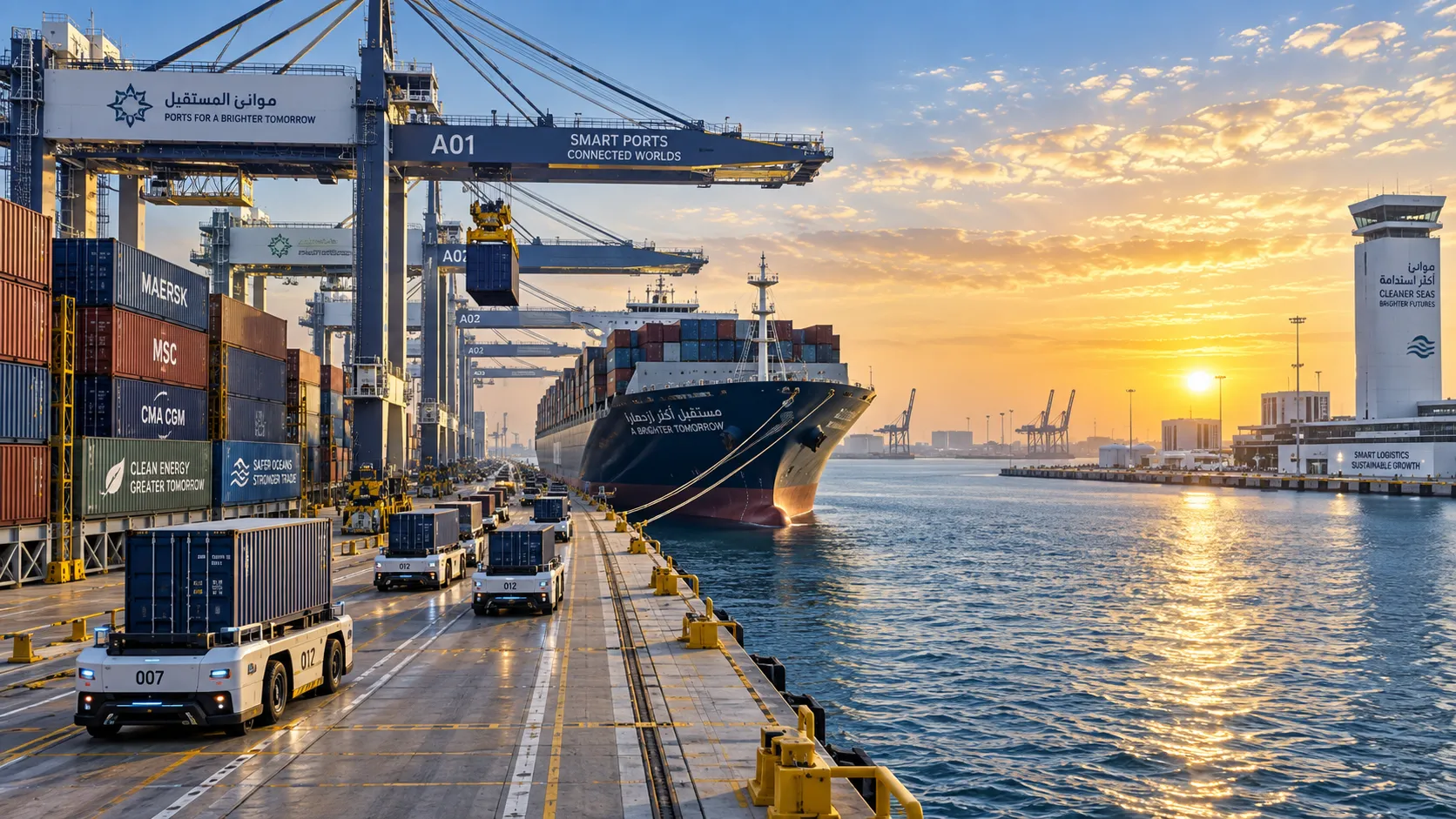
Middle East Port Automation: Key Market Drivers, Projects, and Investment Risks
Port automation systems Middle East: explore market drivers, flagship projects, integration challenges, and investment risks shaping smarter, resilient terminals.
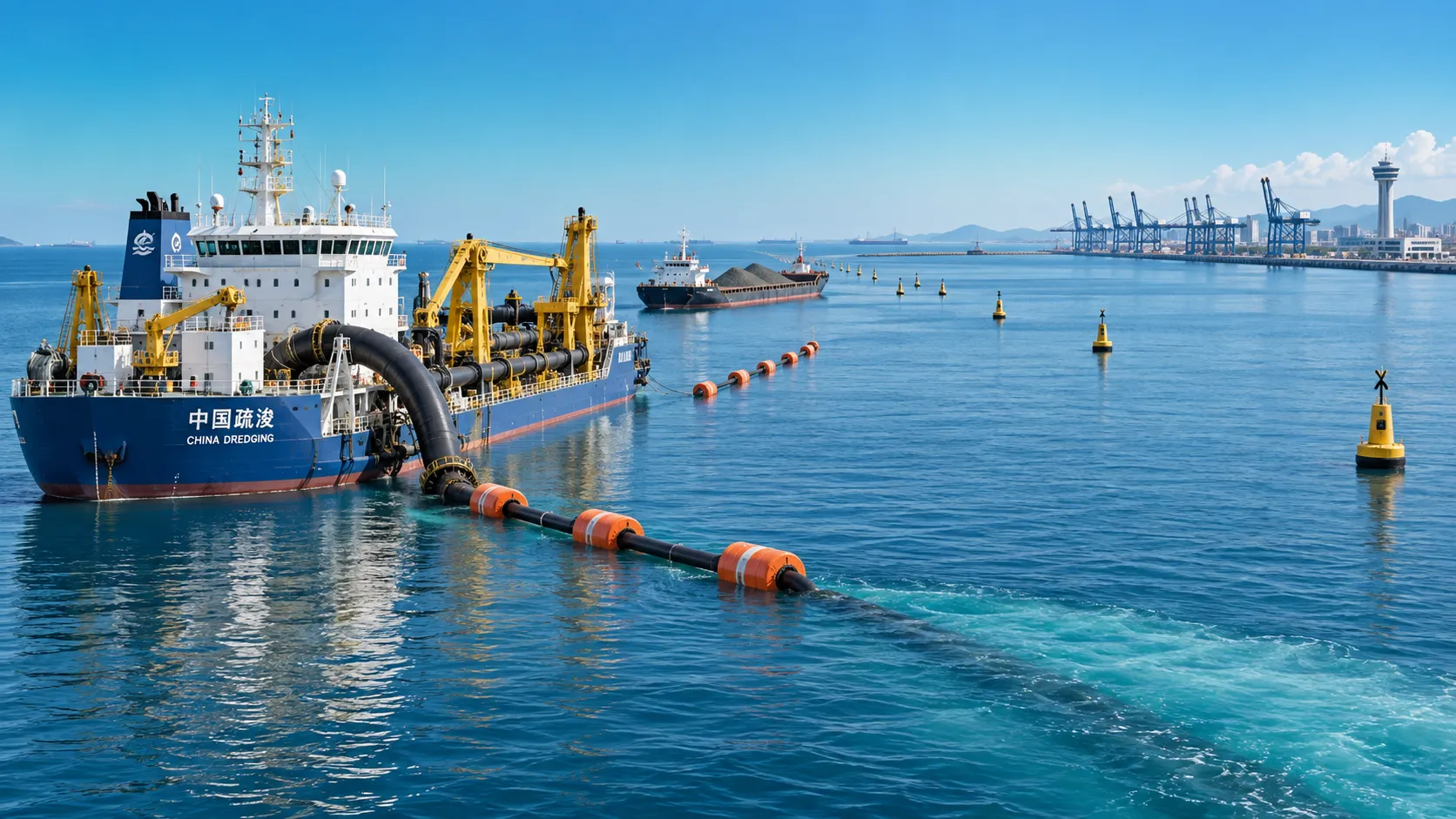
Planning Offshore Dredging Operations: Key Risks, Methods, and Project Controls
Offshore dredging operations demand smart planning. Explore key risks, proven methods, environmental controls, and project strategies for reliable delivery.