
Related News
- 00
0000-00
How to Evaluate Terminal Efficiency Solution Suppliers for High-Throughput Operations - 00
0000-00
What to Consider When Buying Electric Port Machinery for Container Terminals - 00
0000-00
How to Select Container Handling Equipment for Middle East Ports and Terminals - 00
0000-00
How to Evaluate a Port Machinery Exporter for Large-Scale Terminal Projects - 00
0000-00
Evaluating a Dredging Equipment Manufacturer for Mining Plant Supply
How to Evaluate a Port Automation Solutions Integrator for Complex Terminal Projects
How to Evaluate a Port Automation Solutions Integrator for Complex Terminal Projects
Selecting the right port automation solutions integrator can determine whether a complex terminal project achieves scalable efficiency or suffers costly delays, integration risks, and operational bottlenecks.
That decision is rarely about software alone.
A strong port automation solutions integrator must connect control logic, terminal equipment, communications, safety systems, and operational workflows into one dependable environment.
In complex projects, weak integration usually appears late.
It shows up during commissioning, mixed-fleet testing, exception handling, or live operations under peak yard pressure.
That is why evaluation should go beyond brochures, demos, and broad claims about smart terminals.
A practical review looks at architecture, delivery discipline, equipment compatibility, cyber resilience, and long-term operating fit.
The goal is simple.
Choose a port automation solutions integrator that can support current performance targets while keeping room for future expansion, asset upgrades, and evolving trade patterns.
Start with the Terminal Operating Model
Before comparing vendors, define how the terminal is expected to run.
This sounds obvious, yet many evaluations begin with technology features instead of operational reality.
A capable port automation solutions integrator should understand vessel calls, yard density, truck flow, rail interfaces, reefer handling, and exception recovery.
The first question is not what the system can automate.
It is what level of automation actually matches the site.
- Will the terminal run fully automated, semi-automated, or in phased hybrid mode?
- Which assets are included, such as STS cranes, ASC, RTG, AGV, or shuttle carriers?
- What operational exceptions must be handled without manual workarounds?
- How quickly must the site ramp from go-live to nameplate capacity?
These answers shape the shortlist.
Without this baseline, even an experienced port automation solutions integrator can look stronger than it really is.
Check Architecture Before Features
In recent projects, the clearer signal is architectural maturity.
Feature lists matter, but architecture decides whether those features survive real operating pressure.
A credible port automation solutions integrator should explain system layers in plain terms.
That includes TOS interfaces, equipment control systems, traffic management, remote operation layers, data historians, and failover logic.
Ask to review these architecture points:
- Interface standards and protocol support across mixed equipment brands.
- Latency tolerance for remote control and automated dispatch decisions.
- Redundancy design for servers, networks, and control nodes.
- Data ownership, event logging, and audit visibility.
- Scalability for future blocks, berths, or machine additions.
A mature port automation solutions integrator can also describe failure modes.
That matters because downtime often comes from edge cases, not normal cycles.
Evaluate Equipment Compatibility in Detail
Complex terminals rarely use a single supplier across every asset.
That makes compatibility one of the most important selection criteria.
A port automation solutions integrator should prove integration depth with real equipment combinations, not generic diagrams.
Look closely at sensor fusion, PLC interoperability, anti-collision logic, handoff timing, and machine state feedback quality.
In actual operations, small data mismatches can create large productivity losses.
A dispatch engine is only as reliable as the machine status it receives.
Request evidence in these areas:
- Previous integrations with similar crane, yard, and vehicle fleets.
- Factory acceptance and site acceptance test structure.
- Simulation capability for traffic, stacking, and exception scenarios.
- Change management process when OEM interface details shift.
This is where many terminal automation vendors separate themselves.
The strongest port automation solutions integrator will discuss field constraints with precision, including network noise, camera blind spots, and machine drift.
Look Hard at Delivery Capability
A sound technical concept can still fail through weak execution.
For a complex terminal project, delivery capability deserves the same weight as software performance.
Ask each port automation solutions integrator how it manages dependencies across civil works, electrical systems, OEM packages, telecoms, and operational readiness.
Then compare answers against actual project controls.
A reliable port automation solutions integrator should also show who will be onsite, for how long, and with what authority.
Projects slow down when critical experts stay remote while field teams wait for answers.
Treat Cybersecurity and Safety as Core Design Issues
This is no longer a secondary workstream.
For automated terminals, cyber resilience and functional safety directly affect uptime, compliance, and business continuity.
A serious port automation solutions integrator should address network segmentation, access control, patch governance, incident response, and secure remote maintenance.
Safety should be equally structured.
Ask how the integrator handles human-machine zones, emergency stops, degraded operating modes, and recovery after abnormal events.
A useful sign is whether the port automation solutions integrator can discuss safety cases with operations, engineering, and maintenance in one conversation.
That usually indicates real deployment experience rather than presentation-level knowledge.
Assess Support Beyond Go-Live
Go-live is a milestone, not the finish line.
The better question is how the system performs after six months of live demand variation, staffing changes, and asset wear.
A dependable port automation solutions integrator should offer a structured support model with measurable response levels, diagnostics access, and continuous optimization routines.
This also means clear ownership of software updates, interface changes, and performance tuning.
In practice, long-term value often comes from small improvements.
Travel path adjustments, yard rule refinements, and exception logic updates can unlock meaningful throughput gains.
A strong port automation solutions integrator treats those gains as part of the contract, not as informal extras.
Use a Practical Selection Framework
To make decisions more defensible, score candidates against weighted criteria.
That keeps the selection grounded when internal stakeholders favor different priorities.
- Operational fit and automation concept
- System architecture and scalability
- Equipment integration depth
- Cybersecurity and safety maturity
- Project delivery capability
- Post-go-live service and optimization
- Commercial clarity and lifecycle cost
Then test each port automation solutions integrator with scenario-based questions.
Ask what happens when a crane loses sensor confidence, when AGV traffic backs up, or when TOS messages arrive out of sequence.
The quality of those answers often reveals more than a polished proposal ever will.
Final Decision Criteria That Matter Most
The best port automation solutions integrator is usually the one that makes complexity visible, manageable, and measurable.
It does not hide delivery risk behind broad digital language.
It shows how control logic, field equipment, people, and terminal goals work together under real conditions.
For complex terminal projects, that level of transparency is what supports faster decisions and fewer surprises.
When comparing options, favor the port automation solutions integrator that can prove technical depth, integration discipline, and long-term operational commitment.
That choice is more likely to protect schedule, stabilize commissioning, and create a terminal platform that can scale with future trade demand.
In other words, the right integrator should not simply automate a terminal. It should help the terminal perform better, recover faster, and expand with confidence.
Related News
Smart Port Systems in Southeast Asia: Investment Priorities and Adoption Barriers
Smart port systems Southeast Asia: discover investment priorities, adoption barriers, and practical steps to build resilient, connected, high-performing terminals.
How to Evaluate Terminal Efficiency Solution Suppliers for High-Throughput Operations
Choose a terminal efficiency solutions supplier with confidence. Explore proven criteria for throughput, integration, lifecycle cost, safety, and reliable delivery.
How to Specify a Quay Crane for Container Terminals by Vessel Size and Throughput?
Quay crane for container terminals: learn how to match outreach, lift height, capacity, automation, and cycle performance to vessel size and throughput goals.
What Dredging Equipment Is Needed for Channel Deepening?
What dredging equipment is needed for channel deepening? Explore dredgers, pipelines, survey tools, and planning strategies for safer, more efficient port access.
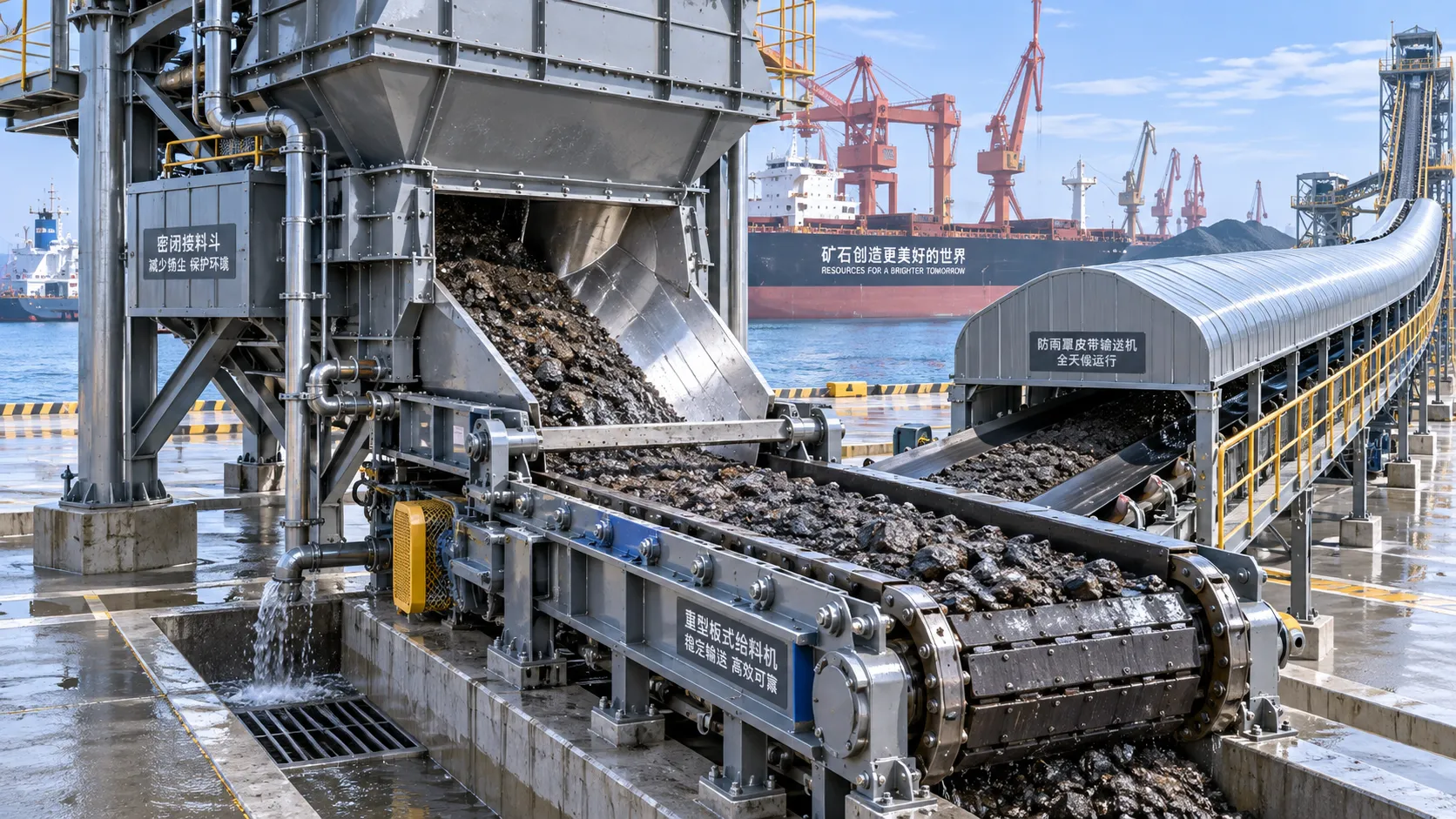
Which Bulk Handling Equipment Suits High-Moisture Cargo?
Which bulk handling equipment suits high-moisture cargo? Compare belt, apron, screw, drag, and slurry systems for reliable flow, less carryback, and higher terminal uptime.
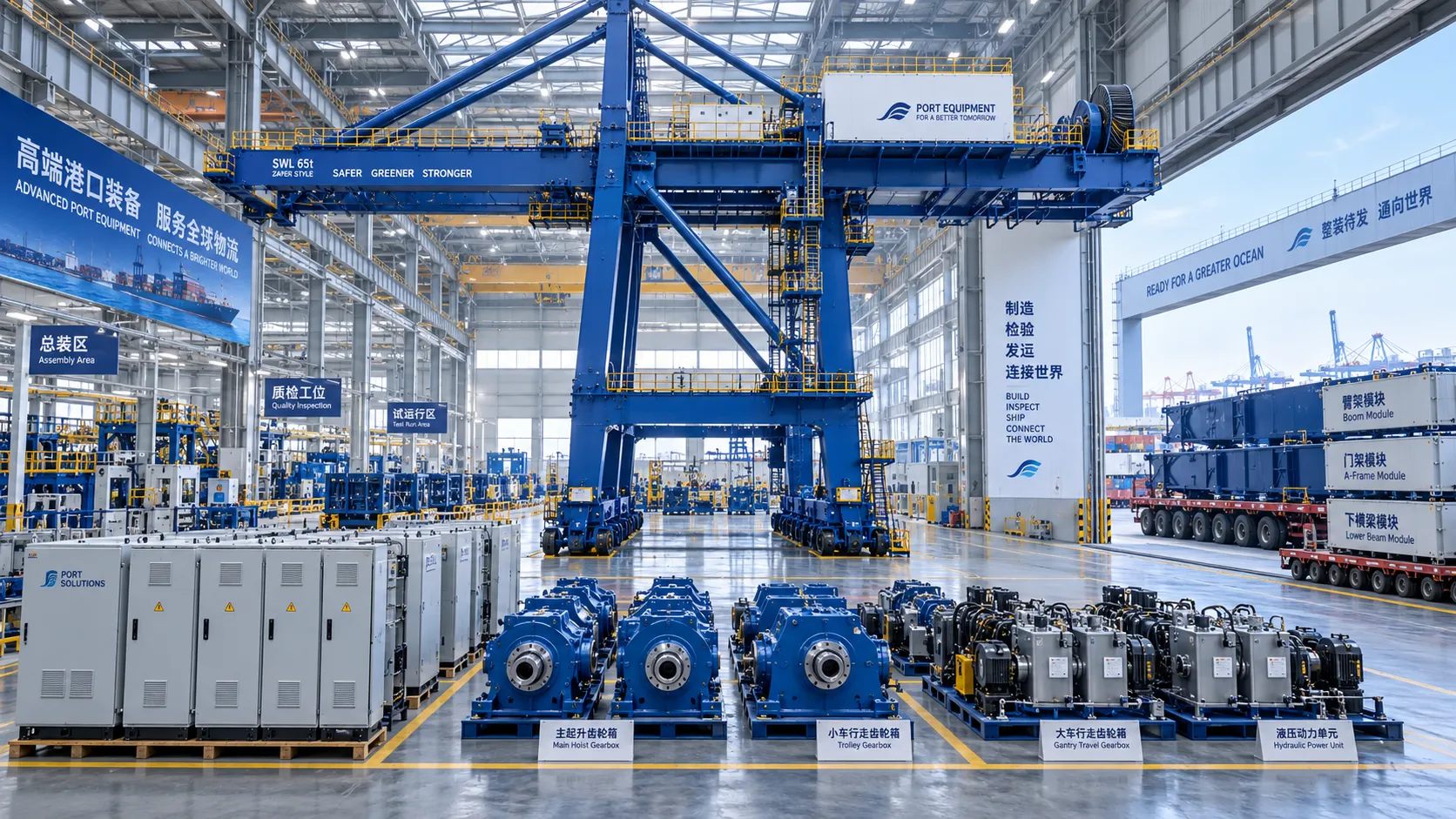
How Can Port Equipment Lead-Time Risk Be Managed?
How can port equipment lead-time risk be managed? Explore practical strategies to control critical paths, suppliers, transport, site readiness, and commissioning delays.
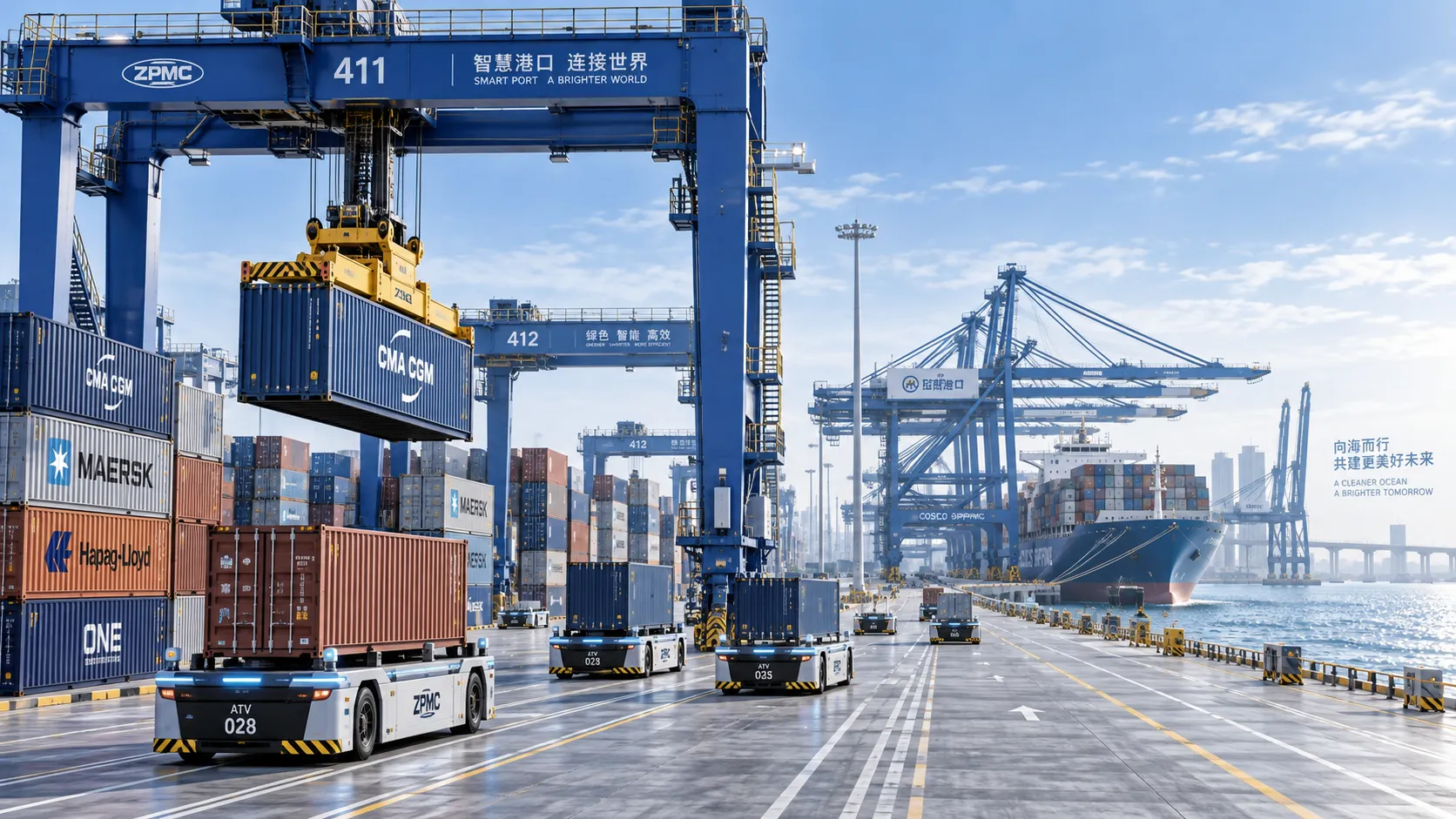
Terminal Automation Technologies That Raise Container Throughput Without Yard Disruption
Terminal automation technology that increases container throughput without disrupting yard flow. Explore smarter integration, resilient workflows, and phased deployment strategies.
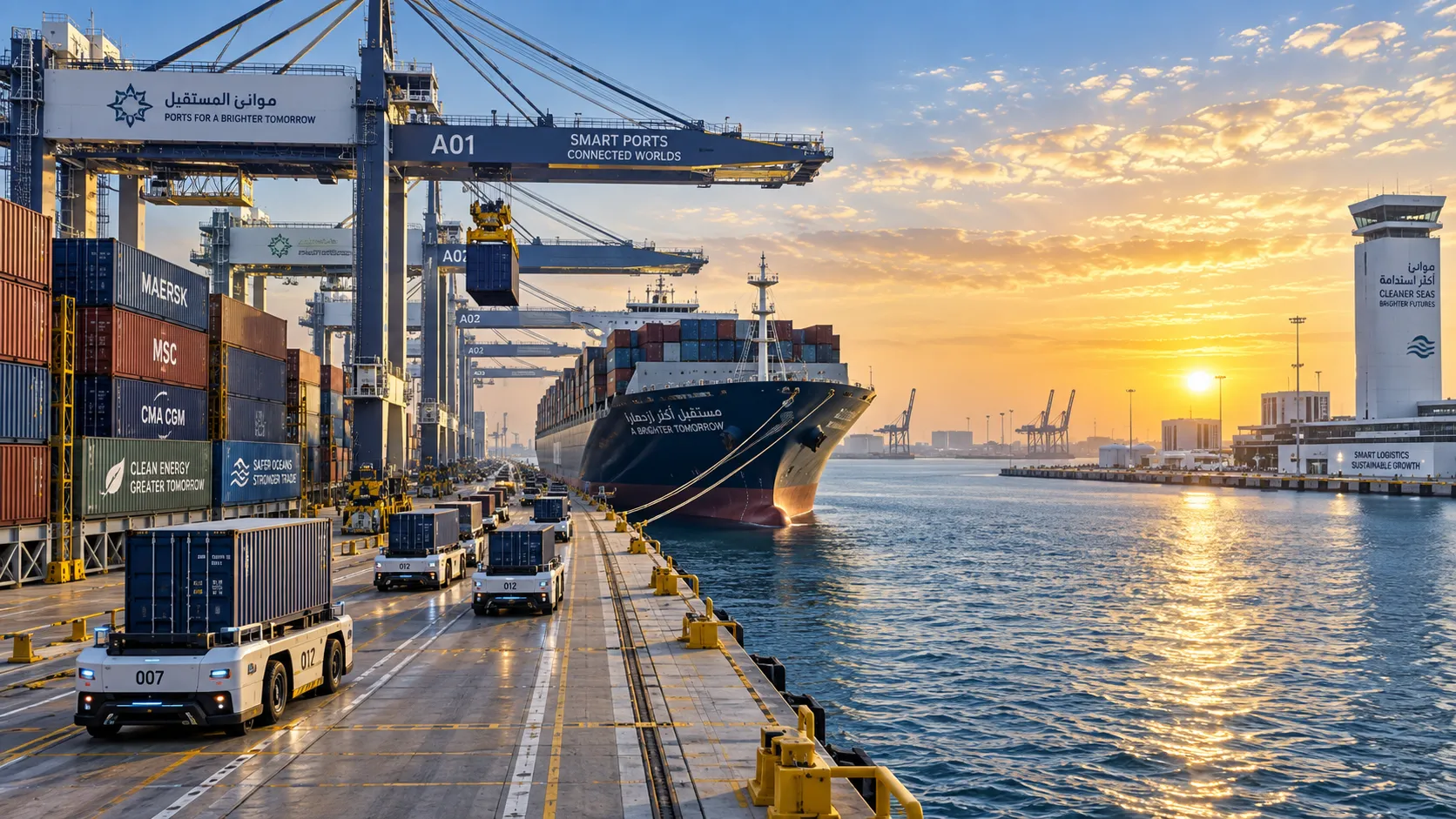
Middle East Port Automation: Key Market Drivers, Projects, and Investment Risks
Port automation systems Middle East: explore market drivers, flagship projects, integration challenges, and investment risks shaping smarter, resilient terminals.
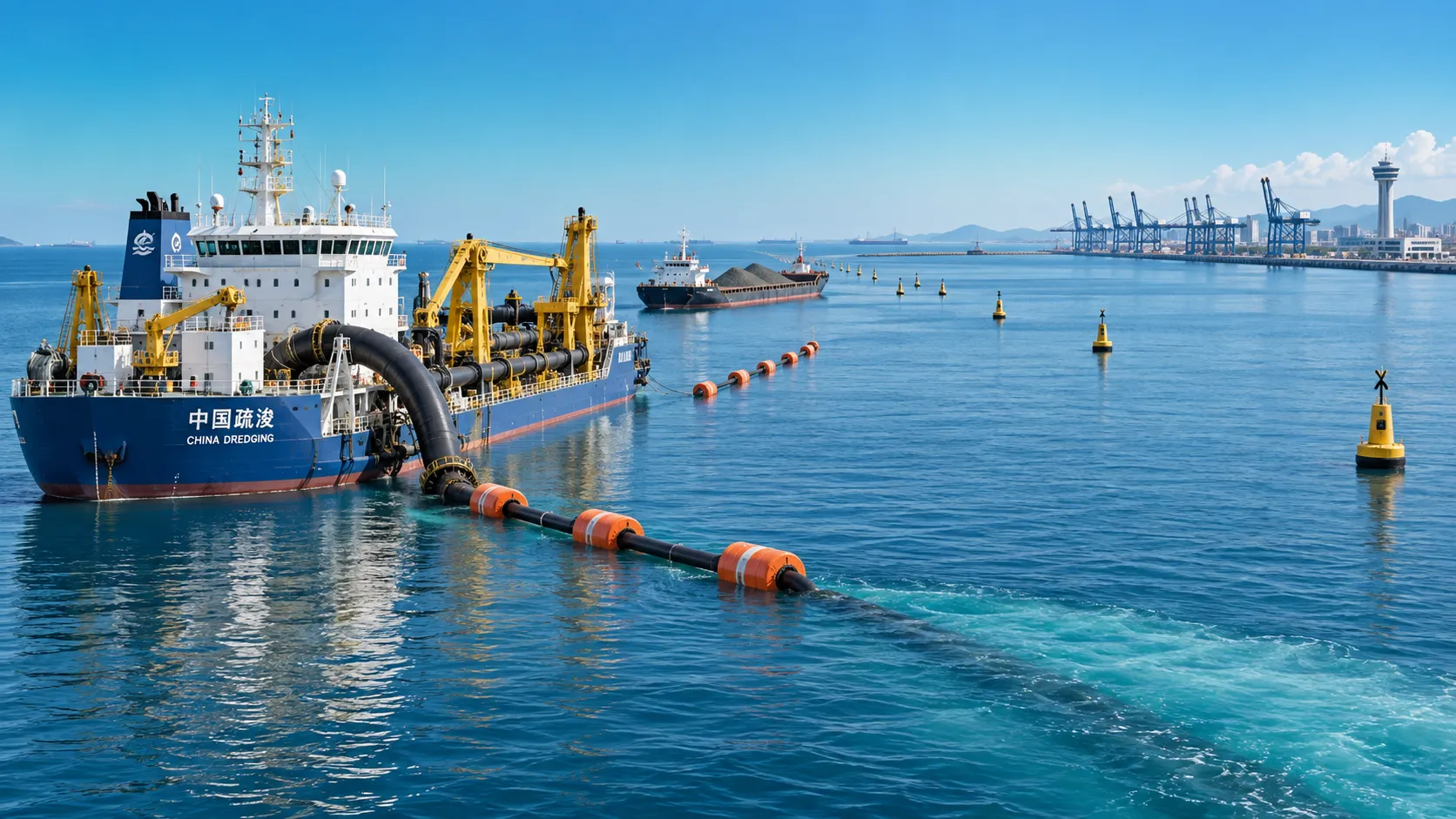
Planning Offshore Dredging Operations: Key Risks, Methods, and Project Controls
Offshore dredging operations demand smart planning. Explore key risks, proven methods, environmental controls, and project strategies for reliable delivery.