Related News
- 00
0000-00
How to Evaluate Terminal Efficiency Solution Suppliers for High-Throughput Operations - 00
0000-00
What to Consider When Buying Electric Port Machinery for Container Terminals - 00
0000-00
How to Select Container Handling Equipment for Middle East Ports and Terminals - 00
0000-00
How to Evaluate a Port Machinery Exporter for Large-Scale Terminal Projects - 00
0000-00
Evaluating a Dredging Equipment Manufacturer for Mining Plant Supply
How to Evaluate Marine Engineering Equipment Suppliers in the Middle East?
How to Evaluate Marine Engineering Equipment Suppliers in the Middle East?
Choosing the right marine engineering equipment supplier in the Middle East is rarely a simple price exercise. Procurement teams are usually balancing several moving parts at once: harsh operating conditions, project schedules tied to port expansion or dredging windows, regional compliance requirements, spare parts availability, and the long financial tail of maintenance, downtime, and retrofit support.
That matters even more in a market where port infrastructure, coastal development, bulk handling capacity, and terminal automation are evolving in parallel. A supplier that looks competitive on paper may still create risk if its documentation is weak, its service footprint is thin, or its engineering assumptions do not fit Gulf salinity, ambient temperature, sediment conditions, or local utility constraints.
For buyers sourcing marine engineering equipment in the Middle East, the real question is not just “Who can supply?” It is “Who can supply equipment that performs reliably in this environment, arrives on schedule, integrates with the project, and remains supportable over the asset life?”
Start with the project reality, not the catalog
The term marine engineering equipment covers a broad range: dredging systems, pumps, winches, cranes, bulk handling machinery, terminal transfer systems, automation components, and support equipment for quayside or coastal works. Procurement mistakes often begin when suppliers are compared as if they are offering interchangeable products.
A more reliable approach is to define the operating profile before supplier shortlisting. Is the equipment intended for continuous terminal duty, intermittent maintenance dredging, or project-based deployment? Will it be exposed to abrasive slurry, corrosive seawater, high dust loads, or round-the-clock automated operation? Does the project require integration with existing SCADA, crane control logic, remote monitoring, or vessel systems?
Buyers who frame the requirement in operational terms usually get better quotations and fewer surprises. This is also where specialist market intelligence helps. Platforms such as PS-Nexus, which track heavy terminal gear, automated container handling, dredging engineering, and logistics node dynamics, are useful not because they “sell equipment,” but because they help procurement teams understand how equipment choice connects to throughput, maintenance strategy, and longer-cycle infrastructure decisions.
Technical suitability is more than rated capacity
Many supplier evaluations still overemphasize headline numbers such as lifting capacity, pump output, installed power, or maximum reach. Those figures matter, but they do not tell you how the equipment behaves in service.
For Middle East applications, ask for the design basis in detail. Material selection, corrosion protection system, cooling design, sealing arrangement, dust ingress protection, and electrical enclosure suitability often matter as much as the main performance curve. In dredging equipment, slurry characteristics, wear parts philosophy, and monitoring instrumentation can determine actual operating cost more than nominal capacity. In terminal machinery, control architecture, fail-safe logic, cycle efficiency, and maintainability often affect total output more than raw mechanical power.
A capable supplier should be willing to explain where performance assumptions come from and what conditions could reduce them. If answers stay vague, procurement risk rises. This is especially true when equipment will connect with port automation or control systems. PS-Nexus often highlights how low-latency communications, equipment logic, and asset scheduling influence terminal results; that perspective is useful because mechanical procurement and control integration should not be treated as separate conversations.
Check engineering depth, not just trading capability
In this region, some suppliers are manufacturers, some are authorized regional partners, and some are traders coordinating third-party fabrication. None of these models is automatically wrong. The issue is transparency.
Procurement teams should know who owns the engineering, who controls quality, where fabrication happens, and who carries responsibility during commissioning. If a supplier outsources critical components, ask how interface control is managed. If it assembles multiple subsystems, ask who validates final compatibility. For equipment that must operate in integrated marine environments, weak interface management is a common source of delay and post-delivery disputes.
One practical test is documentation quality during bidding. Serious suppliers usually provide clearer GA drawings, data sheets, scope boundaries, inspection plans, and deviation notes. Weak suppliers often compensate for missing detail with broad assurances.
Delivery reliability is a procurement issue, not a logistics footnote
Marine and port projects are vulnerable to knock-on delays. A late gearbox, electrical package, pump casing, control panel, or boom assembly can affect civil works, vessel mobilization, or commissioning windows. In the Middle East, where project sequencing can be tight and site access may be regulated, delivery reliability deserves its own review.
Instead of accepting a single promised lead time, ask suppliers to break the schedule into engineering release, procurement of long-lead items, fabrication, testing, packing, shipment, and site support readiness. This reveals whether the supplier is quoting from a controlled plan or from optimism.
Compliance should be verified at equipment level
There is no single compliance shortcut for the entire region. Requirements may depend on the country, port authority, end user, project contract, classification expectations, electrical standards, environmental conditions, and whether the equipment is vessel-based, floating, or land-installed.
That is why buyers should avoid generic claims such as “international standard” unless the supplier ties them to actual project documents. If third-party inspection, factory acceptance testing, welding procedure qualification, coating specification, hazardous area requirements, or control system validation are relevant, these points should be identified early. The right supplier is not the one making the boldest compliance claim; it is the one clearly stating what is included, what is excluded, and what still requires project confirmation.
This is also where intelligence-led procurement adds value. PS-Nexus operates across terminal gear, bulk handling, automation, and dredging, so it sits closer to the operational context in which compliance decisions are actually made. In long-cycle infrastructure trades, that cross-disciplinary view is often more useful than a narrow component quote.
Look at life-cycle cost before negotiating unit price
For procurement teams under budget pressure, the lowest initial quotation can be tempting. But marine engineering equipment in the Middle East often operates under conditions that punish weak design choices: heat, corrosion, suspended solids, high utilization rates, and limited maintenance windows. A lower purchase price can quickly disappear if wear parts are expensive, energy consumption is high, controls are difficult to diagnose, or spare parts must be flown in from another continent.
A practical cost review should include at least five layers: acquisition cost, installation and interface cost, operating energy demand, routine maintenance burden, and downtime exposure. For automated or semi-automated systems, software support and cybersecurity maintenance may also need attention. For dredging or slurry service, wear life and part change frequency can heavily influence cost per operating hour, even if exact figures need project-specific validation.
Suppliers that resist these conversations may still be suitable for commodity items. They are less convincing for critical assets.
After-sales support is part of the purchase decision
In heavy port and marine applications, service response is not an optional extra. Procurement should review who will provide commissioning, operator training, spare parts planning, troubleshooting, software updates where applicable, and field service during warranty and beyond.
For some buyers, local stock is the deciding factor. For others, remote diagnostics, digital condition monitoring, or strong documentation can compensate for a smaller regional footprint. The right answer depends on asset criticality. PS-Nexus frequently examines topics like digital pump monitoring, remote-controlled cranes, and path-planning logic for AGVs; that reflects a larger market shift: support quality increasingly depends on both mechanical service and data visibility.
Ask a simple question: if the equipment stops unexpectedly six months after handover, what happens next? The supplier’s answer usually reveals more than a polished presentation deck.
Red flags buyers should not ignore
Some warning signs show up repeatedly in supplier evaluations:
- Performance claims without clear operating assumptions
- Quotations that omit exclusions or interface responsibilities
- Unusually short lead times with no production logic behind them
- Weak spare parts visibility for critical wear or control components
- Inconsistent answers between sales, engineering, and service teams
- Limited willingness to discuss failure modes, maintenance access, or operating constraints
None of these points automatically disqualifies a supplier, but they should lower confidence until clarified.
A better procurement process usually looks more collaborative
The strongest supplier selections tend to come from teams that involve operations, maintenance, engineering, and procurement early enough to challenge assumptions before purchase order stage. That is particularly true in projects combining heavy mechanical equipment with controls, automation, or dredging performance requirements. A cheap misalignment at tender stage can become an expensive interface problem later.
In the Middle East, where port modernization and marine development are closely tied to broader trade and coastal economics, buyers benefit from looking beyond isolated equipment bids. That is one reason intelligence platforms like PS-Nexus matter: they connect terminal gear, bulk handling, specialized container systems, port automation, and dredging equipment within a single strategic picture. For procurement, that means better context when judging whether a supplier fits today’s project and tomorrow’s operating model.
Before moving forward, it is worth asking suppliers for three things in writing: their project-specific design assumptions, their delivery milestone logic, and their after-sales support structure for the intended country of use. Those three documents will often tell you more than the price sheet.
- heavy terminal gear
- automated container handling
- coastal economics
- bulk handling machinery
- port automation
- control systems
- dredging equipment
- logistics node dynamics
- remote-controlled cranes
- AGVs
- digital pump monitoring
- port infrastructure
- marine engineering equipment
- marine engineering equipment supplier
Related News
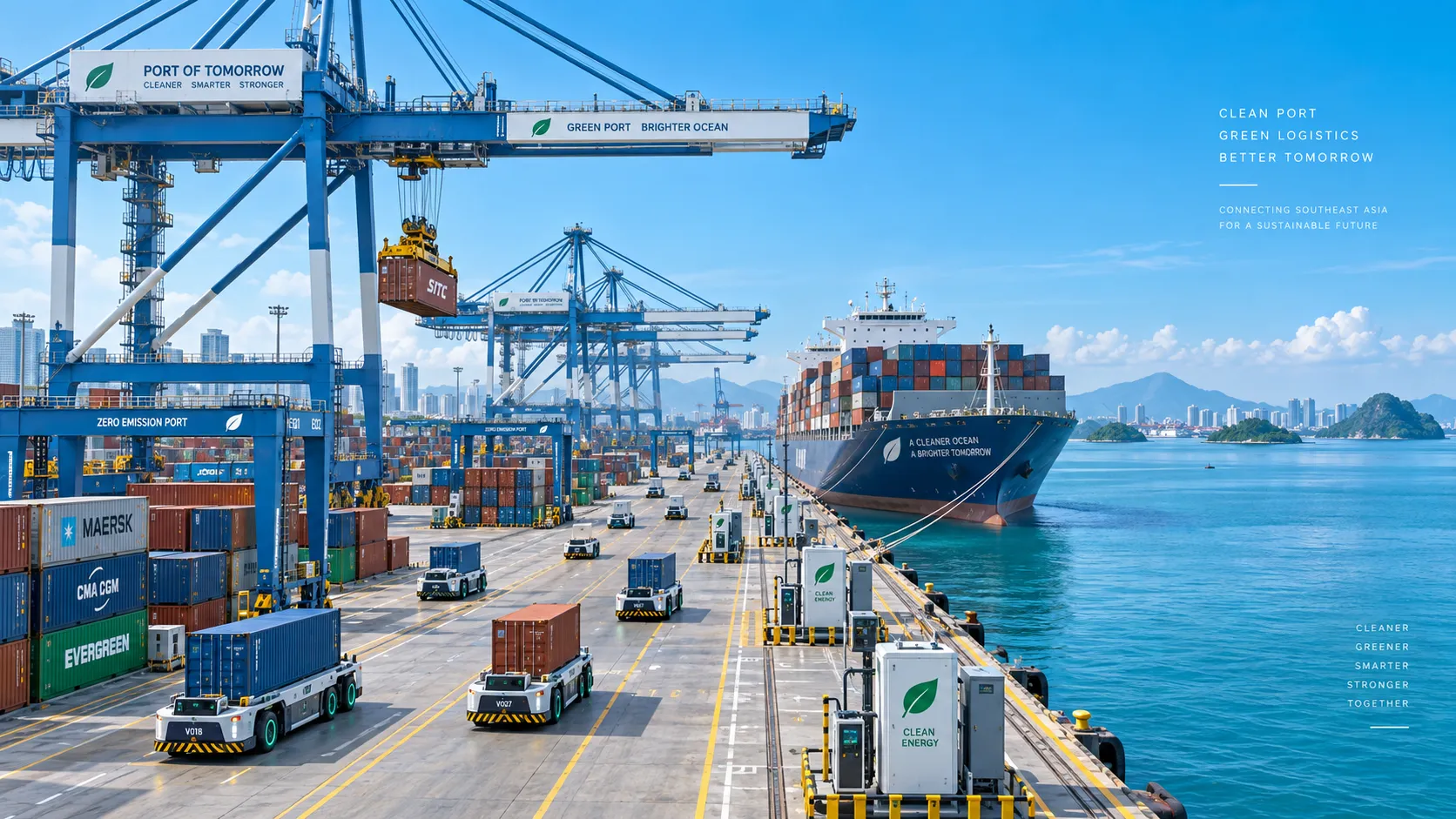
Smart Port Systems in Southeast Asia: Investment Priorities and Adoption Barriers
Smart port systems Southeast Asia: discover investment priorities, adoption barriers, and practical steps to build resilient, connected, high-performing terminals.

How to Evaluate Terminal Efficiency Solution Suppliers for High-Throughput Operations
Choose a terminal efficiency solutions supplier with confidence. Explore proven criteria for throughput, integration, lifecycle cost, safety, and reliable delivery.
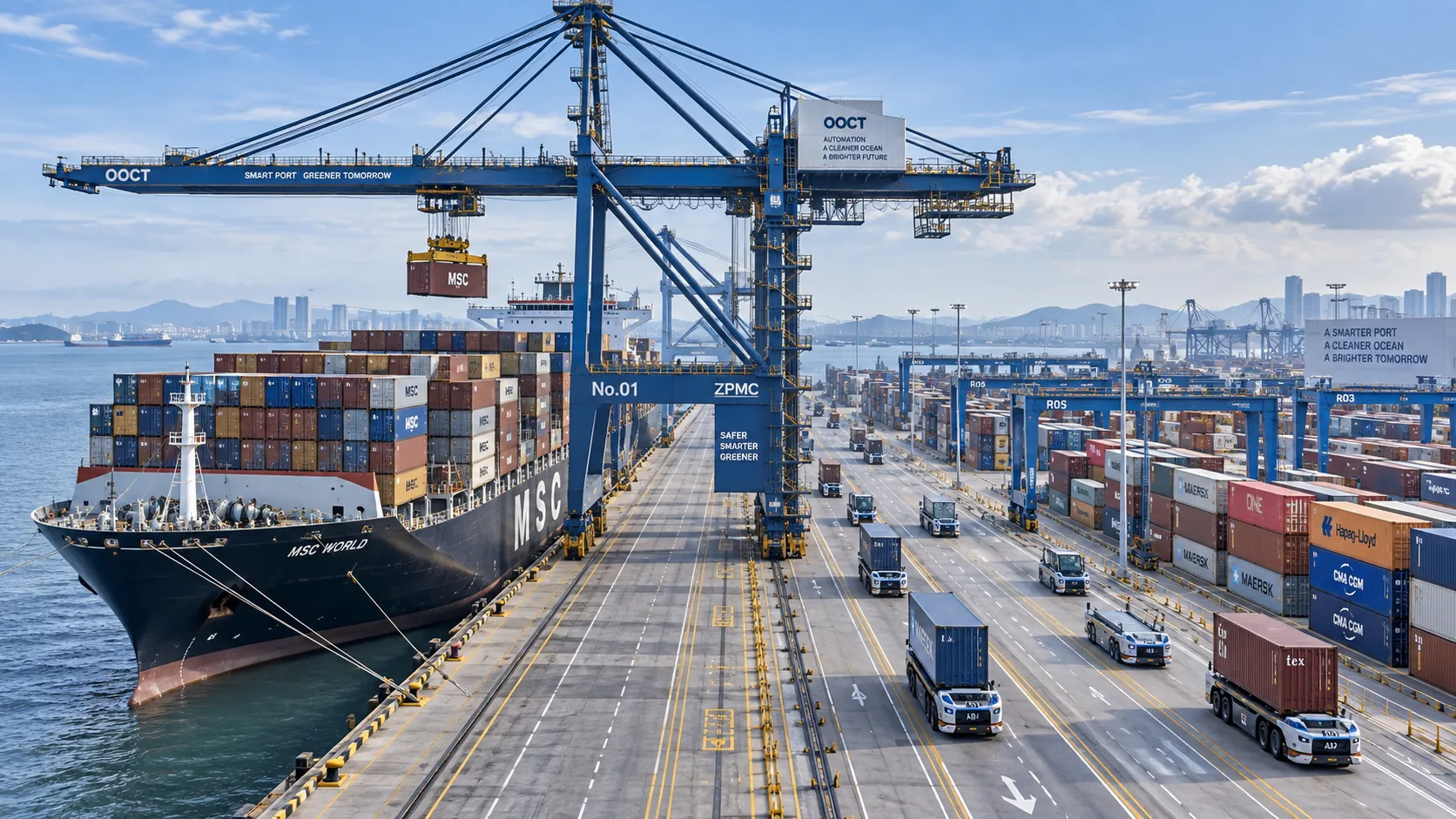
How to Specify a Quay Crane for Container Terminals by Vessel Size and Throughput?
Quay crane for container terminals: learn how to match outreach, lift height, capacity, automation, and cycle performance to vessel size and throughput goals.
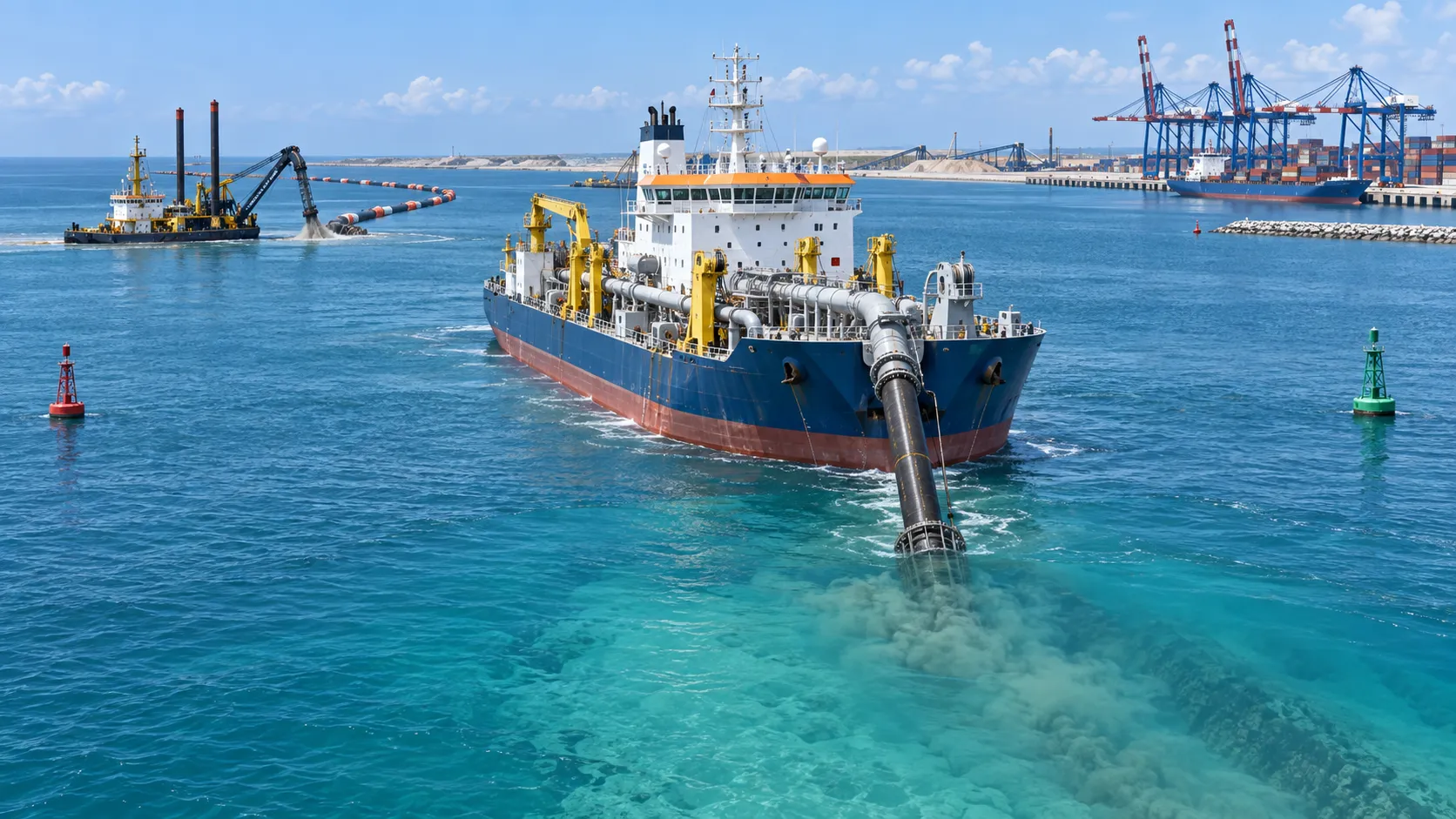
What Dredging Equipment Is Needed for Channel Deepening?
What dredging equipment is needed for channel deepening? Explore dredgers, pipelines, survey tools, and planning strategies for safer, more efficient port access.
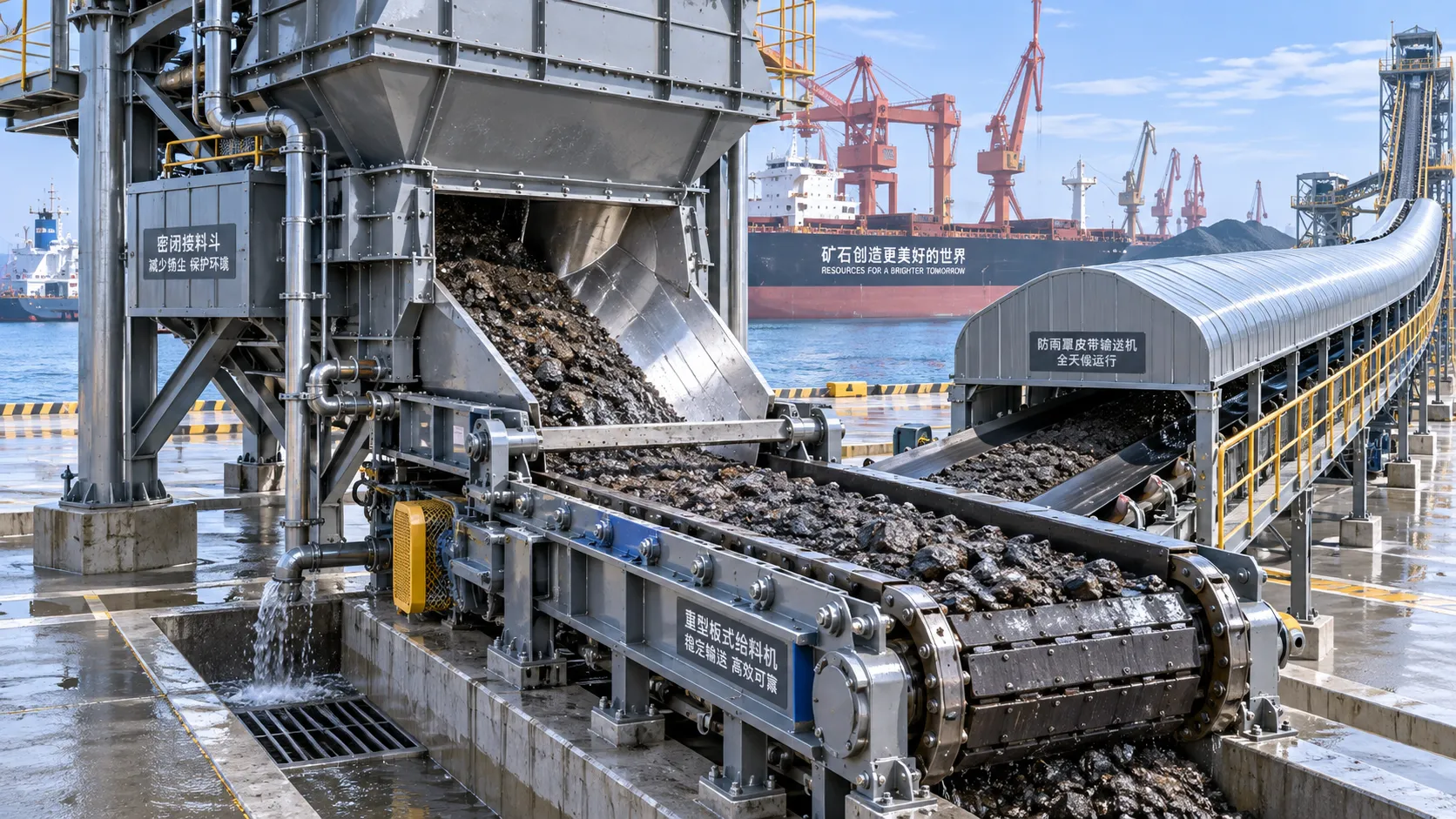
Which Bulk Handling Equipment Suits High-Moisture Cargo?
Which bulk handling equipment suits high-moisture cargo? Compare belt, apron, screw, drag, and slurry systems for reliable flow, less carryback, and higher terminal uptime.
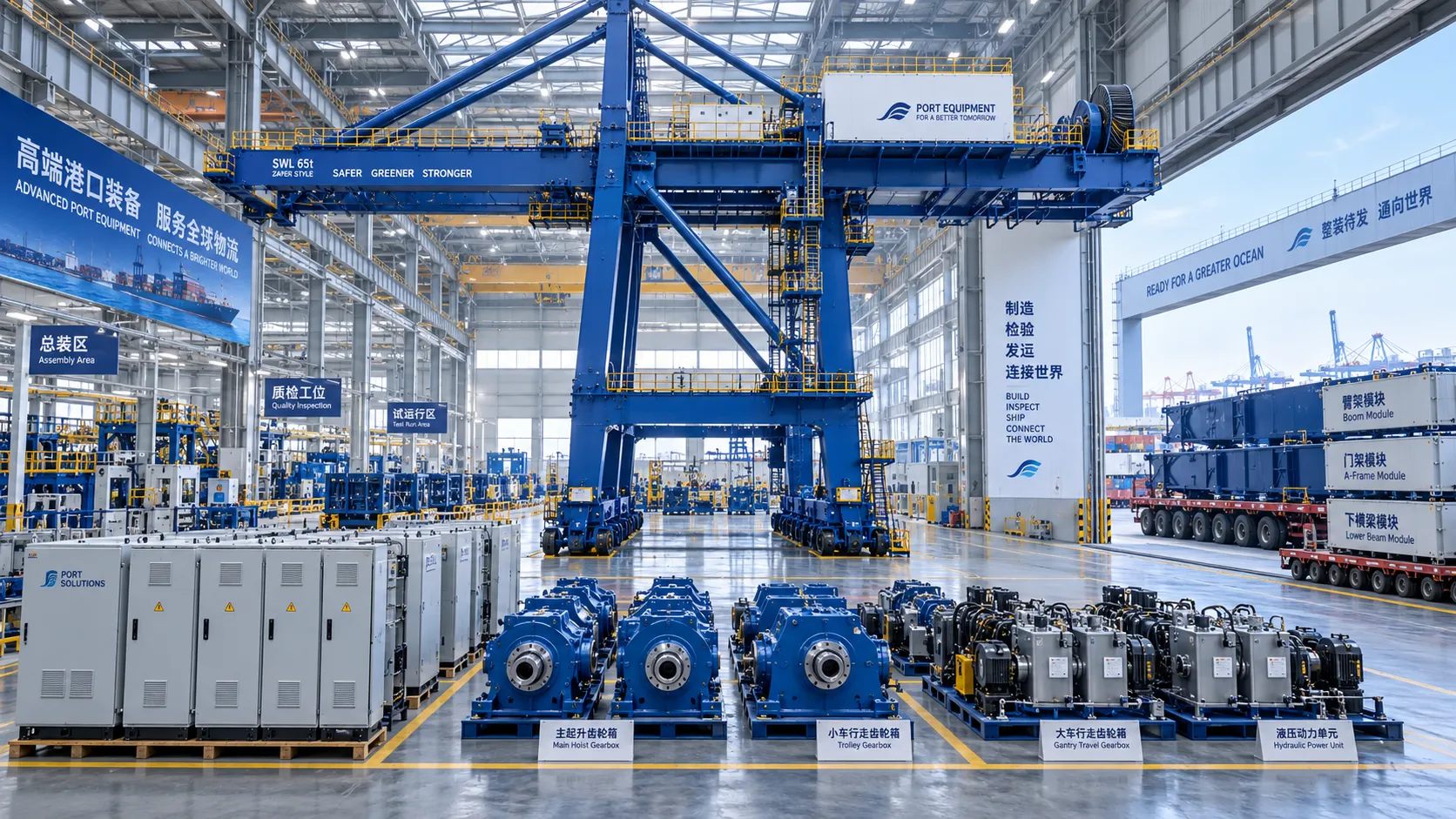
How Can Port Equipment Lead-Time Risk Be Managed?
How can port equipment lead-time risk be managed? Explore practical strategies to control critical paths, suppliers, transport, site readiness, and commissioning delays.
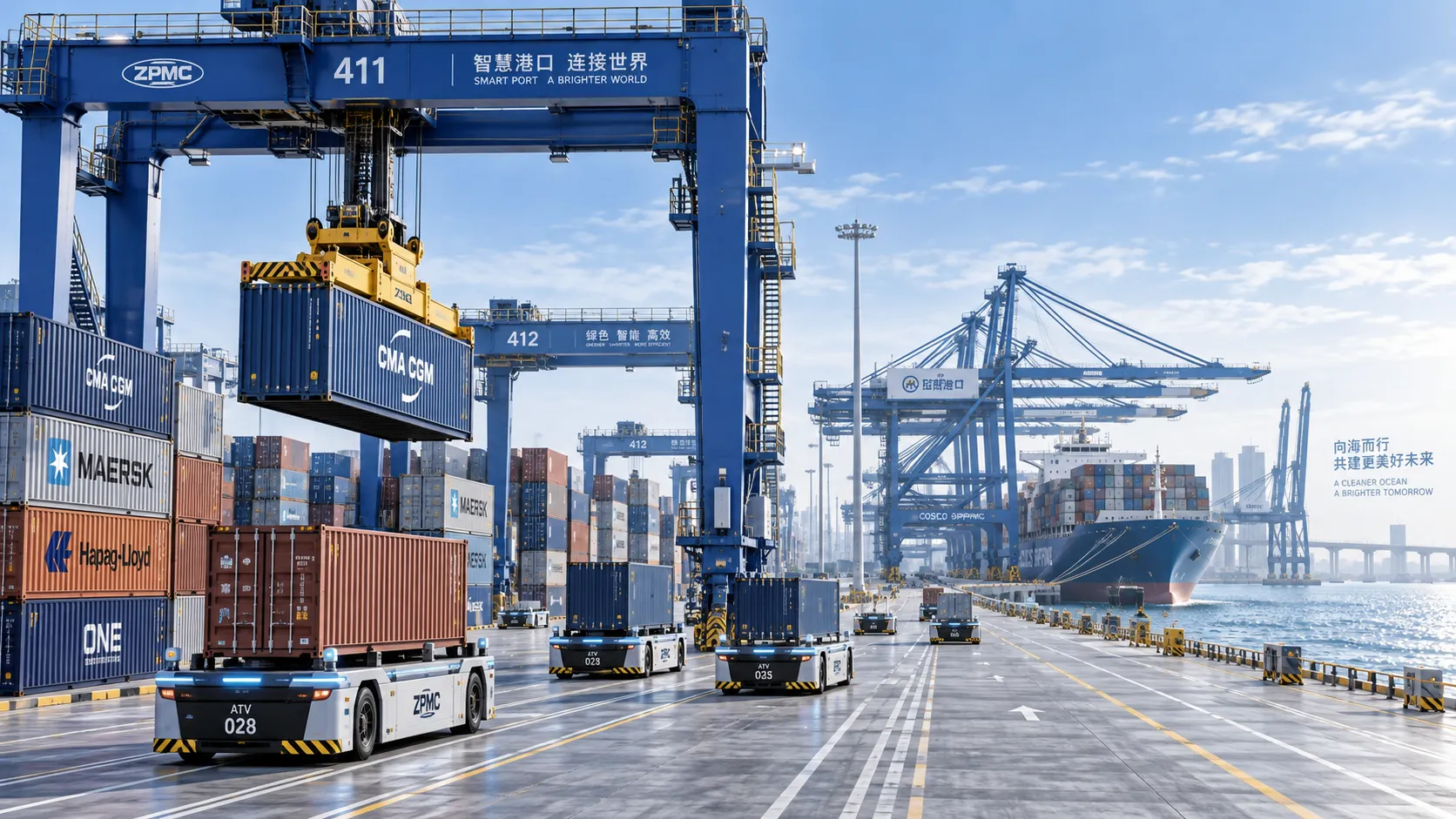
Terminal Automation Technologies That Raise Container Throughput Without Yard Disruption
Terminal automation technology that increases container throughput without disrupting yard flow. Explore smarter integration, resilient workflows, and phased deployment strategies.
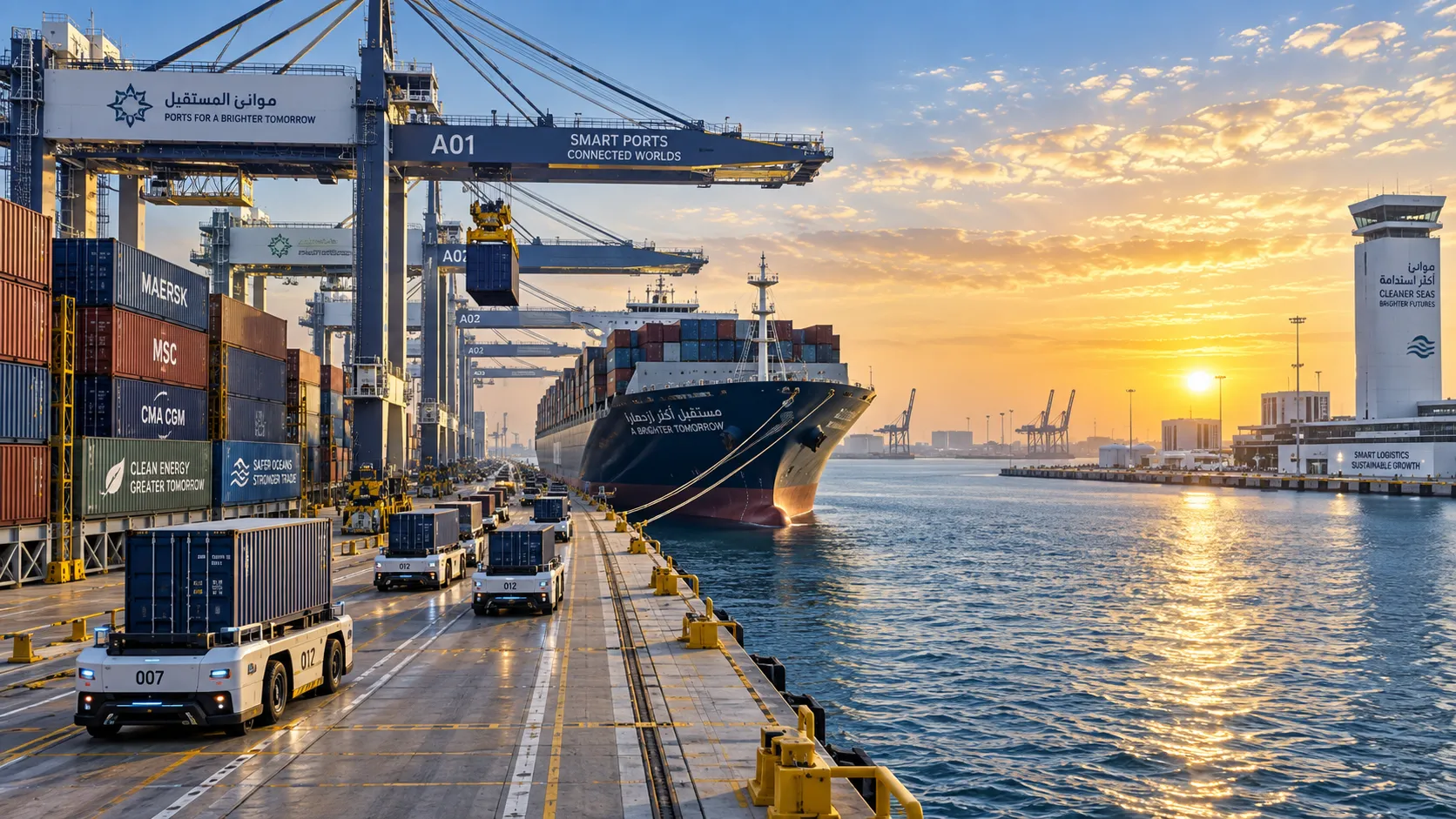
Middle East Port Automation: Key Market Drivers, Projects, and Investment Risks
Port automation systems Middle East: explore market drivers, flagship projects, integration challenges, and investment risks shaping smarter, resilient terminals.
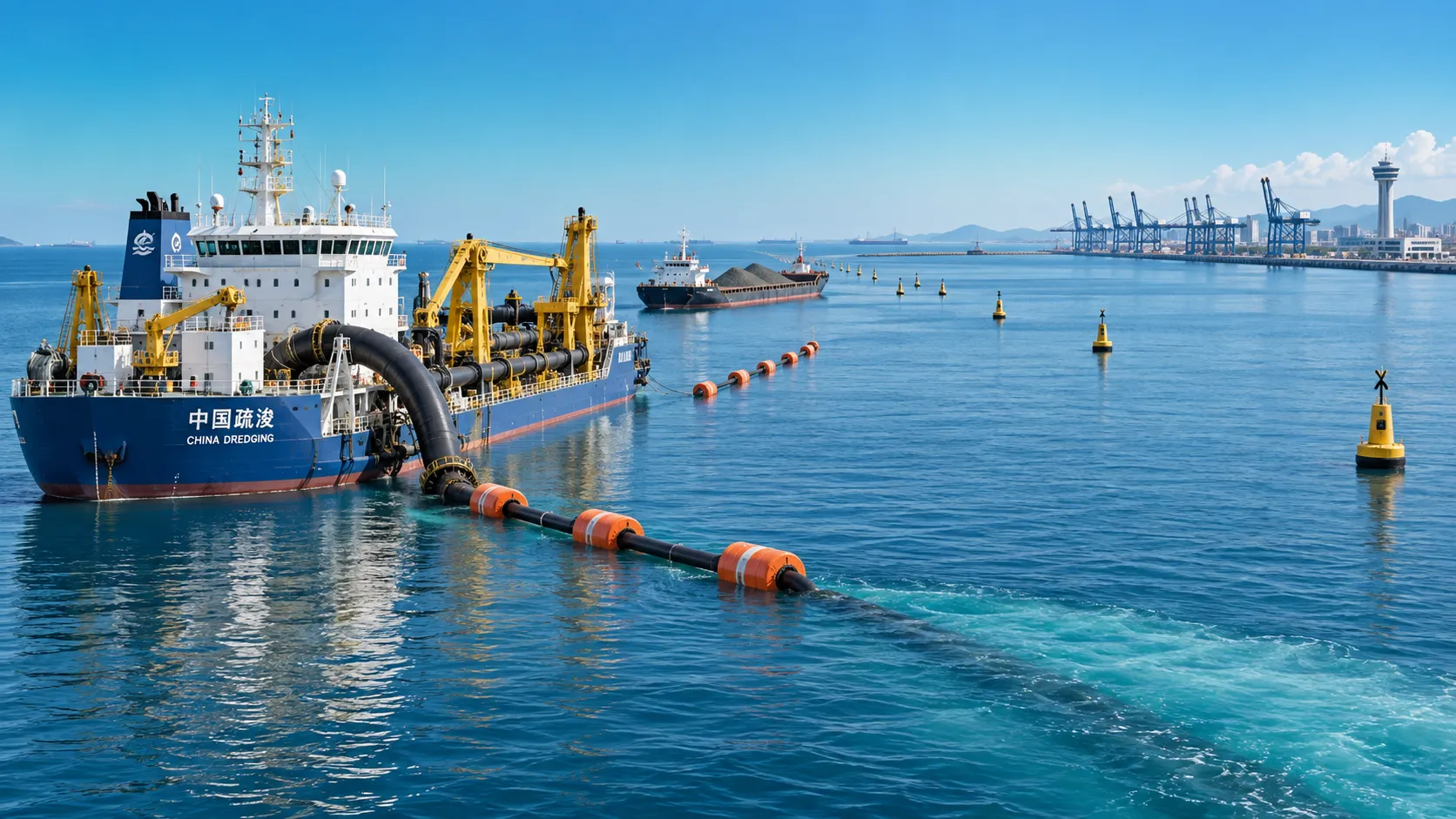
Planning Offshore Dredging Operations: Key Risks, Methods, and Project Controls
Offshore dredging operations demand smart planning. Explore key risks, proven methods, environmental controls, and project strategies for reliable delivery.