Related News
- 00
0000-00
How to Evaluate Terminal Efficiency Solution Suppliers for High-Throughput Operations - 00
0000-00
What to Consider When Buying Electric Port Machinery for Container Terminals - 00
0000-00
How to Select Container Handling Equipment for Middle East Ports and Terminals - 00
0000-00
How to Evaluate a Port Machinery Exporter for Large-Scale Terminal Projects - 00
0000-00
Evaluating a Dredging Equipment Manufacturer for Mining Plant Supply
How to Evaluate Marine Dredging Engineering Services for Port Expansion Projects
Choosing the right marine dredging engineering services can determine whether a port expansion project stays on schedule, meets environmental standards, and delivers long-term capacity gains. For project managers and engineering leads, a reliable evaluation framework is essential to assess technical capability, dredging methodology, compliance strength, equipment readiness, and risk control before making high-stakes infrastructure decisions.
In practice, dredging is rarely just a volume-removal exercise. For a port expansion project, it sits at the intersection of marine geotechnics, navigational design, environmental permitting, construction logistics, and long-cycle asset planning. A contractor may look strong on fleet size or bid price and still be the wrong choice if the sediment profile is misread, disposal routes are weak, production assumptions are optimistic, or stakeholder coordination is fragile.
That is why evaluating marine dredging engineering services should start with a basic question: what exactly must the dredging package achieve for the port project to succeed? The answer usually goes beyond target depth. It includes berth operability, channel reliability, siltation resilience, disposal compliance, interface control with quay or breakwater works, and predictable handover to terminal operations.
Start with the project constraints, not the contractor brochure
Many selection errors happen because procurement teams compare providers before the owner team has clearly defined the governing constraints. In port expansion, the same dredging volume can require very different engineering approaches depending on local seabed conditions, vessel traffic, tidal windows, environmental restrictions, and adjacent marine works.
Before evaluating bidders, the project side should be clear on several points:
- Required design depths, tolerances, and side slopes
- Material classification based on geotechnical and hydrographic surveys
- Expected sediment behavior after dredging, including likely re-siltation patterns
- Disposal, reclamation, or beneficial reuse routes for dredged material
- Seasonal weather exposure and metocean limits
- Access constraints for plant mobilization and marine support vessels
- Interface with civil packages such as caissons, quay walls, revetments, or utilities
- Environmental permit conditions and monitoring obligations
Without this baseline, even a technically polished proposal may be hard to judge. The strongest marine dredging engineering services are usually those that demonstrate a good fit with site conditions, not those that present the most generic capability statements.
Match dredging methodology to ground conditions and construction objectives
A central evaluation criterion is whether the proposed dredging method suits the material to be removed and the downstream use of the material. This sounds obvious, but it is often oversimplified during bid review.
For soft sediments, a trailing suction hopper dredger may offer efficient production and transport, especially when offshore disposal or longer sailing distances are involved. For compacted sands, clay, mixed soils, or reclamation pumping, cutter suction dredging may be more appropriate. In confined basins, near existing structures, or where precision trimming is critical, backhoe or grab dredging can be operationally safer despite lower bulk productivity.
The decision should not be made on production rate alone. Project teams should examine:
- Whether the methodology can achieve the required final profile without excessive over-dredging
- How the dredger type performs under local wave, current, and traffic conditions
- Whether the method increases turbidity, plume spread, or seabed disturbance beyond permit thresholds
- How suitable the method is for handling variable strata rather than idealized uniform material
- Whether the contractor has a realistic plan for obstructions, debris, boulders, or hard layers
A common mistake is accepting a high-output method for a site that actually demands precision and interface control. Another is choosing a very precise but slow method for a schedule-driven capital dredging package where bulk removal is the true critical path. Good evaluation means understanding where the project can tolerate speed, where it needs control, and where it needs both.
Look beyond equipment lists to actual fleet readiness
In contractor presentations, fleet strength is often framed by vessel ownership and headline specifications. For project decision-makers, that is only the starting point. What matters is whether the proposed assets will truly be available, suitably configured, class compliant, and backed by enough support capacity to maintain stable production.
Questions worth pressing during evaluation include:
- Are the proposed dredgers committed elsewhere during the planned mobilization window?
- Will critical ancillary equipment be required, such as booster stations, survey craft, split barges, multicats, anchor handling units, or sediment pipeline systems?
- What is the age, maintenance status, and recent operating record of the named plant?
- Is there redundancy if one key asset goes offline?
- How quickly can wear parts, pumps, cutter heads, dragheads, and specialist crews be replaced or deployed?
Fleet adequacy should also be tested against the real site cycle. A hopper dredger may be technically suitable, but if disposal distance is long and the contractor’s fleet mix does not support sufficient turnaround, theoretical capacity will not translate into program certainty. Likewise, a cutter suction setup may look cost-effective until pipeline routing, booster power demand, and shore crossing complexity are properly priced and scheduled.
Engineering capability matters as much as dredging capacity
Port expansion dredging is often awarded on the assumption that execution is mostly about plant and marine crews. That view underestimates how much project outcome depends on engineering control.
Strong marine dredging engineering services should demonstrate competence in:
- Hydrographic interpretation and digital terrain modeling
- Dredging sequence optimization
- Geotechnical risk assessment
- Slope stability considerations for channels, turning basins, and berth pockets
- Sediment transport and plume management analysis
- Temporary works design where pipelines, shore landfalls, or reclamation cells are involved
- Survey verification, tolerance management, and progress measurement
This is especially important where dredging interacts with structural packages. If quay wall construction, pile driving, or revetment installation is happening in parallel, dredging sequence errors can create rework, instability, or marine access conflicts. A contractor with strong engineering coordination capability often delivers more value than one with slightly lower nominal production but better interface discipline.
Environmental compliance is not a secondary workstream
On many port projects, environmental approvals define the actual operating envelope more than the technical dredging plan does. Permitted turbidity levels, seasonal ecological windows, sediment contamination rules, and disposal area restrictions can all reshape methodology and schedule.
Project teams should assess whether the provider has a credible compliance system rather than a generic environmental statement. Useful indicators include:
- Experience working under similar permit regimes
- Ability to implement real-time turbidity and water quality monitoring
- Clear procedures for contaminated or suspect material segregation if applicable
- Track record in stakeholder reporting to regulators, port authorities, and coastal agencies
- Operational controls for overflow management, spill prevention, and plume reduction
Where regulations differ by jurisdiction, the exact standards may vary and should be confirmed against local law and permit conditions. Internationally recognized environmental management systems can be a useful signal, but they are not a substitute for site-specific compliance performance.
One recurring error in contractor selection is assuming that environmental risk can be solved later through monitoring. In reality, once the methodology is poorly matched to permit conditions, monitoring mainly proves the problem rather than preventing it.
Scrutinize the production assumptions behind schedule commitments
For project managers, the most expensive misunderstanding often lies in the program. Dredging schedules can look convincing in bid form because they are built on average production rates under favorable conditions. Port expansion projects are rarely executed under average conditions.
Evaluation should test the assumptions behind the schedule:
- What downtime has been allowed for weather, swell, visibility, and currents?
- How are vessel traffic restrictions and port operational windows handled?
- Is survey time built into the cycle realistically?
- How will the contractor respond to variable soil layers or unexpected obstructions?
- Are disposal or reclamation receiving capacities aligned with dredging output?
A dependable contractor will usually be transparent about constraints and productivity ranges. Overconfidence is often a warning sign, particularly where ground data quality is limited. If a bidder’s timeline assumes uninterrupted production in a monsoon-affected or high-traffic harbor environment, project teams should challenge it aggressively.
Risk allocation in the contract can distort technical evaluation
Not all bids are directly comparable because pricing often reflects different interpretations of subsurface risk, quantity uncertainty, and disposal responsibility. A lower price may simply indicate that the contractor expects claims, exclusions, or variation opportunities later.
When evaluating marine dredging engineering services, contract review should focus on where uncertainty sits. Key areas include:
- Measurement basis for payable quantities
- Treatment of unsuitable, contaminated, or hard material
- Responsibility for re-dredging caused by natural siltation during construction
- Entitlement for delays linked to permits, marine traffic, or third-party interfaces
- Acceptance criteria for final depth and tolerances
This is one reason technical and commercial evaluation should not be separated too rigidly. A contractor that appears expensive on unit rate may actually offer a more bankable delivery position if risk assumptions are more transparent and less adversarial.
Check local execution strength, not just global reputation
Large international dredging firms often bring deep engineering resources and specialized fleets. Regional contractors may offer stronger local marine knowledge, lower mobilization complexity, and better authority relationships. Neither is automatically superior.
What matters is the operating model for the specific project. Project teams should examine:
- Local subcontractor dependence for marine spread, survey, fuel, disposal, or environmental services
- Familiarity with local labor, customs clearance, cabotage, and port access rules
- Ability to maintain spare parts and technical support in-country
- Experience coordinating with local regulators and harbor masters
For cross-border projects, these practical factors can be as decisive as fleet capability. A globally known contractor without local execution depth may face delays that a less prominent but better-grounded regional player can avoid.
Past performance should be judged by project similarity, not project size alone
Reference lists often emphasize landmark projects, but similarity is more useful than scale. A contractor that has completed major offshore capital dredging works may still be a poor fit for a constrained brownfield port expansion with active shipping, tight tolerances, and sensitive environmental receptors.
During due diligence, look for evidence in projects with comparable:
- Material type and geotechnical uncertainty
- Berth or channel geometry
- Traffic density and operational constraints
- Disposal or reclamation configuration
- Environmental sensitivity and permit complexity
Case histories are most valuable when they show how difficulties were handled, not just that a final volume was dredged.
What a strong evaluation process usually looks like
For complex port expansion projects, the most reliable selection processes combine engineering review, execution planning review, and commercial risk review. Instead of scoring only on price and generic technical compliance, owner teams often get better results by running scenario-based evaluation.
Ask each bidder to explain how they would handle a harder-than-expected layer, a disposal bottleneck, a turbidity exceedance event, or a two-week weather disruption during the critical path. Their answers often reveal more than standard method statements.
It is also useful to separate “can do the work” from “can do the work with acceptable risk.” Many contractors pass the first test. Fewer pass the second when schedule resilience, interface maturity, and compliance performance are examined closely.
Where port expansion teams most often misjudge dredging services
Several patterns appear repeatedly across marine infrastructure projects. The first is overvaluing bid price relative to production certainty. The second is assuming that dredging is a standalone package rather than a sequencing driver for the whole marine works program. The third is relying too heavily on fleet brand or company reputation while underchecking site-specific engineering fit.
Another frequent issue is underestimating survey quality. If baseline bathymetry, geotechnical interpretation, and quantity models are weak, even a strong contractor will struggle to provide dependable delivery commitments. In those cases, improving pre-tender information may create more value than pushing bidders for tighter prices.
A practical decision standard
For project leaders, the best provider is rarely the one with the most impressive vessel profile or the lowest unit rate. It is the one whose marine dredging engineering services are most aligned with the project’s real constraints, regulatory environment, construction interfaces, and tolerance for uncertainty.
If a bidder can clearly show methodological fit, realistic production logic, environmental control capability, reliable plant availability, and disciplined risk treatment, that usually points to a stronger decision than a superficially cheaper offer. In port expansion, dredging errors do not stay inside the dredging package. They ripple into berth readiness, terminal commissioning, shipping access, and long-term maintenance burden.
That is why evaluation should be framed less as contractor comparison and more as delivery assurance. The goal is not simply to appoint a dredging company. It is to select a partner capable of turning design depth into operational capacity without creating avoidable delay, compliance exposure, or lifecycle inefficiency.
Related News
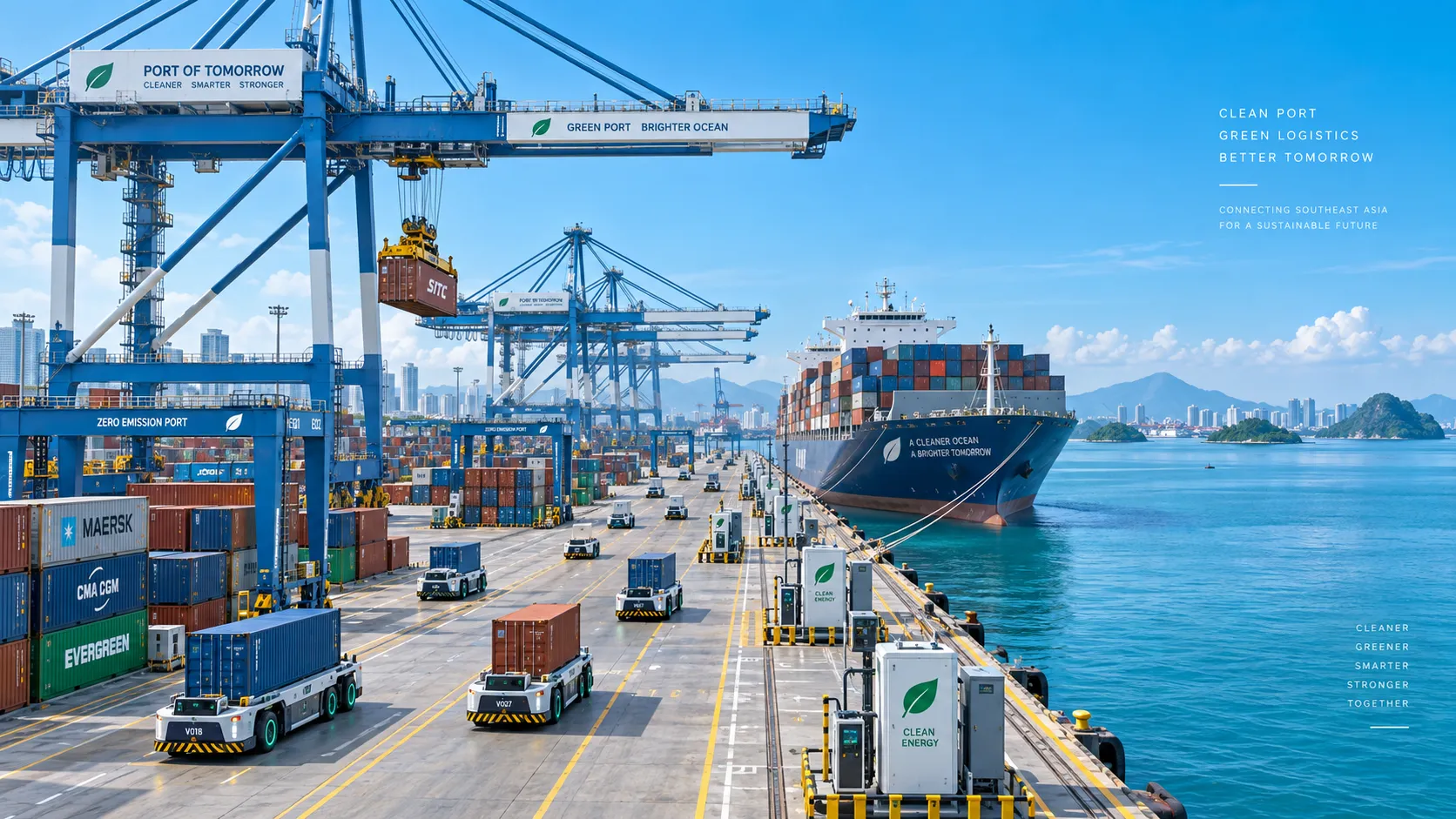
Smart Port Systems in Southeast Asia: Investment Priorities and Adoption Barriers
Smart port systems Southeast Asia: discover investment priorities, adoption barriers, and practical steps to build resilient, connected, high-performing terminals.

How to Evaluate Terminal Efficiency Solution Suppliers for High-Throughput Operations
Choose a terminal efficiency solutions supplier with confidence. Explore proven criteria for throughput, integration, lifecycle cost, safety, and reliable delivery.
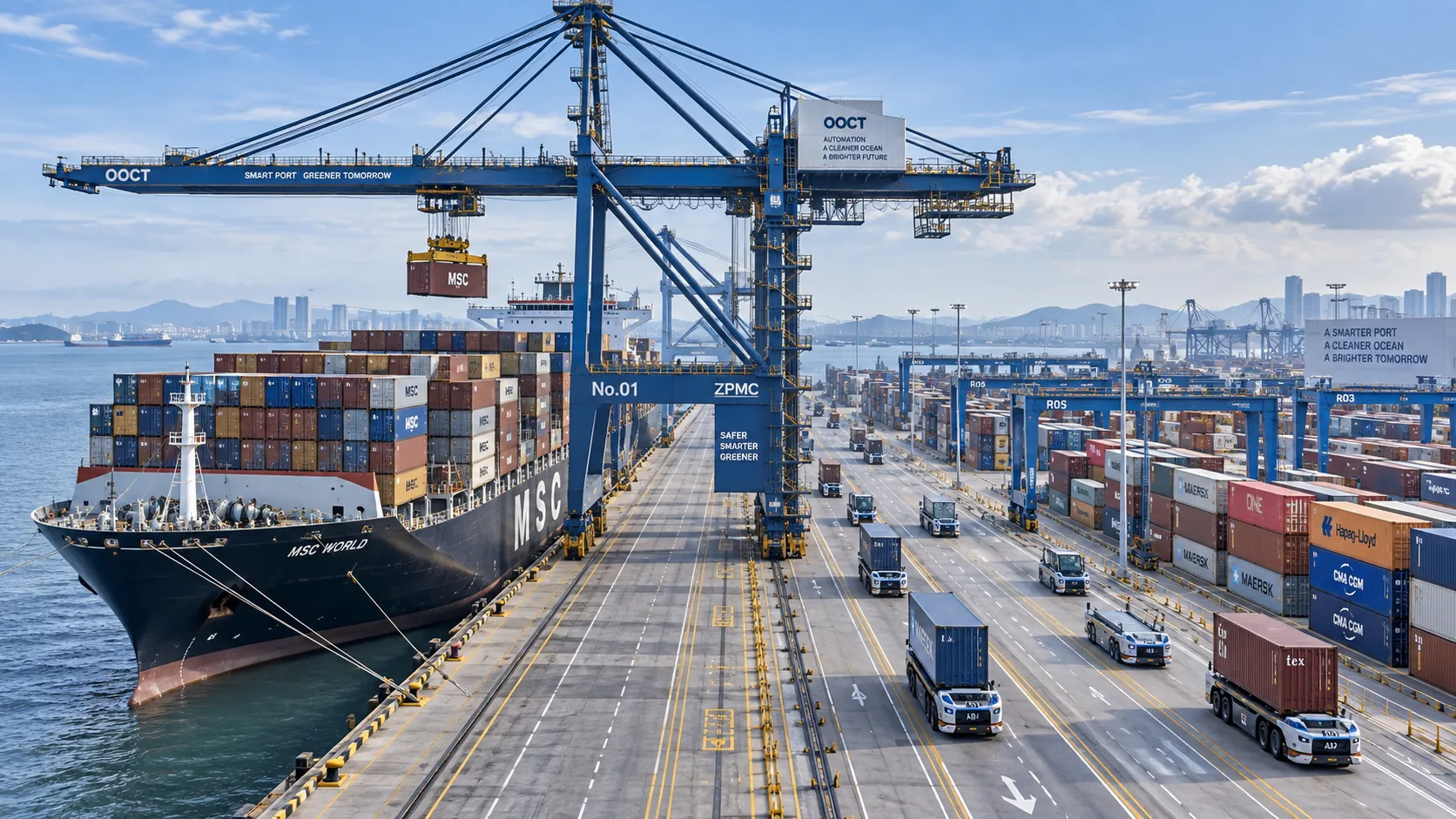
How to Specify a Quay Crane for Container Terminals by Vessel Size and Throughput?
Quay crane for container terminals: learn how to match outreach, lift height, capacity, automation, and cycle performance to vessel size and throughput goals.
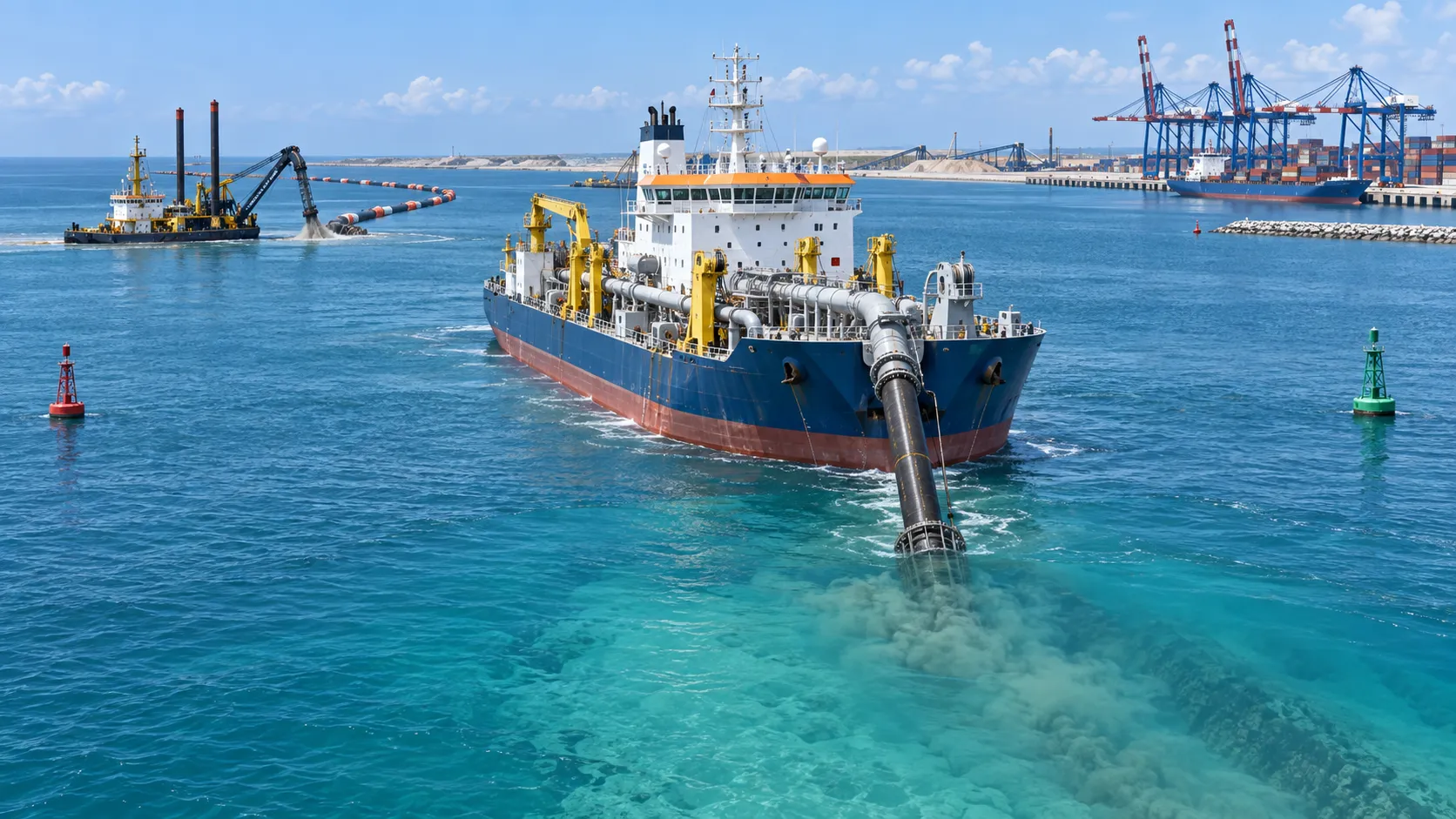
What Dredging Equipment Is Needed for Channel Deepening?
What dredging equipment is needed for channel deepening? Explore dredgers, pipelines, survey tools, and planning strategies for safer, more efficient port access.
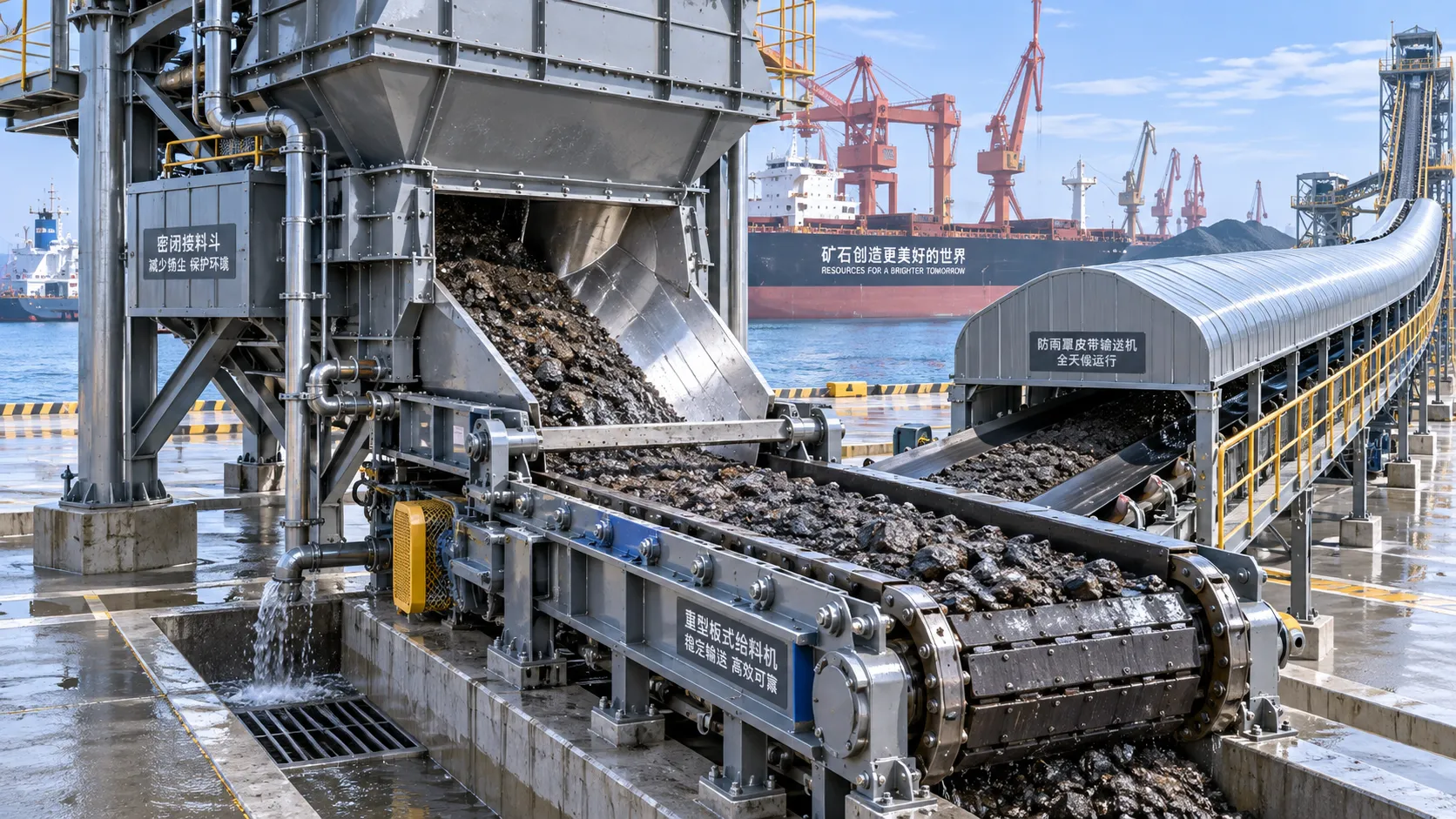
Which Bulk Handling Equipment Suits High-Moisture Cargo?
Which bulk handling equipment suits high-moisture cargo? Compare belt, apron, screw, drag, and slurry systems for reliable flow, less carryback, and higher terminal uptime.
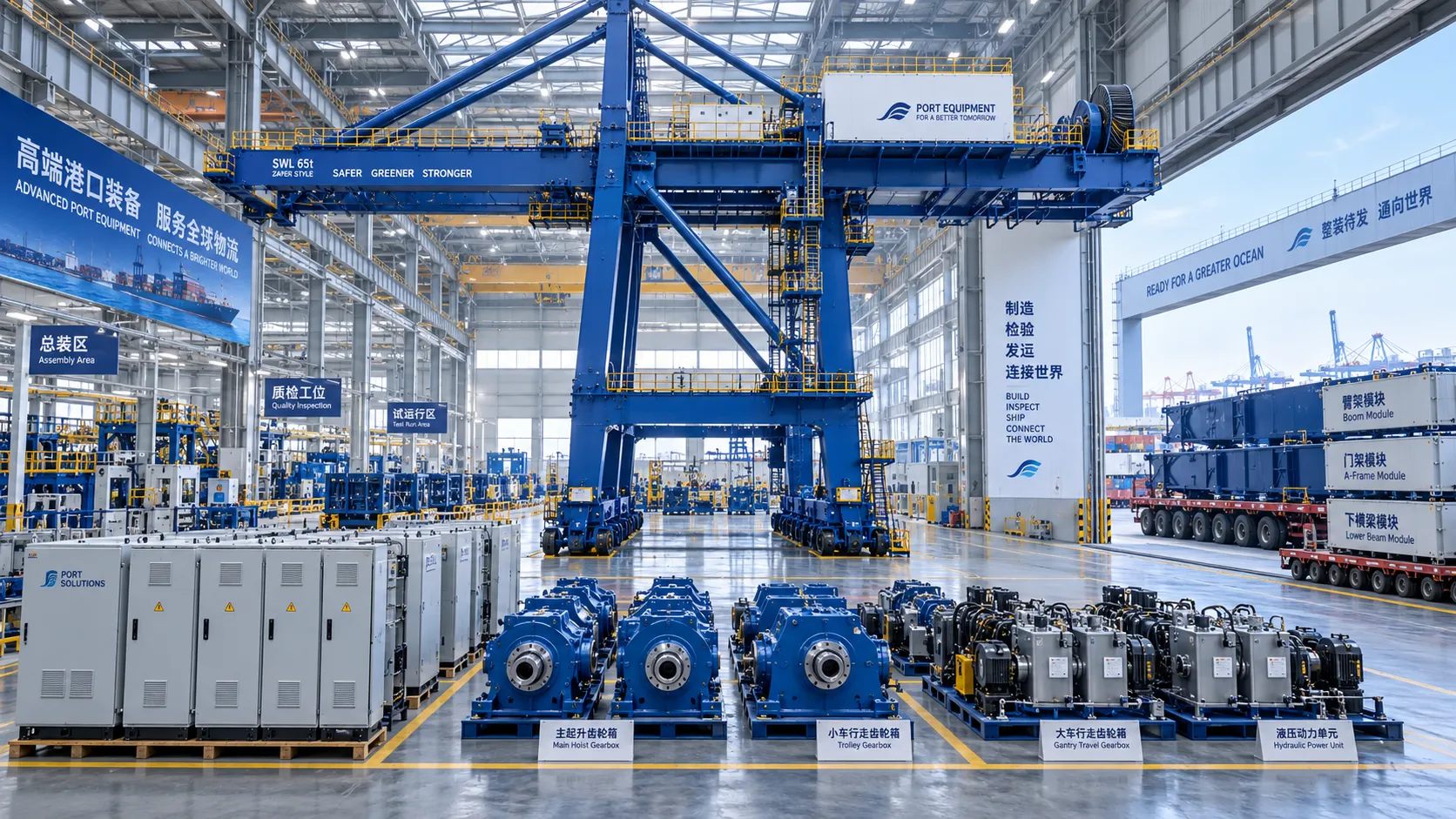
How Can Port Equipment Lead-Time Risk Be Managed?
How can port equipment lead-time risk be managed? Explore practical strategies to control critical paths, suppliers, transport, site readiness, and commissioning delays.
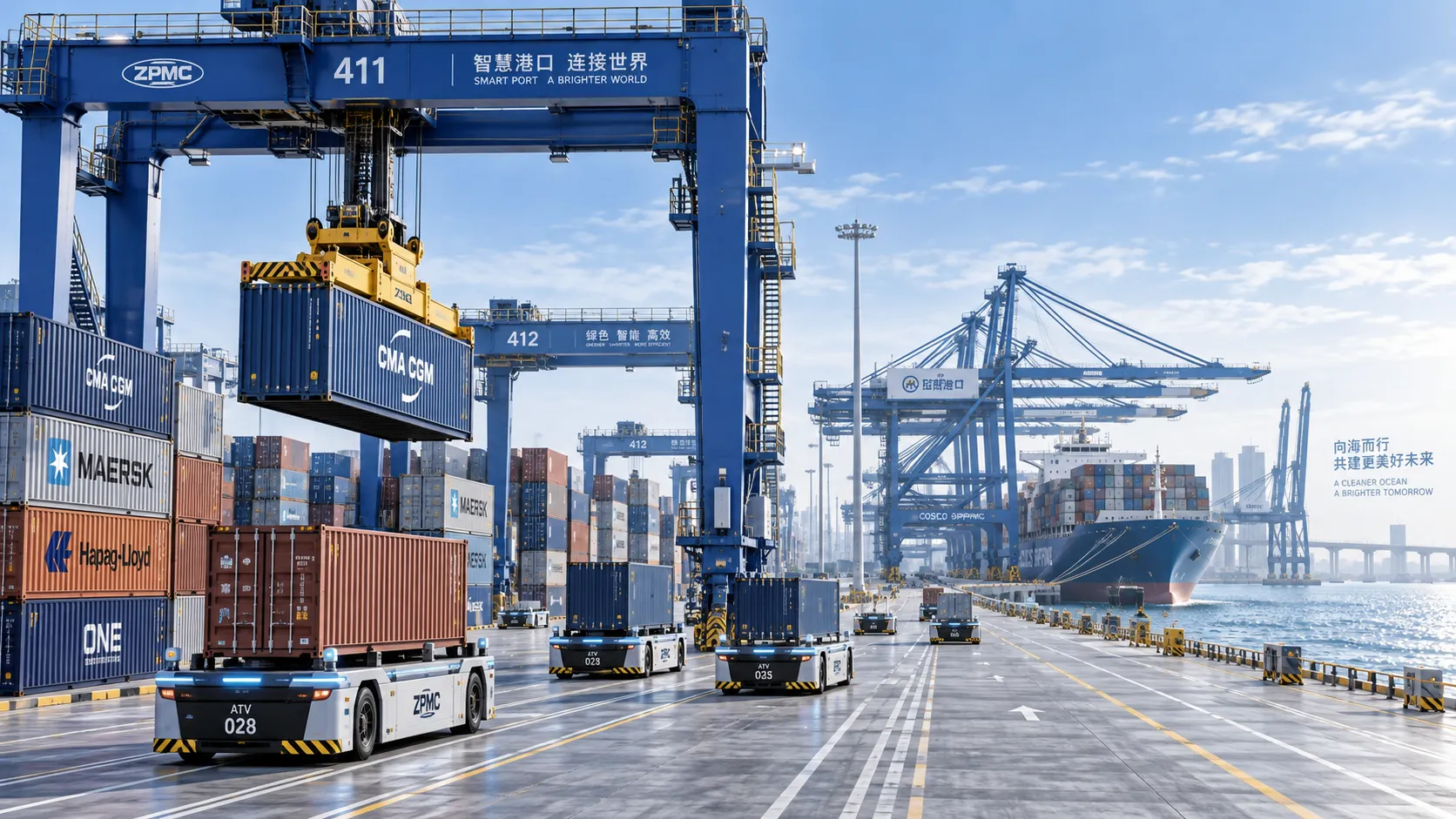
Terminal Automation Technologies That Raise Container Throughput Without Yard Disruption
Terminal automation technology that increases container throughput without disrupting yard flow. Explore smarter integration, resilient workflows, and phased deployment strategies.
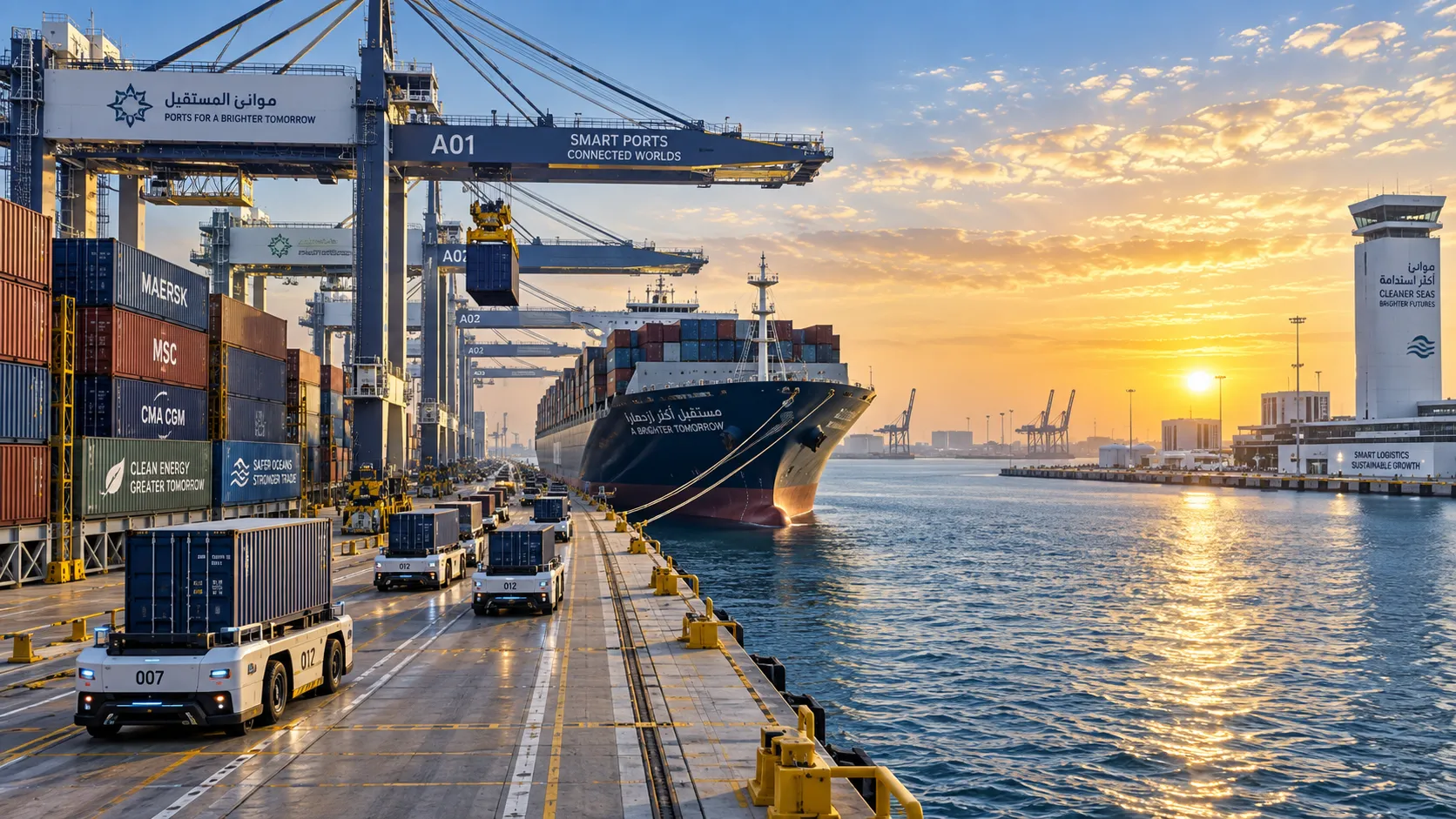
Middle East Port Automation: Key Market Drivers, Projects, and Investment Risks
Port automation systems Middle East: explore market drivers, flagship projects, integration challenges, and investment risks shaping smarter, resilient terminals.
Planning Offshore Dredging Operations: Key Risks, Methods, and Project Controls
Offshore dredging operations demand smart planning. Explore key risks, proven methods, environmental controls, and project strategies for reliable delivery.