Related News
- 00
0000-00
How to Evaluate Terminal Efficiency Solution Suppliers for High-Throughput Operations - 00
0000-00
What to Consider When Buying Electric Port Machinery for Container Terminals - 00
0000-00
How to Select Container Handling Equipment for Middle East Ports and Terminals - 00
0000-00
How to Evaluate a Port Machinery Exporter for Large-Scale Terminal Projects - 00
0000-00
Evaluating a Dredging Equipment Manufacturer for Mining Plant Supply
How to Evaluate a Terminal Control Systems Manufacturer for Port Automation Projects
Choosing a terminal control systems manufacturer is rarely a software-only decision. In port automation, the control layer shapes equipment behavior, yard flow, vessel turnaround, and the reliability of every connected asset.
That is why evaluation now sits at the center of terminal investment planning. A strong platform can coordinate cranes, AGVs, gates, and energy systems. A weak one can turn automation into a chain of delays.
For PS-Nexus, this topic sits inside a wider logistics picture. Port automation is the operational nerve center linking heavy terminal gear, scheduling logic, cybersecurity discipline, and the commercial rhythm of global trade.
What a terminal control system really covers
A terminal control system manages the real-time execution layer of an automated port. It translates planning decisions into machine actions, traffic rules, alarms, interlocks, and work instructions across the terminal.
In practice, a terminal control systems manufacturer is not only supplying code. It is defining how cranes respond to exceptions, how vehicles avoid conflict, how equipment states are synchronized, and how safe recovery happens after disruption.
This matters because port automation depends on both physical and digital precision. One latency issue, one poorly designed interface, or one weak exception rule can affect berth productivity and yard stability within minutes.
The place of control in the automation stack
Most modern terminals operate with several connected layers. Planning systems optimize moves. Equipment control systems execute them. Supervisory tools monitor health, safety, and asset availability.
A terminal control systems manufacturer must therefore work comfortably between IT and OT. It needs to understand databases and APIs, but also PLC logic, fieldbus signals, sensor behavior, and industrial fail-safe design.
Why the evaluation has become more demanding
Ports are under pressure to increase throughput without expanding land, labor intensity, or emissions. Automation is expected to deliver these gains while maintaining operational continuity in a volatile trade environment.
At the same time, terminal projects are more complex than before. Remote-controlled cranes, autonomous horizontal transport, edge computing, and low-latency communication now interact in one production environment.
This is where market intelligence becomes useful. PS-Nexus tracks not just equipment trends, but also path-planning logic, remote control protocols, and the strategic demand signals shaping long-cycle port infrastructure decisions.
Seen in that context, selecting a terminal control systems manufacturer is less about buying a feature list. It is about testing whether a supplier can support scalable, resilient terminal behavior over many operating years.
The first questions worth asking
Early evaluation should focus on operational fit. A terminal control systems manufacturer may look strong in demonstrations, yet struggle in mixed-equipment terminals, phased expansions, or brownfield modernization.
A useful shortlist usually begins with these points:
- Experience with similar terminal types, including container, bulk, or multi-cargo operations.
- Proven integration with cranes, AGVs, ASC, RTG, OCR, gate systems, and TOS platforms.
- Real-time performance under peak load, not only under pilot conditions.
- Recovery logic for communication loss, equipment faults, and traffic exceptions.
- Cybersecurity design aligned with industrial network realities.
- Long-term local and remote service capability.
These questions help separate product claims from operational maturity. They also reveal whether the supplier understands container handling as a live system, not a collection of isolated devices.
Integration depth matters more than interface count
Many suppliers can show a long list of supported interfaces. That alone says little. The real issue is whether the terminal control systems manufacturer can manage timing, data consistency, fallback behavior, and equipment diversity.
For example, quay crane automation and horizontal transport must share a common operational view. If handoff timing drifts, productivity falls even when each subsystem appears to work correctly by itself.
The same applies to yard automation. A good control platform should understand block priorities, conflict zones, charging windows, and stack constraints without creating hidden bottlenecks elsewhere.
Signals of strong integration capability
Operational logic should be tested under stress
A terminal control systems manufacturer should be judged by how the system behaves when conditions are imperfect. Ports do not operate in laboratory conditions, and most failures begin at the edges.
Useful stress scenarios include vessel bunching, sudden yard imbalance, communication interruptions, sensor drift, and partial equipment unavailability. These are normal operational realities, not rare anomalies.
Ask for evidence from factory acceptance tests, site acceptance tests, simulation models, and live reference terminals. The goal is to see whether control logic remains stable when move density and exception frequency increase.
This is especially important for phased automation. In many projects, manual, semi-automated, and automated operations coexist for years. The control platform must support that transition without creating unsafe ambiguity.
Cybersecurity and service resilience are core criteria
A port control environment is critical infrastructure. For that reason, any terminal control systems manufacturer should be assessed on security architecture, access control, patch governance, logging discipline, and incident response readiness.
Cybersecurity cannot be added at the end of commissioning. It must be built into the segmentation model, remote support method, credential policy, and software lifecycle from the beginning.
Service resilience matters just as much. Even well-designed automation needs updates, tuning, and operational support. A supplier without dependable response processes can turn minor faults into repeated disruption.
Documentation that should be reviewed carefully
- Network architecture and segmentation diagrams.
- Alarm philosophy and event handling rules.
- Manual override and fail-safe procedures.
- Change management and software version policy.
- SLA terms for response, escalation, and spare support.
Commercial evaluation should reflect lifecycle reality
The lowest upfront proposal from a terminal control systems manufacturer may become the highest lifecycle cost. Ports need to account for engineering effort, customization depth, retraining, maintenance burden, and upgrade complexity.
A realistic business case should include commissioning duration, interface ownership, support coverage, future expansion paths, and the cost of integrating new equipment categories later.
This wider view fits the commercial intelligence perspective PS-Nexus emphasizes. In long-cycle infrastructure trade, structural value often comes from maintainability, interoperability, and adaptation speed rather than initial pricing alone.
A practical selection path
A structured review process usually produces better outcomes than a feature comparison workshop. It keeps operational priorities visible and reduces the influence of polished demonstrations.
- Map terminal workflows, traffic density, and interface boundaries before vendor comparison.
- Define critical scenarios, including degraded modes and phased migration conditions.
- Score each terminal control systems manufacturer against measurable operational criteria.
- Validate claims through reference visits, test records, and architecture reviews.
- Align technical scoring with lifecycle cost and support capacity.
The strongest choice is usually the supplier that demonstrates control discipline under complexity, not the one offering the broadest brochure language.
Where to focus next
Evaluating a terminal control systems manufacturer becomes clearer when the terminal first defines its own operating model. Throughput targets, equipment mix, safety philosophy, and expansion plans should shape every comparison.
From there, the next step is to build a decision framework around integration depth, stress performance, cybersecurity readiness, and lifecycle service quality. That approach makes automation decisions more durable and more aligned with trade-facing reality.
For organizations tracking smart port development through PS-Nexus, the most useful benchmark is not whether a system looks advanced, but whether it can keep terminal assets synchronized as operational complexity grows.
Related News
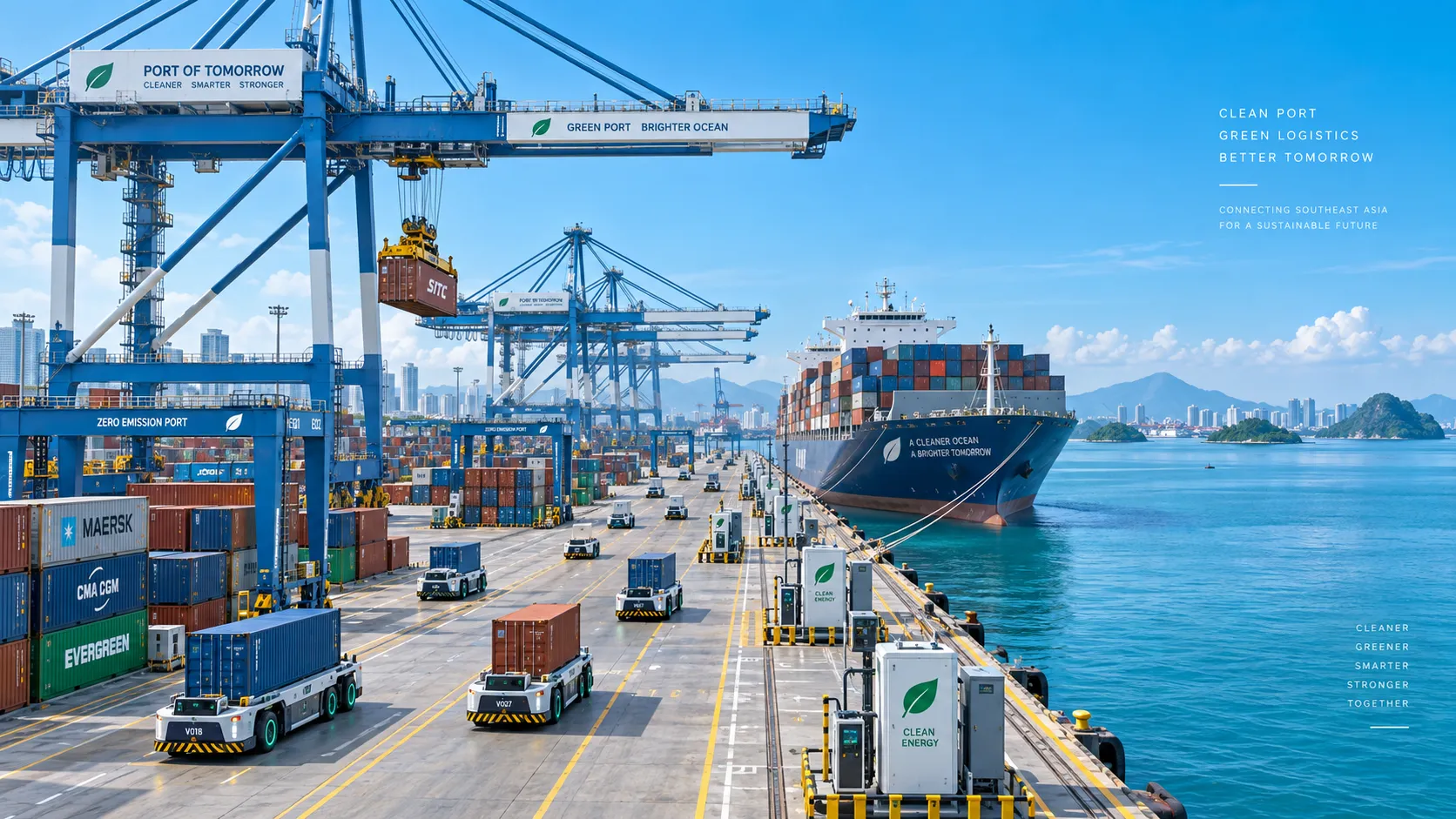
Smart Port Systems in Southeast Asia: Investment Priorities and Adoption Barriers
Smart port systems Southeast Asia: discover investment priorities, adoption barriers, and practical steps to build resilient, connected, high-performing terminals.

How to Evaluate Terminal Efficiency Solution Suppliers for High-Throughput Operations
Choose a terminal efficiency solutions supplier with confidence. Explore proven criteria for throughput, integration, lifecycle cost, safety, and reliable delivery.
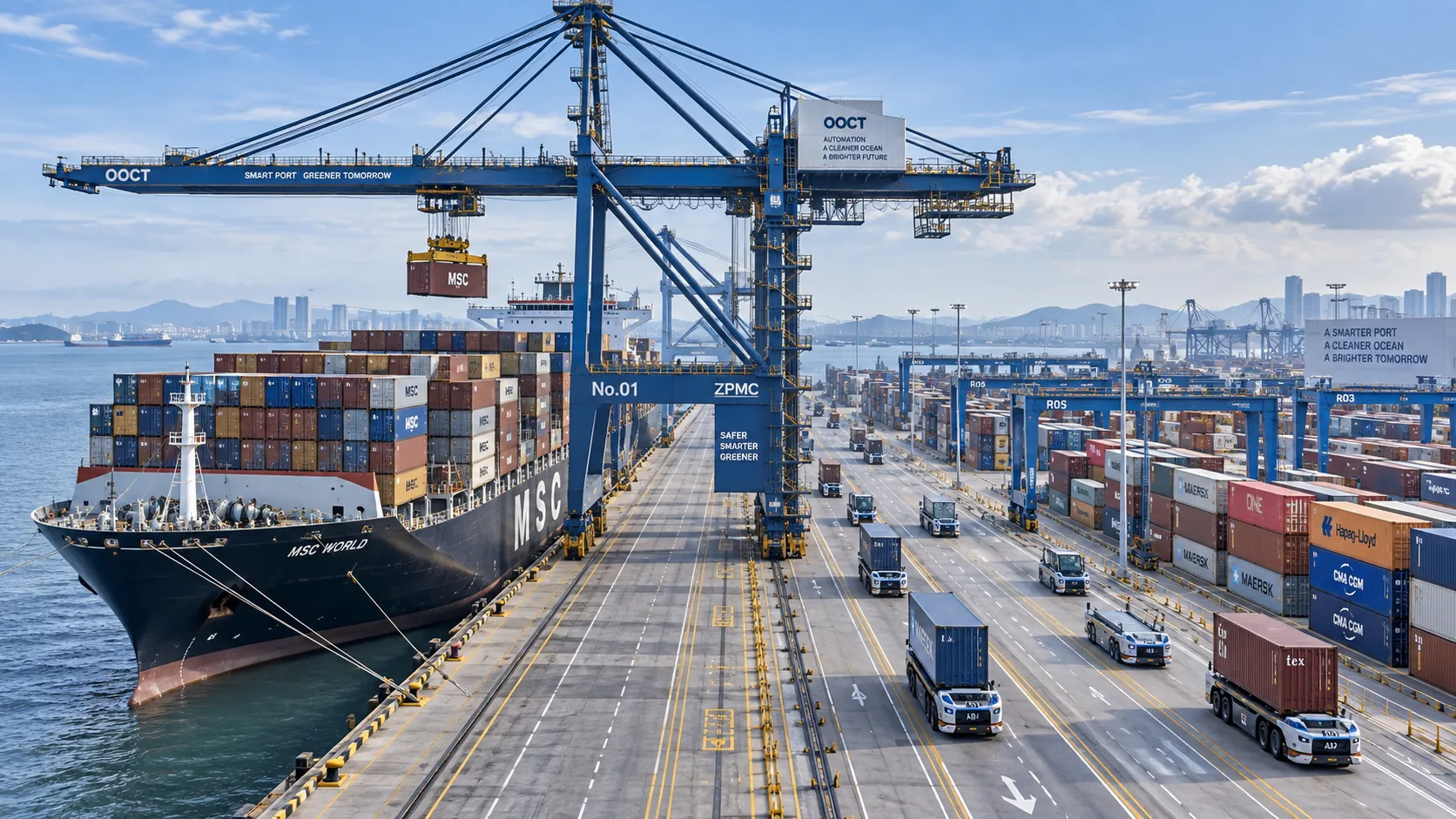
How to Specify a Quay Crane for Container Terminals by Vessel Size and Throughput?
Quay crane for container terminals: learn how to match outreach, lift height, capacity, automation, and cycle performance to vessel size and throughput goals.
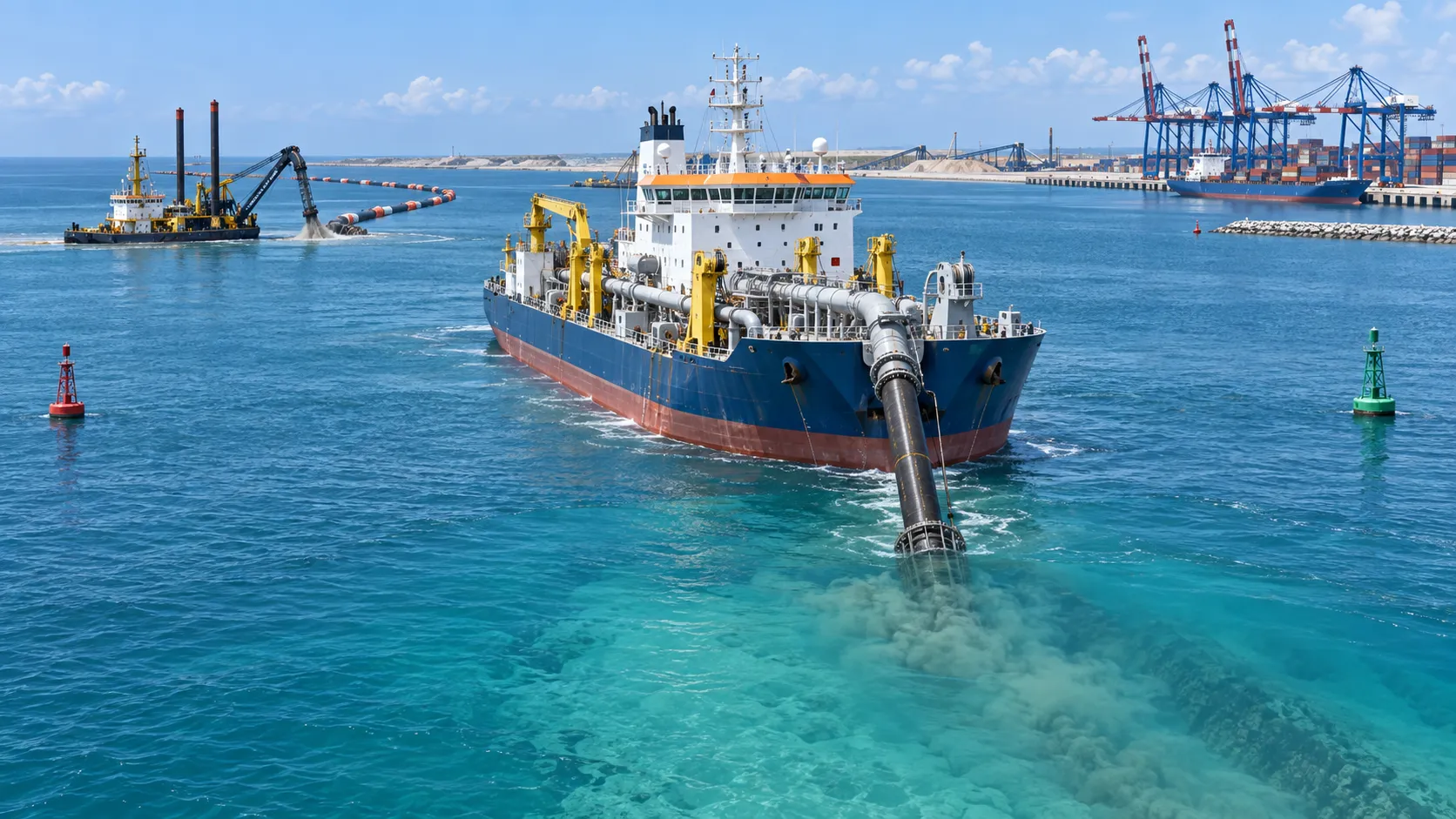
What Dredging Equipment Is Needed for Channel Deepening?
What dredging equipment is needed for channel deepening? Explore dredgers, pipelines, survey tools, and planning strategies for safer, more efficient port access.
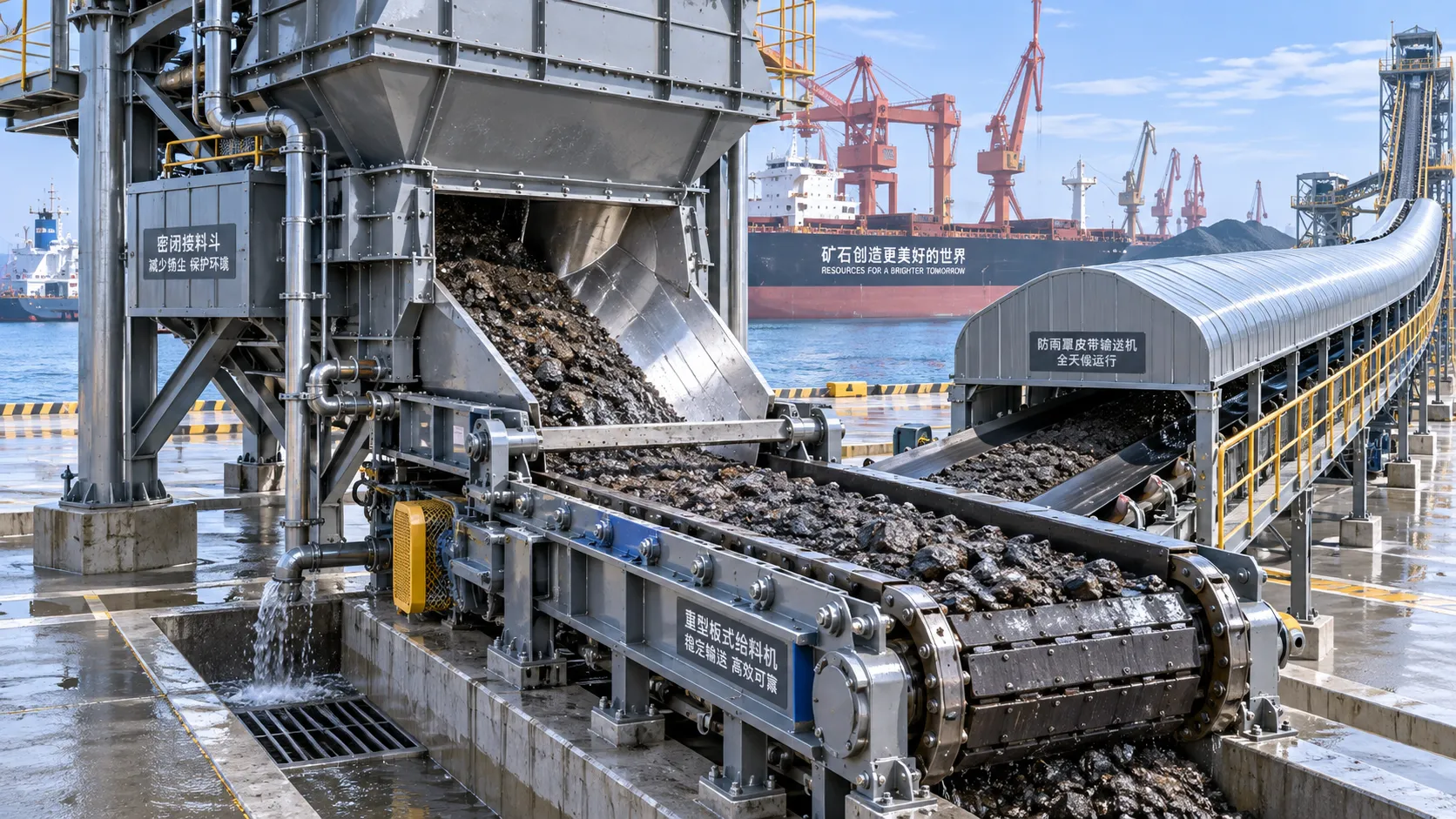
Which Bulk Handling Equipment Suits High-Moisture Cargo?
Which bulk handling equipment suits high-moisture cargo? Compare belt, apron, screw, drag, and slurry systems for reliable flow, less carryback, and higher terminal uptime.
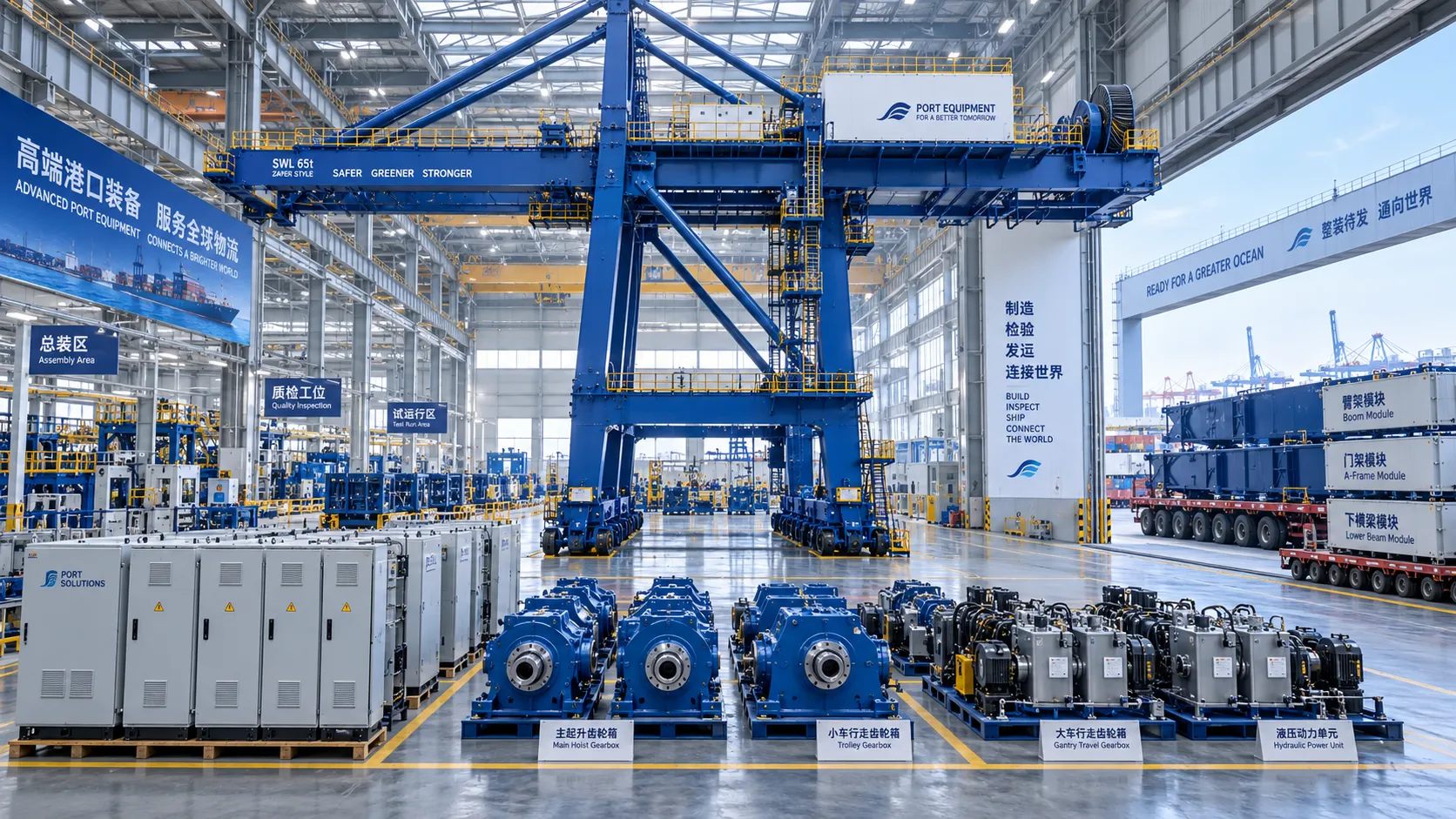
How Can Port Equipment Lead-Time Risk Be Managed?
How can port equipment lead-time risk be managed? Explore practical strategies to control critical paths, suppliers, transport, site readiness, and commissioning delays.
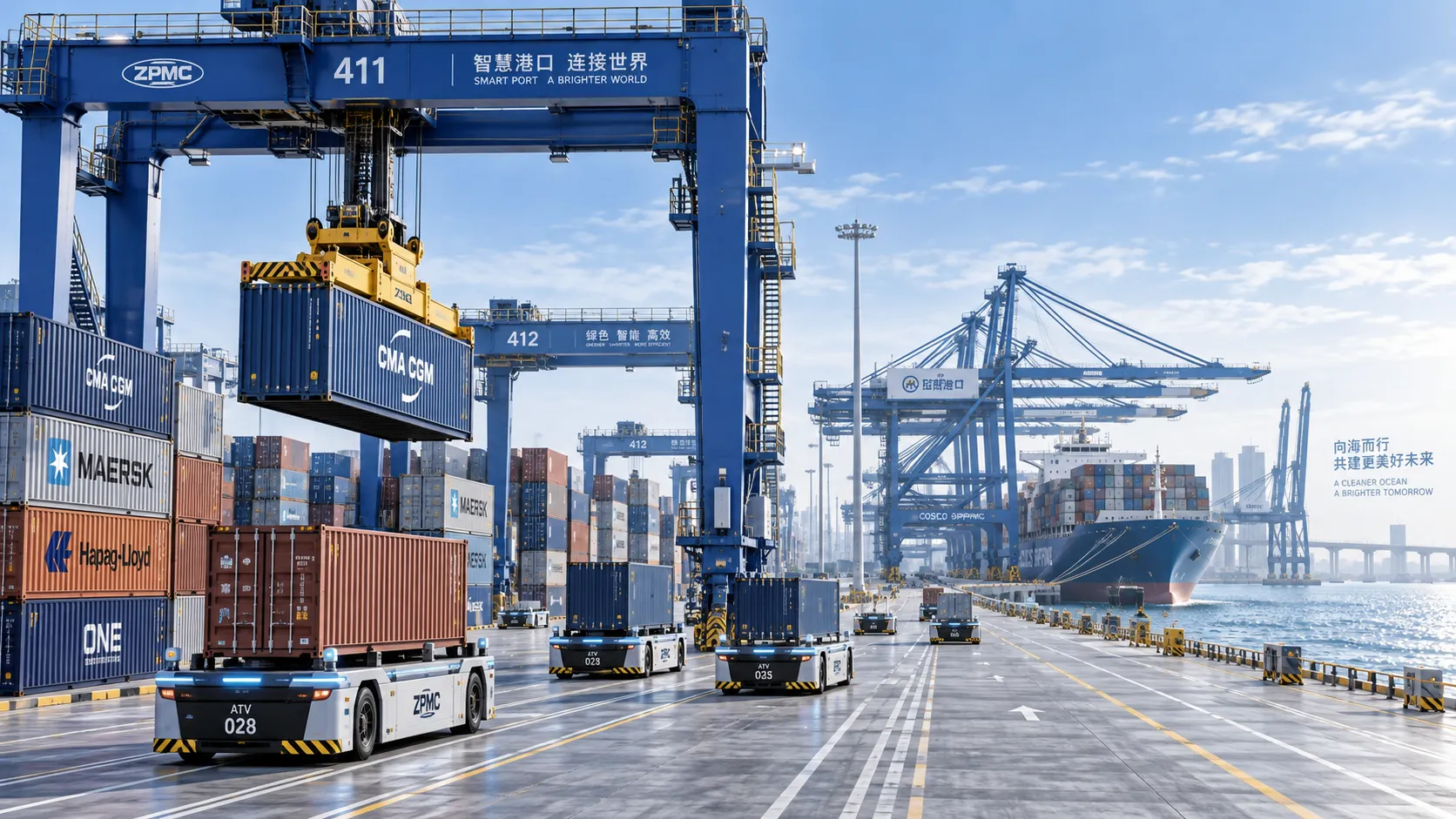
Terminal Automation Technologies That Raise Container Throughput Without Yard Disruption
Terminal automation technology that increases container throughput without disrupting yard flow. Explore smarter integration, resilient workflows, and phased deployment strategies.
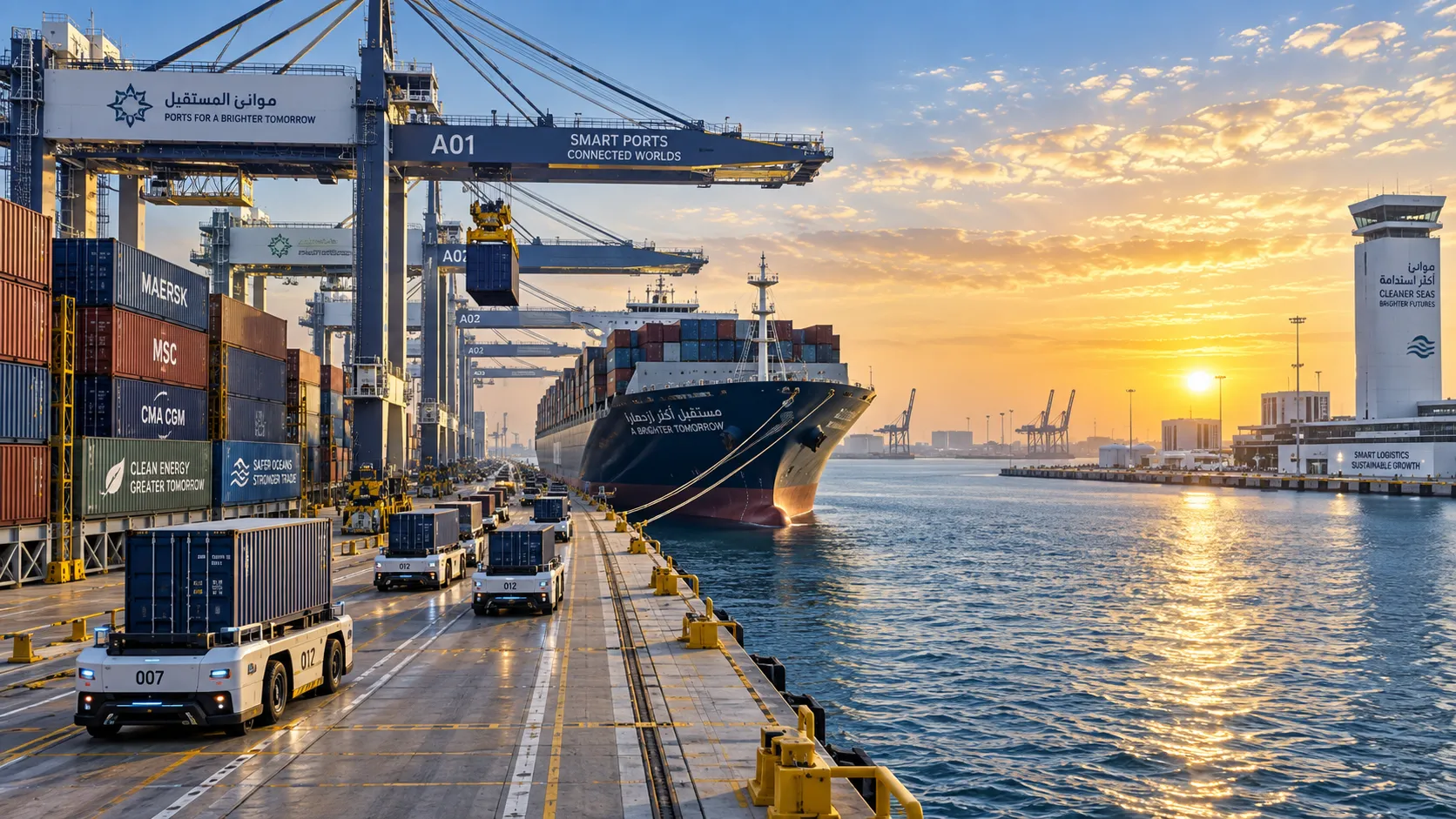
Middle East Port Automation: Key Market Drivers, Projects, and Investment Risks
Port automation systems Middle East: explore market drivers, flagship projects, integration challenges, and investment risks shaping smarter, resilient terminals.
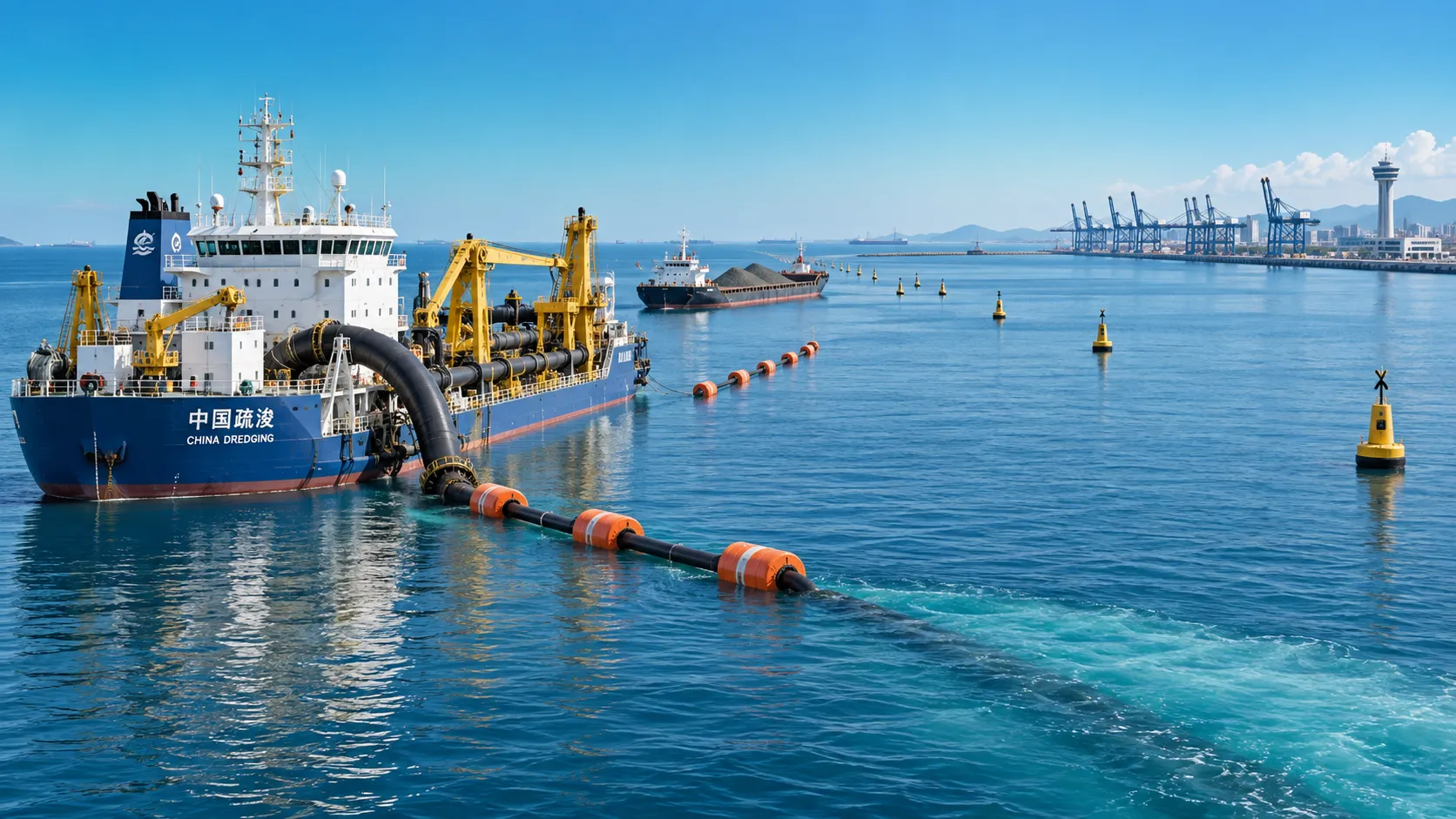
Planning Offshore Dredging Operations: Key Risks, Methods, and Project Controls
Offshore dredging operations demand smart planning. Explore key risks, proven methods, environmental controls, and project strategies for reliable delivery.