Related News
- 00
0000-00
How to Specify a Quay Crane for Container Terminals by Vessel Size and Throughput? - 00
0000-00
Which Bulk Handling Equipment Suits High-Moisture Cargo? - 00
0000-00
Terminal Automation Technologies That Raise Container Throughput Without Yard Disruption - 00
0000-00
Planning Offshore Dredging Operations: Key Risks, Methods, and Project Controls - 00
0000-00
Where Do Automated Guided Vehicles Deliver the Fastest Warehouse Gains in the Middle East?
Port Infrastructure Development: What to Evaluate Before Expanding Berths and Yard Capacity
Port infrastructure development often looks like a straightforward capacity project. In practice, it is a balance of marine engineering, cargo economics, yard logic, and long-cycle capital discipline.
Expanding berths and yard capacity can lift throughput and improve resilience. Yet the value only appears when water depth, equipment fit, land productivity, automation readiness, and demand visibility move in the same direction.
That is why current discussions around port infrastructure development are no longer limited to civil works. They increasingly connect dredging engineering, terminal gear, control systems, and trade pattern intelligence into one investment picture.
Why expansion decisions now carry more weight
Ports face a more complex operating environment than they did a decade ago. Vessel sizes are less forgiving, service networks shift faster, and cargo owners expect reliability as much as raw speed.
A berth extension that once solved congestion may now create a new bottleneck inland. A larger yard may add slots, but still underperform if crane cycles, gate flows, and stack planning remain unchanged.
From a business perspective, port infrastructure development matters because mistakes scale. Overbuilding traps capital in underused assets, while underbuilding limits vessel calls, service flexibility, and regional competitiveness.
This is also where intelligence-led evaluation becomes more valuable. Platforms such as PS-Nexus frame expansion through linked signals, including heavy terminal gear trends, automation control maturity, dredging requirements, and broader coastal economics.
What berth and yard expansion really involves
Berth expansion is not only about adding quay length. It may involve dredging deeper channels, strengthening quay structures, redesigning fenders, upgrading power supply, and matching cranes to future vessel classes.
Yard expansion is equally multidimensional. More land can increase storage, but true yard capacity depends on stacking strategy, handling equipment mix, traffic flow, reefer density, and system coordination.
In other words, port infrastructure development should be viewed as a networked capacity decision. Marine access, berth productivity, transfer efficiency, and yard dwell time all influence the final return.
The first screen: demand quality, not just volume
Forecasts remain the starting point, but headline cargo growth is not enough. The better question is whether projected demand is durable, profitable, and operationally compatible with the intended expansion.
Container growth linked to one temporary routing shift is very different from diversified demand supported by manufacturing, inland logistics, and stable carrier commitments.
The same applies to bulk trades. Commodity cycles can justify short-term pressure, yet long asset lives require confidence in sustained tonnage, turnaround expectations, and berth occupancy patterns.
A useful review should test several issues:
- How much demand comes from structural regional growth rather than temporary diversion.
- Whether cargo mix is becoming more complex, automated, or time-sensitive.
- How vessel calls, dwell time, and peak season patterns affect real capacity usage.
- Whether commercial agreements support the scale and timing of expansion.
Marine access and dredging can decide the whole case
Many berth projects fail commercially because navigational constraints were underestimated. If channel depth, turning basin geometry, or sedimentation patterns are misread, larger berths may not attract larger ships.
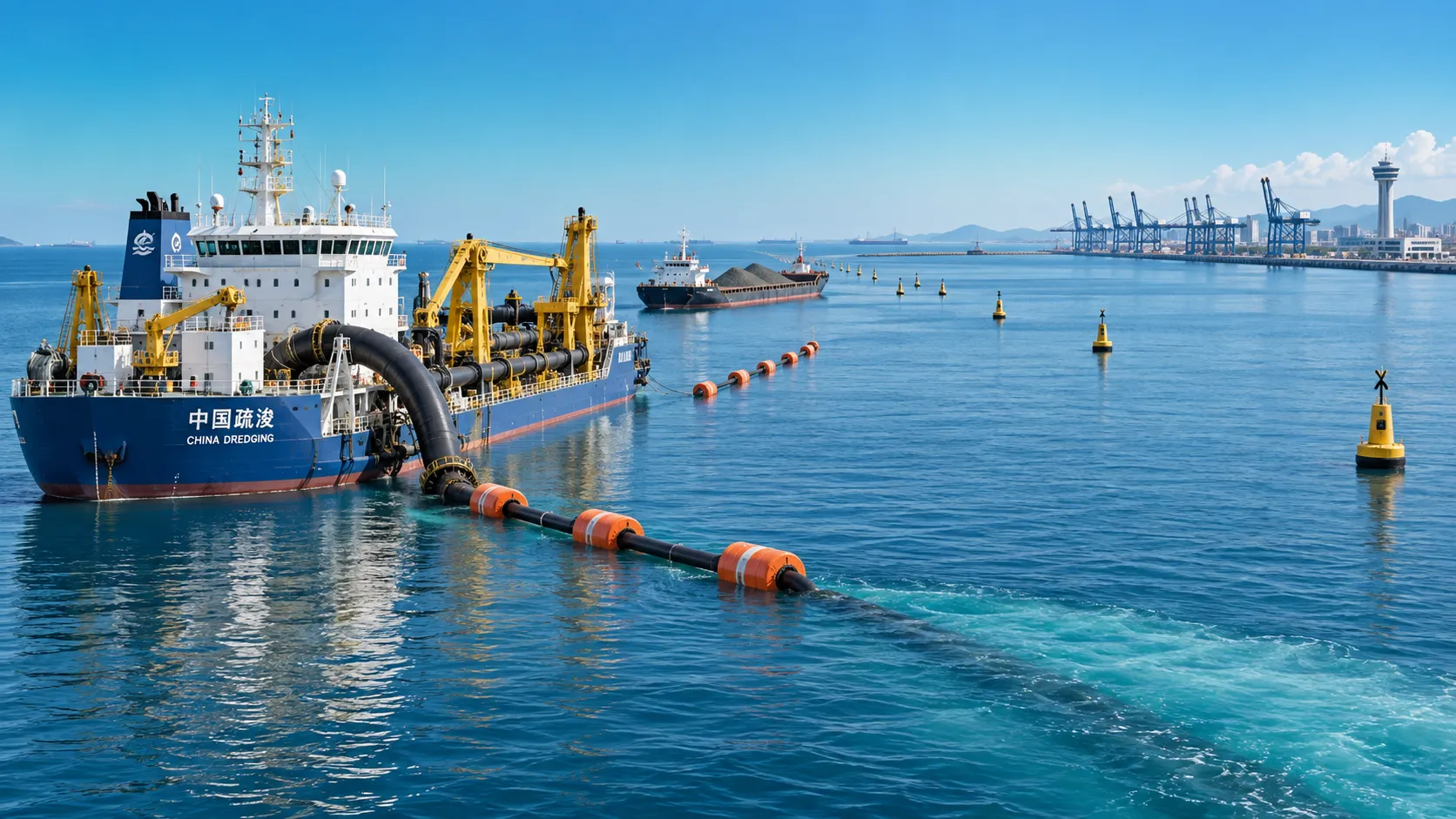
This makes dredging more than a preliminary engineering issue. It becomes a core value driver in port infrastructure development, especially where tidal windows, siltation rates, and disposal rules shape operating cost.
Marine geotechnic conditions matter as well. Soil behavior influences quay design, reclamation stability, maintenance profiles, and future upgrade flexibility.
Where PS-Nexus adds perspective is in linking dredging engineering equipment, fairway reshaping, and throughput economics rather than treating them as separate conversations.
Key marine-side checks
Equipment fit is as important as civil capacity
A larger terminal footprint does not guarantee better performance. Berth and yard expansion only work when cranes, transfer vehicles, stack systems, and maintenance support are aligned with target throughput.
For container terminals, the interplay between quay cranes, yard cranes, AGVs or terminal tractors, and control software can define the actual limit. One weak interface can flatten the benefit of every other upgrade.
For bulk facilities, ship unloaders, conveyors, stacker-reclaimers, and storage design need the same discipline. Berth productivity should match inland evacuation and stockyard dynamics.
This is a recurring theme in port infrastructure development. Mechanical power, mobility efficiency, and scheduling logic must be assessed together, not by separate procurement lines.
Yard capacity should be measured in productive moves
Nominal yard area can be misleading. What matters is how many productive moves the yard can sustain without pushing rehandles, congestion, and truck waiting into costly territory.
Several factors shape this outcome. Stack height, block layout, equipment travel distance, hazardous segregation, and reefer positioning all affect usable yard performance.
Land use efficiency also depends on operating model. A yard designed for manual dispatch may struggle under larger call sizes, while an automated layout may require stronger data quality and more disciplined exception handling.
When reviewing port infrastructure development, it helps to compare not only hectares added, but also expected moves per hectare, dwell sensitivity, and recovery speed after peak disruption.
Questions that expose real yard performance
- Will larger blocks reduce travel efficiency or improve it.
- How much capacity disappears when dwell time rises by two or three days.
- Can the yard absorb mixed cargo types without excessive rehandling.
- Does the gate, rail, or barge interface support the revised yard design.
Automation readiness should be assessed early
Automation is no longer a separate future layer for many terminals. It increasingly shapes the civil layout, power architecture, traffic logic, safety zoning, and communications design from the start.
This does not mean every project needs a fully unmanned terminal. It does mean port infrastructure development should test whether the expansion will remain compatible with remote control, automated dispatch, and digital asset monitoring.
PS-Nexus tracks this intersection closely, especially where low-latency crane communications, AGV path-planning, and control system architecture influence long-term asset value.
A terminal that ignores automation readiness may save capital today and pay for redesign tomorrow. A terminal that automates without process discipline may install expensive friction instead of efficiency.
The business case must include resilience and emissions
Traditional appraisals emphasize throughput, utilization, and payback. Those remain essential, but the stronger business case now also includes service resilience, energy profile, and compliance exposure.
Shore power readiness, electrified handling systems, and efficient traffic flows can improve the economics of port infrastructure development when fuel volatility and emissions rules tighten.
Resilience matters too. A terminal that recovers quickly from weather delays, labor shortages, or schedule bunching often protects revenue better than one built only for average-day output.
This broader lens fits the market direction toward net-zero operations and smarter port control, especially in trade corridors where reliability increasingly influences carrier and cargo choices.
A practical way to structure the decision
The most effective reviews usually combine engineering facts with operating scenarios. Instead of asking whether expansion is good in general, test whether a specific configuration performs under realistic conditions.
A disciplined decision path can include:
- Validate cargo demand by trade lane, call size, and service commitment.
- Model berth productivity with actual draft, crane, and weather constraints.
- Test yard performance under peak dwell and mixed cargo scenarios.
- Check automation compatibility before finalizing civil and electrical design.
- Price maintenance dredging, energy demand, and lifecycle retrofits realistically.
If the numbers still work after those tests, port infrastructure development is likely grounded in genuine operating value rather than optimistic capacity arithmetic.
Where to look next
Before committing to larger berths or a wider yard, it is worth building one integrated review sheet. It should connect market demand, dredging needs, equipment logic, automation options, and emissions impact.
That approach makes discussions more comparable across engineering, finance, and operations. It also reveals whether the project should expand immediately, phase investment, or prioritize process upgrades first.
For organizations following maritime logistics and coastal economics closely, the next step is usually not a bigger drawing. It is a sharper decision framework supported by reliable port intelligence, realistic scenarios, and measurable operating assumptions.
Related News
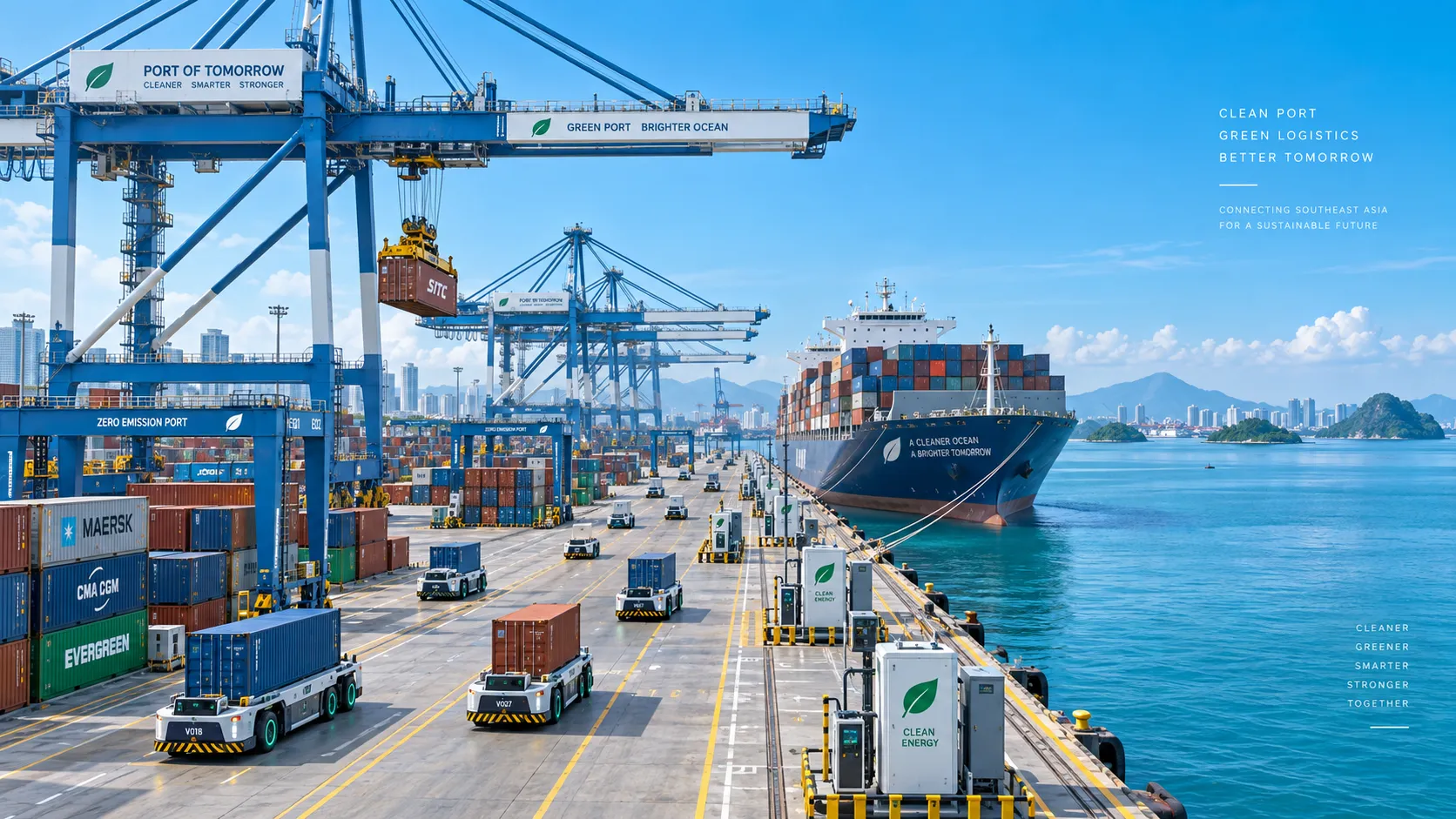
Smart Port Systems in Southeast Asia: Investment Priorities and Adoption Barriers
Smart port systems Southeast Asia: discover investment priorities, adoption barriers, and practical steps to build resilient, connected, high-performing terminals.

How to Evaluate Terminal Efficiency Solution Suppliers for High-Throughput Operations
Choose a terminal efficiency solutions supplier with confidence. Explore proven criteria for throughput, integration, lifecycle cost, safety, and reliable delivery.
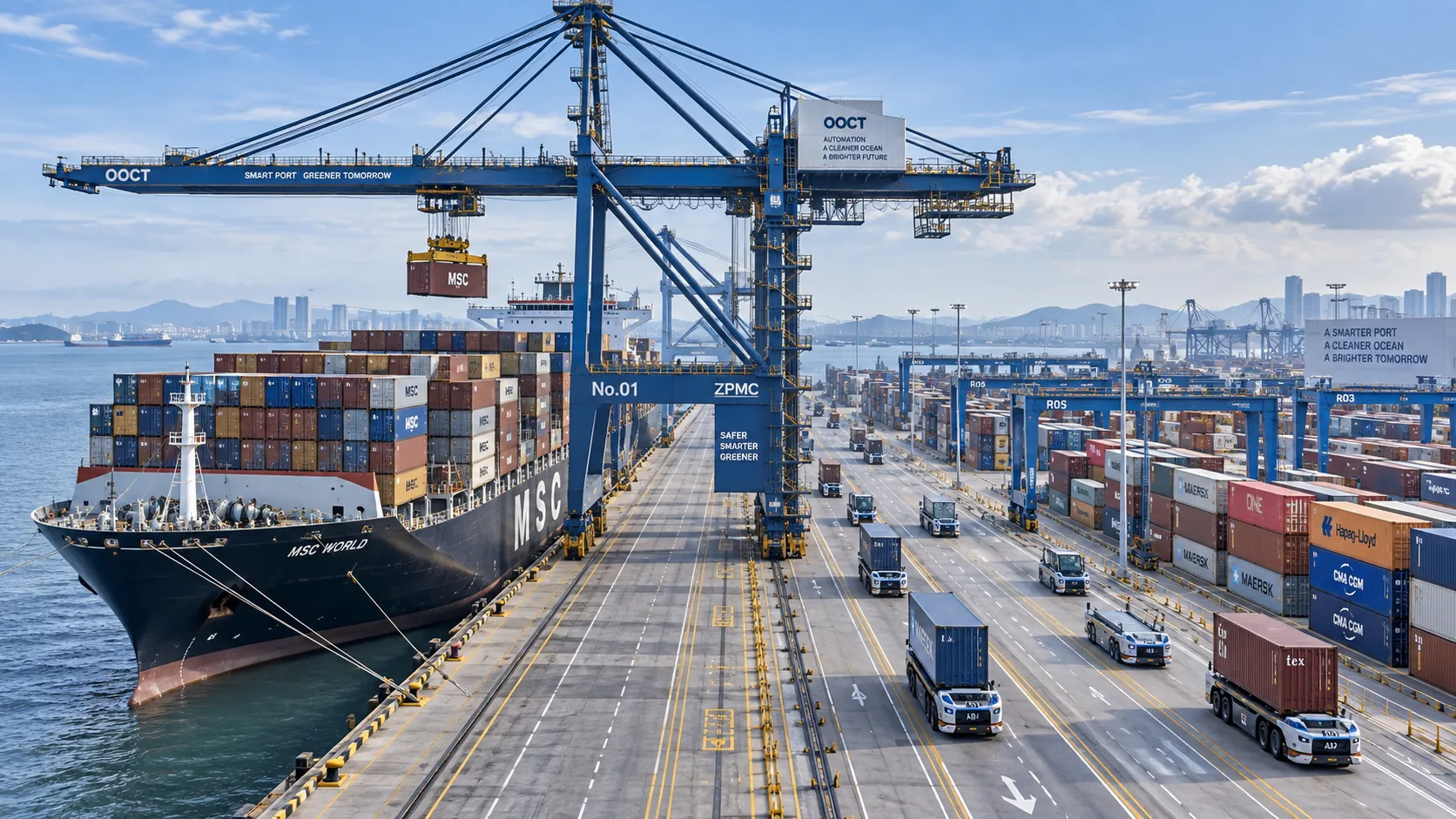
How to Specify a Quay Crane for Container Terminals by Vessel Size and Throughput?
Quay crane for container terminals: learn how to match outreach, lift height, capacity, automation, and cycle performance to vessel size and throughput goals.
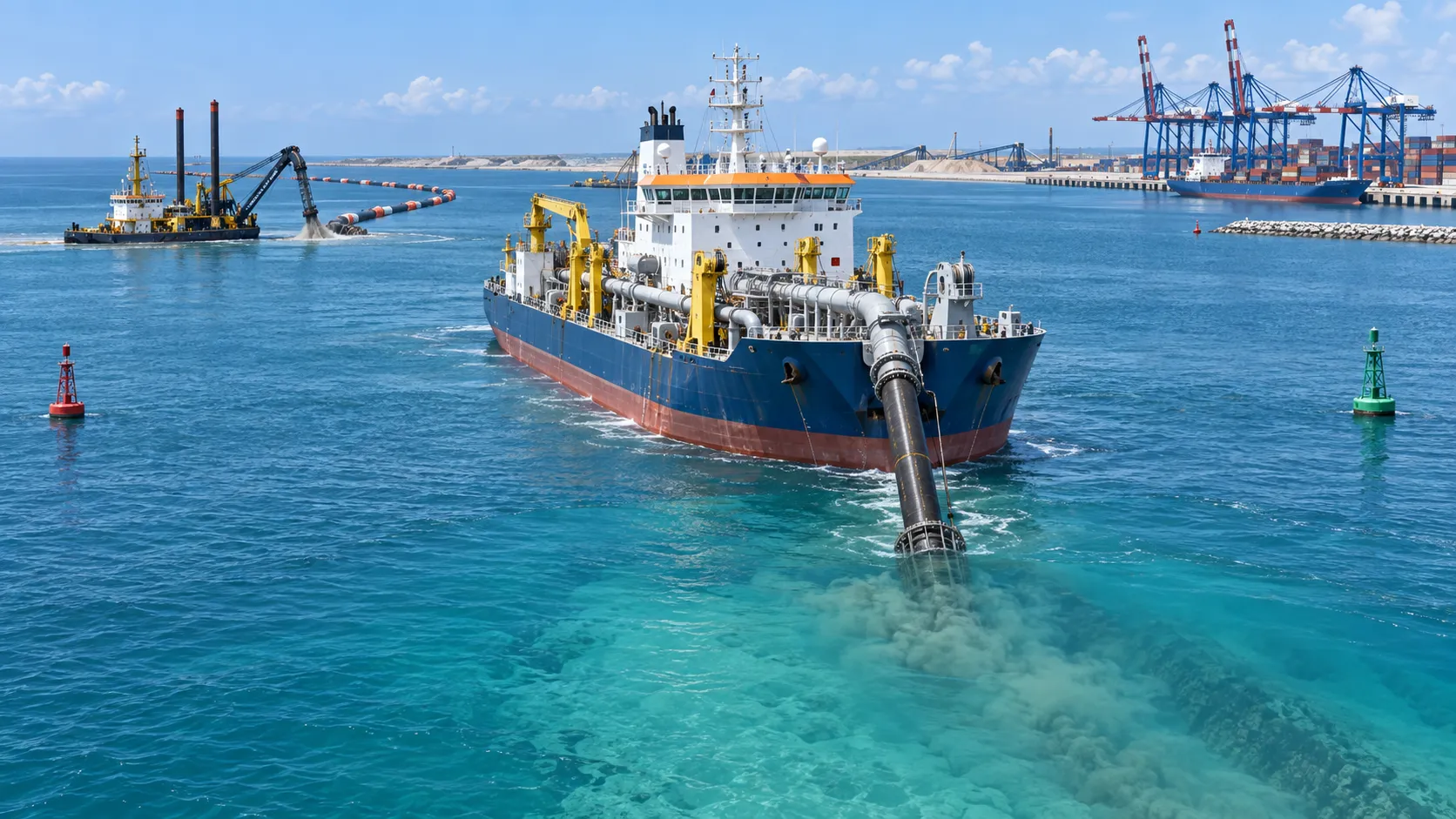
What Dredging Equipment Is Needed for Channel Deepening?
What dredging equipment is needed for channel deepening? Explore dredgers, pipelines, survey tools, and planning strategies for safer, more efficient port access.
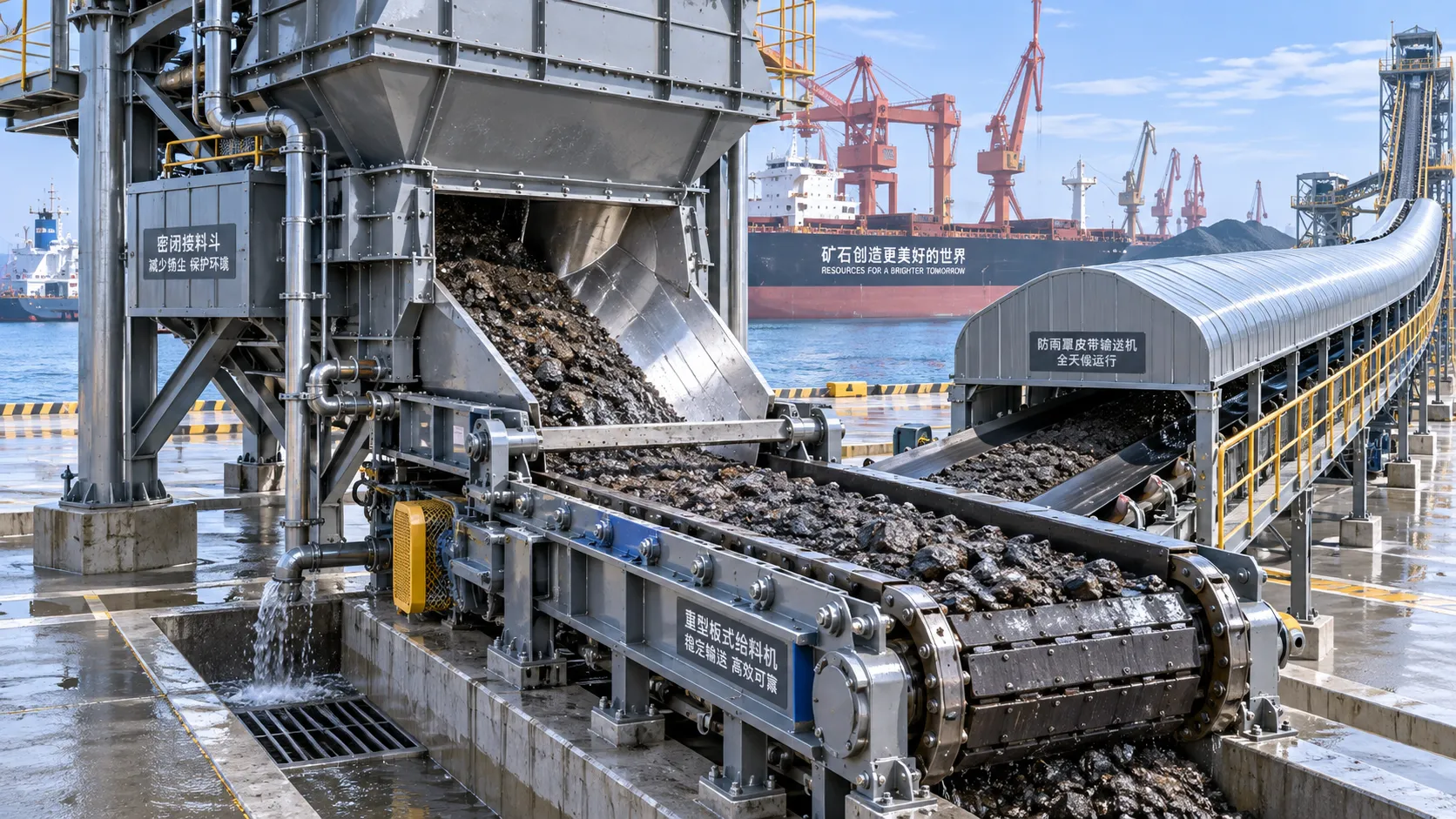
Which Bulk Handling Equipment Suits High-Moisture Cargo?
Which bulk handling equipment suits high-moisture cargo? Compare belt, apron, screw, drag, and slurry systems for reliable flow, less carryback, and higher terminal uptime.
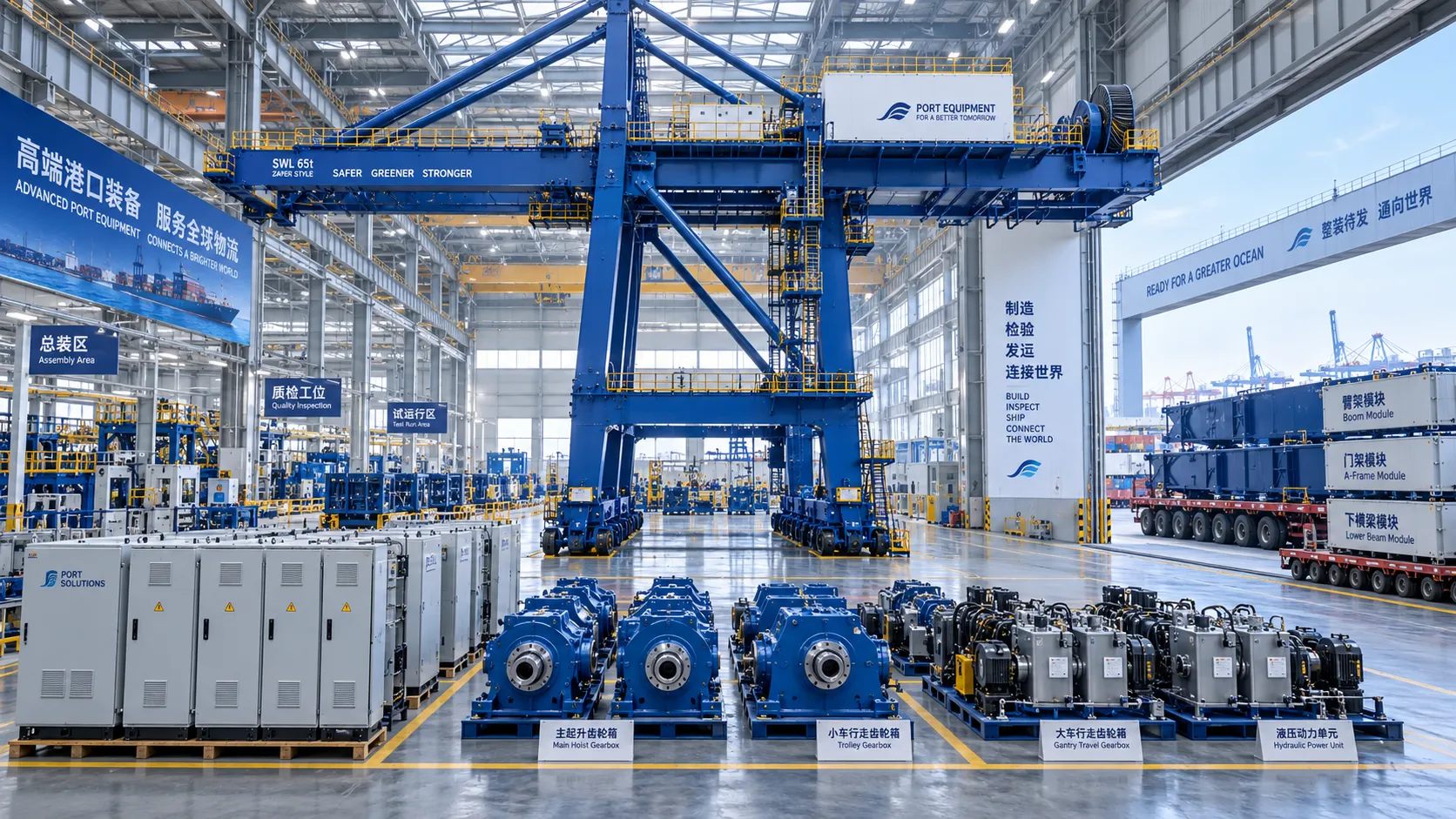
How Can Port Equipment Lead-Time Risk Be Managed?
How can port equipment lead-time risk be managed? Explore practical strategies to control critical paths, suppliers, transport, site readiness, and commissioning delays.
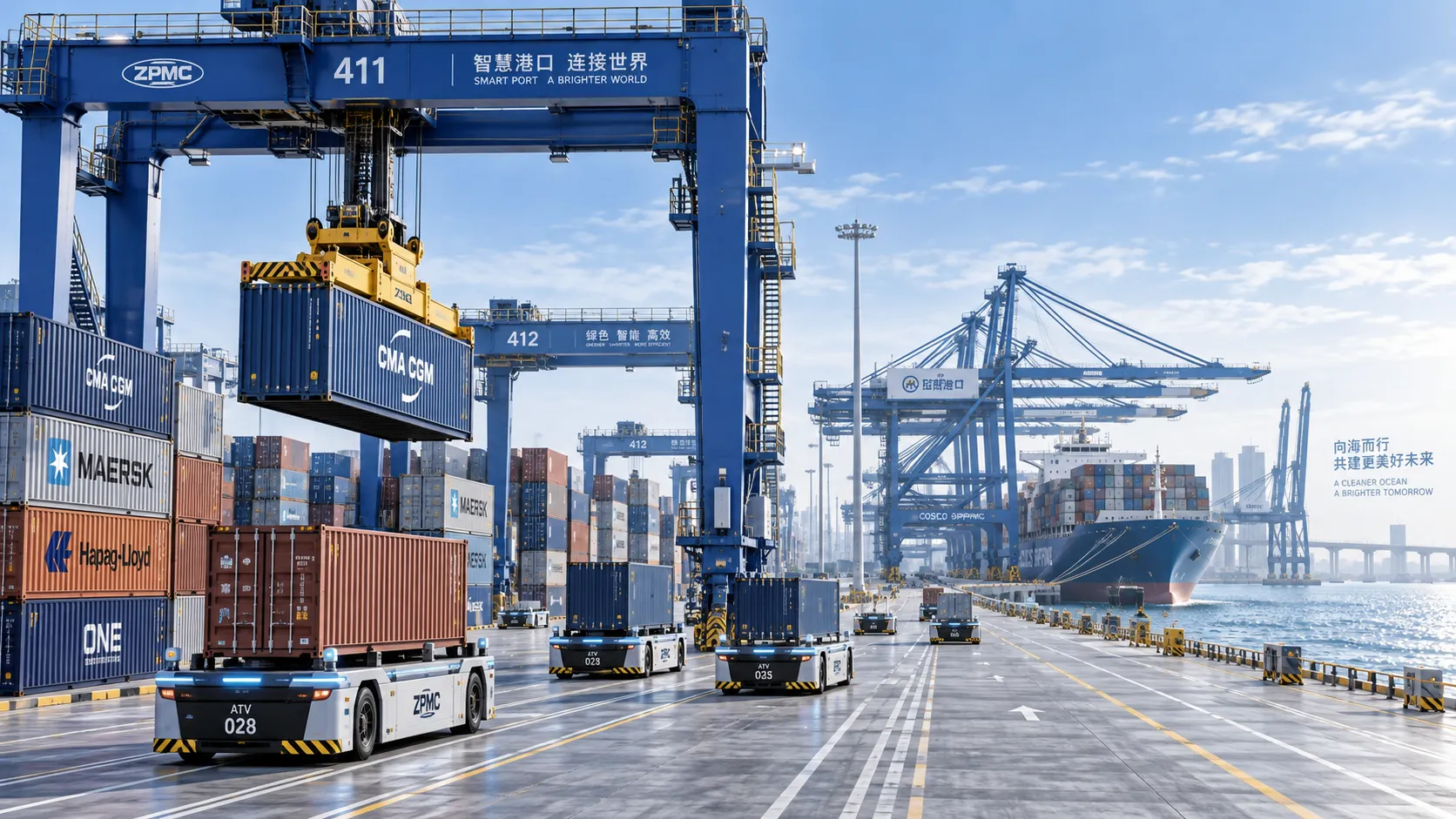
Terminal Automation Technologies That Raise Container Throughput Without Yard Disruption
Terminal automation technology that increases container throughput without disrupting yard flow. Explore smarter integration, resilient workflows, and phased deployment strategies.
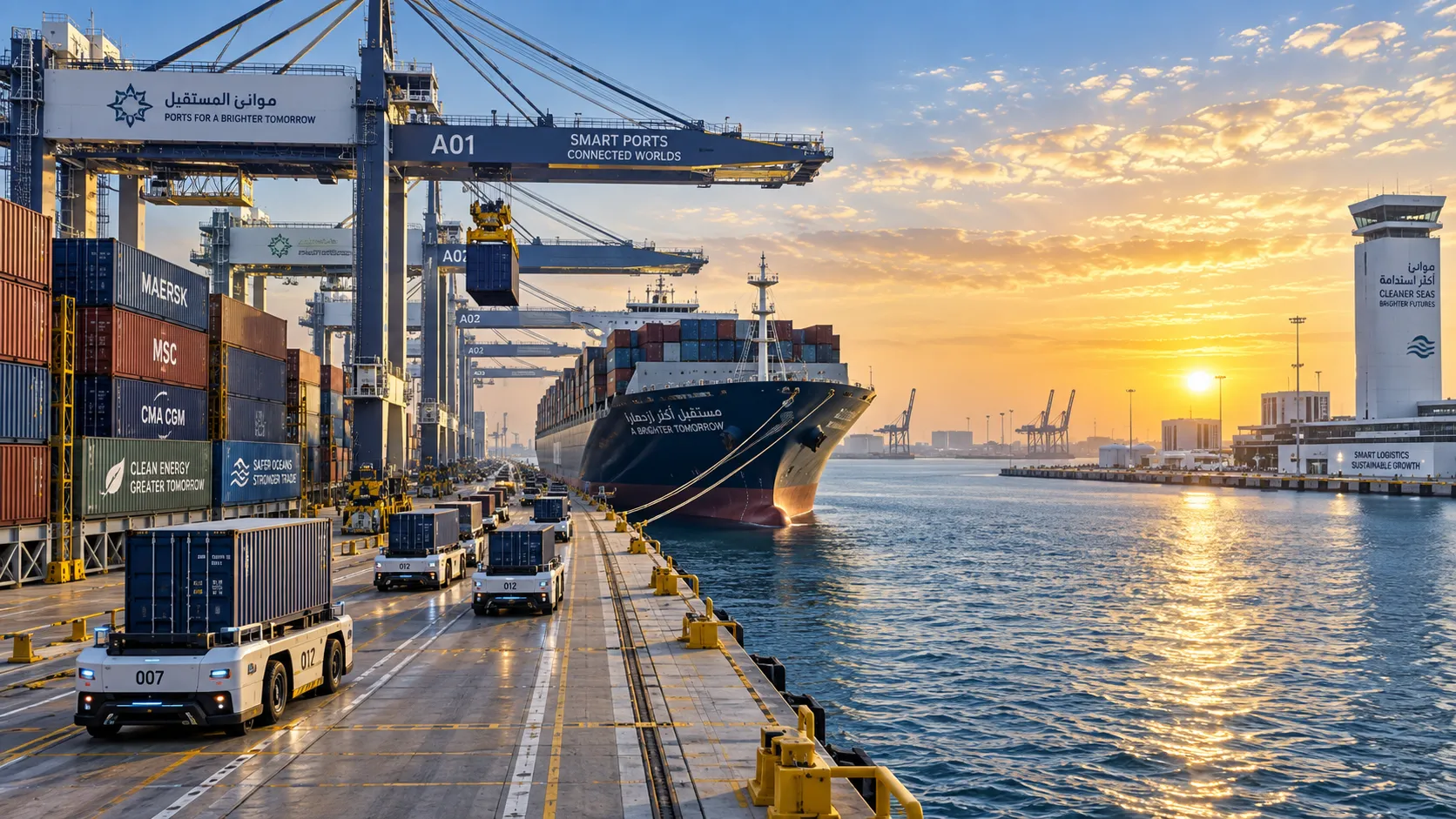
Middle East Port Automation: Key Market Drivers, Projects, and Investment Risks
Port automation systems Middle East: explore market drivers, flagship projects, integration challenges, and investment risks shaping smarter, resilient terminals.
Planning Offshore Dredging Operations: Key Risks, Methods, and Project Controls
Offshore dredging operations demand smart planning. Explore key risks, proven methods, environmental controls, and project strategies for reliable delivery.