Related News
- 00
0000-00
How to Specify a Quay Crane for Container Terminals by Vessel Size and Throughput? - 00
0000-00
Which Bulk Handling Equipment Suits High-Moisture Cargo? - 00
0000-00
Terminal Automation Technologies That Raise Container Throughput Without Yard Disruption - 00
0000-00
Planning Offshore Dredging Operations: Key Risks, Methods, and Project Controls - 00
0000-00
Where Do Automated Guided Vehicles Deliver the Fastest Warehouse Gains in the Middle East?
Terminal Equipment Selection Guide: How to Compare Cranes, AGVs, and Yard Systems
Selecting terminal equipment is no longer a matter of matching nameplate capacity to annual volume. In modern container logistics, cranes, AGVs, and yard systems operate as one coordinated production chain, where a strong machine can still underperform if traffic logic, stack design, or control integration falls short.
That is why terminal equipment comparison now sits at the center of port planning, retrofit strategy, and automation investment. The real question is not which unit looks strongest on paper, but which equipment mix sustains throughput, absorbs disruption, uses space well, and remains economical over a long operating cycle.
For platforms such as PS-Nexus, this topic matters because heavy terminal gear, scheduling software, and marine infrastructure are increasingly evaluated together. Quay productivity, yard mobility, remote control architecture, and even energy targets now shape the same technical decision.
What terminal equipment comparison really involves
In practice, terminal equipment includes more than isolated machines. It covers the mechanical layer, the transport layer, the storage layer, and the digital control layer that connects them.
Cranes determine how fast boxes move between vessel, truck, rail, and yard. AGVs or similar horizontal transport units determine how reliably those moves continue. Yard systems decide where containers wait, how often they are reshuffled, and how much land is consumed per unit of throughput.
A useful evaluation starts with flow logic. If vessel discharge peaks faster than transport vehicles can absorb, quay cranes idle. If AGVs arrive efficiently but stack blocks are congested, the bottleneck shifts inland. Terminal equipment must therefore be judged as a linked system.
The core layers of a terminal system
Why the issue is receiving more attention
Terminal operators face denser vessel exchanges, tighter berth windows, labor variability, and stronger pressure to cut emissions. Those factors make terminal equipment selection more strategic than a standard replacement decision.
Automation also changes the comparison method. A conventional crane may still be productive, yet an automated crane paired with low-latency control and stable exception handling can produce better consistency across shifts and weather conditions.
PS-Nexus tracks these shifts across maritime logistics and coastal economics because equipment decisions increasingly influence regional trade competitiveness. A terminal that moves cargo predictably attracts carrier confidence, while one with mismatched systems often loses value through hidden friction rather than headline failures.
Net-zero goals add another layer. Electrified AGVs, regenerative crane systems, and smarter yard orchestration can reduce energy use, but only when charging patterns, duty cycles, and peak demand are modeled early.
How to compare cranes, AGVs, and yard systems in a practical way
A sound terminal equipment review works from operating scenario to technical fit, not the other way around. Throughput targets matter, but so do vessel profile, yard geometry, stack dwell time, truck peaks, labor model, and digital maturity.
Cranes: focus on cycle quality, not only lifting power
When comparing quay or yard cranes, rated speed alone says little about real output. More useful indicators include cycle stability, trolley path efficiency, anti-sway performance, operator visibility, and recovery time after interruptions.
Remote-control readiness is now a major differentiator. Communication latency, camera coverage, sensor reliability, and exception management can determine whether automation improves flow or simply adds another fragile layer.
AGVs: measure fleet behavior under congestion
AGVs should be assessed as a fleet, not as individual vehicles. The important questions involve routing flexibility, intersection control, battery strategy, charging downtime, and system behavior when one vehicle fails or lanes are blocked.
Path-planning quality often separates efficient systems from expensive ones. A larger fleet with poor dispatch logic may deliver less value than a smaller fleet with better traffic orchestration.
Yard systems: land efficiency must be balanced with accessibility
High-density yard systems look attractive where land is constrained, but density alone is not productivity. Rehandle frequency, truck handoff speed, reefer access, empty container strategy, and rail interface all influence true performance.
An automated stacking crane layout may maximize storage, yet a mixed terminal with uneven call patterns might perform better with a more flexible block design. The best terminal equipment choice depends on flow predictability.
The metrics that deserve closer attention
Technical evaluation improves when broad claims are converted into measurable criteria. A comparison matrix should include machine performance, software behavior, maintainability, and business resilience.
- Throughput under peak and average conditions, not only nominal design capacity.
- Equipment utilization across normal shifts, weather variation, and maintenance periods.
- Rehandle rate and queue formation across quay, transfer lanes, and yard blocks.
- Energy use per move, including idle consumption and charging or regeneration losses.
- Control system latency, dispatch accuracy, and failure recovery procedures.
- Lifecycle cost, spare parts access, software support, and upgrade path.
This wider lens helps prevent a common mistake: choosing terminal equipment with the best isolated specification but the weakest operational fit.
Typical selection scenarios and what changes between them
Not every terminal needs the same architecture. The comparison logic changes with cargo mix, land availability, automation ambition, and expansion timing.
These differences explain why a successful reference site should be used carefully. The same terminal equipment package can produce very different outcomes in another yard layout or traffic pattern.
Where evaluation teams often misread the risk
The largest risks usually appear between systems rather than inside them. Interface gaps, software assumptions, and exception cases create more delay than headline machine failures.
One frequent issue is underestimating operational variance. A terminal may handle average flows comfortably, then lose efficiency during twin lifts, late vessel arrivals, or truck surges because the terminal equipment was modeled around ideal conditions.
Another issue is treating automation as a yes-or-no feature. In reality, useful automation depends on sensor confidence, communications reliability, cyber resilience, and maintainable control logic. PS-Nexus regularly highlights this systems view because hardware alone rarely explains long-term performance.
A workable path for the next decision cycle
A productive next step is to map current bottlenecks before reviewing suppliers. Identify where time is lost today: quay waiting, transfer imbalance, yard reshuffles, charging delays, or weak software coordination.
Then compare terminal equipment against a short list of operating scenarios rather than a single forecast. Include peak vessel calls, partial outages, maintenance windows, and expansion phases.
It is also worth building a common scorecard for cranes, AGVs, and yard systems that combines throughput, energy, maintainability, control integration, and lifecycle cost. That makes trade-offs visible early.
The strongest terminal equipment choice is usually the one that fits the operating logic of the terminal, not the one with the most impressive standalone specification. With clearer system-level criteria, the comparison becomes more practical, more defensible, and far more useful for long-horizon port performance.
Related News
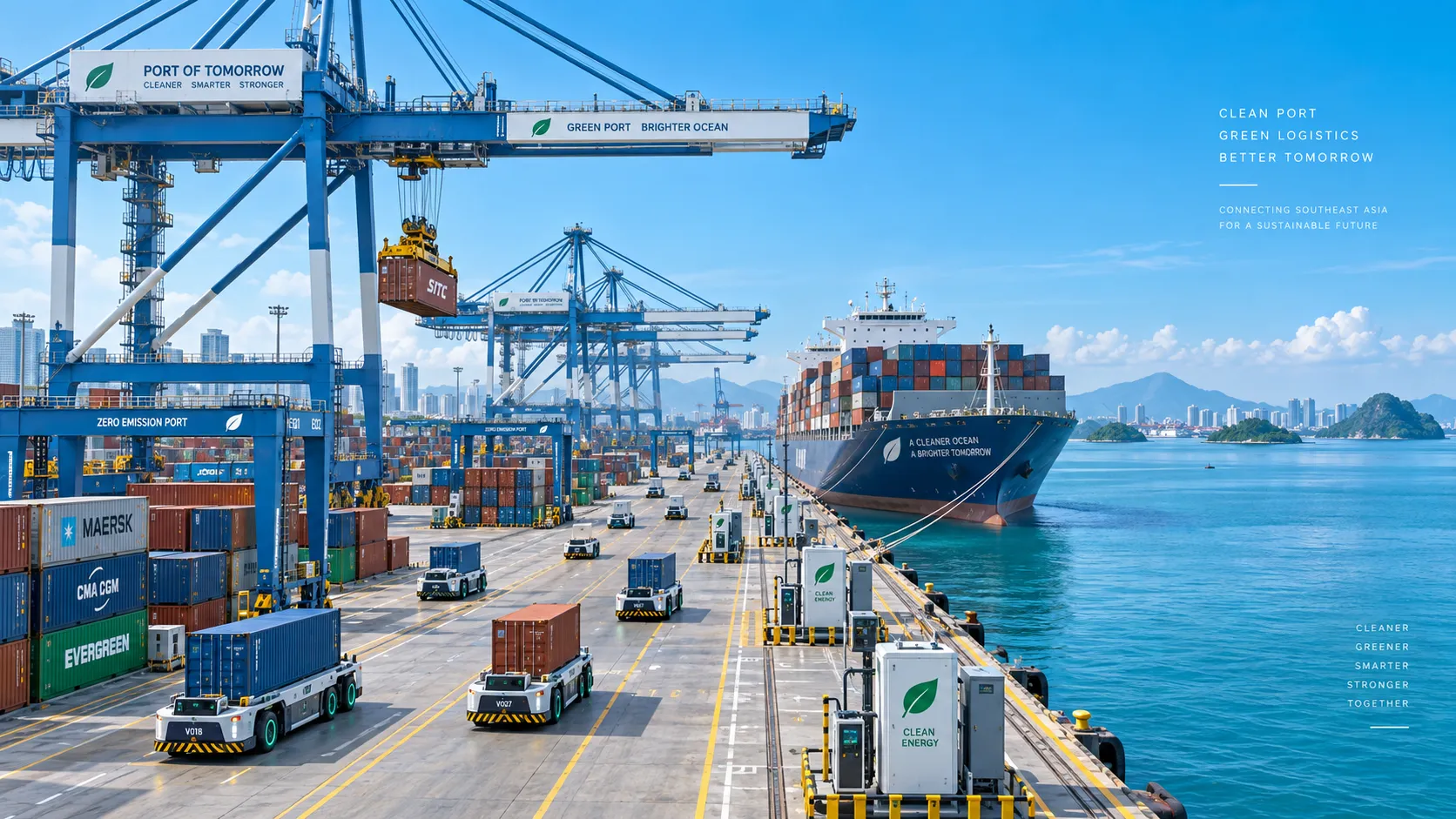
Smart Port Systems in Southeast Asia: Investment Priorities and Adoption Barriers
Smart port systems Southeast Asia: discover investment priorities, adoption barriers, and practical steps to build resilient, connected, high-performing terminals.

How to Evaluate Terminal Efficiency Solution Suppliers for High-Throughput Operations
Choose a terminal efficiency solutions supplier with confidence. Explore proven criteria for throughput, integration, lifecycle cost, safety, and reliable delivery.
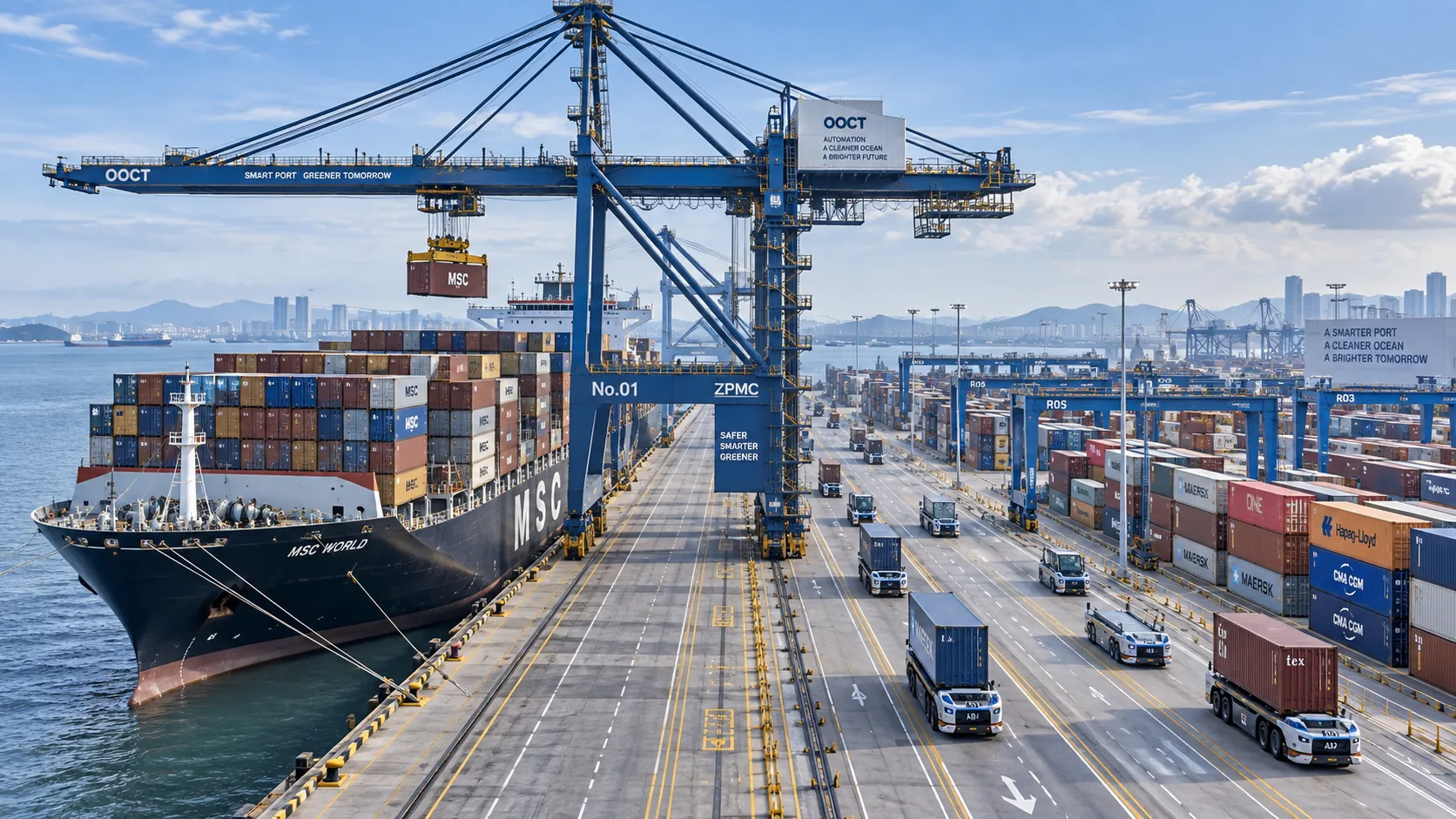
How to Specify a Quay Crane for Container Terminals by Vessel Size and Throughput?
Quay crane for container terminals: learn how to match outreach, lift height, capacity, automation, and cycle performance to vessel size and throughput goals.
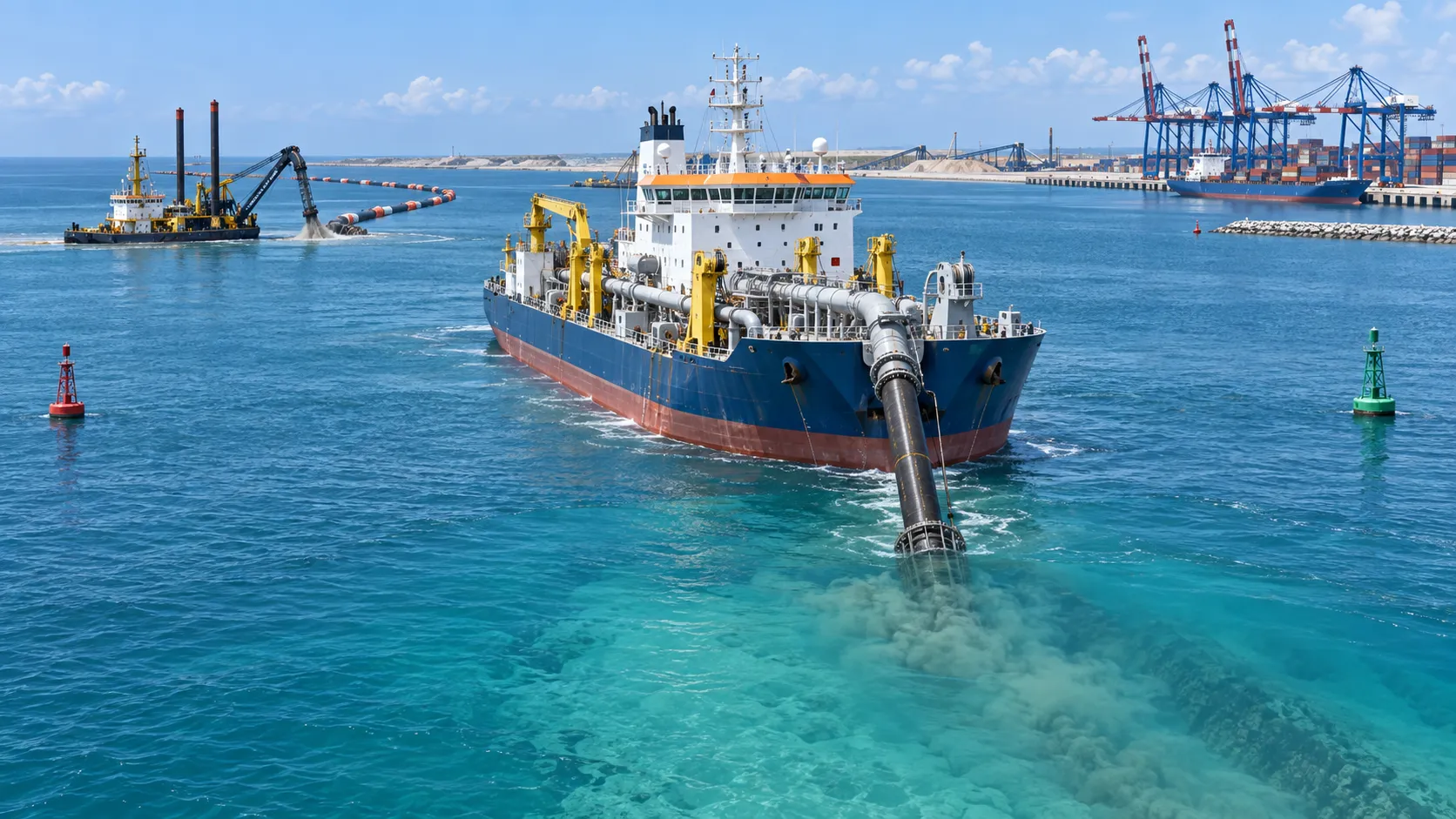
What Dredging Equipment Is Needed for Channel Deepening?
What dredging equipment is needed for channel deepening? Explore dredgers, pipelines, survey tools, and planning strategies for safer, more efficient port access.
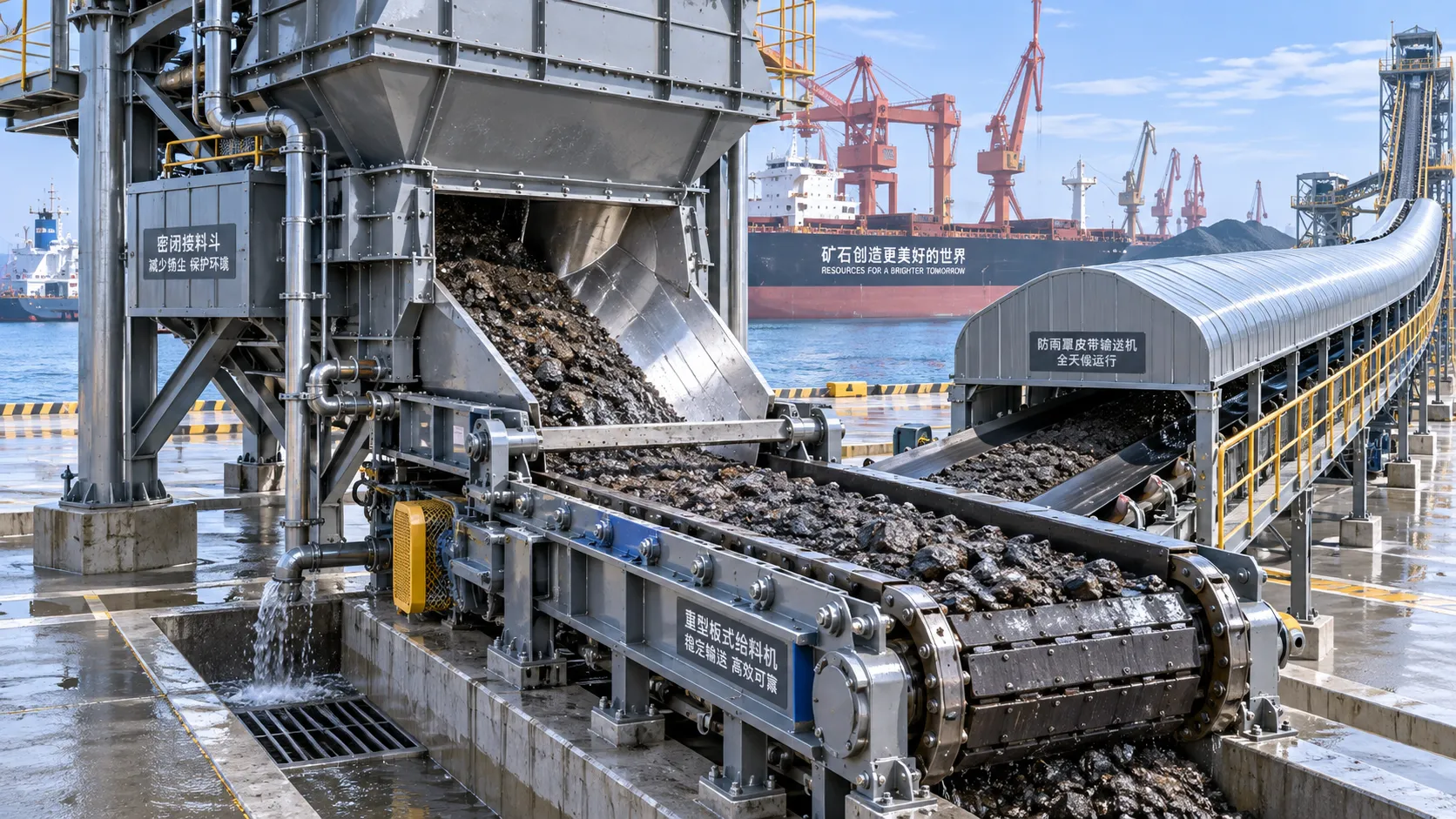
Which Bulk Handling Equipment Suits High-Moisture Cargo?
Which bulk handling equipment suits high-moisture cargo? Compare belt, apron, screw, drag, and slurry systems for reliable flow, less carryback, and higher terminal uptime.
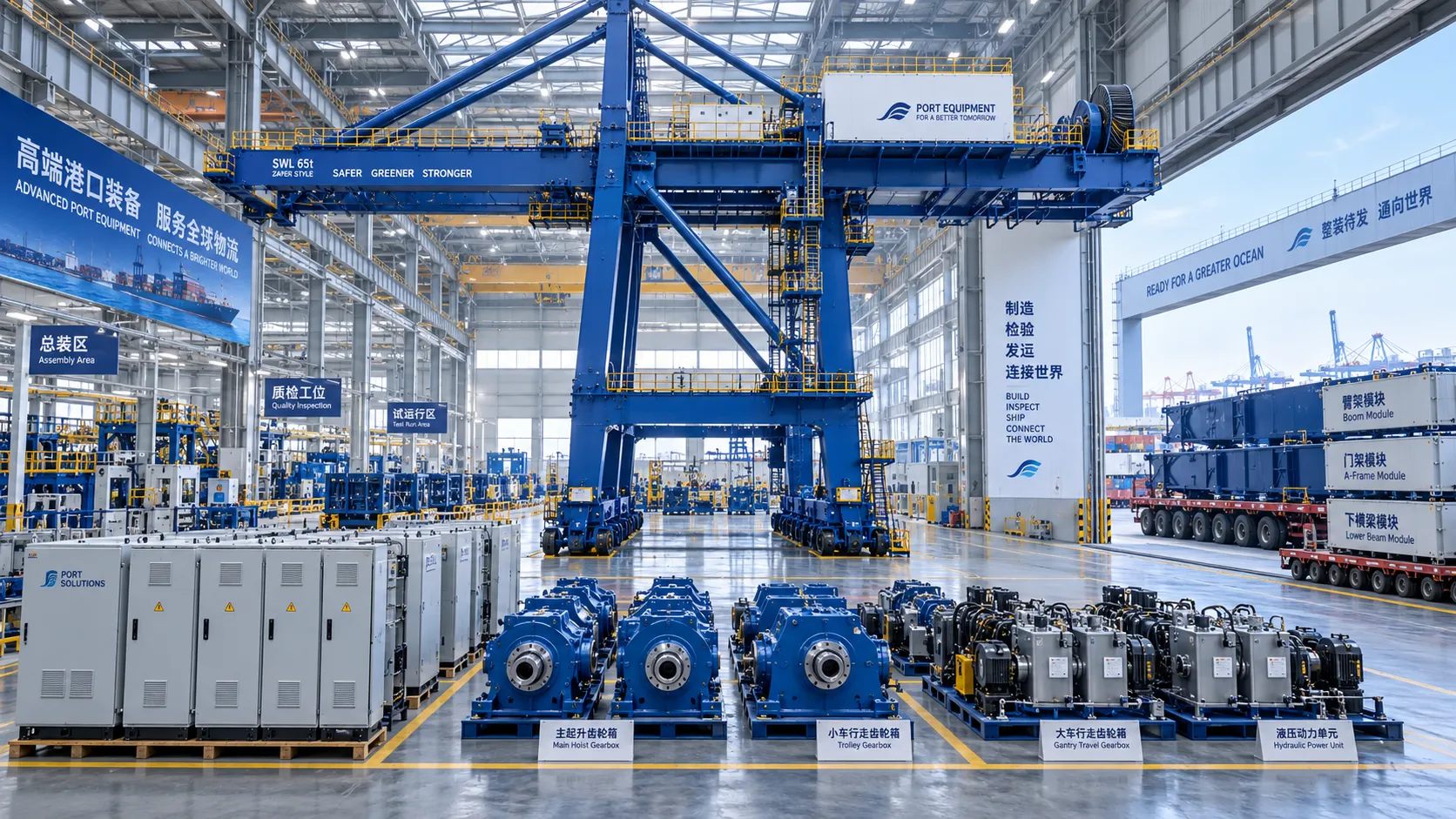
How Can Port Equipment Lead-Time Risk Be Managed?
How can port equipment lead-time risk be managed? Explore practical strategies to control critical paths, suppliers, transport, site readiness, and commissioning delays.
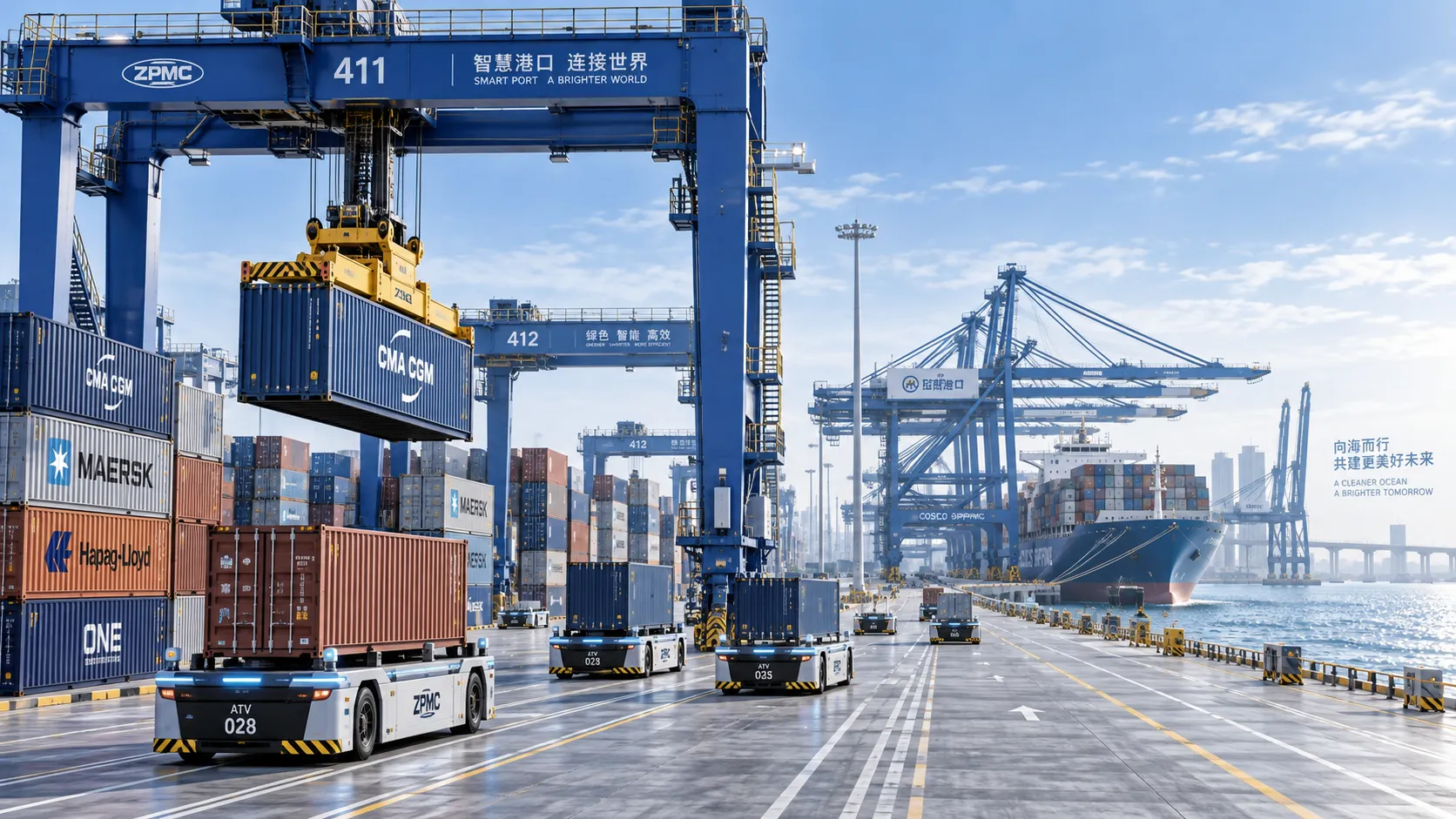
Terminal Automation Technologies That Raise Container Throughput Without Yard Disruption
Terminal automation technology that increases container throughput without disrupting yard flow. Explore smarter integration, resilient workflows, and phased deployment strategies.
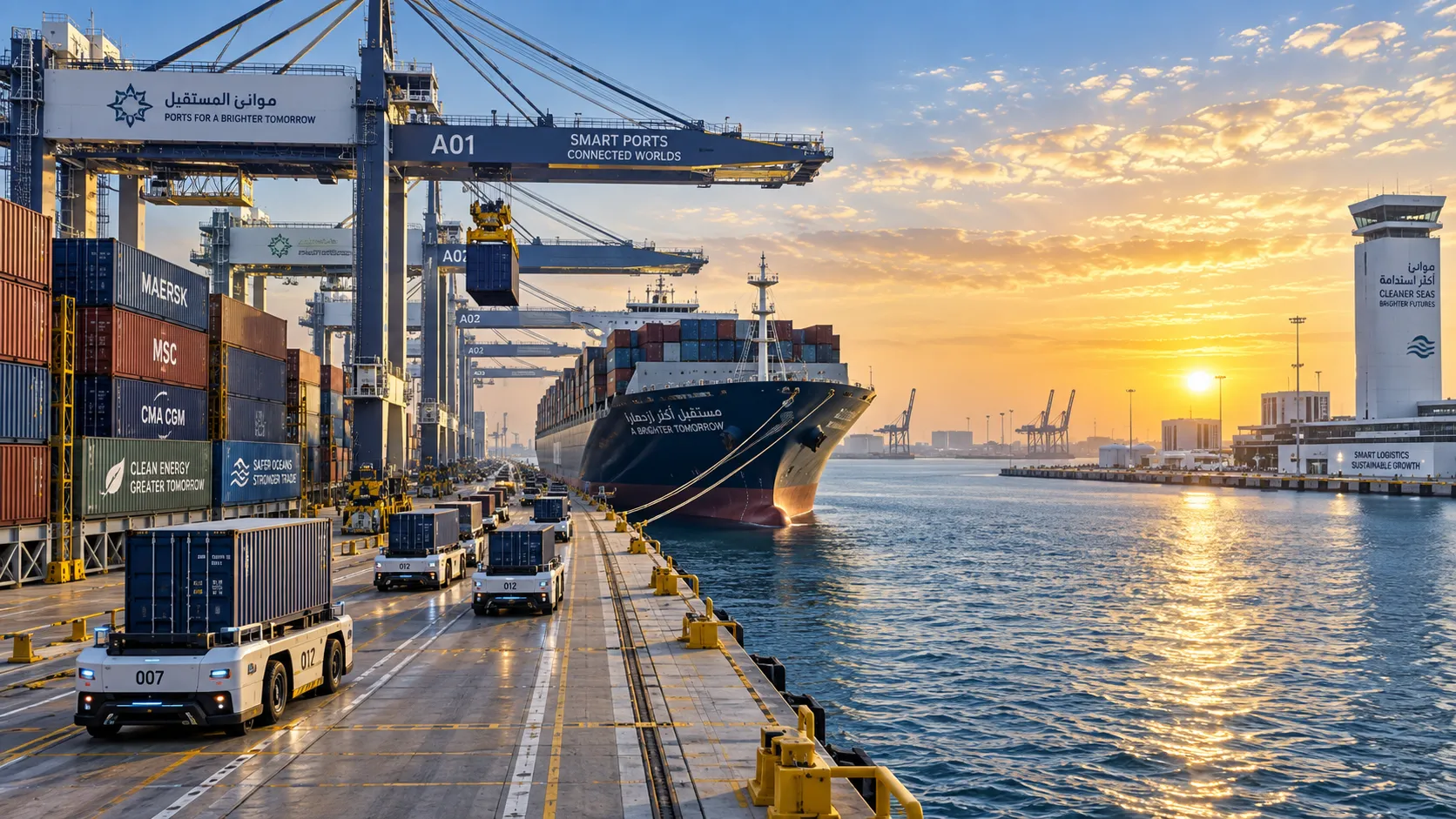
Middle East Port Automation: Key Market Drivers, Projects, and Investment Risks
Port automation systems Middle East: explore market drivers, flagship projects, integration challenges, and investment risks shaping smarter, resilient terminals.
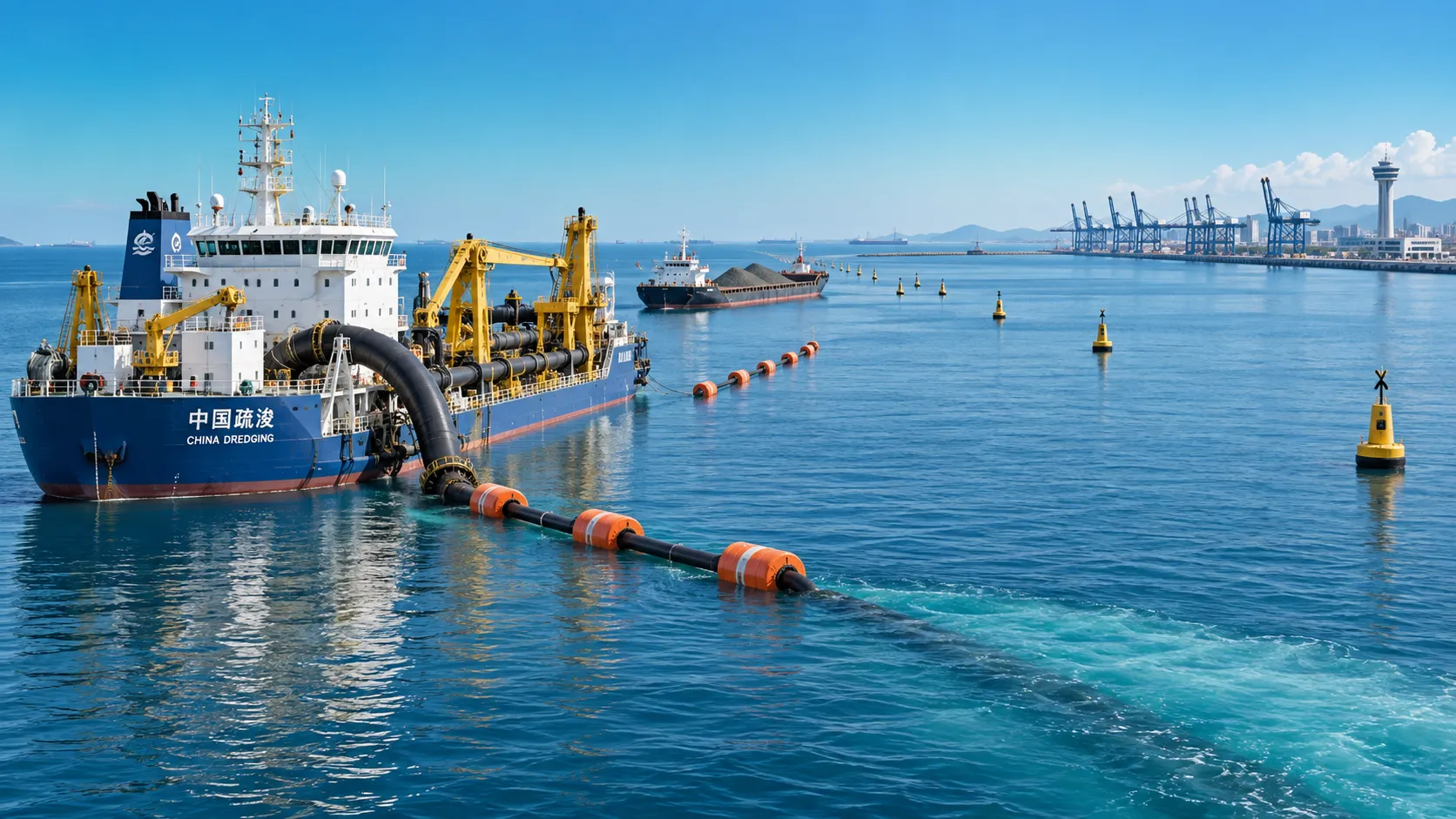
Planning Offshore Dredging Operations: Key Risks, Methods, and Project Controls
Offshore dredging operations demand smart planning. Explore key risks, proven methods, environmental controls, and project strategies for reliable delivery.