Related News
- 00
0000-00
How to Specify a Quay Crane for Container Terminals by Vessel Size and Throughput? - 00
0000-00
Which Bulk Handling Equipment Suits High-Moisture Cargo? - 00
0000-00
Terminal Automation Technologies That Raise Container Throughput Without Yard Disruption - 00
0000-00
Planning Offshore Dredging Operations: Key Risks, Methods, and Project Controls - 00
0000-00
Where Do Automated Guided Vehicles Deliver the Fastest Warehouse Gains in the Middle East?
What Is Port Automation? Key Systems, Use Cases, and ROI Drivers Explained
Why is port automation getting so much attention now?
Port automation has moved from a niche engineering topic to a core trade question.
The reason is simple.
Ports face larger vessels, tighter turnaround targets, labor pressure, energy limits, and rising expectations for data visibility.
In that environment, port automation is not only about unmanned cranes.
It is about making terminal equipment, yard flows, and control decisions work as one coordinated system.
That is why intelligence platforms such as PS-Nexus watch automation alongside heavy terminal gear, container handling, and dredging engineering.
Throughput at the quay, mobility in the yard, and channel readiness offshore are closely linked in real operations.
A terminal can buy advanced machines, but without control logic, communication reliability, and scheduling discipline, capacity gains often stay on paper.
That makes port automation worth understanding as both a technology stack and a business decision.
So, what is port automation in practical terms?
A practical definition is this.
Port automation is the use of software, sensors, networks, and machine control to execute terminal tasks with less manual intervention.
Those tasks include vessel planning, crane sequencing, yard allocation, truck routing, gate processing, and equipment dispatch.
In some ports, automation is partial.
For example, the yard may use automated stacking cranes while quay cranes remain remote-operated.
In other ports, the model is broader and includes AGVs, OCR gates, digital twins, and energy optimization layers.
The key point is that port automation is not one machine.
It is a coordinated operating architecture.
This is why many analysts describe automation and control systems as the terminal’s central nervous system.
They connect heavy mechanical power with algorithmic scheduling and real-time trade demand.
Which systems usually sit inside that architecture?
The exact mix varies, but most port automation programs involve several common layers.
- Terminal Operating System: manages vessel plans, yard inventory, moves, and workflows.
- Equipment Control System: translates plans into machine actions for cranes, AGVs, and stacking systems.
- Positioning and sensing: GPS, lidar, radar, cameras, OCR, and anti-collision devices.
- Industrial communications: low-latency wireless, fiber, and edge control for reliable command exchange.
- Operations analytics: dashboards, predictive maintenance, simulation, and exception monitoring.
- Energy and emissions tools: charging logic, power management, and idle-time reduction.
When these layers are synchronized, port automation improves flow consistency more than isolated equipment upgrades usually can.
Where does port automation create the most visible value?
The best use cases are not always the most futuristic ones.
Value often appears first in repetitive, congestion-prone, or safety-critical processes.
Container terminals are the clearest example because move intensity is high and sequencing matters every minute.
Yet the logic also extends to bulk yards, intermodal links, and dredging support logistics where visibility and dispatch discipline matter.
This is also where a broader intelligence view becomes useful.
PS-Nexus, for example, frames automation as part of a larger port ecosystem.
A terminal’s scheduling logic depends on equipment capability, cargo mix, and even dredging readiness when draft constraints affect vessel calls.
Is port automation only for fully unmanned mega terminals?
Not at all.
One common misunderstanding is that port automation only makes sense for greenfield mega ports with very large budgets.
In practice, many projects begin with selective automation.
That may mean automating gate recognition, digitizing dispatch, or adding remote operation to a few crane lanes.
The right starting point depends on constraints, not fashion.
Brownfield ports often prioritize interoperability because legacy fleets, layout limits, and mixed cargo flows complicate full conversion.
Greenfield projects can design around automation from day one, so layout, power, communications, and safety zones are easier to align.
A useful question is not “Can everything be automated?”
A better question is “Which process loses the most value today because decisions and movements are poorly synchronized?”
That framing usually leads to more realistic port automation roadmaps.
What signals suggest a terminal is a good candidate?
- High repeatability in moves, routes, or storage patterns.
- Frequent congestion despite adequate installed equipment capacity.
- Safety exposure in remote, heavy, or low-visibility operating zones.
- Pressure to cut emissions, fuel use, or unproductive idling.
- Growing need for planning accuracy across shipping, yard, and hinterland links.
What really drives ROI in port automation projects?
ROI in port automation is broader than labor reduction.
That point is often missed in early discussions.
The strongest returns usually come from flow reliability, asset utilization, and fewer costly disruptions.
If crane moves become more predictable, berth windows are easier to protect.
If yard transport is synchronized, expensive equipment spends less time waiting for the next handoff.
If data quality improves, planning errors and exception handling costs can fall sharply.
In practical evaluation, the main ROI drivers often include:
- Higher throughput without proportional land expansion.
- Better equipment utilization across cranes, vehicles, and stack systems.
- Lower rehandle rates and shorter container dwell time.
- Reduced incident costs and more controlled safety exposure.
- Lower energy use per container or per ton handled.
- Stronger schedule reliability, which protects service reputation.
The more difficult part is timing.
Port automation ROI may appear uneven in the first phase because integration, training, and process redesign take time.
That is why experienced reviews track ramp-up curves, not only end-state targets.
Commercial intelligence also matters here.
Trade pattern shifts, shipping alliances, and cargo concentration can change the value case faster than equipment life cycles do.
Which risks and misconceptions should be checked early?
The biggest risk is assuming technology alone will fix operational disorder.
Port automation works best when process logic is already clear, even if current execution is still manual.
If rules for handoffs, exception handling, or yard priorities are vague, automation can simply scale confusion.
Another common mistake is underestimating communications infrastructure.
Remote-controlled cranes and autonomous vehicles depend on low-latency, stable links.
A sophisticated control layer cannot compensate for unreliable field connectivity.
Need to watch integration boundaries too.
A terminal may have strong individual subsystems yet still struggle if interfaces between TOS, ECS, gate, and maintenance platforms are weak.
Before moving ahead, it helps to confirm four things:
- Whether the target process is stable enough to automate.
- Whether legacy equipment can integrate without excessive custom engineering.
- Whether operational KPIs are defined before deployment begins.
- Whether cyber resilience and fail-safe modes are treated as core design items.
How should port automation be evaluated before a decision is made?
A sound evaluation usually starts with process mapping, not vendor comparisons.
Look at where delays, rehandles, idle time, and manual overrides actually occur.
Then separate visible symptoms from root causes.
Sometimes the answer is advanced automation.
Sometimes the first gain comes from better sequencing logic, cleaner data, or more disciplined maintenance signals.
This is one reason intelligence-led analysis has value.
A platform like PS-Nexus connects equipment trends, algorithmic control, and market structure, which helps put project claims in context.
That broader view matters because port automation decisions sit inside long-cycle infrastructure economics, not short software refresh cycles.
A practical next-step checklist can keep evaluation grounded:
- Define the bottleneck in measurable terms, such as berth delay or rehandle rate.
- Match the bottleneck to the right automation layer, not just the most visible machine.
- Estimate ROI using throughput, energy, safety, and reliability together.
- Check integration readiness across communications, software, and field equipment.
- Review phased deployment options before considering full terminal conversion.
In the end, port automation is best understood as coordinated control of movement, information, and assets.
When those three elements align, terminals gain more than speed.
They gain predictability, safer operations, and a stronger basis for future trade growth.
The next useful step is to map one real workflow, test where automation changes outcomes, and judge value with operational evidence rather than headlines.
Related News
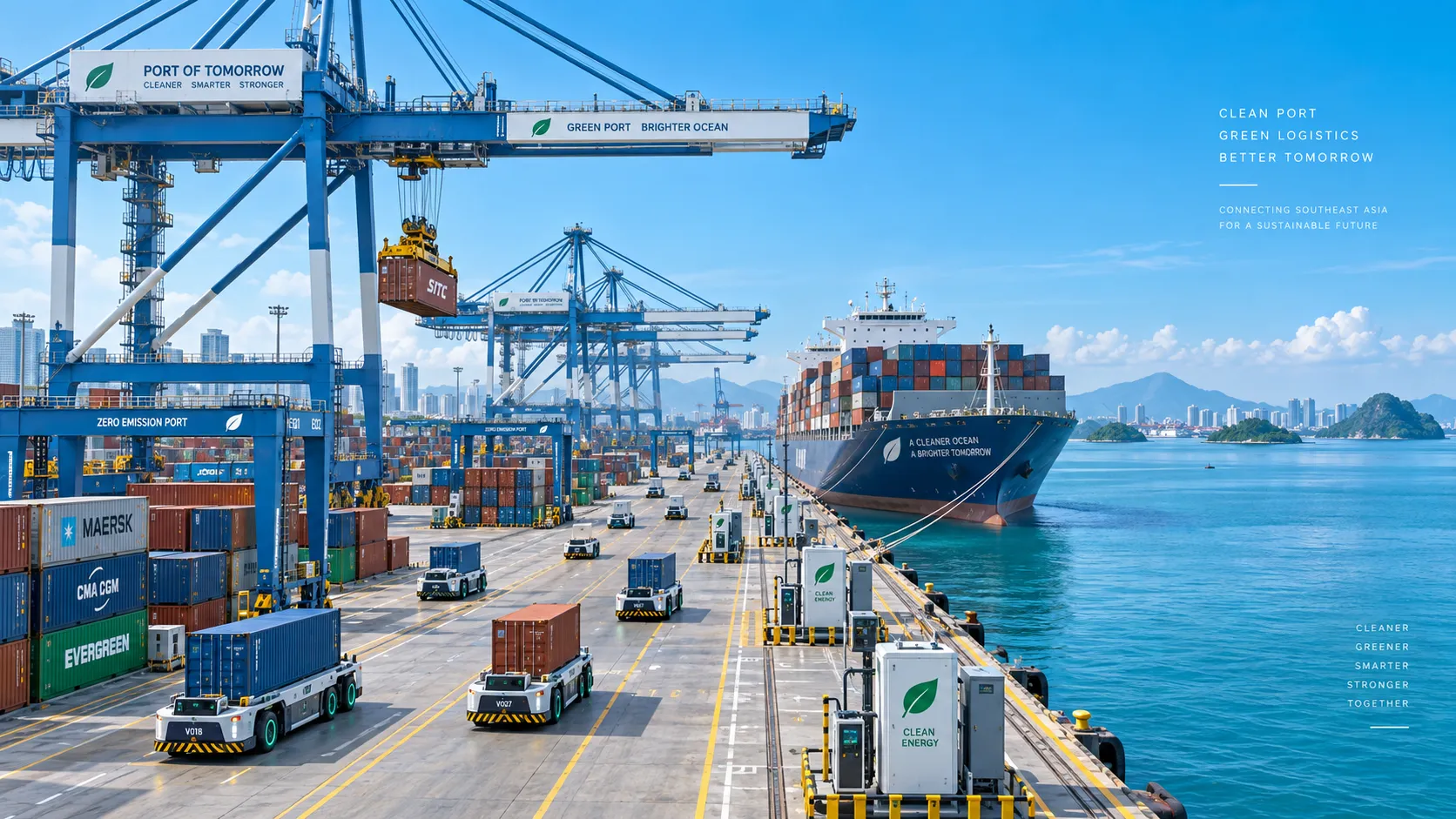
Smart Port Systems in Southeast Asia: Investment Priorities and Adoption Barriers
Smart port systems Southeast Asia: discover investment priorities, adoption barriers, and practical steps to build resilient, connected, high-performing terminals.
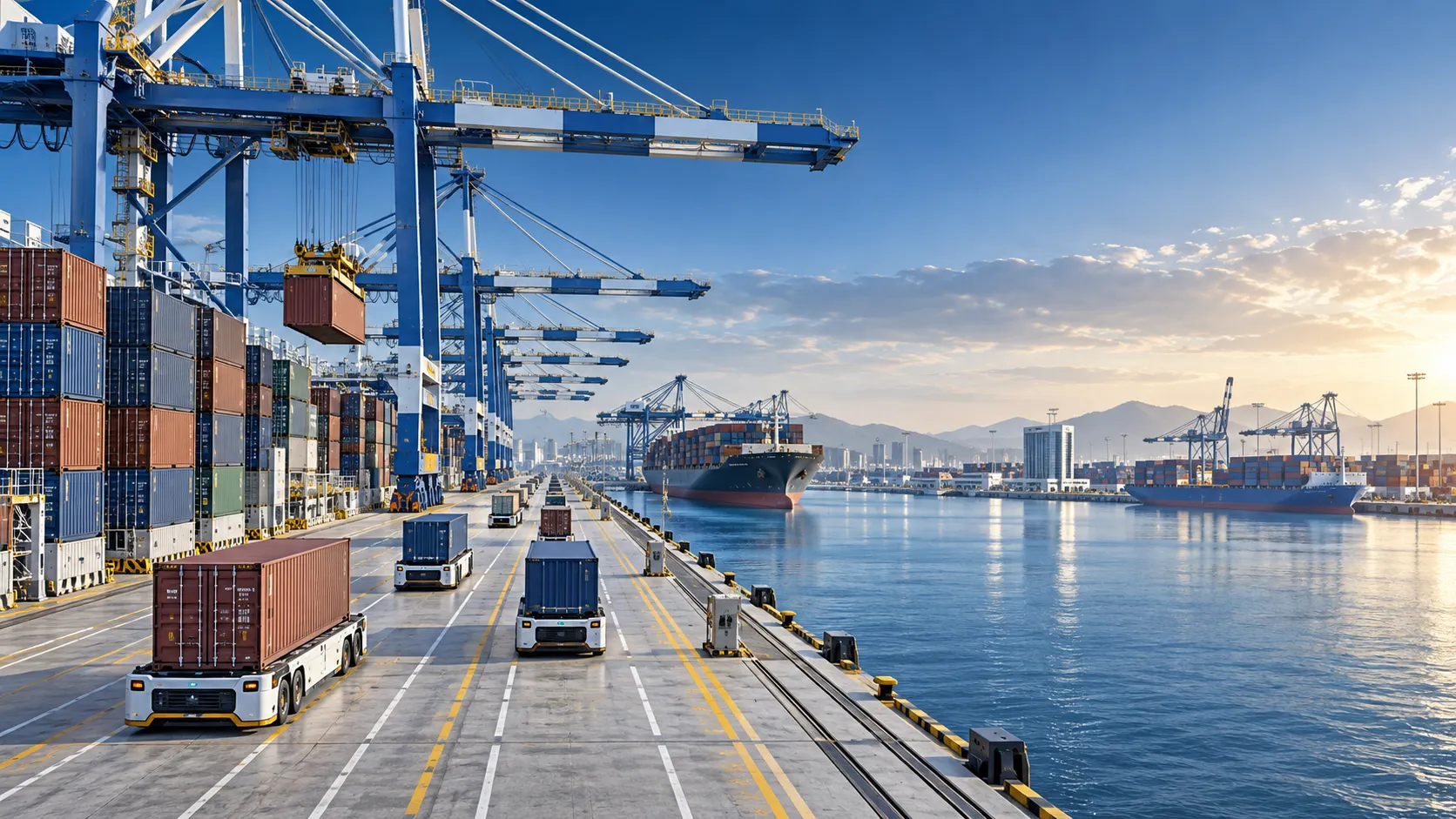
How to Evaluate Terminal Efficiency Solution Suppliers for High-Throughput Operations
Choose a terminal efficiency solutions supplier with confidence. Explore proven criteria for throughput, integration, lifecycle cost, safety, and reliable delivery.
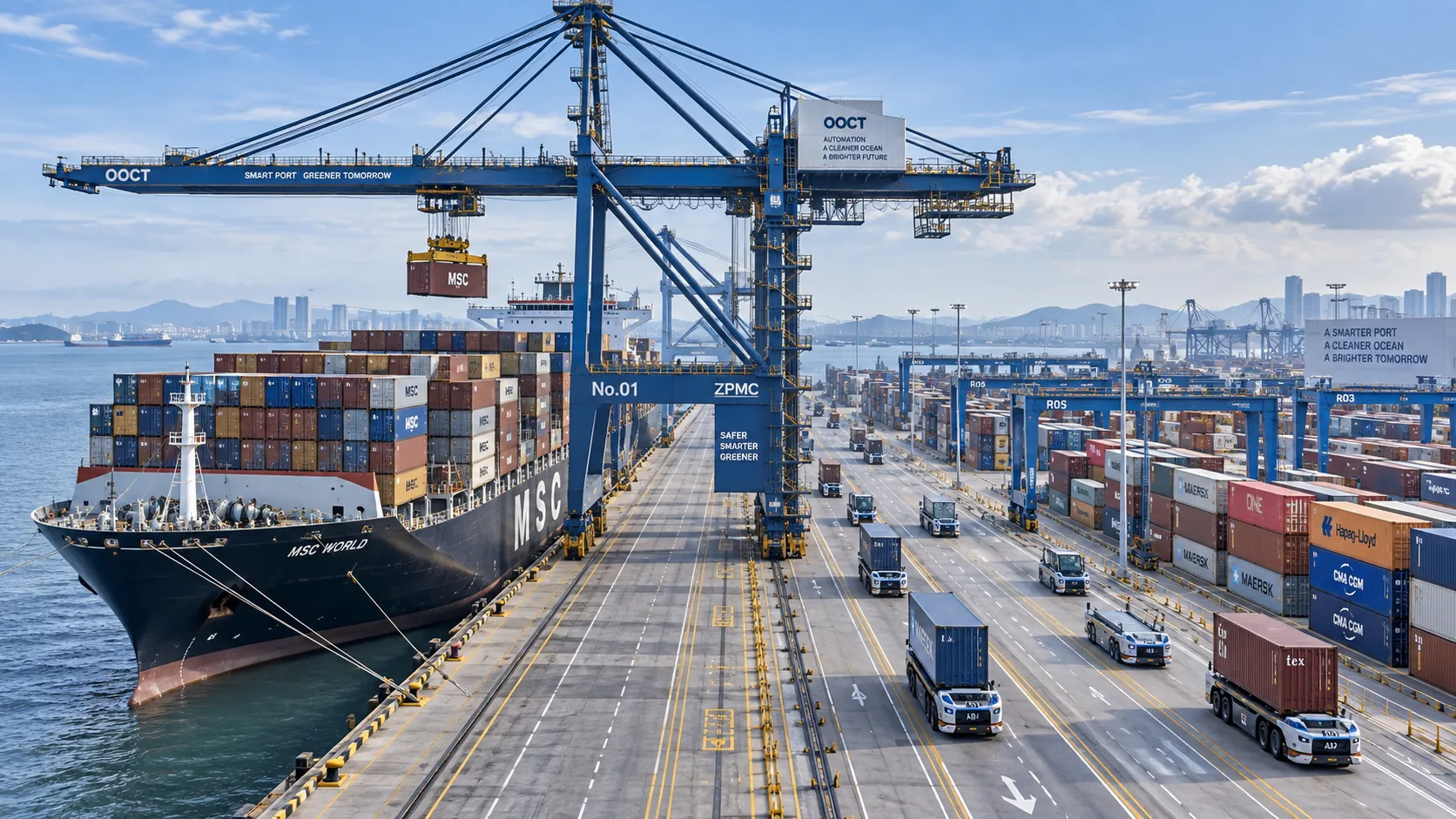
How to Specify a Quay Crane for Container Terminals by Vessel Size and Throughput?
Quay crane for container terminals: learn how to match outreach, lift height, capacity, automation, and cycle performance to vessel size and throughput goals.
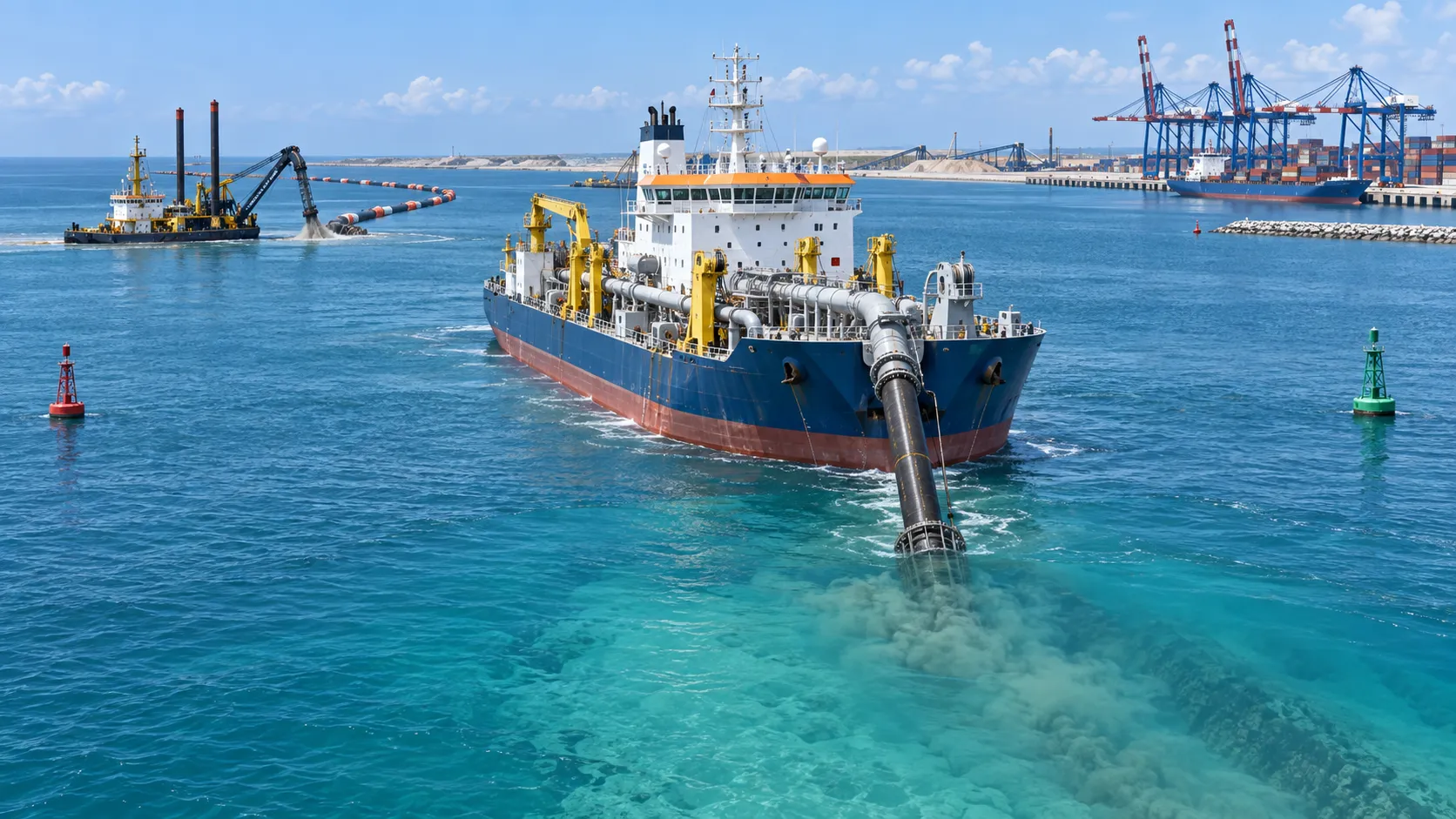
What Dredging Equipment Is Needed for Channel Deepening?
What dredging equipment is needed for channel deepening? Explore dredgers, pipelines, survey tools, and planning strategies for safer, more efficient port access.
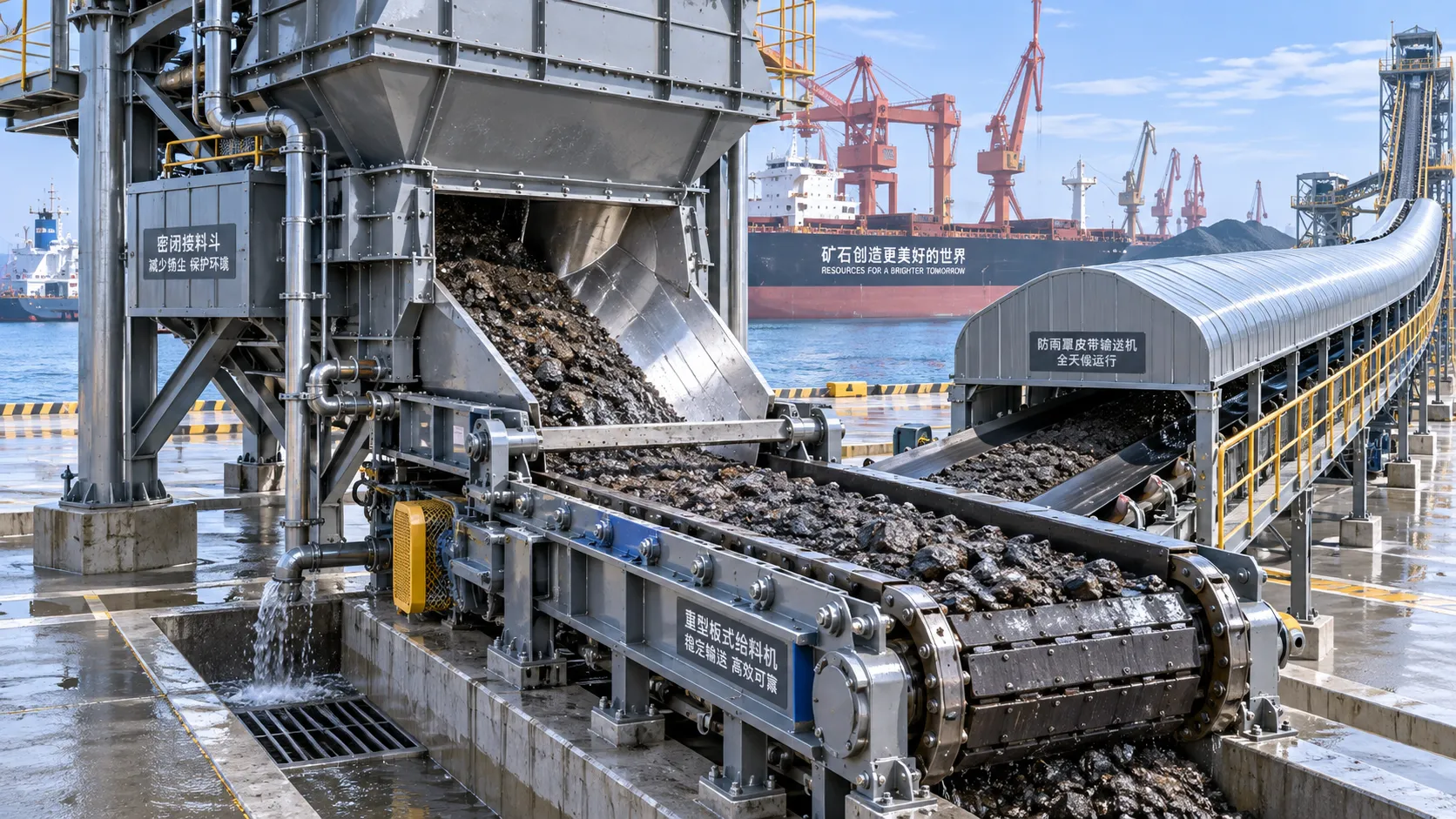
Which Bulk Handling Equipment Suits High-Moisture Cargo?
Which bulk handling equipment suits high-moisture cargo? Compare belt, apron, screw, drag, and slurry systems for reliable flow, less carryback, and higher terminal uptime.
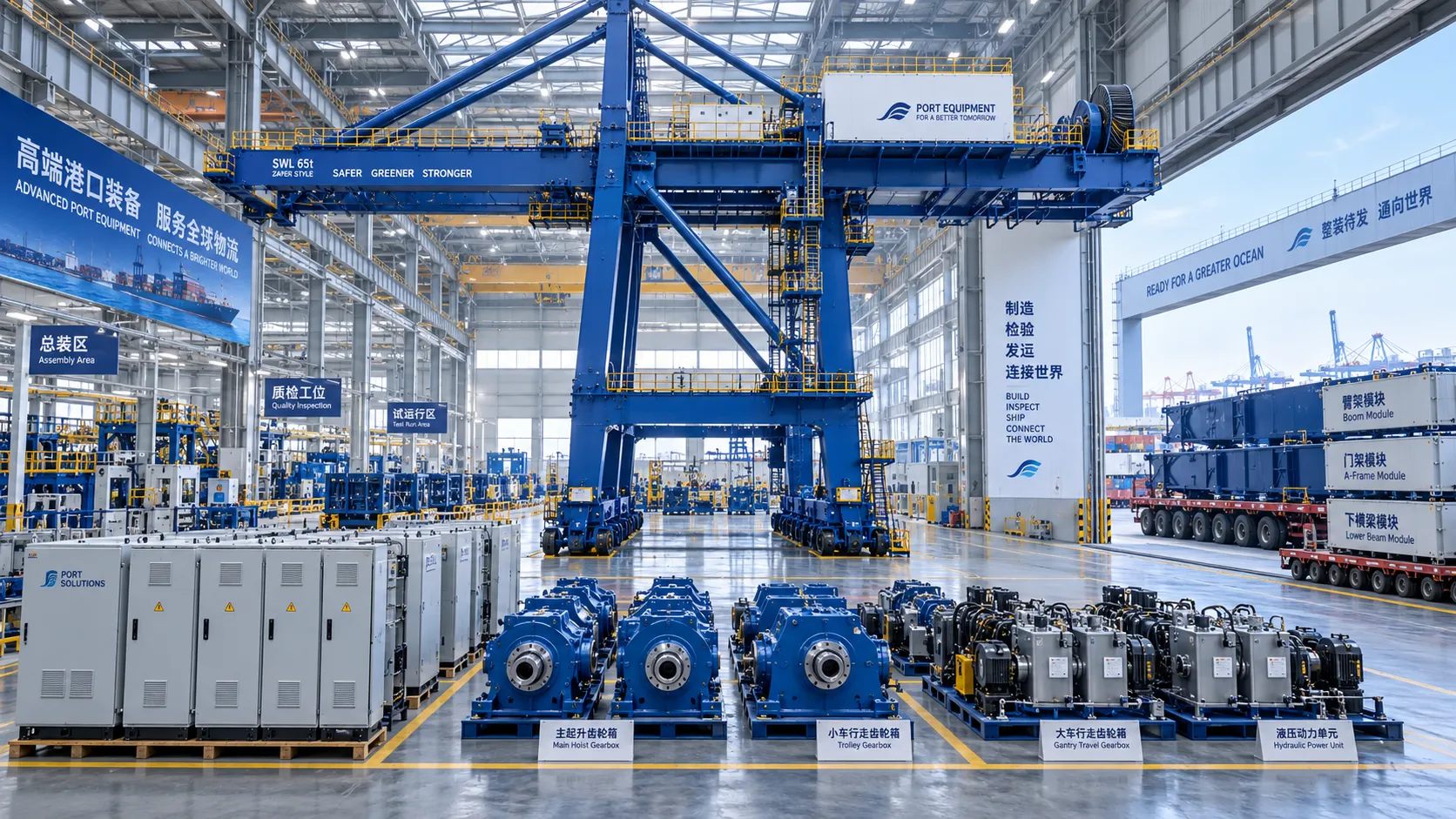
How Can Port Equipment Lead-Time Risk Be Managed?
How can port equipment lead-time risk be managed? Explore practical strategies to control critical paths, suppliers, transport, site readiness, and commissioning delays.
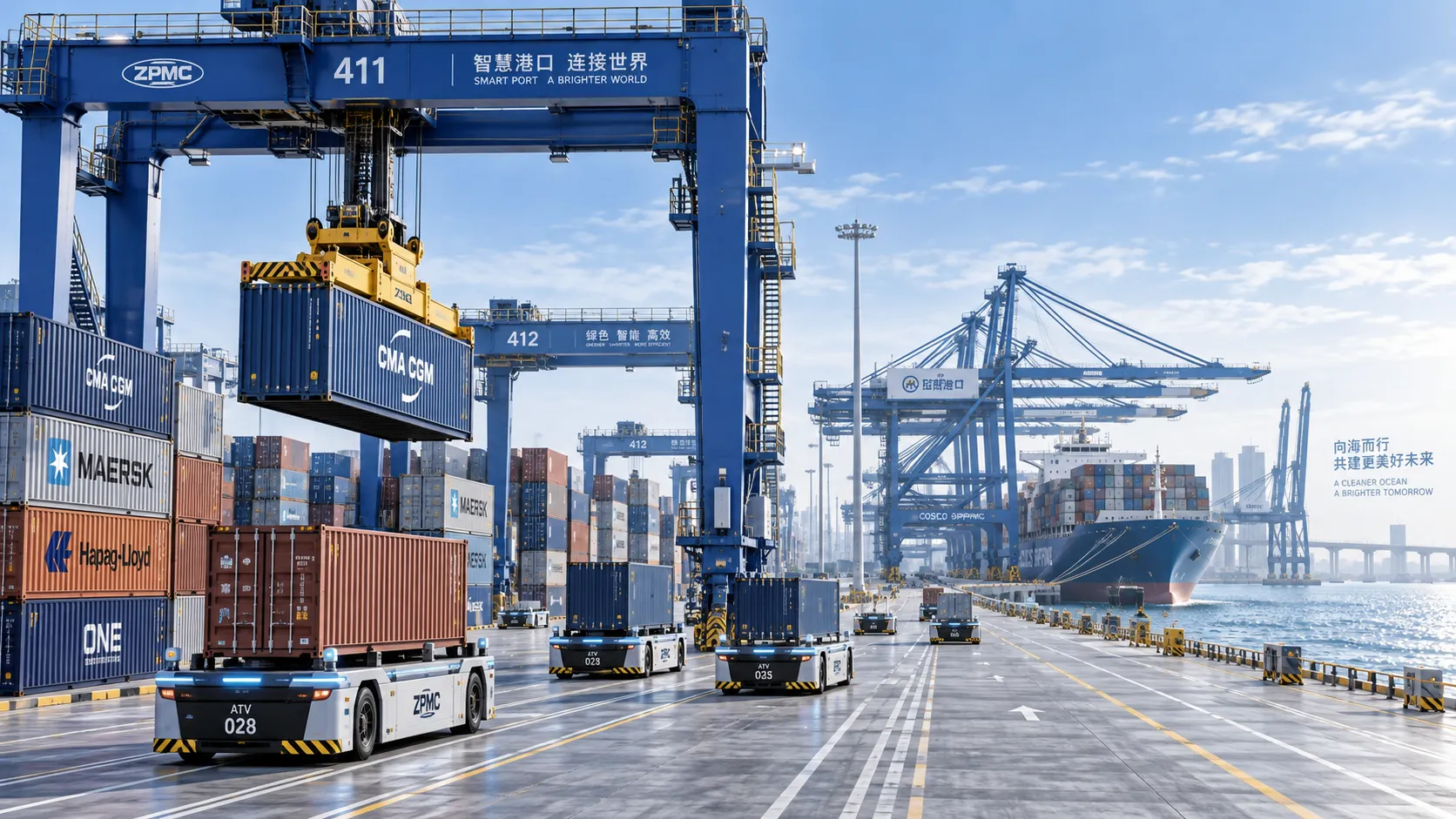
Terminal Automation Technologies That Raise Container Throughput Without Yard Disruption
Terminal automation technology that increases container throughput without disrupting yard flow. Explore smarter integration, resilient workflows, and phased deployment strategies.
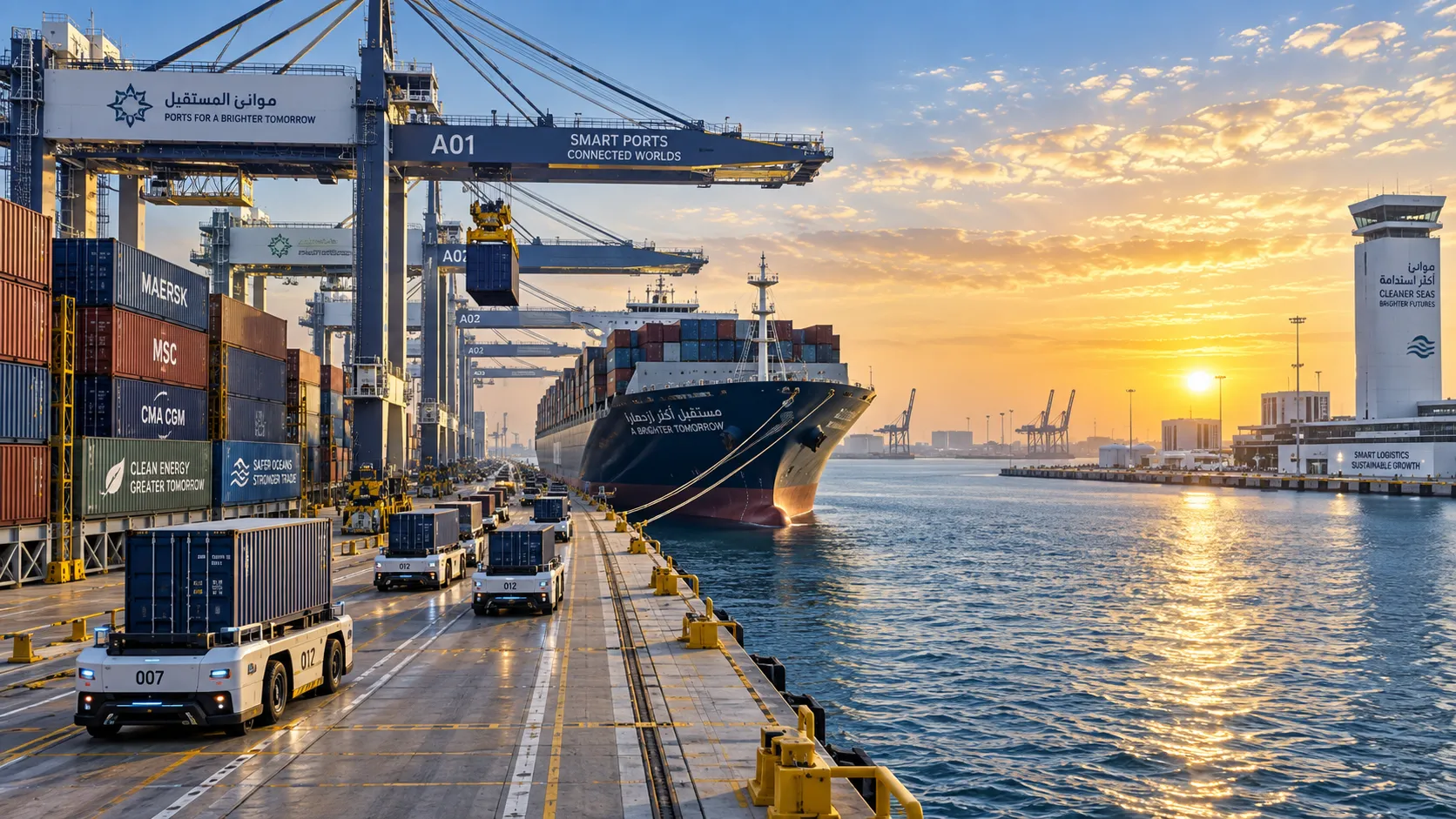
Middle East Port Automation: Key Market Drivers, Projects, and Investment Risks
Port automation systems Middle East: explore market drivers, flagship projects, integration challenges, and investment risks shaping smarter, resilient terminals.
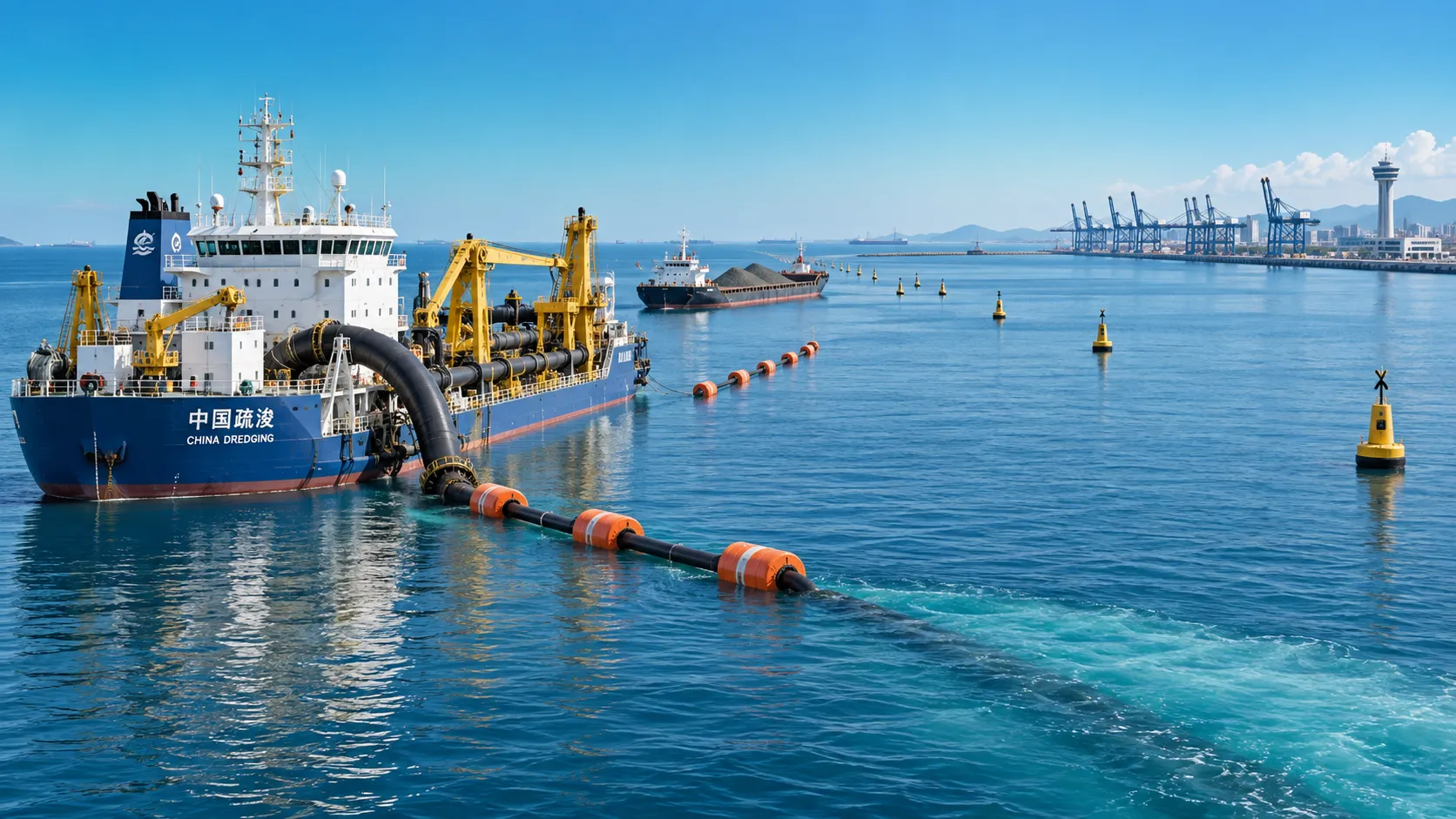
Planning Offshore Dredging Operations: Key Risks, Methods, and Project Controls
Offshore dredging operations demand smart planning. Explore key risks, proven methods, environmental controls, and project strategies for reliable delivery.