Related News
- 00
0000-00
How to Specify a Quay Crane for Container Terminals by Vessel Size and Throughput? - 00
0000-00
Which Bulk Handling Equipment Suits High-Moisture Cargo? - 00
0000-00
Terminal Automation Technologies That Raise Container Throughput Without Yard Disruption - 00
0000-00
Planning Offshore Dredging Operations: Key Risks, Methods, and Project Controls - 00
0000-00
Where Do Automated Guided Vehicles Deliver the Fastest Warehouse Gains in the Middle East?
Smart Oceans Applications in Maritime Monitoring: What Problems Can They Solve?
Smart Oceans Applications in Maritime Monitoring: What Problems Can They Solve?
As maritime networks grow more complex, smart oceans technologies are moving from pilot projects to operational necessity.
For port groups, shipping operators, dredging teams, and logistics planners, better visibility now directly affects cost, safety, and resilience.
That shift is especially clear in maritime monitoring, where delays, blind spots, and fragmented data can quickly become expensive.
Smart oceans systems combine vessel data, sensors, automation platforms, satellite feeds, and analytics into a more connected operating picture.
In practical terms, smart oceans tools help teams detect risk earlier, coordinate assets faster, and make decisions with stronger evidence.
For organizations following global trade flows, this also means tighter alignment between marine activity, terminal performance, and supply chain planning.
Why Maritime Monitoring Needs Smart Oceans Now
Traditional maritime monitoring often depends on disconnected systems, delayed reporting, and manual escalation.
That model struggles when ports face congestion, weather volatility, tighter environmental rules, and more automated operations.
A smart oceans framework changes that by turning scattered signals into usable operational intelligence.
This is not only about tracking ships on a screen.
It is about understanding what is happening offshore, inside fairways, near berths, around cranes, and across connected logistics nodes.
For intelligence-focused platforms such as PS-Nexus, that broader view matters because heavy equipment, automation systems, and marine engineering now depend on synchronized decisions.
Core Pressure Points in Marine Operations
- Limited real-time visibility across vessel movement, berth readiness, and channel conditions.
- Slow response to weather shifts, equipment issues, and navigation hazards.
- Weak coordination between port automation, terminal gear, and marine service teams.
- Inconsistent environmental monitoring for dredging, emissions, and coastal compliance.
- Poor data continuity between offshore operations and inland logistics planning.
What Problems Can Smart Oceans Solve?
The value of smart oceans becomes clearer when viewed through actual operational problems.
Below are the issues maritime monitoring teams deal with most often, and how smart oceans applications address them.
1. Blind Spots in Vessel Tracking and Route Awareness
Basic tracking may show location, but it rarely explains operational context.
Smart oceans platforms combine AIS, radar, satellite observations, weather layers, and historical movement patterns.
This helps operators identify route deviations, congestion buildup, unauthorized movement, or unsafe approach behavior sooner.
The result is stronger ETA forecasting, safer navigation planning, and faster exception handling.
2. Delayed Response to Weather and Sea-State Changes
Marine weather risk is rarely static, especially near busy terminals and dredging zones.
Smart oceans monitoring uses sensor arrays, buoy data, remote sensing, and predictive models to alert teams before conditions become disruptive.
That means pilots, terminal operators, and engineering teams can reschedule movements or adjust safety thresholds earlier.
In business terms, earlier action reduces idle time, protects assets, and limits emergency decision-making.
3. Port Congestion and Weak Berth Coordination
Congestion is often caused by information lag as much as by physical volume.
A smart oceans approach connects arrival predictions, berth availability, tug scheduling, crane readiness, and yard capacity signals.
When those data points move together, terminal teams can sequence arrivals more realistically.
This is especially useful for automated container handling, where timing errors ripple across the whole terminal.
4. Limited Oversight of Heavy Terminal Gear
Maritime monitoring is no longer separate from equipment monitoring.
Quay cranes, bulk handling systems, AGVs, and remote-controlled equipment depend on reliable situational awareness.
Smart oceans systems can feed marine conditions into equipment scheduling and safety logic.
That reduces unplanned stoppages and supports better use of high-value assets.
5. Environmental Compliance Gaps
Ports and marine contractors face tighter scrutiny on emissions, water quality, noise, and sediment impact.
Smart oceans applications support continuous environmental sensing rather than periodic manual checks.
That creates a stronger compliance record and helps teams act before minor deviations become reportable incidents.
For companies pursuing net-zero and smarter operations, this monitoring layer is becoming increasingly important.
6. Dredging Visibility and Fairway Management Issues
Dredging projects are highly sensitive to seabed conditions, pump performance, navigation windows, and environmental thresholds.
Smart oceans monitoring can combine bathymetric updates, equipment telemetry, sediment movement data, and vessel traffic conditions.
This improves dredging accuracy and helps maintain channel access with less operational guesswork.
For coastal economies, that directly supports throughput, safety, and infrastructure expansion planning.
Where Smart Oceans Deliver the Most Practical Value
Not every organization starts at the same point.
Still, several application areas consistently generate fast and measurable value in maritime monitoring.
High-Impact Use Cases
- Real-time vessel traffic management for congested approaches and anchorages.
- Berth and crane coordination for automated or semi-automated terminals.
- Marine risk alerts for storms, swell, tide shifts, and visibility loss.
- Dredging supervision with digital pump monitoring and fairway condition updates.
- Emissions and environmental tracking tied to operational decisions.
- Cross-node logistics synchronization between port calls and inland cargo movement.
From a strategy perspective, the strongest gains usually come where monitoring data can influence timing, asset use, or risk exposure.
That is why smart oceans should be seen as an operating system for decisions, not just a dashboard project.
How to Evaluate a Smart Oceans Deployment
A useful smart oceans program starts with a business problem, not a technology wish list.
In actual operations, the most effective deployments usually follow a simple sequence.
- Map the highest-cost monitoring gaps across vessel flow, equipment use, and marine engineering tasks.
- Prioritize data sources that already exist, such as AIS, SCADA, weather feeds, and equipment telemetry.
- Define decision points that need faster or better input, including berth assignment, route warning, and maintenance escalation.
- Measure outcomes using delay reduction, safety improvement, utilization gains, or compliance reliability.
- Scale only after interoperability and operator workflow adoption are proven.
This phased method reduces implementation risk and keeps the smart oceans investment tied to operations.
It also helps avoid a common mistake: collecting more data without improving execution quality.
What This Means for Maritime Strategy
The bigger signal is clear.
Smart oceans is becoming a practical foundation for safer navigation, better port coordination, and more accountable marine engineering.
For organizations operating across heavy terminal gear, port automation, container handling, and dredging, the benefits are closely connected.
Better maritime monitoring improves not only what teams can see, but also what they can confidently decide.
That matters in a market where margins are pressured, disruptions spread quickly, and infrastructure decisions carry long time horizons.
PS-Nexus follows this shift through intelligence on automated gear, port control systems, dredging engineering, and the strategic pulse of maritime logistics.
From recent industry changes, the strongest performers are not simply digitizing faster.
They are connecting marine data, equipment behavior, and logistics decisions more effectively.
If the goal is to build resilient, efficient, and transparent operations, smart oceans is no longer optional background technology. It is an active decision advantage.
Related News
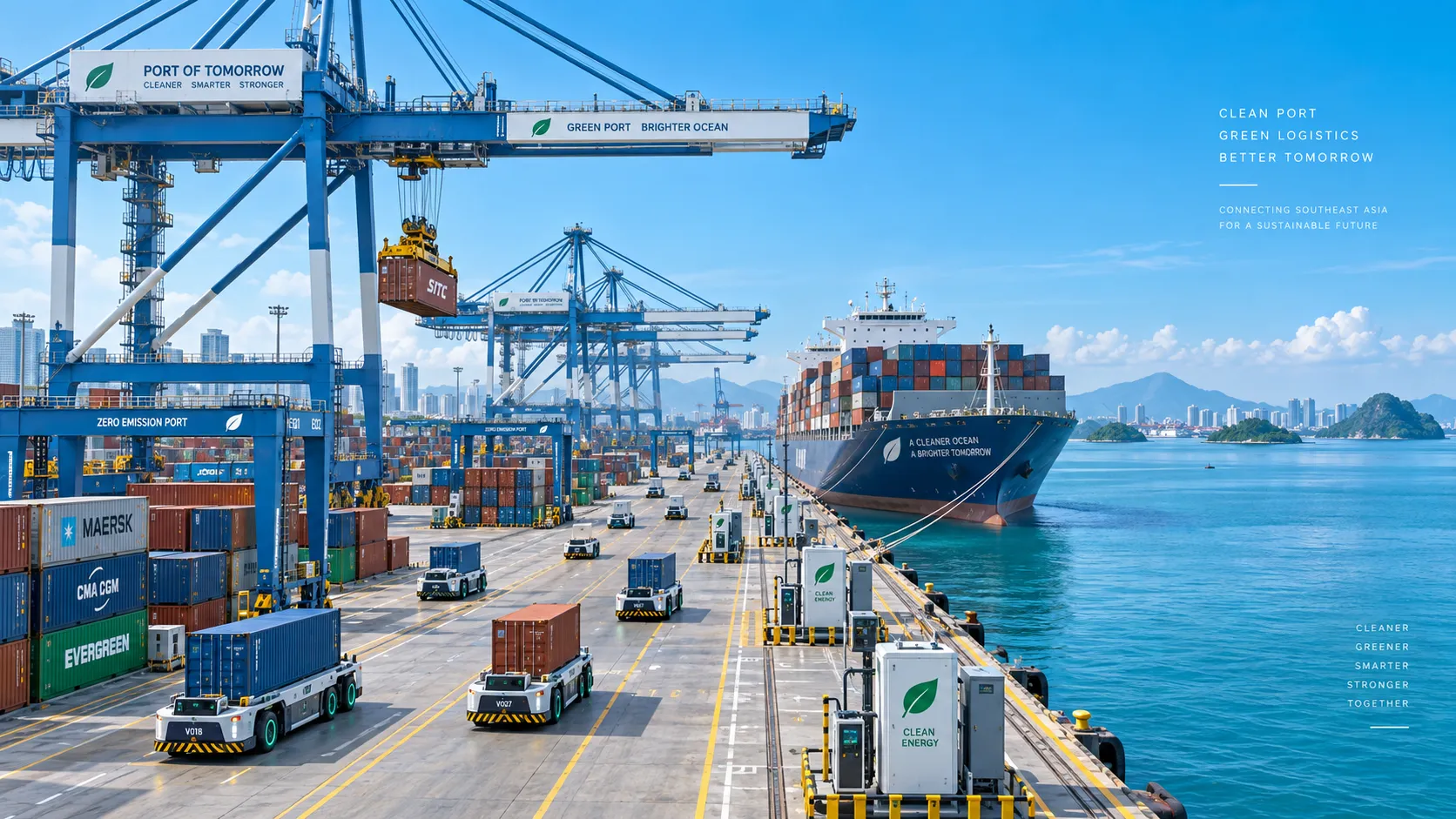
Smart Port Systems in Southeast Asia: Investment Priorities and Adoption Barriers
Smart port systems Southeast Asia: discover investment priorities, adoption barriers, and practical steps to build resilient, connected, high-performing terminals.
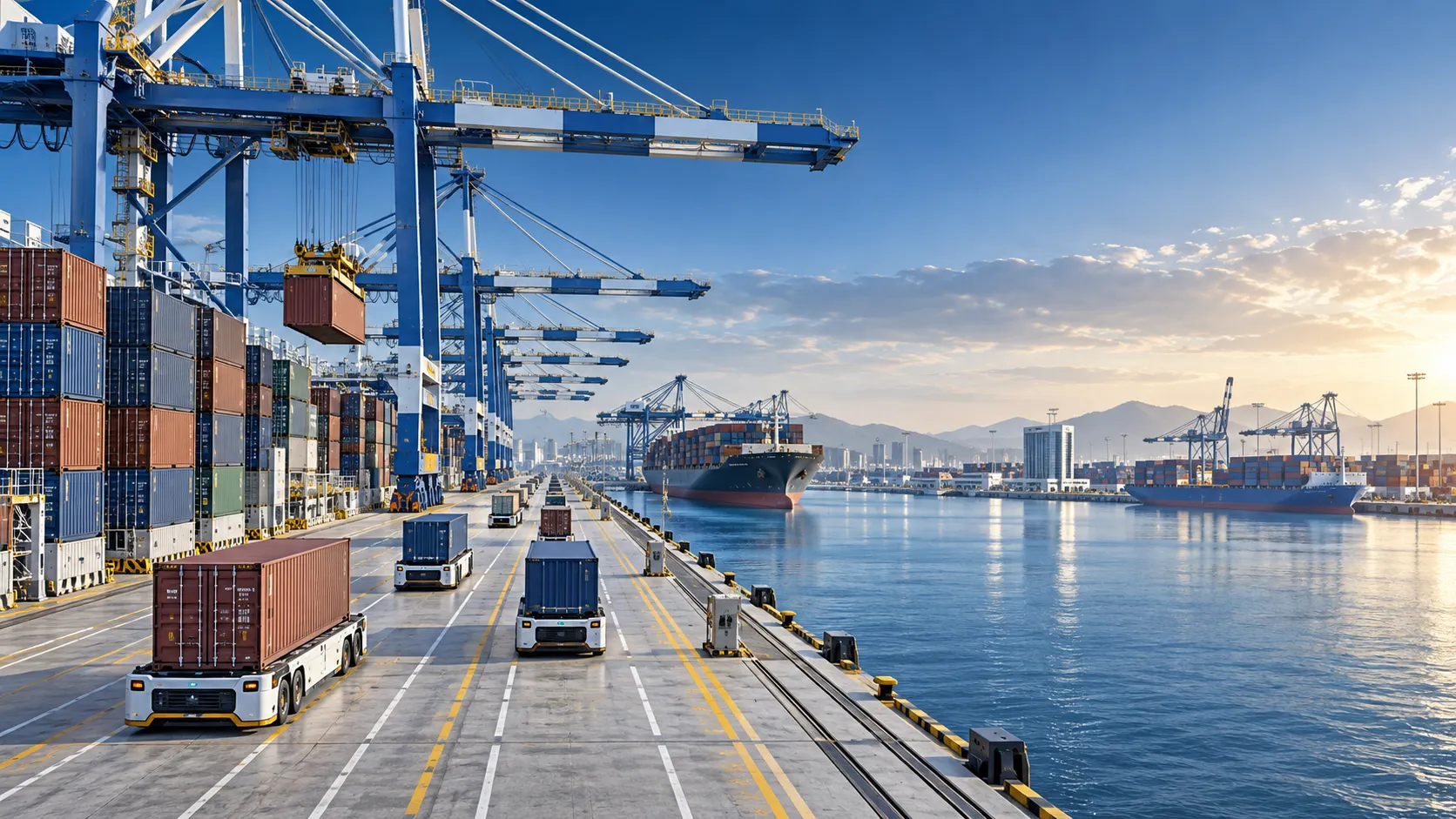
How to Evaluate Terminal Efficiency Solution Suppliers for High-Throughput Operations
Choose a terminal efficiency solutions supplier with confidence. Explore proven criteria for throughput, integration, lifecycle cost, safety, and reliable delivery.
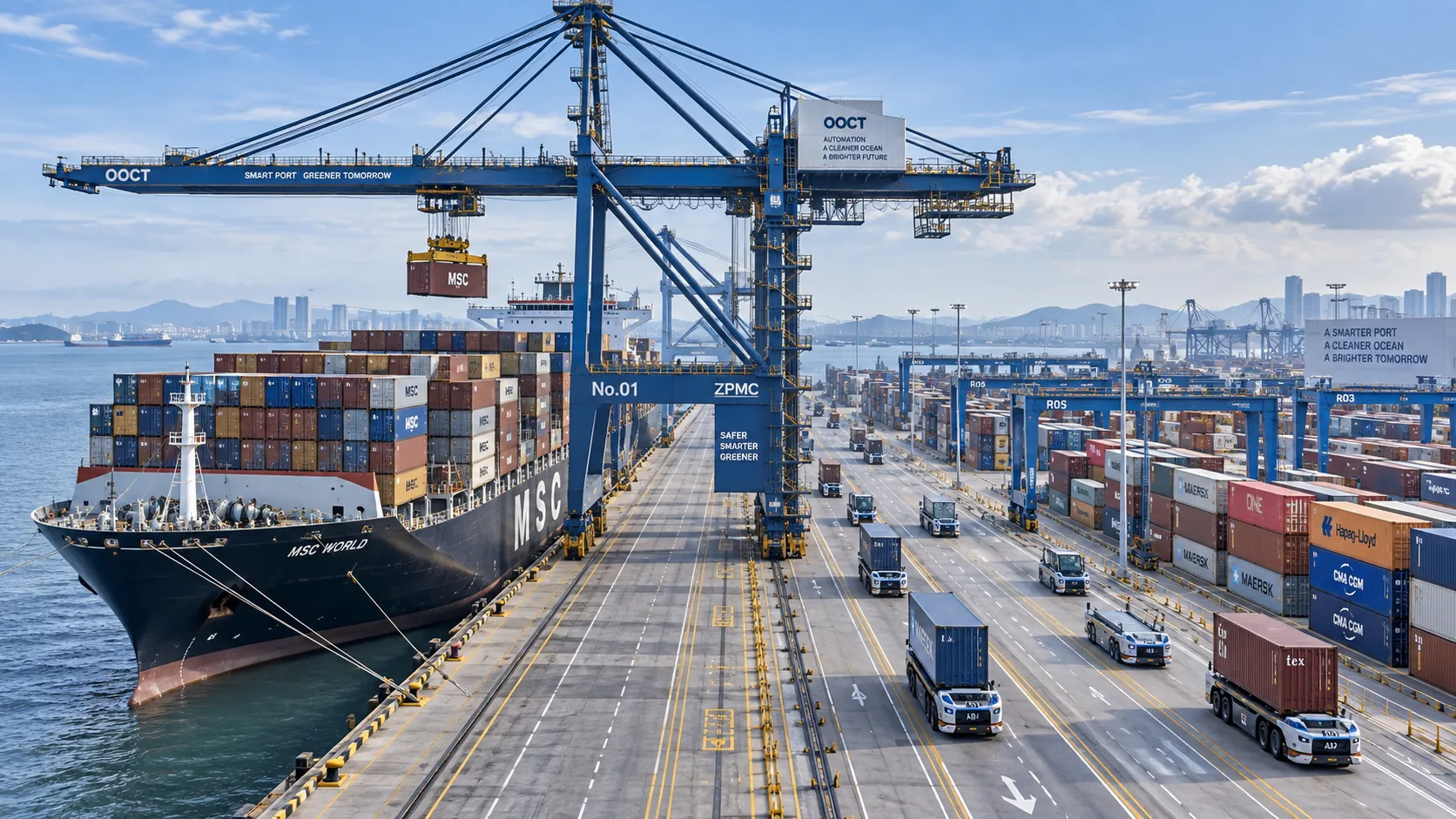
How to Specify a Quay Crane for Container Terminals by Vessel Size and Throughput?
Quay crane for container terminals: learn how to match outreach, lift height, capacity, automation, and cycle performance to vessel size and throughput goals.
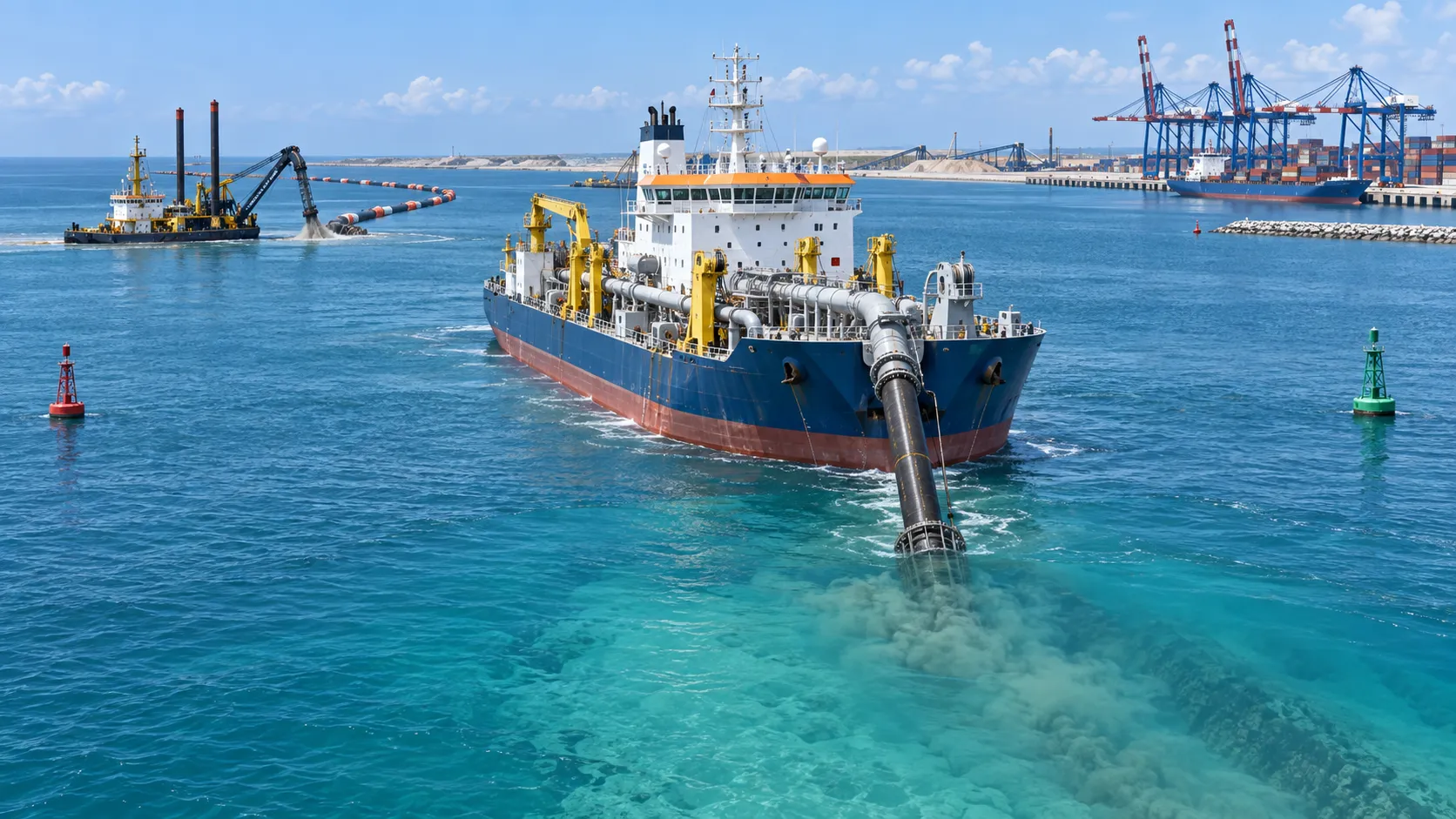
What Dredging Equipment Is Needed for Channel Deepening?
What dredging equipment is needed for channel deepening? Explore dredgers, pipelines, survey tools, and planning strategies for safer, more efficient port access.
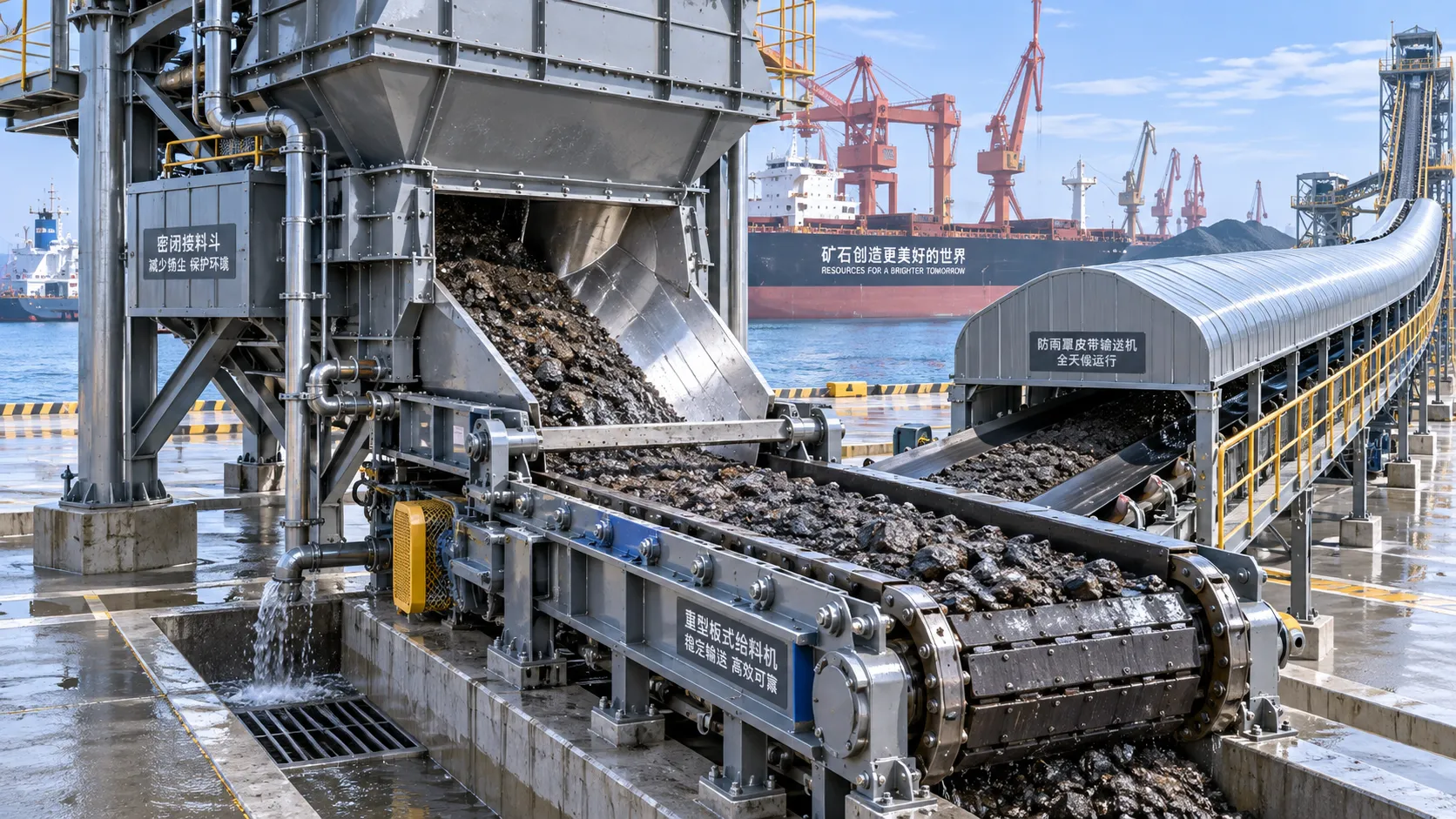
Which Bulk Handling Equipment Suits High-Moisture Cargo?
Which bulk handling equipment suits high-moisture cargo? Compare belt, apron, screw, drag, and slurry systems for reliable flow, less carryback, and higher terminal uptime.
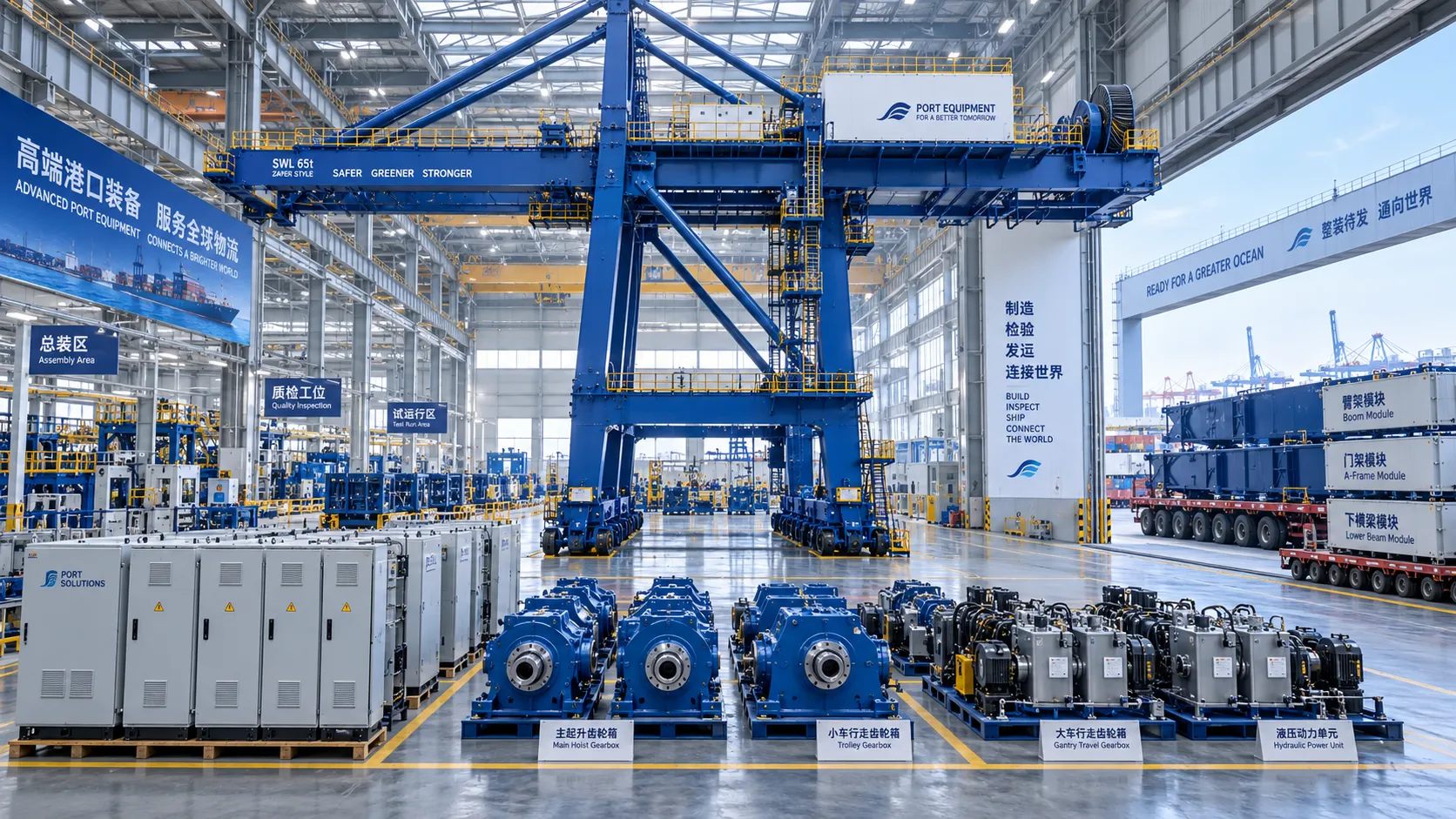
How Can Port Equipment Lead-Time Risk Be Managed?
How can port equipment lead-time risk be managed? Explore practical strategies to control critical paths, suppliers, transport, site readiness, and commissioning delays.
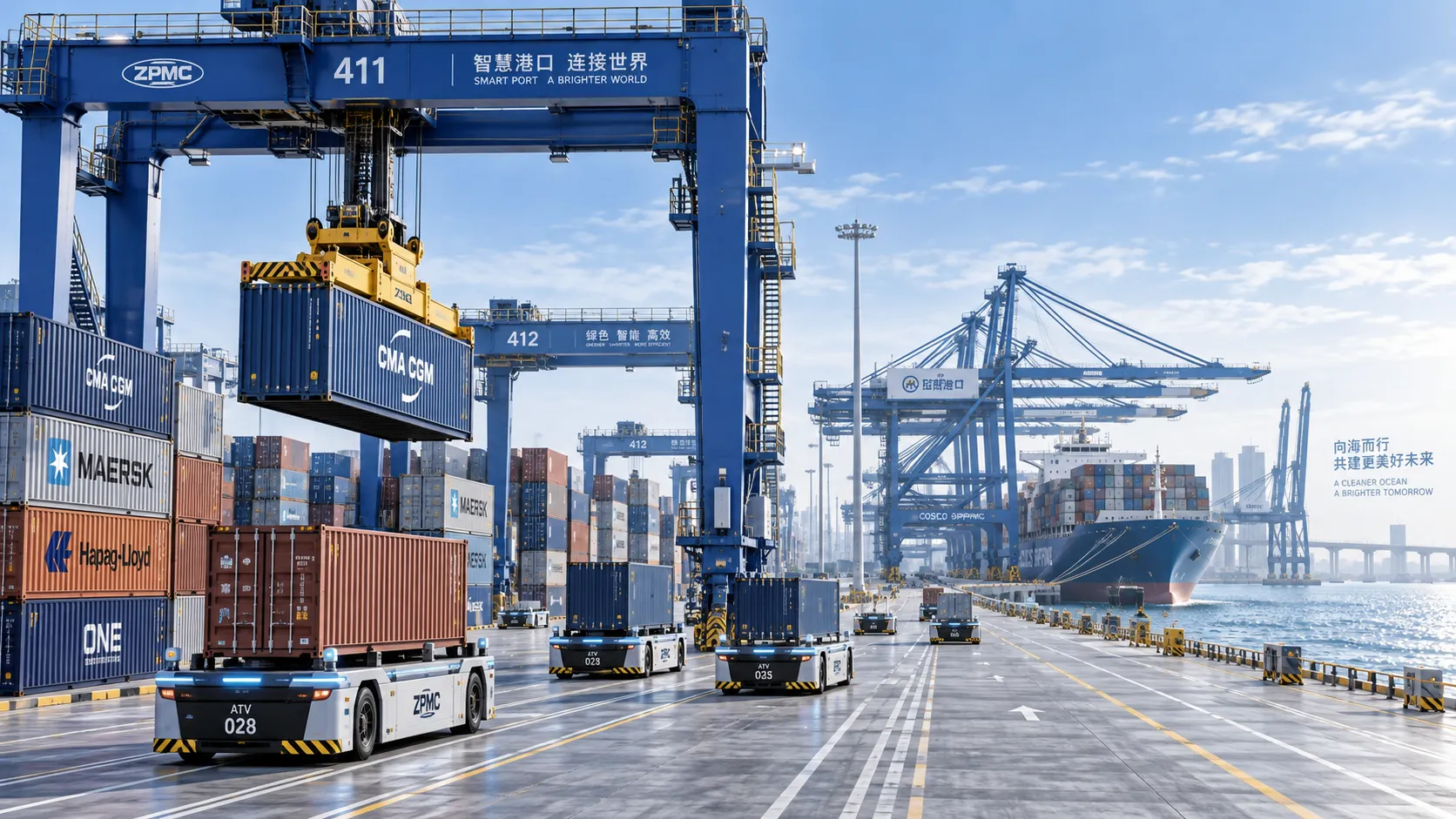
Terminal Automation Technologies That Raise Container Throughput Without Yard Disruption
Terminal automation technology that increases container throughput without disrupting yard flow. Explore smarter integration, resilient workflows, and phased deployment strategies.
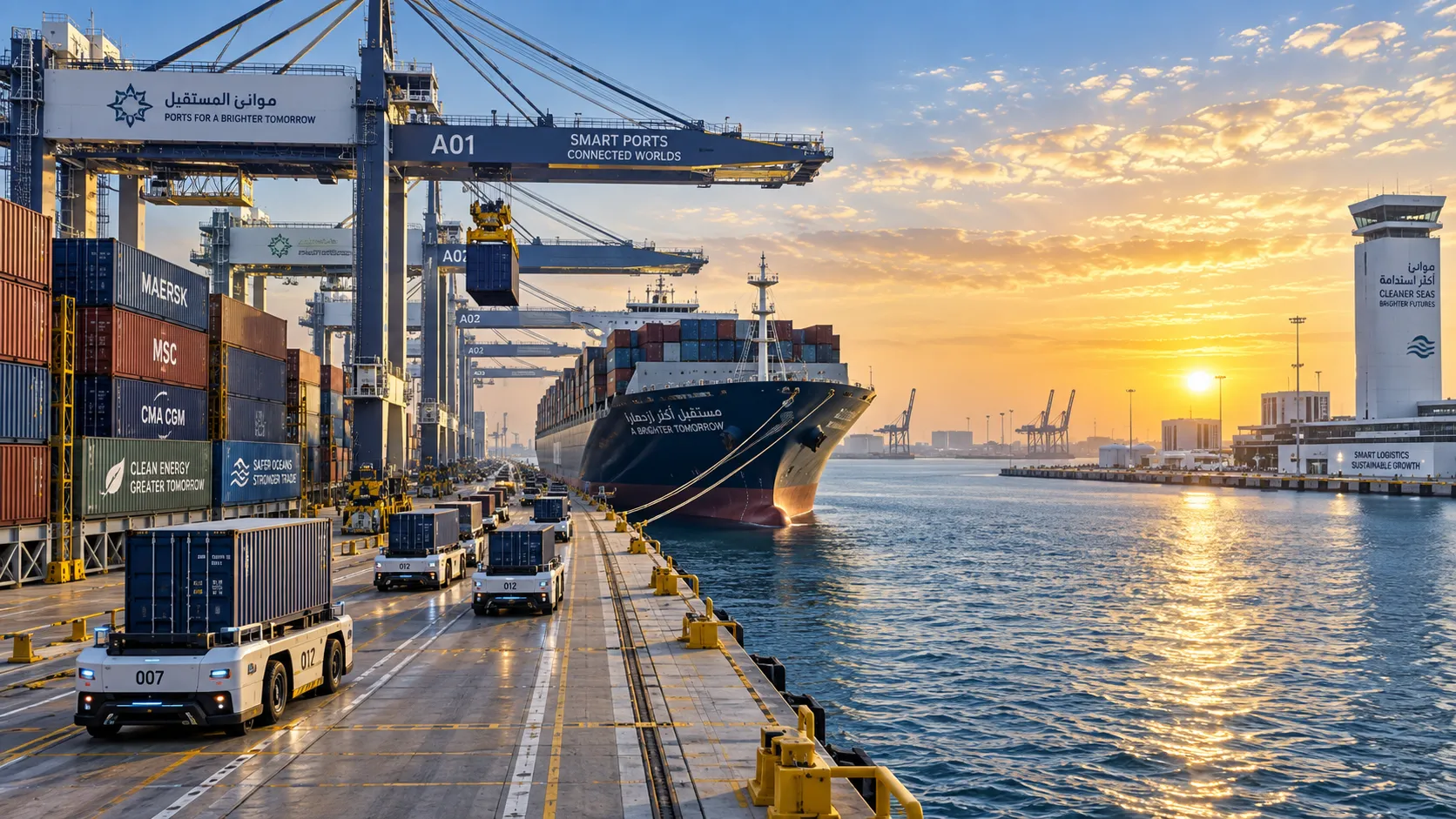
Middle East Port Automation: Key Market Drivers, Projects, and Investment Risks
Port automation systems Middle East: explore market drivers, flagship projects, integration challenges, and investment risks shaping smarter, resilient terminals.
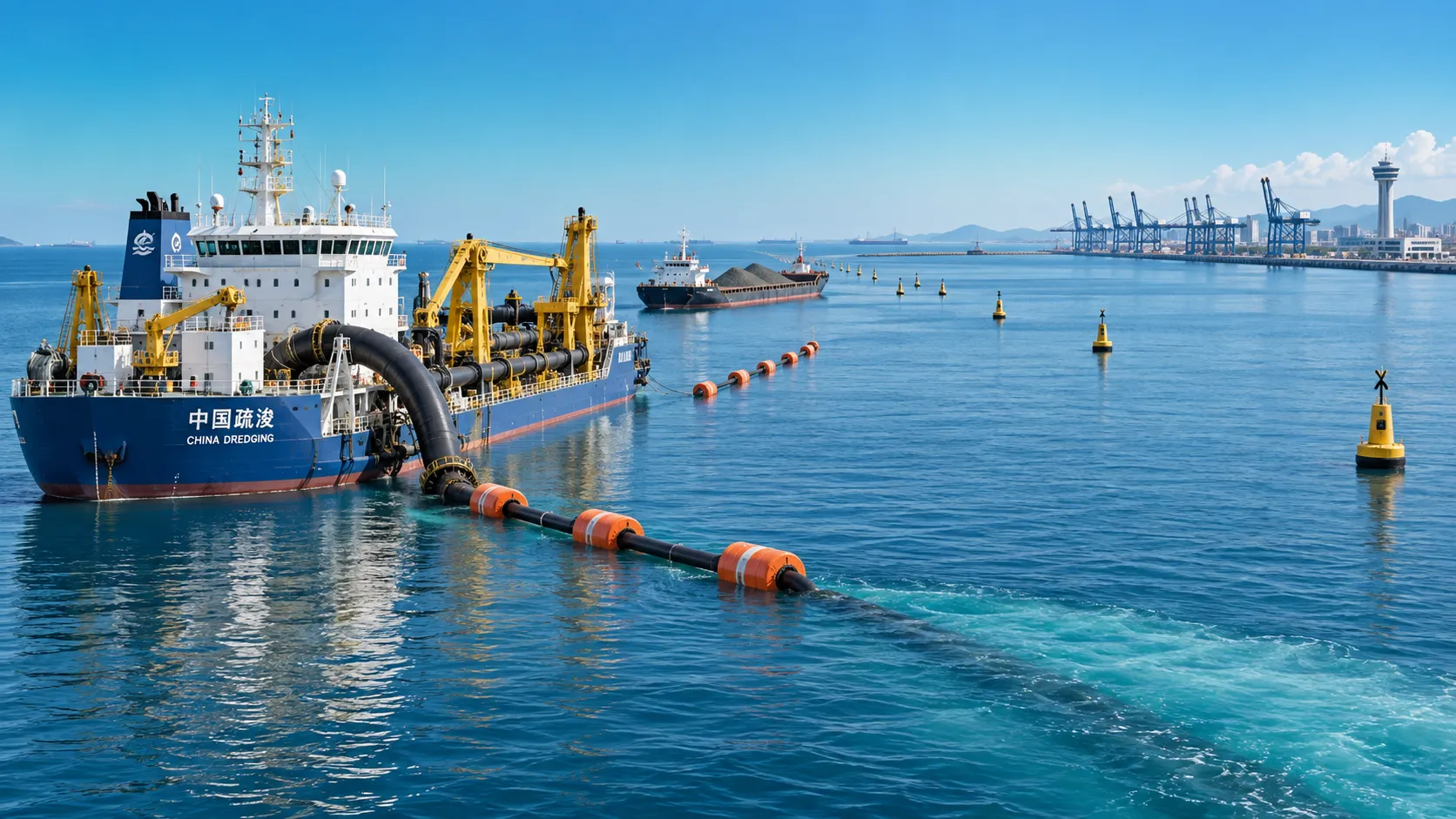
Planning Offshore Dredging Operations: Key Risks, Methods, and Project Controls
Offshore dredging operations demand smart planning. Explore key risks, proven methods, environmental controls, and project strategies for reliable delivery.