Related News
- 00
0000-00
How to Specify a Quay Crane for Container Terminals by Vessel Size and Throughput? - 00
0000-00
Which Bulk Handling Equipment Suits High-Moisture Cargo? - 00
0000-00
Terminal Automation Technologies That Raise Container Throughput Without Yard Disruption - 00
0000-00
Planning Offshore Dredging Operations: Key Risks, Methods, and Project Controls - 00
0000-00
Where Do Automated Guided Vehicles Deliver the Fastest Warehouse Gains in the Middle East?
Smart Terminal Technology Explained: Key Systems, Functions, and Integration Challenges
Smart terminal technology sits at the intersection of heavy equipment, software logic, and trade visibility. In ports, it changes how cranes, vehicles, yard systems, and planning platforms work together. That matters because terminal performance now depends less on isolated machines and more on synchronized decisions across the whole logistics chain. For platforms such as PS-Nexus, which tracks terminal gear, automation systems, and maritime intelligence, the topic is not only technical. It is also economic, operational, and strategic.
What smart terminal technology really means
At a basic level, smart terminal technology refers to the digital and mechanical systems that make terminal operations more connected, more automated, and more responsive.
It includes equipment control, traffic coordination, data capture, remote operation, asset monitoring, and decision support. The goal is not automation for its own sake. The goal is predictable flow.
In a container terminal, that may involve quay cranes, automated stacking cranes, AGVs, OCR gates, and terminal operating systems. In bulk or dredging-related contexts, the mix changes, but the logic remains similar.
Smart terminal technology becomes valuable when separate subsystems stop acting like islands. Data from one process must improve the next process, not just record it after the fact.
Why the industry is paying closer attention
Port operators face tighter vessel windows, larger ships, labor constraints, energy pressure, and higher expectations around visibility. These forces are pushing smart terminal technology from optional upgrade to operational priority.
Another reason is scale. One delayed crane move can affect yard balance, truck turn times, and feeder schedules. In that environment, small disruptions multiply quickly.
PS-Nexus follows this shift through its focus on mega port gear, specialized handling systems, automation control, and strategic intelligence. That perspective shows a clear pattern: infrastructure value increasingly depends on integration quality.
The discussion also extends beyond terminals. Shipping rates, hinterland congestion, dredging capacity, and coastal development all affect the return on smart port investments.
The core systems behind a smart terminal
Most smart terminal technology stacks can be understood as four linked layers: field equipment, control systems, orchestration software, and intelligence tools.
Field equipment and sensing
This layer includes cranes, shuttle carriers, AGVs, stackers, gate systems, and the sensors attached to them. Cameras, LiDAR, GPS, load sensors, and vibration monitors create the raw signals.
Without reliable field data, higher-level automation becomes guesswork. Good sensing reduces blind spots in positioning, safety, and maintenance planning.
Equipment control and remote operations
Programmable logic controllers, crane control software, anti-sway systems, and remote-control consoles sit here. This is where machine movement becomes precise, repeatable, and safer.
Low-latency communication is critical. PS-Nexus often tracks this area because remote crane performance depends heavily on network stability and control feedback speed.
Terminal orchestration systems
The terminal operating system, equipment dispatch platform, gate management tools, and yard planning engines form the operational brain.
These systems assign work, sequence moves, reserve space, and balance assets. If smart terminal technology has a center of gravity, it is usually here.
Analytics and intelligence
Dashboards, digital twins, predictive maintenance tools, and trade intelligence platforms translate operations into forward-looking decisions.
This layer matters because a terminal rarely operates in isolation. External shipping patterns, equipment demand cycles, and port expansion trends can reshape internal priorities.
What these systems actually do in daily operations
The practical functions of smart terminal technology are easier to understand through workflow impact than through technical labels.
In real operations, the strongest gains usually come from coordination across these areas. A highly automated yard still underperforms if gate, berth, and planning data remain disconnected.
Where smart terminal technology creates the most value
The value case changes by terminal type, but several themes show up consistently.
- Throughput stability improves when dispatch rules adapt to vessel plans and yard density in near real time.
- Safety improves when vehicle paths, lifting zones, and human access are digitally managed instead of manually coordinated.
- Maintenance becomes more precise when equipment condition replaces fixed service intervals as the planning trigger.
- Capital decisions become clearer when performance data shows whether a bottleneck comes from machinery, layout, software logic, or labor design.
There is also a strategic layer. Smart terminal technology gives operators better evidence when deciding on expansion, dredging support, electrification, or new cargo handling models.
Integration challenges that slow deployment
The hardest part is rarely the purchase of new hardware. The harder problem is making multiple systems behave like one operating environment.
Legacy equipment and mixed vendors
Many terminals run a mix of old cranes, newer automation kits, and software from different suppliers. Data formats and control interfaces often do not align cleanly.
Latency, resilience, and uptime
Remote and automated functions depend on stable communications. Even a strong algorithm loses value if wireless coverage, edge processing, or failover design is weak.
Operational logic conflicts
A yard optimization engine may chase density while a berth planner chases vessel speed. If rule priorities are not aligned, local optimization can reduce total performance.
Data quality and governance
Smart terminal technology depends on trusted event timestamps, equipment states, and location data. Poor master data creates planning noise and weakens analytics.
Change management in control rooms and yards
Operators need new workflows, not just new screens. Remote supervision, exception handling, and system override rules must be practical under live conditions.
How to assess a smart terminal roadmap
A useful evaluation starts with bottlenecks, not technology slogans. The first question is where delay, waste, or risk actually originates.
In some terminals, the priority is quay crane cycle consistency. In others, it is AGV routing, gate peaks, dredging support logistics, or maintenance visibility.
The following checkpoints help keep assessment grounded:
- Map the process chain before selecting platforms or automation modules.
- Check whether control systems, TOS logic, and analytics share common data definitions.
- Test communications performance for remote and safety-critical functions.
- Separate quick operational wins from long-cycle infrastructure upgrades.
- Use external intelligence, such as trade pattern shifts and equipment trends, to avoid designing only for current volumes.
This is where PS-Nexus adds context. Its coverage of heavy terminal gear, automation protocols, dredging engineering, and commercial signals helps connect plant-level choices with wider maritime movements.
A practical view of what comes next
Smart terminal technology is moving toward deeper coordination rather than isolated automation projects. More terminals will combine edge control, predictive analytics, and broader trade intelligence.
That makes judgment more important than enthusiasm. A strong roadmap links machinery, software, communications, and commercial reality in one operational picture.
The most useful next step is to compare terminal goals against actual system dependencies. Look closely at data flow, vendor interfaces, latency tolerance, and bottleneck location. From there, smart terminal technology becomes easier to evaluate not as a trend, but as a measurable operating model.
Related News
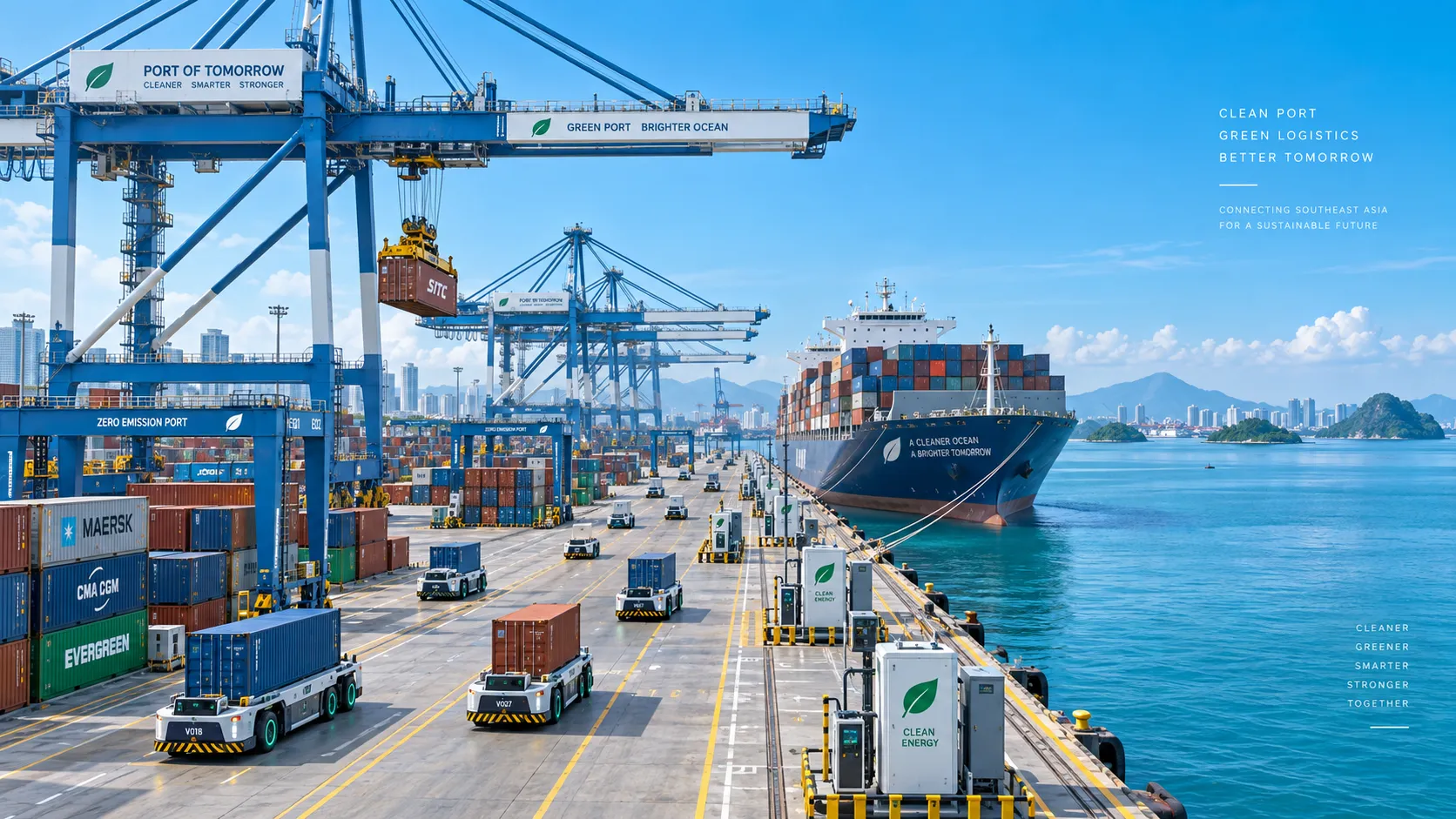
Smart Port Systems in Southeast Asia: Investment Priorities and Adoption Barriers
Smart port systems Southeast Asia: discover investment priorities, adoption barriers, and practical steps to build resilient, connected, high-performing terminals.
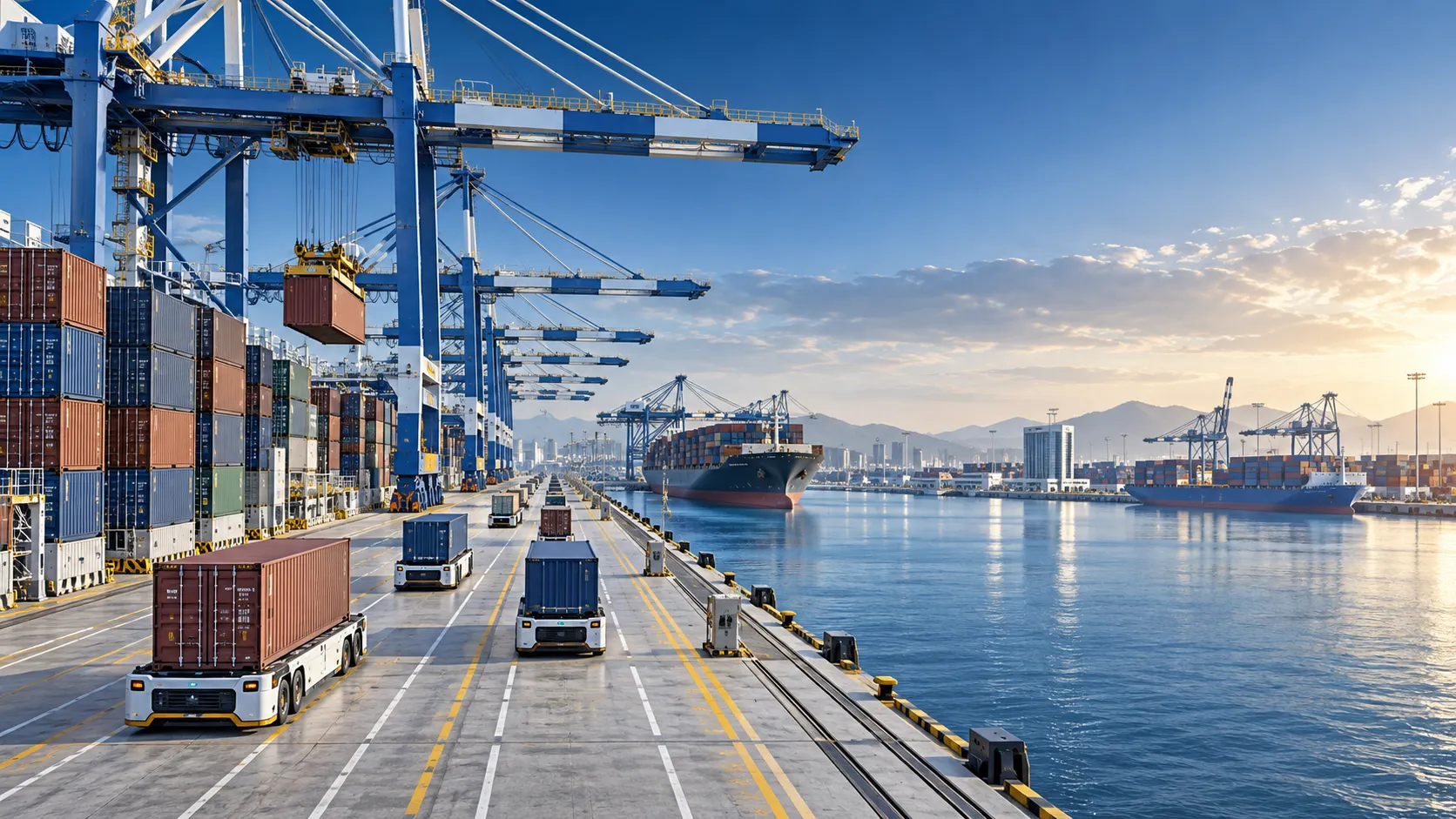
How to Evaluate Terminal Efficiency Solution Suppliers for High-Throughput Operations
Choose a terminal efficiency solutions supplier with confidence. Explore proven criteria for throughput, integration, lifecycle cost, safety, and reliable delivery.
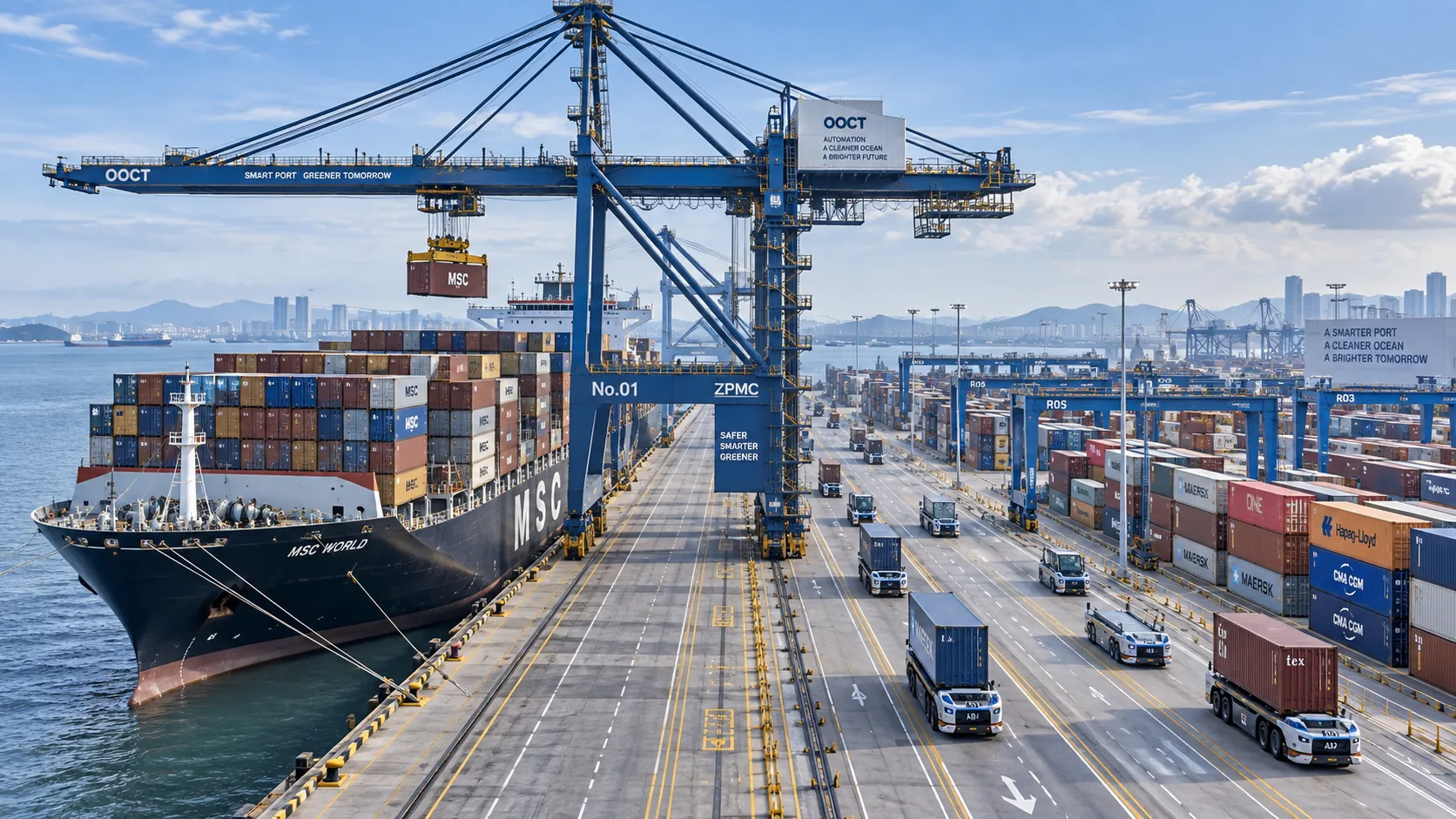
How to Specify a Quay Crane for Container Terminals by Vessel Size and Throughput?
Quay crane for container terminals: learn how to match outreach, lift height, capacity, automation, and cycle performance to vessel size and throughput goals.
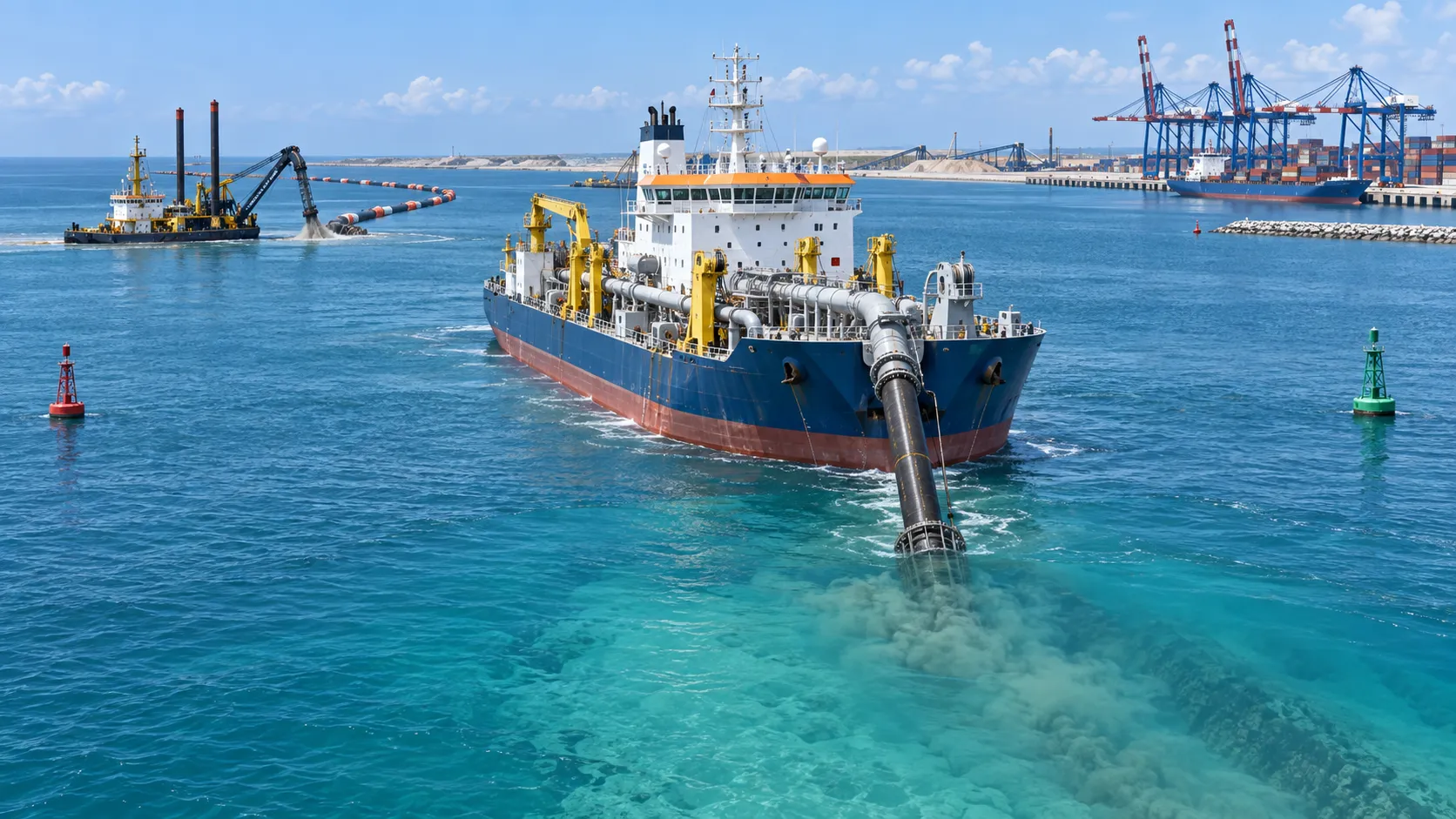
What Dredging Equipment Is Needed for Channel Deepening?
What dredging equipment is needed for channel deepening? Explore dredgers, pipelines, survey tools, and planning strategies for safer, more efficient port access.
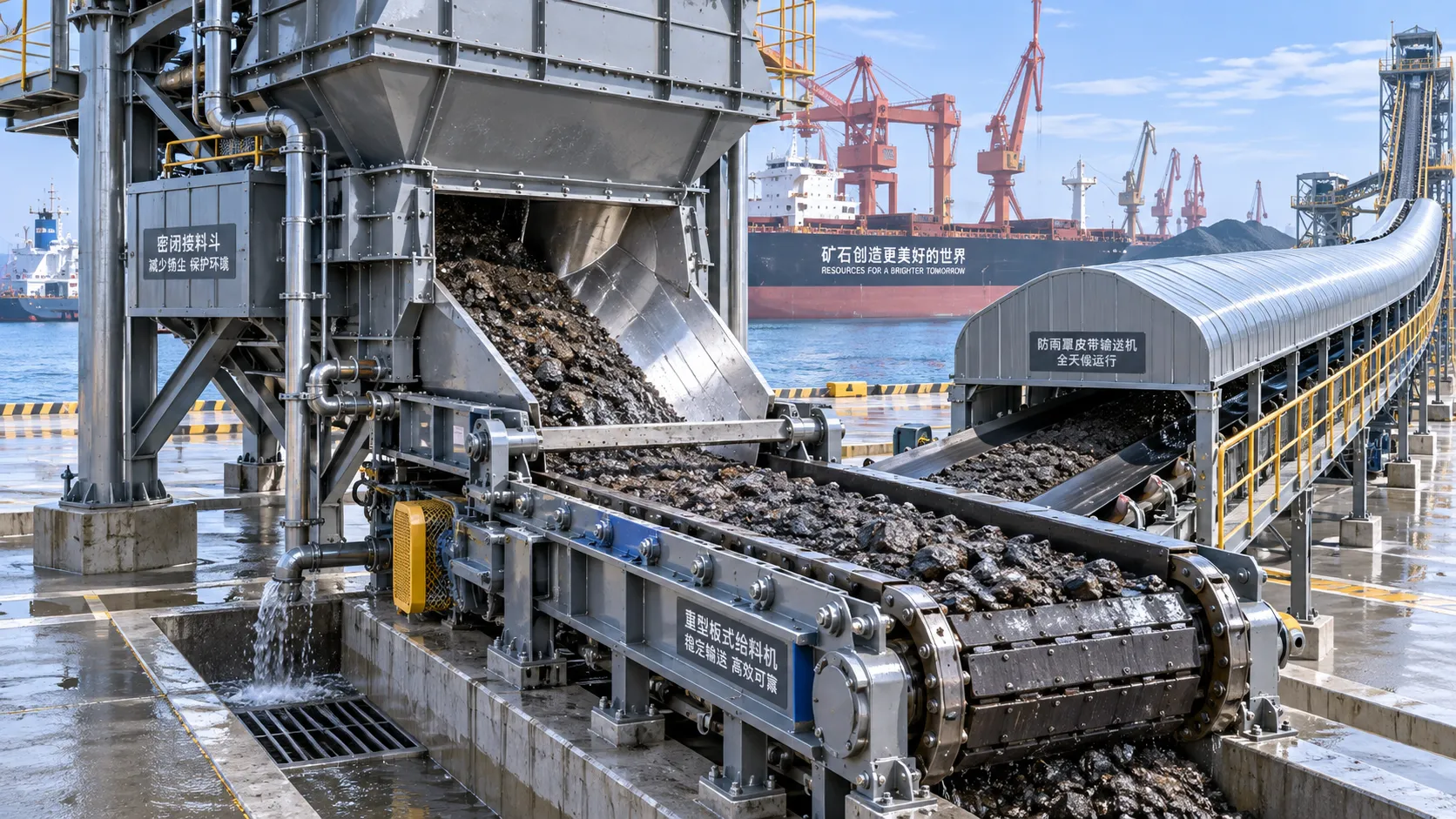
Which Bulk Handling Equipment Suits High-Moisture Cargo?
Which bulk handling equipment suits high-moisture cargo? Compare belt, apron, screw, drag, and slurry systems for reliable flow, less carryback, and higher terminal uptime.
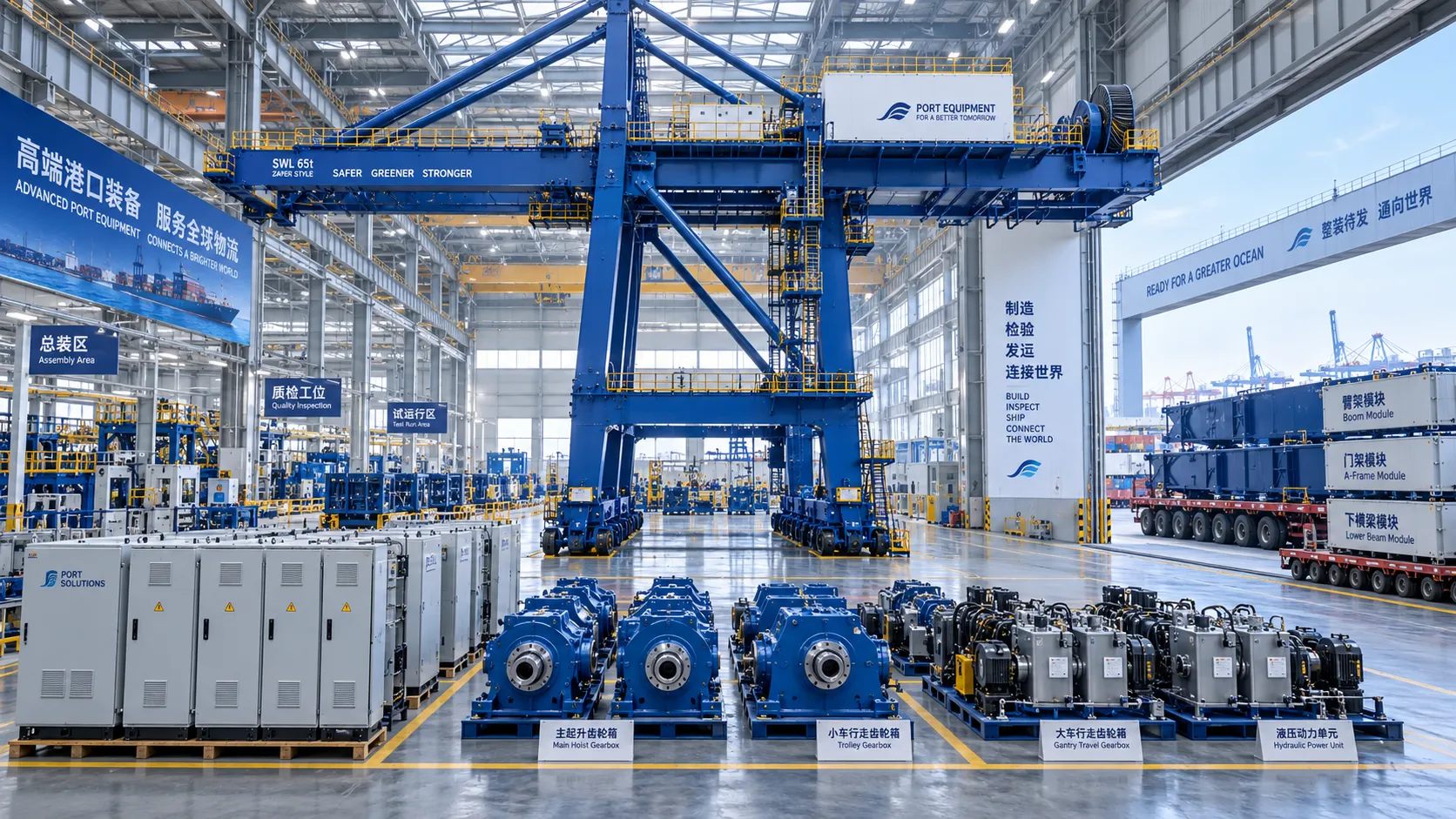
How Can Port Equipment Lead-Time Risk Be Managed?
How can port equipment lead-time risk be managed? Explore practical strategies to control critical paths, suppliers, transport, site readiness, and commissioning delays.
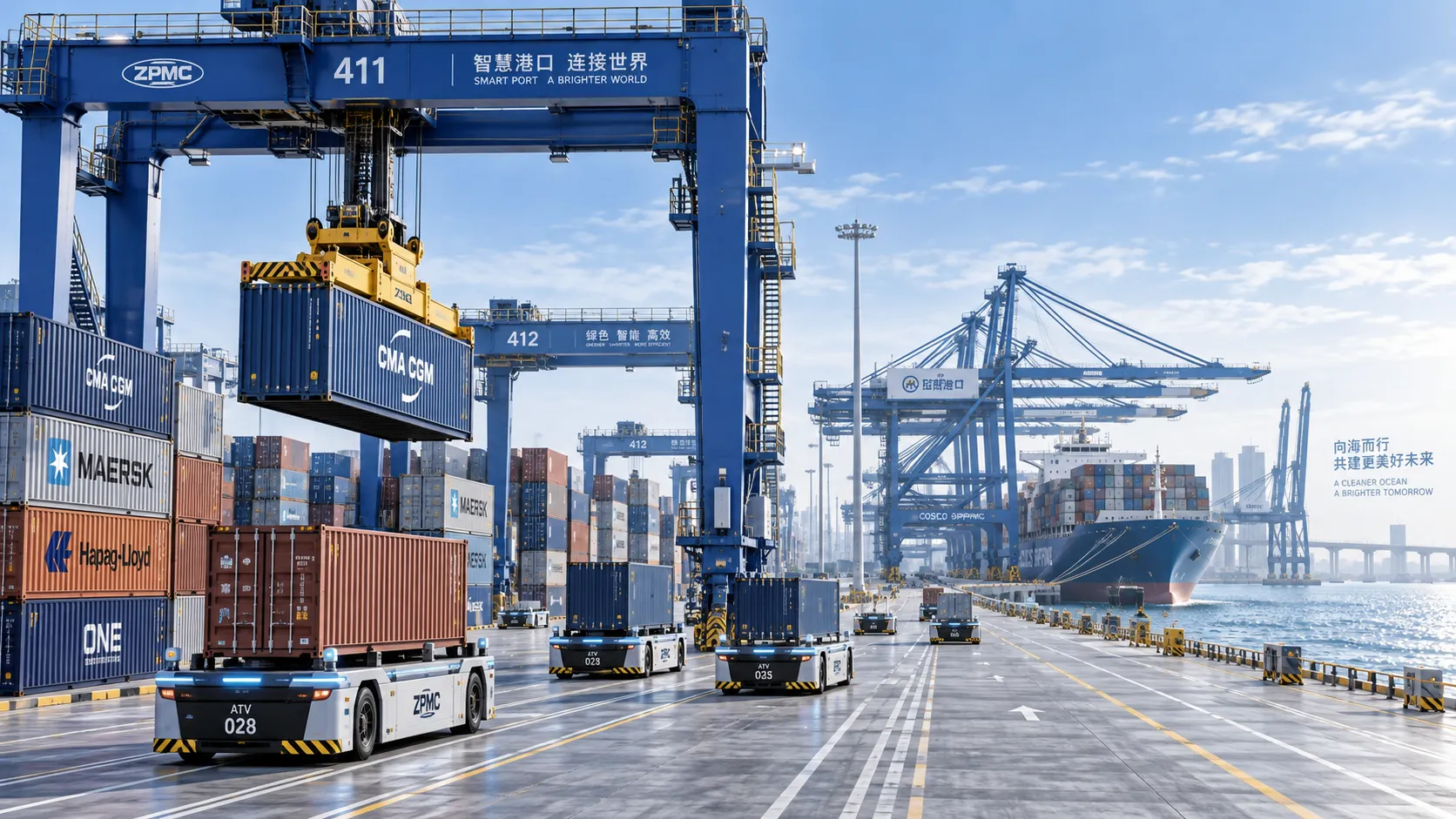
Terminal Automation Technologies That Raise Container Throughput Without Yard Disruption
Terminal automation technology that increases container throughput without disrupting yard flow. Explore smarter integration, resilient workflows, and phased deployment strategies.
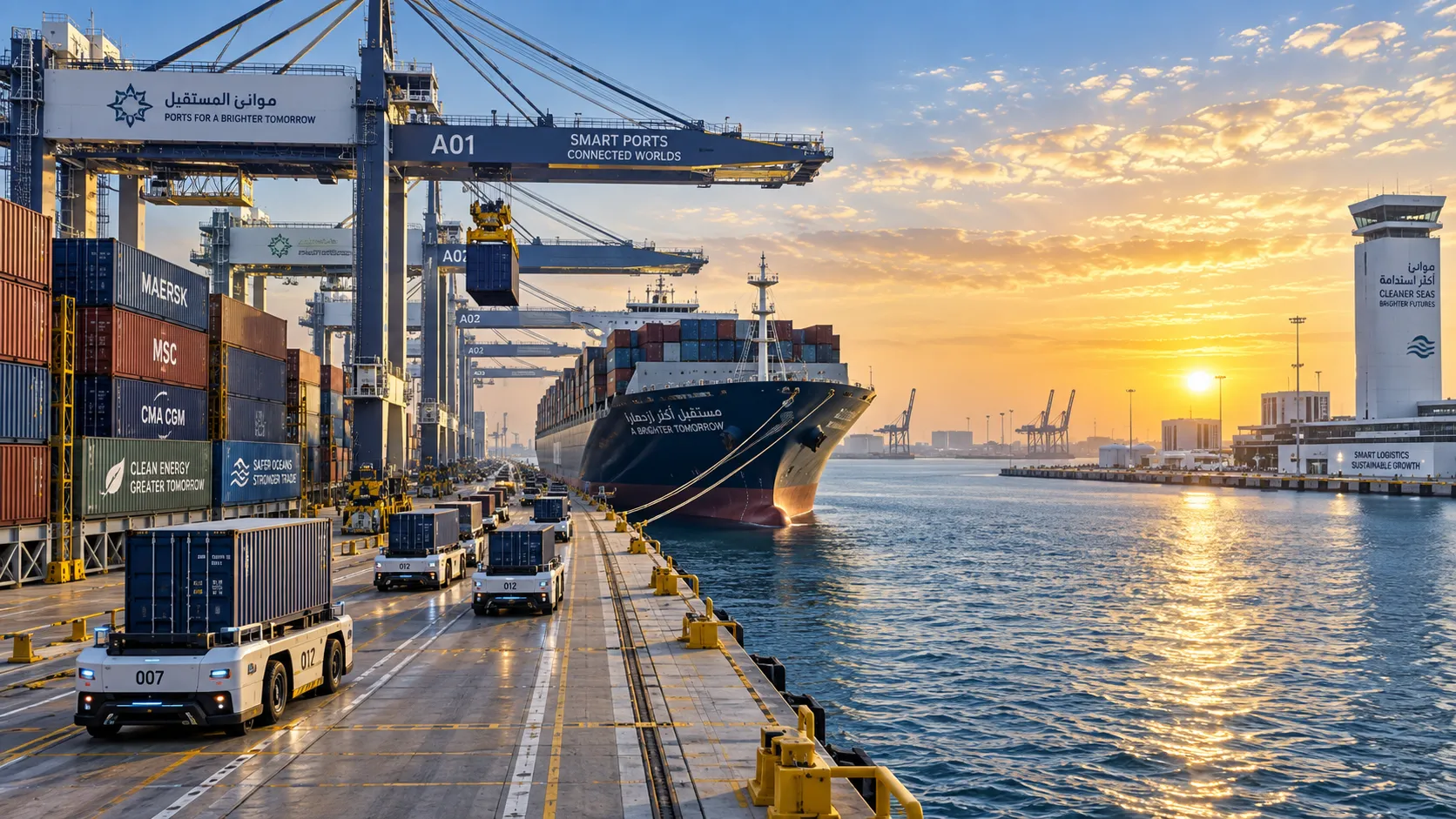
Middle East Port Automation: Key Market Drivers, Projects, and Investment Risks
Port automation systems Middle East: explore market drivers, flagship projects, integration challenges, and investment risks shaping smarter, resilient terminals.
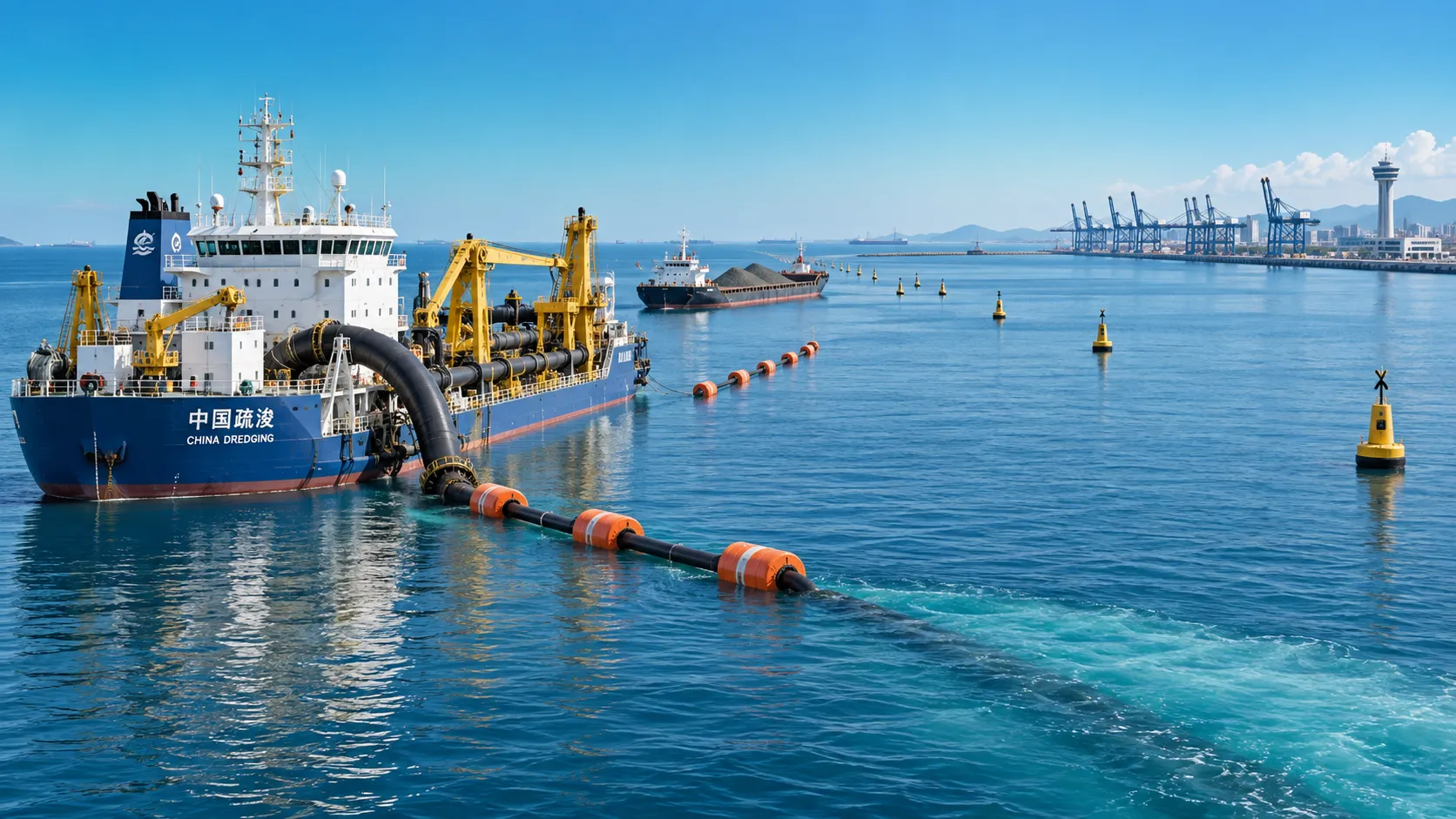
Planning Offshore Dredging Operations: Key Risks, Methods, and Project Controls
Offshore dredging operations demand smart planning. Explore key risks, proven methods, environmental controls, and project strategies for reliable delivery.