Related News
- 00
0000-00
How to Specify a Quay Crane for Container Terminals by Vessel Size and Throughput? - 00
0000-00
Which Bulk Handling Equipment Suits High-Moisture Cargo? - 00
0000-00
Terminal Automation Technologies That Raise Container Throughput Without Yard Disruption - 00
0000-00
Planning Offshore Dredging Operations: Key Risks, Methods, and Project Controls - 00
0000-00
Where Do Automated Guided Vehicles Deliver the Fastest Warehouse Gains in the Middle East?
How to Choose Remote-Controlled Cranes for Port and Yard Operations
How to Choose Remote-Controlled Cranes for Port and Yard Operations
Choosing remote-controlled cranes for port and yard operations takes more than checking lifting charts or bid prices.
The real question is whether the system can perform safely, consistently, and profitably under live terminal pressure.
That means evaluating control latency, camera visibility, positioning stability, fail-safe logic, and software integration as one package.
In practical terms, the best remote-controlled cranes are the ones that fit traffic density, operator workflow, maintenance capability, and automation goals.
This guide breaks down the criteria that matter most when selecting remote-controlled cranes for modern ports and container yards.
Start with the Operating Scenario
Before comparing models, define exactly where the crane will work and what job cycle it must complete.
Remote-controlled cranes behave differently at quay edges, intermodal yards, bulk zones, and automated stacking blocks.
A yard crane handling repeatable container moves needs different control priorities than a crane facing vessel-side variability.
Cycle design matters too. Peak-hour truck arrivals, vessel bunching, and block reshuffles change control demands fast.
From a technical review perspective, start by documenting these baseline conditions:
- Cargo type, spreader configuration, and rated load profile
- Expected moves per hour during normal and peak windows
- Travel distances, stack heights, and lane geometry
- Exposure to wind, fog, salt spray, dust, and vibration
- Level of interaction with trucks, AGVs, straddle carriers, or other cranes
Without this operating map, comparing remote-controlled cranes becomes a paper exercise rather than a real selection process.
Evaluate Control Latency and Response Quality
Latency is one of the first hard filters for remote-controlled cranes.
If command response feels delayed, even by a small margin, productivity drops and operator fatigue rises quickly.
More importantly, unstable latency can be worse than slightly higher but predictable delay.
Ask suppliers for measured end-to-end latency, not just network specifications.
That includes joystick input, signal transmission, control processing, video return, and motion execution.
In live yards, the issue is not average speed alone.
Jitter, packet loss, and image stutter can undermine confidence even when average latency looks acceptable on paper.
During technical assessment, verify:
- Maximum and average latency under loaded network conditions
- Frame rate and image stability across all camera views
- Behavior during communication degradation or temporary interruption
- Operator recovery time after signal restoration
- Local backup logic for emergency stop and safe positioning
For remote-controlled cranes, smooth and consistent response often matters more than aggressive performance claims.
Check Positioning Accuracy and Motion Stability
Precise movement is the foundation of efficient remote operation.
If sway control, hoist stability, or anti-collision logic is weak, every move takes longer than planned.
This becomes even more visible in dense yards where lane width and stack tolerance are tight.
Suppliers should show positioning performance in realistic duty cycles, not only in ideal demonstration environments.
Look for sensor fusion capability across encoders, laser systems, GNSS where relevant, vision systems, and spreader detection.
More mature remote-controlled cranes combine automation aids with manual remote override instead of forcing one mode only.
That approach improves resilience when weather, box condition, or yard congestion changes unexpectedly.
Key motion indicators to compare
- Landing accuracy at truck lanes, rail positions, or stack slots
- Sway suppression time after acceleration or braking
- Micro-motion controllability during final placement
- Performance in crosswind and uneven load conditions
- Automatic alignment quality for container pickup and drop-off
When remote-controlled cranes hit positioning targets reliably, throughput improves without pushing operators into risky behavior.
Assess Safety Redundancy Beyond Compliance
Safety review should go well beyond checkbox compliance.
Remote-controlled cranes depend on layered protection because operators are no longer physically on the machine.
That changes how risk is detected, confirmed, and contained.
A strong design should combine mechanical safeguards, electrical redundancy, software interlocks, and clear fallback states.
For example, if video visibility drops, the crane should not simply continue normal motion without restriction.
It should trigger an orderly degraded mode with predefined limits.
This is where vendor maturity becomes obvious.
- Review emergency stop architecture and response path
- Confirm fail-safe behavior during network or power loss
- Check obstacle detection zones and false alarm handling
- Verify safe state logic for spreader, hoist, gantry, and trolley
- Request incident logs from comparable terminal deployments
The best remote-controlled cranes make safe behavior predictable, even when conditions become messy.
Review Environmental and Infrastructure Fit
Ports are harsh operating environments, and remote-controlled cranes must tolerate more than ordinary industrial conditions.
Salt corrosion, rain, glare, high wind, airborne dust, and temperature swings all affect sensors and control quality.
Camera placement may look good in a showroom yet fail under fog, nighttime reflections, or dirty lens conditions.
This also means reviewing site infrastructure, especially communication backbone and power quality.
Remote-controlled cranes need stable wireless or fiber architecture with enough redundancy for continuous operations.
At PS-Nexus, this issue is increasingly linked to terminal digital maturity rather than crane mechanics alone.
A technically advanced crane can still underperform if the surrounding control ecosystem is weak.
Ask these site-fit questions
- How does the crane maintain visibility in rain, fog, and glare?
- What protection levels apply to sensors, connectors, and control cabinets?
- What communications design supports roaming, handover, and redundancy?
- How is performance affected by wind thresholds and dust accumulation?
- What maintenance access is required for camera cleaning and sensor calibration?
These details often separate a successful remote-controlled cranes project from an expensive retrofit cycle.
Measure Integration with Terminal Systems
Standalone performance is not enough.
Remote-controlled cranes must exchange data cleanly with the terminal operating system, equipment control system, and maintenance platforms.
This is especially important in semi-automated and unmanned terminal strategies.
Integration quality shapes dispatch timing, exception handling, asset visibility, and reporting accuracy.
A crane that moves well but communicates poorly can create hidden delays across the yard.
Look closely at interface openness, protocol support, cybersecurity controls, and event logging depth.
The stronger suppliers now position remote-controlled cranes as connected operational nodes, not isolated machines.
- Verify interface compatibility with TOS, ECS, and fleet systems
- Check alarm taxonomy and event traceability
- Review API structure, upgrade policy, and vendor lock-in risk
- Assess cybersecurity segmentation and access control design
- Confirm support for diagnostics, remote service, and predictive maintenance
This is where long-term value becomes visible, especially for ports planning staged automation expansion.
Compare Lifecycle Cost, Support, and Upgrade Path
Purchase price alone rarely reflects the true value of remote-controlled cranes.
A lower upfront bid can become costly if software updates are limited, spare parts are slow, or diagnostics are weak.
In real operations, availability and recoverability usually matter more than the initial discount.
Ask vendors to present lifecycle assumptions clearly, including control hardware refresh cycles and software support windows.
This also helps evaluate whether the crane can evolve with new automation layers later.
A useful evaluation framework includes:
- Energy consumption and duty-cycle efficiency
- Availability guarantees and response-time commitments
- Spare parts localization and inventory strategy
- Training needs for operators, technicians, and control room staff
- Software licensing, update access, and future function expansion
When remote-controlled cranes are selected with lifecycle discipline, investment risk drops and expansion options stay open.
Use a Structured Decision Matrix
A structured matrix keeps selection grounded in evidence.
It also helps separate marketing language from measurable operational value.
One practical method is to score remote-controlled cranes across technical, operational, and commercial dimensions.
This kind of scoring model is simple, but it keeps decision quality high.
It also creates a clear audit trail when remote-controlled cranes are reviewed by operations, engineering, and procurement together.
Final Selection Priorities
The strongest remote-controlled cranes are not always the ones with the highest headline specification.
They are the systems that stay stable under pressure, integrate cleanly, and remain serviceable over time.
For ports and yards moving toward smarter operations, that balance matters more than any single feature.
A sound choice starts with the operating scenario, then tests latency, precision, safety, environment fit, and software readiness together.
That is also the broader lesson seen across PS-Nexus coverage of terminal automation and marine logistics infrastructure.
As terminals modernize, equipment selection is becoming a systems decision, not only a machinery purchase.
Use field data, insist on realistic testing, and rank remote-controlled cranes by operational fit first. That is usually where the smartest decision begins.
Related News
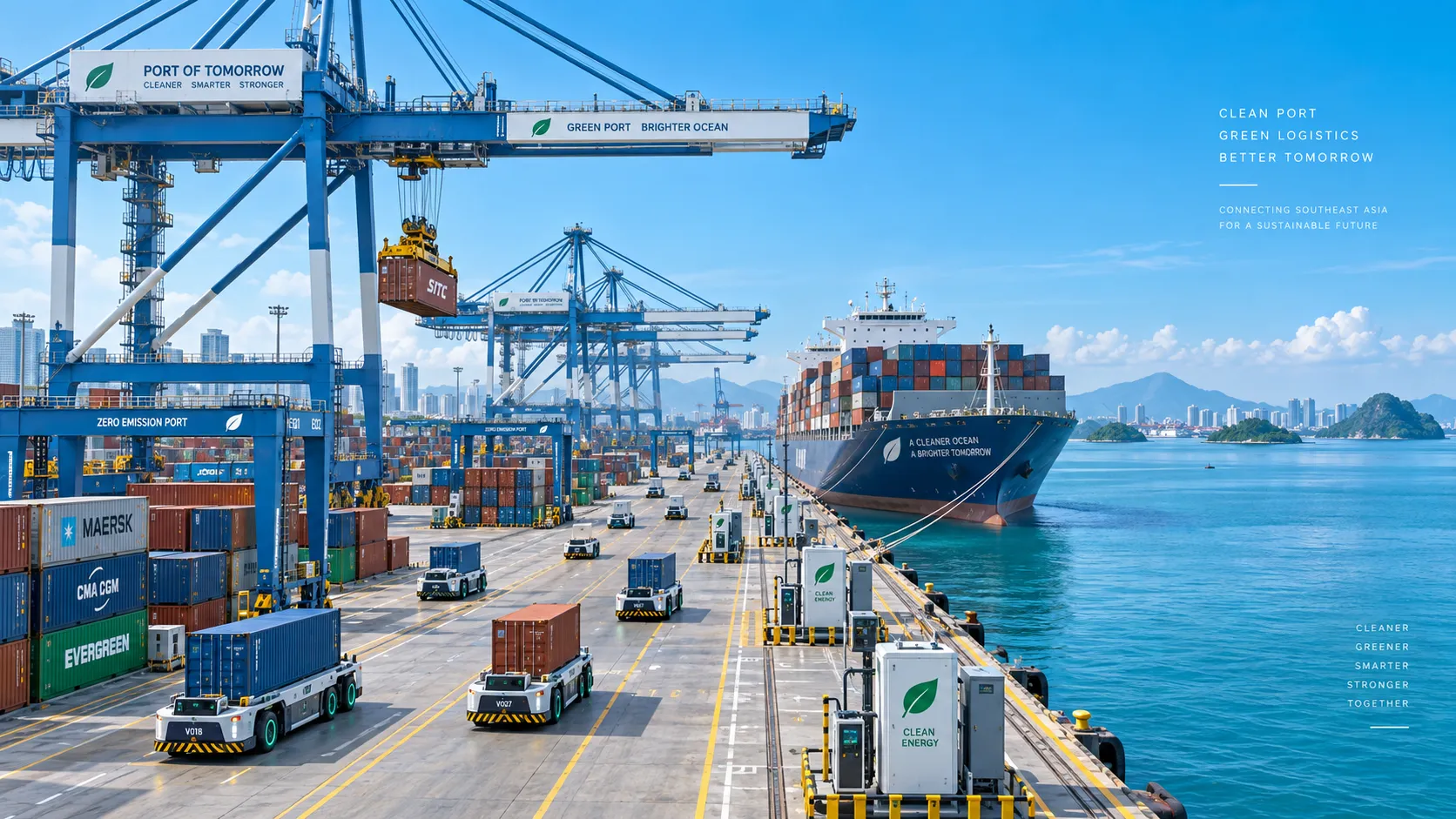
Smart Port Systems in Southeast Asia: Investment Priorities and Adoption Barriers
Smart port systems Southeast Asia: discover investment priorities, adoption barriers, and practical steps to build resilient, connected, high-performing terminals.

How to Evaluate Terminal Efficiency Solution Suppliers for High-Throughput Operations
Choose a terminal efficiency solutions supplier with confidence. Explore proven criteria for throughput, integration, lifecycle cost, safety, and reliable delivery.
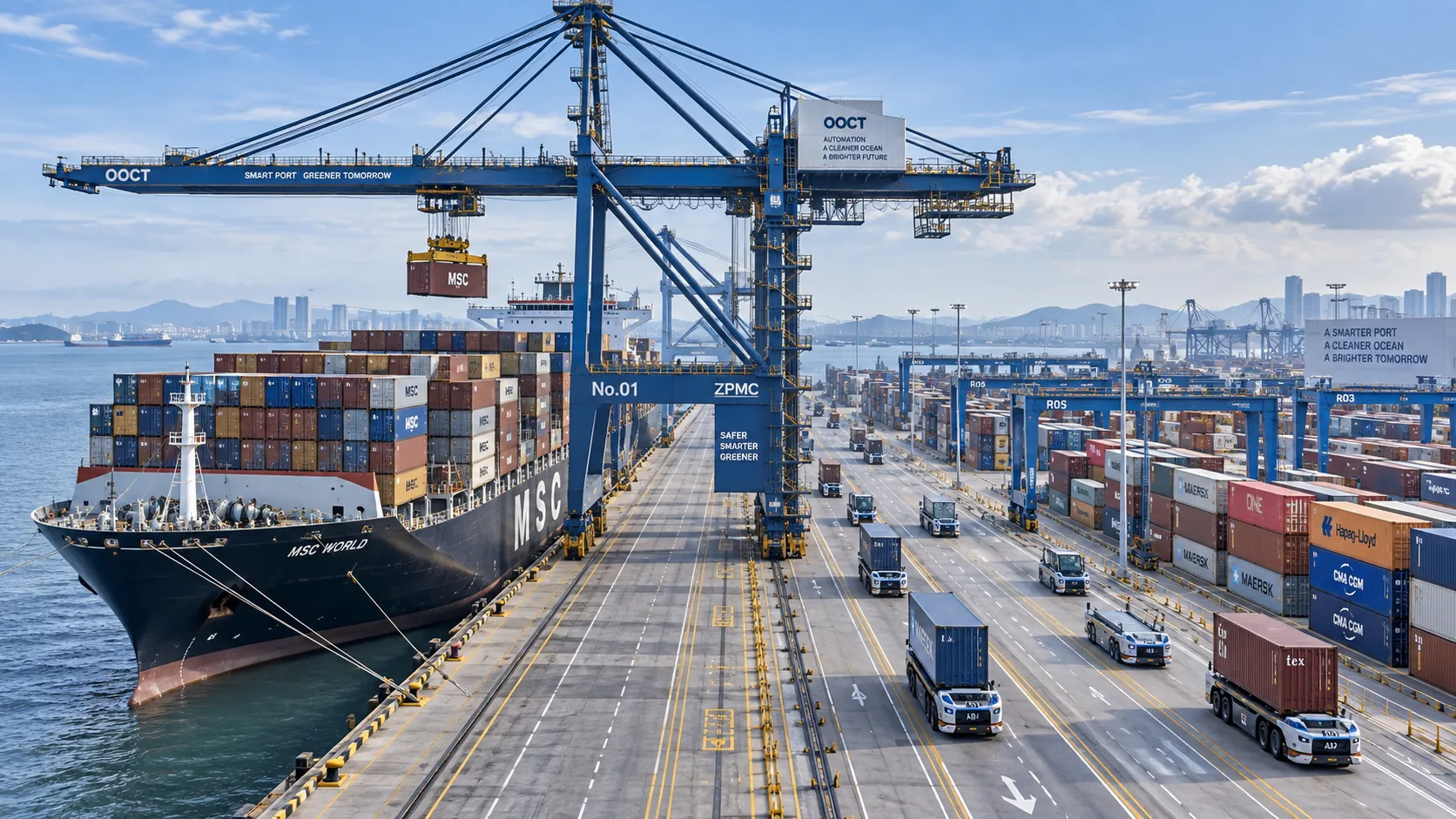
How to Specify a Quay Crane for Container Terminals by Vessel Size and Throughput?
Quay crane for container terminals: learn how to match outreach, lift height, capacity, automation, and cycle performance to vessel size and throughput goals.
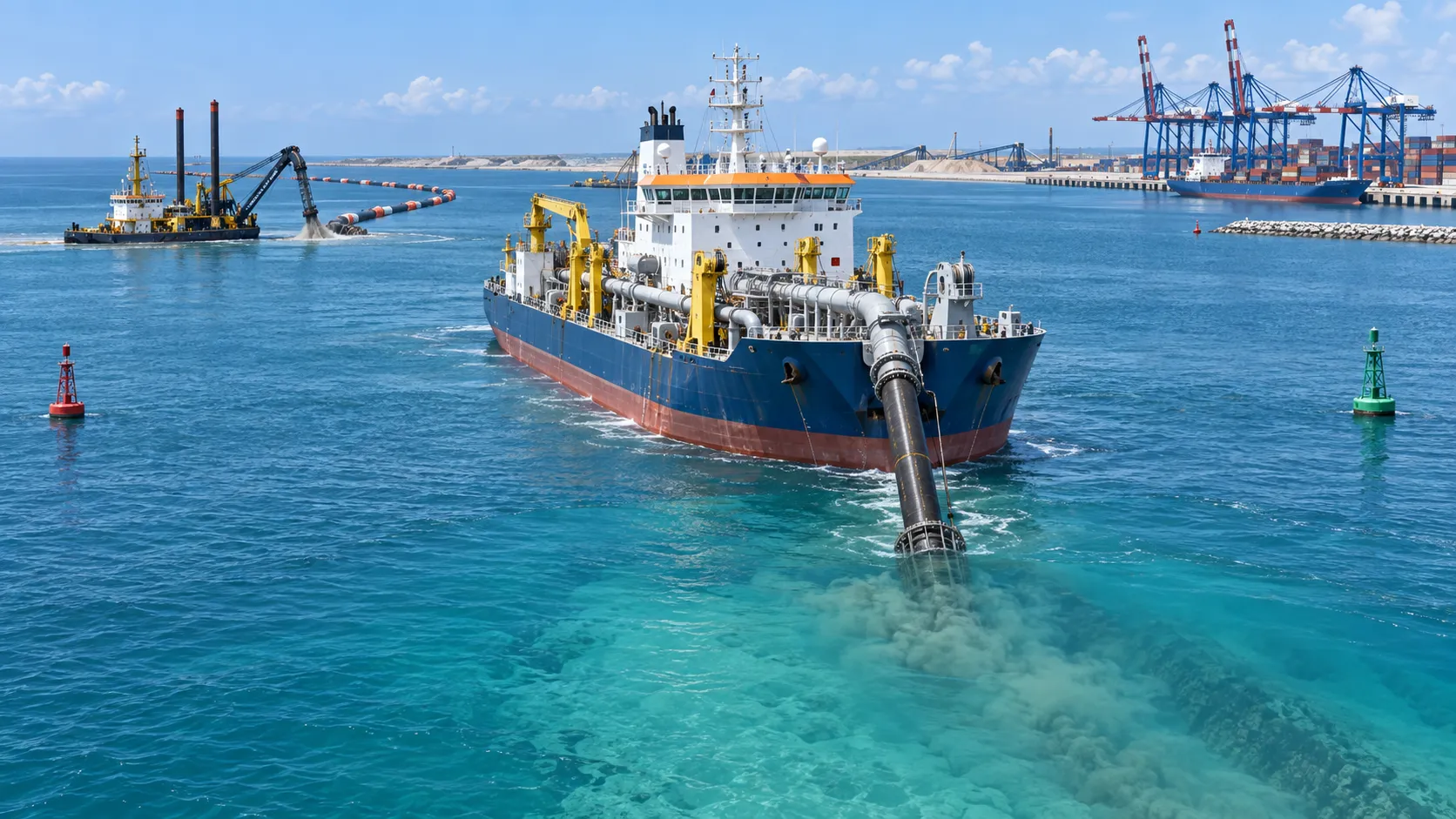
What Dredging Equipment Is Needed for Channel Deepening?
What dredging equipment is needed for channel deepening? Explore dredgers, pipelines, survey tools, and planning strategies for safer, more efficient port access.
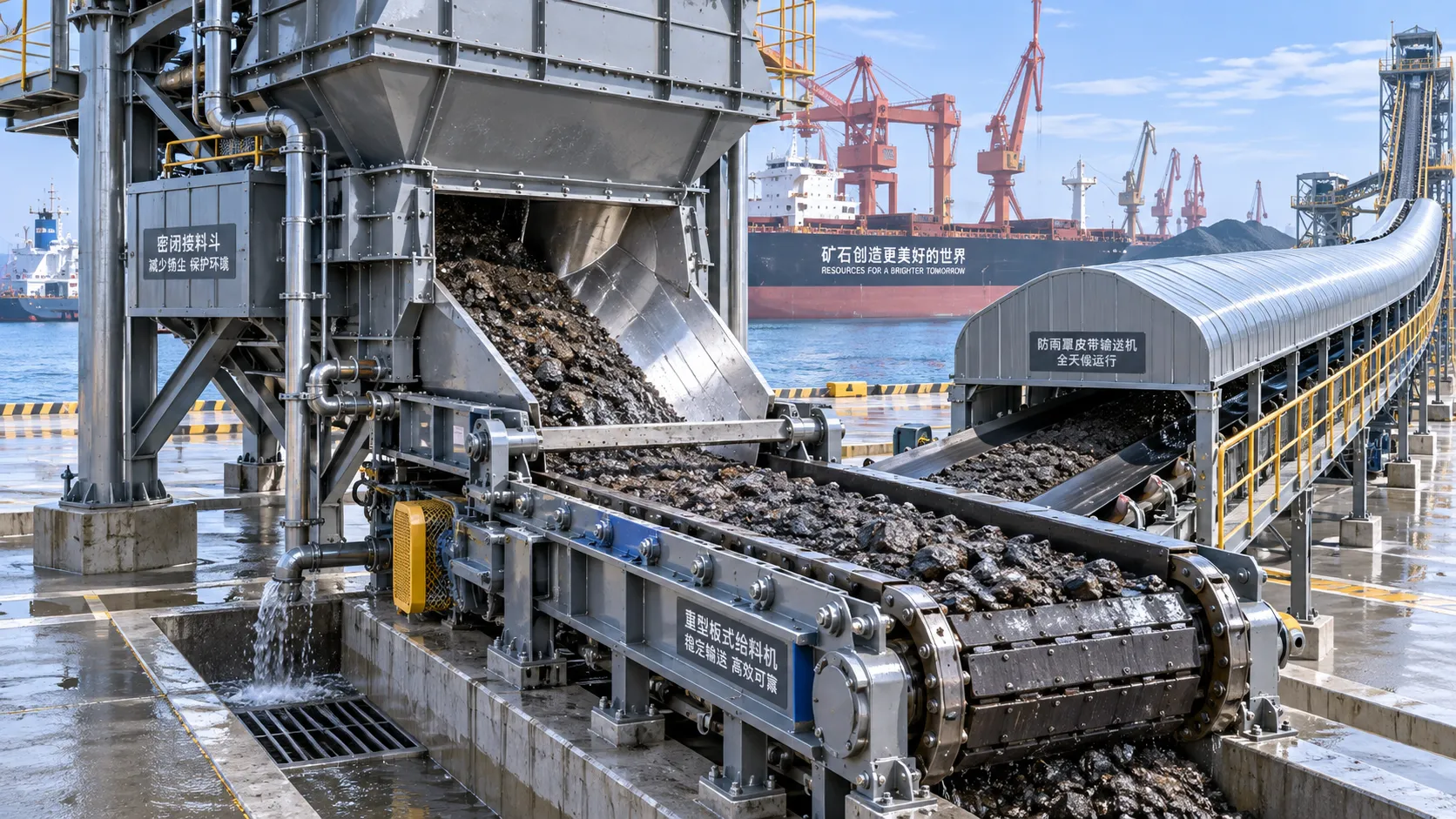
Which Bulk Handling Equipment Suits High-Moisture Cargo?
Which bulk handling equipment suits high-moisture cargo? Compare belt, apron, screw, drag, and slurry systems for reliable flow, less carryback, and higher terminal uptime.
How Can Port Equipment Lead-Time Risk Be Managed?
How can port equipment lead-time risk be managed? Explore practical strategies to control critical paths, suppliers, transport, site readiness, and commissioning delays.
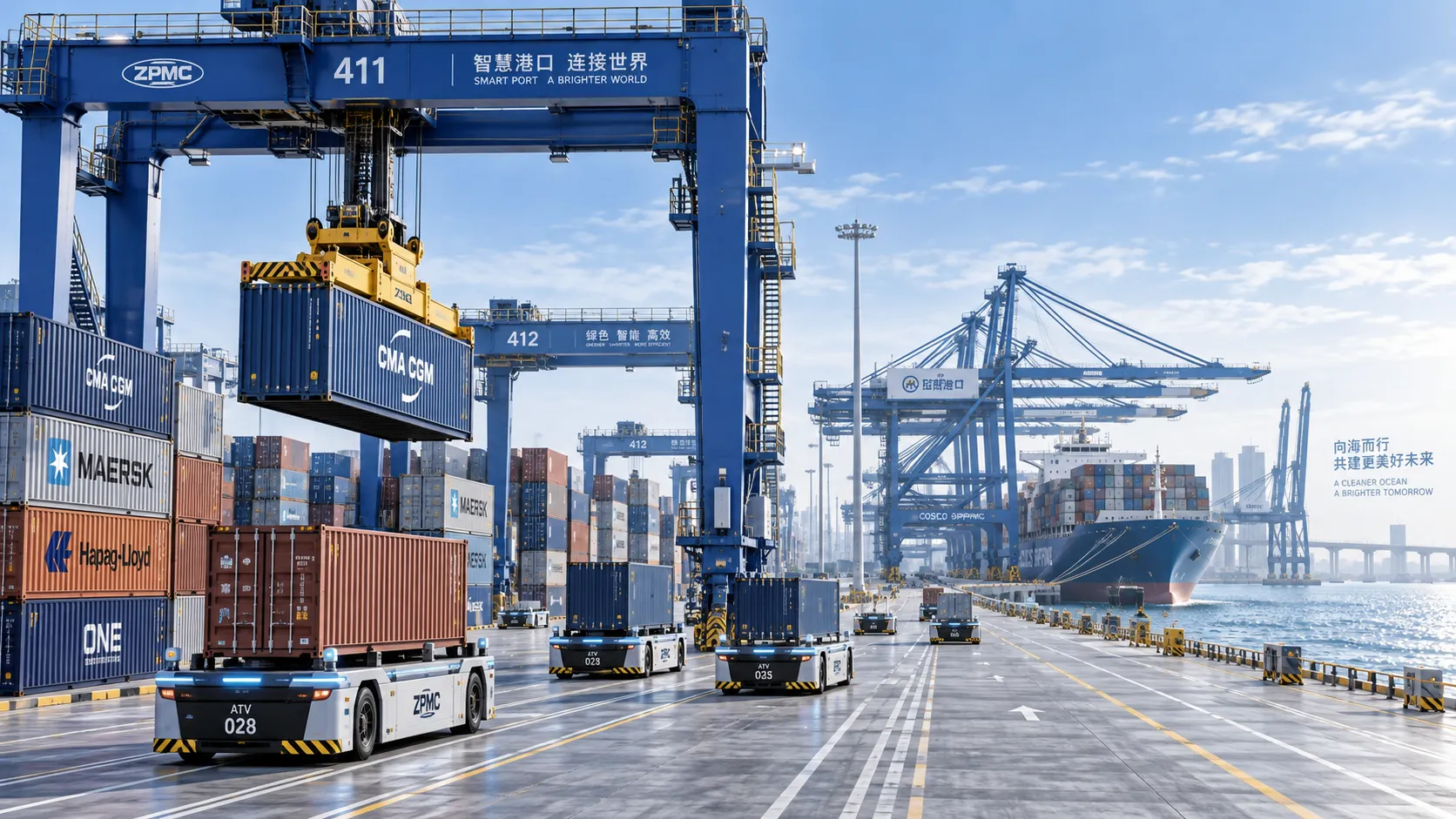
Terminal Automation Technologies That Raise Container Throughput Without Yard Disruption
Terminal automation technology that increases container throughput without disrupting yard flow. Explore smarter integration, resilient workflows, and phased deployment strategies.
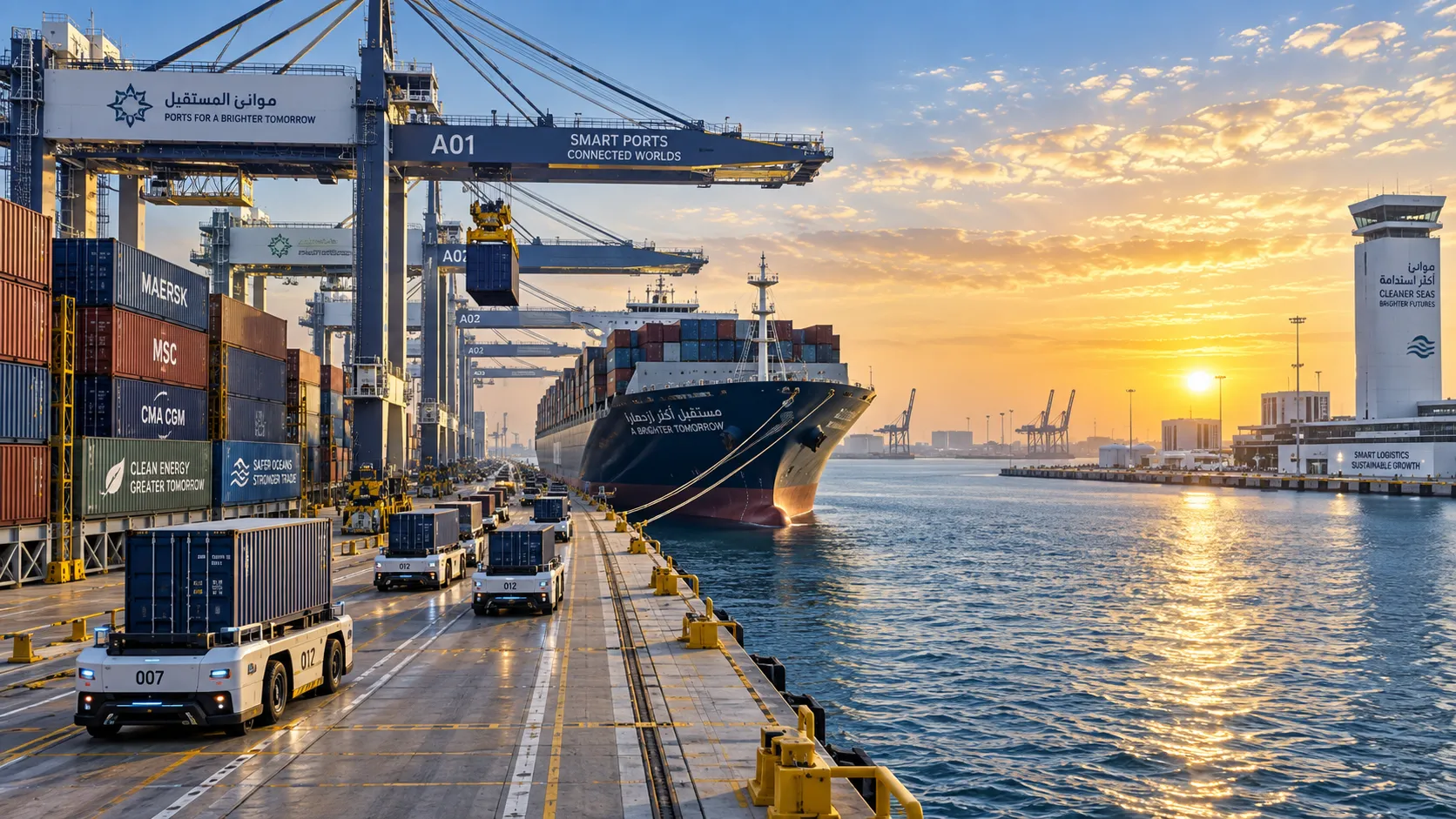
Middle East Port Automation: Key Market Drivers, Projects, and Investment Risks
Port automation systems Middle East: explore market drivers, flagship projects, integration challenges, and investment risks shaping smarter, resilient terminals.
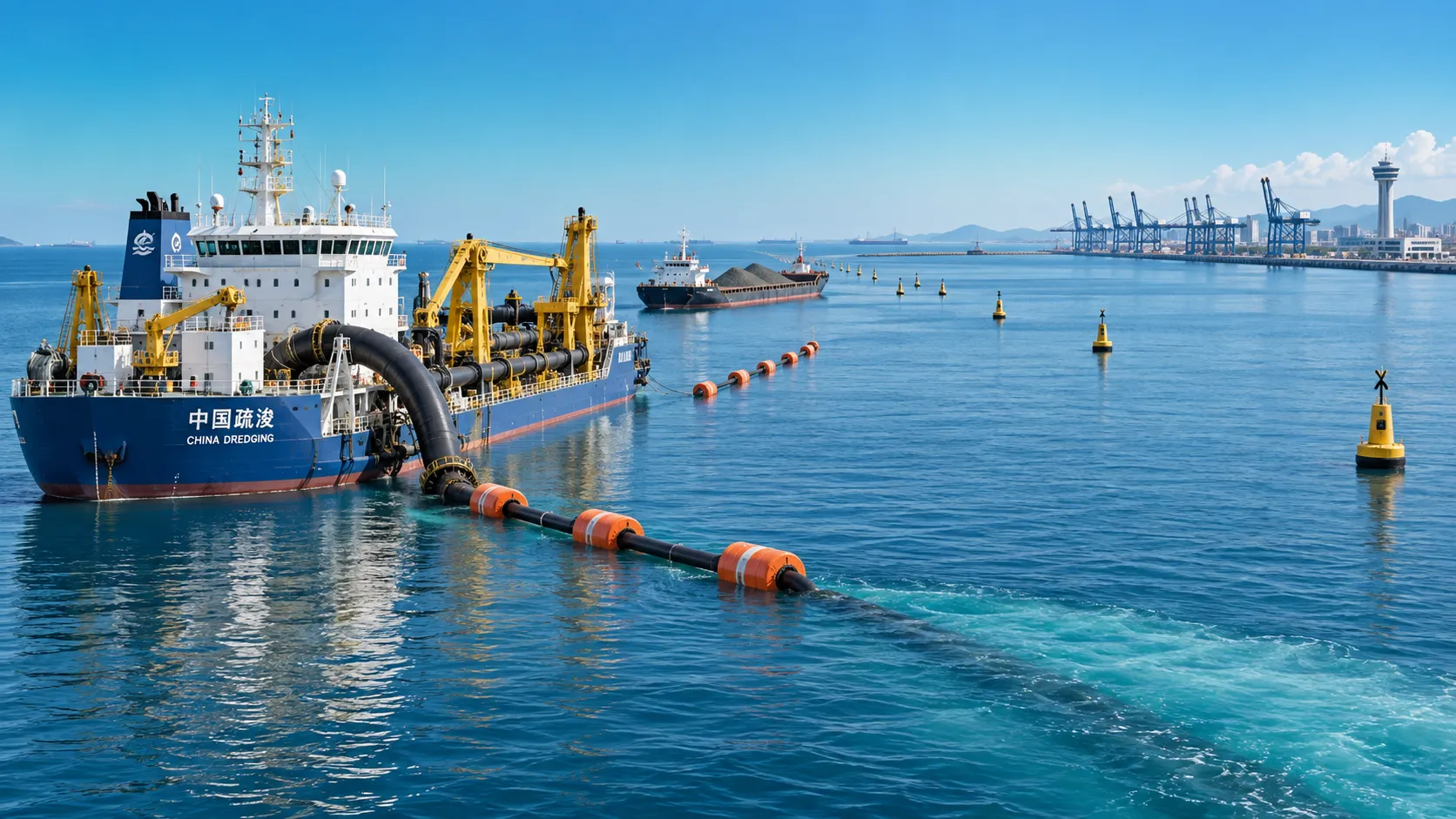
Planning Offshore Dredging Operations: Key Risks, Methods, and Project Controls
Offshore dredging operations demand smart planning. Explore key risks, proven methods, environmental controls, and project strategies for reliable delivery.