Related News
- 00
0000-00
How to Specify a Quay Crane for Container Terminals by Vessel Size and Throughput? - 00
0000-00
Which Bulk Handling Equipment Suits High-Moisture Cargo? - 00
0000-00
Terminal Automation Technologies That Raise Container Throughput Without Yard Disruption - 00
0000-00
Planning Offshore Dredging Operations: Key Risks, Methods, and Project Controls - 00
0000-00
Where Do Automated Guided Vehicles Deliver the Fastest Warehouse Gains in the Middle East?
Heavy Terminal Gear Selection Guide: Load Capacity, Duty Cycle, and Site Constraints
Heavy Terminal Gear Selection Guide: Load Capacity, Duty Cycle, and Site Constraints
Selecting heavy terminal gear is never just about maximum tonnage.
A higher rating may look safer on paper.
In practice, it can create higher energy use, slower cycles, and poor fit with the terminal layout.
For heavy terminal gear, smart selection means matching real cargo demand, duty intensity, and site limits.
This matters even more in modern ports.
Throughput targets are rising, labor models are changing, and electrical infrastructure is under pressure.
That is why heavy terminal gear selection should be treated as a system decision, not a single equipment purchase.
PS-Nexus follows this decision logic closely across port machinery, automation, and dredging engineering.
Start With the Real Load Profile
The first step is defining the actual load profile.
This is broader than the maximum lift figure in a tender document.
It includes average working loads, peak loads, load distribution, lifting radius, and frequency of high-stress moves.
For container terminals, the question is not only box weight.
You also need to consider twin-lift demand, wind exposure, stack height, and boom outreach.
For bulk operations, grab size, material density, and cycle variation become equally important.
Questions That Clarify Load Capacity Needs
- What is the normal operating load, not just the extreme load?
- How often does the equipment approach its rated capacity?
- Does load shift dynamically during travel, hoisting, or slewing?
- How much reserve capacity is needed for safe future growth?
This is where many heavy terminal gear projects drift off course.
Buyers sometimes specify for rare peaks.
That often leads to oversized machines with weaker utilization economics across the full asset life.
Duty Cycle Often Decides the Better Machine
Load capacity tells you what a machine can lift.
Duty cycle tells you how long it can keep doing it.
In real operations, duty cycle is often the more decisive parameter for heavy terminal gear selection.
A machine may meet load requirements but fail under continuous high-frequency operation.
That shows up as heat buildup, wear acceleration, reduced availability, and rising maintenance intervals.
So the selection team should map expected moves per hour, shifts per day, and seasonal peaks before comparing models.
Why Duty Cycle Changes Equipment Value
- It affects motor sizing, gearbox stress, and brake life.
- It changes cooling requirements and power quality demands.
- It influences planned downtime and parts consumption.
- It directly impacts lifecycle cost per handled ton.
From recent market changes, this issue is becoming more visible.
Ports want more throughput from fewer assets.
That means heavy terminal gear must survive intense utilization without creating maintenance bottlenecks.
Site Constraints Shape the Best Heavy Terminal Gear
Even the best machine can become the wrong machine on the wrong site.
Site constraints should be checked early, not after shortlist selection.
For heavy terminal gear, this part often decides whether a project remains efficient after commissioning.
Key Site Factors to Review
- Quay geometry, rail gauge, pavement strength, and turning radius.
- Clearance limits from buildings, stacks, pipelines, and traffic lanes.
- Wind conditions, corrosion exposure, salinity, and flooding risk.
- Grid stability, available voltage, harmonics, and backup power options.
- Access for maintenance teams, spare parts, and lifting support.
In actual terminal projects, electrical conditions are frequently underestimated.
A highly automated heavy terminal gear package may need cleaner and more stable power than the site can provide.
When that gap appears late, upgrade costs can erase the expected productivity gain.
Layout Fit Is More Than Footprint
Footprint matters, but movement logic matters more.
The selected heavy terminal gear must fit traffic flow, buffer zones, and handoff timing.
If the machine disrupts yard choreography, headline lifting performance loses value quickly.
Compare Lifecycle Cost, Not Purchase Price Alone
Selection decisions often tighten around upfront budget.
That is understandable, but it is rarely enough.
A better heavy terminal gear choice usually comes from comparing total ownership impact across ten to twenty years.
This broader cost view improves procurement discipline.
It also helps compare conventional and automated heavy terminal gear on fairer terms.
The lower bid is not always the lower operational burden.
Do Not Separate Equipment From Automation Logic
A growing number of terminals no longer buy equipment only.
They buy equipment plus control behavior.
This changes how heavy terminal gear should be evaluated during technical selection.
Interfaces now affect uptime as much as mechanical quality.
Data latency, positioning accuracy, and scheduling compatibility can all limit real output.
For that reason, heavy terminal gear should be checked against the terminal operating system and future automation roadmap.
Integration Checks Worth Including
- Communication protocol compatibility and cybersecurity readiness.
- Support for remote monitoring, diagnostics, and software updates.
- Sensor reliability in dust, fog, rain, and salt-heavy environments.
- Recovery logic during signal loss or emergency stop events.
This is one area where PS-Nexus sees strong demand for better technical intelligence, especially in semi-automated terminal upgrades.
A Practical Evaluation Framework
A practical heavy terminal gear review should stay structured.
Otherwise, discussions drift toward brochure numbers and brand familiarity.
A simple framework can keep decisions grounded in terminal reality.
- Define cargo mix, peak flows, and move patterns.
- Translate those flows into load and duty cycle requirements.
- Check site constraints before freezing technical specifications.
- Model energy, maintenance, and downtime costs.
- Validate automation and control system compatibility.
- Score suppliers on support depth, not only delivery price.
This also makes internal approval easier.
When heavy terminal gear decisions are documented this way, risk becomes easier to explain to finance, operations, and engineering teams.
That usually leads to faster alignment and fewer late-stage design changes.
Final Decision Signals That Matter Most
When choices become close, a few signals usually separate strong options from risky ones.
- Stable performance under real duty cycle, not ideal test conditions.
- Clear fit with site layout and electrical reality.
- Credible maintenance support and spare strategy.
- Strong integration path with present and future automation systems.
- Balanced lifecycle economics across throughput, uptime, and energy use.
In the end, the right heavy terminal gear is the one that keeps terminal flow stable under pressure.
It should match the port’s operational rhythm, physical limits, and digital direction.
That is the real basis for lower lifecycle risk and stronger throughput performance.
For teams comparing heavy terminal gear today, the best next move is simple.
Build your shortlist around working conditions first.
Then test each option against duty cycle, site constraints, and integration readiness.
That approach produces better heavy terminal gear decisions, and better terminal outcomes.
Related News
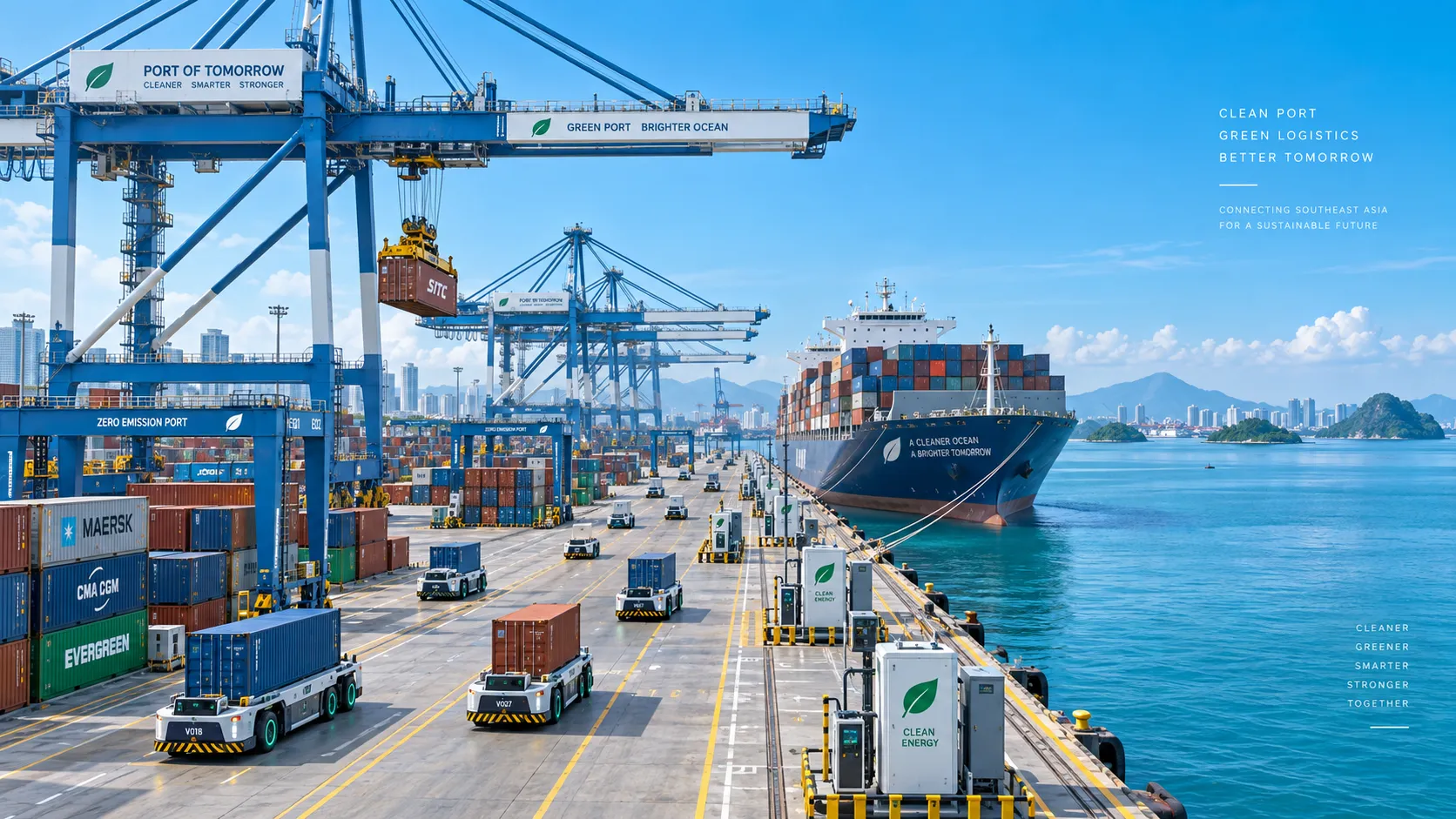
Smart Port Systems in Southeast Asia: Investment Priorities and Adoption Barriers
Smart port systems Southeast Asia: discover investment priorities, adoption barriers, and practical steps to build resilient, connected, high-performing terminals.
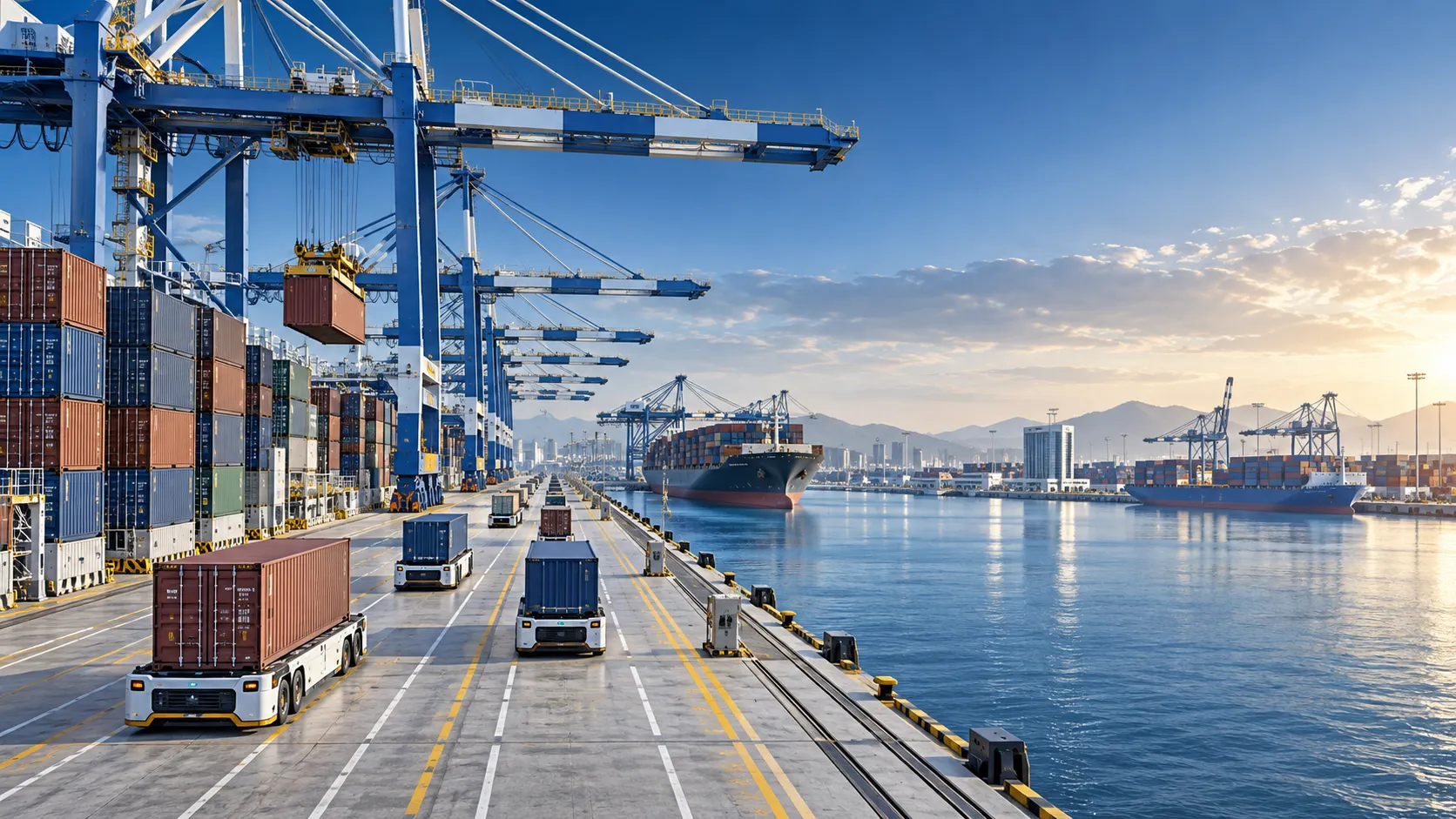
How to Evaluate Terminal Efficiency Solution Suppliers for High-Throughput Operations
Choose a terminal efficiency solutions supplier with confidence. Explore proven criteria for throughput, integration, lifecycle cost, safety, and reliable delivery.
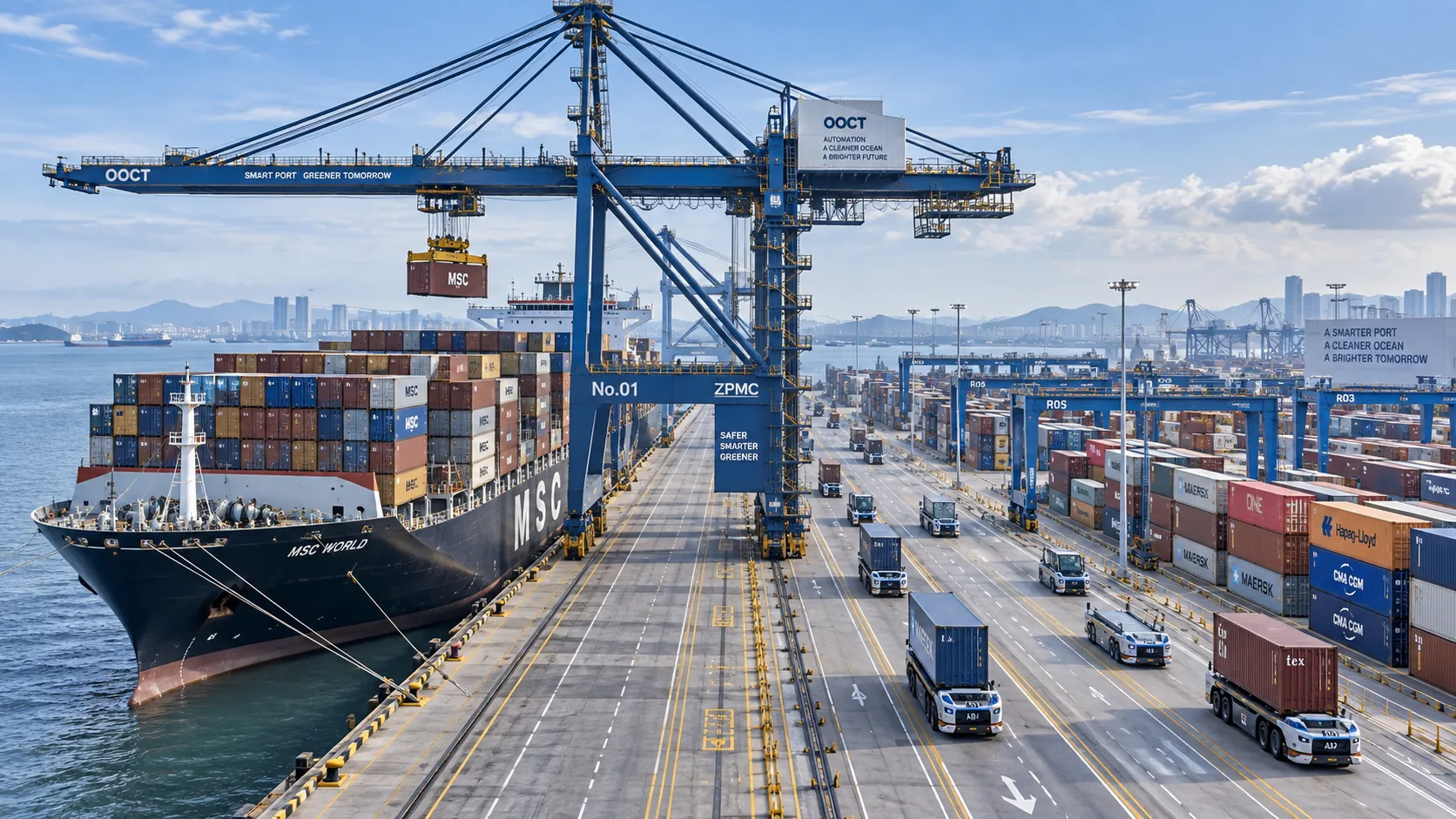
How to Specify a Quay Crane for Container Terminals by Vessel Size and Throughput?
Quay crane for container terminals: learn how to match outreach, lift height, capacity, automation, and cycle performance to vessel size and throughput goals.
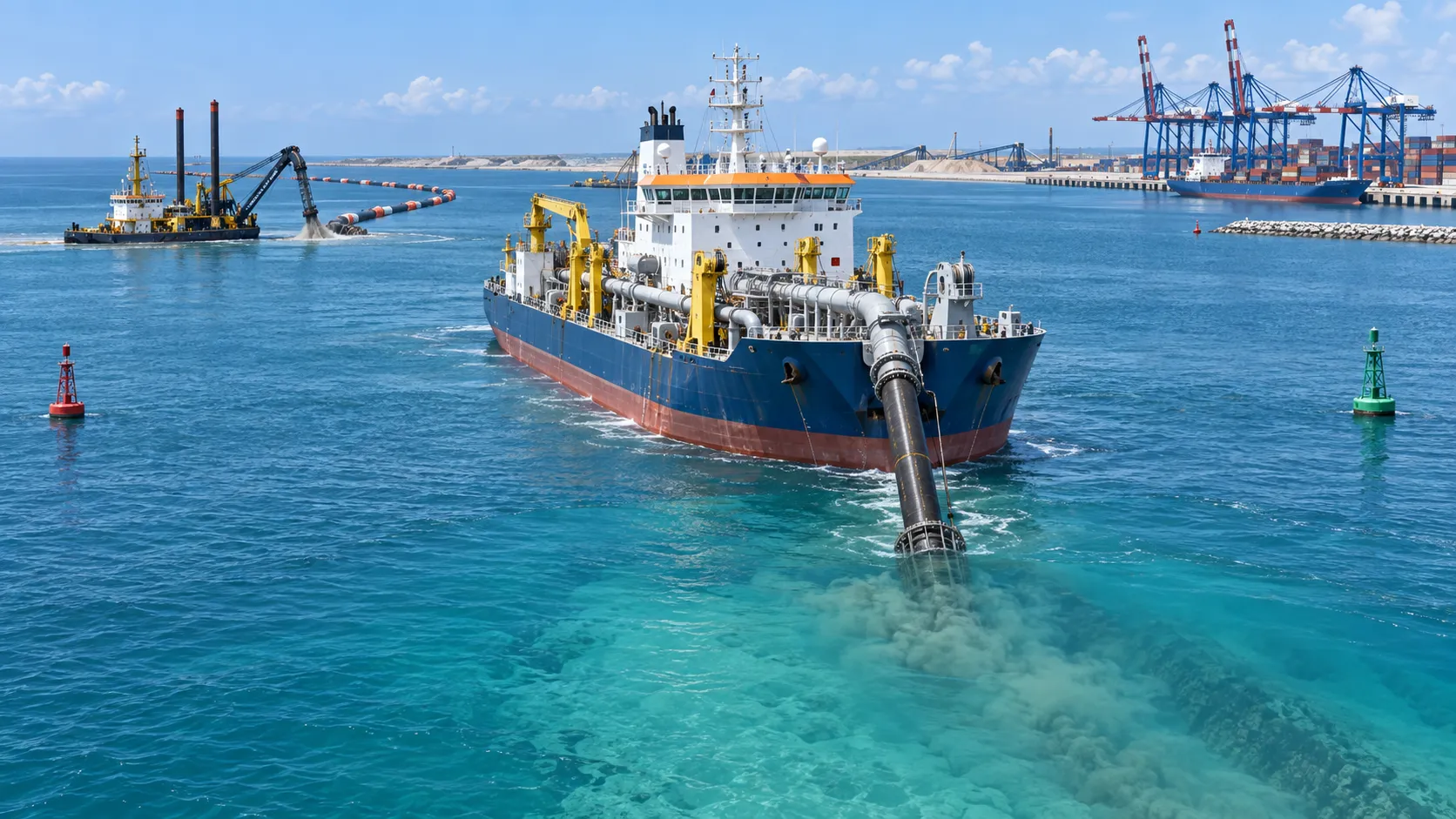
What Dredging Equipment Is Needed for Channel Deepening?
What dredging equipment is needed for channel deepening? Explore dredgers, pipelines, survey tools, and planning strategies for safer, more efficient port access.
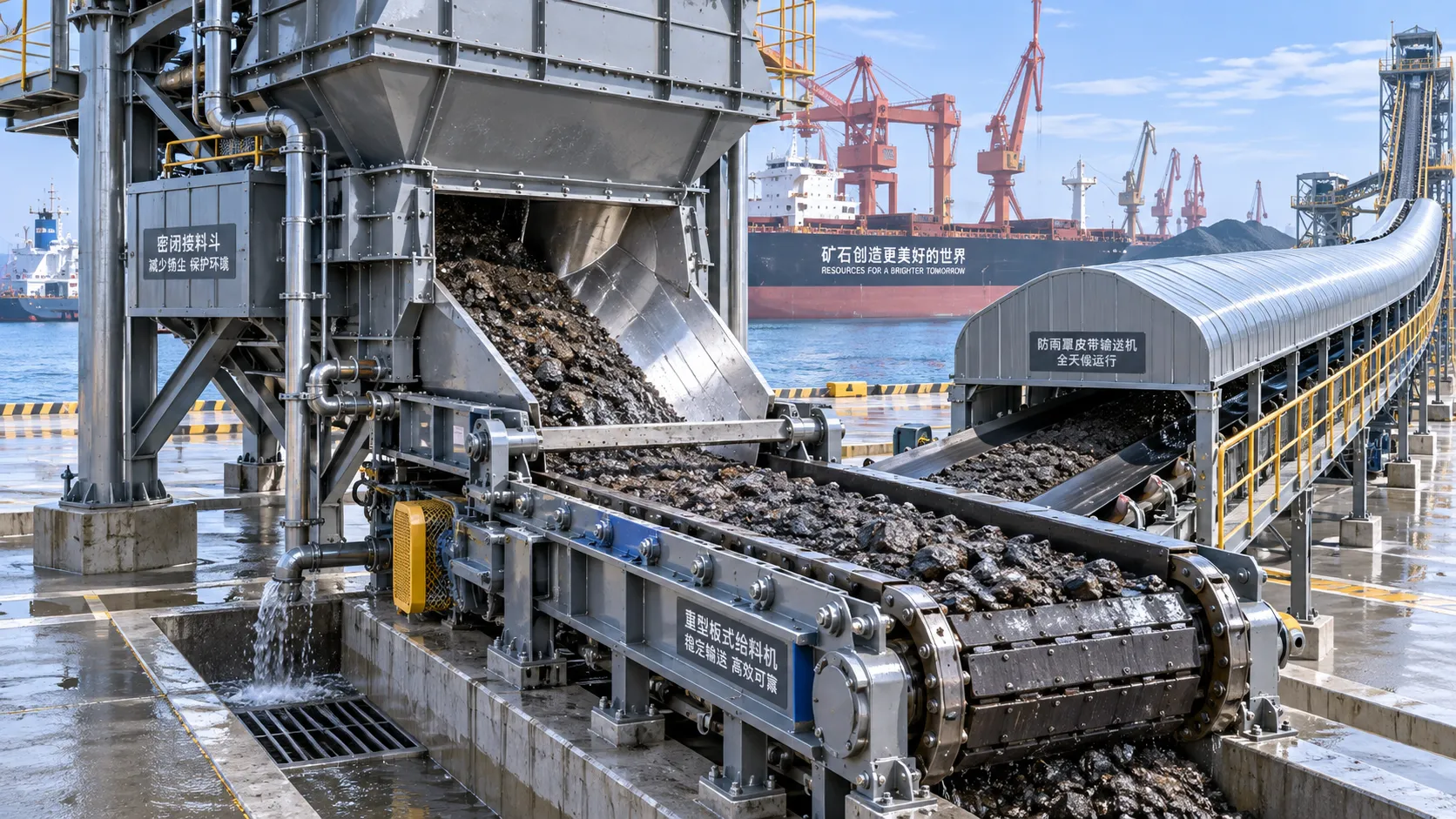
Which Bulk Handling Equipment Suits High-Moisture Cargo?
Which bulk handling equipment suits high-moisture cargo? Compare belt, apron, screw, drag, and slurry systems for reliable flow, less carryback, and higher terminal uptime.
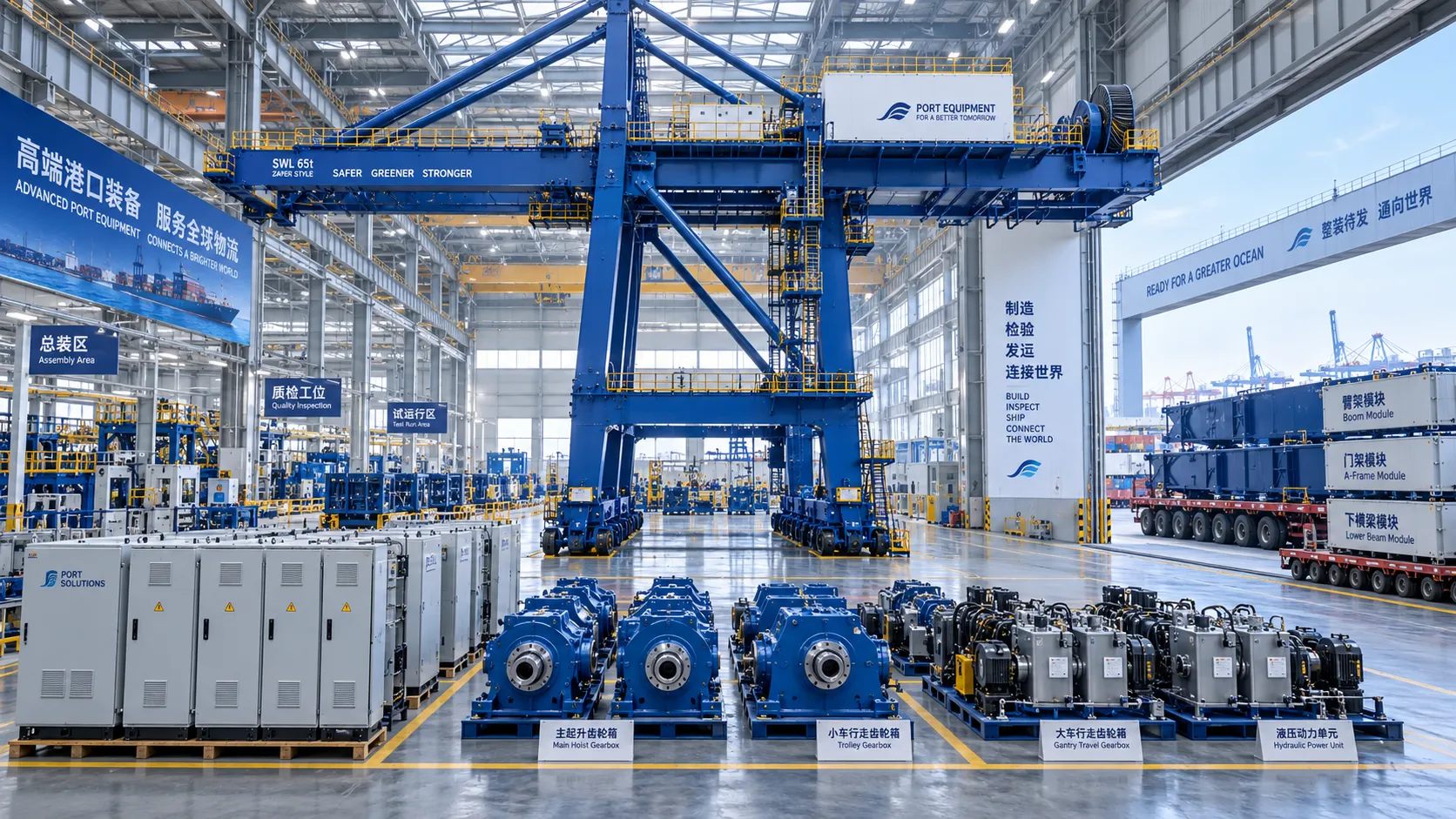
How Can Port Equipment Lead-Time Risk Be Managed?
How can port equipment lead-time risk be managed? Explore practical strategies to control critical paths, suppliers, transport, site readiness, and commissioning delays.
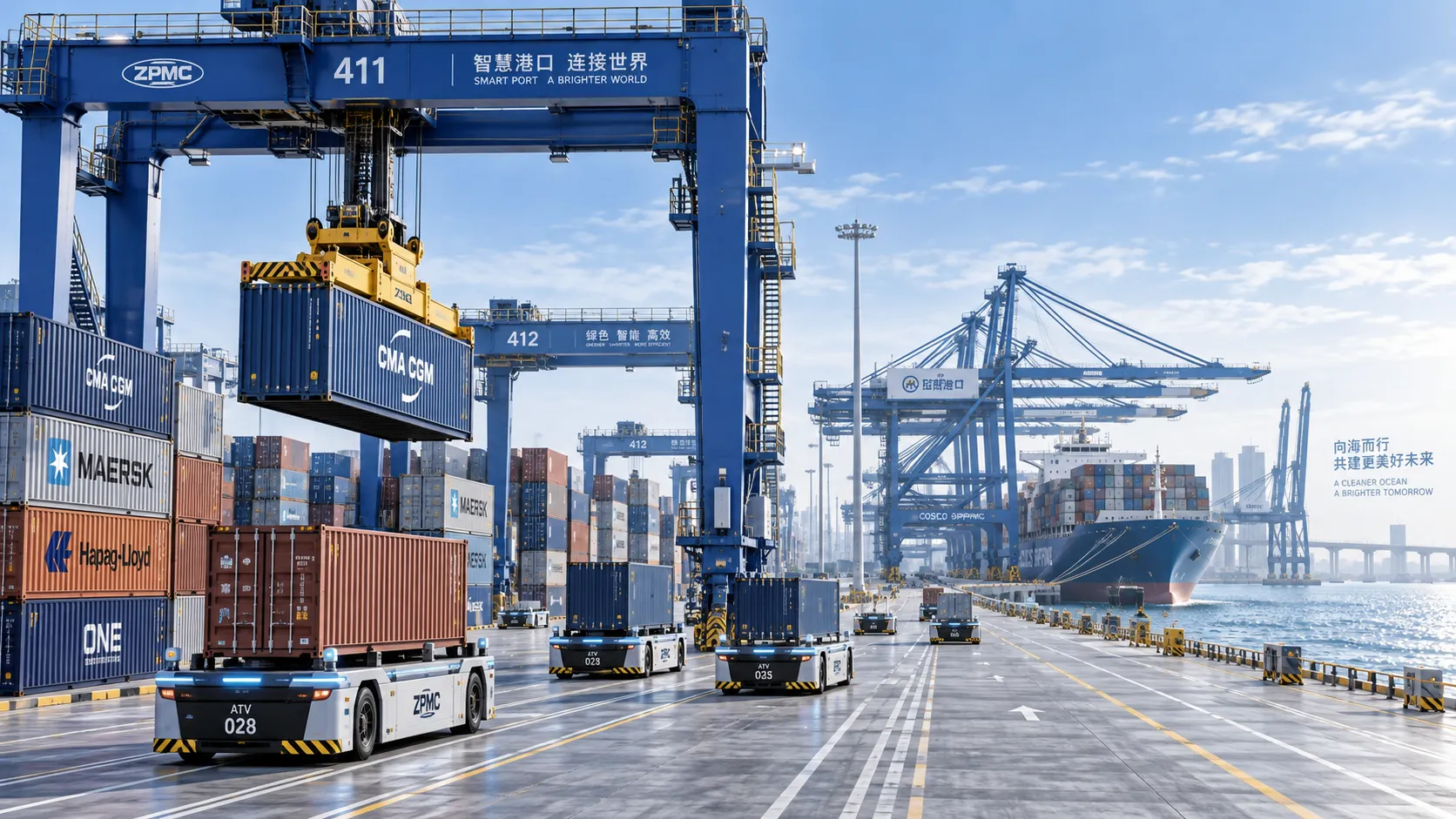
Terminal Automation Technologies That Raise Container Throughput Without Yard Disruption
Terminal automation technology that increases container throughput without disrupting yard flow. Explore smarter integration, resilient workflows, and phased deployment strategies.
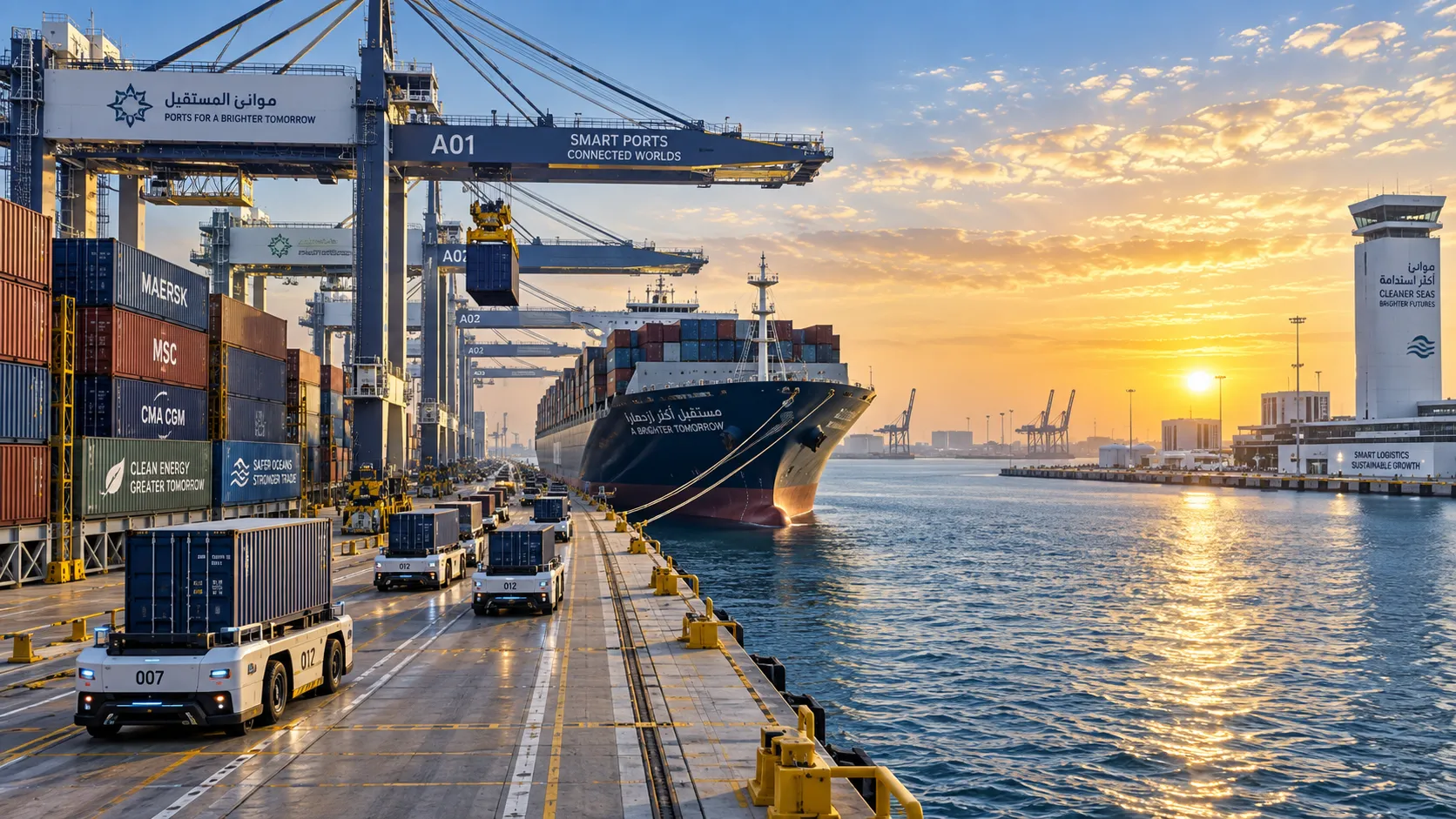
Middle East Port Automation: Key Market Drivers, Projects, and Investment Risks
Port automation systems Middle East: explore market drivers, flagship projects, integration challenges, and investment risks shaping smarter, resilient terminals.
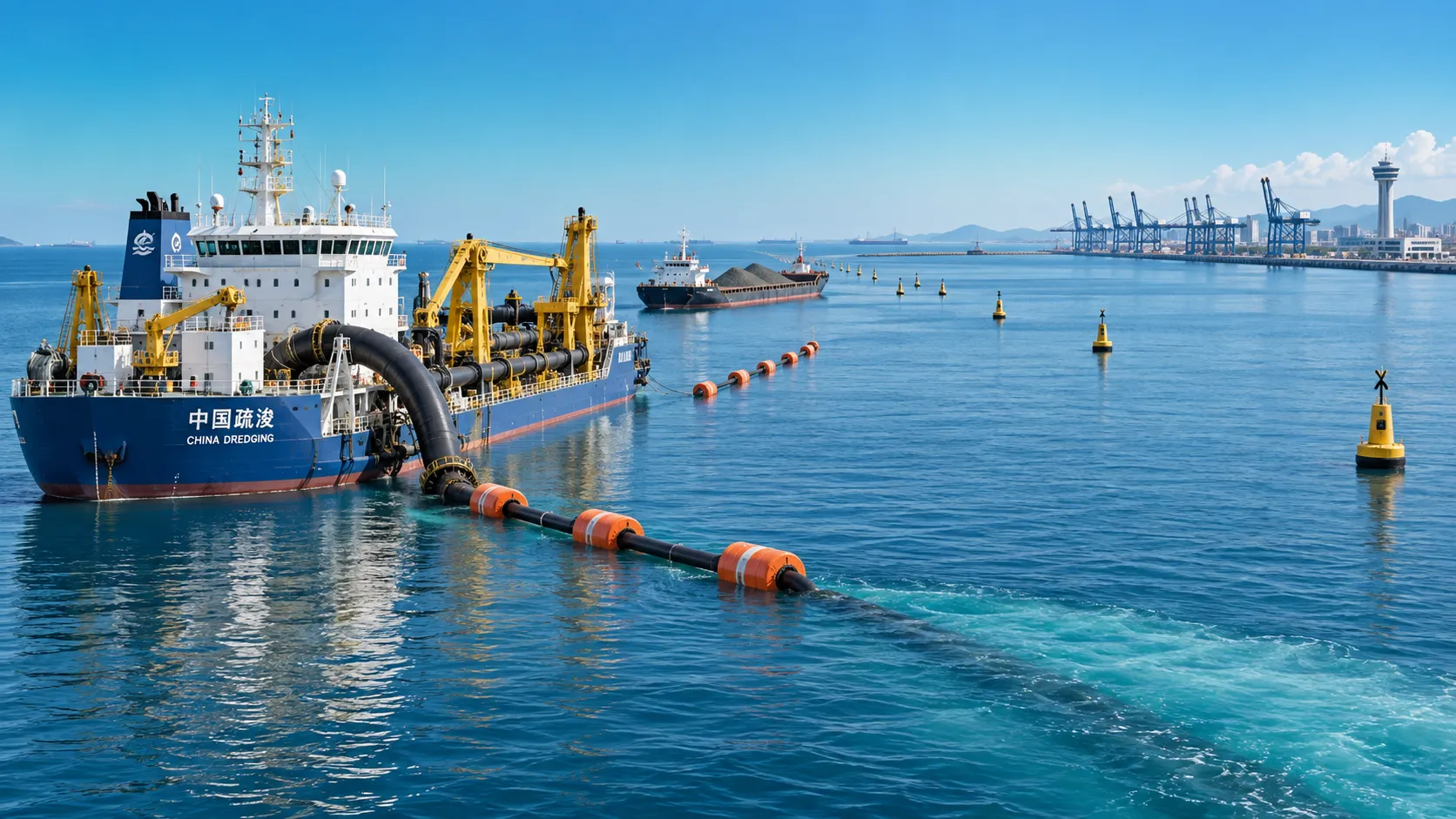
Planning Offshore Dredging Operations: Key Risks, Methods, and Project Controls
Offshore dredging operations demand smart planning. Explore key risks, proven methods, environmental controls, and project strategies for reliable delivery.