Related News
- 00
0000-00
How to Specify a Quay Crane for Container Terminals by Vessel Size and Throughput? - 00
0000-00
Which Bulk Handling Equipment Suits High-Moisture Cargo? - 00
0000-00
Terminal Automation Technologies That Raise Container Throughput Without Yard Disruption - 00
0000-00
Planning Offshore Dredging Operations: Key Risks, Methods, and Project Controls - 00
0000-00
Where Do Automated Guided Vehicles Deliver the Fastest Warehouse Gains in the Middle East?
What Is Automated Gear? Key Types, Motion Control Basics, and Industrial Use Cases
Why is automated gear getting so much attention now?
Automated gear sits at the intersection of machinery, software, and logistics timing.
That is why it matters far beyond factory automation alone.
In ports, terminals, yards, and dredging support operations, automated gear helps move loads with less delay and tighter control.
The keyword is not simply “automatic.” It is coordinated motion under repeatable rules.
This includes lifting, positioning, transport, sensing, route planning, and machine response to real operating conditions.
PS-Nexus tracks this shift closely because maritime logistics now depends on more than mechanical strength.
Throughput, energy use, remote control reliability, and scheduling logic increasingly decide asset value.
In simple terms, automated gear becomes valuable when it links heavy equipment with dependable decision logic.
That is especially visible in quay cranes, AGVs, container transfer systems, bulk handlers, and digitally monitored dredging support equipment.
So what is automated gear in practical terms?
Automated gear refers to equipment that performs motion or handling tasks with programmed, sensor-guided, or remotely coordinated control.
It may be fully autonomous, semi-automated, or operator-supervised.
The common feature is controlled action with reduced manual intervention during repetitive or precision tasks.
That definition sounds broad because the field is broad.
A yard crane using anti-sway logic is automated gear.
An AGV following path-planning algorithms is automated gear.
A dredging pump system with digital monitoring and automated adjustment also fits.
What matters is the combination of motion hardware and control intelligence.
The core building blocks usually include:
- Mechanical structure, such as cranes, conveyors, stackers, winches, pumps, or guided vehicles.
- Drive systems, including motors, gearboxes, brakes, and power transmission components.
- Sensors for position, weight, speed, proximity, vibration, and load behavior.
- Controllers, such as PLCs, motion controllers, and edge computing units.
- Communication layers that connect equipment, operators, and scheduling systems.
- Software logic for motion control, safety interlocks, diagnostics, and task sequencing.
When these elements work together, automated gear stops being a single machine feature.
It becomes part of an operational system.
Which types of automated gear show up most often in industrial and port settings?
Not all automated gear looks the same, and that often causes confusion.
A useful way to understand it is by task type rather than brand or machine size.
In real projects, these categories often overlap.
For example, an automated container yard may combine lifting gear, guided vehicles, and a central control layer.
That broader coordination is exactly why PS-Nexus treats port automation as a system question, not only an equipment question.
How does motion control actually work inside automated gear?
Motion control is the part that turns a command into precise physical movement.
Without it, automated gear would still move, but not reliably enough for industrial duty.
At a basic level, the control system receives a target.
That target could be position, speed, torque, path, or timing.
Sensors then report actual machine behavior back to the controller.
The controller compares target and actual values, then adjusts the drive response.
This feedback loop repeats continuously.
The basics usually come down to four questions:
- Where is the machine or load right now?
- Where should it go next?
- How fast or how gently should it move?
- What should happen if the environment changes?
In a remote-controlled quay crane, that may mean anti-sway correction during container lifting.
In an AGV fleet, it may mean route updates when congestion appears.
In dredging equipment, it may involve pump load balancing and alarm-based intervention.
The more dynamic the environment, the more important communication latency becomes.
That is why low-latency protocols and reliable scheduling logic matter so much in advanced automated gear.
Where does automated gear create the most operational value?
The answer is rarely “everywhere.”
Automated gear creates the strongest value where tasks are repetitive, heavy, time-sensitive, or safety-critical.
Port and terminal operations are a clear example because timing losses spread across the whole chain.
If one container handoff slows down, yard flow, berth productivity, and truck coordination all feel the impact.
Common high-value use cases include:
- Automated container stacking where space use and move sequencing must stay tightly controlled.
- Remote crane operations where visibility, stability, and cycle time need consistent improvement.
- Bulk terminals where feed uniformity affects vessel turnaround and material loss.
- Dredging support systems where monitored equipment health reduces unscheduled stoppages.
- Intermodal transfer nodes where different machines must respond to one scheduling logic.
PS-Nexus often frames these use cases through a wider trade lens.
The point is not automation for its own sake.
The point is whether automated gear supports throughput, asset uptime, emission goals, and better synchronization across global logistics nodes.
How can you tell whether automated gear is a good fit or just expensive complexity?
This is usually the most practical question.
Automated gear is not automatically the best option for every site, process, or asset age.
A better approach is to judge fit through operating conditions.
A common mistake is comparing manual and automated gear only by purchase cost.
That misses uptime, labor structure, queue effects, control reliability, and maintenance response quality.
Another mistake is ignoring process maturity.
If workflows are unstable, automated gear may simply expose hidden planning problems faster.
What risks and misconceptions should be checked before implementation?
Most failures come from poor integration assumptions, not from the machine alone.
In actual deployment, the hard part is often coordination between software, infrastructure, operators, and maintenance routines.
- Do not assume automated gear removes all human decisions. It usually changes decision timing and oversight roles.
- Do not treat communication quality as a minor detail. Remote control and fleet logic depend on it.
- Do not overlook spare parts, diagnostics access, and control-system support windows.
- Do not expect full gains on day one. Tuning, mapping, and workflow adaptation take time.
- Do not separate sustainability goals from control quality. Poor motion logic can waste energy.
A more grounded view is to see automated gear as an evolving capability.
That perspective fits the PS-Nexus intelligence model well.
The strongest results usually come from combining hardware insight, scheduling logic, and long-cycle infrastructure planning.
What should be reviewed next if you are still evaluating automated gear?
Start with the motion task, not the marketing label.
Map where automated gear would control lifting, travel, routing, discharge, or process adjustment.
Then check which delays or risks are actually worth removing.
It also helps to separate three layers: machine capability, control architecture, and site-wide coordination.
That makes comparisons more realistic.
If the application sits in port logistics, bulk handling, container transfer, or dredging support, keep watching signals that PS-Nexus emphasizes.
Those signals include latency performance, path-planning quality, energy behavior, digital monitoring depth, and the effect on overall trade-node efficiency.
In the end, automated gear is most useful when it improves repeatability, visibility, and synchronized flow.
A sensible next step is to build a short evaluation checklist around use case, control needs, integration limits, lifecycle support, and measurable operational gain.
Related News
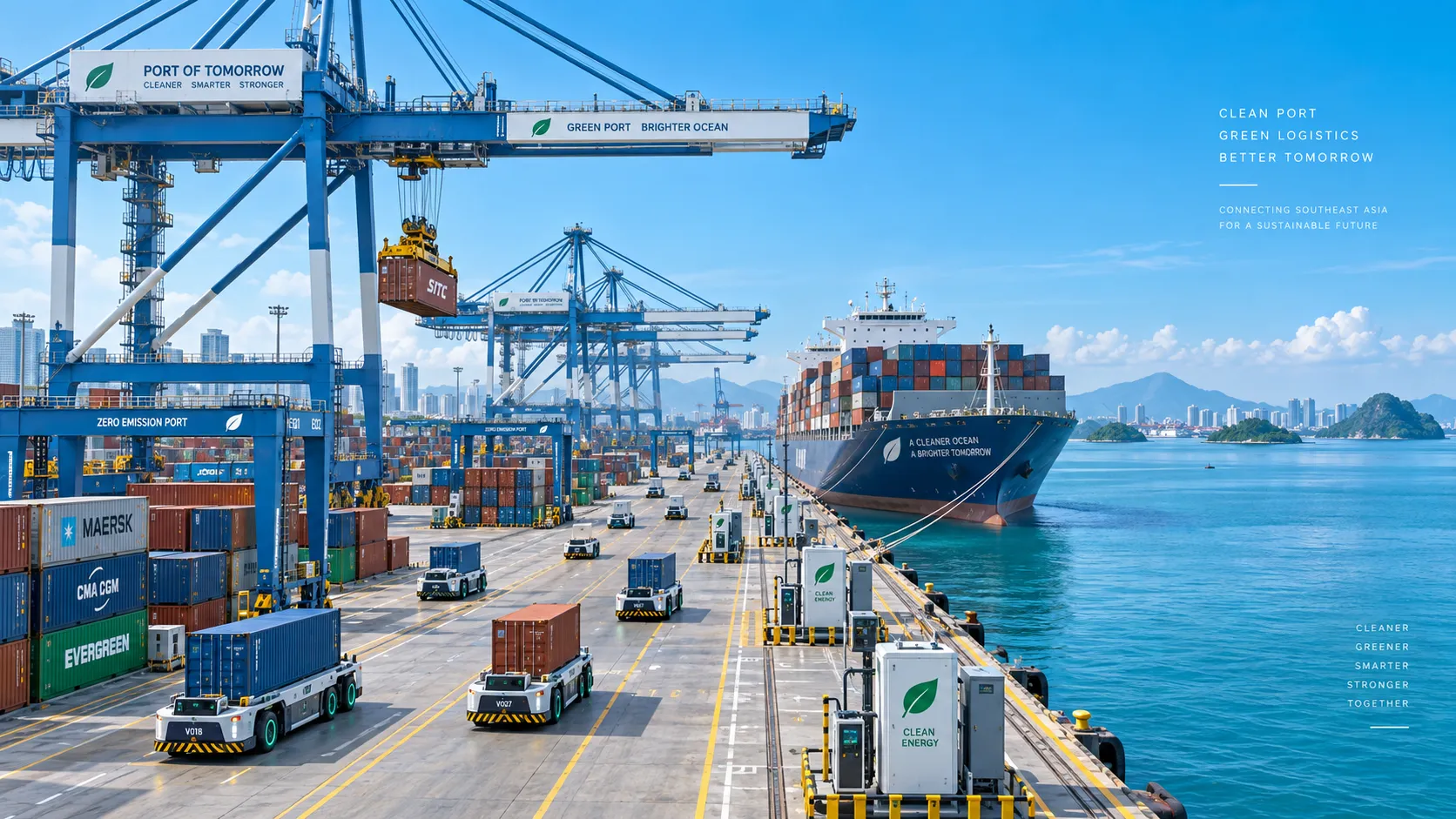
Smart Port Systems in Southeast Asia: Investment Priorities and Adoption Barriers
Smart port systems Southeast Asia: discover investment priorities, adoption barriers, and practical steps to build resilient, connected, high-performing terminals.
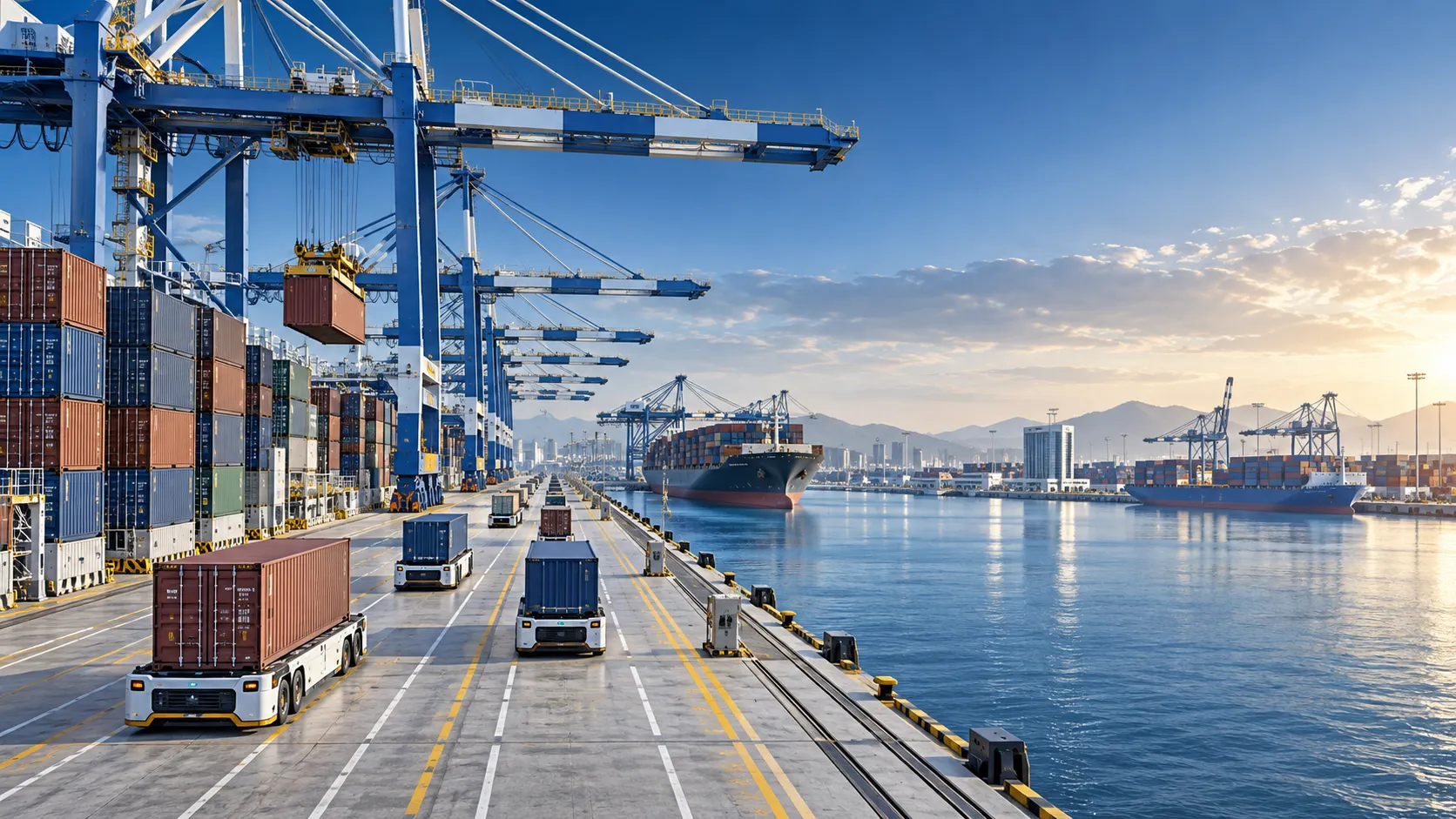
How to Evaluate Terminal Efficiency Solution Suppliers for High-Throughput Operations
Choose a terminal efficiency solutions supplier with confidence. Explore proven criteria for throughput, integration, lifecycle cost, safety, and reliable delivery.
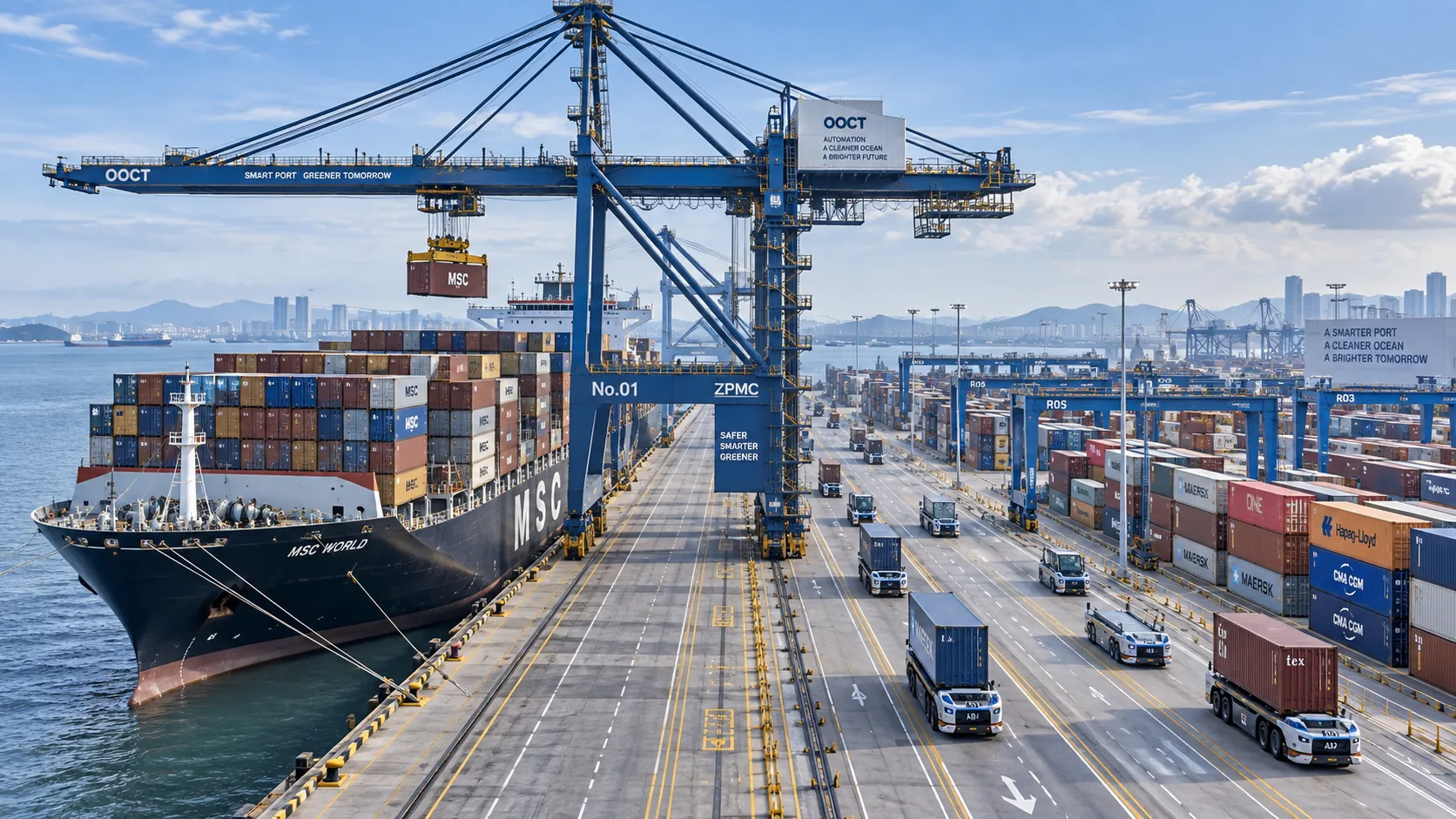
How to Specify a Quay Crane for Container Terminals by Vessel Size and Throughput?
Quay crane for container terminals: learn how to match outreach, lift height, capacity, automation, and cycle performance to vessel size and throughput goals.
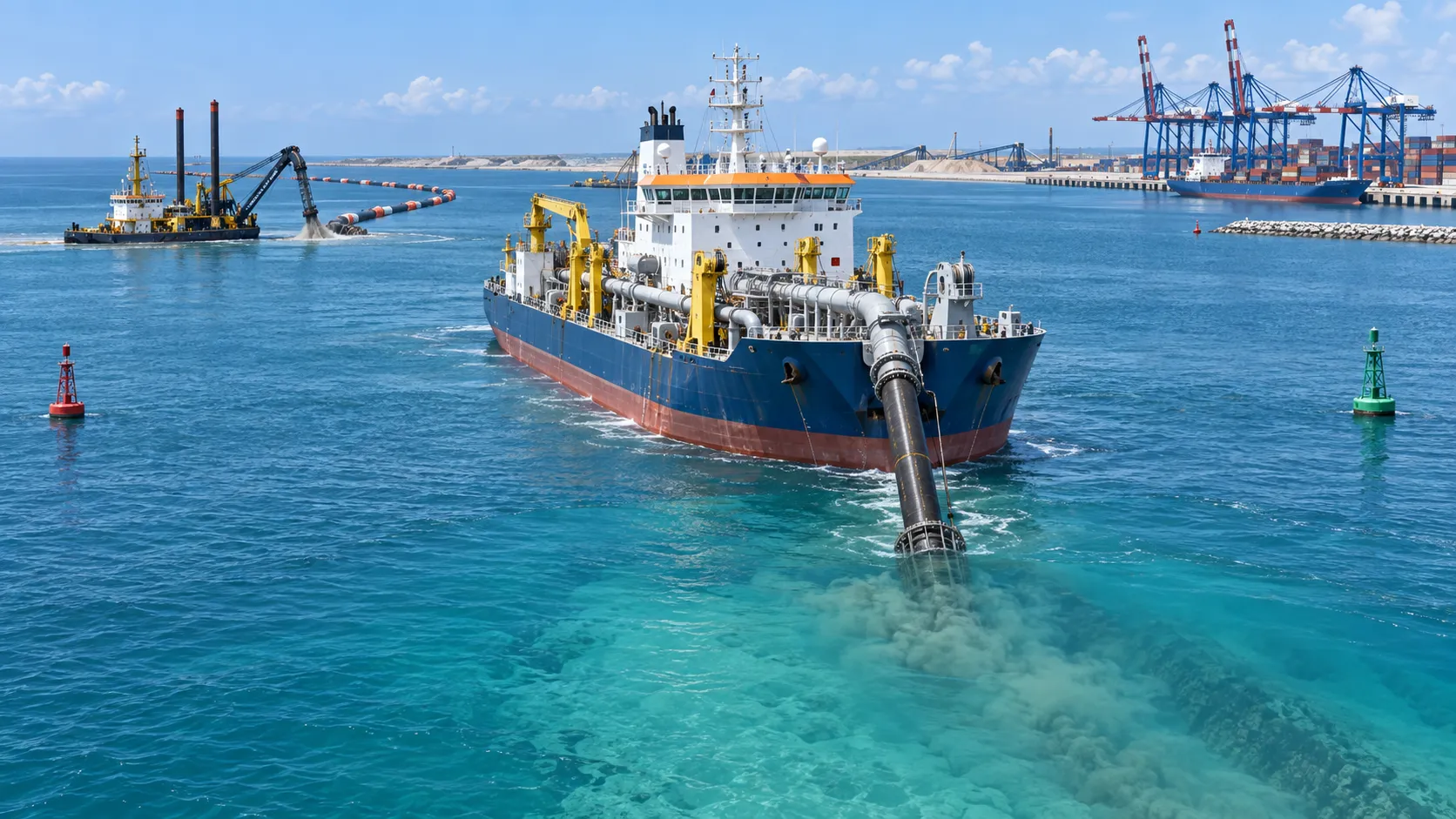
What Dredging Equipment Is Needed for Channel Deepening?
What dredging equipment is needed for channel deepening? Explore dredgers, pipelines, survey tools, and planning strategies for safer, more efficient port access.
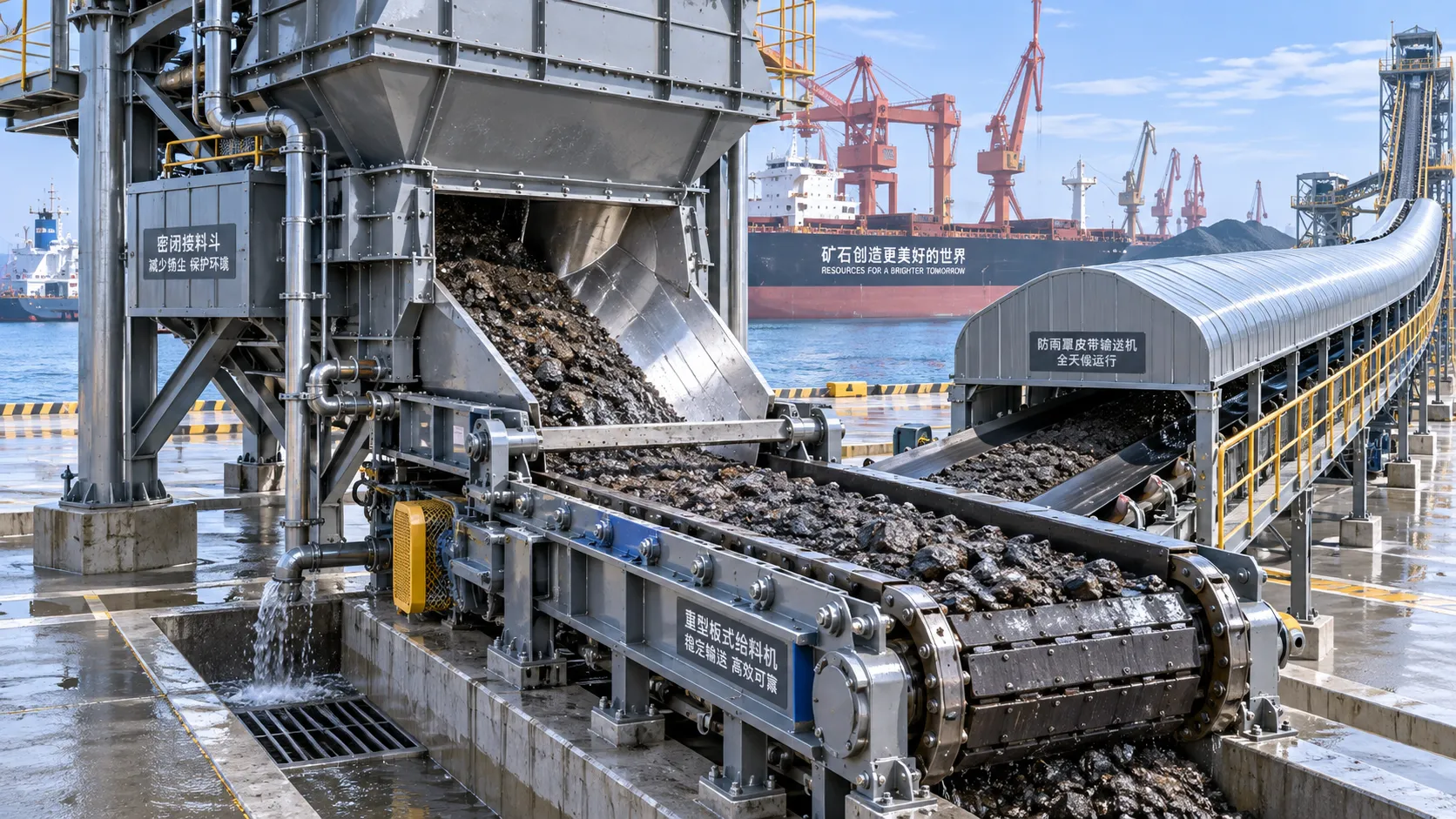
Which Bulk Handling Equipment Suits High-Moisture Cargo?
Which bulk handling equipment suits high-moisture cargo? Compare belt, apron, screw, drag, and slurry systems for reliable flow, less carryback, and higher terminal uptime.
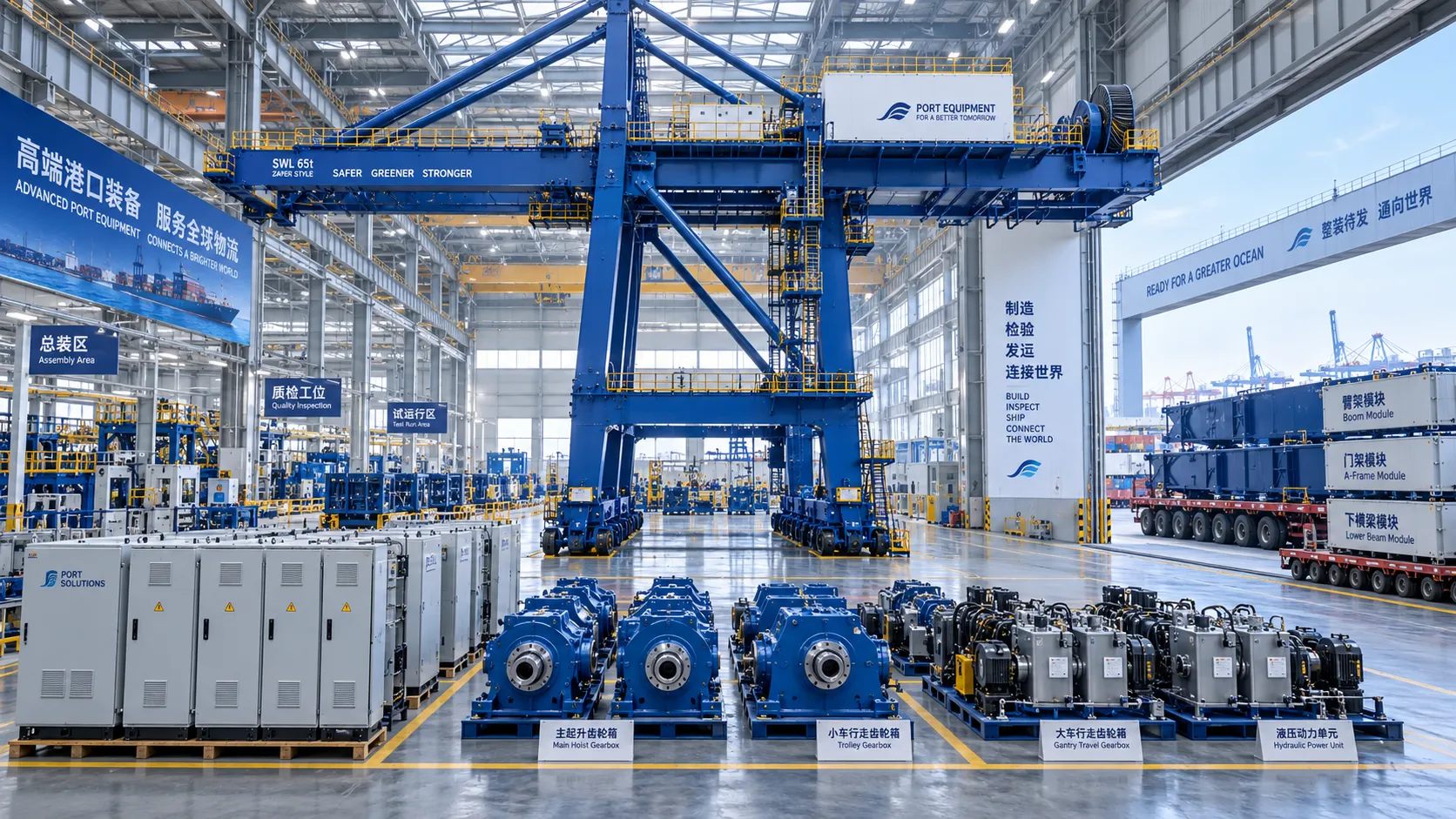
How Can Port Equipment Lead-Time Risk Be Managed?
How can port equipment lead-time risk be managed? Explore practical strategies to control critical paths, suppliers, transport, site readiness, and commissioning delays.
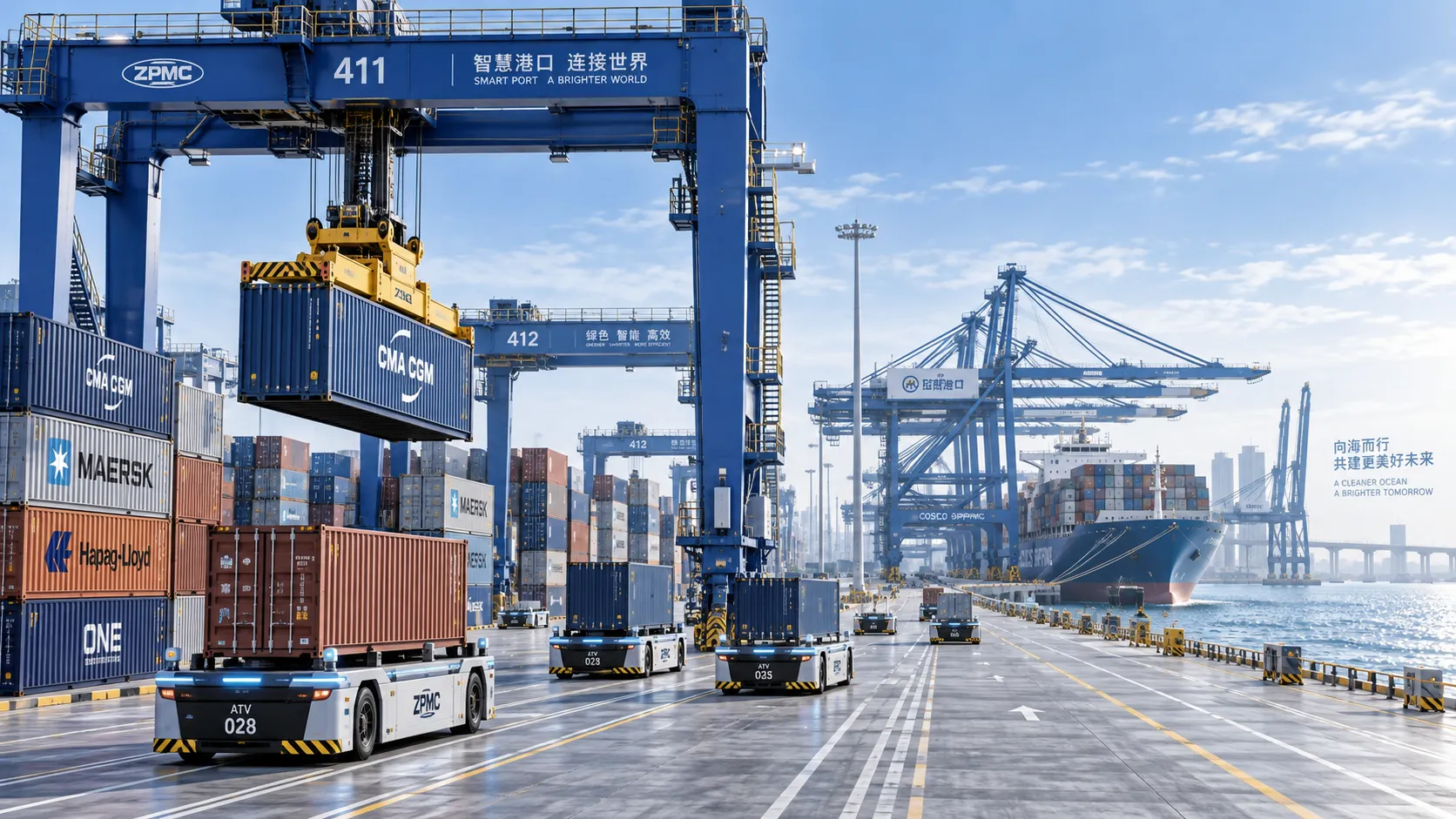
Terminal Automation Technologies That Raise Container Throughput Without Yard Disruption
Terminal automation technology that increases container throughput without disrupting yard flow. Explore smarter integration, resilient workflows, and phased deployment strategies.
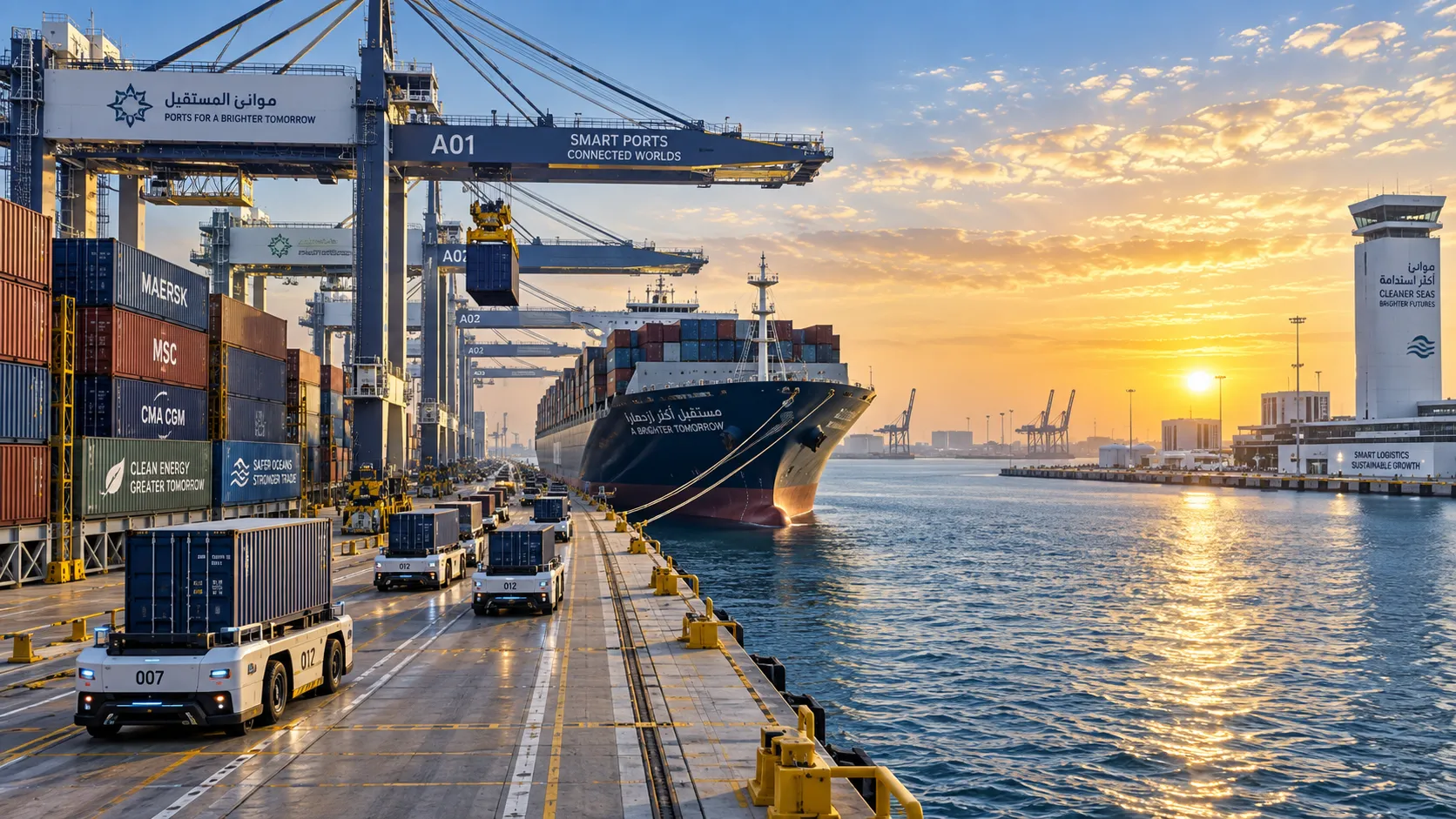
Middle East Port Automation: Key Market Drivers, Projects, and Investment Risks
Port automation systems Middle East: explore market drivers, flagship projects, integration challenges, and investment risks shaping smarter, resilient terminals.
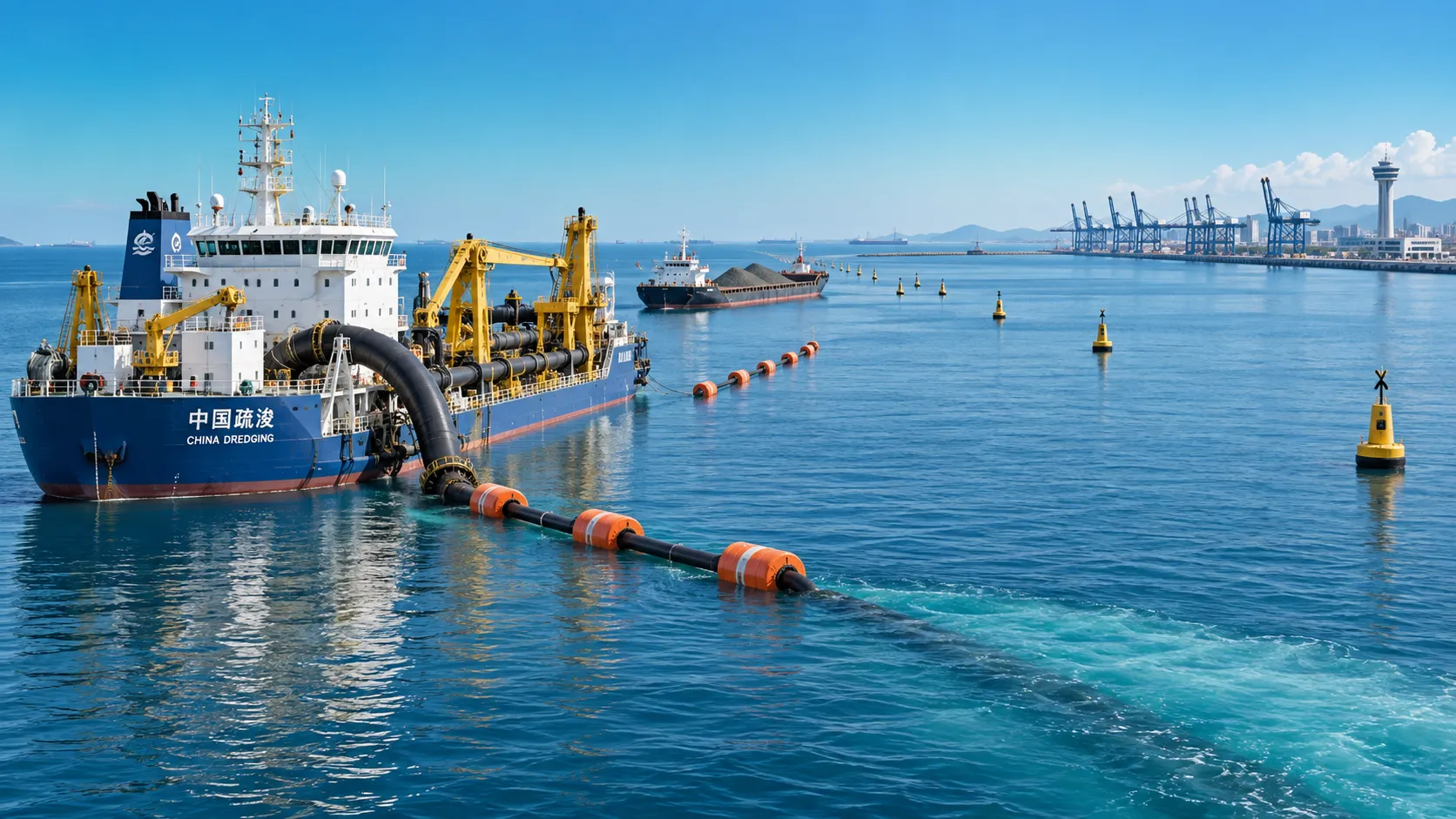
Planning Offshore Dredging Operations: Key Risks, Methods, and Project Controls
Offshore dredging operations demand smart planning. Explore key risks, proven methods, environmental controls, and project strategies for reliable delivery.