
Related News
- 00
0000-00
How to Specify a Quay Crane for Container Terminals by Vessel Size and Throughput? - 00
0000-00
Which Bulk Handling Equipment Suits High-Moisture Cargo? - 00
0000-00
Terminal Automation Technologies That Raise Container Throughput Without Yard Disruption - 00
0000-00
Planning Offshore Dredging Operations: Key Risks, Methods, and Project Controls - 00
0000-00
Where Do Automated Guided Vehicles Deliver the Fastest Warehouse Gains in the Middle East?
AGVs for Container Handling vs Manual Transport: Cost, Throughput, and Safety Compared
Choosing between AGVs for container handling and manual transport is no longer a simple automation debate. For terminal operators, the real issue is operational fit: which model delivers better cost control, steadier throughput, and lower safety exposure under actual yard conditions.
That question matters more as ports face tighter vessel windows, labor volatility, energy transition targets, and pressure to use limited yard space more intelligently. In this setting, AGVs for container handling sit at the intersection of equipment performance, software scheduling, and commercial resilience.
From the perspective of PS-Nexus, where heavy terminal gear and port control systems are tracked as part of wider maritime logistics intelligence, the comparison is useful because it reveals how transport choices shape the whole terminal rhythm, not just a single move.
What the comparison really covers
Manual transport usually refers to container movement by human-operated terminal tractors, trucks, trailers, reach stackers, or forklifts, depending on terminal layout. Performance depends heavily on driver availability, dispatch discipline, route congestion, and shift consistency.
AGVs for container handling are automated vehicles that move containers between quay cranes, yard cranes, and transfer points using integrated navigation, fleet control, and traffic management. They are not just vehicles; they are moving nodes inside a coordinated operating system.
This distinction matters. A manual fleet can be evaluated vehicle by vehicle. AGVs for container handling must be assessed as a system that includes charging strategy, path planning, crane handoff logic, communications stability, and exception handling.
Why the industry is paying closer attention
Port competition increasingly depends on predictable flow rather than peak speed alone. A terminal that moves boxes fast for two hours but loses balance during shift changes or yard conflicts can still miss berth productivity targets.
AGVs for container handling attract interest because they support repeatable movement cycles and closer synchronization with automated stacking cranes and remote-controlled quay cranes. That creates value in large terminals where coordination losses are expensive.
Manual transport remains relevant because it offers flexibility, lower initial capital exposure, and easier deployment in brownfield sites. Many ports do not need full automation. They need a transport model that matches cargo mix, land constraints, and upgrade timing.
Cost comparison is broader than capex
The most common mistake is to compare acquisition prices only. AGVs for container handling usually require higher upfront spending on vehicles, software, charging or battery systems, communications infrastructure, and yard redesign.
Manual transport often looks cheaper at the start. Existing lanes, familiar equipment, and standard labor models reduce the entry barrier. For smaller volumes or short planning horizons, that can be the more rational option.
But lifecycle economics tell a more complete story. AGV systems may lower unit movement cost when traffic density is high, operating hours are long, and labor inflation is persistent. They can also reduce idle losses caused by inconsistent dispatching.
Manual fleets carry recurring labor costs, variable fuel or energy use, overtime exposure, training burden, and a greater chance of performance drift between shifts. Those factors accumulate quietly, especially at high-volume container gateways.
Key cost dimensions
In practice, cost advantage depends on utilization. Underused AGVs for container handling are expensive assets. Overstretched manual fleets become costly in a different way: congestion, delays, overtime, and avoidable incidents.
Throughput depends on consistency, not headline speed
Manual transport can be fast in simple operating windows. Skilled drivers often recover well from irregular workloads, special cargo, or last-minute yard changes. That agility is valuable in mixed-use or partially automated terminals.
Yet throughput at scale is about stable cycle time. AGVs for container handling excel when tasks are repetitive, routes are controlled, and crane interfaces are digitally aligned. The gain comes from reduced randomness more than from raw vehicle speed.
If quay cranes discharge faster than landside transport can absorb, vessel productivity suffers. If yard cranes wait for late arrivals, stack efficiency drops. AGVs for container handling improve performance when these handoffs are optimized as one workflow.
However, not all terminals will see the same benefit. Sites with uneven traffic, legacy traffic lanes, or frequent non-standard moves may struggle to unlock the full throughput potential of automation.
Where throughput gains usually appear
- High-volume container terminals with repetitive move patterns.
- Facilities with automated stacking cranes or remote quay crane operations.
- Sites needing 24/7 continuity with minimal shift-related variation.
- Operations where dispatch data already supports real-time optimization.
Safety is often the strongest long-term argument
Container transport in busy terminals involves crossing paths, blind zones, weather exposure, fatigue, and pressure from vessel schedules. Manual transport can manage these risks, but it depends on training quality, supervision, and sustained discipline.
AGVs for container handling reduce direct human presence in active traffic zones. That can lower collision exposure, simplify lane control, and support more structured interaction between horizontal transport and crane systems.
Still, automation does not remove safety risk. It changes the risk profile. Cyber resilience, sensor reliability, edge-case behavior, emergency stop logic, and mixed-traffic management become central concerns.
A terminal moving from manual transport to AGVs for container handling should examine whether the new system handles lost communication, abnormal loads, pedestrian intrusion, and degraded weather visibility without creating new operational hazards.
Best-fit scenarios are rarely absolute
A greenfield container terminal with a long concession period, strong digital backbone, and predictable vessel structure often has a clear path toward AGVs for container handling. The business case strengthens when automation extends beyond one equipment category.
A brownfield terminal may need a more selective approach. If infrastructure is tight, traffic is mixed, and cargo handling includes exceptions, full AGV deployment may be less attractive than phased automation around priority lanes or transfer zones.
There is also a hybrid middle ground. Some ports keep manual transport for irregular moves while assigning AGVs for container handling to predictable routes. This can preserve flexibility while building operational data and automation maturity.
A practical comparison view
How to evaluate the decision in real operations
The decision should begin with operating data, not a technology preference. A terminal needs to map current move cycles, crane waiting time, yard conflicts, labor utilization, maintenance patterns, and incident history before comparing alternatives.
It is equally important to assess integration readiness. AGVs for container handling create value when terminal operating systems, positioning infrastructure, traffic logic, and crane control interfaces can support reliable orchestration.
Energy strategy also matters. Electrified AGVs may support net-zero goals and local emissions control, but only if charging downtime, battery lifecycle, and peak power demand are designed into the operating model.
- Measure current transport cost per container move, not just fleet ownership cost.
- Separate average throughput from peak-hour reliability.
- Review exception rates, since edge cases often weaken automation returns.
- Test safety assumptions under mixed traffic and communication loss scenarios.
- Model phased deployment instead of treating the choice as all-or-nothing.
A useful next step for decision quality
The most reliable comparison between AGVs for container handling and manual transport comes from a terminal-specific framework. It should combine capex, operating cost, crane interaction, yard topology, safety exposure, software maturity, and expansion plans.
For organizations following port automation and heavy terminal equipment through sources such as PS-Nexus, the value is not only in watching technology trends. It is in connecting equipment choices with scheduling logic, infrastructure timing, and trade-driven demand patterns.
A well-structured review usually starts with one question: where does transport variability currently limit terminal performance? Once that answer is clear, the path between manual transport, hybrid deployment, and AGVs for container handling becomes much easier to judge.
Related News
Smart Port Systems in Southeast Asia: Investment Priorities and Adoption Barriers
Smart port systems Southeast Asia: discover investment priorities, adoption barriers, and practical steps to build resilient, connected, high-performing terminals.
How to Evaluate Terminal Efficiency Solution Suppliers for High-Throughput Operations
Choose a terminal efficiency solutions supplier with confidence. Explore proven criteria for throughput, integration, lifecycle cost, safety, and reliable delivery.
How to Specify a Quay Crane for Container Terminals by Vessel Size and Throughput?
Quay crane for container terminals: learn how to match outreach, lift height, capacity, automation, and cycle performance to vessel size and throughput goals.
What Dredging Equipment Is Needed for Channel Deepening?
What dredging equipment is needed for channel deepening? Explore dredgers, pipelines, survey tools, and planning strategies for safer, more efficient port access.
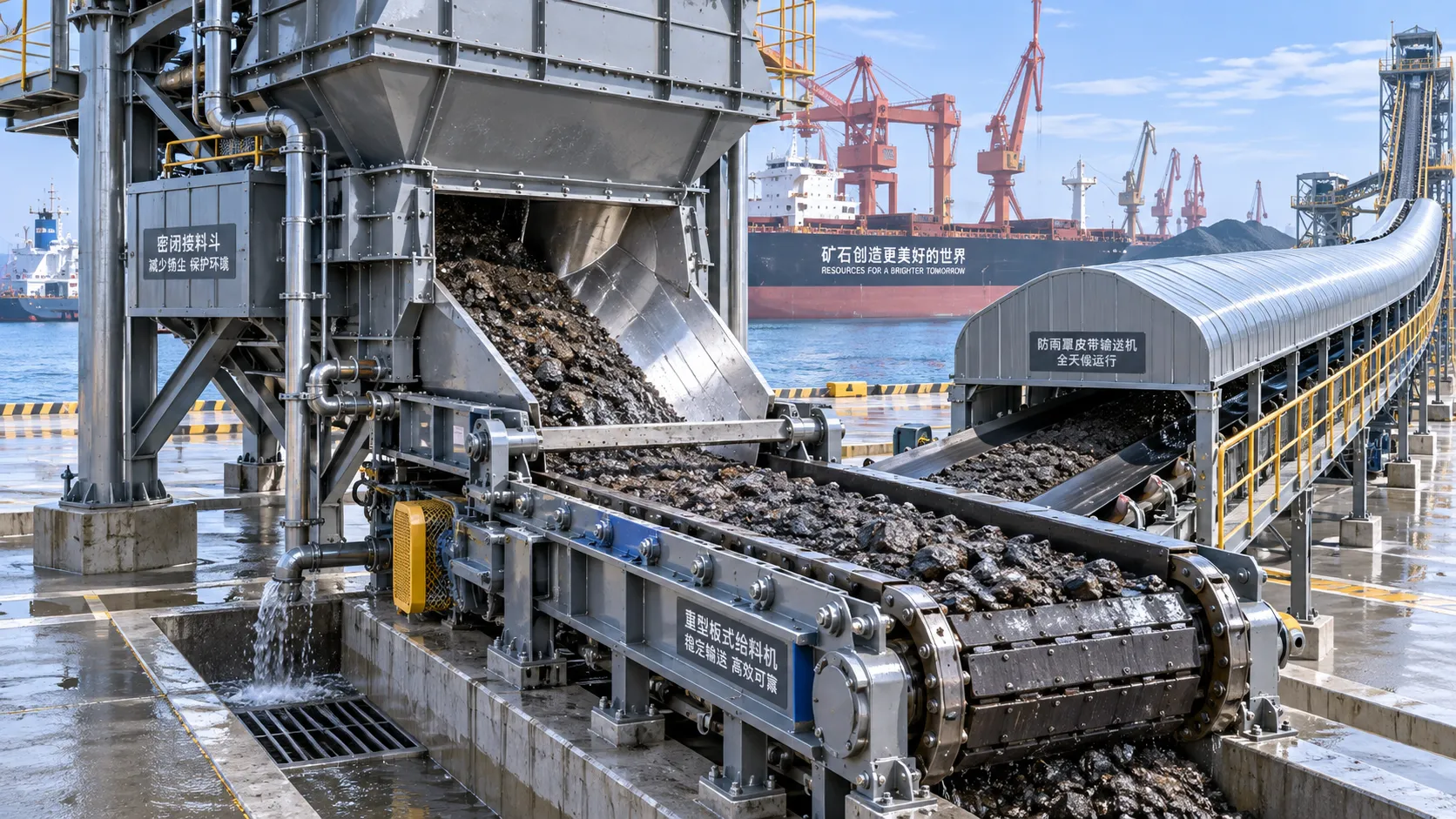
Which Bulk Handling Equipment Suits High-Moisture Cargo?
Which bulk handling equipment suits high-moisture cargo? Compare belt, apron, screw, drag, and slurry systems for reliable flow, less carryback, and higher terminal uptime.
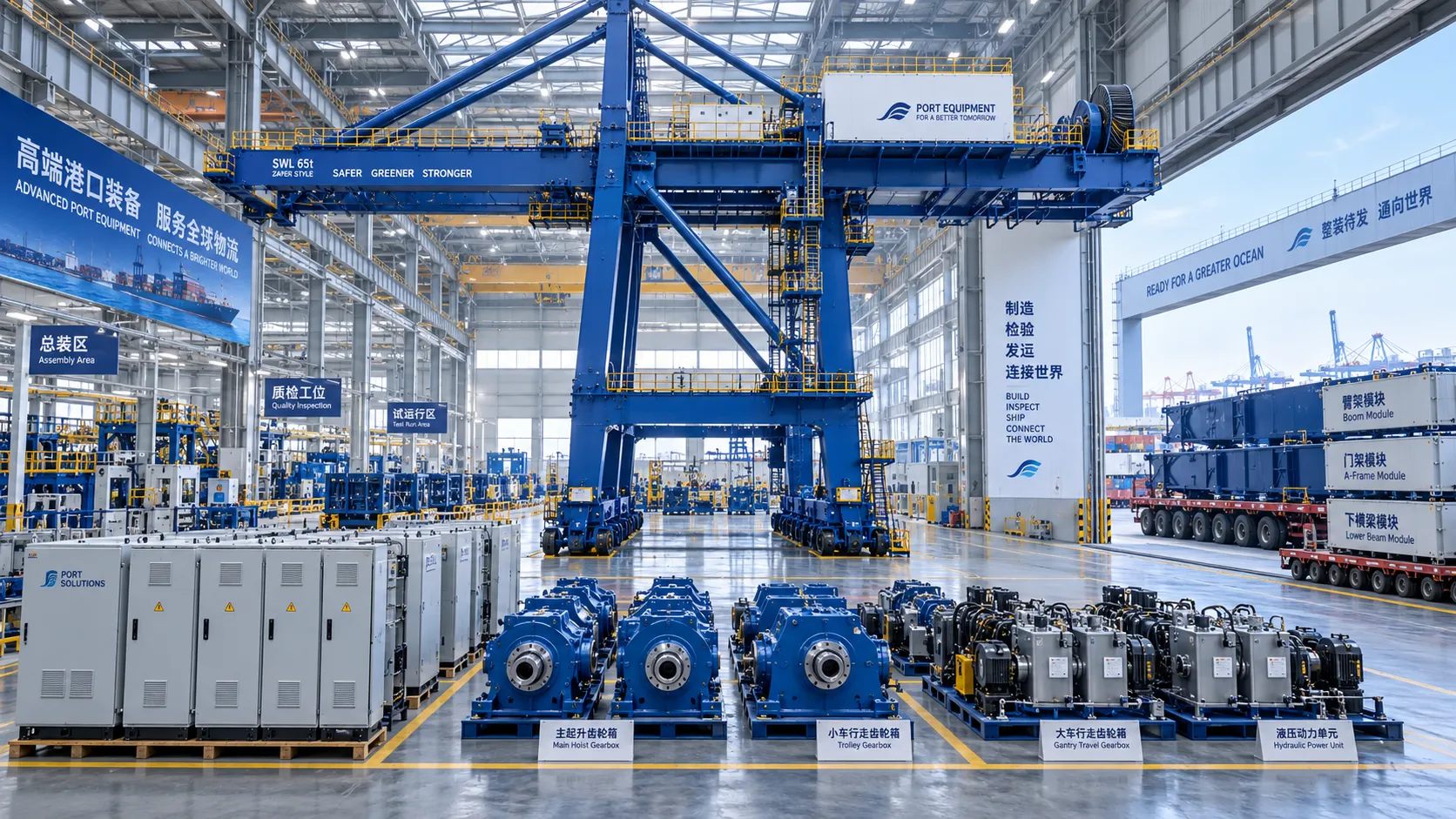
How Can Port Equipment Lead-Time Risk Be Managed?
How can port equipment lead-time risk be managed? Explore practical strategies to control critical paths, suppliers, transport, site readiness, and commissioning delays.
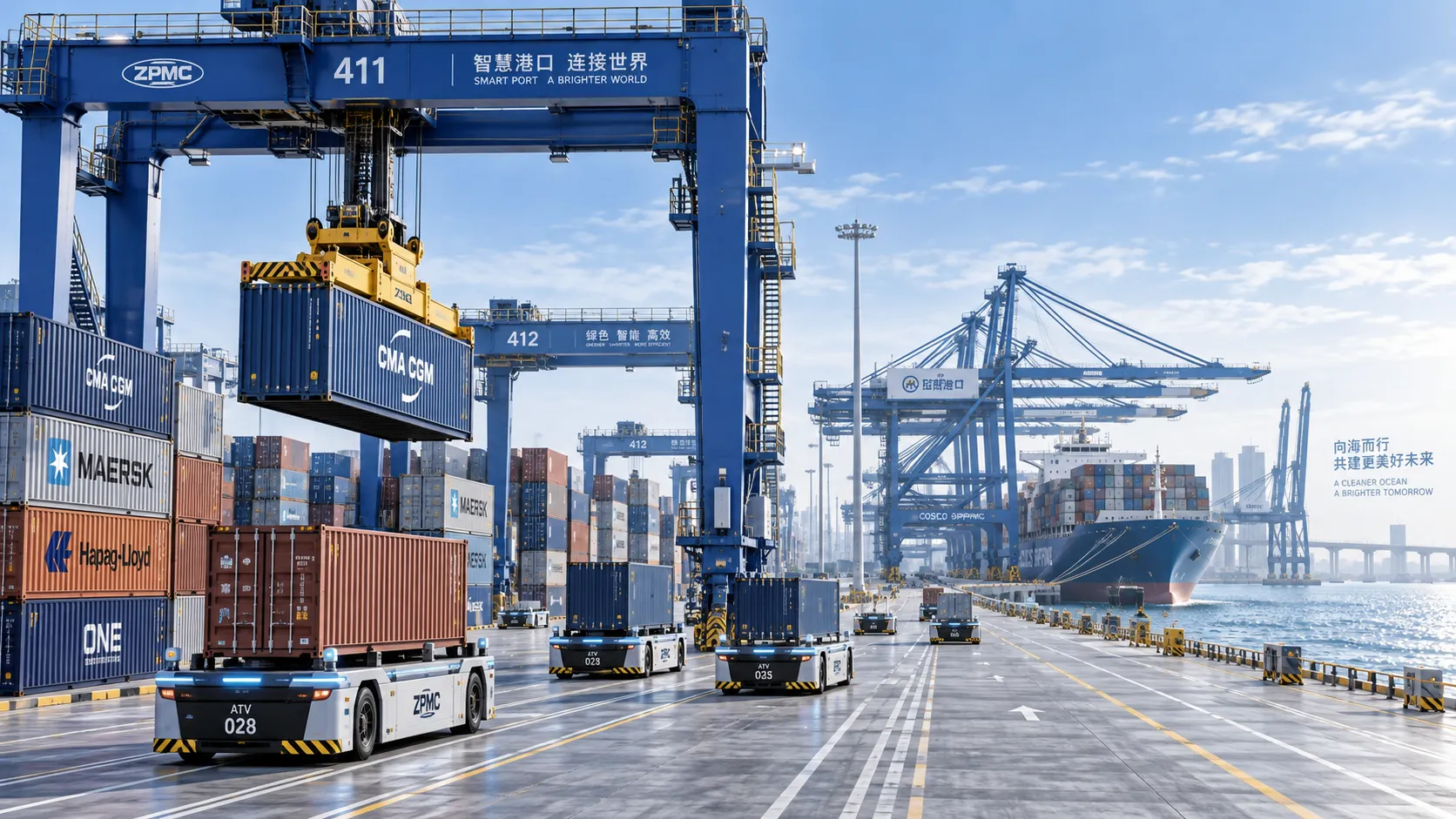
Terminal Automation Technologies That Raise Container Throughput Without Yard Disruption
Terminal automation technology that increases container throughput without disrupting yard flow. Explore smarter integration, resilient workflows, and phased deployment strategies.
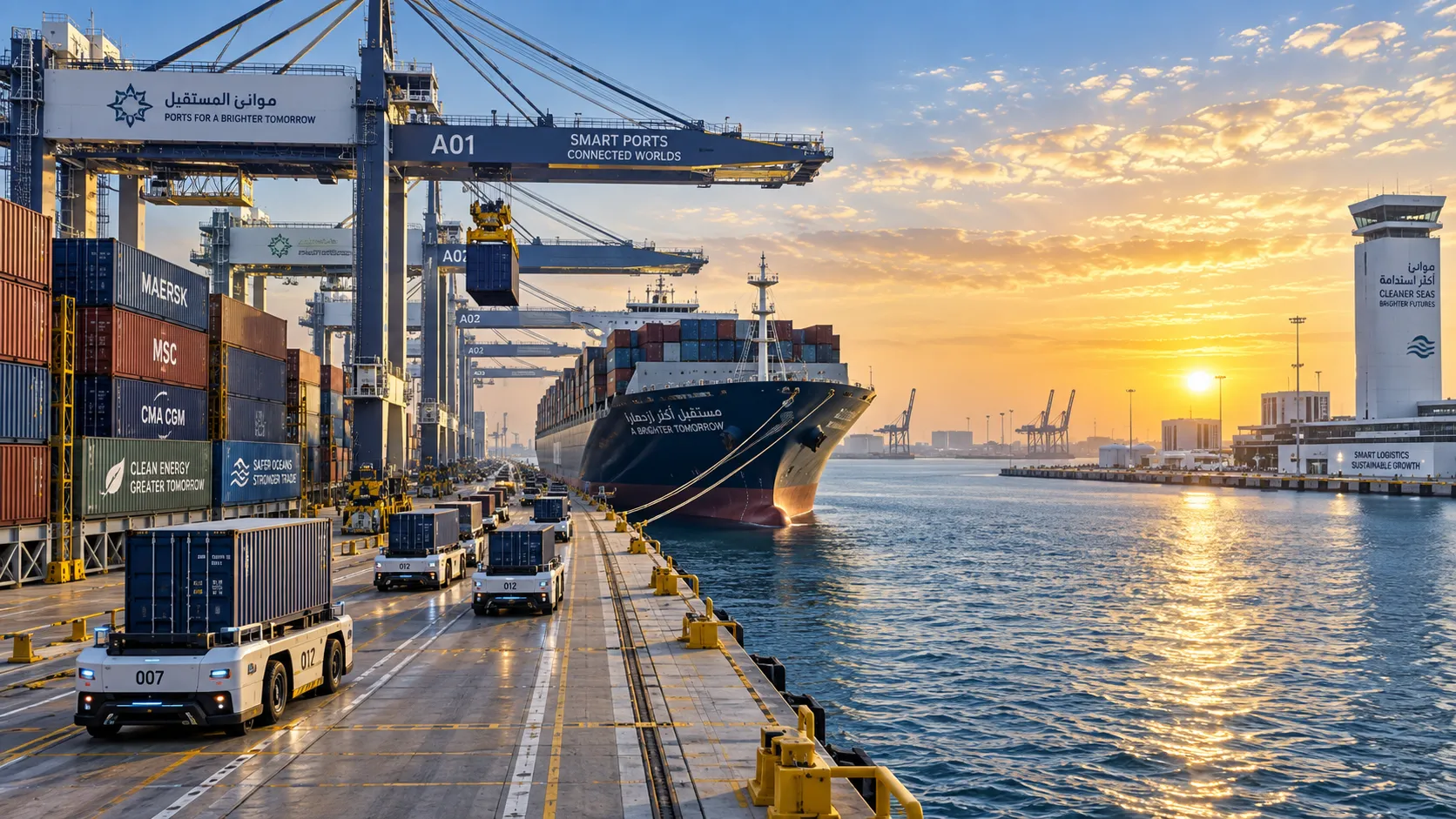
Middle East Port Automation: Key Market Drivers, Projects, and Investment Risks
Port automation systems Middle East: explore market drivers, flagship projects, integration challenges, and investment risks shaping smarter, resilient terminals.
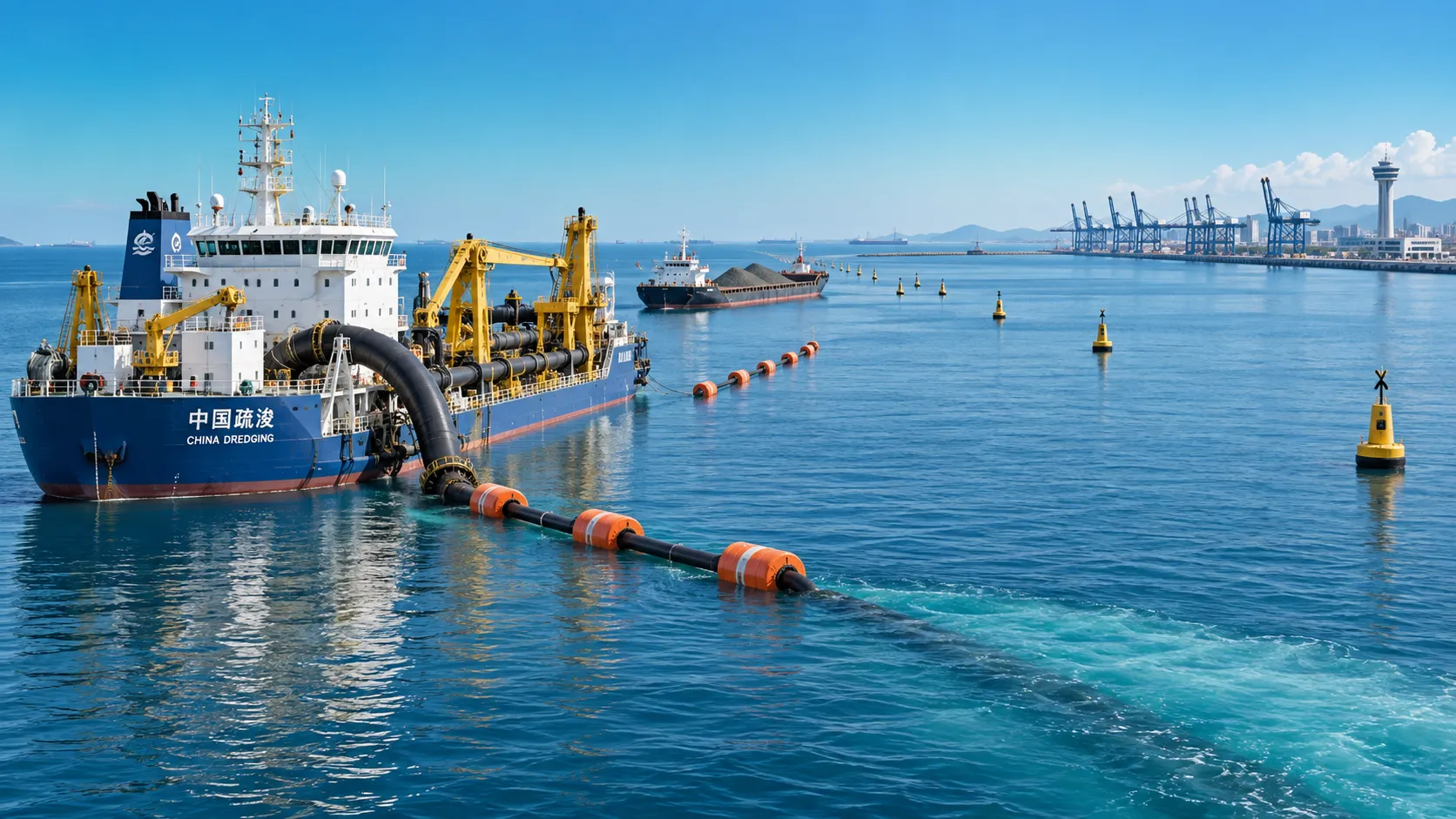
Planning Offshore Dredging Operations: Key Risks, Methods, and Project Controls
Offshore dredging operations demand smart planning. Explore key risks, proven methods, environmental controls, and project strategies for reliable delivery.