
Related News
- 00
0000-00
How to Specify a Quay Crane for Container Terminals by Vessel Size and Throughput? - 00
0000-00
Which Bulk Handling Equipment Suits High-Moisture Cargo? - 00
0000-00
Terminal Automation Technologies That Raise Container Throughput Without Yard Disruption - 00
0000-00
Planning Offshore Dredging Operations: Key Risks, Methods, and Project Controls - 00
0000-00
Where Do Automated Guided Vehicles Deliver the Fastest Warehouse Gains in the Middle East?
What Is Smart Operations in Industrial Logistics and Which KPIs Matter Most?
Industrial logistics has entered a phase where visibility alone is not enough. The real priority is turning data, equipment, and workflow signals into smarter decisions that improve throughput, contain cost, and reduce disruption. In that context, smart operations matter because they connect daily execution with measurable business outcomes, especially in ports, terminals, yards, bulk handling sites, and other asset-intensive environments.
What smart operations mean in industrial logistics
Smart operations are not simply warehouse software, dashboard reporting, or isolated automation. In practice, they describe an operating model where physical assets, control systems, planning logic, and performance data work together in near real time.
That model usually combines three layers. The first is connected equipment, such as cranes, AGVs, conveyors, pumps, stackers, and other terminal machinery. The second is operational intelligence, including scheduling rules, path planning, dispatch logic, and exception handling. The third is decision governance, where leaders track KPIs that reflect commercial impact rather than only technical activity.
In marine logistics, this becomes even more important. A delayed quay crane, an underused container yard, or a dredging asset with unstable uptime can affect vessel windows, hinterland flow, labor allocation, and customer commitments at the same time.
Seen this way, smart operations are less about buying more systems and more about building an integrated rhythm between assets, software, and operational judgment.
Why the topic has moved higher on the agenda
Several pressures have made smart operations a strategic issue. Global trade flows are less predictable, customer tolerance for delays is lower, and energy, labor, and capital costs remain difficult to control. At the same time, industrial logistics networks are becoming more automated, which raises both the opportunity and the complexity of performance management.
Port and terminal environments illustrate the shift clearly. Mega terminal gear sets the outer limit of throughput, but software scheduling determines whether that capacity is truly available. Specialized container handling improves mobility, but only when yard logic, routing, and dwell control are aligned. Dredging equipment supports access and expansion, yet its value depends on uptime, fuel efficiency, and project execution discipline.
This is why intelligence platforms such as PS-Nexus have gained relevance. The market no longer looks only at hardware specifications. It also studies control architecture, low-latency communication, automation maturity, commercial demand signals, and the operational consequences of technology choices.
Where smart operations create business value
The value of smart operations appears in four areas that matter across industrial sectors.
- Flow stability: fewer bottlenecks, fewer handoff failures, and better schedule adherence.
- Asset productivity: more output from the same fleet, terminal space, or operating hours.
- Cost control: lower idle time, less unplanned maintenance, and better energy use.
- Risk resilience: faster response to weather events, demand swings, equipment faults, or labor constraints.
A common mistake is treating smart operations as an IT upgrade. The stronger interpretation is operational redesign. That means clarifying which delays are avoidable, which tasks should be automated, and which exceptions still require human intervention.
The KPIs that matter most
The best KPIs do not only describe activity. They reveal whether the logistics system is converting capacity into reliable service. In industrial settings, a short KPI list is usually more useful than a crowded dashboard.
1. Throughput and cycle efficiency
Throughput remains central because it shows whether assets and processes are moving cargo, materials, or equipment at the required pace. Yet throughput alone can be misleading. It should be read together with cycle time, move time, and queue time.
In a container terminal, that could mean crane moves per hour and truck turnaround time. In bulk handling, it may involve tons moved per hour and loader waiting time. In dredging, it can include output per shift and interruption frequency.
2. Asset availability and utilization
Smart operations depend on expensive machinery being available when the network needs it. Availability measures readiness. Utilization shows whether that readiness is actually converted into productive work.
High utilization is not always good if it creates congestion or eliminates recovery capacity. The better question is whether each asset is used at the right intensity for the operating model.
3. Schedule reliability and dwell performance
Many logistics costs are hidden inside delay. Vessel berthing slippage, yard dwell growth, missed transfer windows, and late dispatches often destroy value faster than visible breakdowns. These indicators show whether planning logic is working under real conditions.
4. Exception rate and recovery time
Automated systems still face exceptions. Sensors fail, containers are mispositioned, routes conflict, and weather changes operating parameters. The number of exceptions matters, but the more revealing KPI is recovery time. A smart logistics system should not only detect problems quickly. It should also restore flow without large secondary losses.
5. Maintenance predictability
Unplanned downtime is one of the clearest enemies of smart operations. Mean time between failures, mean time to repair, and planned-versus-unplanned maintenance ratios help separate stable operations from fragile ones.
6. Energy and emissions intensity
As industrial logistics moves toward net-zero goals, energy use per move, per ton, or per operational hour becomes increasingly material. In electric or hybrid fleets, charging efficiency and power scheduling also deserve attention.
How KPI choices should vary by operating scene
Not every site should track the same KPI mix with equal weight. The operating scene changes what smart operations need to optimize.
For mega port terminal gear, berth productivity, crane availability, and vessel turnaround often dominate. For specialized container handling, yard density, rehandle rate, and dispatch accuracy become more important. For bulk handling machinery, continuous flow, spillage control, and maintenance stability are usually stronger indicators. In dredging engineering, production consistency, pump performance, and project schedule adherence often define success more clearly than simple output totals.
This is where sector intelligence adds practical value. A KPI framework should reflect both the equipment class and the commercial model behind it.
What often goes wrong with smart operations programs
Many initiatives stall for reasons that are easy to recognize.
- Too many dashboards, but weak operational response rules.
- Strong automation, but poor integration between yard, berth, gate, and maintenance systems.
- KPI targets that reward local optimization instead of end-to-end flow.
- Data collection without clear ownership for corrective action.
- Technology investment that ignores latency, redundancy, or field conditions.
In complex logistics environments, smart operations fail when leadership sees digitalization as a reporting project rather than an execution system.
A practical way to assess the next move
A useful starting point is to map one critical flow, not the whole enterprise at once. That flow may be berth-to-yard transfer, yard-to-gate release, bulk unloading, or dredging production continuity.
Then test five questions. Where does delay really start? Which asset constraints are structural? Which decisions can be automated safely? Which KPI predicts commercial impact earliest? Which data source is trusted enough for daily use?
From there, smart operations become easier to evaluate. The objective is not a larger dashboard. The objective is a tighter operating system that links equipment behavior, control logic, and business performance.
For organizations tracking maritime logistics, coastal infrastructure, and industrial cargo movement, the next step is usually comparative: review current KPIs against actual bottlenecks, assess where automation and scheduling logic create measurable gains, and use trusted market intelligence to separate temporary trends from lasting operational shifts.
That approach creates a more grounded basis for investment, technology selection, and performance governance. It is also where smart operations stop being a concept and start becoming an operating advantage.
Related News
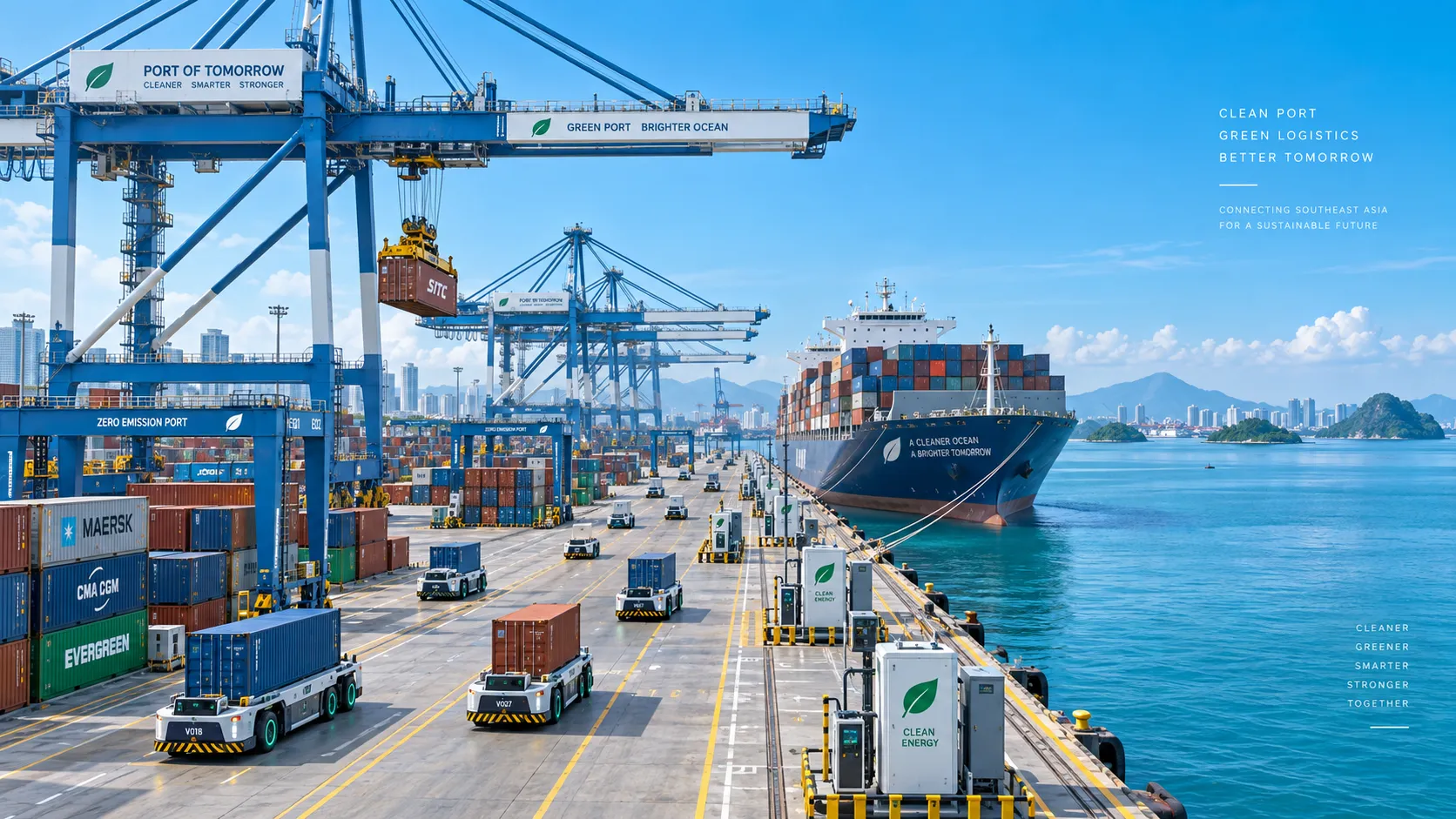
Smart Port Systems in Southeast Asia: Investment Priorities and Adoption Barriers
Smart port systems Southeast Asia: discover investment priorities, adoption barriers, and practical steps to build resilient, connected, high-performing terminals.
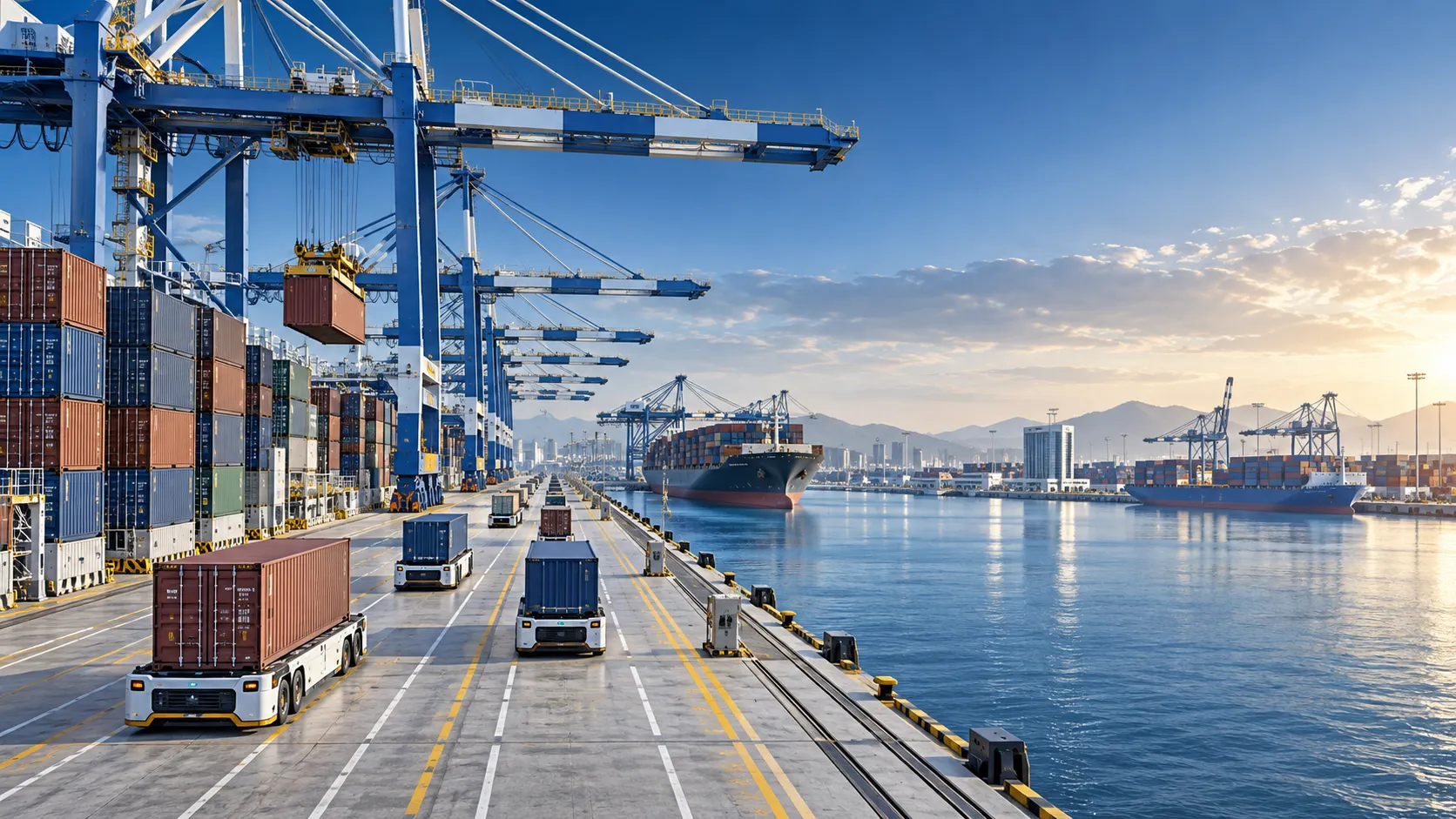
How to Evaluate Terminal Efficiency Solution Suppliers for High-Throughput Operations
Choose a terminal efficiency solutions supplier with confidence. Explore proven criteria for throughput, integration, lifecycle cost, safety, and reliable delivery.
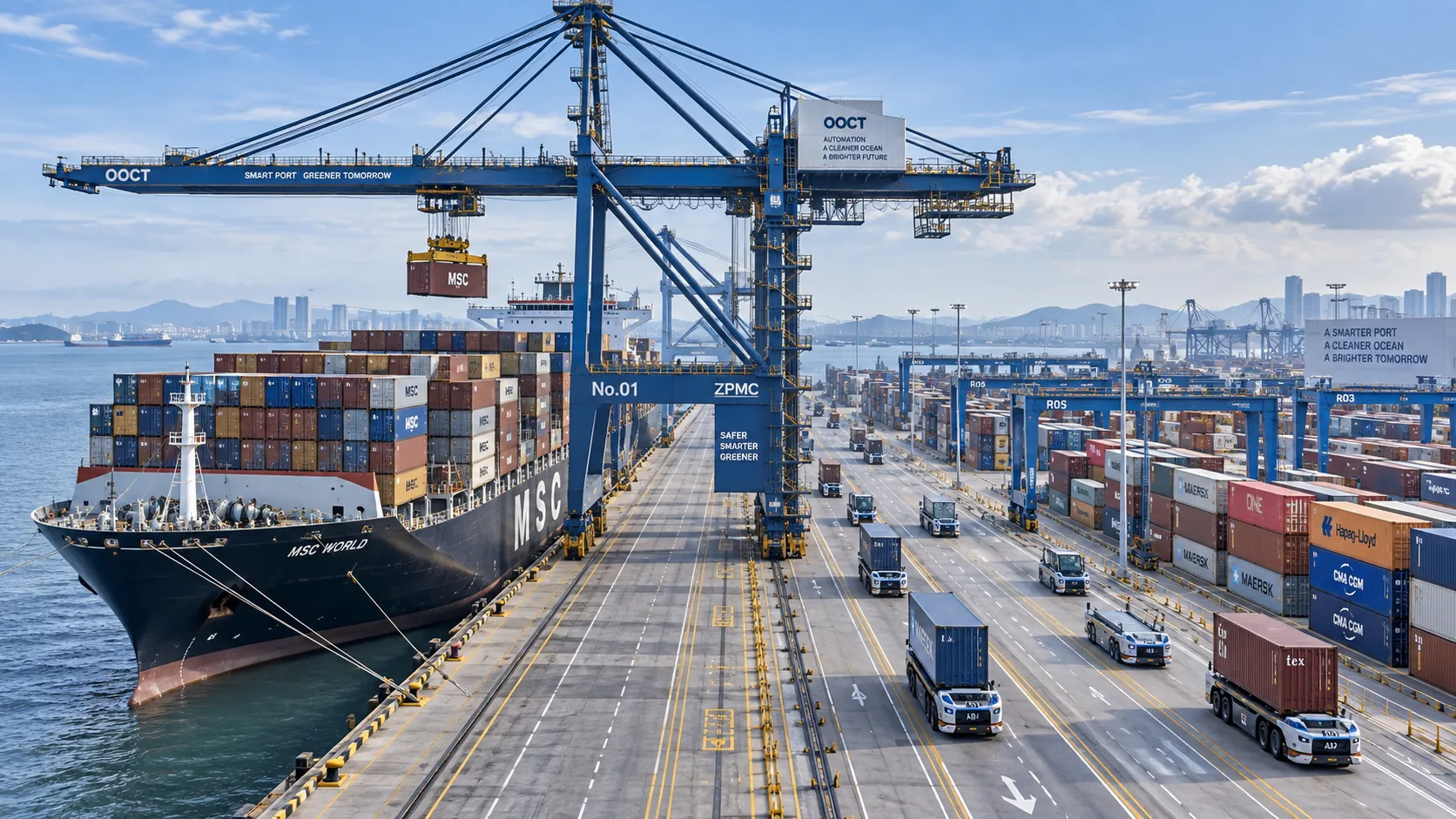
How to Specify a Quay Crane for Container Terminals by Vessel Size and Throughput?
Quay crane for container terminals: learn how to match outreach, lift height, capacity, automation, and cycle performance to vessel size and throughput goals.
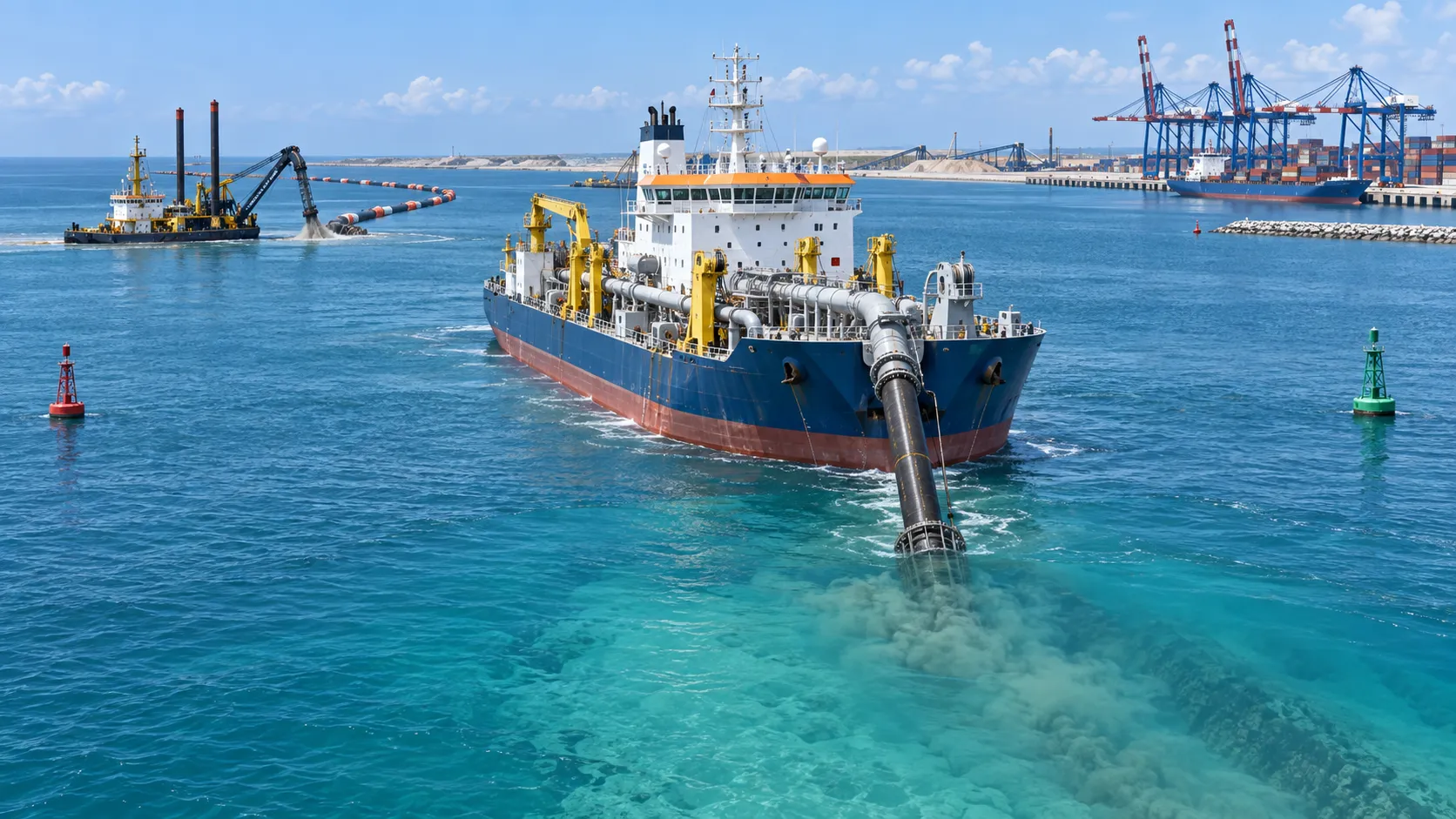
What Dredging Equipment Is Needed for Channel Deepening?
What dredging equipment is needed for channel deepening? Explore dredgers, pipelines, survey tools, and planning strategies for safer, more efficient port access.
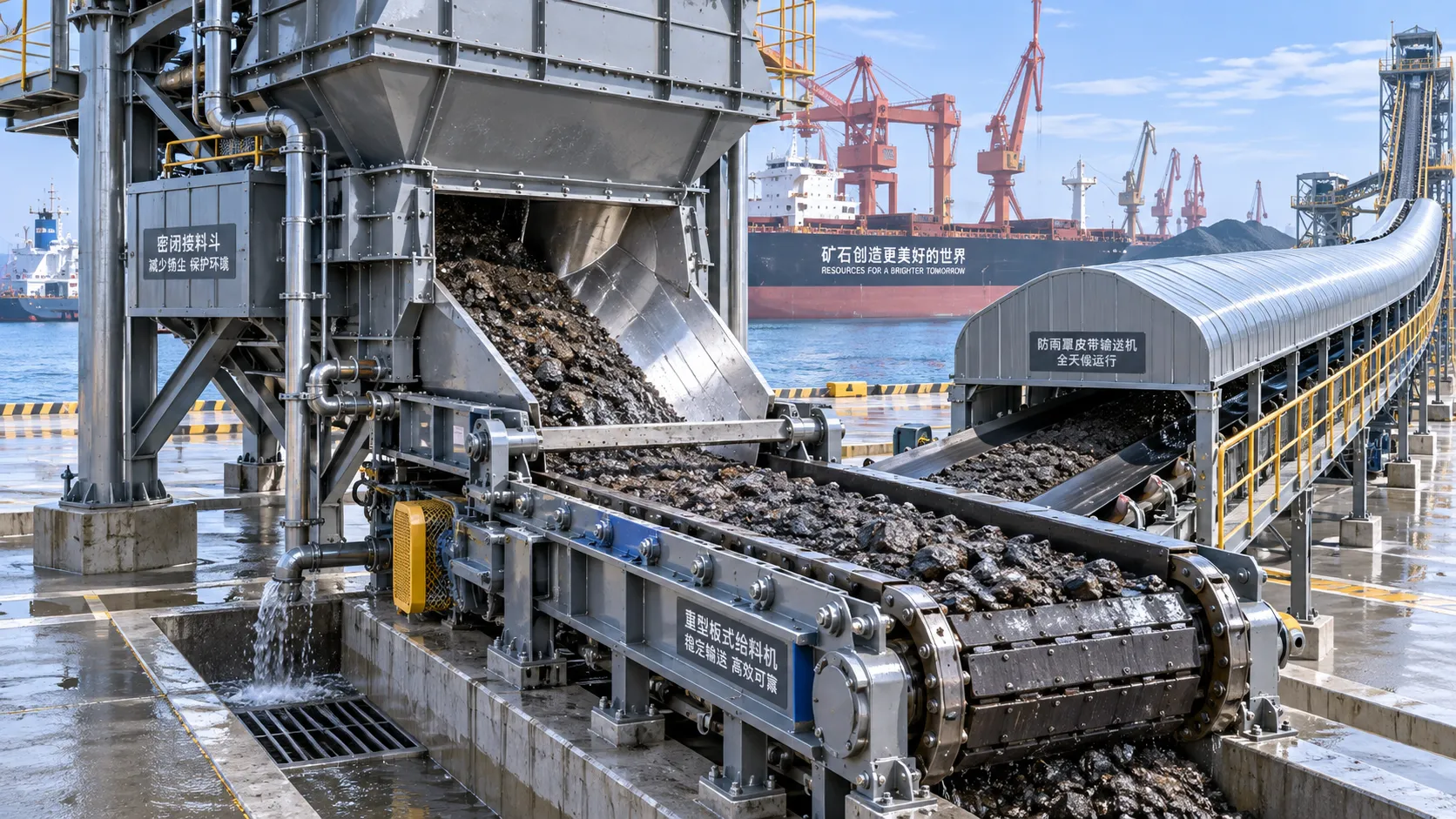
Which Bulk Handling Equipment Suits High-Moisture Cargo?
Which bulk handling equipment suits high-moisture cargo? Compare belt, apron, screw, drag, and slurry systems for reliable flow, less carryback, and higher terminal uptime.
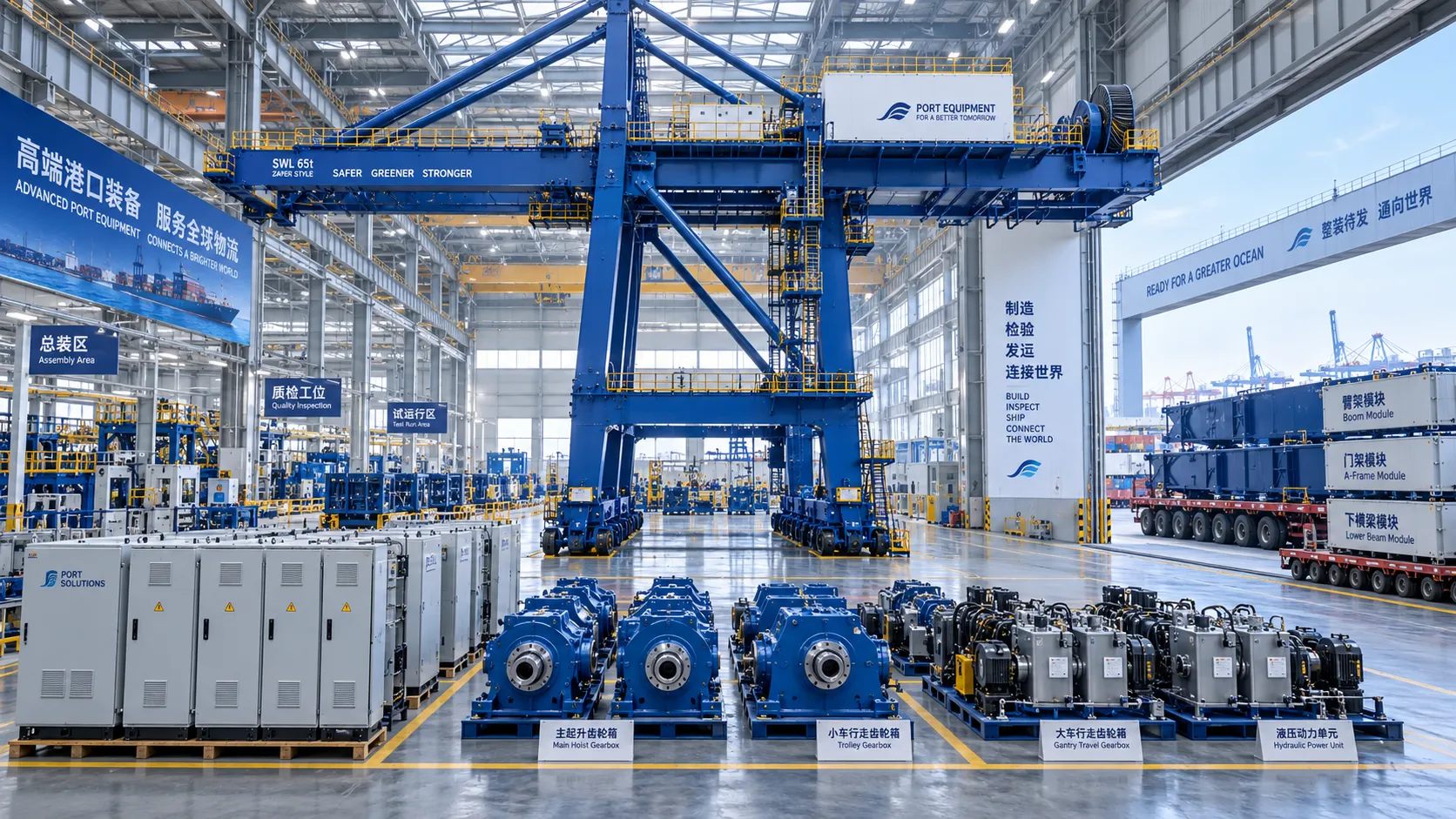
How Can Port Equipment Lead-Time Risk Be Managed?
How can port equipment lead-time risk be managed? Explore practical strategies to control critical paths, suppliers, transport, site readiness, and commissioning delays.
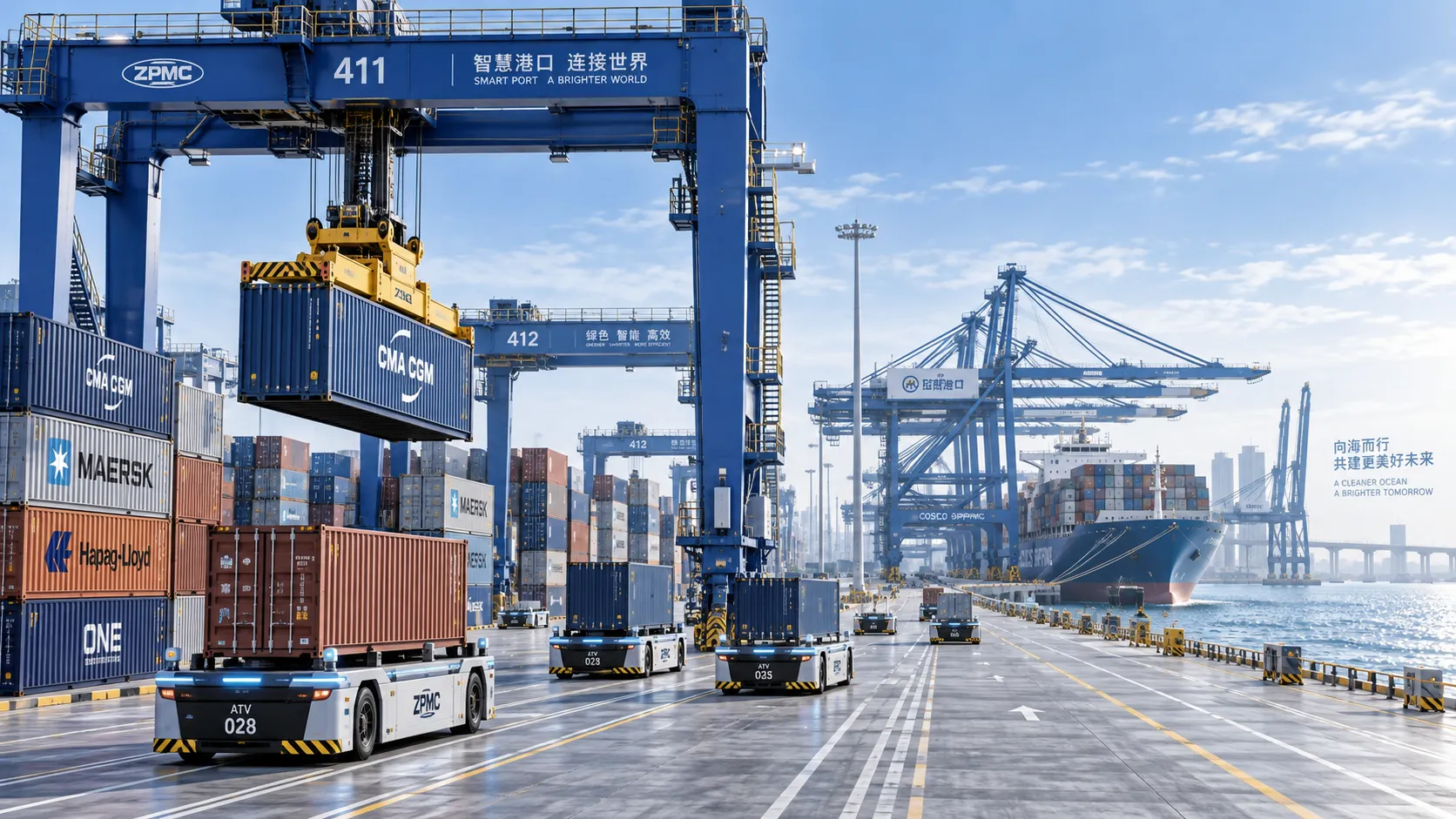
Terminal Automation Technologies That Raise Container Throughput Without Yard Disruption
Terminal automation technology that increases container throughput without disrupting yard flow. Explore smarter integration, resilient workflows, and phased deployment strategies.
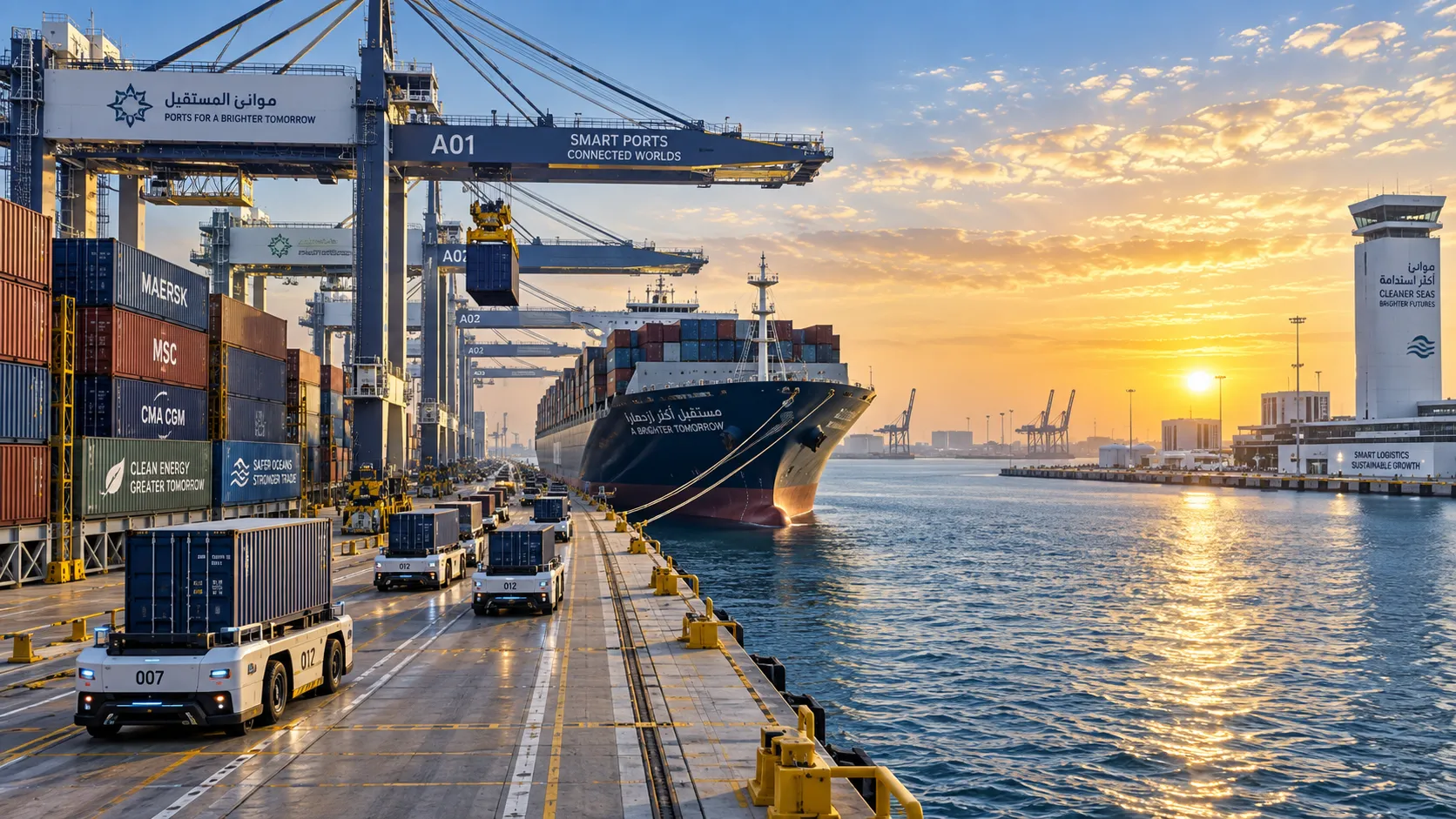
Middle East Port Automation: Key Market Drivers, Projects, and Investment Risks
Port automation systems Middle East: explore market drivers, flagship projects, integration challenges, and investment risks shaping smarter, resilient terminals.
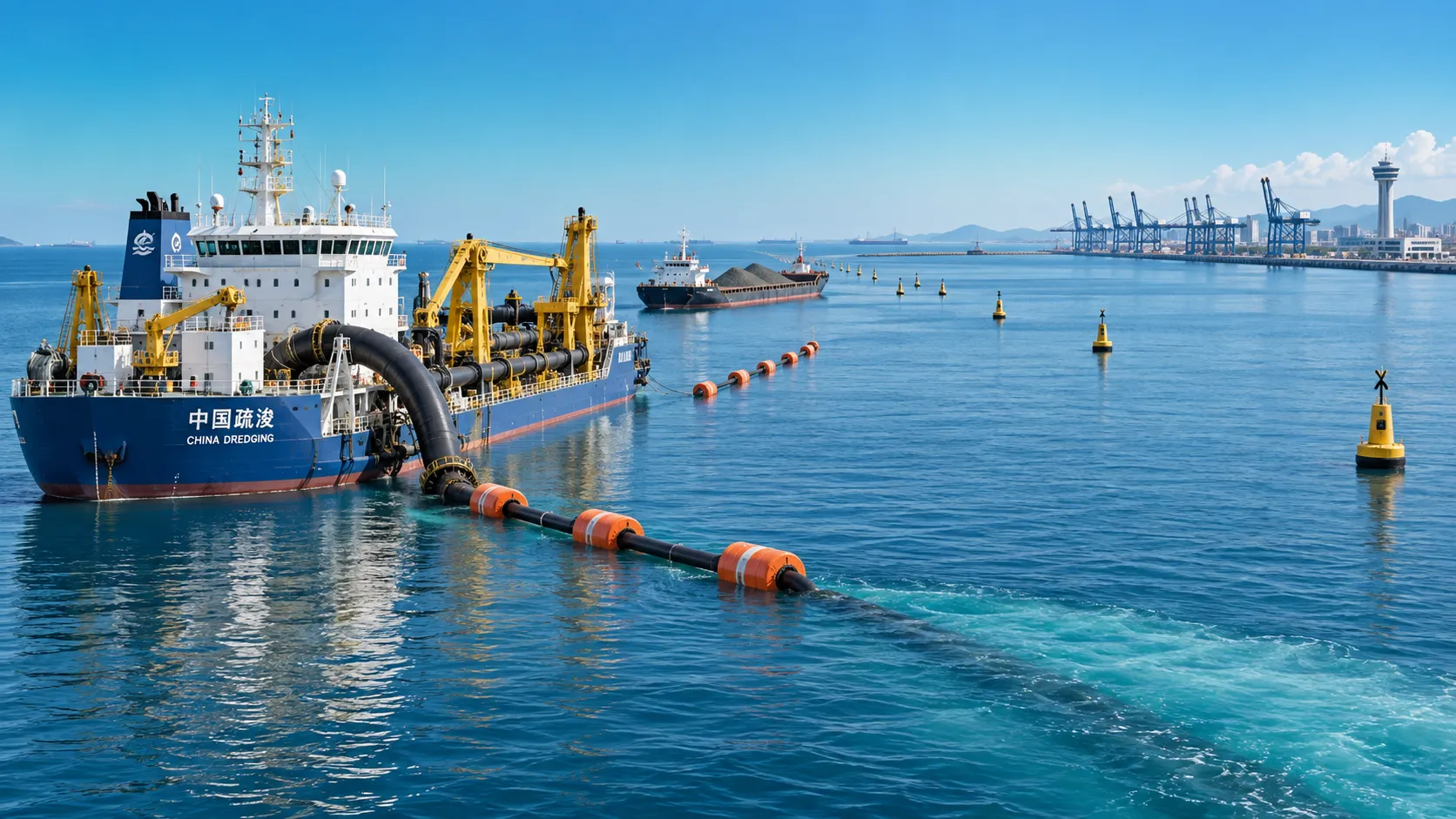
Planning Offshore Dredging Operations: Key Risks, Methods, and Project Controls
Offshore dredging operations demand smart planning. Explore key risks, proven methods, environmental controls, and project strategies for reliable delivery.