Related News
- 00
0000-00
How to Specify a Quay Crane for Container Terminals by Vessel Size and Throughput? - 00
0000-00
Which Bulk Handling Equipment Suits High-Moisture Cargo? - 00
0000-00
Terminal Automation Technologies That Raise Container Throughput Without Yard Disruption - 00
0000-00
Planning Offshore Dredging Operations: Key Risks, Methods, and Project Controls - 00
0000-00
Where Do Automated Guided Vehicles Deliver the Fastest Warehouse Gains in the Middle East?
Automated Container Handling Systems Explained: Types, Workflow, and Key Limits
Why is automated container handling drawing so much attention now?
Automated container handling sits at the center of a bigger logistics shift.
Ports face tighter vessel windows, denser yards, higher labor constraints, and stronger pressure to cut emissions.
That combination makes automation more than a technology upgrade. It becomes an operational strategy.
In simple terms, automated container handling uses software, sensors, and controlled equipment to move containers with less manual intervention.
The goal is not only speed. It is also repeatability, safer traffic flow, and more predictable terminal performance.
This matters beyond ports themselves. Yard productivity affects shipping schedules, inland transfers, inventory timing, and trade corridor stability.
That is why intelligence platforms such as PS-Nexus keep tracking automated container handling alongside heavy terminal gear and control systems.
The interesting part is that automation rarely works as a standalone machine purchase.
It depends on scheduling logic, communication reliability, quay-side coordination, and yard design discipline.
So when people search for automated container handling, they are usually asking a deeper question.
They want to know where automation genuinely improves throughput, and where physical limits still decide the outcome.
What counts as an automated container handling system?
A full automated container handling system is usually a coordinated stack, not one isolated device.
It often includes automated stacking cranes, AGVs, terminal operating software, positioning systems, and gate or transfer interfaces.
Some terminals automate only yard stacking. Others automate horizontal transport as well.
A common point of confusion is the difference between mechanized handling and automated container handling.
Mechanized yards may use advanced machines, but human drivers still make most movement decisions.
Automated systems shift those decisions into control logic, traffic rules, and digital task assignment.
The most common system types can be compared quickly:
In practice, automated container handling is strongest when these elements are designed as one operating environment.
If the control layer is weak, even excellent machines can underperform.
How does the workflow actually run from quay to yard?
The workflow looks simple from a distance, but the timing logic is where most value is created.
A container is discharged or loaded at the quay crane.
Then a transport unit, often an AGV or similar carrier, receives a digital task and route.
The box moves to a handoff point or directly to a yard block.
An automated stacking crane places it into a planned slot based on departure sequence, dwell time, and yard balance.
When the container is needed again, the system reverses the process with updated priorities.
What sounds routine becomes complex because several layers must stay synchronized:
- Equipment status must be visible in real time.
- Traffic paths must avoid conflicts and dead time.
- Yard slots must reflect future vessel and truck demand.
- Exception handling must be fast when a box is mispositioned.
This is why PS-Nexus often frames port automation as a nervous system, not merely a fleet of machines.
The workflow only becomes efficient when scheduling logic and physical motion support each other.
A terminal may own advanced equipment yet still lose time through poor task sequencing.
More often than not, bottlenecks appear at transfer points rather than at maximum travel speed.
Where does automated container handling work best, and where is it harder to justify?
Automated container handling works best in terminals with repeatable flows, high land value, and clear planning discipline.
Large marine terminals usually fit this profile because yard density and vessel productivity matter every day.
It also performs well where labor exposure, safety risk, or emissions targets are major operating concerns.
The harder cases are more varied.
Mixed cargo sites, irregular layouts, older infrastructure, or highly unpredictable peaks can reduce the automation payoff.
If lane geometry is awkward, software cannot fully compensate for poor physical design.
If data inputs are inconsistent, automated container handling may spend too much effort correcting exceptions.
A useful way to judge suitability is to ask whether the terminal has stable rules.
Automation likes repeatable handoffs, predictable box classes, disciplined appointments, and clear operational ownership.
It struggles where exceptions are constant and unmanaged.
That does not mean smaller or transitional sites should ignore it.
In many cases, partial automated container handling, such as remote control or selected yard automation, is the more realistic path.
What limits should be understood before calling a system “fully automated”?
This is often the most important question, because expectations can outrun operating reality.
Automated container handling does not remove limits. It shifts which limits matter most.
Physical constraints remain fundamental.
Block length, crane span, transfer point design, charging windows, and quay-yard distance still shape throughput.
System constraints are just as important.
Low-latency communications, sensor reliability, cybersecurity discipline, and accurate position data all affect performance.
Operational constraints are usually underestimated.
A terminal may automate movement, yet exceptions still need rules, training, escalation paths, and decision ownership.
The most common limits appear in four areas:
- Peak surges that exceed planned cycle times.
- Interface delays between quay cranes and horizontal transport.
- Unexpected container mixes, including reefers and special cargo.
- Legacy systems that cannot share clean operational data.
A mature evaluation does not ask whether automation is advanced.
It asks whether the entire terminal can absorb that automation without creating new bottlenecks elsewhere.
How should automated container handling be evaluated before implementation?
A useful assessment starts with operational questions, not branding language.
The first issue is throughput profile.
Is the terminal trying to raise average productivity, absorb peak calls, or improve yard consistency?
Those goals do not always require the same system design.
The second issue is integration depth.
Automated container handling depends on how well equipment, software, maintenance planning, and landside processes connect.
The third issue is timeline realism.
Commissioning, testing, rule refinement, and operator adaptation often take longer than expected.
Before moving ahead, it helps to review the decision points in one place:
In actual planning, the strongest indicator is often not headline crane rate.
It is whether the terminal can sustain coordinated flow across quay, yard, gate, and control room.
That broader systems view is exactly where sector intelligence becomes useful.
PS-Nexus, for example, frames automated container handling within trade shifts, control architecture, and infrastructure evolution rather than isolated equipment claims.
So what is the practical takeaway?
Automated container handling is best understood as a coordinated operating model for container flow.
Its value grows when terminal density, scheduling discipline, and digital control maturity move together.
The main system types are clear enough, but the real differences appear in workflow design and limit management.
That is why comparing technologies alone is rarely enough.
A better next step is to map the intended application against layout constraints, exception rates, data readiness, and target throughput.
Then compare which level of automated container handling fits the site, from partial automation to deeper terminal-wide coordination.
For anyone following port modernization, it also helps to watch adjacent signals.
Remote-control latency, AGV path planning, energy strategy, and dredging-led expansion all influence what automation can deliver next.
That wider view makes future decisions more accurate, and much less dependent on marketing language.
Related News
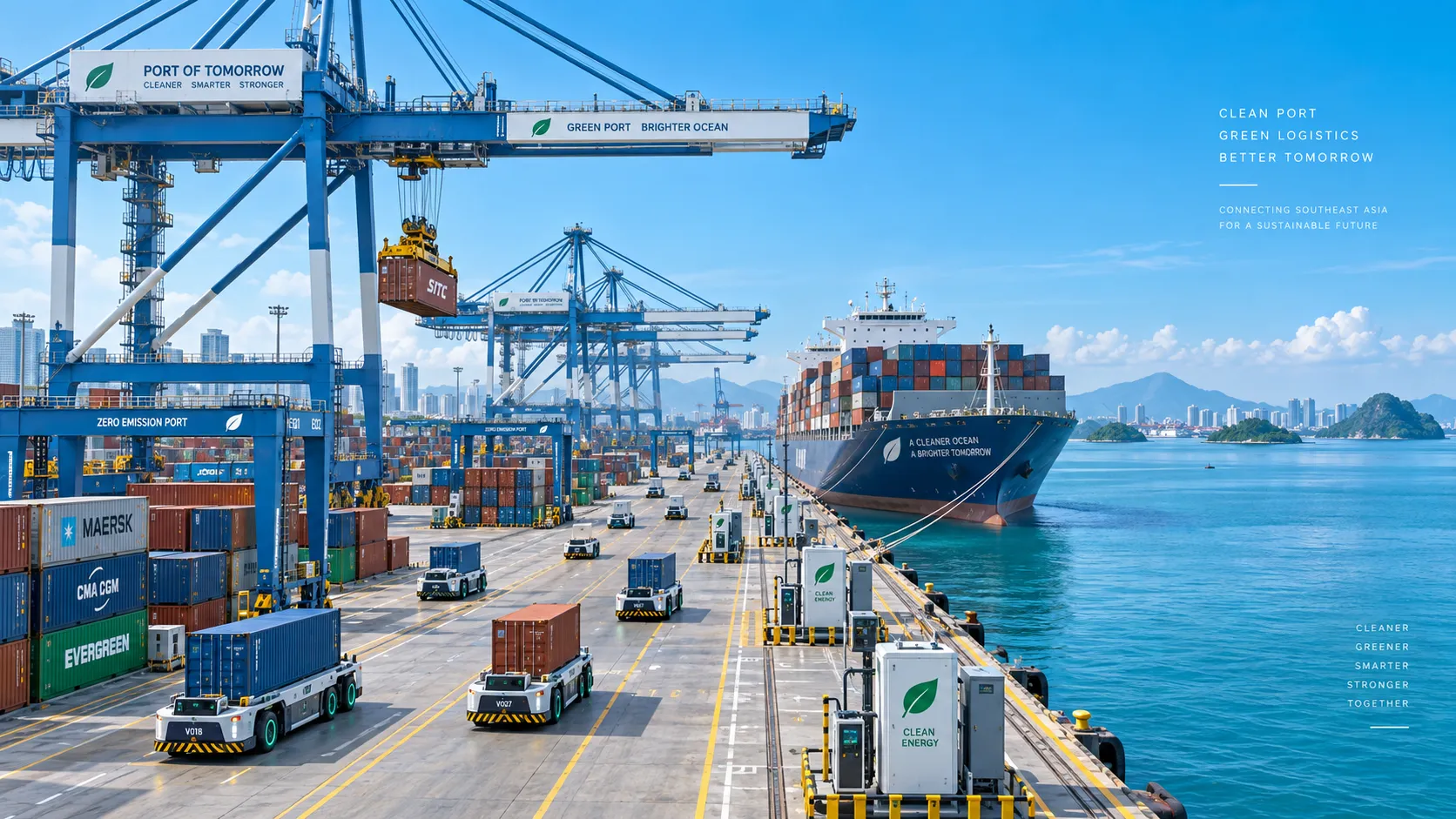
Smart Port Systems in Southeast Asia: Investment Priorities and Adoption Barriers
Smart port systems Southeast Asia: discover investment priorities, adoption barriers, and practical steps to build resilient, connected, high-performing terminals.
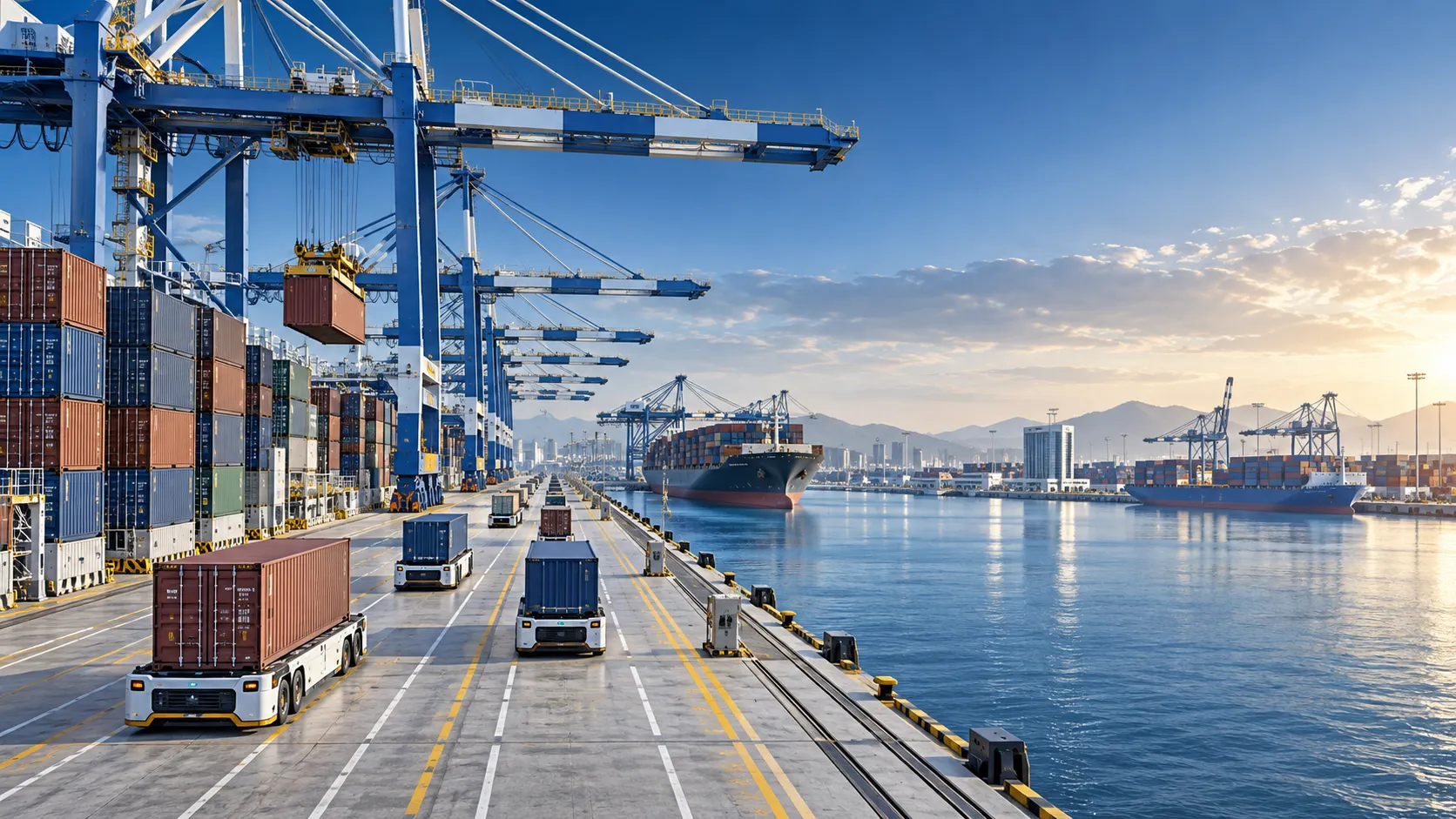
How to Evaluate Terminal Efficiency Solution Suppliers for High-Throughput Operations
Choose a terminal efficiency solutions supplier with confidence. Explore proven criteria for throughput, integration, lifecycle cost, safety, and reliable delivery.
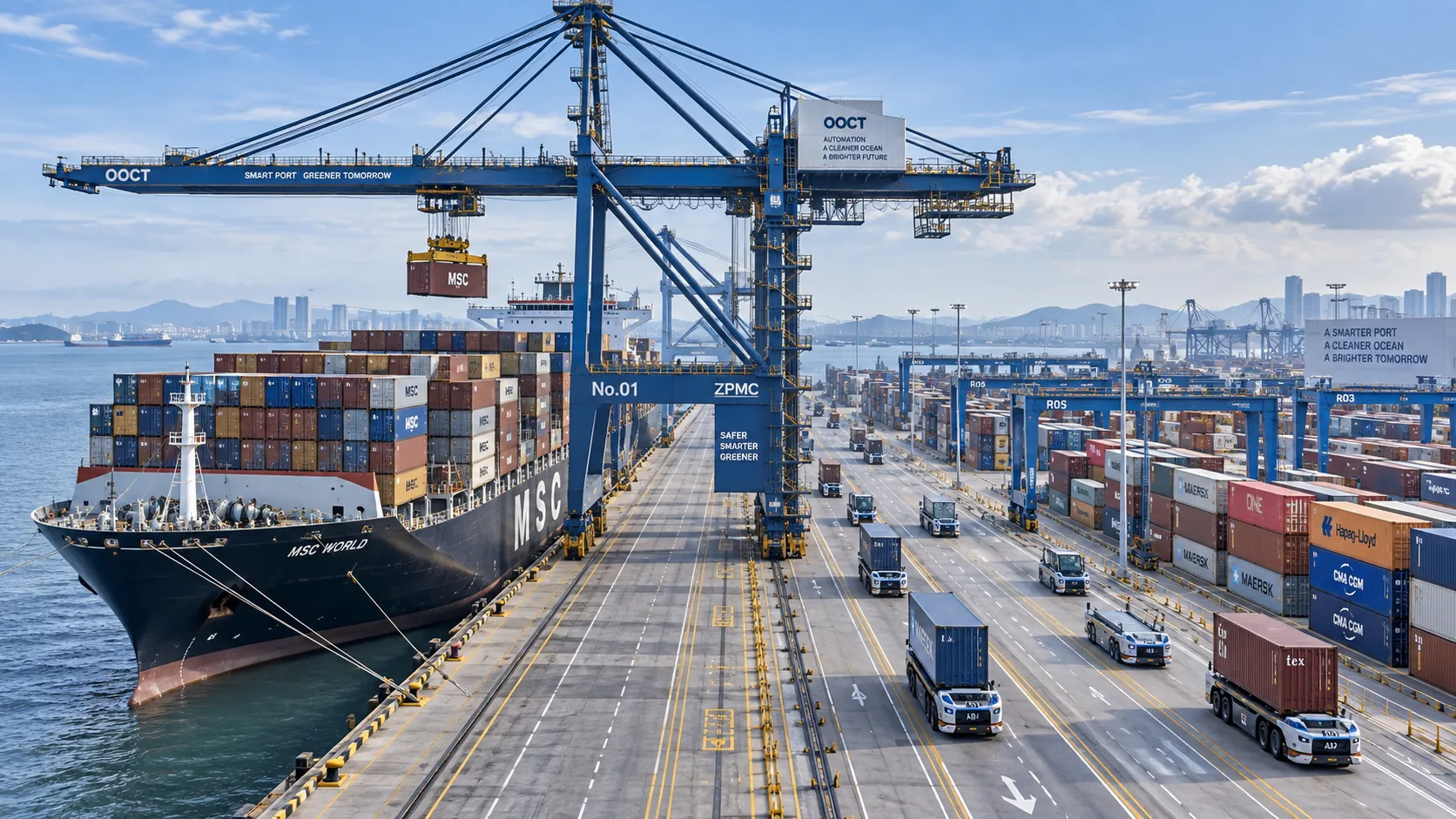
How to Specify a Quay Crane for Container Terminals by Vessel Size and Throughput?
Quay crane for container terminals: learn how to match outreach, lift height, capacity, automation, and cycle performance to vessel size and throughput goals.
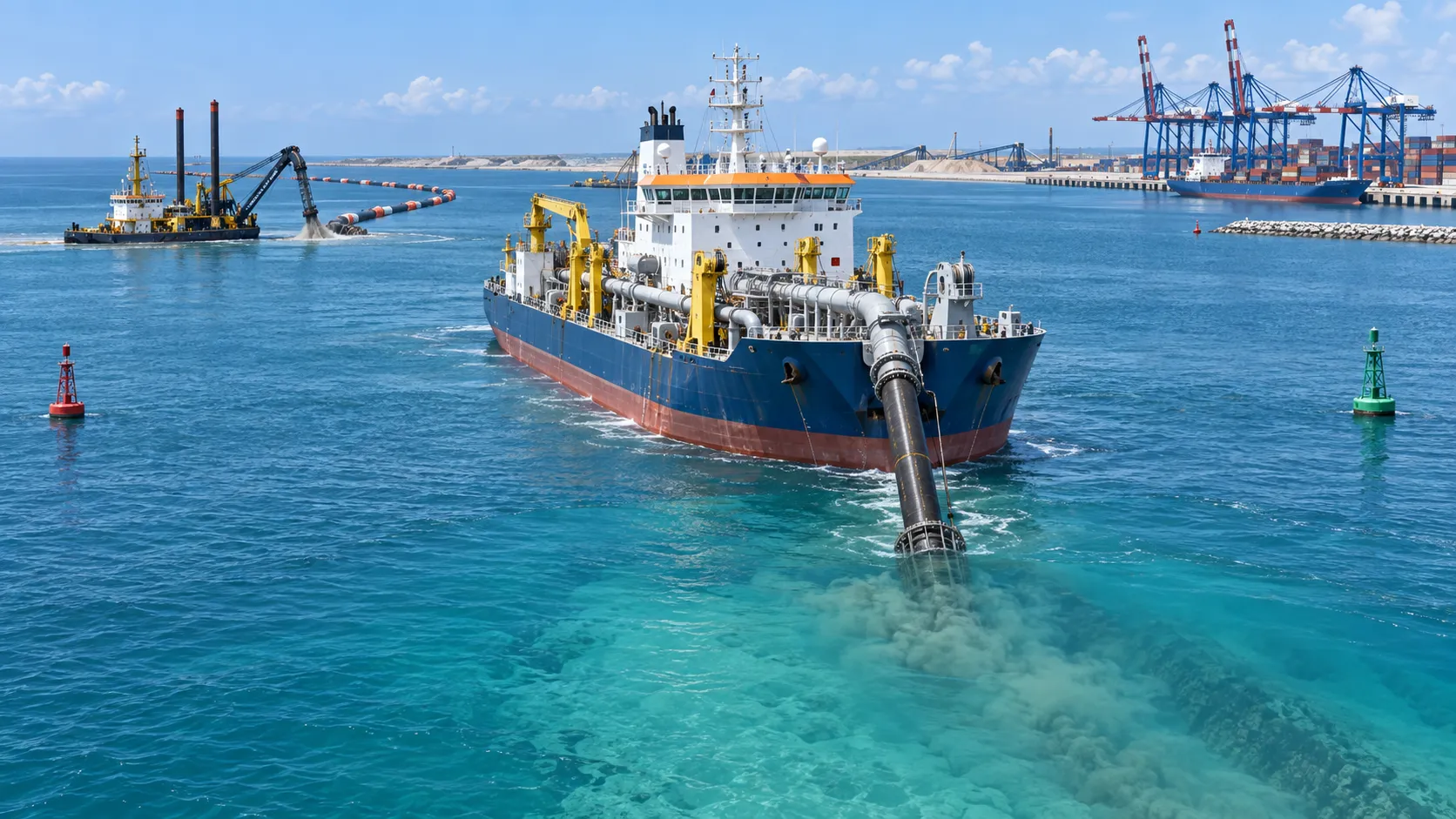
What Dredging Equipment Is Needed for Channel Deepening?
What dredging equipment is needed for channel deepening? Explore dredgers, pipelines, survey tools, and planning strategies for safer, more efficient port access.
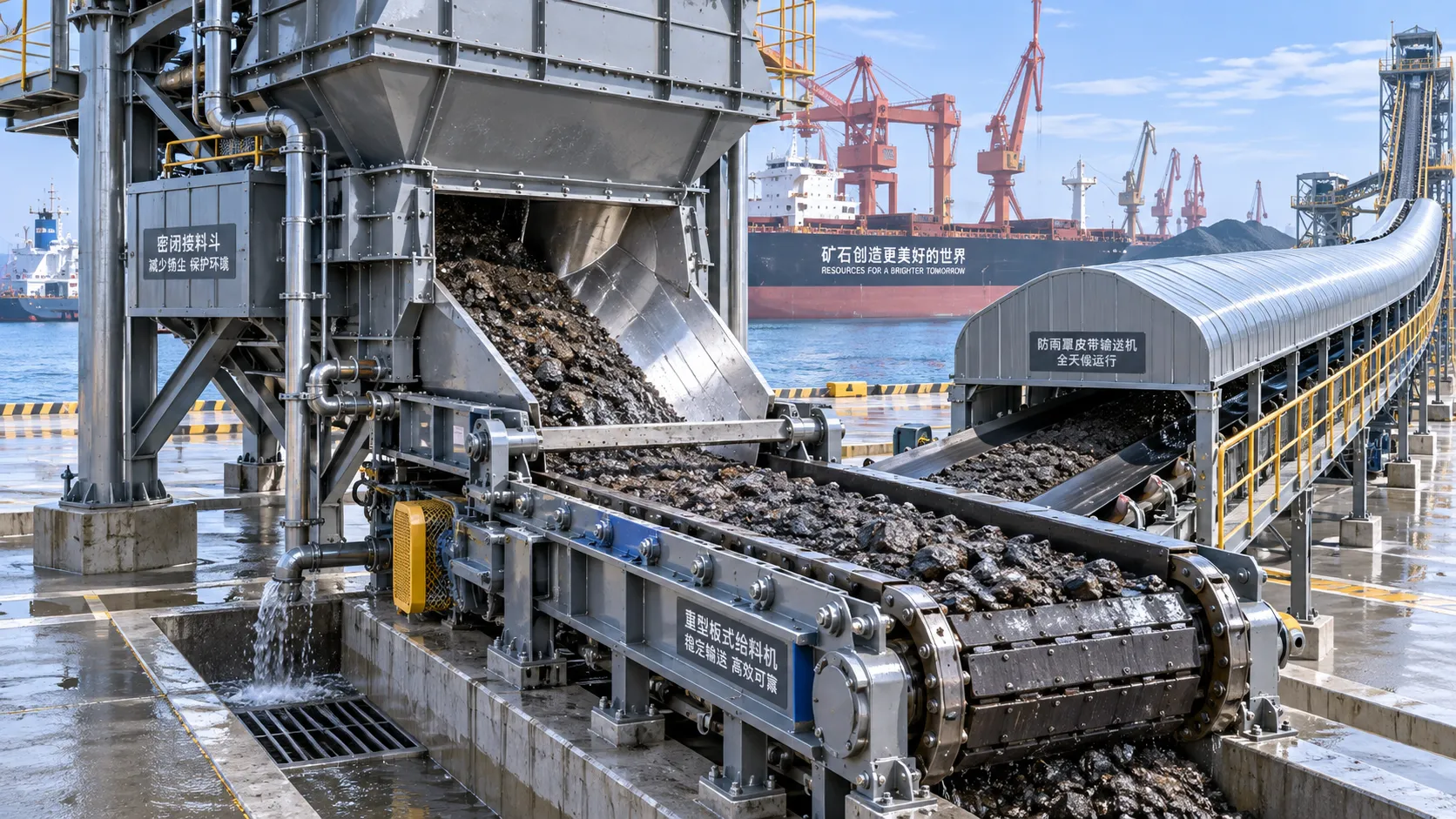
Which Bulk Handling Equipment Suits High-Moisture Cargo?
Which bulk handling equipment suits high-moisture cargo? Compare belt, apron, screw, drag, and slurry systems for reliable flow, less carryback, and higher terminal uptime.
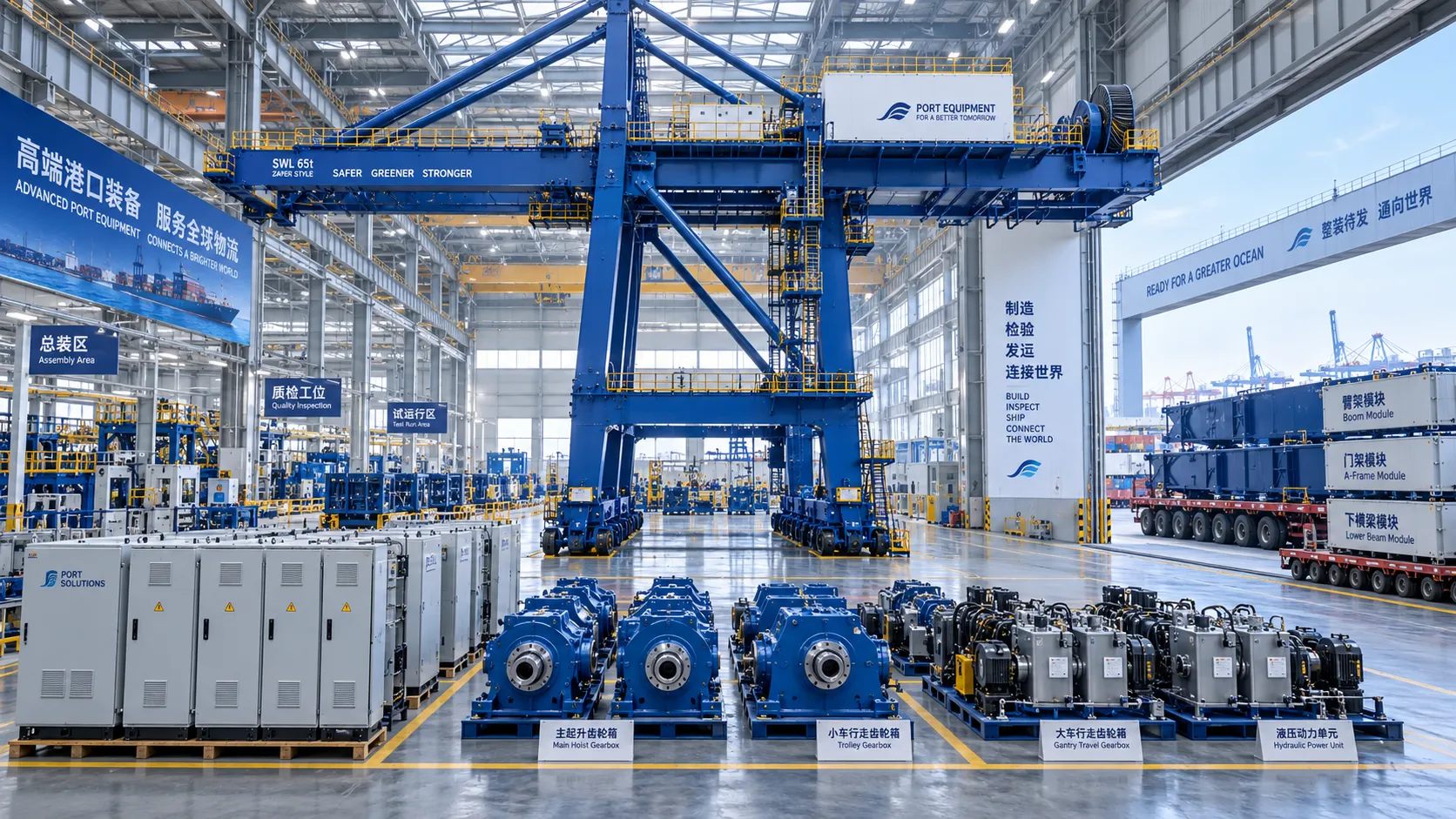
How Can Port Equipment Lead-Time Risk Be Managed?
How can port equipment lead-time risk be managed? Explore practical strategies to control critical paths, suppliers, transport, site readiness, and commissioning delays.
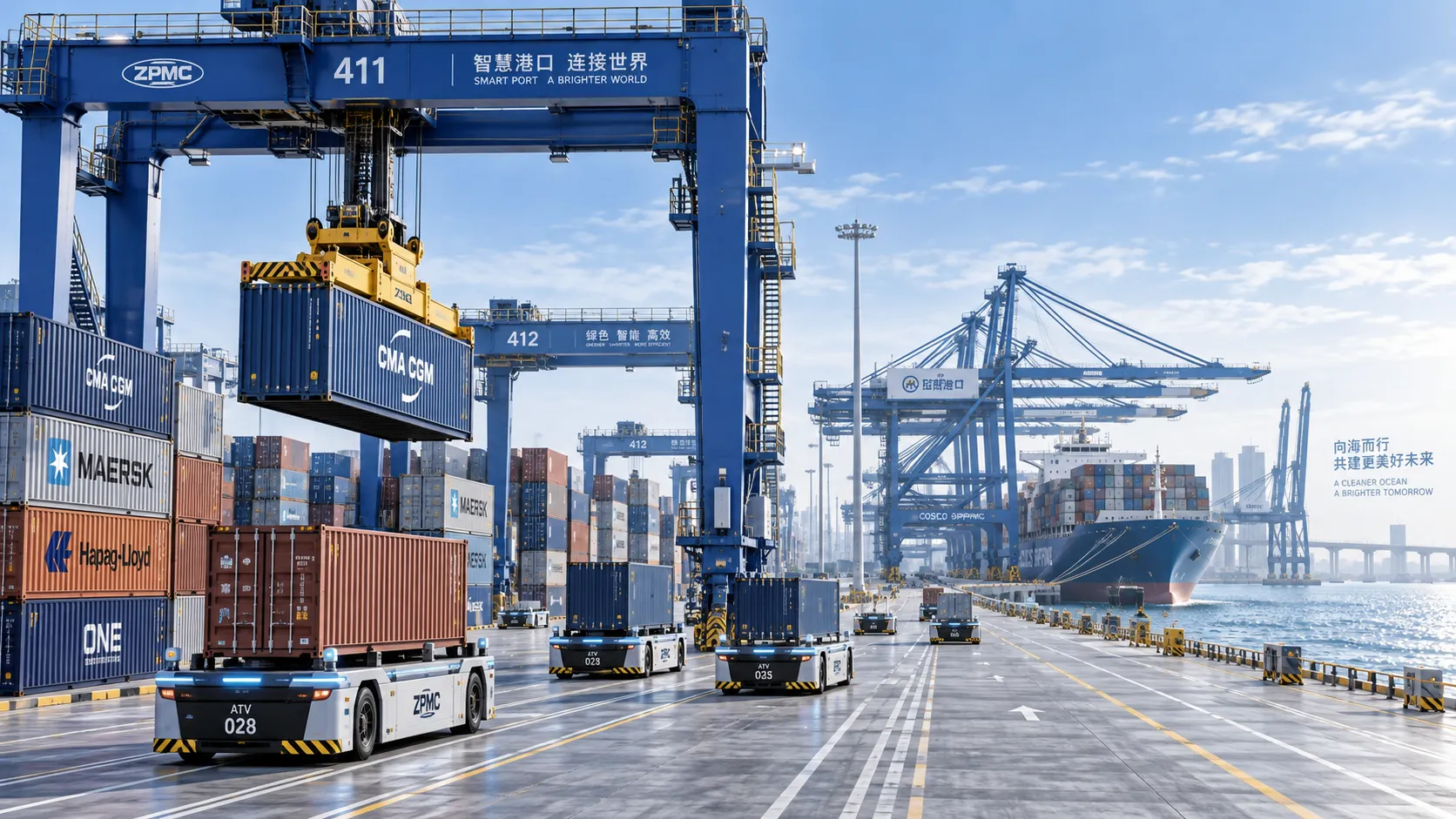
Terminal Automation Technologies That Raise Container Throughput Without Yard Disruption
Terminal automation technology that increases container throughput without disrupting yard flow. Explore smarter integration, resilient workflows, and phased deployment strategies.
Middle East Port Automation: Key Market Drivers, Projects, and Investment Risks
Port automation systems Middle East: explore market drivers, flagship projects, integration challenges, and investment risks shaping smarter, resilient terminals.
Planning Offshore Dredging Operations: Key Risks, Methods, and Project Controls
Offshore dredging operations demand smart planning. Explore key risks, proven methods, environmental controls, and project strategies for reliable delivery.