Related News
- 00
0000-00
How to Specify a Quay Crane for Container Terminals by Vessel Size and Throughput? - 00
0000-00
Which Bulk Handling Equipment Suits High-Moisture Cargo? - 00
0000-00
Terminal Automation Technologies That Raise Container Throughput Without Yard Disruption - 00
0000-00
Planning Offshore Dredging Operations: Key Risks, Methods, and Project Controls - 00
0000-00
Where Do Automated Guided Vehicles Deliver the Fastest Warehouse Gains in the Middle East?
How to Choose Port Terminal Equipment for Bulk, Container, and Ro-Ro Operations
Choosing port terminal equipment is rarely a simple comparison of machine size, speed, or price. In bulk, container, and Ro-Ro terminals, every equipment decision shapes berth productivity, safety margins, energy use, labor planning, and future expansion options.
That is why port terminal equipment now sits at the center of both engineering planning and trade strategy. A terminal may handle different cargo flows, vessel patterns, and yard constraints, yet the equipment mix must still support reliable output across changing market conditions.
The strongest decisions usually come from matching equipment to cargo behavior, layout logic, control systems, and lifecycle economics. In practice, the right choice is the one that keeps operations stable today while leaving room for automation, cleaner energy, and higher throughput tomorrow.
Why equipment selection matters more than ever
Ports are under pressure from larger vessels, tighter turnaround expectations, decarbonization targets, and uneven cargo demand. This makes port terminal equipment a strategic asset rather than a procurement item.
A mismatch between cargo profile and equipment capability often creates hidden losses. Delays at the berth spread into yard congestion, truck queues, overtime, maintenance stress, and missed service windows.
Industry intelligence platforms such as PS-Nexus increasingly track these links across heavy terminal gear, automated handling, and dredging engineering. That broader view matters because equipment decisions are connected to trade routes, channel depth, automation maturity, and terminal expansion timing.
In other words, selecting port terminal equipment is no longer only about lifting cargo. It is about building a terminal system that remains competitive under operational, environmental, and commercial pressure.
Start with cargo reality, not machine catalogs
The first useful question is not which crane is popular. It is what the terminal must move, in what volume, under what dwell time, and with what service promise.
Bulk cargo, containers, and Ro-Ro units behave differently in motion, storage, and transfer. Each flow creates its own bottlenecks, risks, and infrastructure demands.
Bulk terminals
Bulk handling relies on continuous, robust movement. Typical port terminal equipment includes ship unloaders, conveyor systems, stacker reclaimers, hoppers, feeders, and dust control units.
Here, the key variables are material density, abrasiveness, moisture content, environmental limits, and required transfer rate. Coal, grain, ore, clinker, and fertilizer do not place the same demands on machines.
Container terminals
Container operations depend on synchronized lifting and horizontal transport. The main port terminal equipment may include quay cranes, RTGs, RMGs, reach stackers, terminal tractors, and AGVs.
The selection challenge is not only crane performance. Yard density, truck interface, reefer demand, gate design, and software integration all influence the right equipment architecture.
Ro-Ro terminals
Ro-Ro cargo moves on wheels, which changes the equipment logic. More value often comes from ramp design, marshaling areas, traffic control, tug support, and secure vehicle handling systems than from heavy lift intensity.
For this segment, port terminal equipment must protect cargo condition, maintain fast circulation, and prevent crossing conflicts between vehicles, people, and support assets.
The main decision criteria behind a reliable equipment mix
Once cargo patterns are clear, the next step is to test candidate equipment against a practical set of operating criteria. This is where many investment decisions become either resilient or fragile.
- Throughput fit: rated capacity should match realistic peak demand, not just nameplate output.
- Layout compatibility: machine dimensions, turning radius, rail alignment, and stacking logic must fit the available footprint.
- Interoperability: port terminal equipment should connect smoothly with TOS, sensors, power systems, and maintenance platforms.
- Resilience: uptime, spare parts access, weather tolerance, and failure recovery matter as much as headline productivity.
- Lifecycle cost: energy use, wear parts, maintenance intervals, and training requirements often outweigh purchase price.
- Expansion path: the chosen system should support future automation, modular upgrades, and higher traffic density.
A terminal that buys oversized machines may suffer from underutilized assets and expensive support systems. A terminal that buys undersized assets may face chronic congestion and early replacement pressure.
Comparing bulk, container, and Ro-Ro priorities
Although all three terminal types depend on efficient port terminal equipment, the investment logic is different. A clear comparison helps keep selection discussions grounded.
This comparison also shows why a successful equipment strategy cannot be copied from another terminal without adjustment. Similar cargo categories may still require different configurations because of land constraints, labor models, and vessel mix.
Automation, control, and data now influence core equipment choices
Modern port terminal equipment is increasingly evaluated as part of a control ecosystem. Mechanical performance still matters, but digital coordination now affects real output just as strongly.
For container terminals, remote-controlled cranes, AGV path planning, and low-latency communications can reshape fleet size assumptions. A smaller, better-coordinated equipment base may outperform a larger disconnected one.
In bulk terminals, digital monitoring improves conveyor health, hopper performance, and energy management. In Ro-Ro sites, traffic visibility and slot discipline can reduce damage claims and loading delays.
This is one area where the PS-Nexus perspective is especially useful. Market intelligence, automation trends, and equipment integration signals help decision teams judge whether a machine fits current operations and future control architecture.
Watch the surrounding infrastructure, not just the equipment itself
Port terminal equipment performs inside a physical system. Berth strength, rail gauge, pavement loading, drainage, channel depth, power supply, and workshop capacity all affect final value.
A terminal may choose high-capacity cranes, but weak yard pavement or limited substations can undermine utilization. The same applies to bulk systems when stockyard geometry or dust mitigation is underestimated.
Dredging and harbor engineering can also influence equipment choices. If channel expansion, berth deepening, or reclamation is planned, the equipment roadmap should align with that timetable rather than react after the fact.
Questions that sharpen the final decision
Before final selection, it helps to test the proposed port terminal equipment against a short set of project questions.
- What is the actual bottleneck: berth, yard, gate, stockpile, or circulation route?
- How much seasonal or commodity variation must the equipment absorb?
- Can the terminal maintain acceptable output during maintenance or partial failure?
- Does the equipment support net-zero goals through electrification or cleaner energy options?
- Will software, training, and spare parts be available at the required scale?
- What expansion trigger will require the next upgrade, and is that path already designed?
These questions push selection away from brochure logic and toward operational fit. They also reduce the risk of expensive redesigns after commissioning begins.
A practical way to move forward
The best port terminal equipment strategy usually starts with a clean demand model, then moves through layout testing, equipment matching, control integration, and lifecycle review. That sequence keeps technical ambition connected to delivery reality.
For bulk, container, and Ro-Ro projects alike, the most useful next step is to build a comparison matrix around throughput, infrastructure fit, automation readiness, maintenance burden, and expansion flexibility.
When those factors are measured together, equipment selection becomes clearer. The goal is not simply to buy stronger machines, but to shape a terminal system that stays efficient, safe, and adaptable as trade patterns continue to shift.
Related News
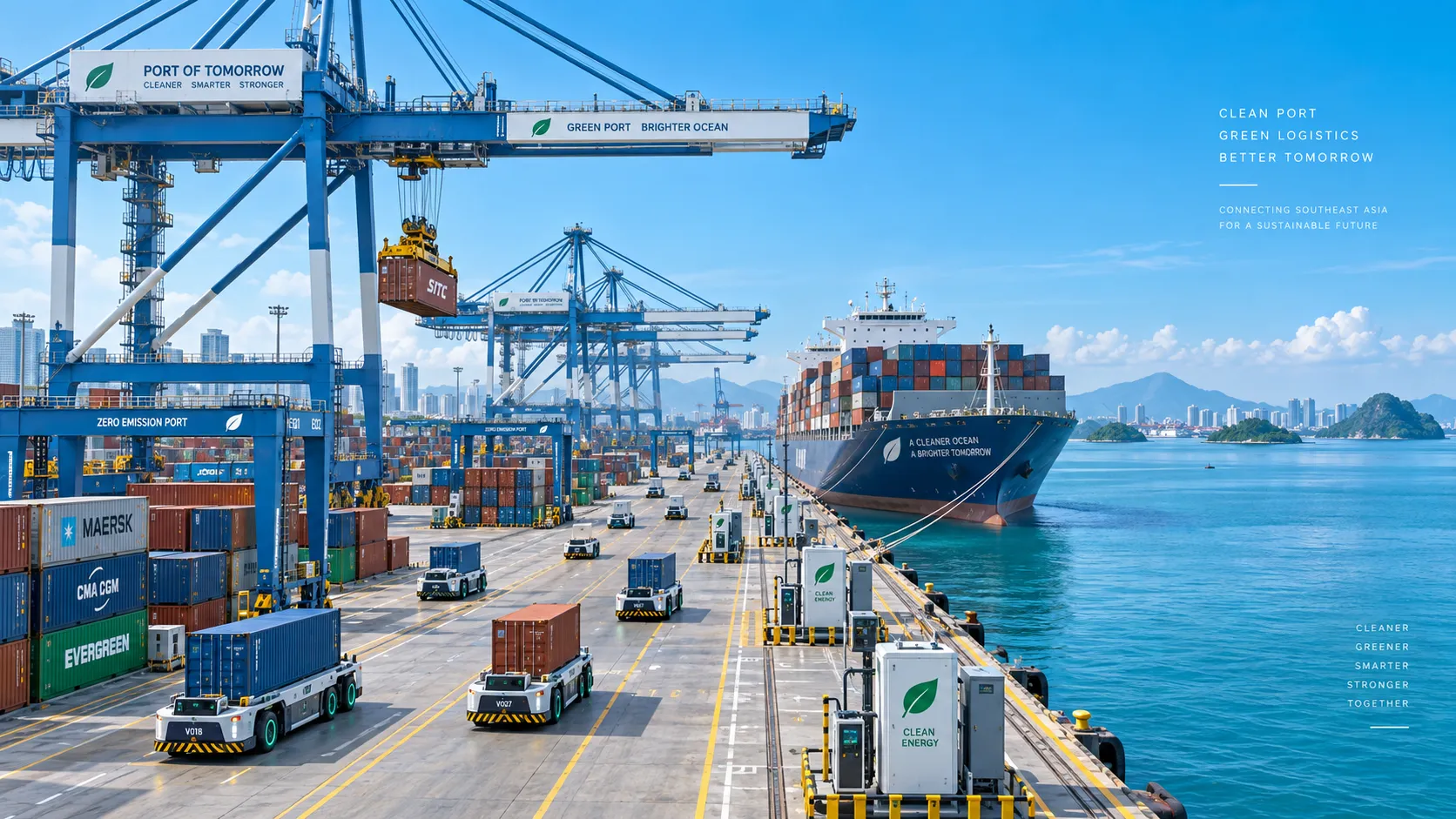
Smart Port Systems in Southeast Asia: Investment Priorities and Adoption Barriers
Smart port systems Southeast Asia: discover investment priorities, adoption barriers, and practical steps to build resilient, connected, high-performing terminals.
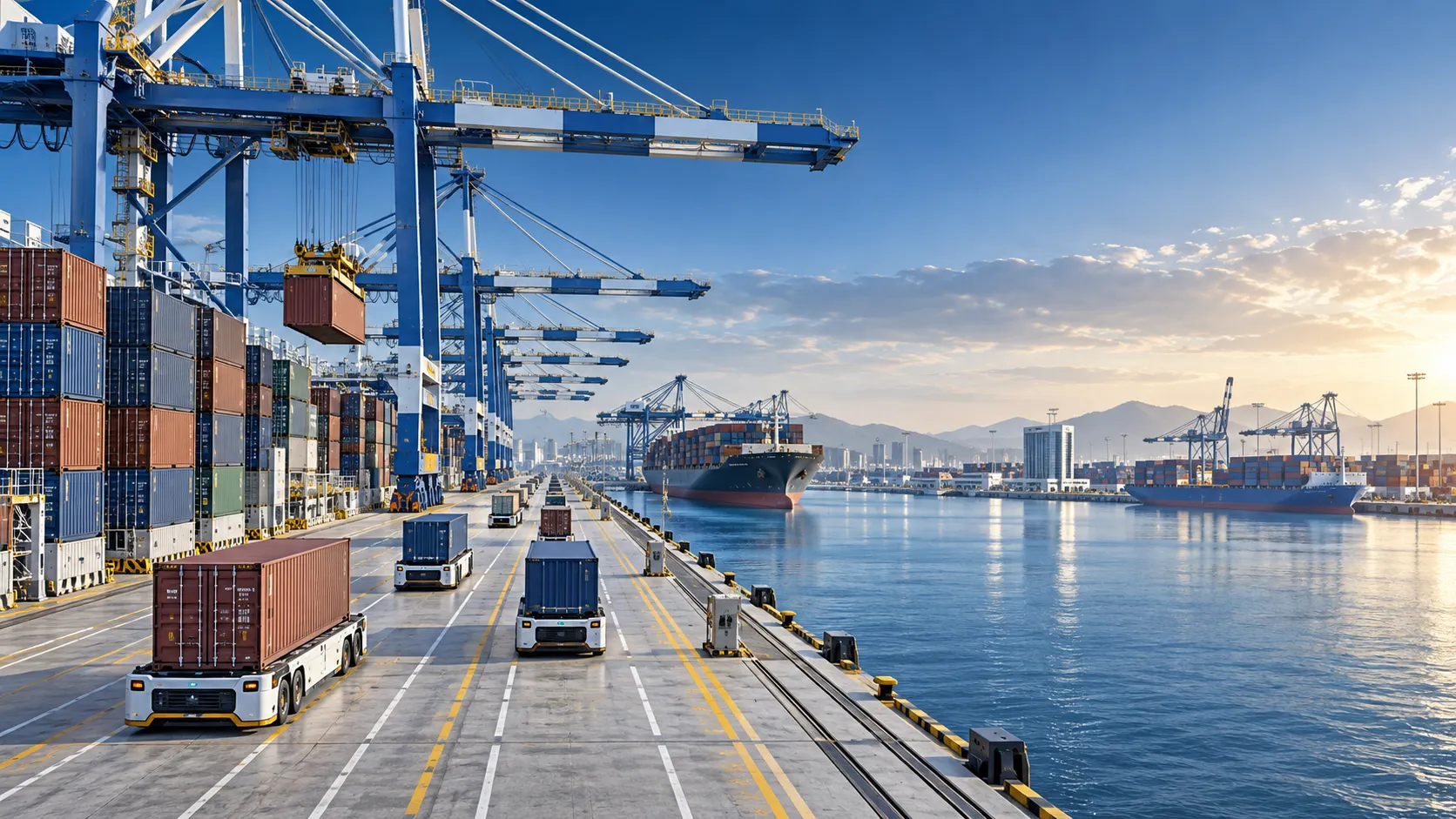
How to Evaluate Terminal Efficiency Solution Suppliers for High-Throughput Operations
Choose a terminal efficiency solutions supplier with confidence. Explore proven criteria for throughput, integration, lifecycle cost, safety, and reliable delivery.
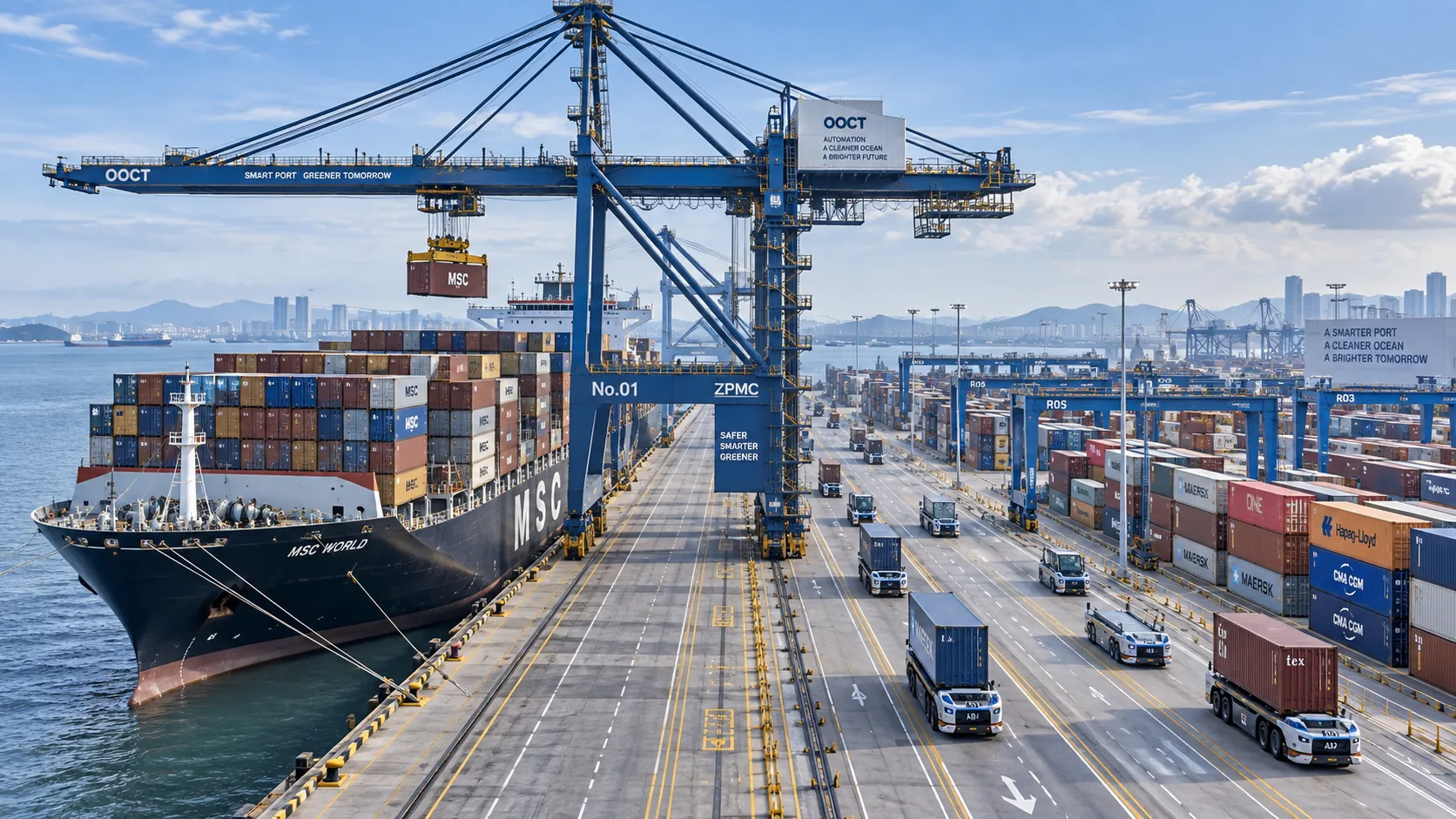
How to Specify a Quay Crane for Container Terminals by Vessel Size and Throughput?
Quay crane for container terminals: learn how to match outreach, lift height, capacity, automation, and cycle performance to vessel size and throughput goals.
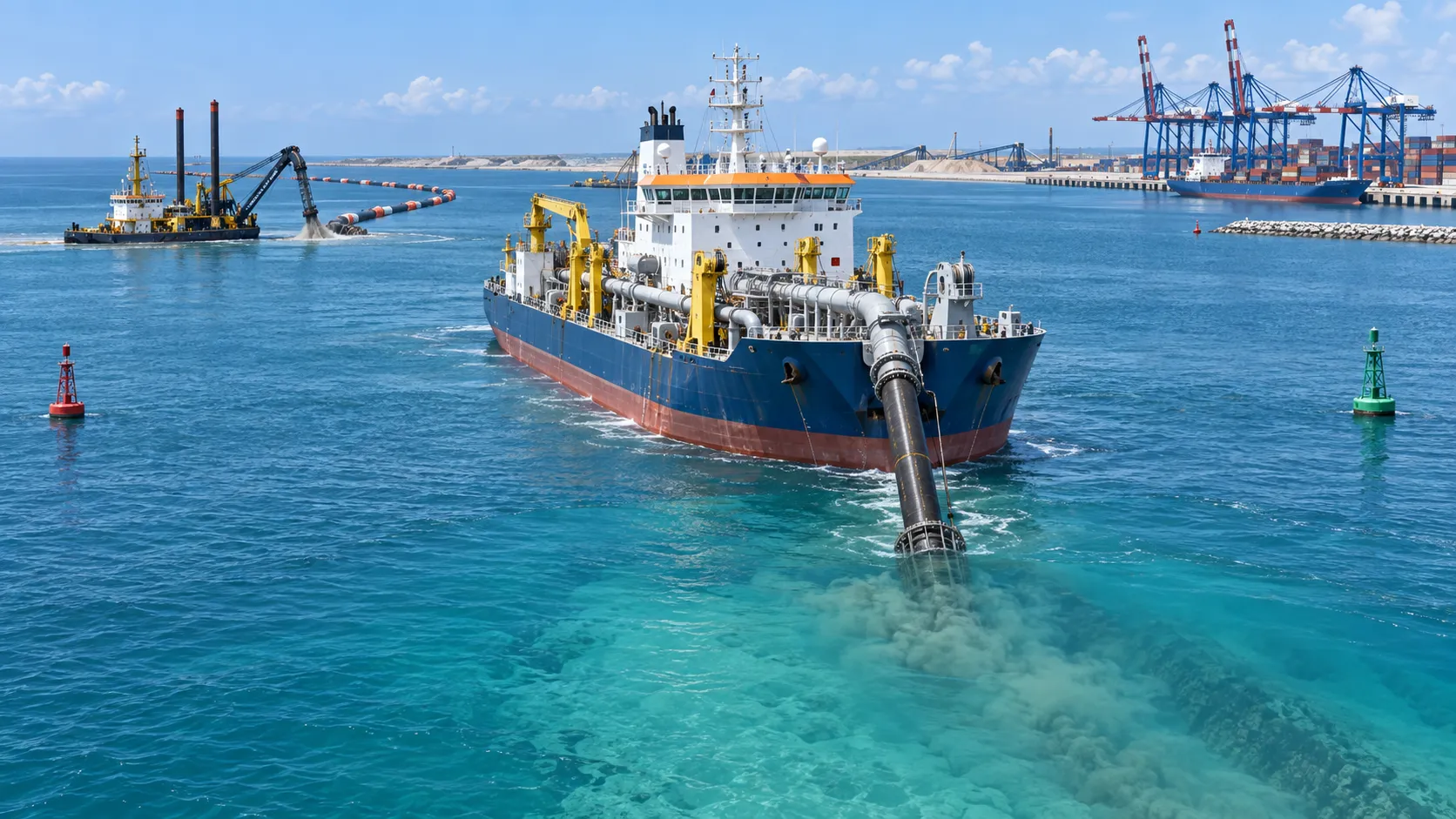
What Dredging Equipment Is Needed for Channel Deepening?
What dredging equipment is needed for channel deepening? Explore dredgers, pipelines, survey tools, and planning strategies for safer, more efficient port access.
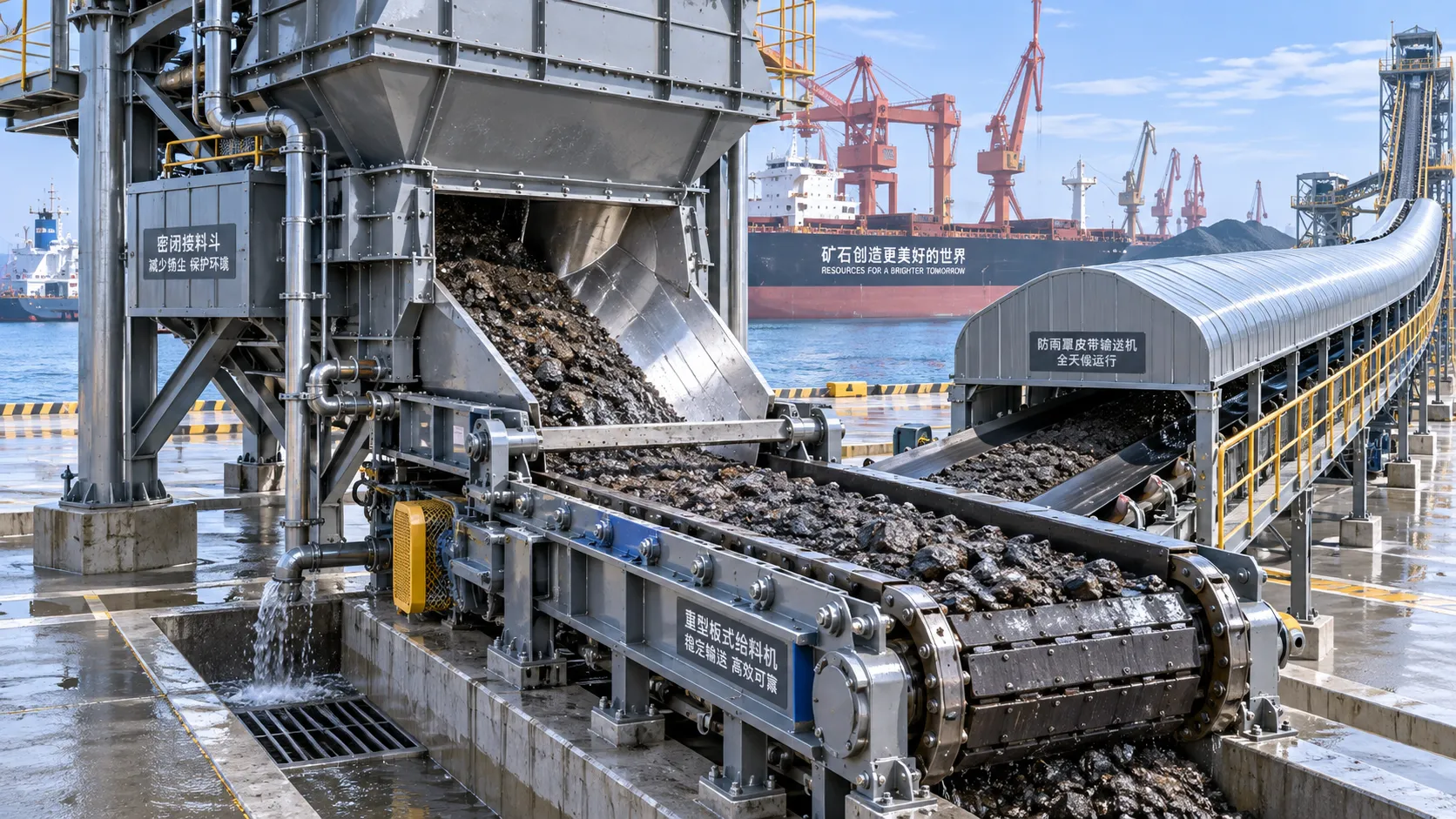
Which Bulk Handling Equipment Suits High-Moisture Cargo?
Which bulk handling equipment suits high-moisture cargo? Compare belt, apron, screw, drag, and slurry systems for reliable flow, less carryback, and higher terminal uptime.
How Can Port Equipment Lead-Time Risk Be Managed?
How can port equipment lead-time risk be managed? Explore practical strategies to control critical paths, suppliers, transport, site readiness, and commissioning delays.
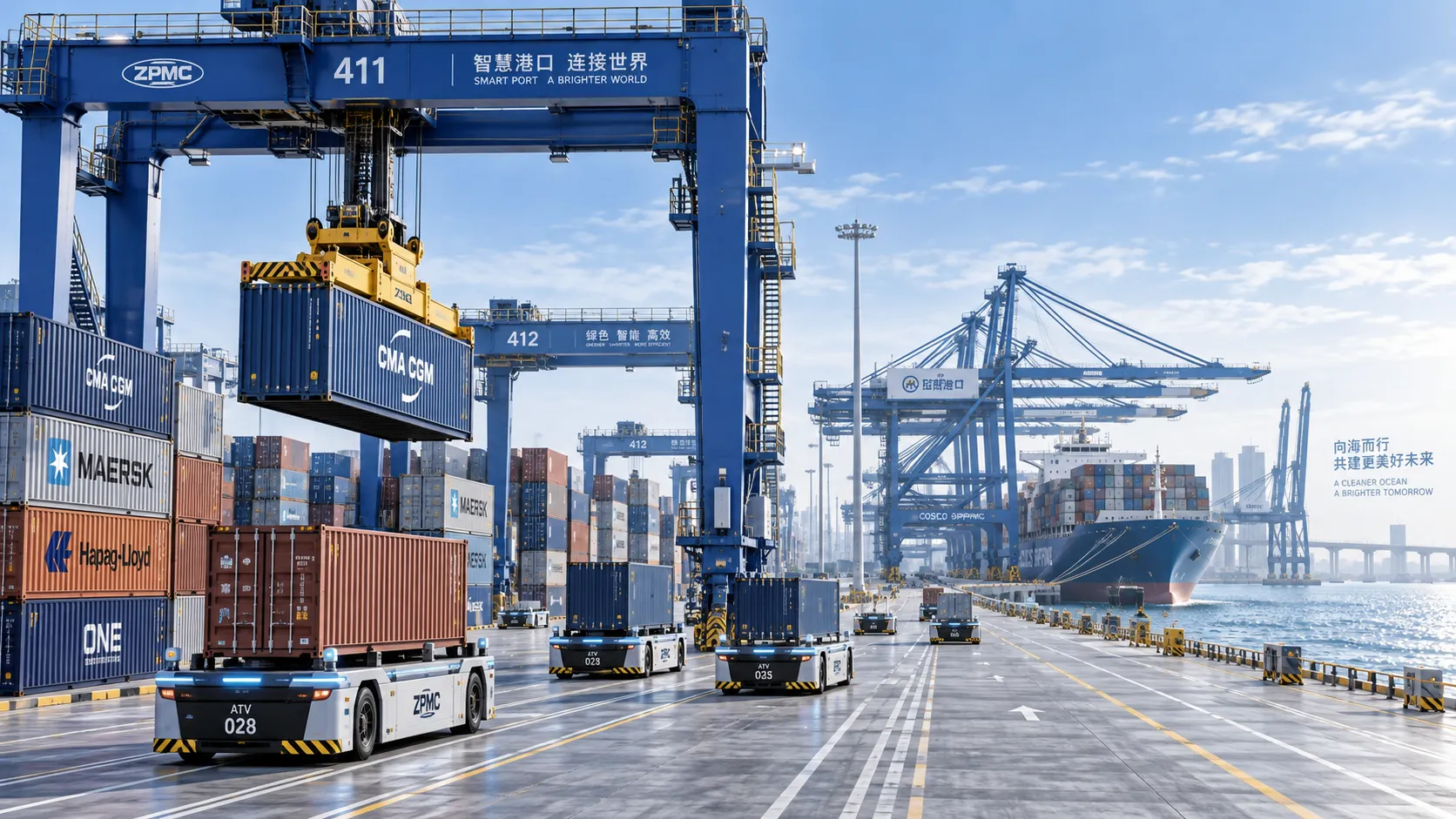
Terminal Automation Technologies That Raise Container Throughput Without Yard Disruption
Terminal automation technology that increases container throughput without disrupting yard flow. Explore smarter integration, resilient workflows, and phased deployment strategies.
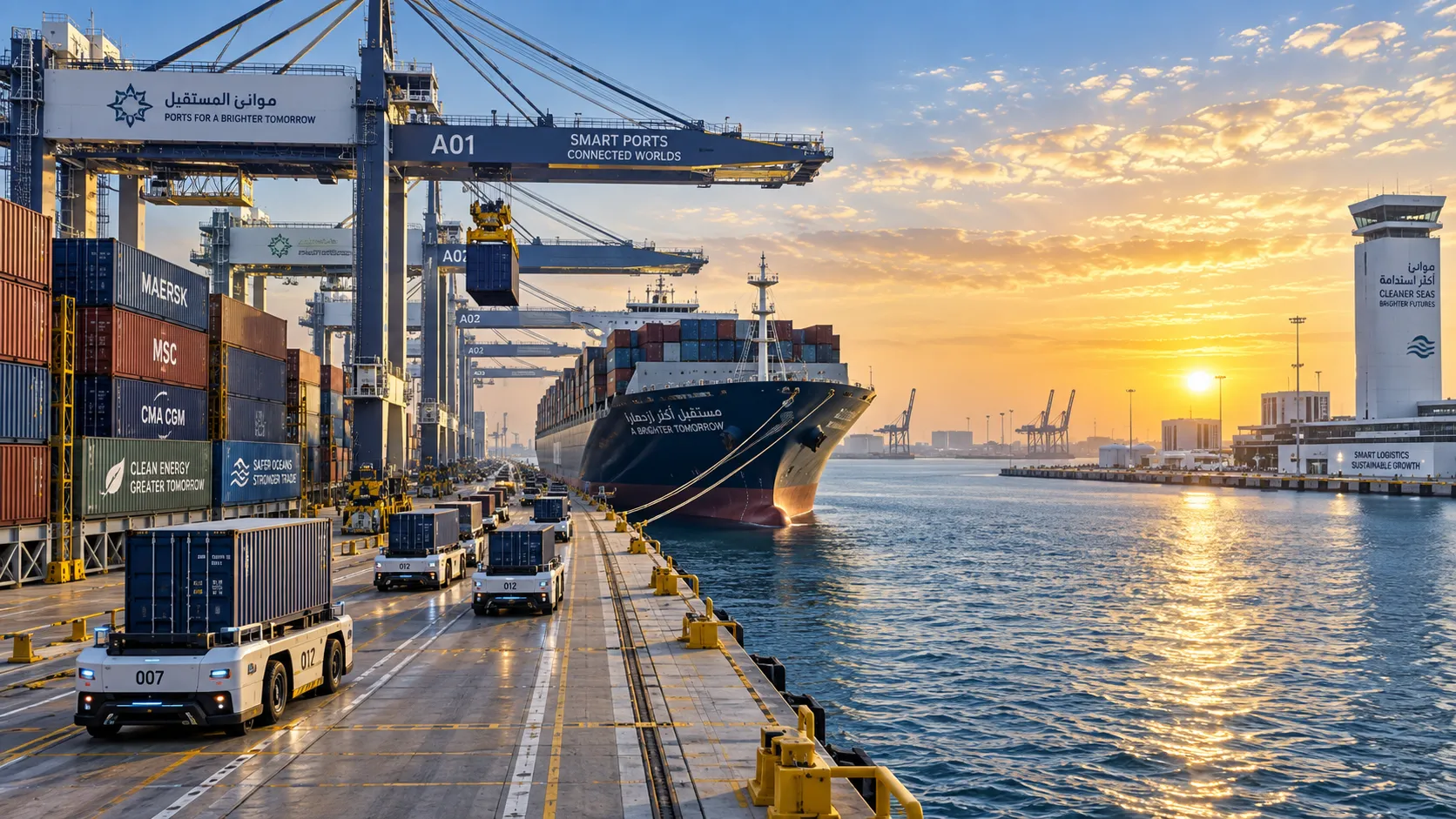
Middle East Port Automation: Key Market Drivers, Projects, and Investment Risks
Port automation systems Middle East: explore market drivers, flagship projects, integration challenges, and investment risks shaping smarter, resilient terminals.
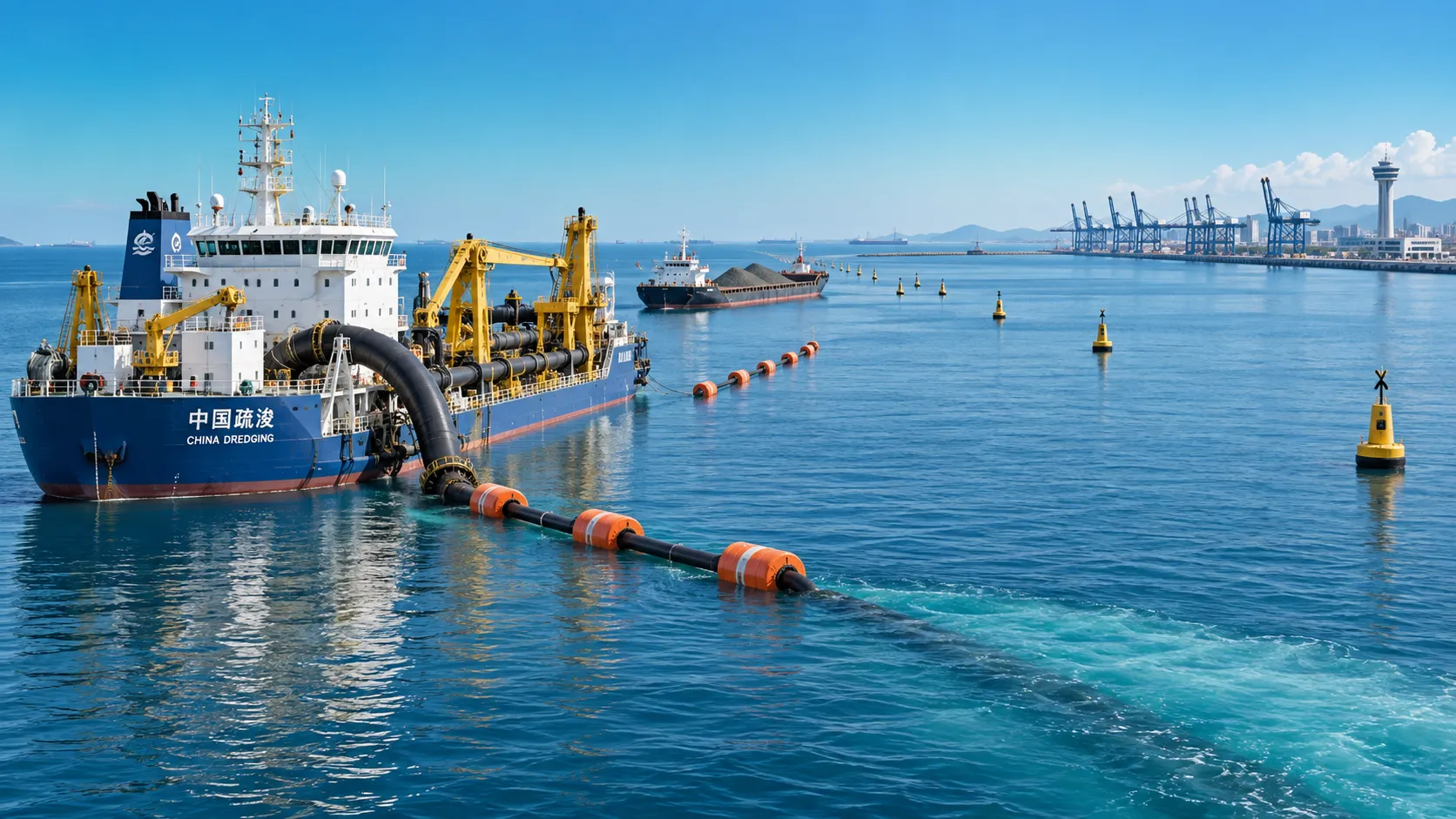
Planning Offshore Dredging Operations: Key Risks, Methods, and Project Controls
Offshore dredging operations demand smart planning. Explore key risks, proven methods, environmental controls, and project strategies for reliable delivery.