Related News
- 00
0000-00
How to Specify a Quay Crane for Container Terminals by Vessel Size and Throughput? - 00
0000-00
Which Bulk Handling Equipment Suits High-Moisture Cargo? - 00
0000-00
Terminal Automation Technologies That Raise Container Throughput Without Yard Disruption - 00
0000-00
Planning Offshore Dredging Operations: Key Risks, Methods, and Project Controls - 00
0000-00
Where Do Automated Guided Vehicles Deliver the Fastest Warehouse Gains in the Middle East?
Remote-Controlled Cranes vs Manned Cranes: Safety, Visibility, and ROI Compared
Remote-Controlled Cranes vs Manned Cranes: what really changes in terminal operations?
Terminal modernization rarely starts with a single machine choice. It starts with risk, throughput, labor continuity, and long-term control of operating cost.
That is why remote-controlled cranes are now compared with manned cranes far more seriously than before.
The discussion is no longer about novelty. It is about safety exposure, visibility constraints, data integration, and the return expected from capital-heavy port assets.
In practical terms, remote-controlled cranes shift the operator away from the cabin and into a control room.
That move sounds simple, but it changes line-of-sight management, incident response, shift design, maintenance logic, and even yard coordination.
PS-Nexus tracks these changes across heavy terminal gear, automation systems, and global trade infrastructure.
From that broader maritime view, the best choice depends less on ideology and more on operating context.
So how should decision-makers compare remote-controlled cranes with manned cranes in a realistic way?
Are remote-controlled cranes actually safer, or just safer on paper?
This is usually the first question, and it should be.
Remote-controlled cranes can reduce direct human exposure to height, weather, vibration, noise, and collision zones.
For quay cranes and yard cranes, that alone is a major operational advantage.
However, safety gains do not appear automatically after installation.
A manned crane relies heavily on operator sight, experience, and immediate physical awareness.
Remote-controlled cranes replace part of that awareness with cameras, sensors, communication links, and interface design.
If those layers are robust, safety generally improves.
If latency, blind spots, or poor alarm logic exist, new risks appear instead of old ones.
In actual terminal settings, the strongest safety results usually come from combining remote control with structured exclusion zones, anti-sway assistance, object detection, and event logging.
This is where port automation matters.
When crane control is linked to yard scheduling and traffic logic, unsafe interactions decrease because movement becomes more predictable.
That systems view is central to PS-Nexus analysis of port equipment intelligence.
Does visibility become better or worse when the operator leaves the cabin?
This is where opinions often split.
A cabin operator has natural depth perception and direct movement cues, but visibility can still be blocked by container stacks, boom structures, glare, rain, or fatigue.
Remote-controlled cranes do not offer natural sight. They offer engineered sight.
That difference matters.
A well-designed remote system can provide multi-angle views, zoom, thermal support, lane overlays, and automated warnings that a human eye might miss.
A poorly designed one creates visual overload or leaves dangerous gaps.
The more useful question is not whether visibility is direct. It is whether visibility is dependable under real operating conditions.
That includes night shifts, fog, salt corrosion, lens contamination, and network stability.
Before choosing remote-controlled cranes, it helps to score visibility using a few operational checks:
- How many camera angles remain usable during rain and spray?
- What is the measured control latency during peak traffic?
- Can the operator switch views without losing situational continuity?
- How quickly can field personnel verify an alarm or exception?
If these answers are weak, manned cranes may still provide more reliable execution in difficult environments.
If the answers are strong, remote-controlled cranes often outperform traditional sight limitations.
Where do remote-controlled cranes make the most sense, and where do manned cranes still fit?
Remote-controlled cranes are not equally valuable in every terminal.
They tend to perform best in high-volume, repeatable environments where process stability supports automation.
Examples include container terminals with standardized box handling, integrated TOS platforms, and predictable equipment routing.
They are also attractive where labor availability is tight or weather exposure creates persistent safety concerns.
Manned cranes still make sense in mixed cargo terminals, irregular lift profiles, transitional brownfield sites, or operations with frequent non-standard exceptions.
In those settings, operator improvisation can remain valuable.
A useful comparison is below.
The key takeaway is simple. Remote-controlled cranes reward system discipline. Manned cranes tolerate operational variability more easily.
How should ROI be judged beyond the purchase price?
This is where many crane comparisons become too shallow.
Remote-controlled cranes often require higher upfront investment because the machine is only part of the package.
You are also paying for control rooms, communications, sensor layers, software interfaces, cybersecurity, and commissioning support.
Yet ROI is rarely driven by equipment cost alone.
In many port cases, value comes from labor flexibility, lower incident cost, improved availability, and more stable cycle times.
Remote-controlled cranes can also support longer asset optimization because their operating data is easier to capture and analyze.
That creates a connection between crane performance and broader commercial planning.
PS-Nexus often highlights this point in coverage of low-latency control systems and intelligent terminal scheduling.
The crane is not an isolated asset. It is part of a synchronized throughput network.
When estimating ROI, it helps to test these five areas:
- Expected reduction in operator downtime and access delays
- Impact on moves per hour during normal and peak windows
- Maintenance savings from condition-based monitoring
- Cost of communication redundancy and support contracts
- Productivity loss during the learning and commissioning phase
If the analysis ignores ramp-up friction, the business case may look stronger than reality.
If it ignores lifecycle data value, the case may look weaker than reality.
What implementation mistakes cause the biggest disappointment?
The most common mistake is treating remote-controlled cranes as a simple cabin replacement.
They are closer to an operating model change than a hardware swap.
Another weak point is underestimating communications performance.
Low latency is not a marketing detail. It directly affects controllability and operator trust.
There is also a human factor issue.
An experienced cabin operator may not instantly become effective in a remote-control station without interface training and process redesign.
More subtle disappointments come from fragmented integration.
If the crane works remotely but the yard, gate, and vessel plans remain disconnected, the expected efficiency uplift can stall.
That is why remote-controlled cranes are often most successful when deployed alongside broader automation priorities.
A practical pre-launch checklist usually includes:
- Field validation of camera cleanliness and sensor survivability
- Latency testing under full operational traffic
- Defined fallback mode for communication loss
- Revised SOPs for exceptions, alarms, and handovers
- Measured ramp-up targets rather than assumed peak performance
So which option is the better choice right now?
The better choice depends on operational maturity, not just budget.
If the terminal already values digital scheduling, equipment telemetry, and standardized workflows, remote-controlled cranes usually deserve serious priority.
Their advantages become clearer as terminals pursue safer operations, smarter coordination, and lower exposure to labor disruption.
If the site handles irregular cargo or lacks stable automation foundations, manned cranes may remain the more resilient near-term choice.
In other words, remote-controlled cranes are strongest when supported by the right ecosystem.
That includes network reliability, control logic, training design, and asset-level data discipline.
For a grounded decision, compare both crane models against the same site-specific metrics.
Focus on safety incidents, visibility reliability, cycle consistency, transition cost, and integration potential over five to ten years.
That approach usually reveals more than a headline capex comparison.
A useful next step is to build a decision matrix around current terminal constraints, expected throughput growth, and control-system readiness.
When that matrix is informed by broader port intelligence, the crane choice becomes less speculative and far more strategic.
Related News
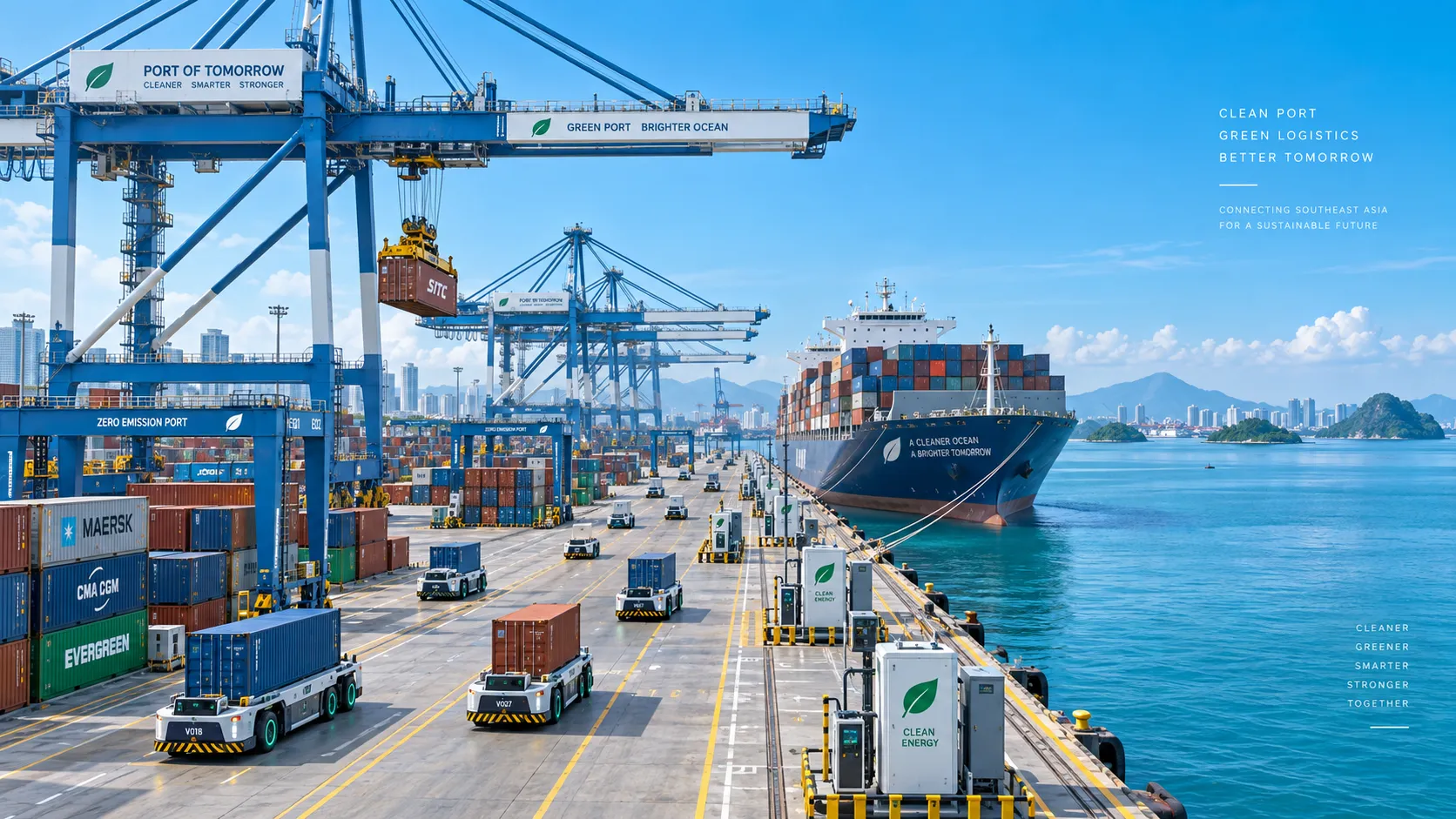
Smart Port Systems in Southeast Asia: Investment Priorities and Adoption Barriers
Smart port systems Southeast Asia: discover investment priorities, adoption barriers, and practical steps to build resilient, connected, high-performing terminals.

How to Evaluate Terminal Efficiency Solution Suppliers for High-Throughput Operations
Choose a terminal efficiency solutions supplier with confidence. Explore proven criteria for throughput, integration, lifecycle cost, safety, and reliable delivery.
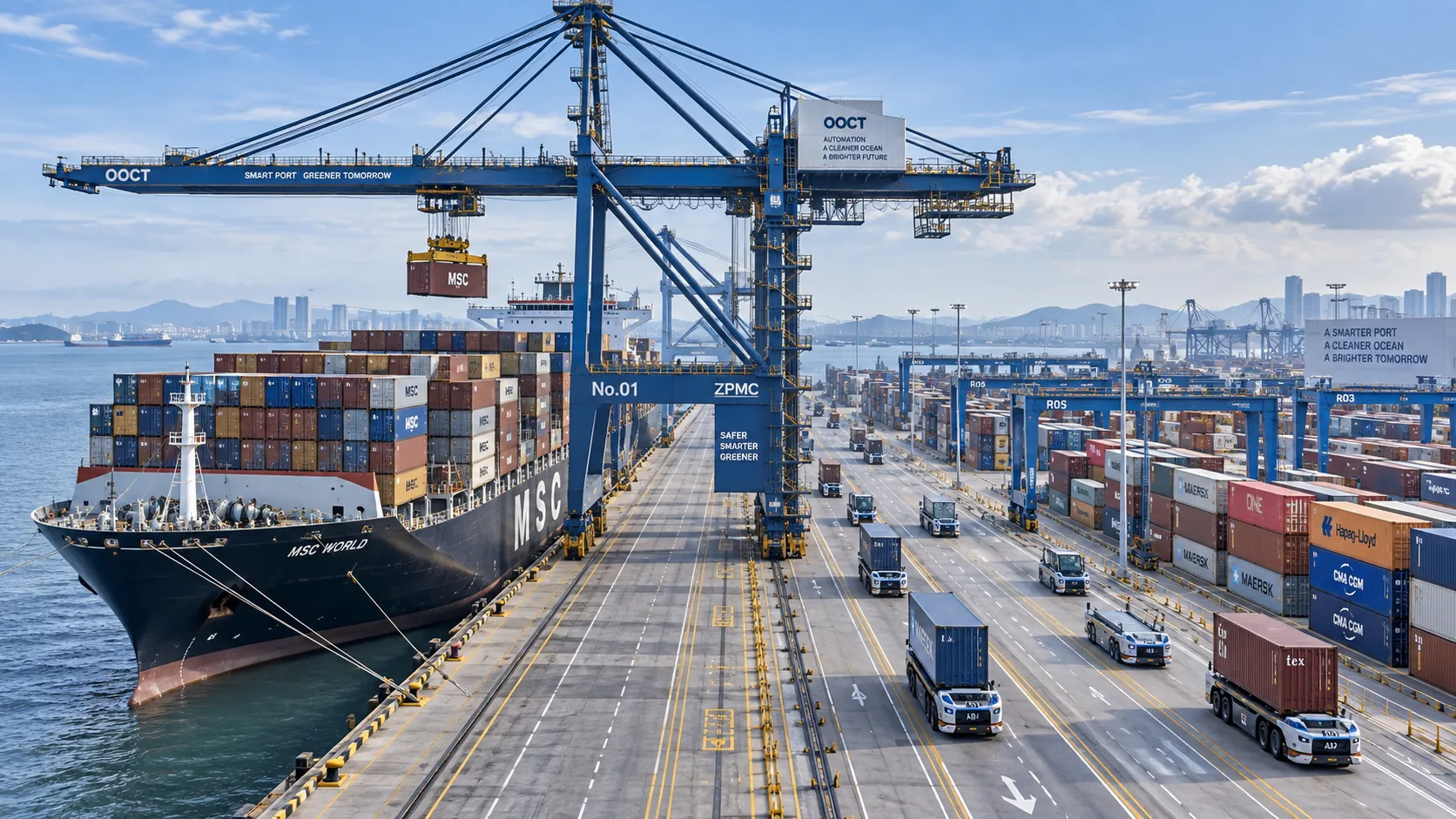
How to Specify a Quay Crane for Container Terminals by Vessel Size and Throughput?
Quay crane for container terminals: learn how to match outreach, lift height, capacity, automation, and cycle performance to vessel size and throughput goals.
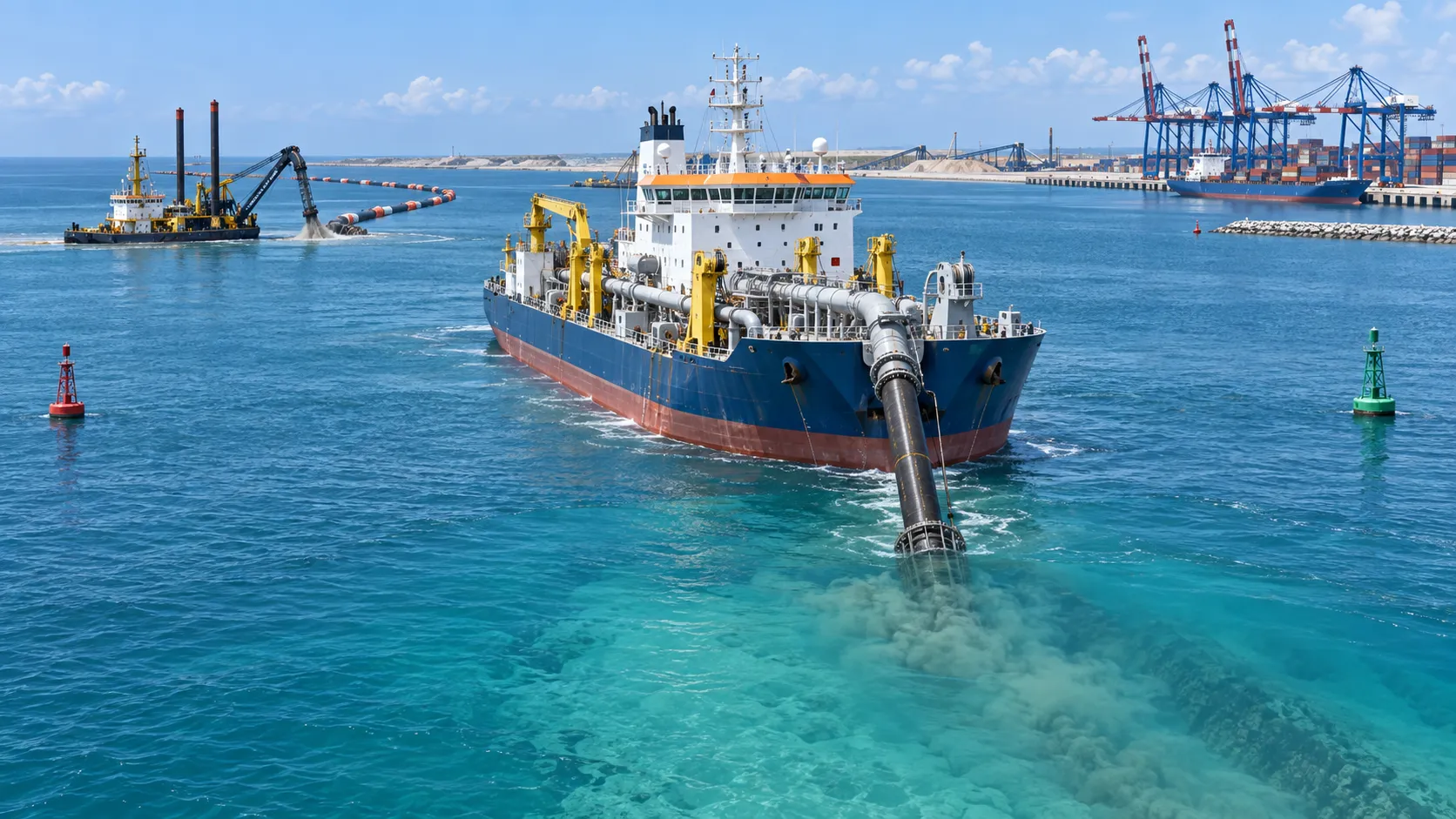
What Dredging Equipment Is Needed for Channel Deepening?
What dredging equipment is needed for channel deepening? Explore dredgers, pipelines, survey tools, and planning strategies for safer, more efficient port access.
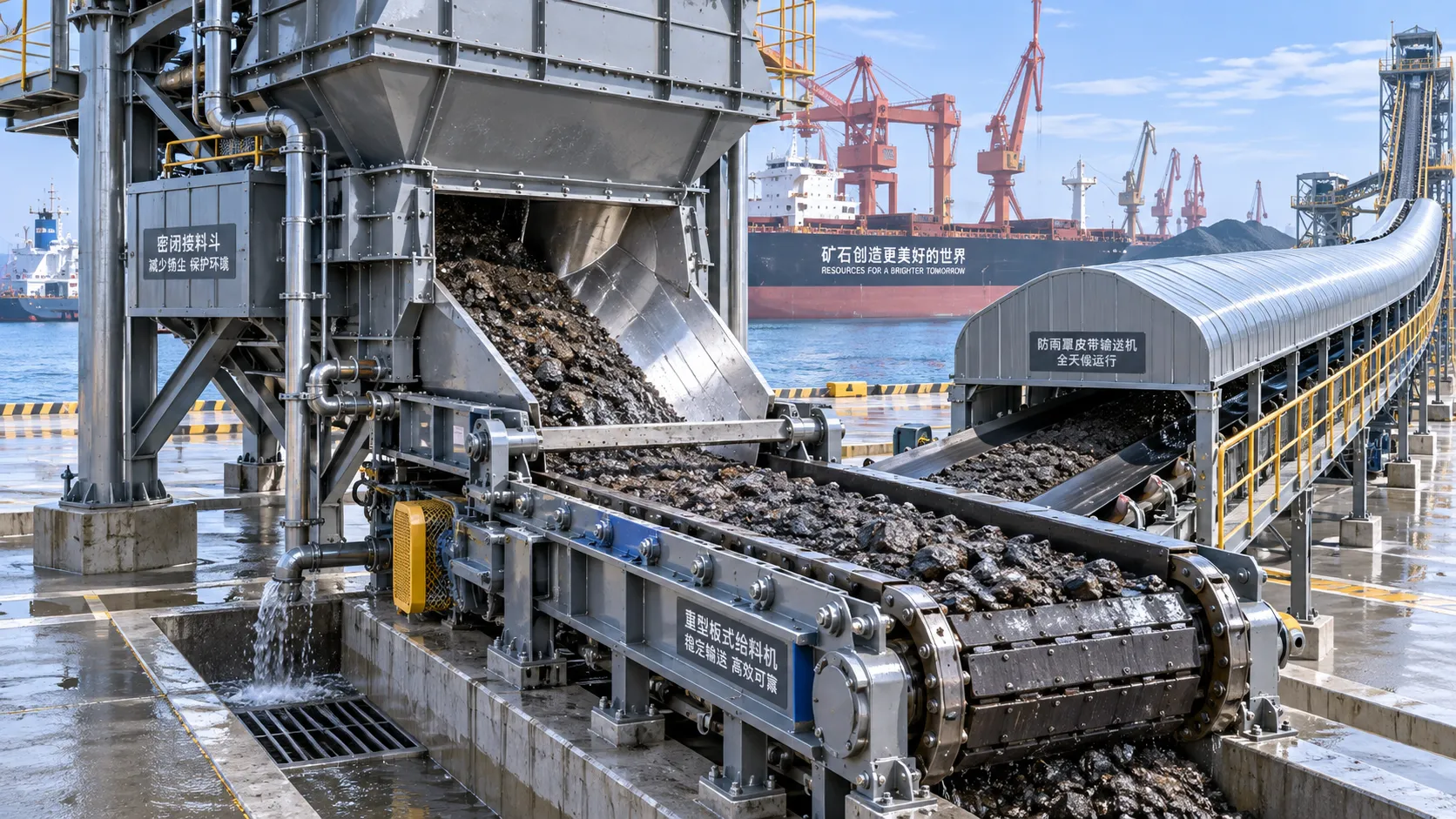
Which Bulk Handling Equipment Suits High-Moisture Cargo?
Which bulk handling equipment suits high-moisture cargo? Compare belt, apron, screw, drag, and slurry systems for reliable flow, less carryback, and higher terminal uptime.
How Can Port Equipment Lead-Time Risk Be Managed?
How can port equipment lead-time risk be managed? Explore practical strategies to control critical paths, suppliers, transport, site readiness, and commissioning delays.
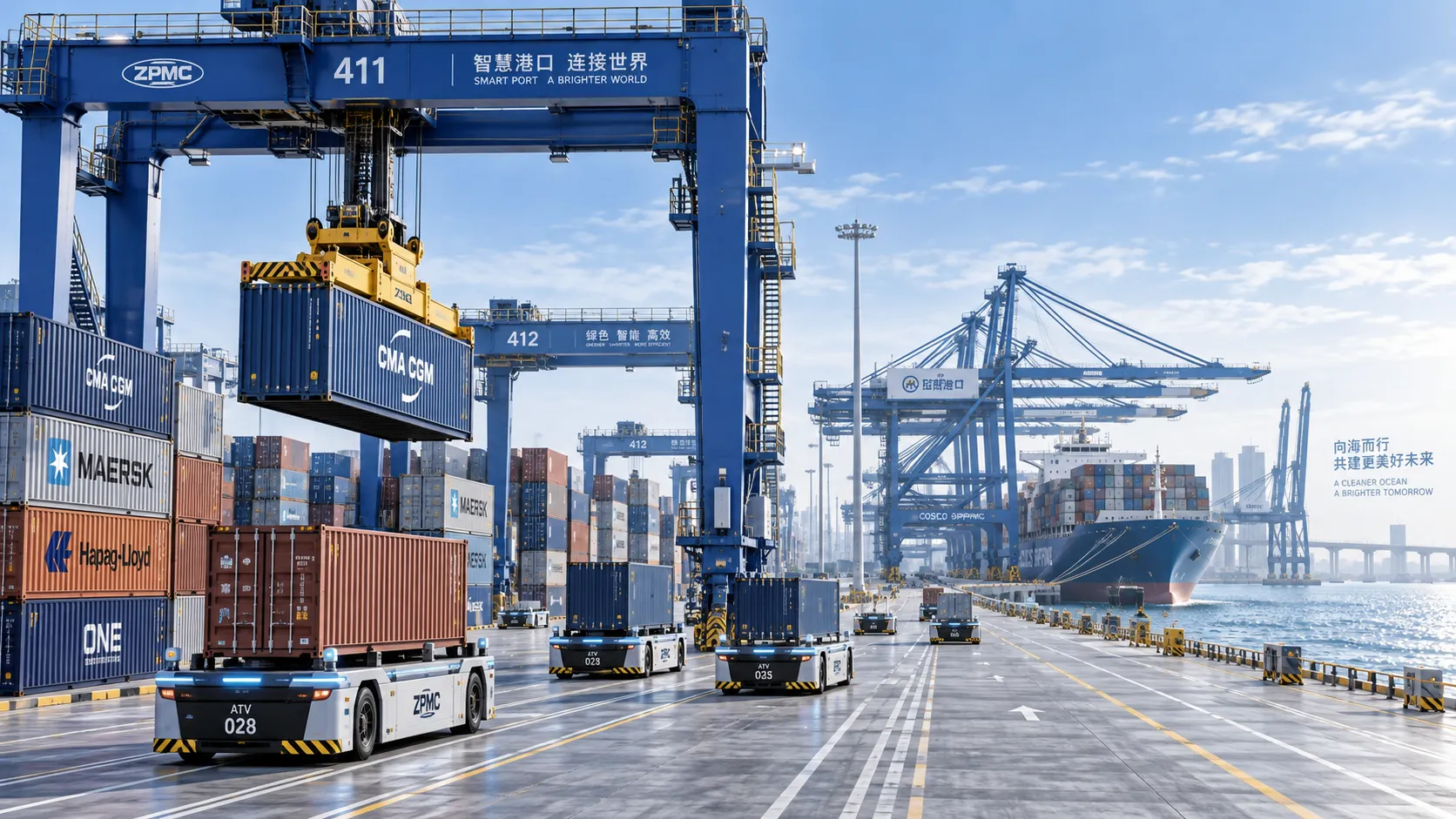
Terminal Automation Technologies That Raise Container Throughput Without Yard Disruption
Terminal automation technology that increases container throughput without disrupting yard flow. Explore smarter integration, resilient workflows, and phased deployment strategies.
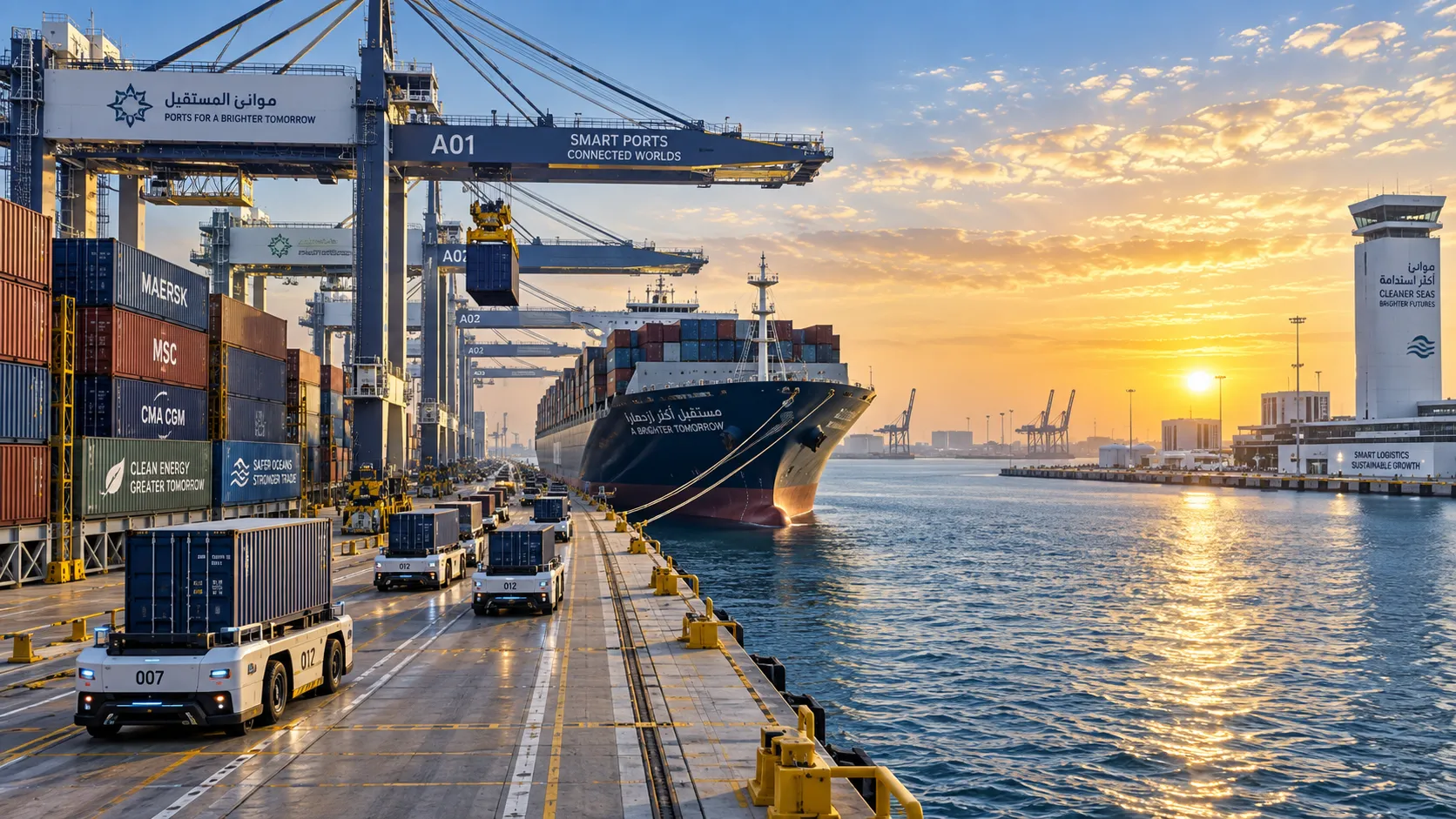
Middle East Port Automation: Key Market Drivers, Projects, and Investment Risks
Port automation systems Middle East: explore market drivers, flagship projects, integration challenges, and investment risks shaping smarter, resilient terminals.
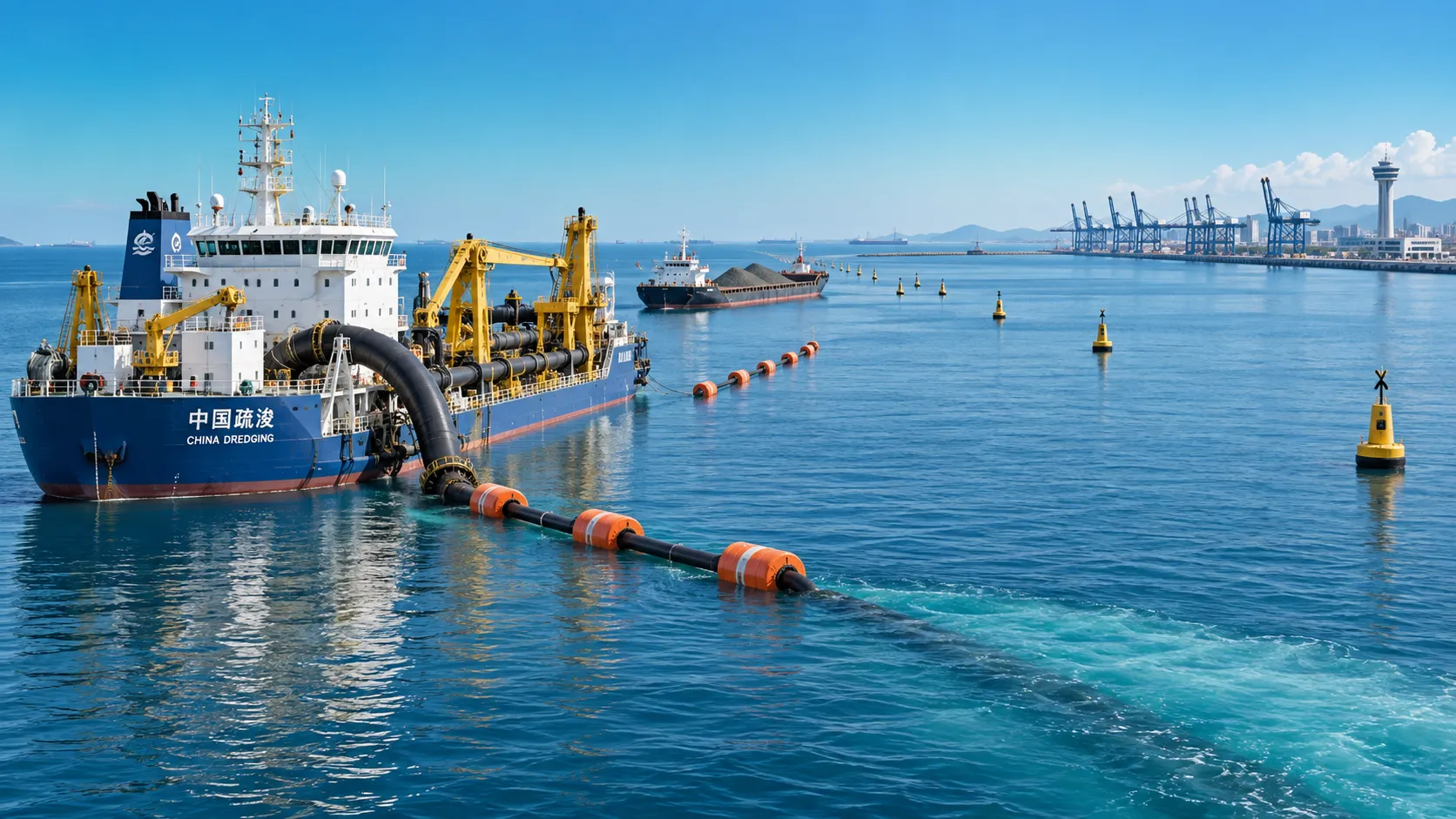
Planning Offshore Dredging Operations: Key Risks, Methods, and Project Controls
Offshore dredging operations demand smart planning. Explore key risks, proven methods, environmental controls, and project strategies for reliable delivery.