Related News
- 00
0000-00
How to Specify a Quay Crane for Container Terminals by Vessel Size and Throughput? - 00
0000-00
Which Bulk Handling Equipment Suits High-Moisture Cargo? - 00
0000-00
Terminal Automation Technologies That Raise Container Throughput Without Yard Disruption - 00
0000-00
Planning Offshore Dredging Operations: Key Risks, Methods, and Project Controls - 00
0000-00
Where Do Automated Guided Vehicles Deliver the Fastest Warehouse Gains in the Middle East?
Smart Port Solutions Selection Guide: 7 Factors to Compare Before Deployment
Smart Port Solutions Selection Guide: 7 Factors to Compare Before Deployment
Selecting smart port solutions is no longer just a technology decision. It is a long-term investment in throughput, safety, automation, and trade resilience.
For technical evaluation teams, the real challenge is comparison. Many platforms look similar in demos, yet perform very differently under operational pressure.
A strong decision must balance equipment logic, software architecture, field conditions, and future scalability. That is where a disciplined selection process matters.
This guide breaks down seven factors that help compare smart port solutions before deployment, especially across terminal gear, automation systems, and control platforms.
1. Operational Fit Comes Before Feature Count
The first question is simple. Does the solution match the port’s actual operating model?
A container terminal, a bulk cargo hub, and a dredging-linked logistics zone do not share the same workflows. Their automation priorities differ from the start.
Some smart port solutions are built for high-volume container moves. Others are better at coordinating yard transport, crane dispatching, or remote equipment monitoring.
In practice, feature-rich systems can still underperform if their logic does not reflect berth layout, traffic density, shift patterns, or mixed cargo handling.
- Map current workflows before comparing vendors.
- Separate must-have functions from attractive extras.
- Check whether the vendor has experience in similar terminal conditions.
- Validate performance in peak-hour scenarios, not only average loads.
2. Integration Depth Is a Core Decision Factor
Integration is where many smart port solutions either prove their value or create hidden costs.
Ports rarely start from zero. Most already run TOS platforms, PLC layers, gate systems, radio networks, maintenance tools, and energy monitoring software.
A solution that works well alone may struggle when connected to legacy cranes, AGVs, OCR systems, or third-party asset dashboards.
That is why integration should be tested at protocol level, not just promised at proposal level.
- Review API structure and interface documentation.
- Confirm support for common industrial communication standards.
- Ask how the system handles latency, packet loss, and failover.
- Check whether data models remain stable across upgrades.
For PS-Nexus, this is a major trend signal. The most resilient smart port solutions behave like a coordination layer, not an isolated software island.
3. Automation Logic Must Be Transparent and Controllable
Automation is valuable only when operators can trust it. That trust comes from visibility, control, and predictable exception handling.
Some smart port solutions rely heavily on algorithmic scheduling. That can improve moves per hour, but only if dispatch rules are explainable.
Black-box optimization creates risk during disruption. Weather changes, vessel delays, or equipment faults can quickly expose weak logic.
A better approach is to compare how each system handles manual override, rule editing, alert priority, and fallback modes.
- Can dispatch rules be tuned without full vendor intervention?
- Are exception paths clearly defined for crane or vehicle failures?
- Does the interface explain why a scheduling decision was made?
- Can remote operators recover operations quickly after a fault?
When comparing smart port solutions, transparent control often matters more than impressive automation claims.
4. Data Quality Determines Decision Quality
Every smart port project promises better data. The important question is whether the data is complete, timely, and usable in operations.
Low-quality sensor feeds, inconsistent equipment tags, or delayed telemetry can break otherwise strong smart port solutions.
This becomes even more critical in automated yards, remote crane control, and dredging support environments where decisions depend on live signals.
From a technical review perspective, ask how the vendor manages data normalization, validation, timestamp integrity, and historical traceability.
- Inspect real-time dashboard refresh rates.
- Review event logging and replay capabilities.
- Verify equipment-level data accuracy under load.
- Check whether analytics can support maintenance and planning.
The stronger smart port solutions turn raw operational signals into actionable intelligence, not just attractive visual reports.
5. Cybersecurity and System Safety Need Equal Weight
As ports become more connected, the line between digital failure and physical risk becomes much thinner.
That means smart port solutions must be reviewed for cybersecurity and operational safety at the same time.
A secure login system is not enough. Evaluators should look at network segmentation, privileged access controls, patch procedures, and incident response design.
The same goes for safety logic. Automated handling equipment must degrade safely when sensors fail, links drop, or operator commands conflict.
- Request architecture details for OT and IT separation.
- Review role-based permissions and audit trails.
- Confirm emergency stop and fail-safe behavior.
- Check compliance with relevant industrial safety standards.
The most dependable smart port solutions reduce cyber exposure while protecting people, cargo, and high-value machinery.
6. Scalability Should Cover Volume, Assets, and Strategy
Many deployments work well in pilot mode. Fewer continue performing when the port expands berth capacity, yard density, or automation scope.
This is why scalability must be reviewed across three dimensions: transaction volume, equipment diversity, and long-term business direction.
For example, a platform may support more cranes but struggle with additional data traffic. Another may scale software licenses yet require major reconfiguration for new asset types.
In real operations, scaling also means adapting to new environmental targets, remote control models, and regional trade shifts.
- Ask for benchmark results at higher throughput levels.
- Review roadmap support for electrification and net-zero goals.
- Check expansion readiness for future AGVs, cranes, or sensors.
- Understand licensing and upgrade costs over five to ten years.
Good smart port solutions do not just solve today’s bottlenecks. They stay useful as the terminal changes shape.
7. Vendor Capability Matters After Go-Live
The final comparison factor is often underestimated. Deployment is only the beginning of the value cycle.
Smart port solutions depend on vendor maturity in commissioning, training, optimization, and long-term support.
A supplier may offer strong technology but lack enough field engineers, domain specialists, or upgrade discipline for complex terminal environments.
This becomes even more important when ports operate across multiple shifts, jurisdictions, and equipment brands.
- Review reference projects with similar scale and constraints.
- Assess response times for faults and change requests.
- Confirm local or regional support availability.
- Ask how performance is improved after stabilization.
From PS-Nexus market observation, the strongest vendors behave like long-cycle infrastructure partners, not short-term software sellers.
A Practical Comparison Framework
To make evaluation more practical, score each option across the seven factors using weighted criteria.
- Operational fit
- Integration readiness
- Automation transparency
- Data reliability
- Cybersecurity and safety
- Scalability
- Vendor lifecycle support
Then compare not only total scores, but also risk concentration. A system with one major weakness can create disproportionate operational exposure.
That is often the difference between buying technology and selecting truly resilient smart port solutions.
Conclusion
The market for smart port solutions is expanding fast, but not every offering is built for real terminal complexity.
A sound decision starts with operational reality, then moves through integration, control logic, data integrity, security, scalability, and vendor strength.
For teams shaping the next stage of port modernization, careful comparison now prevents expensive redesign later.
Use these seven factors as a working checklist. They help identify smart port solutions that support automation goals while staying robust under real trade pressure.
When the selection process stays technical, practical, and future-aware, deployment becomes far more likely to deliver measurable value.
Related News
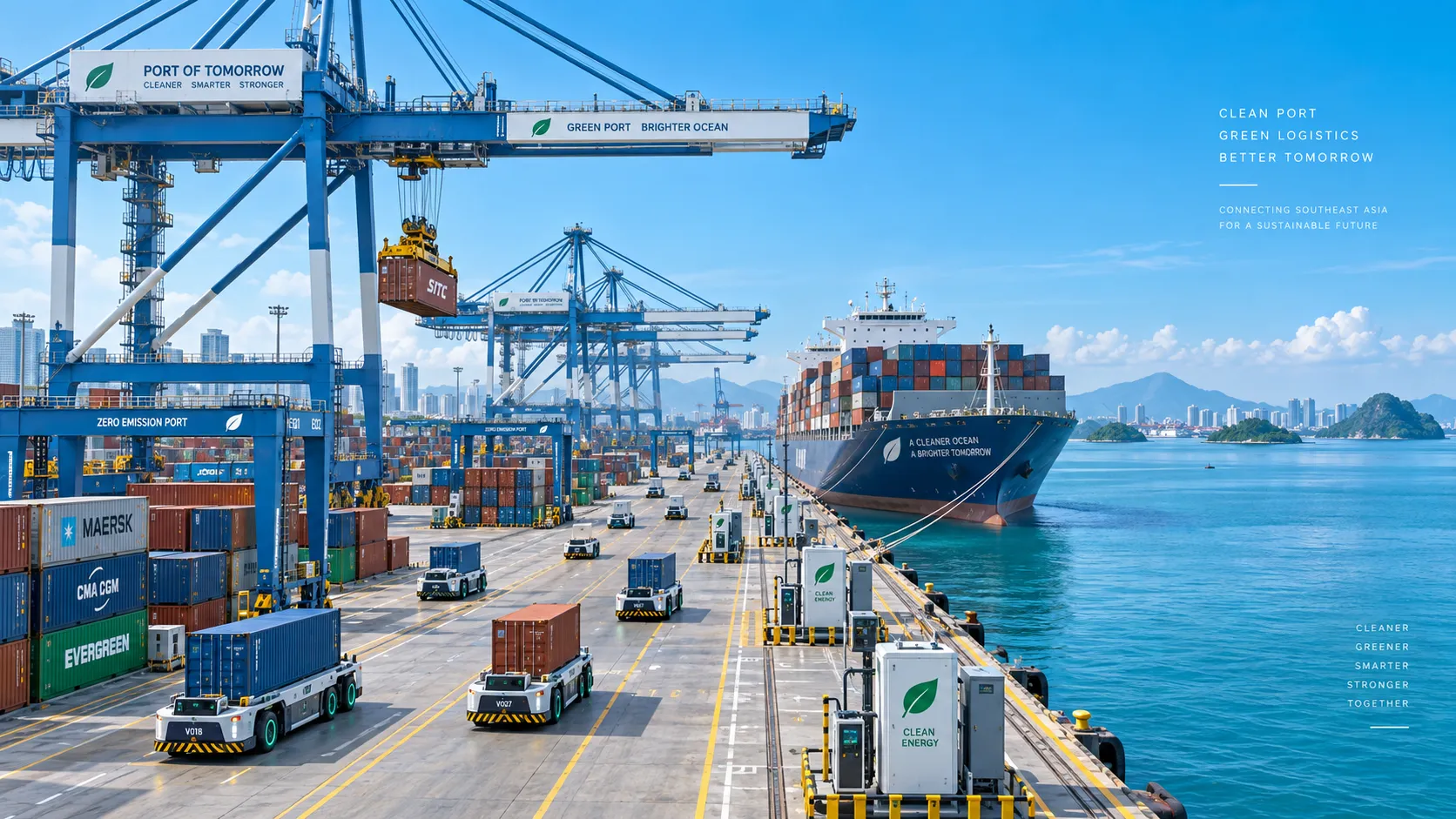
Smart Port Systems in Southeast Asia: Investment Priorities and Adoption Barriers
Smart port systems Southeast Asia: discover investment priorities, adoption barriers, and practical steps to build resilient, connected, high-performing terminals.

How to Evaluate Terminal Efficiency Solution Suppliers for High-Throughput Operations
Choose a terminal efficiency solutions supplier with confidence. Explore proven criteria for throughput, integration, lifecycle cost, safety, and reliable delivery.
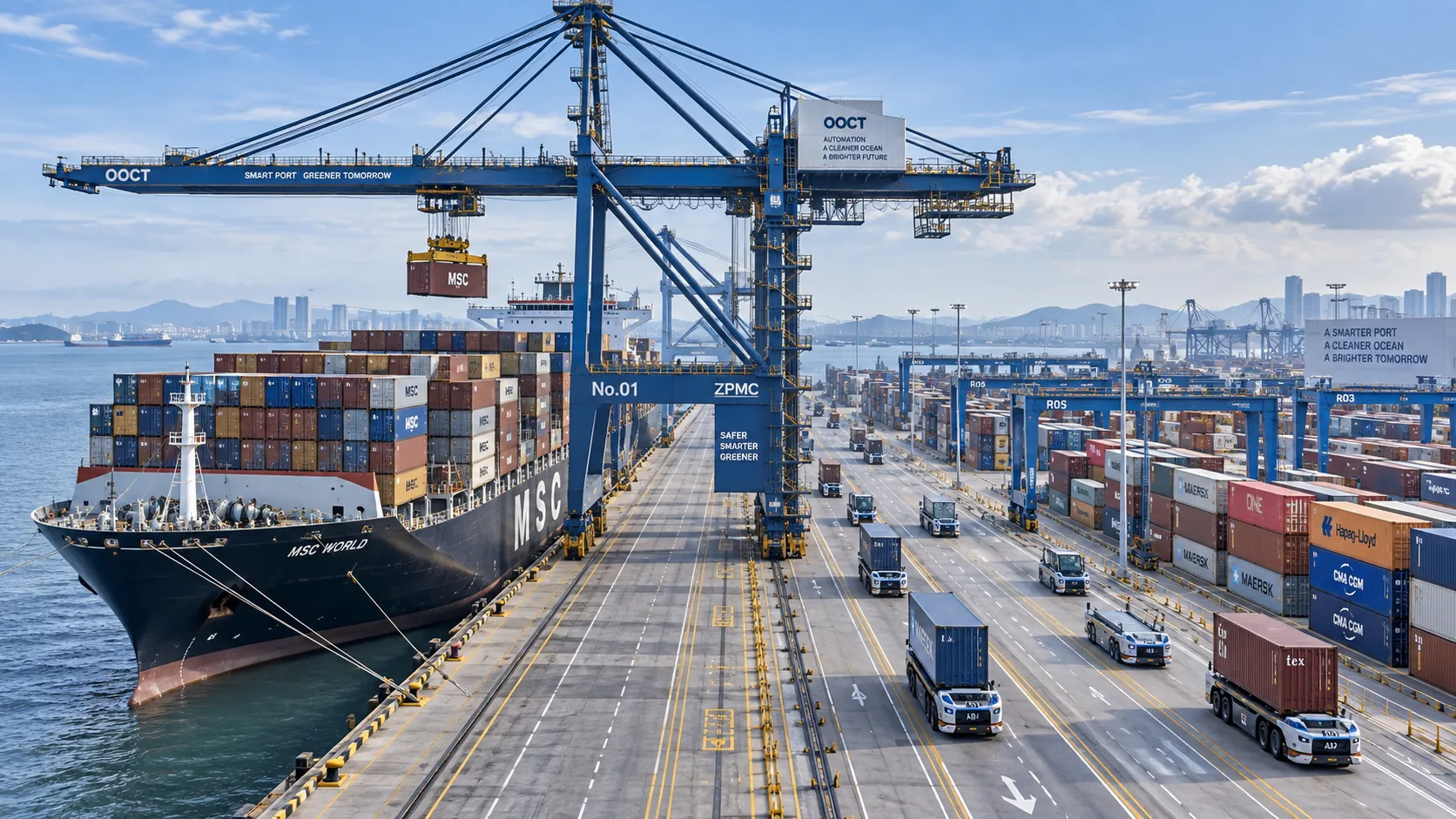
How to Specify a Quay Crane for Container Terminals by Vessel Size and Throughput?
Quay crane for container terminals: learn how to match outreach, lift height, capacity, automation, and cycle performance to vessel size and throughput goals.
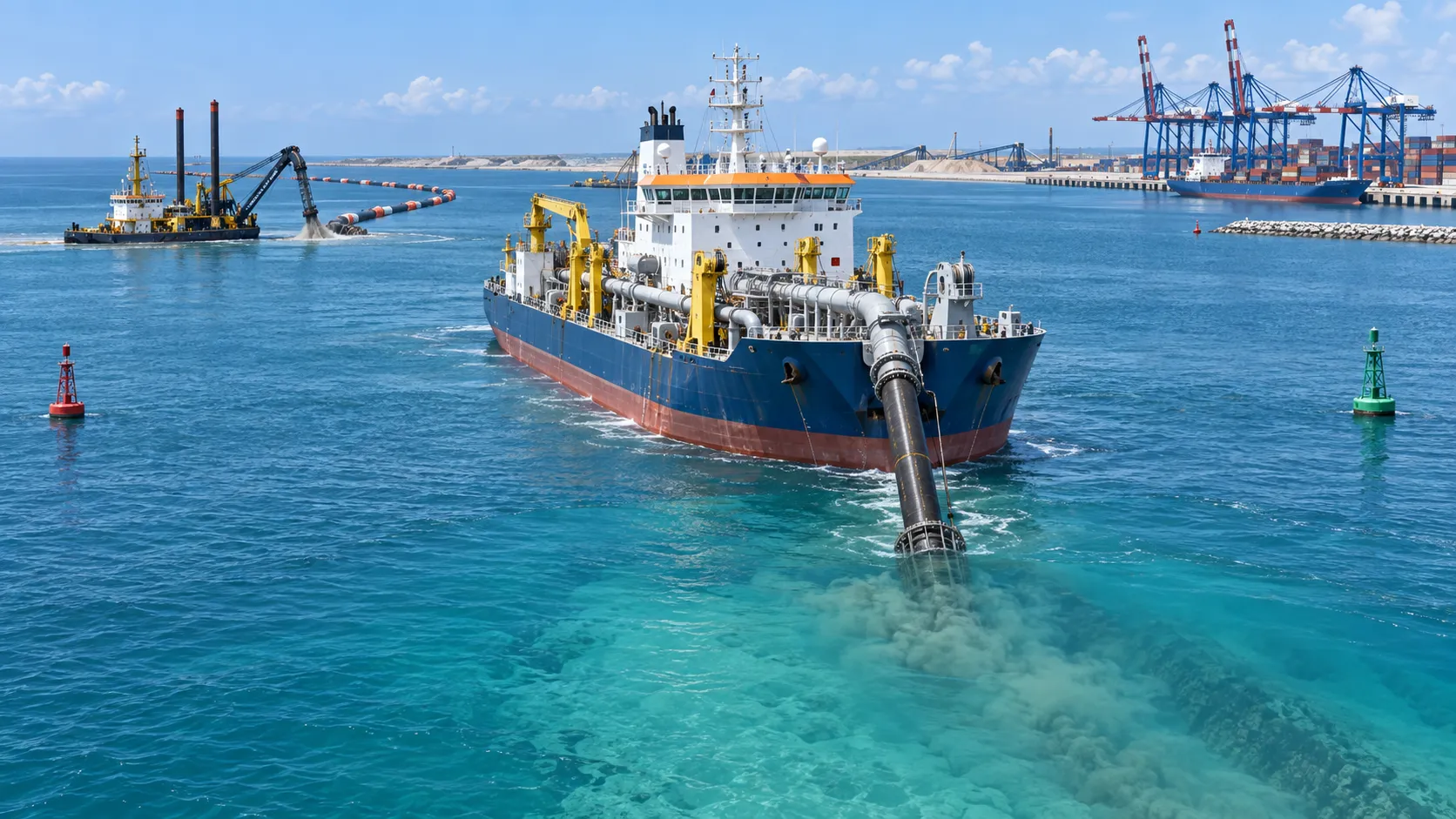
What Dredging Equipment Is Needed for Channel Deepening?
What dredging equipment is needed for channel deepening? Explore dredgers, pipelines, survey tools, and planning strategies for safer, more efficient port access.
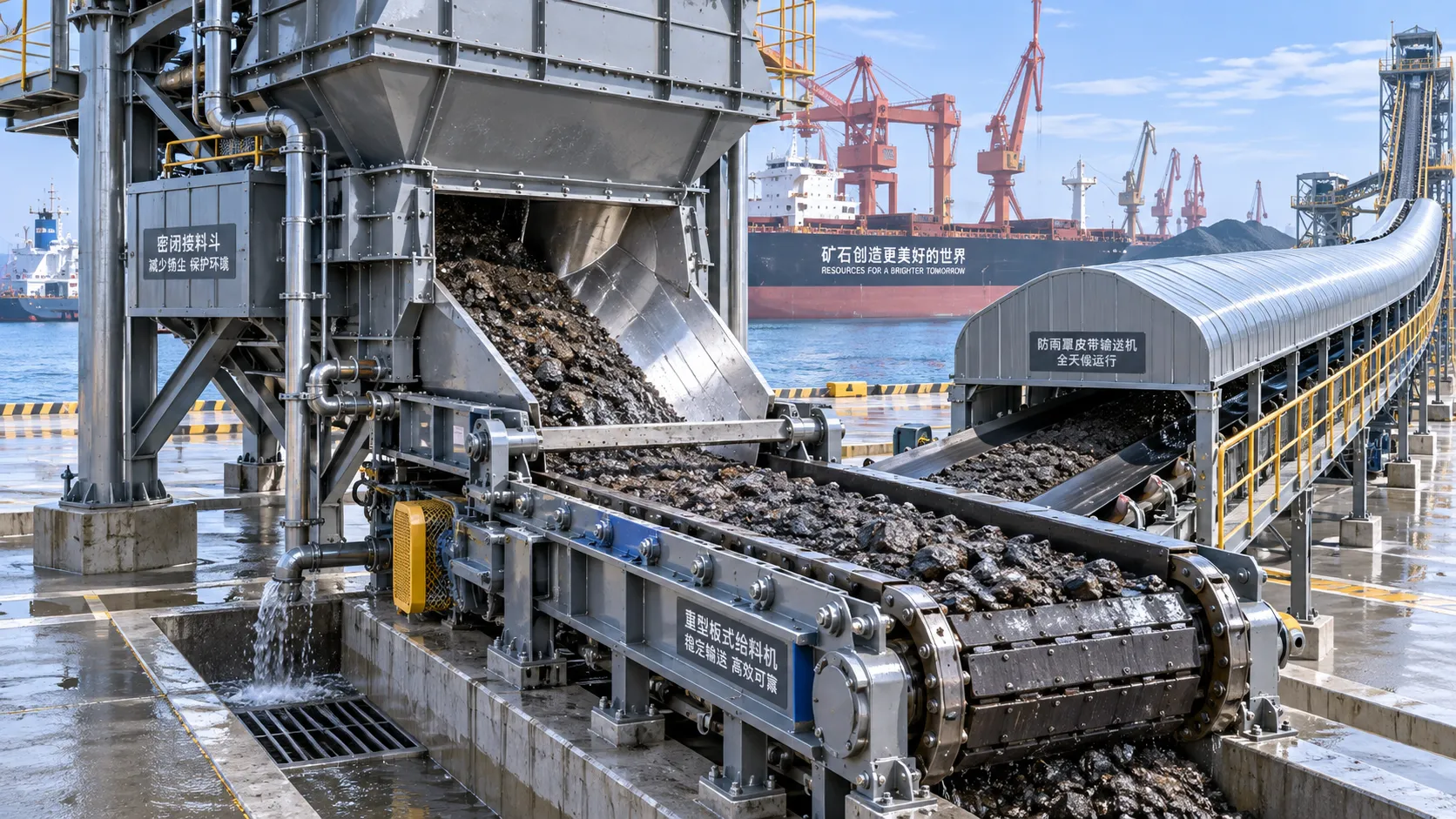
Which Bulk Handling Equipment Suits High-Moisture Cargo?
Which bulk handling equipment suits high-moisture cargo? Compare belt, apron, screw, drag, and slurry systems for reliable flow, less carryback, and higher terminal uptime.
How Can Port Equipment Lead-Time Risk Be Managed?
How can port equipment lead-time risk be managed? Explore practical strategies to control critical paths, suppliers, transport, site readiness, and commissioning delays.
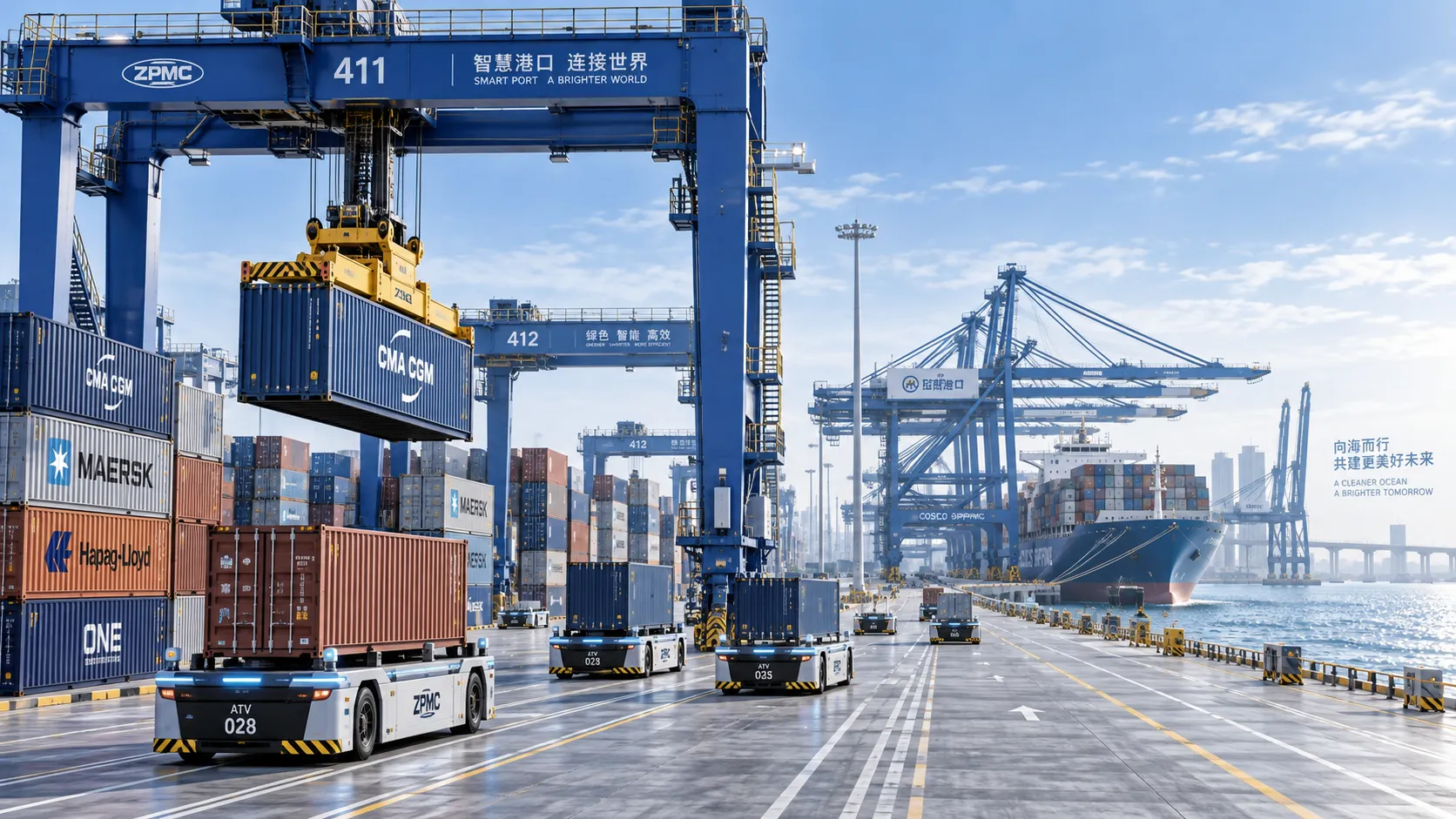
Terminal Automation Technologies That Raise Container Throughput Without Yard Disruption
Terminal automation technology that increases container throughput without disrupting yard flow. Explore smarter integration, resilient workflows, and phased deployment strategies.
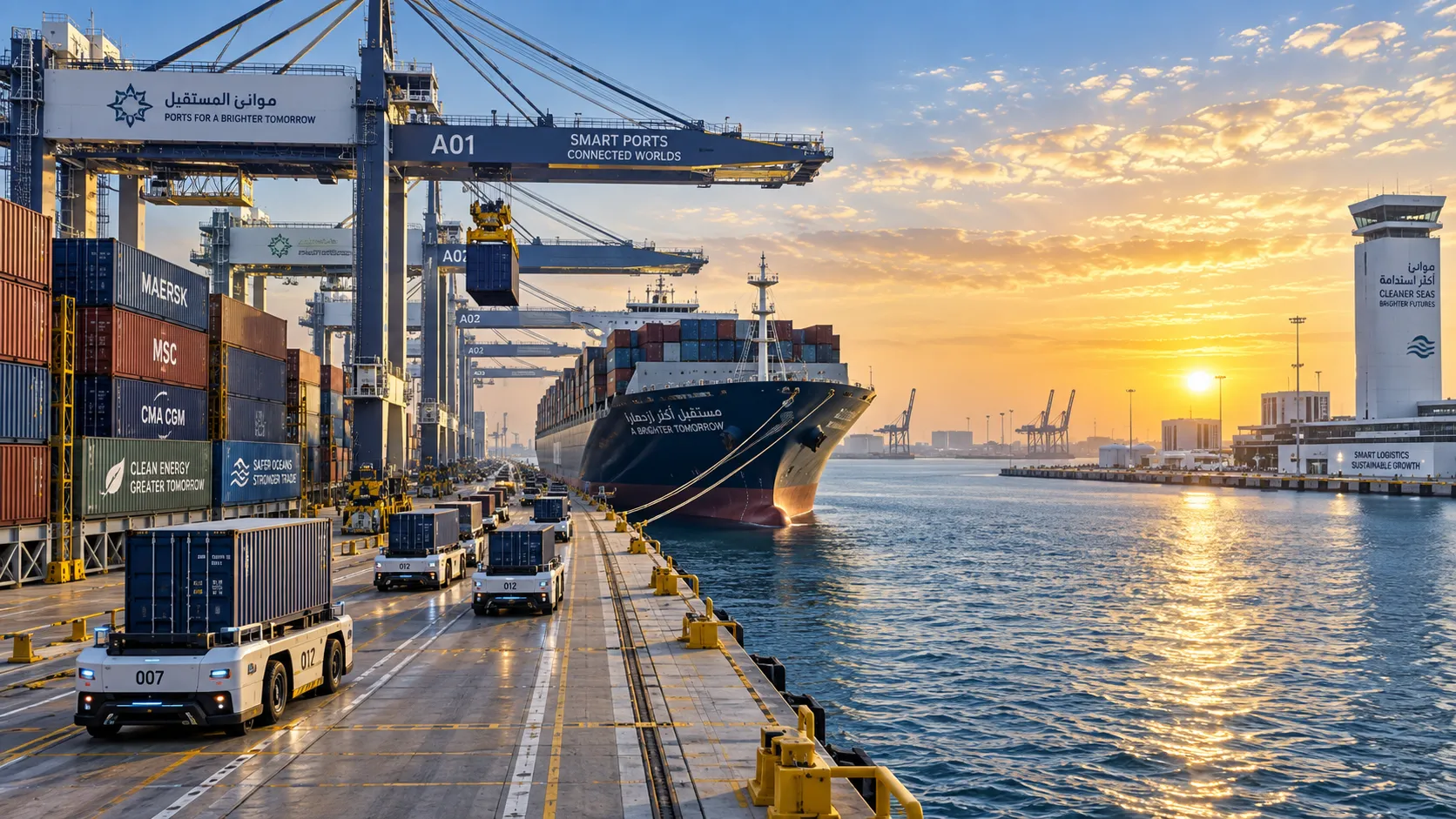
Middle East Port Automation: Key Market Drivers, Projects, and Investment Risks
Port automation systems Middle East: explore market drivers, flagship projects, integration challenges, and investment risks shaping smarter, resilient terminals.
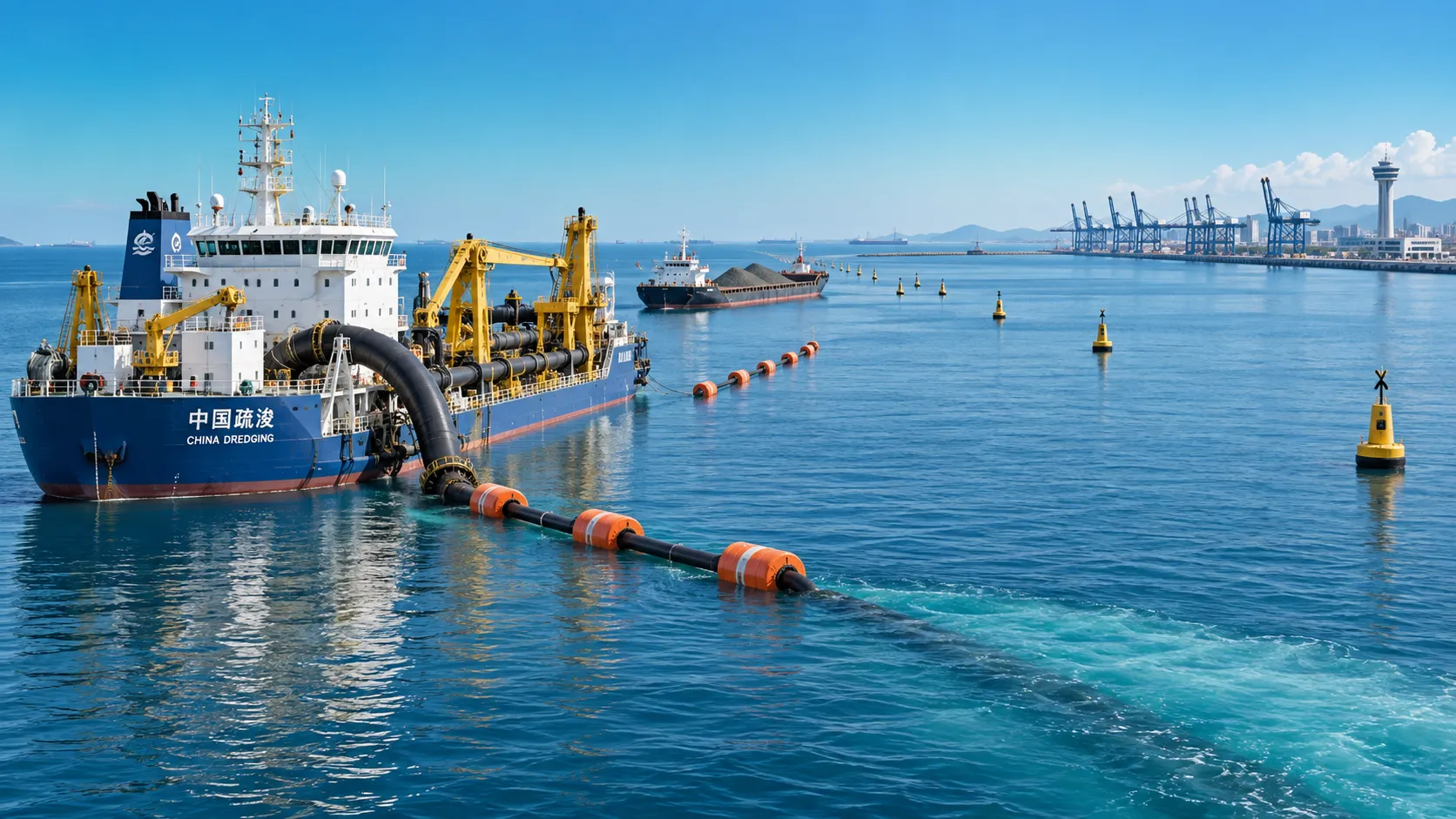
Planning Offshore Dredging Operations: Key Risks, Methods, and Project Controls
Offshore dredging operations demand smart planning. Explore key risks, proven methods, environmental controls, and project strategies for reliable delivery.