Related News
- 00
0000-00
How to Specify a Quay Crane for Container Terminals by Vessel Size and Throughput? - 00
0000-00
Which Bulk Handling Equipment Suits High-Moisture Cargo? - 00
0000-00
Terminal Automation Technologies That Raise Container Throughput Without Yard Disruption - 00
0000-00
Planning Offshore Dredging Operations: Key Risks, Methods, and Project Controls - 00
0000-00
Where Do Automated Guided Vehicles Deliver the Fastest Warehouse Gains in the Middle East?
What Are Smart Oceans? Key Technologies, Use Cases, and Data Challenges
Smart oceans describe a shift from fragmented maritime operations to connected, data-rich systems that link ports, vessels, cargo flows, coastal assets, and environmental intelligence. The term matters because shipping efficiency is no longer shaped by hardware alone. It now depends on how well sensors, software, communications, and operational decisions work together across the ocean economy.
That shift is especially visible in port logistics, automated handling, and dredging engineering. A quay crane, an AGV fleet, a vessel queue, and a dredger may serve different tasks, yet all rely on timing, visibility, and reliable data exchange. In that sense, smart oceans are not a futuristic slogan. They are an operational model for improving resilience, throughput, safety, and environmental control.
A practical definition of smart oceans
At a practical level, smart oceans combine marine infrastructure with digital awareness. Physical assets continue to do the work, but digital systems increasingly decide when, where, and how that work is done.
This includes offshore and nearshore sensing, vessel tracking, cargo visibility, terminal automation, dredging performance monitoring, weather integration, and decision support platforms. The objective is not simply more data. The objective is better coordination across moving parts that were previously managed in separate silos.
For maritime logistics, smart oceans sit at the intersection of three forces: heavier equipment, more automation, and tighter trade synchronization. As ports handle larger vessels and faster turnaround expectations, disconnected operations become costly. Delays in one node can quickly affect berthing windows, yard planning, hinterland transport, and fuel use.
Why the topic is drawing more industry attention
Several changes are pushing smart oceans from concept to strategy. Trade volatility has made planning more dynamic. Climate pressure has made emissions and coastal resilience board-level concerns. Meanwhile, automation has increased the value of low-latency, machine-readable, and trustworthy operational data.
Ports are also becoming more system-dependent. Mega terminal gear defines throughput ceilings, but throughput is only realized when scheduling systems, yard equipment, maintenance logic, and vessel coordination stay aligned. The same pattern appears in bulk handling and specialized container operations, where space utilization and movement efficiency depend on orchestration rather than isolated machine performance.
This is why intelligence portals such as PS-Nexus matter in the discussion. The value is not in publishing headlines alone. It is in stitching together signals from terminal equipment, automation controls, dredging activity, trade flows, and technical evolution into a clearer operating picture.
The technologies behind smart oceans
Smart oceans are built on layered technologies rather than one platform. Some sit at the asset level. Others sit at the network, application, or strategic level.
Sensing and visibility
Sensors are the foundation. They collect position, vibration, load, fuel, weather, depth, pump status, emissions, traffic, and equipment health data. In ports and dredging projects, this creates a live operational record instead of delayed manual reporting.
Connectivity and edge communications
Real-time operations need reliable communications. Low-latency links support remote-controlled cranes, autonomous vehicles, and distributed control systems. Edge computing helps process time-sensitive data near the source instead of waiting for distant cloud decisions.
Automation and optimization engines
Algorithms convert raw inputs into action. That may involve berth allocation, AGV path planning, crane dispatching, dredger pump optimization, predictive maintenance, or route adjustment under changing sea and weather conditions.
Digital twins and command platforms
Digital twins model assets and processes in virtual form. Command platforms bring multiple streams into one interface. Together, they support simulation, anomaly detection, and scenario testing before operators change the real system.
Where smart oceans create business value
The strongest value of smart oceans appears when multiple assets must act in sequence. In maritime logistics, one delayed handoff often becomes a chain of lost efficiency. Better data coordination can reduce that effect.
Port terminals
In automated terminals, smart oceans support berth planning, crane assignment, yard balancing, and gate coordination. They help ports move from reactive dispatching to predictive scheduling, which matters when vessel calls are dense and yard space is constrained.
Bulk and specialized cargo handling
For bulk flows, smart oceans improve continuity between unloading, storage, blending, and onward transfer. For specialized container handling, they improve slot use, movement paths, and equipment utilization under changing demand patterns.
Dredging and channel management
Dredging engineering depends on seabed intelligence, pump performance, sediment behavior, fuel consumption, and navigation safety. A smart ocean approach connects hydrographic data with machine telemetry, helping operators adjust execution instead of waiting for end-of-shift reviews.
Coastal monitoring and resilience
Ports and coastal assets also need environmental awareness. Tide behavior, storm exposure, shoreline change, and water quality can all affect operations and long-term planning. That makes smart oceans relevant not only for efficiency, but also for risk control and net-zero pathways.
The data challenges that slow progress
The promise of smart oceans is strong, but data friction remains a practical barrier. Many projects do not fail because sensors are missing. They fail because data cannot be trusted, shared, or used in time.
- Fragmented systems keep equipment, traffic, weather, and engineering data in separate environments.
- Inconsistent standards make integration difficult across ports, vessels, contractors, and equipment brands.
- Latency limits decision value when remote control or dynamic dispatch needs instant updates.
- Poor data quality creates misleading optimization results and weakens operator trust.
- Cybersecurity risks increase as critical marine infrastructure becomes more connected.
Ownership is another challenge. In maritime ecosystems, data may come from terminal operators, shipping lines, equipment suppliers, harbor authorities, and engineering contractors. Without clear governance, high-value information remains locked inside local workflows.
This is where strategic intelligence becomes more useful than raw dashboards. A portal such as PS-Nexus can help interpret whether a signal reflects a local anomaly, a broader market trend, or a structural technology shift.
How to evaluate smart oceans in real operations
In practice, smart oceans should be evaluated as an operating architecture, not a single purchase. The right question is not whether a port or marine project is digital. The better question is whether its decisions improve when data moves through the system.
Several checkpoints help keep that evaluation grounded.
- Map the critical handoffs between vessels, cranes, yard systems, channels, and support equipment.
- Identify which decisions need real-time data and which can rely on periodic reporting.
- Check whether current platforms support interoperability, not just isolated automation.
- Measure value through turnaround time, idle reduction, energy use, maintenance predictability, and safety indicators.
- Include governance early, especially for access control, data ownership, validation, and auditability.
It is also worth separating pilot success from scalable success. A smart oceans pilot may perform well in a narrow zone, yet struggle once more asset classes, contractors, or legacy systems are added.
What to watch next
The next stage of smart oceans will likely be shaped by stronger data standards, wider use of edge intelligence, and tighter links between commercial forecasting and operational control. That means technical and market signals will increasingly need to be read together.
For anyone tracking port hubs, automated handling, and coastal engineering, the most useful next step is to compare where visibility already exists and where decision blind spots remain. From there, it becomes easier to judge whether new equipment, new software, or better integration will deliver the bigger gain.
Smart oceans are ultimately about synchronization. When heavy machinery, marine data, and logistics intelligence move in step, the result is not only higher efficiency. It is a more adaptable ocean economy, better prepared for trade disruption, environmental pressure, and the rising complexity of global port infrastructure.
Related News
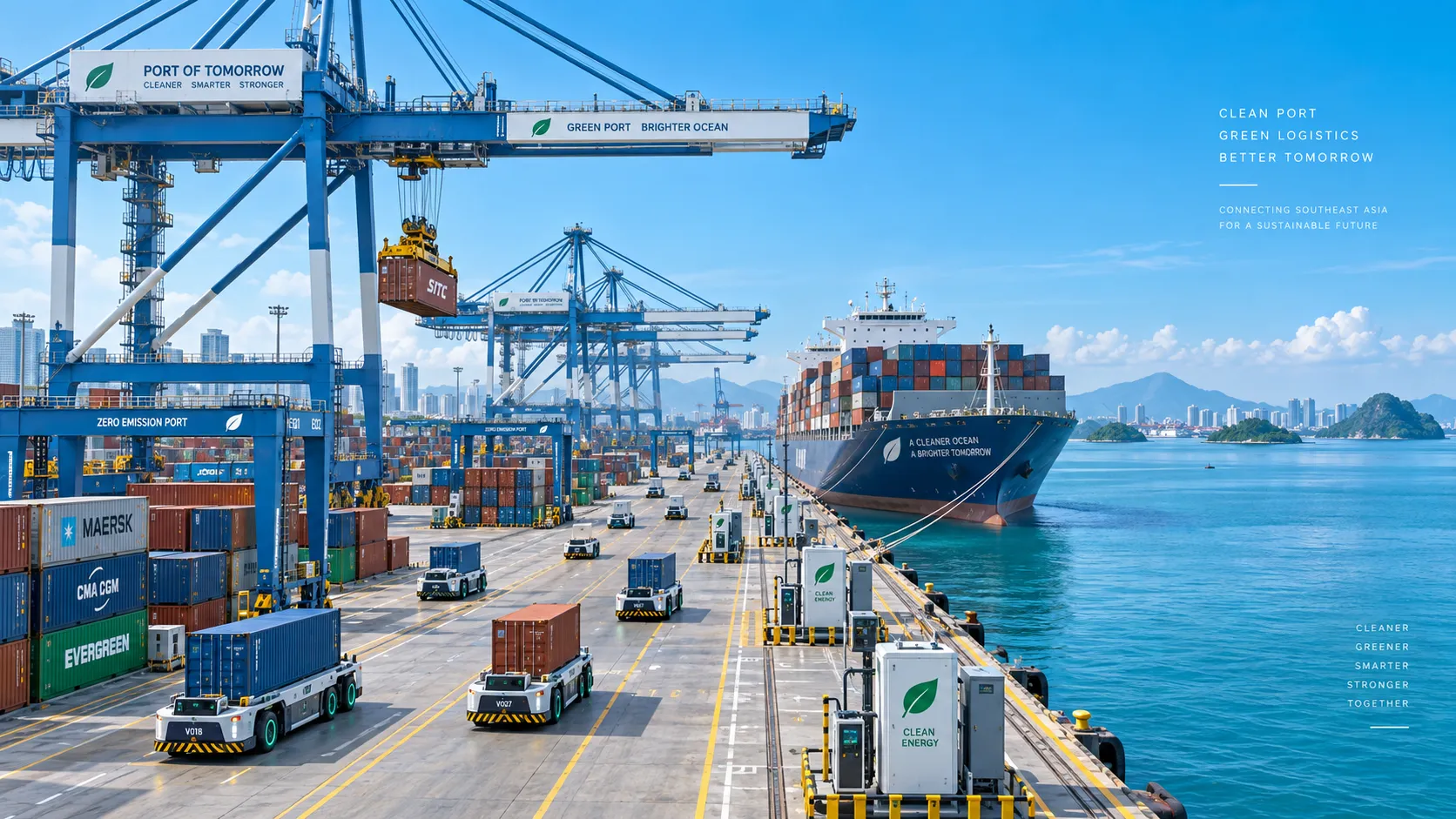
Smart Port Systems in Southeast Asia: Investment Priorities and Adoption Barriers
Smart port systems Southeast Asia: discover investment priorities, adoption barriers, and practical steps to build resilient, connected, high-performing terminals.
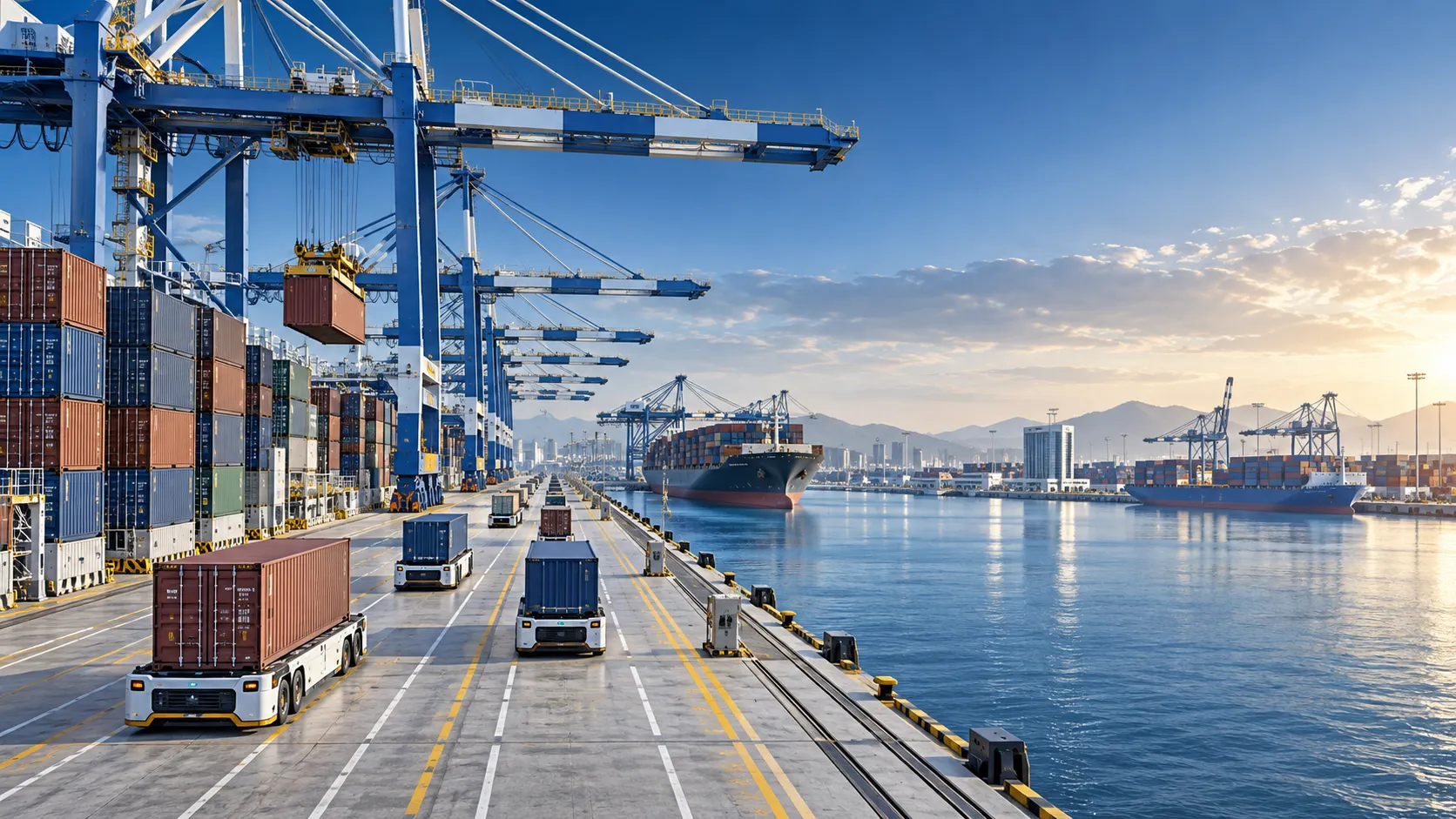
How to Evaluate Terminal Efficiency Solution Suppliers for High-Throughput Operations
Choose a terminal efficiency solutions supplier with confidence. Explore proven criteria for throughput, integration, lifecycle cost, safety, and reliable delivery.
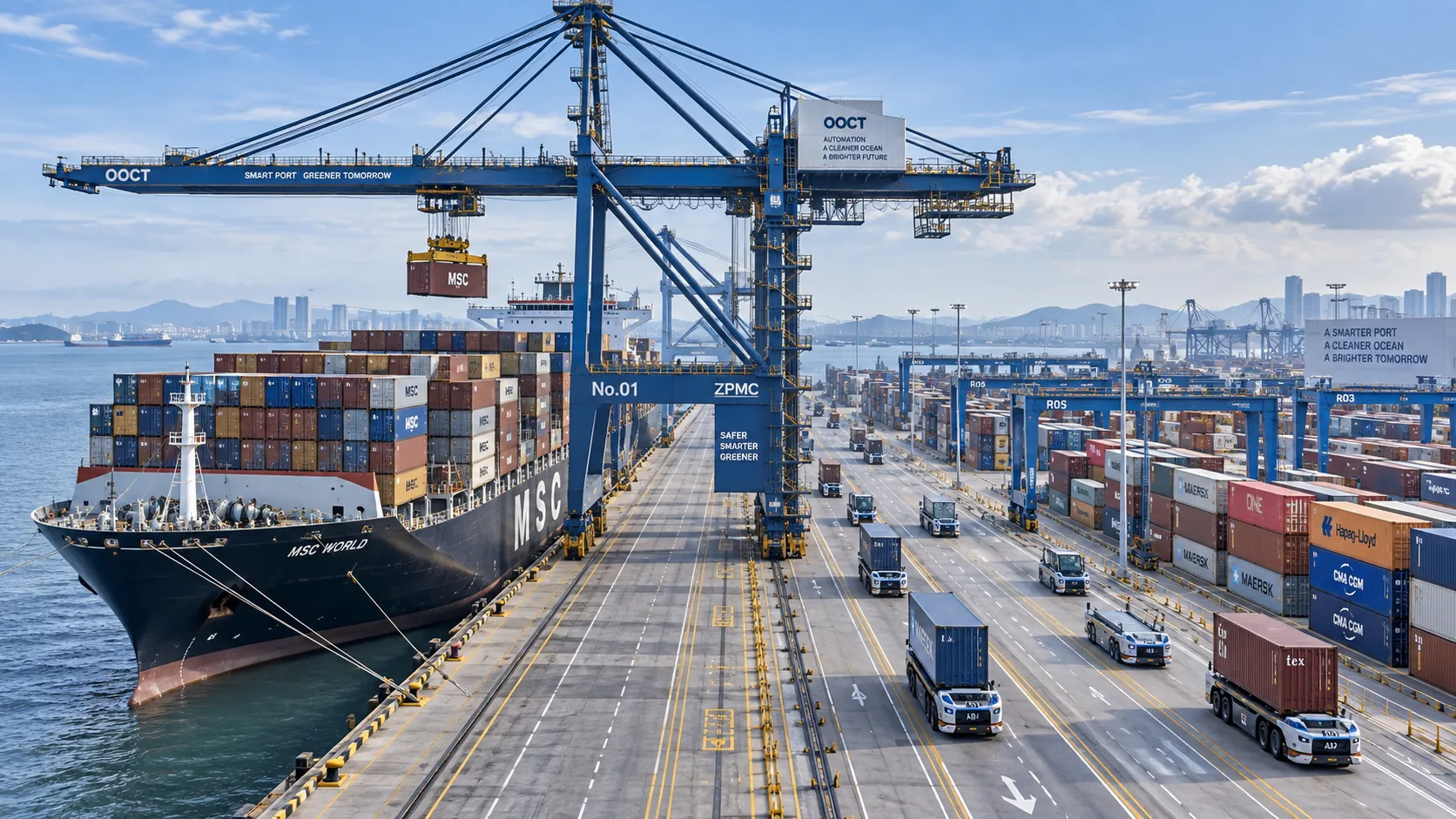
How to Specify a Quay Crane for Container Terminals by Vessel Size and Throughput?
Quay crane for container terminals: learn how to match outreach, lift height, capacity, automation, and cycle performance to vessel size and throughput goals.
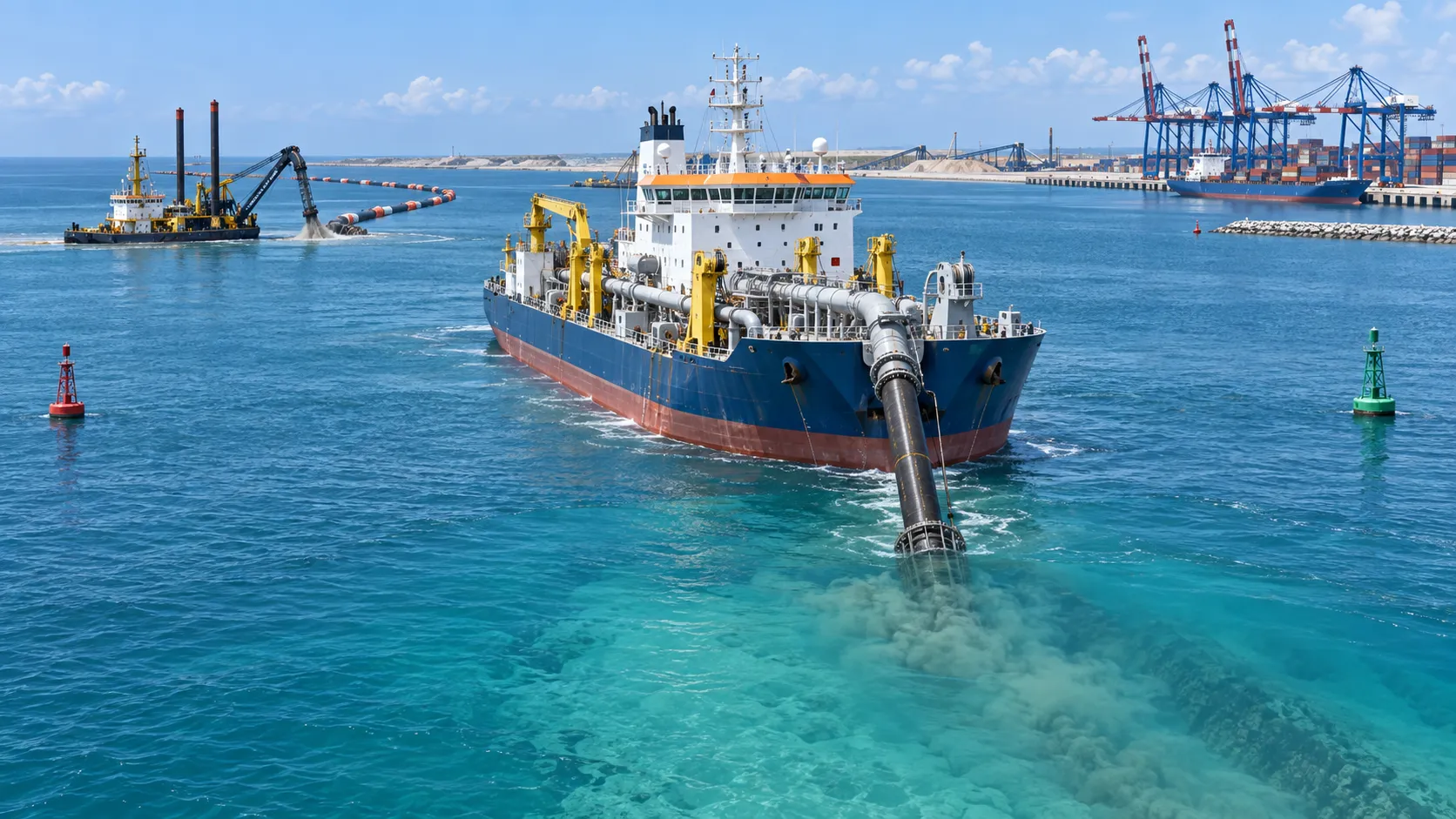
What Dredging Equipment Is Needed for Channel Deepening?
What dredging equipment is needed for channel deepening? Explore dredgers, pipelines, survey tools, and planning strategies for safer, more efficient port access.
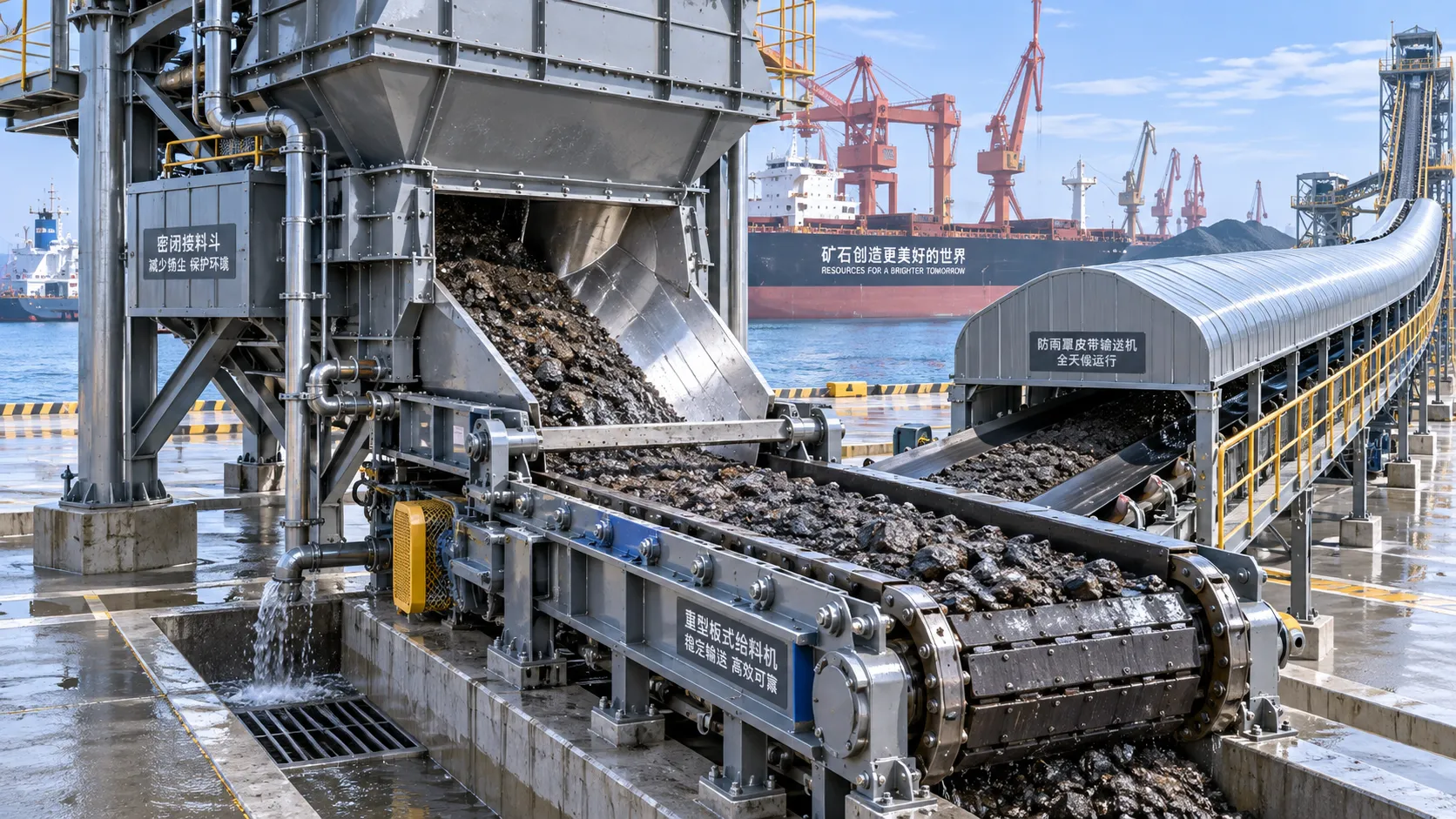
Which Bulk Handling Equipment Suits High-Moisture Cargo?
Which bulk handling equipment suits high-moisture cargo? Compare belt, apron, screw, drag, and slurry systems for reliable flow, less carryback, and higher terminal uptime.
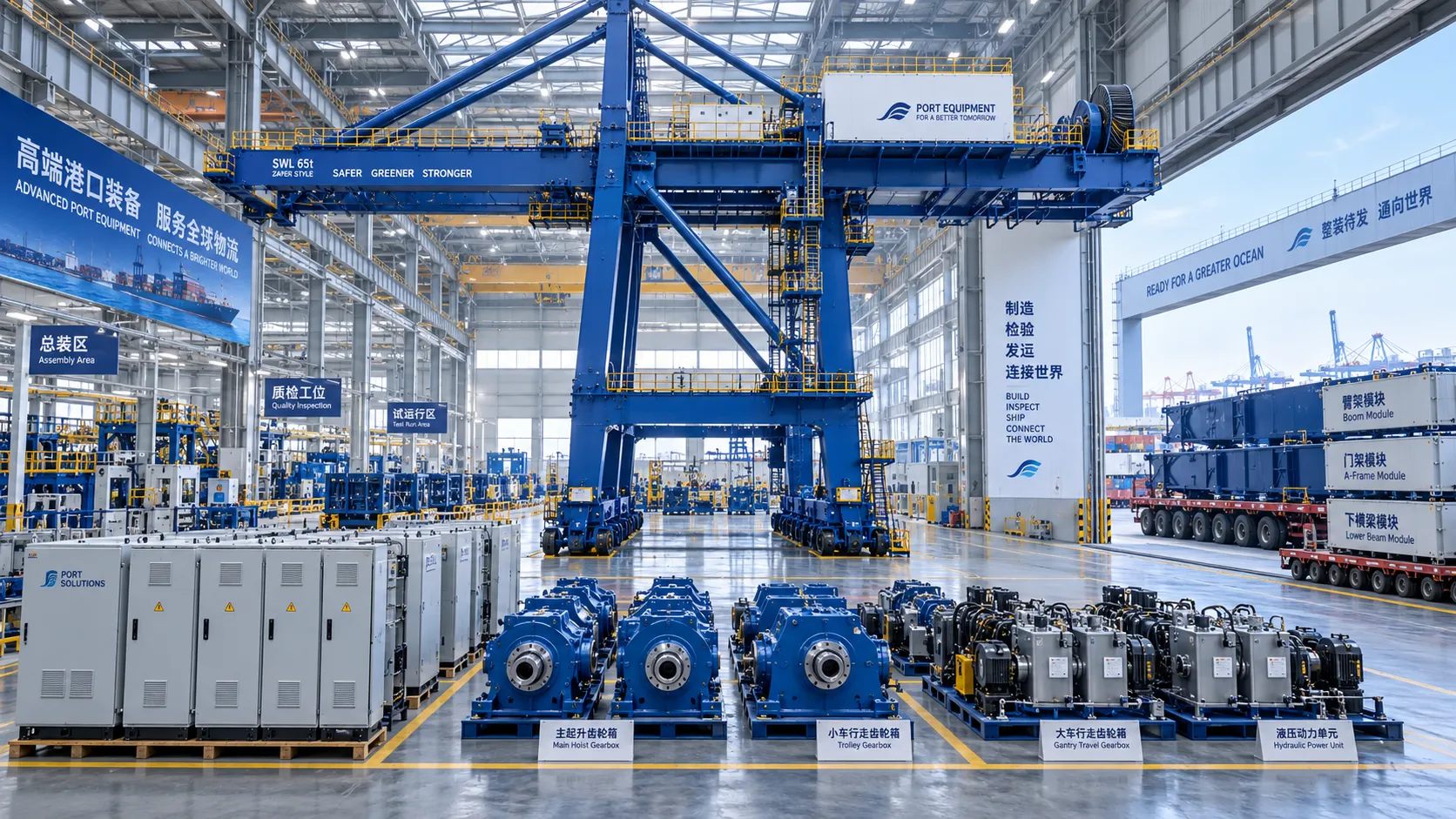
How Can Port Equipment Lead-Time Risk Be Managed?
How can port equipment lead-time risk be managed? Explore practical strategies to control critical paths, suppliers, transport, site readiness, and commissioning delays.
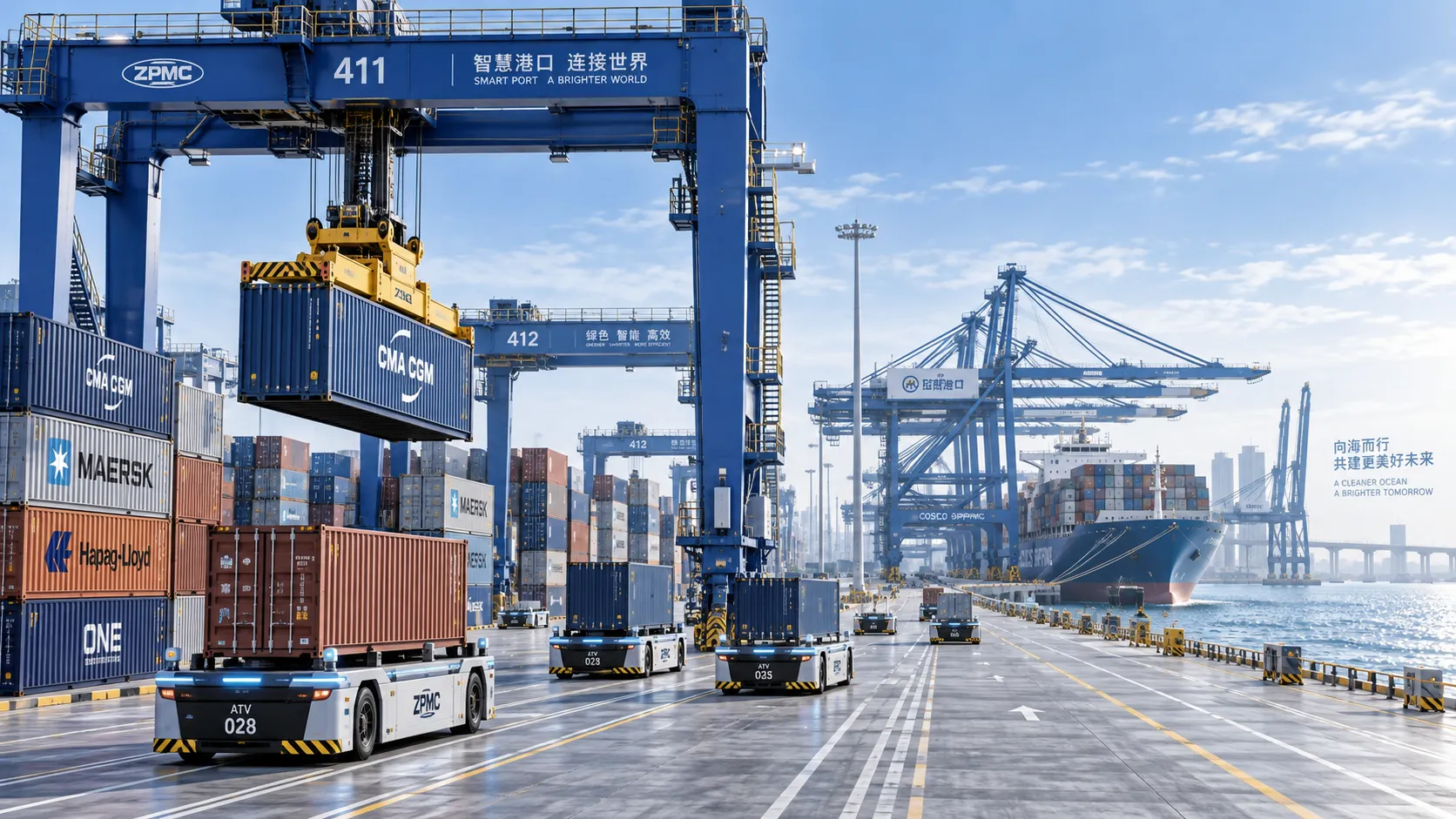
Terminal Automation Technologies That Raise Container Throughput Without Yard Disruption
Terminal automation technology that increases container throughput without disrupting yard flow. Explore smarter integration, resilient workflows, and phased deployment strategies.
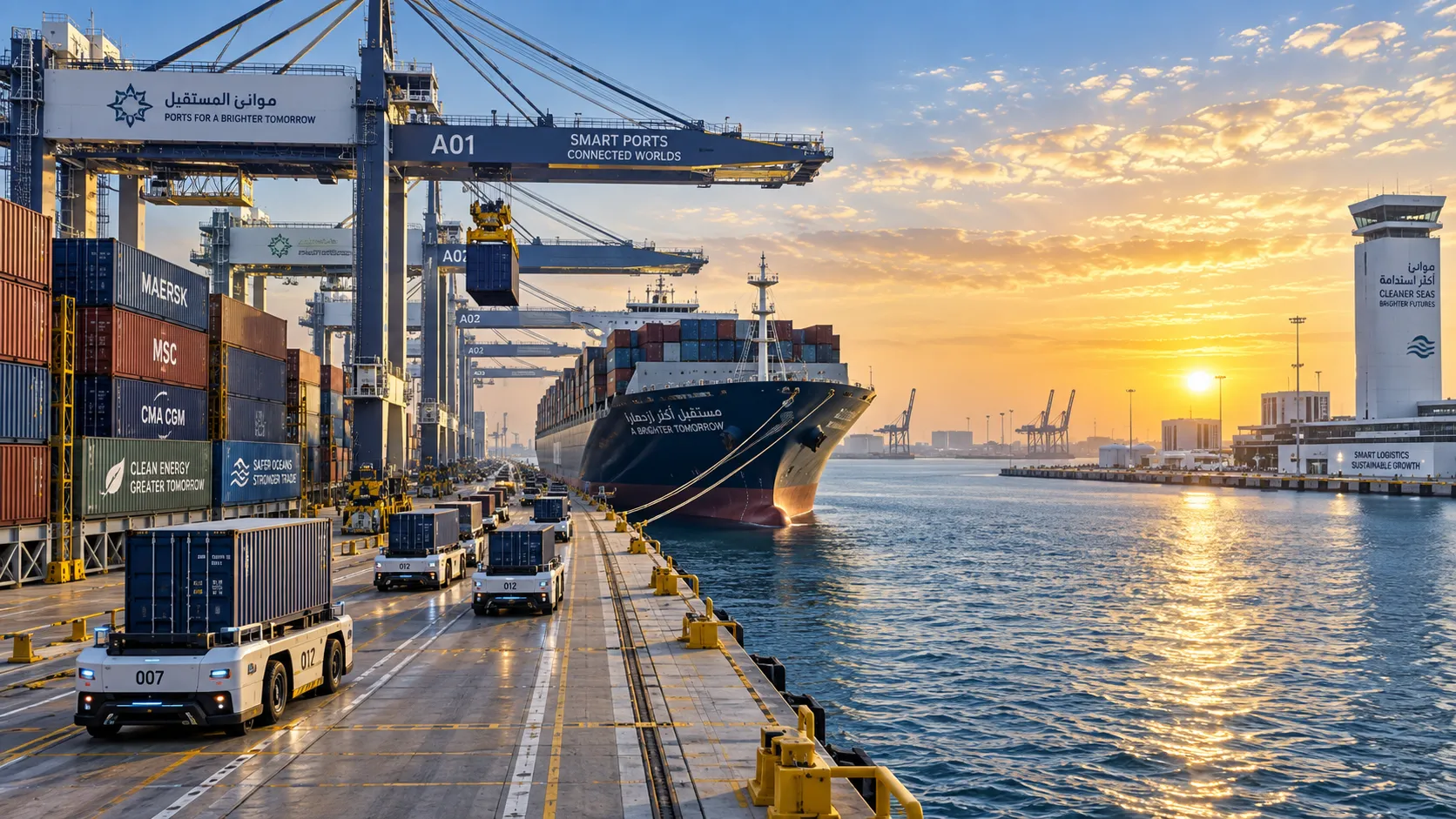
Middle East Port Automation: Key Market Drivers, Projects, and Investment Risks
Port automation systems Middle East: explore market drivers, flagship projects, integration challenges, and investment risks shaping smarter, resilient terminals.
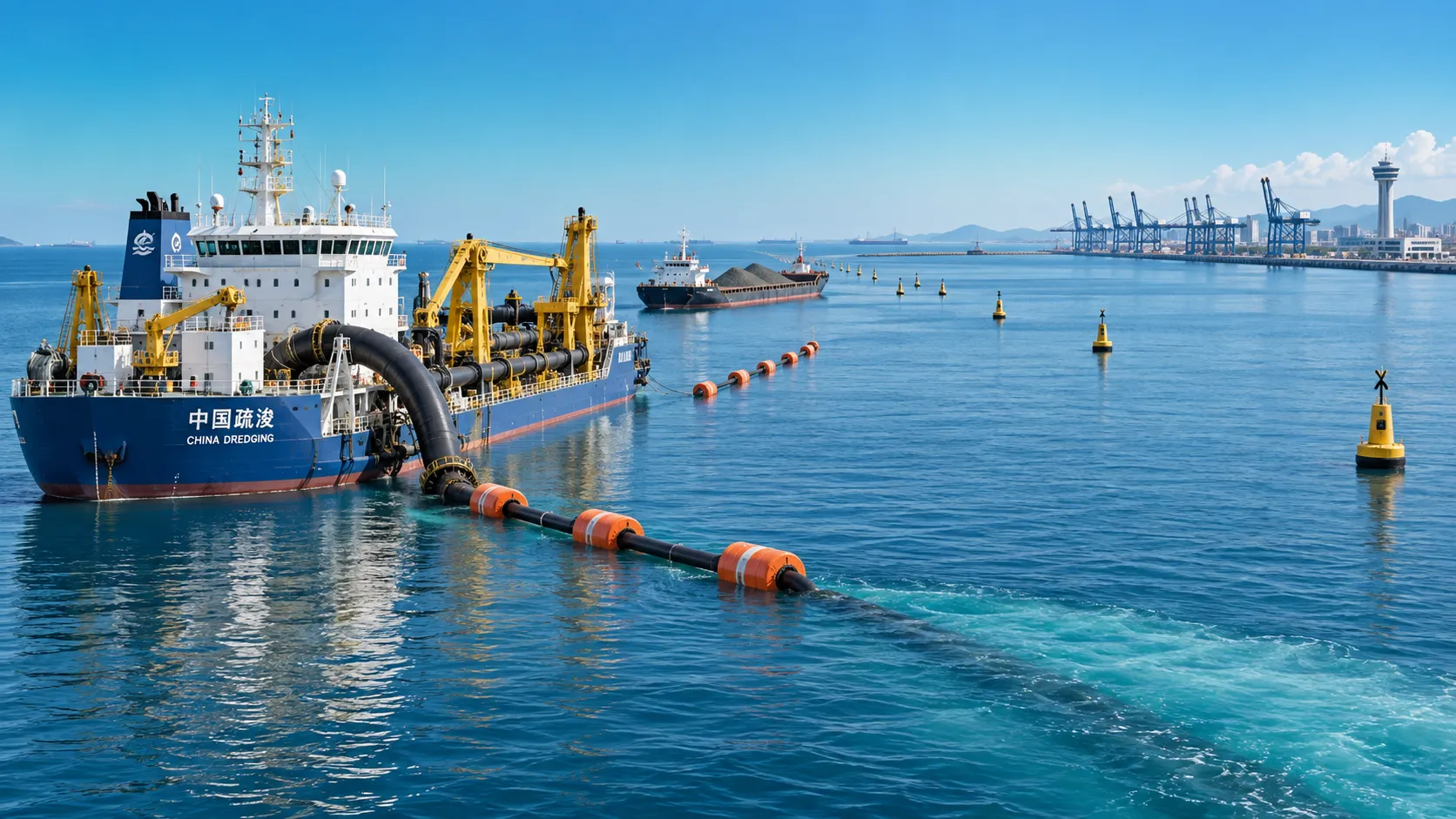
Planning Offshore Dredging Operations: Key Risks, Methods, and Project Controls
Offshore dredging operations demand smart planning. Explore key risks, proven methods, environmental controls, and project strategies for reliable delivery.