Related News
- 00
0000-00
How to Specify a Quay Crane for Container Terminals by Vessel Size and Throughput? - 00
0000-00
Which Bulk Handling Equipment Suits High-Moisture Cargo? - 00
0000-00
Terminal Automation Technologies That Raise Container Throughput Without Yard Disruption - 00
0000-00
Planning Offshore Dredging Operations: Key Risks, Methods, and Project Controls - 00
0000-00
Where Do Automated Guided Vehicles Deliver the Fastest Warehouse Gains in the Middle East?
How Smart Operations Solutions Improve Yard Planning, Berth Scheduling, and Turnaround Time
How Smart Operations Solutions Improve Yard Planning, Berth Scheduling, and Turnaround Time
For port teams under pressure to move more cargo with less delay, smart operations solutions are no longer optional. They are becoming the operating layer that keeps terminals stable.
When yard planning, berth scheduling, and vessel turnaround are managed in separate systems, bottlenecks build fast. Equipment waits, trucks queue, cranes idle, and service windows start slipping.
Smarter coordination changes that pattern. With real-time data, predictive logic, and clearer task sequencing, terminals can reduce congestion, use assets better, and maintain more consistent flow.
For PS-Nexus, this shift reflects a wider trend across maritime logistics. Heavy terminal gear, control systems, and scheduling intelligence now work best when they operate as one decision loop.
Why port performance depends on connected operations
A terminal rarely loses time from one major event. More often, delay comes from many small mismatches across the berth, yard, gate, and equipment pool.
A vessel arrives early, but the berth is still occupied. Containers are discharged, but the target yard block is already tight. Trucks arrive, but handoff slots are uneven.
This is where smart operations solutions create value. They do not only report terminal conditions. They help orchestrate the next best move before congestion becomes visible.
In practical terms, these systems connect berth windows, crane assignments, yard stack rules, truck flows, and labor shifts. That shared view improves timing across every handoff.
The result is not just speed. It is more predictable speed, which matters even more in busy terminals with narrow recovery margins.
How smart operations solutions improve yard planning
Yard planning often determines whether the whole terminal feels smooth or constantly reactive. Poor stacking decisions create avoidable reshuffles, travel distance, and equipment conflict.
Smart operations solutions improve yard planning by treating storage space as dynamic capacity, not fixed inventory. They continuously adjust based on vessel mix, dwell time, and discharge sequence.
This matters most when cargo profiles change quickly. Imports, exports, reefers, hazardous units, empties, and transshipment containers all create different stacking requirements.
A smart planning engine can assign blocks using operational priority instead of static rules. That reduces unplanned moves and helps cranes and transport vehicles stay productive.
Key yard planning gains
- Lower rehandle rates through better container placement.
- Shorter travel paths for yard trucks, AGVs, and stack equipment.
- Better use of high-demand blocks during vessel peaks.
- Improved separation of fast-exit and long-dwell cargo.
- Fewer emergency replans during shift changes or weather disruption.
From a working perspective, the best yard plans are not always the most complex. They are the ones operators can trust and execute without extra friction.
That is why effective smart operations solutions balance optimization with practical field constraints, including lane access, equipment limits, and safety zones.
How smarter berth scheduling reduces delay
Berth scheduling sits at the center of terminal timing. If the berth plan is unstable, every downstream resource plan starts to weaken.
Traditional berth plans often rely on manual updates, fragmented communication, and rough estimates. That approach struggles when arrival times shift or crane productivity changes mid-operation.
Smart operations solutions improve berth scheduling by combining ETA updates, berth occupancy, crane status, tidal limits, labor readiness, and service priorities in one planning layer.
This creates faster rescheduling when conditions change. Instead of reacting late, dispatchers can test alternatives and choose the least disruptive option.
Common berth scheduling improvements
- More accurate berth windows using live arrival data.
- Better crane allocation based on actual workload and vessel profile.
- Lower waiting time at anchorage and alongside.
- Fewer conflicts between large calls and feeder traffic.
- Clearer communication between marine control and terminal operations.
The strongest signal here is visibility. When berth decisions are tied to live operational data, planners can protect service reliability without overcommitting resources.
That also supports stronger customer communication, because revised windows are based on evidence, not guesswork.
Why turnaround time improves when systems work together
Turnaround time is the clearest performance outcome. It reflects how well the terminal aligns berth access, discharge, loading, transport, storage, and departure preparation.
If one area speeds up while another remains disconnected, the gain is limited. Faster discharge alone does not help if the yard cannot absorb volume cleanly.
Smart operations solutions improve turnaround time by synchronizing these moving parts. They create a shared execution picture, with alerts, priorities, and updated task sequences.
This is especially important during peak calls, bad weather recovery, or labor constraints. Small timing errors compound quickly under pressure.
Typical turnaround benefits
- Shorter idle periods between vessel phases.
- Faster exception handling when equipment or labor shifts change.
- More stable handoff between quay, yard, and gate operations.
- Higher asset utilization without constant overloading.
- Lower fuel waste and emissions from unnecessary waiting.
In real operations, shaving even a modest amount from each port call can unlock major annual capacity and service gains.
Core functions that make smart operations solutions practical
Not every platform delivers the same value. The most effective smart operations solutions usually share a few practical capabilities that matter on the ground.
For PS-Nexus, these functions matter because port intelligence is most valuable when it improves decisions around actual heavy equipment and actual vessel flow.
What to watch before implementation
Adopting smart operations solutions is not only a software decision. It changes planning habits, control room routines, and the way teams trust data.
The biggest risk is not technical complexity alone. It is deploying a platform that looks advanced but does not fit local workflows or asset realities.
Important implementation checks
- Confirm data quality from TOS, equipment systems, and marine updates.
- Map current planning decisions before automating anything.
- Start with one measurable bottleneck, such as berth conflict or rehandle rate.
- Define manual override rules for safety and unusual events.
- Train supervisors to use system recommendations as operating guidance, not background reports.
This also means success should be measured in operational outcomes. Better planning quality, fewer exceptions, and shorter turnaround matter more than dashboard volume.
When smart operations solutions are introduced in clear stages, adoption tends to be faster and trust grows more naturally.
A practical path to more reliable port flow
Smart operations solutions are proving their value because terminals need more than isolated efficiency. They need coordinated efficiency across every transfer point.
When yard planning becomes more adaptive, berth scheduling becomes more accurate, and turnaround management becomes more synchronized, the terminal gains room to breathe.
That improvement supports throughput, service reliability, equipment productivity, and emissions control at the same time. In a tighter maritime market, that combination is hard to ignore.
For organizations tracking the future of heavy terminal gear, automation, and coastal logistics, PS-Nexus sees this as a defining shift toward more intelligent operating discipline.
The most effective next step is simple: identify where flow breaks first, connect the right operational data, and apply smart operations solutions where measurable delay can be removed fastest.
Related News
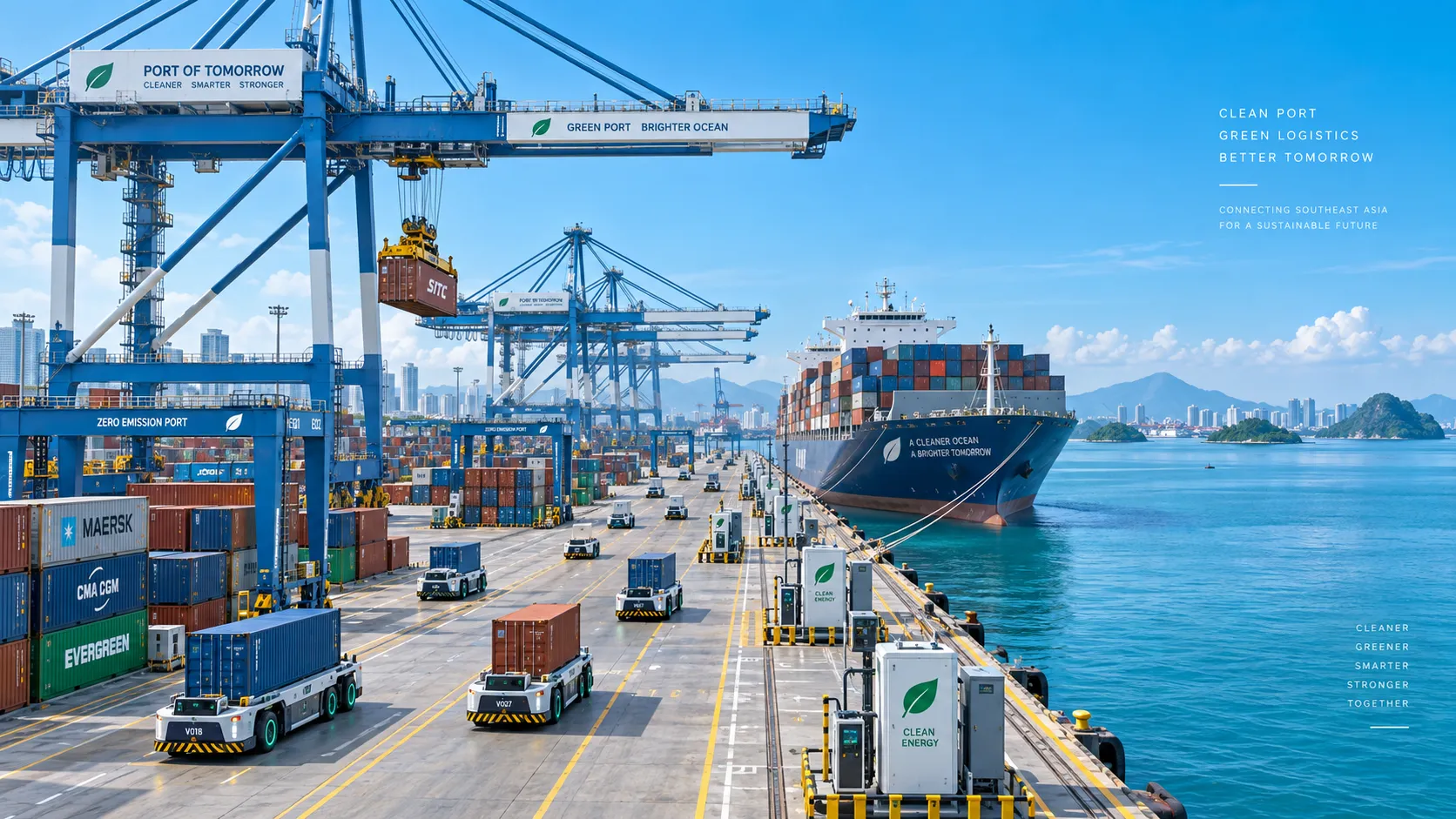
Smart Port Systems in Southeast Asia: Investment Priorities and Adoption Barriers
Smart port systems Southeast Asia: discover investment priorities, adoption barriers, and practical steps to build resilient, connected, high-performing terminals.
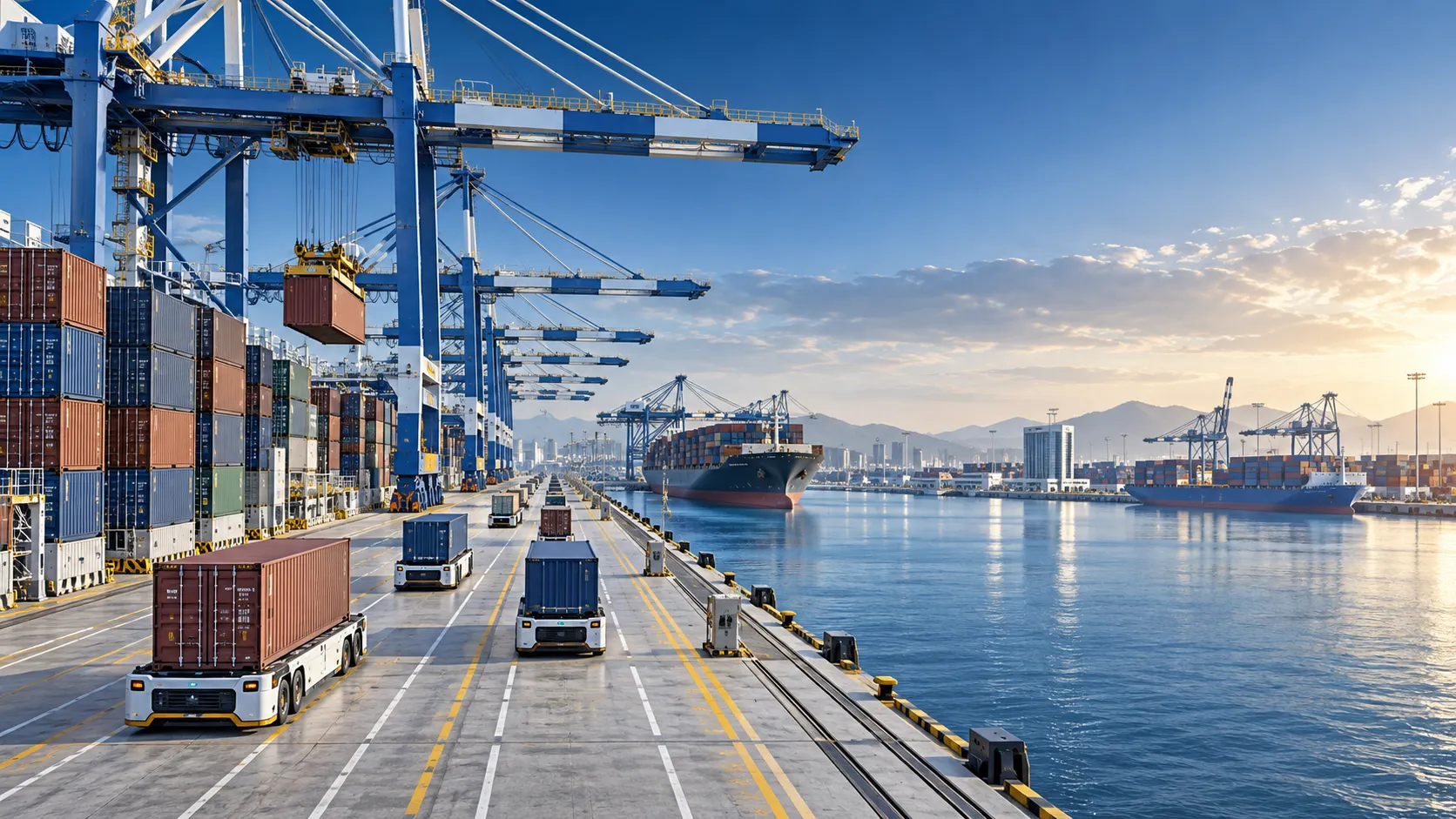
How to Evaluate Terminal Efficiency Solution Suppliers for High-Throughput Operations
Choose a terminal efficiency solutions supplier with confidence. Explore proven criteria for throughput, integration, lifecycle cost, safety, and reliable delivery.
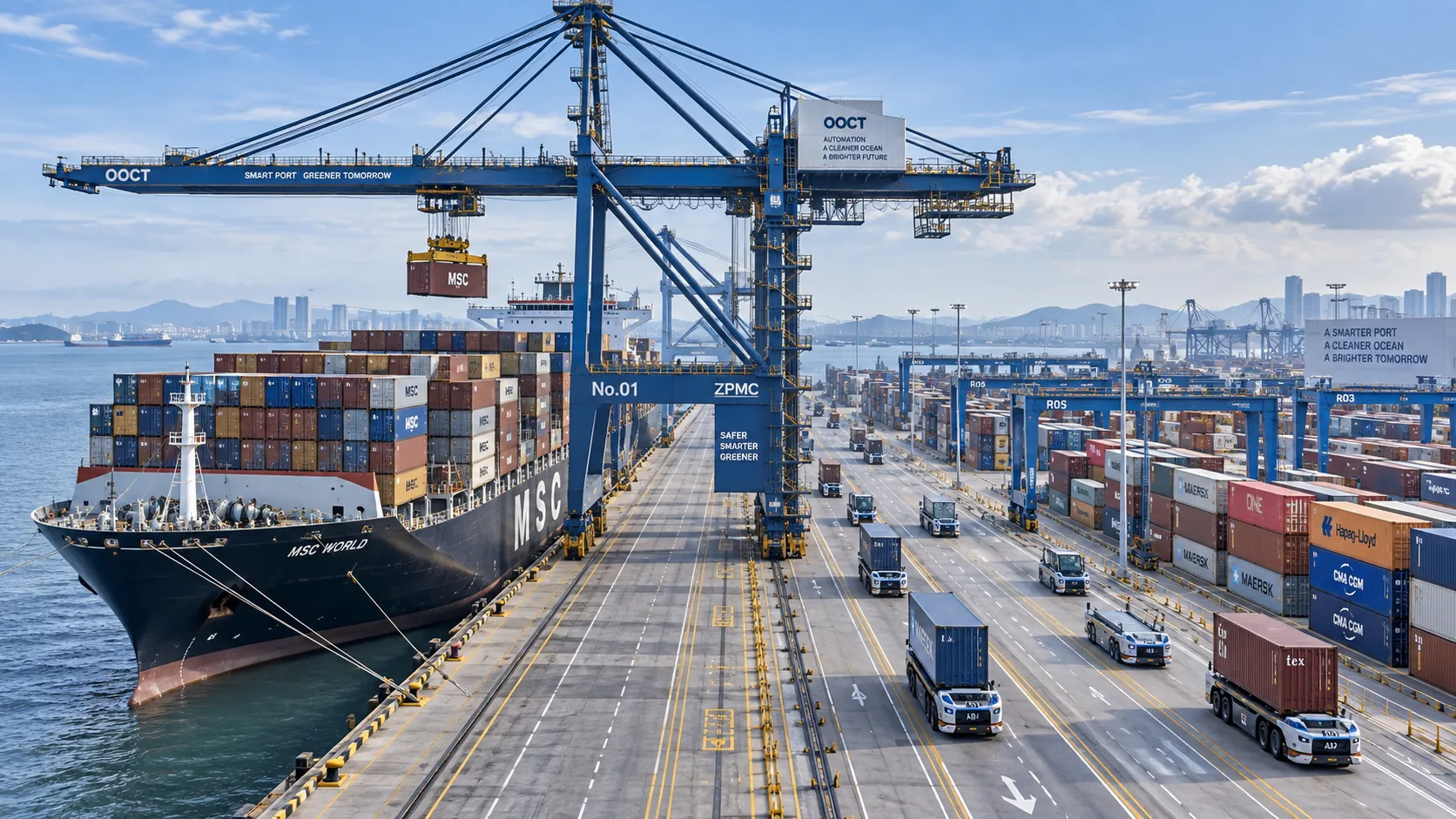
How to Specify a Quay Crane for Container Terminals by Vessel Size and Throughput?
Quay crane for container terminals: learn how to match outreach, lift height, capacity, automation, and cycle performance to vessel size and throughput goals.
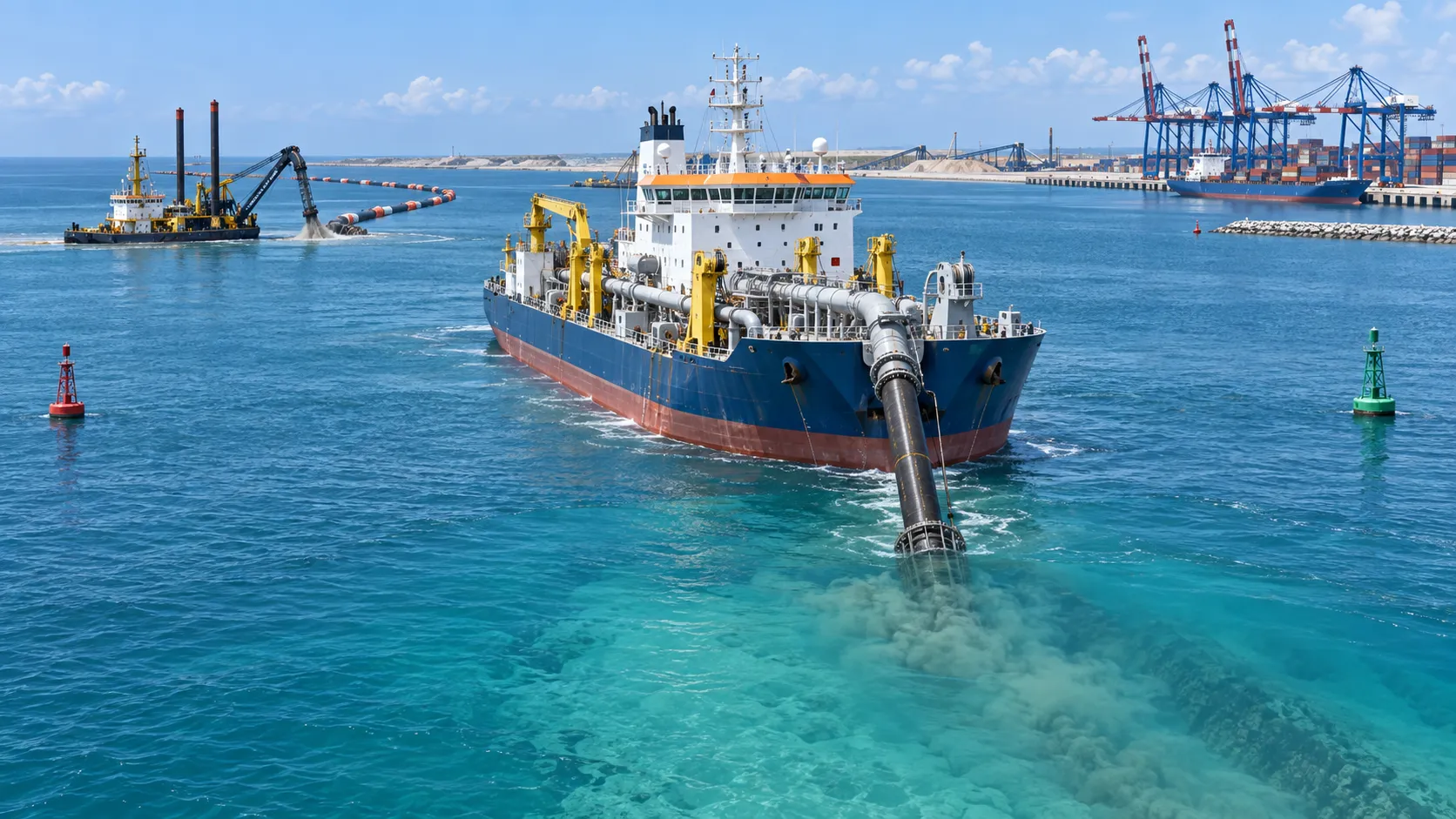
What Dredging Equipment Is Needed for Channel Deepening?
What dredging equipment is needed for channel deepening? Explore dredgers, pipelines, survey tools, and planning strategies for safer, more efficient port access.
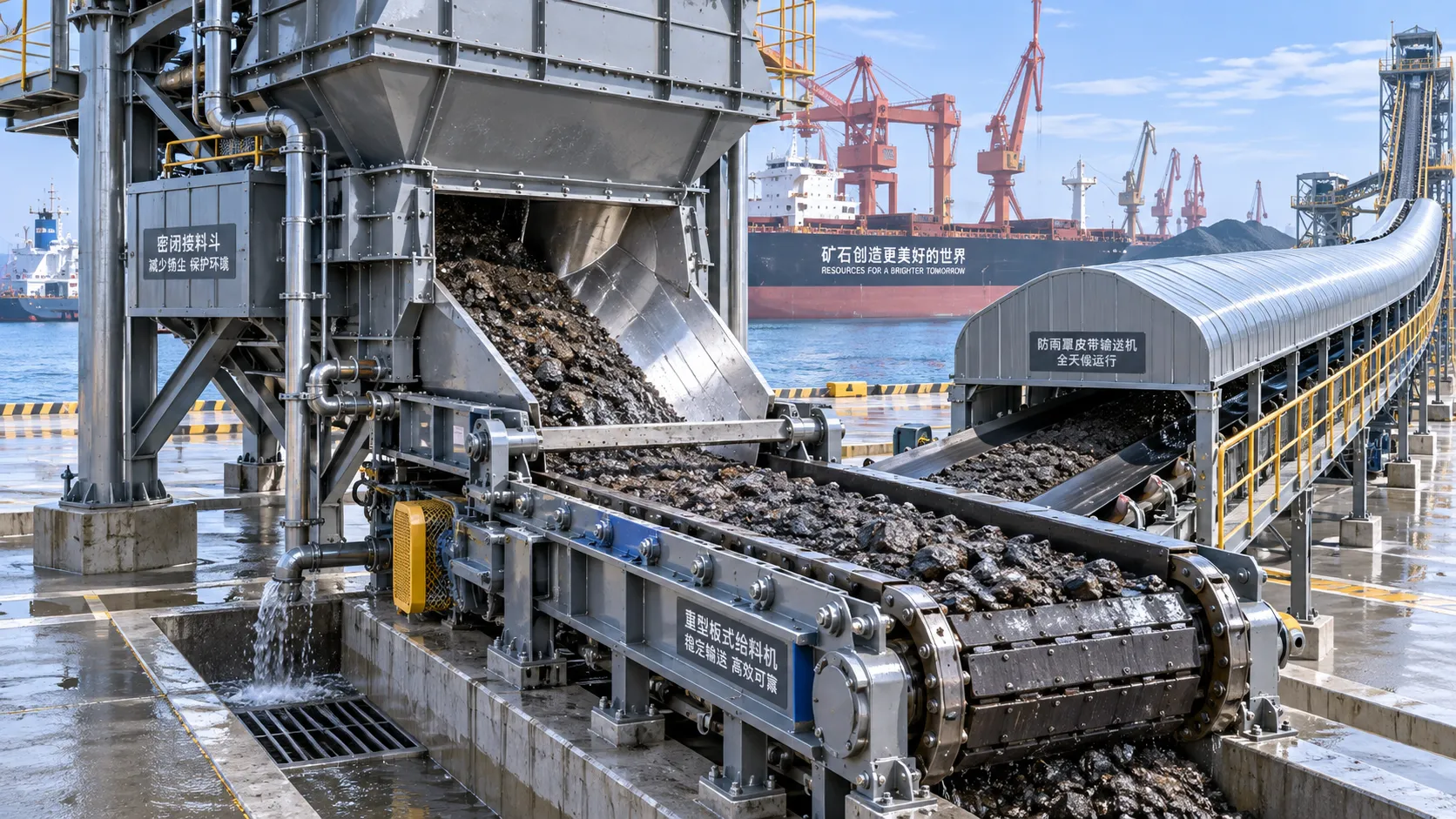
Which Bulk Handling Equipment Suits High-Moisture Cargo?
Which bulk handling equipment suits high-moisture cargo? Compare belt, apron, screw, drag, and slurry systems for reliable flow, less carryback, and higher terminal uptime.
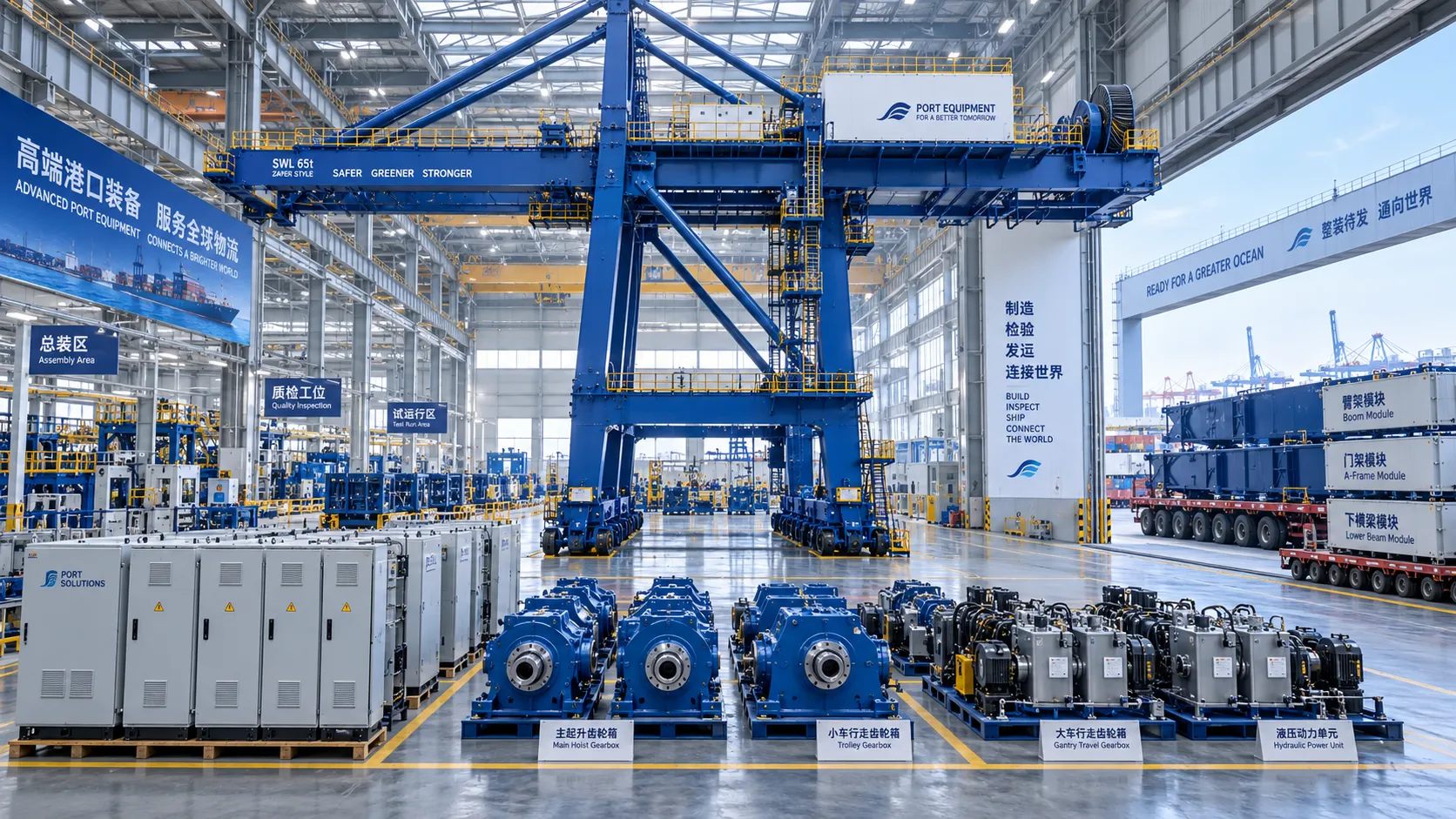
How Can Port Equipment Lead-Time Risk Be Managed?
How can port equipment lead-time risk be managed? Explore practical strategies to control critical paths, suppliers, transport, site readiness, and commissioning delays.
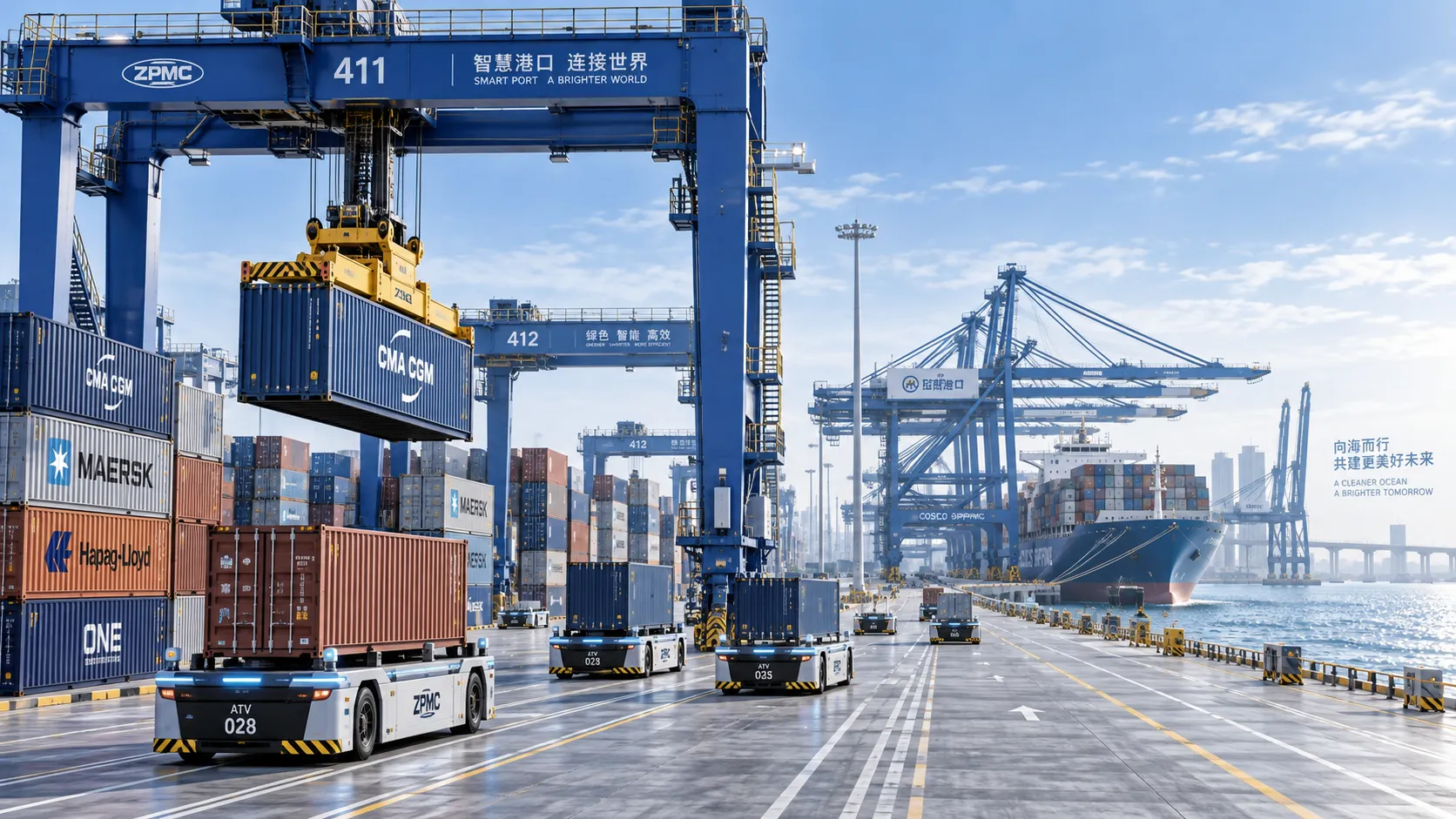
Terminal Automation Technologies That Raise Container Throughput Without Yard Disruption
Terminal automation technology that increases container throughput without disrupting yard flow. Explore smarter integration, resilient workflows, and phased deployment strategies.
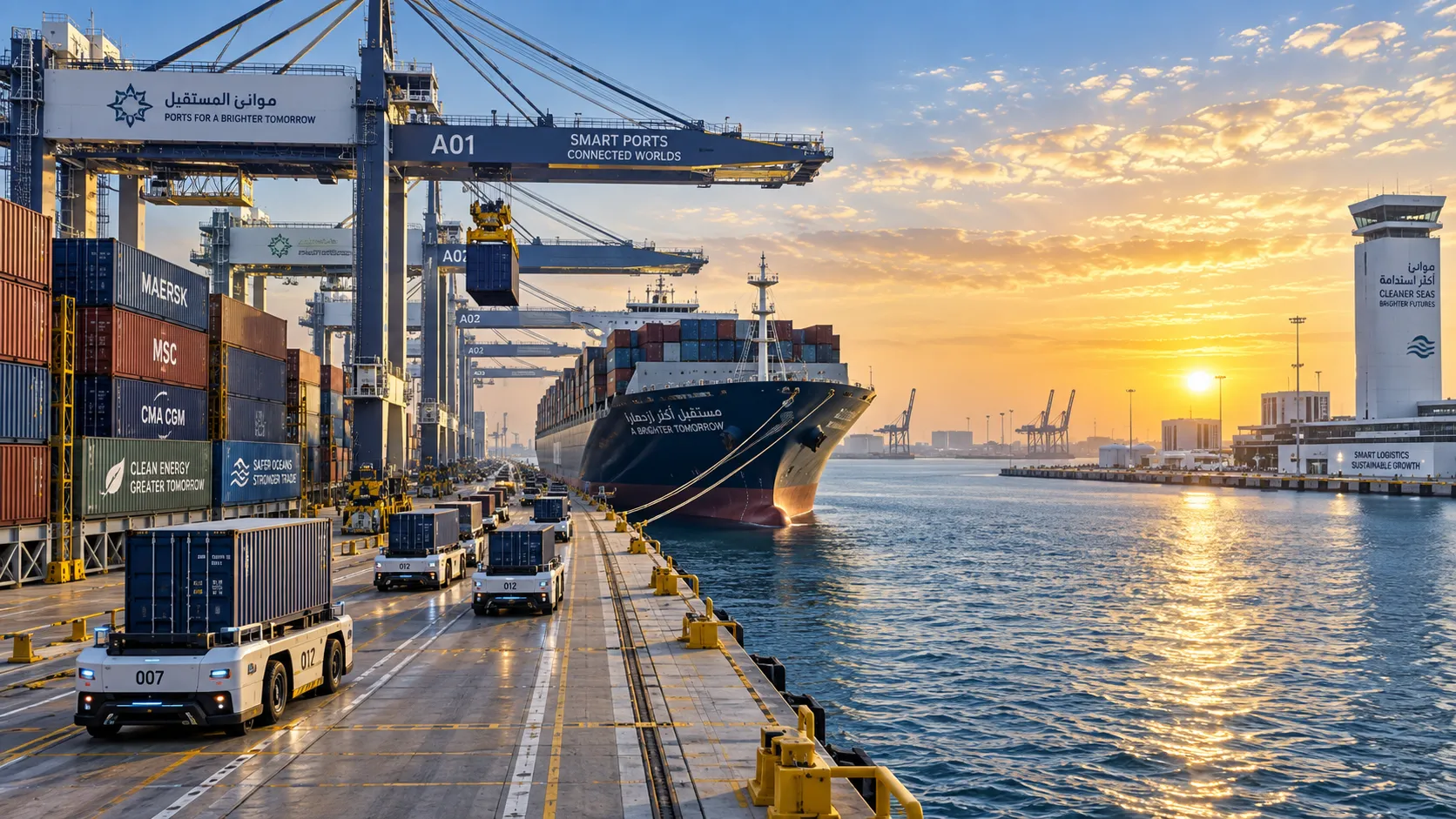
Middle East Port Automation: Key Market Drivers, Projects, and Investment Risks
Port automation systems Middle East: explore market drivers, flagship projects, integration challenges, and investment risks shaping smarter, resilient terminals.
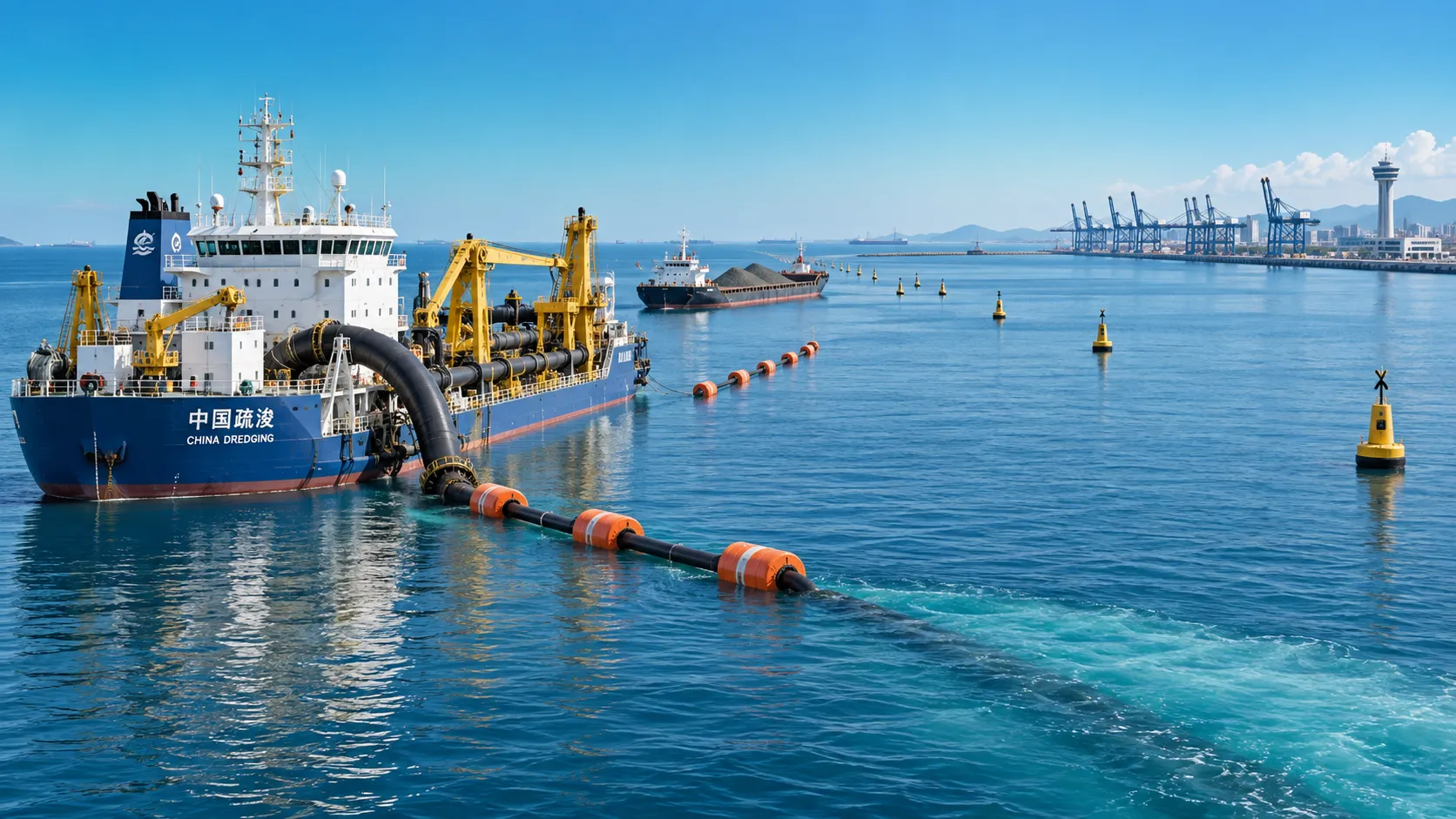
Planning Offshore Dredging Operations: Key Risks, Methods, and Project Controls
Offshore dredging operations demand smart planning. Explore key risks, proven methods, environmental controls, and project strategies for reliable delivery.