
Related News
- 00
0000-00
How to Specify a Quay Crane for Container Terminals by Vessel Size and Throughput? - 00
0000-00
Which Bulk Handling Equipment Suits High-Moisture Cargo? - 00
0000-00
Terminal Automation Technologies That Raise Container Throughput Without Yard Disruption - 00
0000-00
Planning Offshore Dredging Operations: Key Risks, Methods, and Project Controls - 00
0000-00
Where Do Automated Guided Vehicles Deliver the Fastest Warehouse Gains in the Middle East?
Container Terminal Automation Options Compared: AGVs, ASCs, and TOS Integration
Container Terminal Automation Options Compared: AGVs, ASCs, and TOS Integration
For technical evaluations, container terminal automation is rarely a single equipment decision.
It is a system choice that shapes yard flow, labor models, safety controls, and future expansion.
The main comparison usually centers on AGVs, ASCs, and the depth of TOS integration.
Each option solves a different bottleneck.
Each also creates different costs, risks, and operational dependencies.
In real terminals, the winning model is usually the one that fits vessel peaks, yard geometry, and software maturity.
That is why container terminal automation decisions should start with process logic, not vendor brochures.
Why this comparison matters now
Recent terminal upgrades show a clear shift.
Operators no longer ask whether automation is possible.
They ask which automation architecture creates the best return under local constraints.
That change is important for container terminal automation planning.
Quay productivity targets are rising.
At the same time, land is expensive, labor structures are changing, and energy performance is under closer review.
This makes AGV routing, ASC stack design, and TOS connectivity more than technical features.
They become strategic levers.
PS-Nexus tracks this closely across maritime logistics and coastal economics.
The pattern is consistent.
The best container terminal automation projects align equipment behavior with software decision quality.
Without that alignment, even expensive assets underperform.
What AGVs do best
AGVs automate horizontal transport between quay cranes and yard blocks.
They reduce manual driving variability and support predictable traffic behavior.
In container terminal automation, that consistency matters during vessel peaks.
A well-managed AGV fleet can stabilize quay-side supply to the yard.
AGVs are usually strongest when terminals need:
- High repeatability on fixed transport lanes
- Lower interaction between manned and unmanned vehicles
- Electrification or energy optimization goals
- Scalable fleet expansion over time
Still, AGVs are not a universal answer.
Their value depends heavily on path-planning quality, charging strategy, and handoff timing with cranes.
If dispatch logic is weak, vehicle numbers often rise faster than productivity.
That is a common mistake in container terminal automation selection.
Infrastructure readiness also matters.
AGVs perform best in controlled routes with reliable positioning, stable communications, and defined exception handling.
If the terminal has mixed traffic and legacy layouts, adaptation costs can climb quickly.
Where ASCs create the biggest gains
ASCs automate stacking within yard blocks.
For many terminals, this is where container terminal automation produces the clearest land-use benefit.
ASCs improve stack density, slot discipline, and move predictability.
They are especially attractive where yard space is constrained.
In practice, ASCs often outperform alternative yard concepts when the terminal needs:
- High-density storage with reliable inventory accuracy
- Safer separation between equipment and personnel
- Consistent reshuffling logic for import and export blocks
- Better control over truck and AGV interfaces
However, ASC success depends on good yard strategy.
Poor block allocation can create rehandles that cancel density gains.
That is why container terminal automation should evaluate not only crane speed, but also stack rules.
Twin-lift capability, buffer design, and landside appointment patterns all influence results.
There is also an organizational effect.
ASCs force more disciplined exception workflows.
That can improve terminal control, but only if operating teams trust the rules built into the system.
Why TOS integration is the real decision layer
A terminal operating system is not just an IT connector.
In mature container terminal automation, the TOS acts as the operational brain.
It translates vessel plans, yard rules, equipment status, and gate flows into decisions.
Without deep TOS integration, AGVs and ASCs behave like isolated machines.
This is where many projects succeed or fail.
Strong TOS integration supports dynamic dispatching, equipment orchestration, and exception recovery.
It also supports visibility across quay, yard, and gate.
For container terminal automation, that visibility is often more valuable than isolated equipment speed.
A useful evaluation checklist includes:
- Real-time data exchange latency
- Dispatch rule configurability
- Exception handling across subsystems
- Cybersecurity and network resilience
- Integration with maintenance and energy systems
From a practical view, TOS integration usually determines how future-proof the terminal becomes.
New vehicles, new cranes, and new control modules are easier to add when interfaces are stable and well governed.
AGVs, ASCs, and TOS integration side by side
This side-by-side view shows a simple truth.
Container terminal automation is not a contest between machines.
It is a question of where the terminal needs control most.
How to choose the right automation path
A useful selection process starts with bottlenecks.
If quay cranes wait for transport, evaluate AGVs first.
If yard space and stack discipline limit growth, ASCs may offer the larger gain.
If systems are fragmented, TOS integration should lead the roadmap.
In actual procurement, it helps to score container terminal automation options against five factors:
- Throughput impact during peak vessel windows
- Yard density improvement and rehandle risk
- Integration effort with existing controls
- Energy, maintenance, and lifecycle cost
- Scalability for future equipment and traffic growth
Phased deployment is often the most practical route.
Many terminals begin with TOS upgrades, then automate yard blocks, then expand to AGV fleets.
That sequence lowers integration shock and exposes data issues early.
It also improves confidence before larger capital commitments.
Common risks that deserve early attention
Several risks appear repeatedly in container terminal automation projects.
- Overestimating benefits while underestimating process redesign
- Choosing equipment before defining operating logic
- Treating exception management as a secondary issue
- Ignoring network resilience and cybersecurity needs
- Using weak test scenarios during commissioning
These issues are manageable, but only when identified early.
A realistic simulation model, clean interface ownership, and staged acceptance testing can prevent expensive resets later.
This is where intelligence-led evaluation becomes valuable.
PS-Nexus highlights these patterns because they shape long-cycle port investments more than marketing claims do.
Final decision guide
The strongest container terminal automation strategy usually combines equipment automation with software discipline.
AGVs improve horizontal flow.
ASCs improve yard density and control.
TOS integration turns separate improvements into terminal-wide performance.
If one lesson stands out, it is this.
Choose the automation path that best matches your operational bottleneck, data maturity, and expansion horizon.
That approach produces better throughput, safer operations, and more durable returns.
For teams building a long-term roadmap, container terminal automation works best when the terminal thinks like a system, not a collection of machines.
Related News
Smart Port Systems in Southeast Asia: Investment Priorities and Adoption Barriers
Smart port systems Southeast Asia: discover investment priorities, adoption barriers, and practical steps to build resilient, connected, high-performing terminals.
How to Evaluate Terminal Efficiency Solution Suppliers for High-Throughput Operations
Choose a terminal efficiency solutions supplier with confidence. Explore proven criteria for throughput, integration, lifecycle cost, safety, and reliable delivery.
How to Specify a Quay Crane for Container Terminals by Vessel Size and Throughput?
Quay crane for container terminals: learn how to match outreach, lift height, capacity, automation, and cycle performance to vessel size and throughput goals.
What Dredging Equipment Is Needed for Channel Deepening?
What dredging equipment is needed for channel deepening? Explore dredgers, pipelines, survey tools, and planning strategies for safer, more efficient port access.
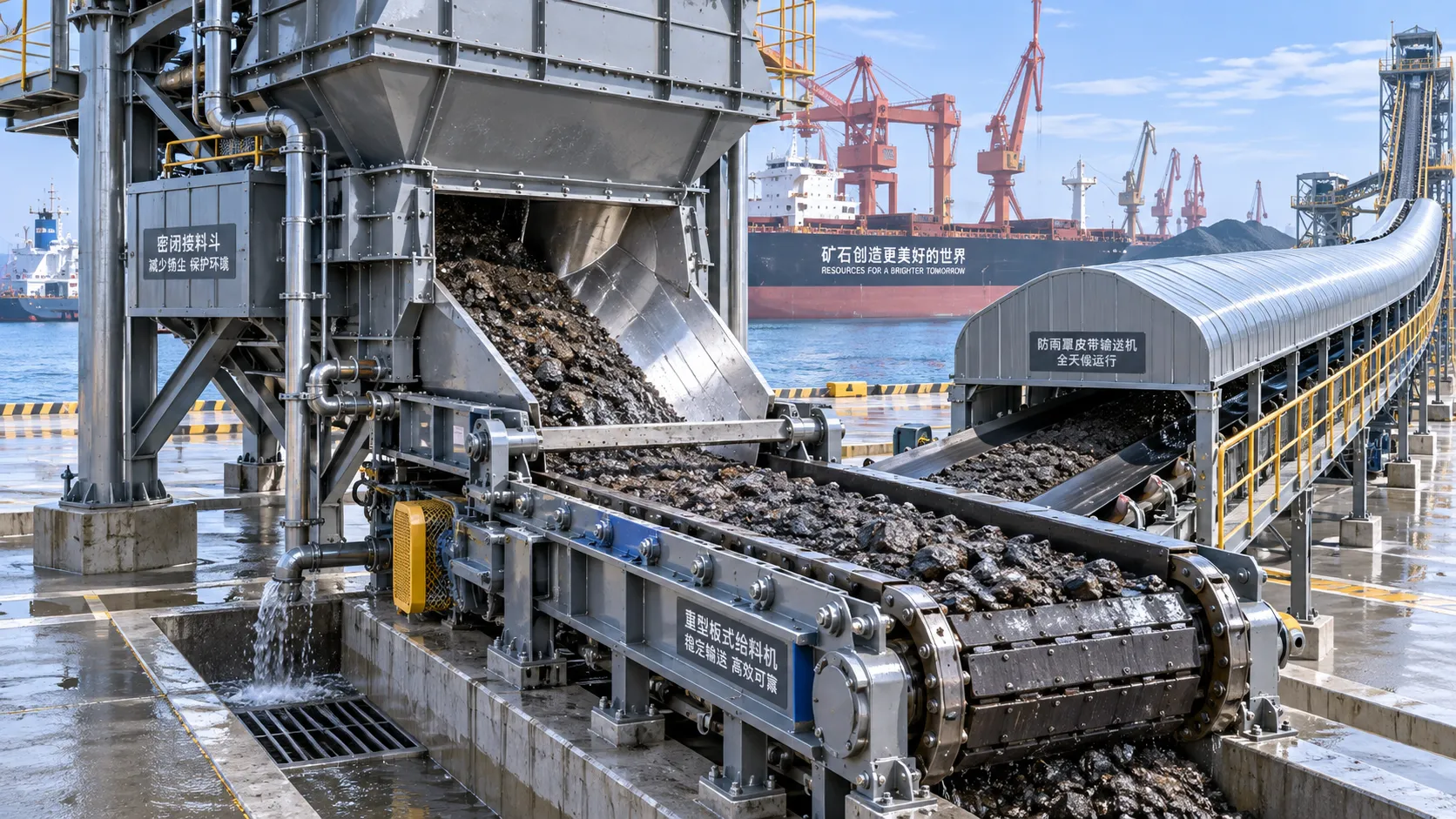
Which Bulk Handling Equipment Suits High-Moisture Cargo?
Which bulk handling equipment suits high-moisture cargo? Compare belt, apron, screw, drag, and slurry systems for reliable flow, less carryback, and higher terminal uptime.
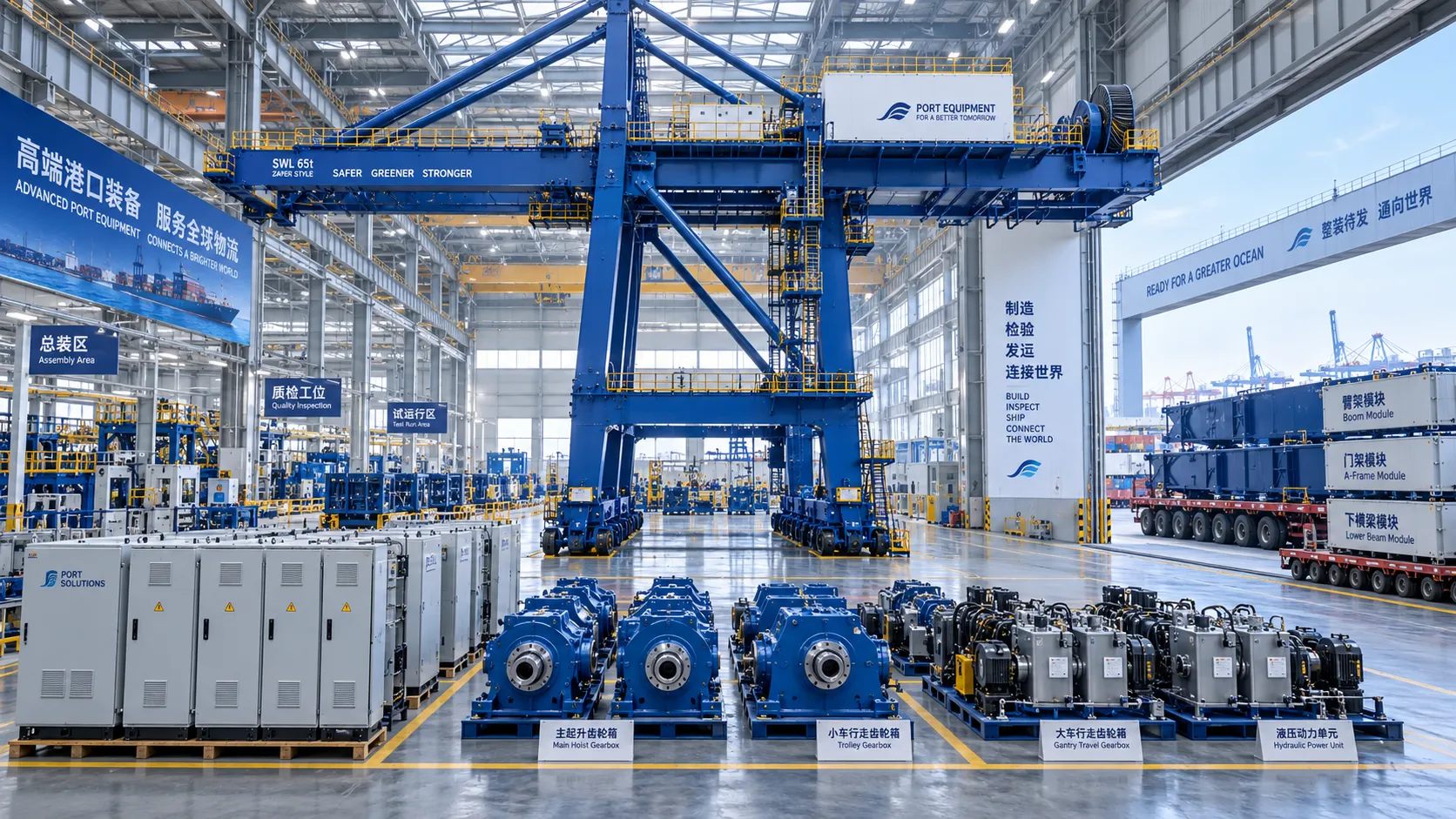
How Can Port Equipment Lead-Time Risk Be Managed?
How can port equipment lead-time risk be managed? Explore practical strategies to control critical paths, suppliers, transport, site readiness, and commissioning delays.
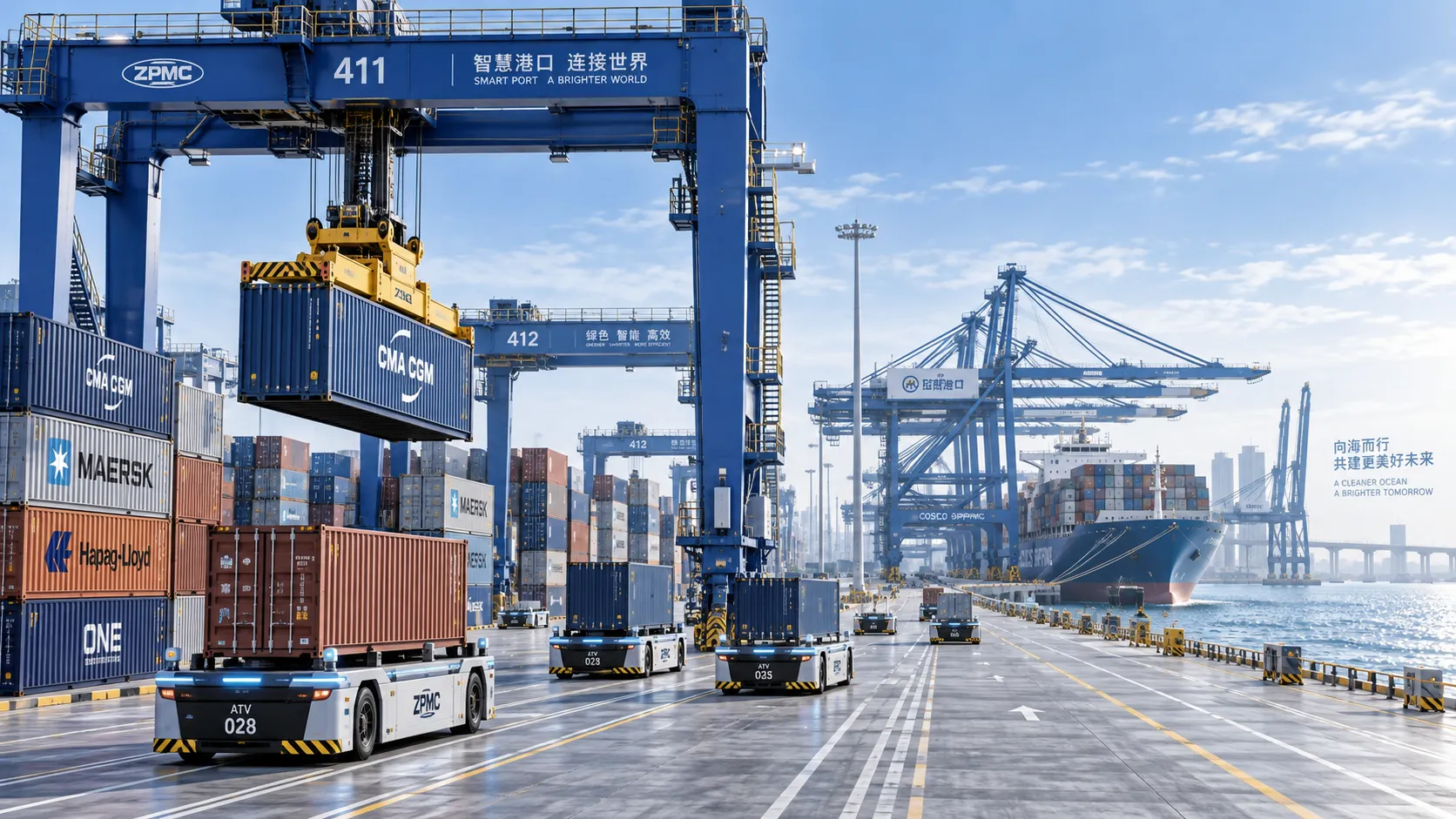
Terminal Automation Technologies That Raise Container Throughput Without Yard Disruption
Terminal automation technology that increases container throughput without disrupting yard flow. Explore smarter integration, resilient workflows, and phased deployment strategies.
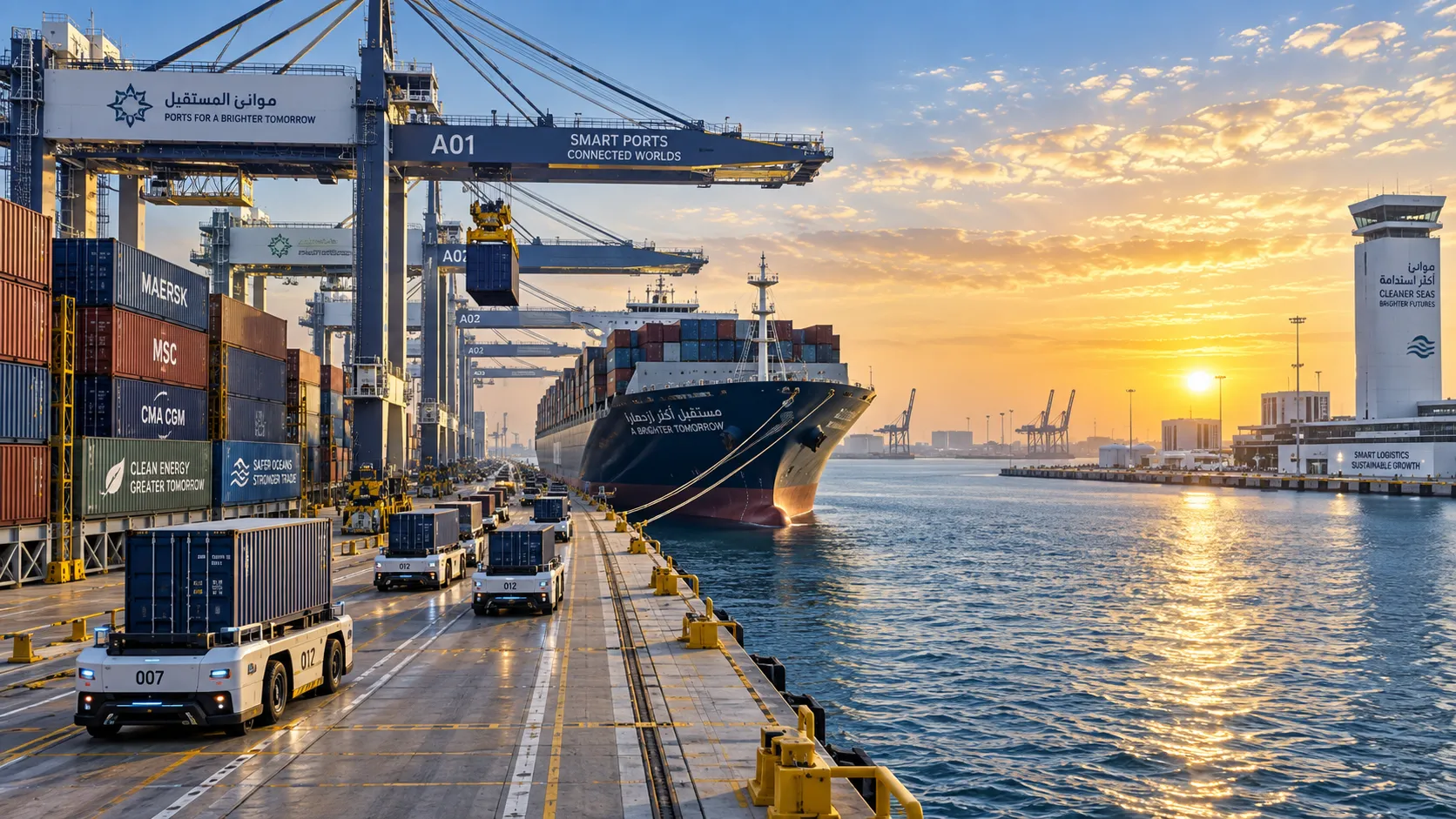
Middle East Port Automation: Key Market Drivers, Projects, and Investment Risks
Port automation systems Middle East: explore market drivers, flagship projects, integration challenges, and investment risks shaping smarter, resilient terminals.
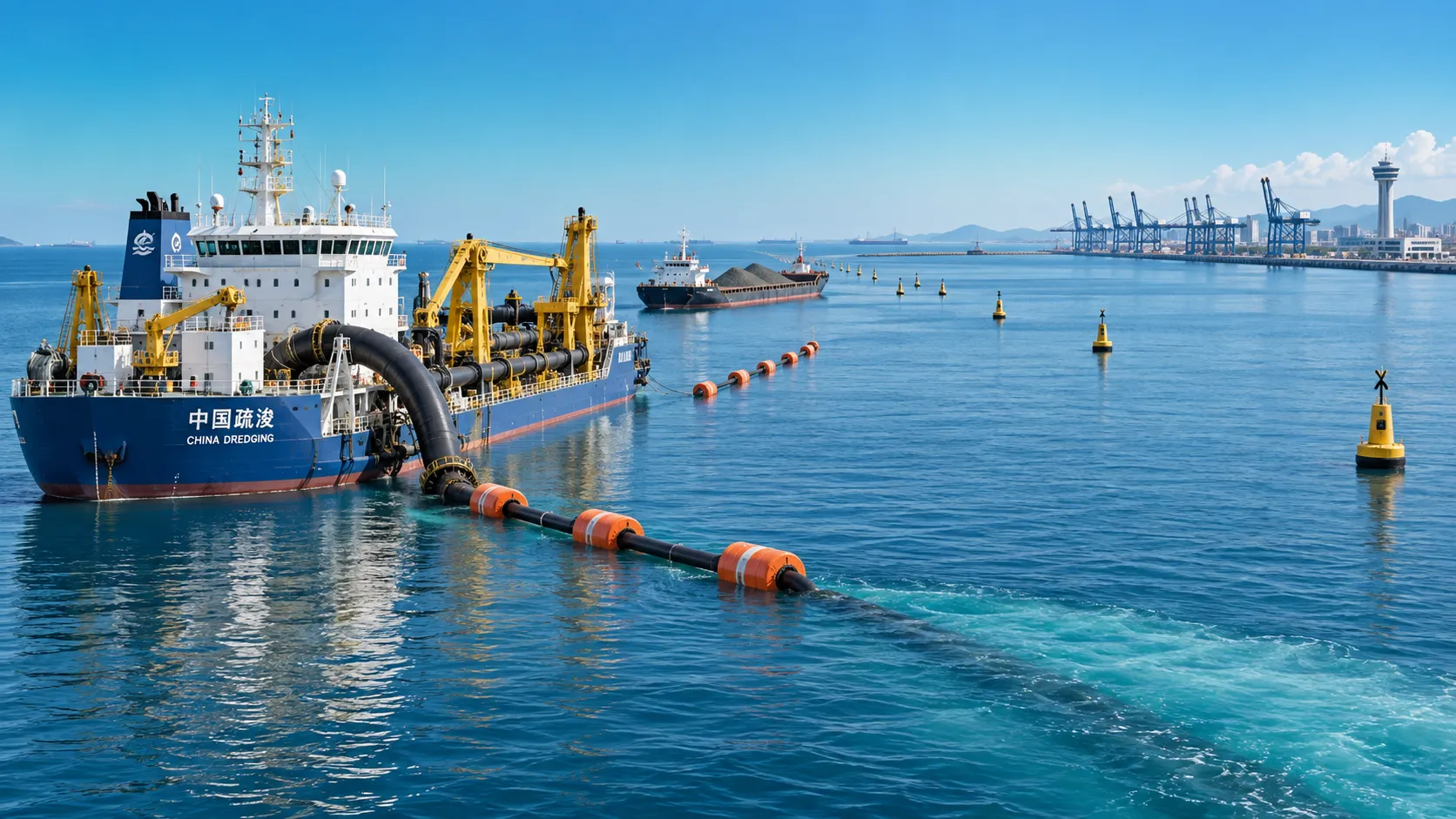
Planning Offshore Dredging Operations: Key Risks, Methods, and Project Controls
Offshore dredging operations demand smart planning. Explore key risks, proven methods, environmental controls, and project strategies for reliable delivery.