Related News
- 00
0000-00
How to Specify a Quay Crane for Container Terminals by Vessel Size and Throughput? - 00
0000-00
Which Bulk Handling Equipment Suits High-Moisture Cargo? - 00
0000-00
Terminal Automation Technologies That Raise Container Throughput Without Yard Disruption - 00
0000-00
Planning Offshore Dredging Operations: Key Risks, Methods, and Project Controls - 00
0000-00
Where Do Automated Guided Vehicles Deliver the Fastest Warehouse Gains in the Middle East?
What Is Terminal Automation Technology and Which Port Tasks Can It Automate?
What does terminal automation technology actually mean in a port setting?
Terminal automation technology is the combination of machines, software, sensors, and control logic that helps a port move cargo with less manual intervention.
In simple terms, it connects physical equipment with digital decision-making. Cranes, trucks, gates, yard systems, and control rooms start working as one coordinated network.
That matters because modern terminals face tighter vessel windows, denser yards, labor pressure, and stronger demands for predictable turnaround times.
A useful way to understand terminal automation technology is to see it as the port’s operating nervous system, not just a collection of smart machines.
This is also why industry platforms such as PS-Nexus track it closely. The real story is not only automation hardware, but how scheduling logic, remote control, and trade intelligence work together.
When people search this topic, they are usually asking a practical question: which terminal tasks can realistically be automated, and where does automation still need human judgment?
Which port tasks can terminal automation technology automate today?
The short answer is: quite a lot, but not everything at the same depth.
Terminal automation technology is already used across container terminals, bulk terminals, and mixed cargo sites, though container operations are usually the most mature.
The most common automated tasks include:
- Quay crane remote operation for container loading and unloading.
- Automated guided vehicle movement between quay and yard.
- Automated stacking crane positioning, lifting, and slot allocation.
- Gate lane processing with OCR, RFID, and license plate recognition.
- Container inventory updates and yard location tracking.
- Job sequencing, dispatching, and berth-side workflow optimization.
In bulk handling, automation often appears in conveyor routing, stacker-reclaimer coordination, stockpile monitoring, and dust or energy control.
Some ports also apply terminal automation technology to dredging-linked support tasks, such as draft data integration, equipment condition monitoring, and maintenance planning.
What is less common is full automation of irregular work. Exception handling, weather disruptions, damaged cargo cases, and cross-terminal conflicts still depend heavily on experienced operators.
A quick task-by-task view
The table below helps separate tasks that are usually easy to automate from those that remain more conditional.
Is terminal automation technology only for fully unmanned container terminals?
Not at all. That is one of the most common misunderstandings.
Terminal automation technology is not a single end-state. It is a spectrum, and many ports adopt it in layers.
A terminal might automate gate processing first, then add yard optimization, then move to remote-controlled cranes years later.
This phased model is often more realistic than aiming for a fully unmanned terminal from day one.
In practice, the best candidates are operations with repetitive motions, stable routes, clear safety boundaries, and high data visibility.
That is why specialized container handling usually advances faster than breakbulk or irregular project cargo handling.
PS-Nexus often frames this issue through system integration. Mega terminal gear, control systems, and commercial demand must align before higher automation levels make sense.
So the better question is not whether a port can become fully automated. It is which functions deliver measurable value when automated first.
How do ports decide whether automation is worth it?
Ports usually evaluate terminal automation technology through throughput pressure, land constraints, labor exposure, safety targets, and long-term network strategy.
If a terminal has unstable vessel calls but abundant yard space, automation may not be the first priority.
If the terminal is dense, expensive to expand, and expected to handle more boxes with tighter windows, the case becomes stronger.
A good evaluation usually includes more than headline productivity. It should also look at consistency, incident reduction, energy use, and dispatch accuracy.
The checklist below is often more useful than broad promises.
- Are equipment cycles repetitive enough for reliable automation logic?
- Is the terminal operating system mature and data-rich?
- Can communications support low-latency remote decisions?
- Do existing cranes, vehicles, and sensors integrate cleanly?
- Is there a plan for exception handling, not only normal flow?
- Will the automation roadmap still fit cargo demand in five to ten years?
This longer view is especially important in port infrastructure, where investment cycles are slow and system replacement is disruptive.
What are the main risks, costs, and implementation realities?
Terminal automation technology can improve flow, but it is not a plug-and-play upgrade.
The hardest part is often not buying equipment. It is aligning software logic, site layout, communications, maintenance practice, and operational discipline.
A frequent mistake is assuming the automation layer will fix weak process design. It usually exposes weak process design much faster.
Costs also arrive in several forms:
- Capital spending on cranes, vehicles, sensors, and network infrastructure.
- Integration costs across TOS, ERP, safety systems, and maintenance tools.
- Testing time before stable production performance is reached.
- Training for remote operations, control-room workflows, and data governance.
Implementation timelines vary widely. A gate automation project may move relatively quickly, while yard and quay integration can take much longer.
Another overlooked issue is maintainability. If spare parts, software support, and cyber resilience are weak, automation performance can degrade faster than expected.
For that reason, many analysts follow not only deployment announcements, but also post-launch stability, energy performance, and dispatch efficiency.
A realistic implementation lens
What should you watch next if you are researching terminal automation technology?
A useful next step is to watch how terminal automation technology connects with bigger maritime shifts, not just individual machine upgrades.
Three signals stand out.
First, follow the relationship between automation and network resilience. Ports are under pressure to reduce disruption, not only raise peak productivity.
Second, pay attention to energy and emissions. Smarter dispatching, lower idle time, and electrified terminal gear support broader net-zero goals.
Third, look at data quality. Better algorithms help only when equipment status, yard inventory, and job priorities are accurate in real time.
This is where a research-oriented source like PS-Nexus becomes relevant. Its value lies in linking heavy equipment, control architecture, dredging context, and trade intelligence into one operational picture.
If you want to judge terminal automation technology well, compare ports by task automation depth, integration maturity, and operational stability after deployment.
That approach gives a clearer view than asking whether a terminal is simply “automated” or “not automated.”
To move forward, map the cargo flow, identify repetitive bottlenecks, verify data readiness, and then compare which tasks are the strongest candidates for phased automation.
That is usually the most practical way to turn a broad concept into a reliable evaluation standard.
Related News
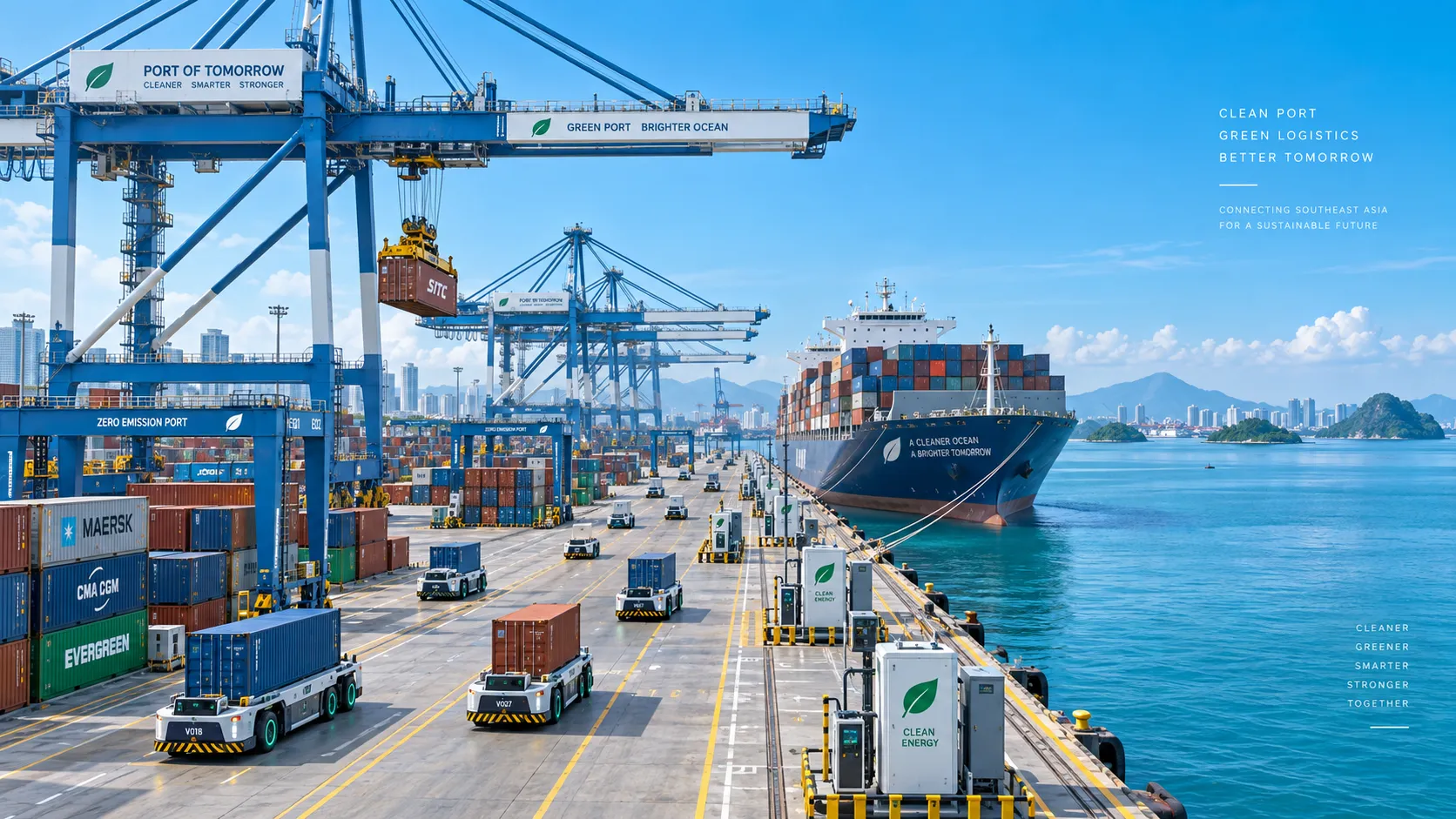
Smart Port Systems in Southeast Asia: Investment Priorities and Adoption Barriers
Smart port systems Southeast Asia: discover investment priorities, adoption barriers, and practical steps to build resilient, connected, high-performing terminals.
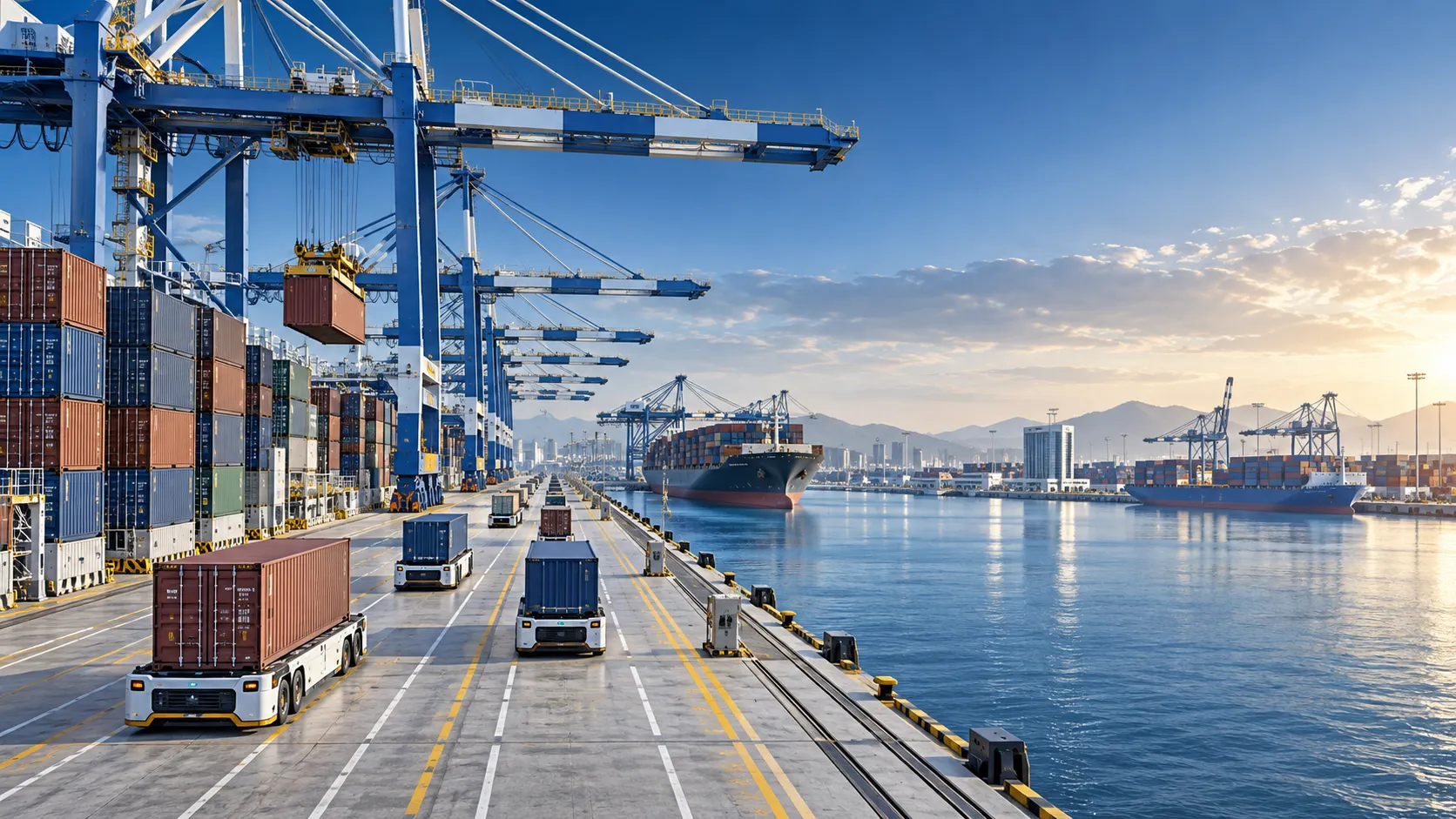
How to Evaluate Terminal Efficiency Solution Suppliers for High-Throughput Operations
Choose a terminal efficiency solutions supplier with confidence. Explore proven criteria for throughput, integration, lifecycle cost, safety, and reliable delivery.
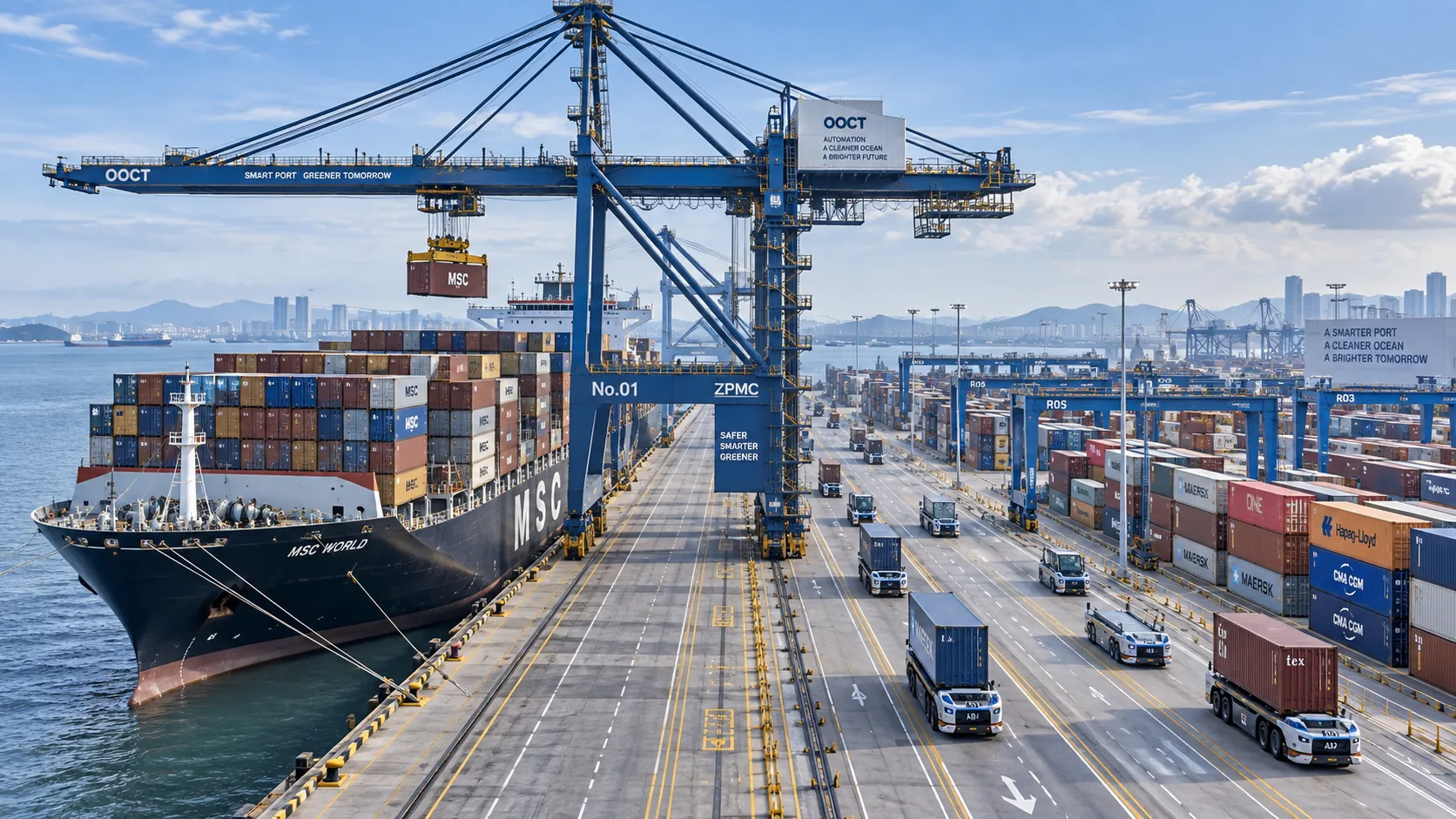
How to Specify a Quay Crane for Container Terminals by Vessel Size and Throughput?
Quay crane for container terminals: learn how to match outreach, lift height, capacity, automation, and cycle performance to vessel size and throughput goals.
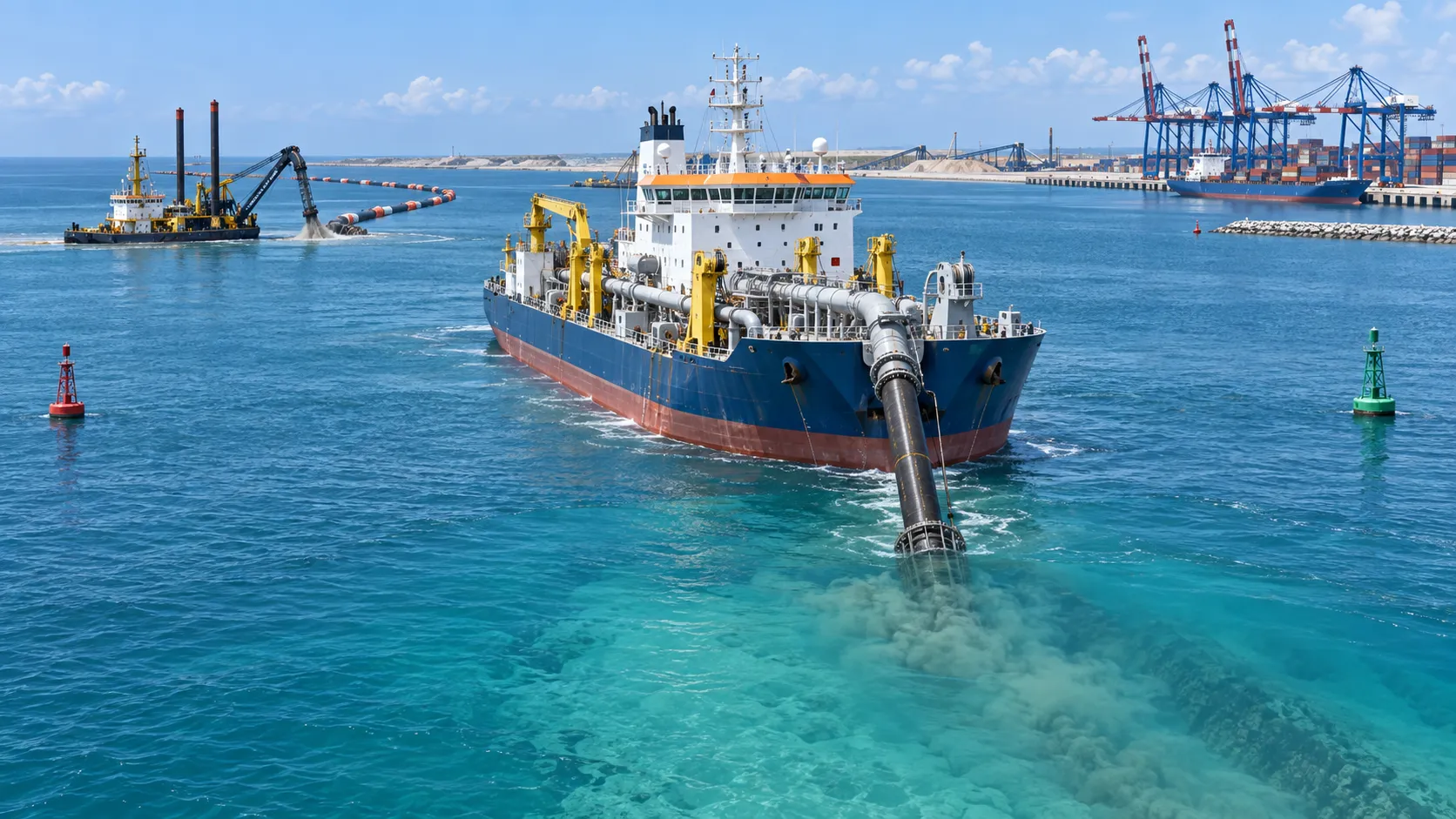
What Dredging Equipment Is Needed for Channel Deepening?
What dredging equipment is needed for channel deepening? Explore dredgers, pipelines, survey tools, and planning strategies for safer, more efficient port access.
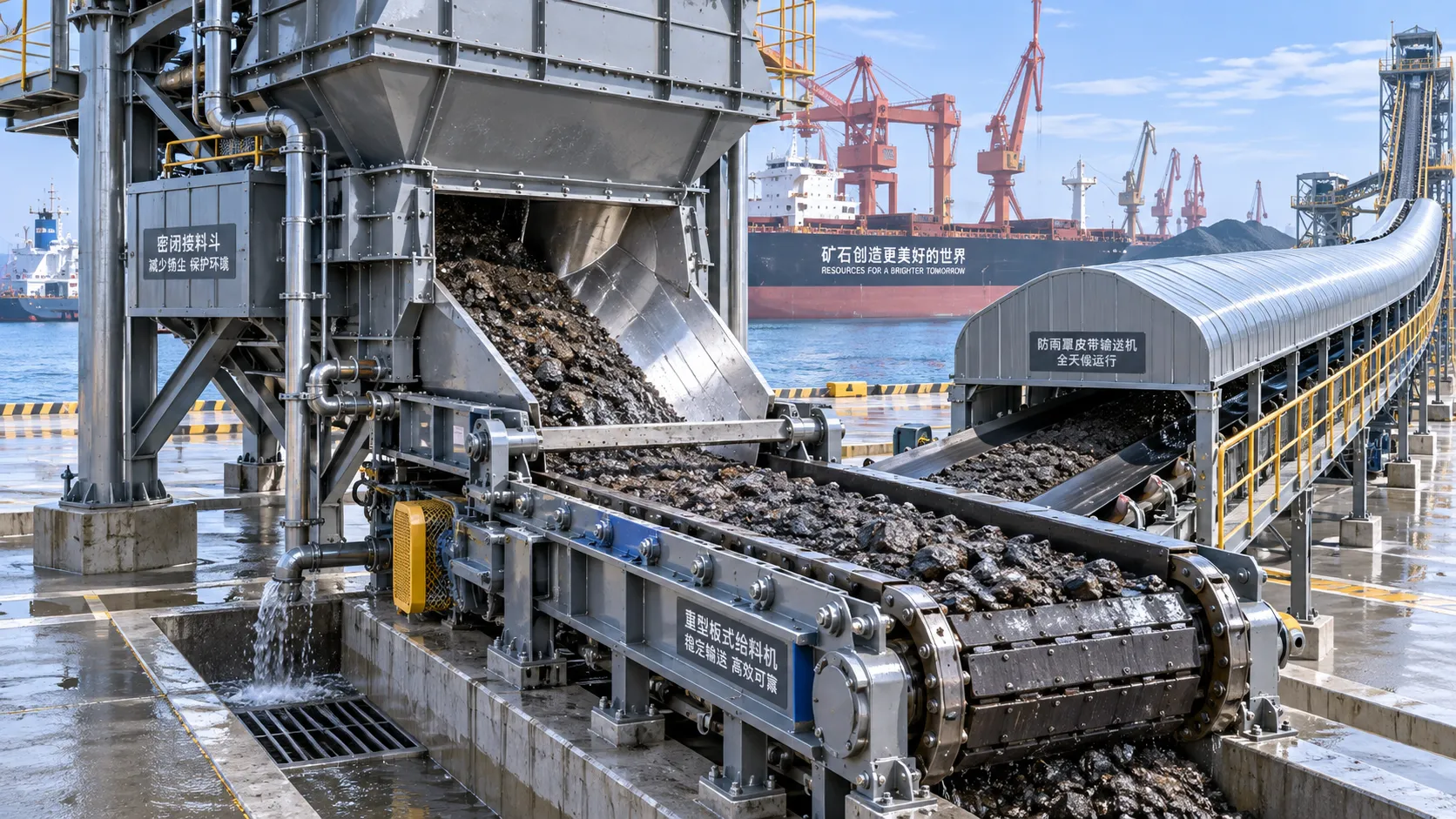
Which Bulk Handling Equipment Suits High-Moisture Cargo?
Which bulk handling equipment suits high-moisture cargo? Compare belt, apron, screw, drag, and slurry systems for reliable flow, less carryback, and higher terminal uptime.
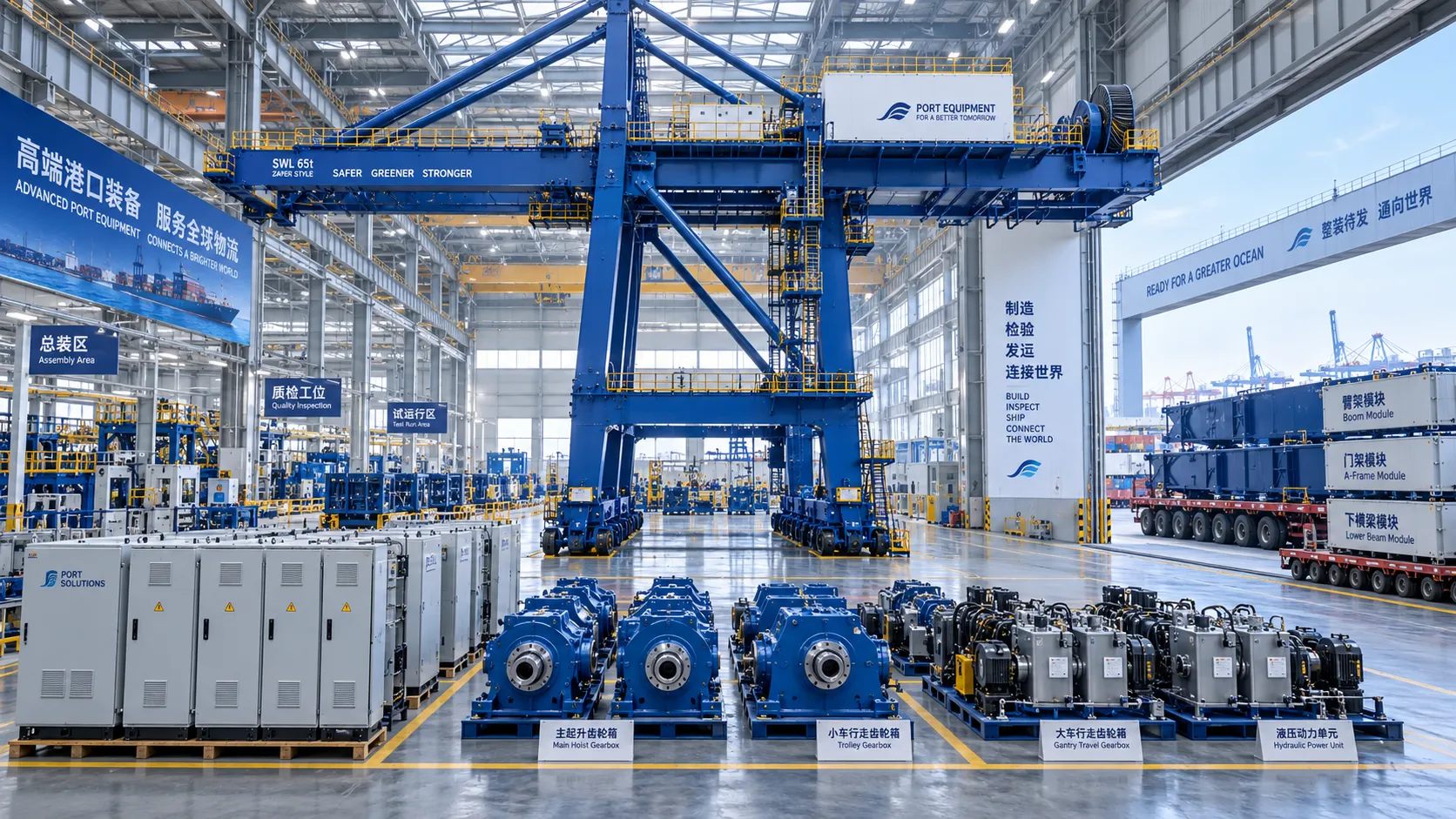
How Can Port Equipment Lead-Time Risk Be Managed?
How can port equipment lead-time risk be managed? Explore practical strategies to control critical paths, suppliers, transport, site readiness, and commissioning delays.
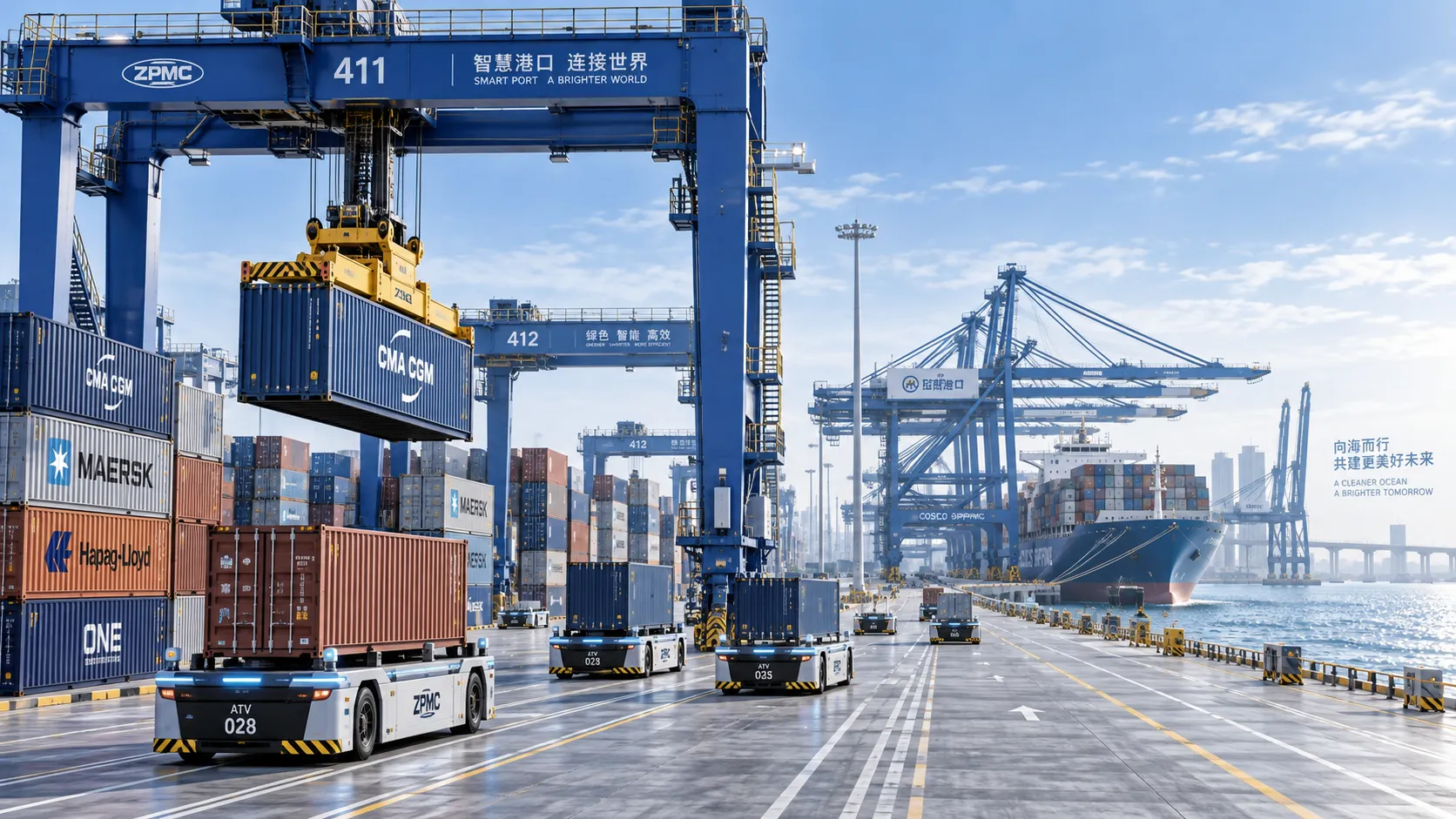
Terminal Automation Technologies That Raise Container Throughput Without Yard Disruption
Terminal automation technology that increases container throughput without disrupting yard flow. Explore smarter integration, resilient workflows, and phased deployment strategies.
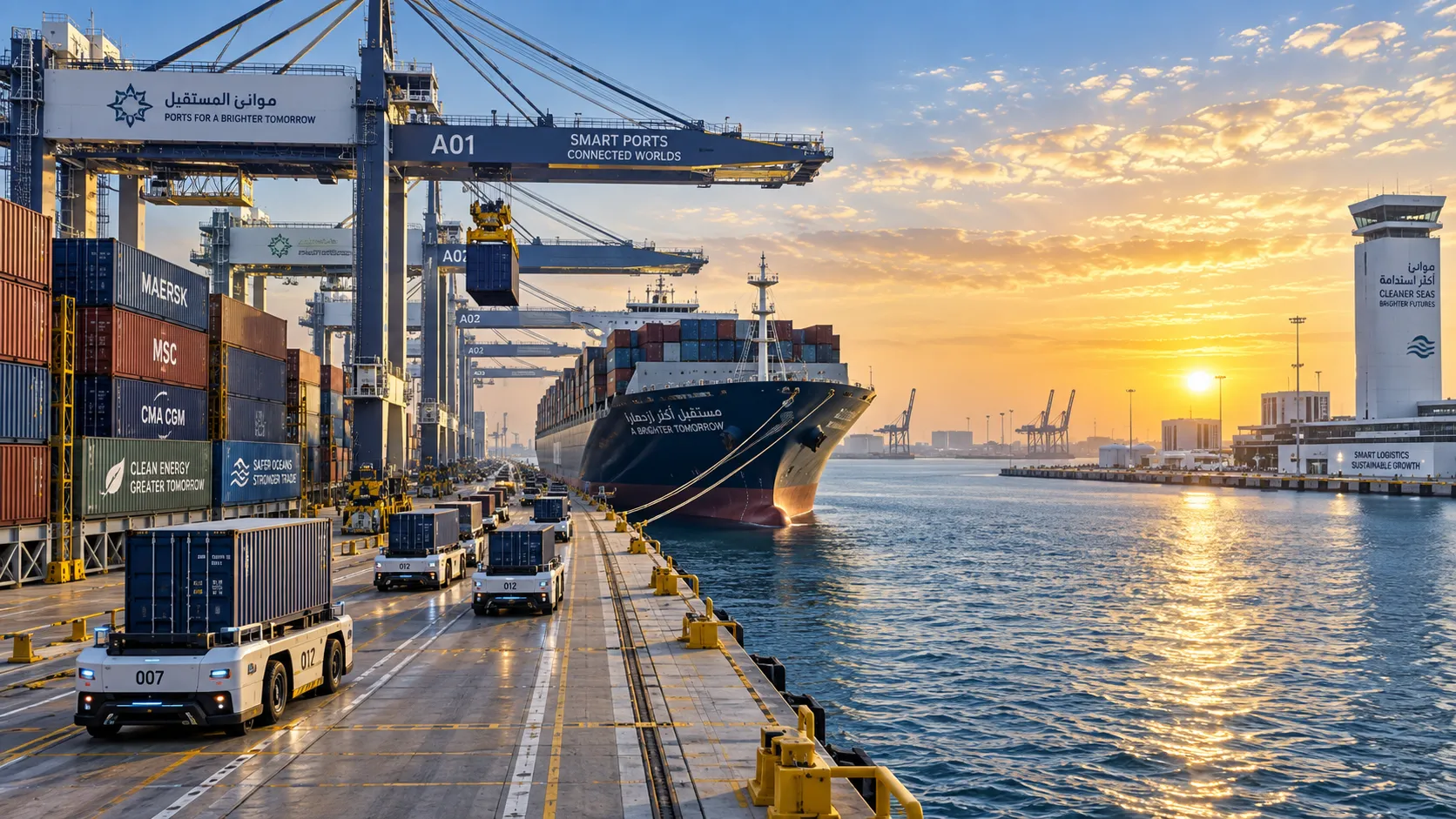
Middle East Port Automation: Key Market Drivers, Projects, and Investment Risks
Port automation systems Middle East: explore market drivers, flagship projects, integration challenges, and investment risks shaping smarter, resilient terminals.
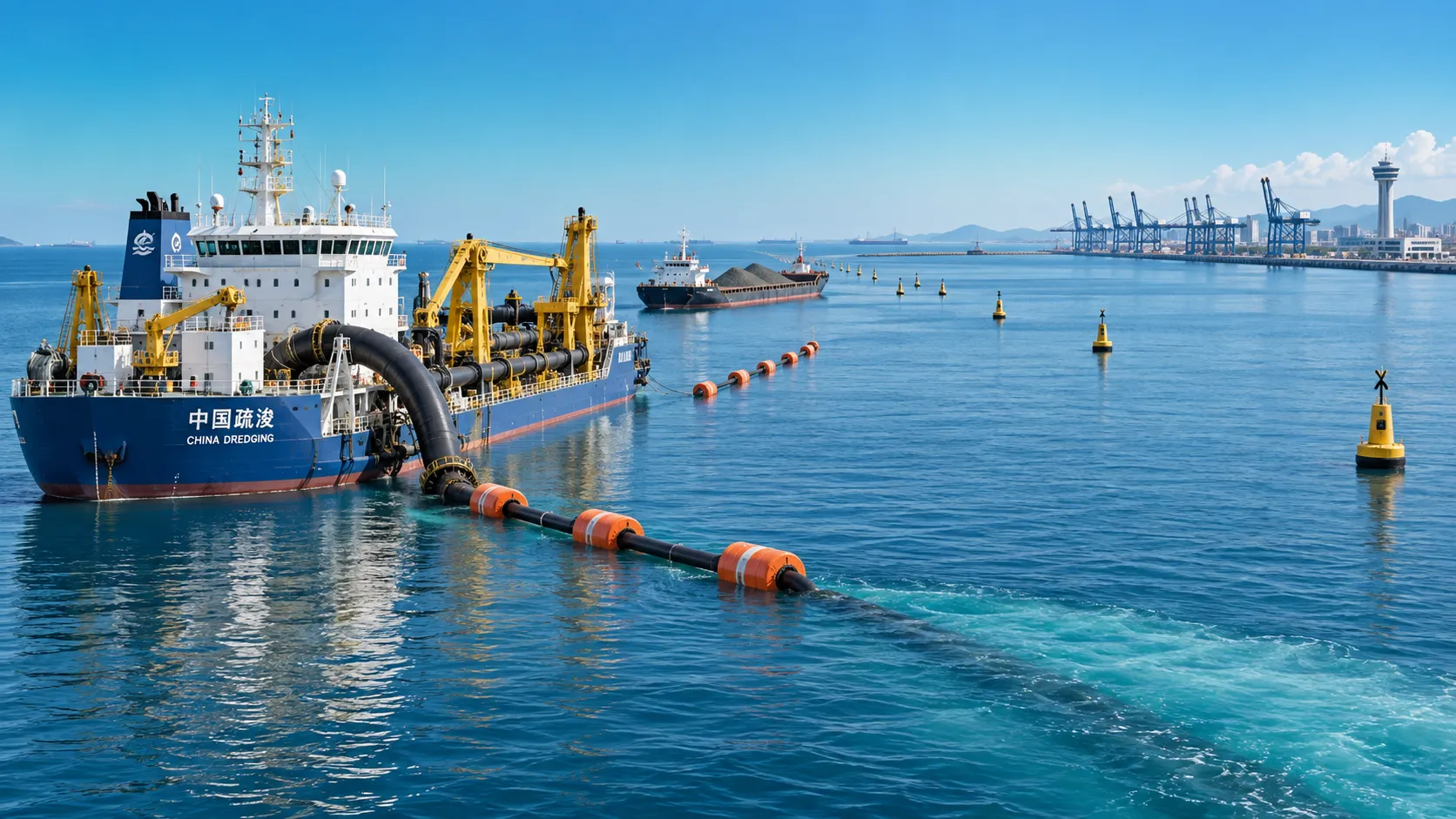
Planning Offshore Dredging Operations: Key Risks, Methods, and Project Controls
Offshore dredging operations demand smart planning. Explore key risks, proven methods, environmental controls, and project strategies for reliable delivery.