Related News
- 00
0000-00
How to Specify a Quay Crane for Container Terminals by Vessel Size and Throughput? - 00
0000-00
Which Bulk Handling Equipment Suits High-Moisture Cargo? - 00
0000-00
Terminal Automation Technologies That Raise Container Throughput Without Yard Disruption - 00
0000-00
Planning Offshore Dredging Operations: Key Risks, Methods, and Project Controls - 00
0000-00
Where Do Automated Guided Vehicles Deliver the Fastest Warehouse Gains in the Middle East?
Marine Geotechnic Basics: What Soil Data Matters Before Offshore Foundation Design?
Before an offshore foundation takes shape on drawings or enters procurement, the first real design boundary sits below the waterline. Marine geotechnic data determines whether a jacket leg will seat safely, whether a monopile can be driven efficiently, and whether a quay extension or dredging-supported structure will perform over decades rather than seasons.
That is why early seabed intelligence matters far beyond geotechnical paperwork. In port expansion, offshore energy, coastal logistics, and dredging-linked infrastructure, the quality of marine geotechnic investigation directly affects schedule confidence, construction method, lifecycle cost, and operational resilience.
Within the wider maritime economy observed by PS-Nexus, this topic connects structural engineering with equipment strategy, automation planning, and blue-economy investment timing. Soil data is not an isolated technical appendix. It is a decision input that shapes how marine assets are built, installed, monitored, and maintained.
What marine geotechnic data really means in foundation planning
In practical terms, marine geotechnic work translates the seabed into design behavior. It identifies what lies beneath the mudline, how layers change with depth, and how those layers respond to loading, cyclic action, installation energy, and erosion.
Offshore foundations rarely fail because one number is missing. Problems emerge when the soil profile is oversimplified, variability is underestimated, or data from investigation, lab testing, and design interpretation do not align.
A useful marine geotechnic dataset therefore combines stratigraphy, strength, stiffness, drainage behavior, density, and environmental interaction. The goal is not only to classify soil, but to predict performance during installation and service.
The soil parameters that influence decisions most
Some parameters consistently carry more design value than others. They affect bearing capacity, settlement, lateral resistance, drivability, and sensitivity to scour or cyclic degradation.
Stratigraphy and layer continuity
A clear stratigraphic model is the starting point. Designers need to know where soft clay ends, where dense sand begins, whether silt seams interrupt stronger layers, and how continuous those layers remain across the site.
Even modest lateral variation can change pile penetration, spudcan response, or differential settlement. In reclaimed port zones or dredged approaches, disturbed layering deserves particular attention.
Undrained shear strength and effective strength
For clays, undrained shear strength is central to short-term capacity and installation response. For sands and mixed soils, effective stress parameters such as friction angle govern drained behavior and long-term stability.
The marine geotechnic challenge is knowing which strength framework controls each design stage. A pile driven rapidly may mobilize different behavior than the same foundation under long-term operating load.
Stiffness and compressibility
Capacity answers only part of the question. Settlement, rotation, and serviceability depend on stiffness and compressibility. These properties influence crane rail tolerances, deck level control, and fatigue-sensitive support structures.
In heavy terminal infrastructure, small deformations can produce operational consequences long before ultimate failure becomes relevant.
Relative density, cone resistance, and penetration behavior
Cone penetration test results often provide the most continuous picture of subsurface change. Cone resistance, sleeve friction, and pore pressure response help interpret density, layering, and weak interbeds.
These readings are especially valuable where pile drivability, jack-up stability, or dredging interface behavior must be assessed with higher spatial confidence.
Permeability and consolidation characteristics
Permeability affects drainage, excess pore pressure dissipation, and post-installation settlement. Consolidation properties matter where embankments, breakwater toes, reclaimed ground, or gravity foundations transfer load into compressible deposits.
In marine geotechnic reviews, these values often separate a manageable settlement profile from one that drives redesign or staged construction.
Why the industry is watching seabed data more closely
Offshore and coastal projects are becoming heavier, deeper, and more schedule-sensitive. Larger cranes, automated terminals, offshore wind arrays, and dredging-supported expansions all compress the tolerance for subsurface surprises.
At the same time, investment decisions now weigh carbon impact, maintenance exposure, and digital traceability. Better marine geotechnic data supports leaner foundation quantities, fewer installation delays, and more defensible risk allocation.
This is where intelligence-led platforms such as PS-Nexus add context. Foundation choices do not stand alone. They interact with port equipment loads, dredging sequences, automation layouts, and long-cycle trade infrastructure planning.
Where wrong or incomplete data causes the most trouble
Poor marine geotechnic definition usually appears later as a construction or performance problem. The cost is rarely limited to extra testing.
- Underestimated soft layers can trigger excessive settlement or unacceptable tilt.
- Unrecognized dense horizons can raise pile refusal risk and extend vessel time.
- Weak seams may reduce lateral resistance under wave, berthing, or cyclic machinery loads.
- Poor scour assessment can expose foundations that were safe in initial embedment conditions.
- Inadequate characterization of reclaimed or dredged zones can distort bearing and settlement forecasts.
Simple classification terms such as sand, clay, or silt are not enough. The engineering response of each layer matters more than the label.
Typical offshore and port-related use cases
Different assets use marine geotechnic data in different ways. The following comparison is often helpful during early screening.
Across these cases, marine geotechnic interpretation should reflect how the asset will be installed, loaded, and maintained, not only how the soil sample looked in isolation.
How to read marine geotechnic results with more confidence
A strong review process checks consistency between field data, laboratory results, and the final ground model. Numbers that look precise can still be misleading if the investigation spacing is too wide or sample quality is poor.
Several questions usually sharpen evaluation quality.
- Does the investigation depth fully cover stress influence and potential failure zones?
- Are weak layers mapped laterally or inferred from isolated points?
- Do laboratory strengths match in-situ trends from CPT, vane, or pressuremeter data?
- Has scour, seabed mobility, or dredging disturbance altered the design profile?
- Are installation assumptions realistic for the actual soil resistance encountered?
These checks matter because offshore foundation design depends on interpreted behavior, not raw data alone. Good marine geotechnic practice reduces uncertainty by making assumptions visible and testable.
The link between seabed clarity and wider project performance
Marine geotechnic quality influences more than foundation dimensions. It affects vessel campaigns, equipment selection, dredging coordination, digital monitoring needs, and claims exposure during construction.
For port and coastal assets, this link is especially important. A terminal crane beam, automated yard block, or berth deepening package depends on ground behavior that remains stable under repeated operational loading.
Seen through the PS-Nexus lens, seabed intelligence supports broader infrastructure logic. It helps align structural reliability with logistics throughput, asset uptime, and long-term coastal development efficiency.
A practical next step before design hardens
The most useful next move is not always more data, but better-targeted data. Review the planned foundation type, installation method, loading regime, and scour environment together, then test whether the current marine geotechnic scope answers those exact needs.
Where uncertainty remains high, refine the ground model before design freezes. Compare investigation density against risk hotspots, especially near reclaimed zones, dredged corridors, and heavily loaded support locations.
Reliable offshore design begins when soil data stops being a background appendix and becomes a core decision framework. That shift is often what separates a technically acceptable concept from a buildable, durable, and commercially resilient marine project.
Related News
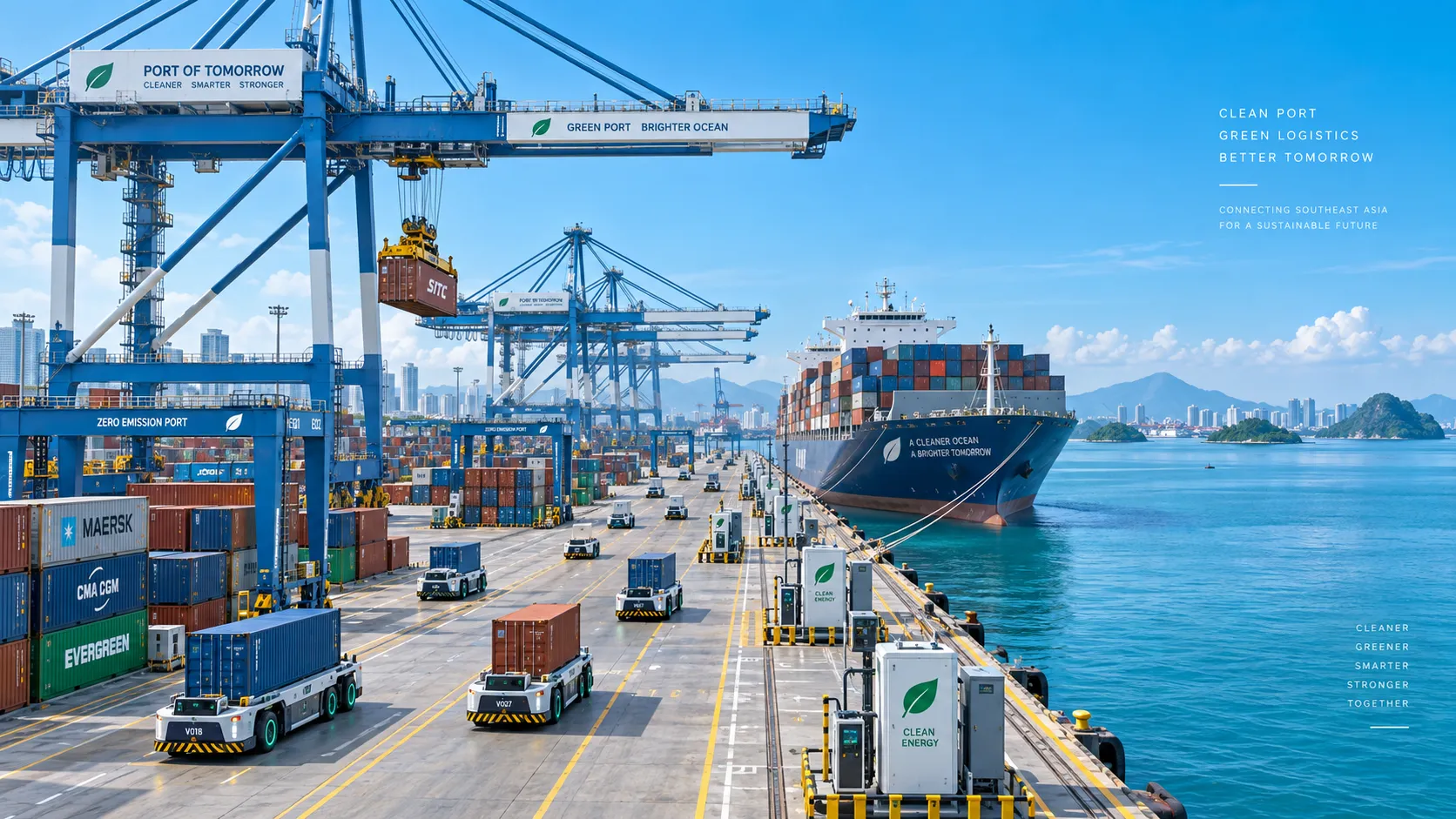
Smart Port Systems in Southeast Asia: Investment Priorities and Adoption Barriers
Smart port systems Southeast Asia: discover investment priorities, adoption barriers, and practical steps to build resilient, connected, high-performing terminals.
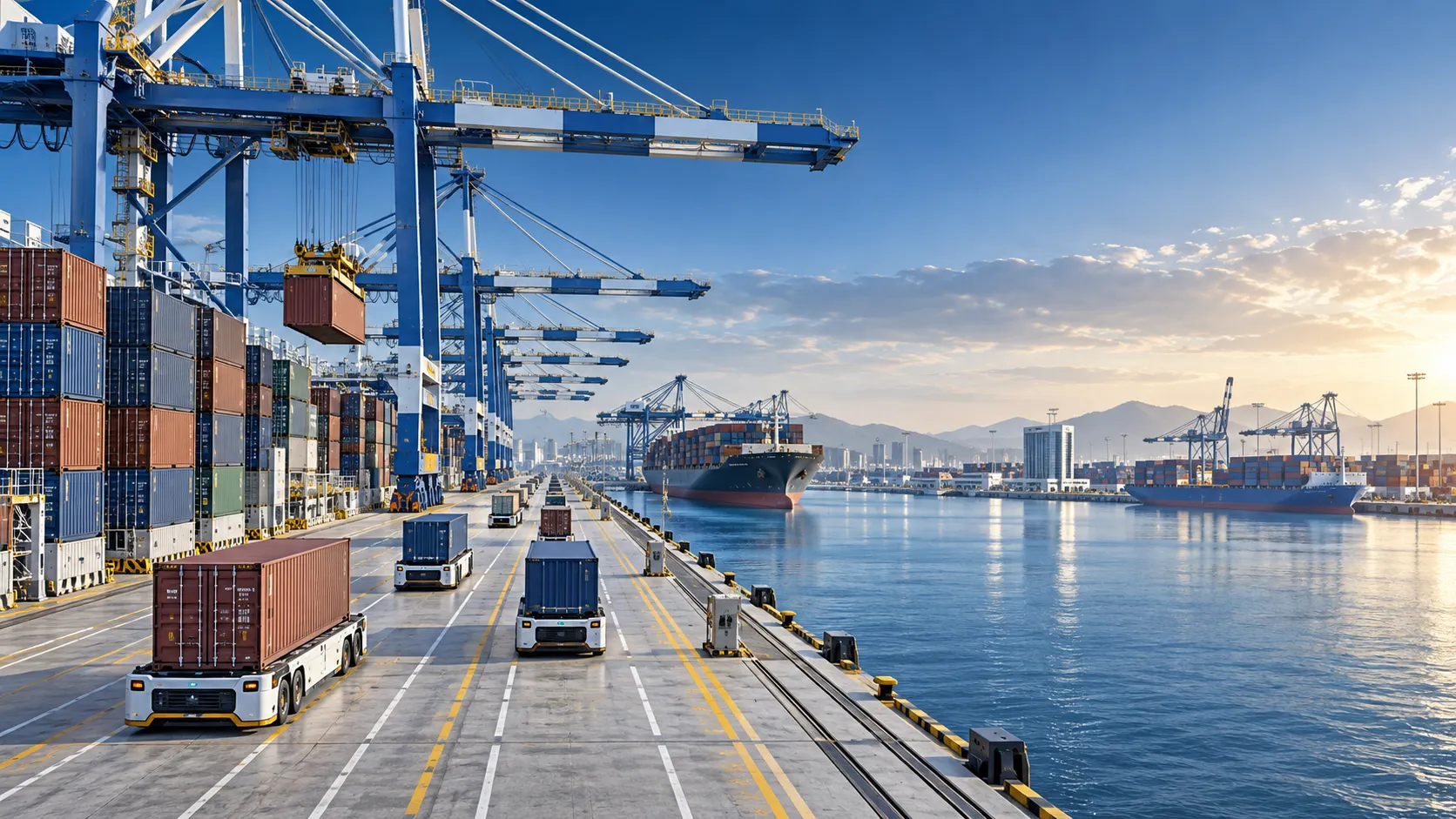
How to Evaluate Terminal Efficiency Solution Suppliers for High-Throughput Operations
Choose a terminal efficiency solutions supplier with confidence. Explore proven criteria for throughput, integration, lifecycle cost, safety, and reliable delivery.
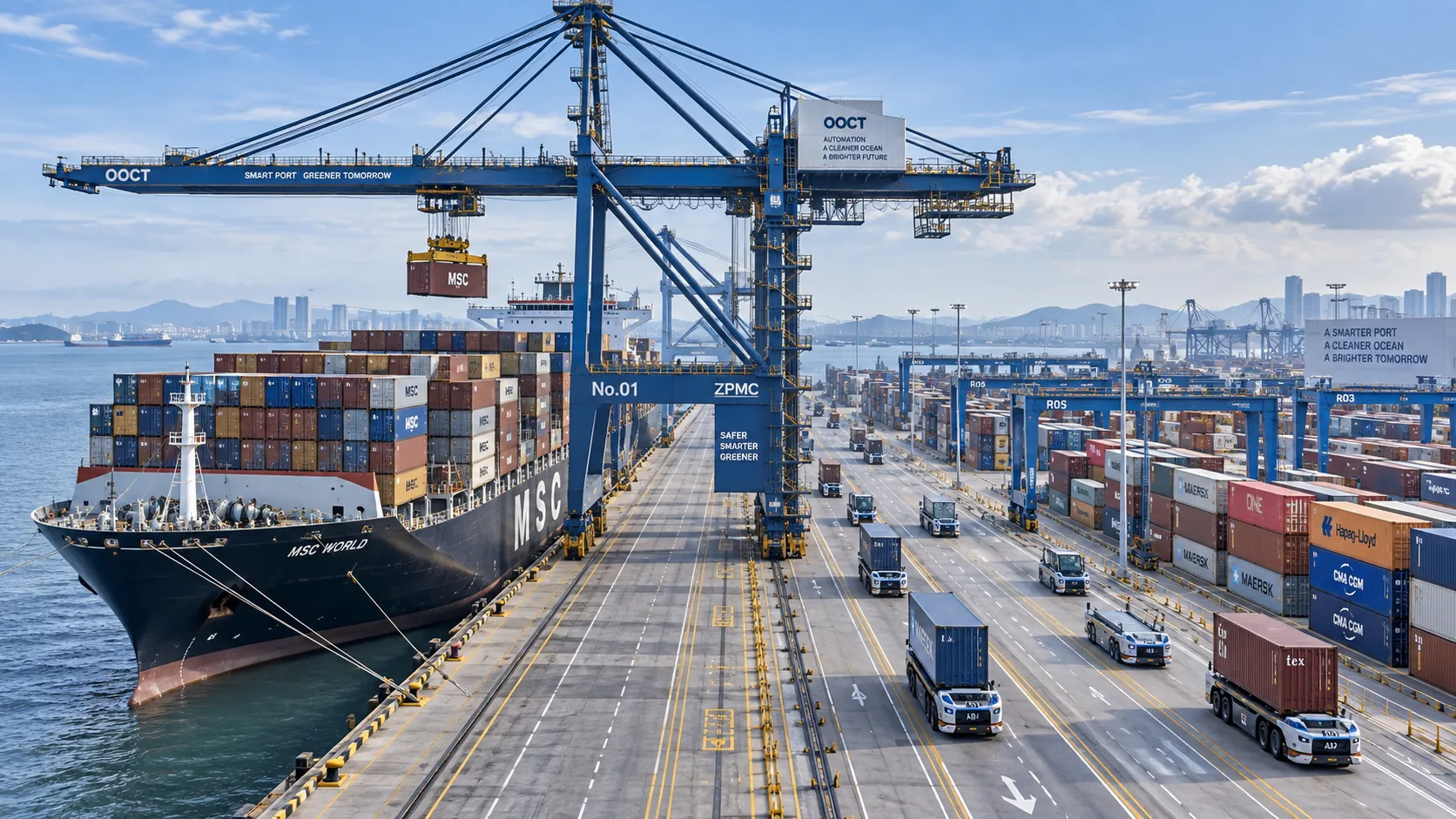
How to Specify a Quay Crane for Container Terminals by Vessel Size and Throughput?
Quay crane for container terminals: learn how to match outreach, lift height, capacity, automation, and cycle performance to vessel size and throughput goals.
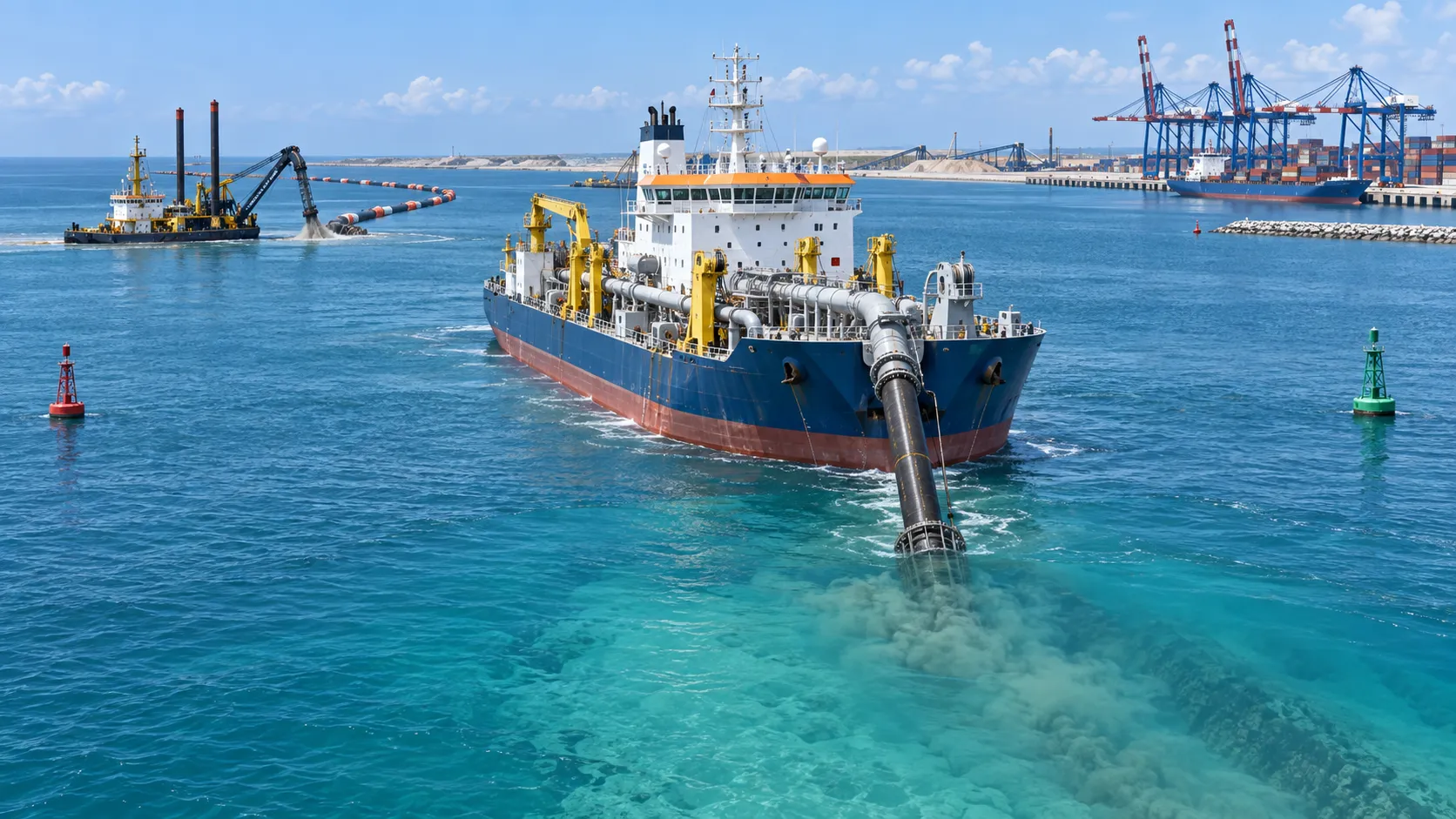
What Dredging Equipment Is Needed for Channel Deepening?
What dredging equipment is needed for channel deepening? Explore dredgers, pipelines, survey tools, and planning strategies for safer, more efficient port access.
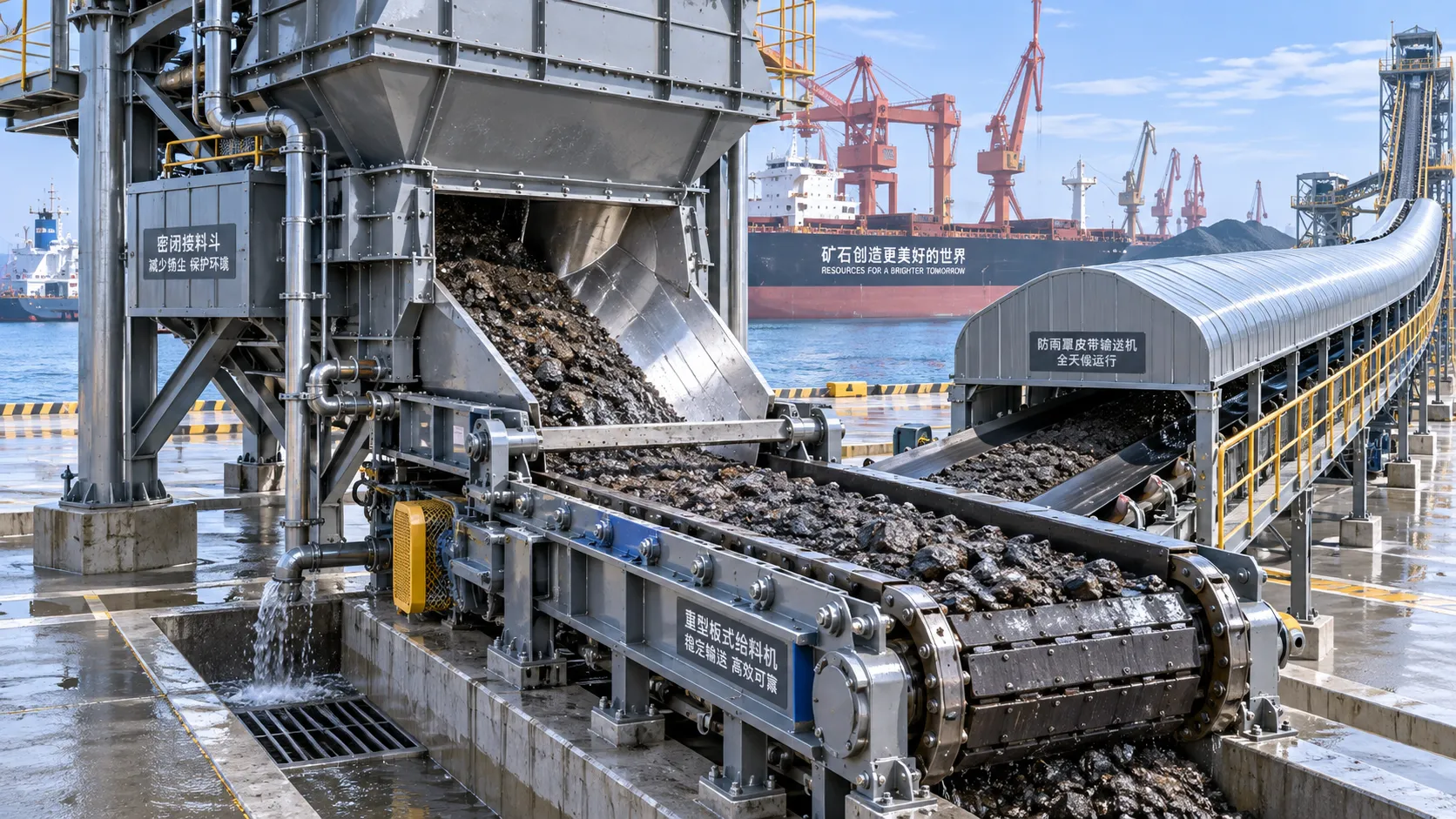
Which Bulk Handling Equipment Suits High-Moisture Cargo?
Which bulk handling equipment suits high-moisture cargo? Compare belt, apron, screw, drag, and slurry systems for reliable flow, less carryback, and higher terminal uptime.
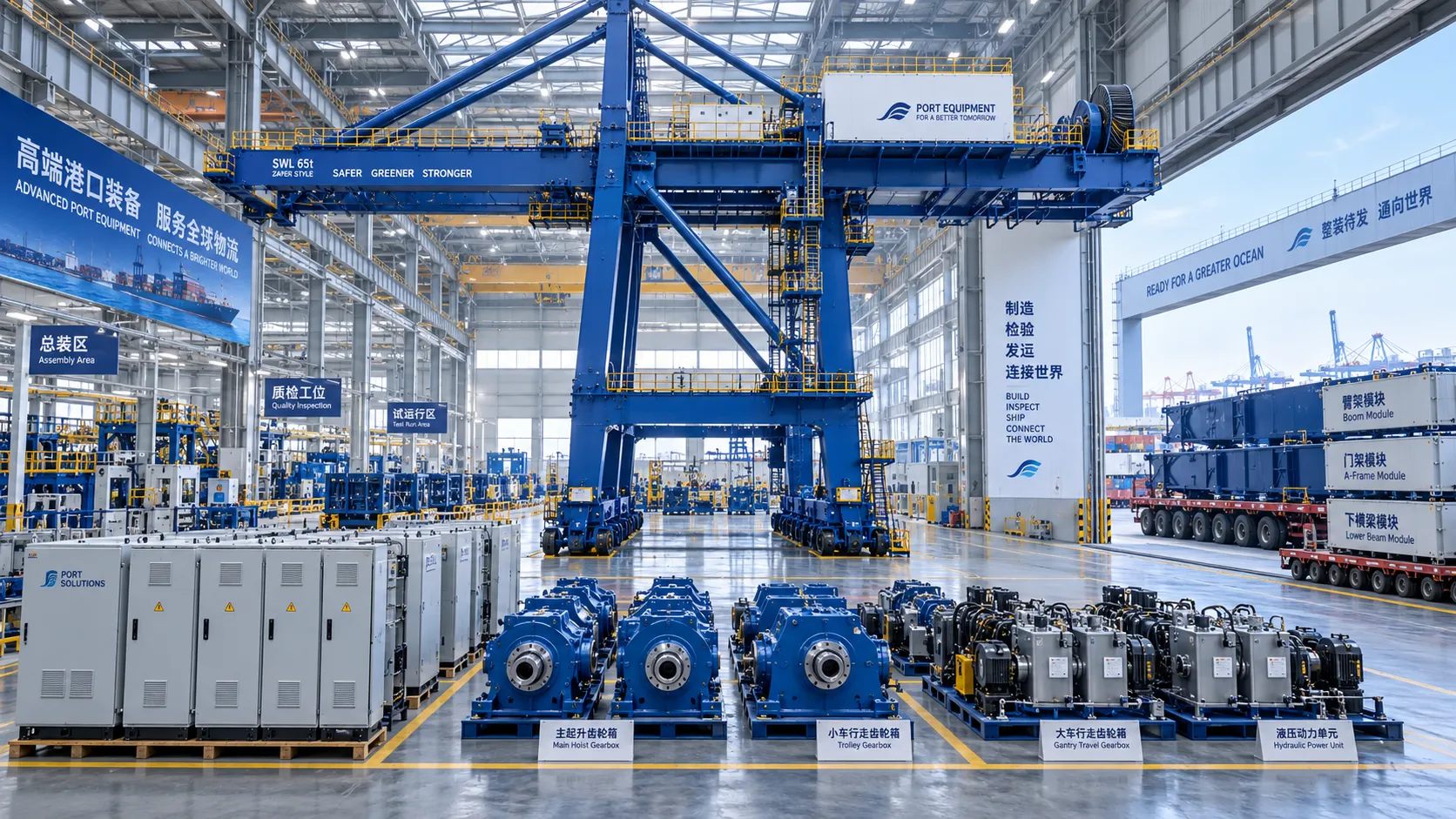
How Can Port Equipment Lead-Time Risk Be Managed?
How can port equipment lead-time risk be managed? Explore practical strategies to control critical paths, suppliers, transport, site readiness, and commissioning delays.
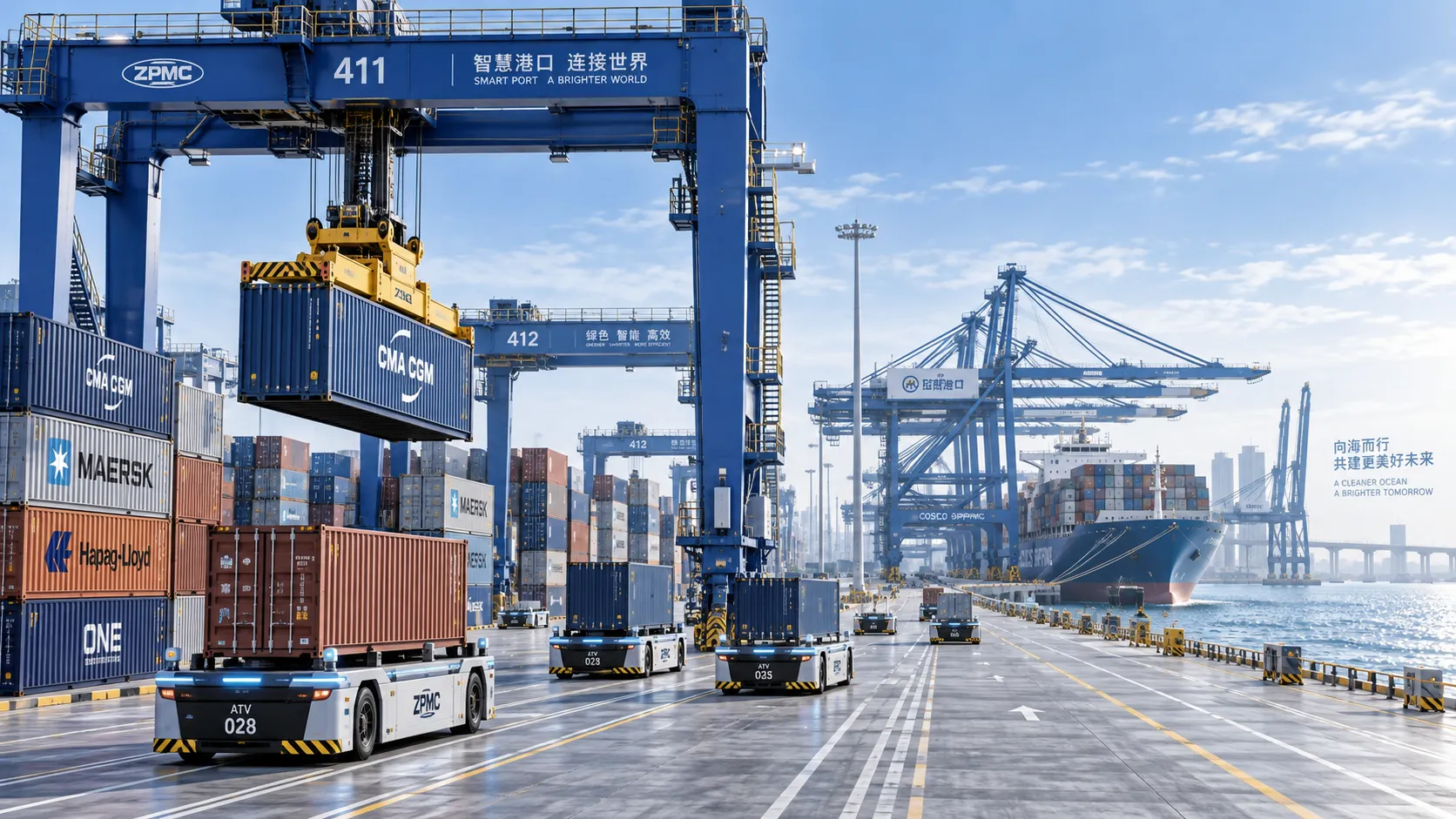
Terminal Automation Technologies That Raise Container Throughput Without Yard Disruption
Terminal automation technology that increases container throughput without disrupting yard flow. Explore smarter integration, resilient workflows, and phased deployment strategies.
Middle East Port Automation: Key Market Drivers, Projects, and Investment Risks
Port automation systems Middle East: explore market drivers, flagship projects, integration challenges, and investment risks shaping smarter, resilient terminals.
Planning Offshore Dredging Operations: Key Risks, Methods, and Project Controls
Offshore dredging operations demand smart planning. Explore key risks, proven methods, environmental controls, and project strategies for reliable delivery.