Related News
- 00
0000-00
How to Specify a Quay Crane for Container Terminals by Vessel Size and Throughput? - 00
0000-00
Which Bulk Handling Equipment Suits High-Moisture Cargo? - 00
0000-00
Terminal Automation Technologies That Raise Container Throughput Without Yard Disruption - 00
0000-00
Planning Offshore Dredging Operations: Key Risks, Methods, and Project Controls - 00
0000-00
Where Do Automated Guided Vehicles Deliver the Fastest Warehouse Gains in the Middle East?
How to Evaluate Cloud Automated Terminal Systems for Port Operations
Choosing cloud automated terminal systems for port operations is no longer a narrow software decision. It affects crane response, AGV coordination, yard density, maintenance timing, and the quality of operational visibility across the terminal. A useful evaluation goes beyond feature lists and vendor claims. It tests whether the platform can support real control demands, fit existing equipment logic, and remain reliable as cargo patterns, automation depth, and compliance pressure continue to change.
Why this decision now carries more operational weight
Ports are under pressure from several directions at once. Vessel sizes are larger, berth windows are tighter, labor structures are changing, and customers expect more predictable handoffs.
At the same time, terminals are trying to reduce idle moves, energy waste, and unplanned downtime. That makes cloud automated terminal systems part of a wider infrastructure strategy, not just an IT upgrade.
This matters especially in environments where quay cranes, automated stacking cranes, shuttle carriers, and AGVs must share live instructions with minimal delay. A weak architecture can create congestion faster than it creates efficiency.
From the perspective of PS-Nexus, which tracks heavy terminal gear, control systems, and maritime logistics intelligence, the issue is not simply digitization. It is the alignment of mechanical power, scheduling logic, and trade-driven operating reality.
What cloud automated terminal systems actually cover
The term can be misleading if it is treated as a single product category. In practice, cloud automated terminal systems usually combine orchestration software, integration middleware, analytics, remote monitoring, and decision support.
Some platforms focus on terminal operating system extension. Others emphasize equipment control, fleet routing, or cloud-based data services layered over existing automation assets.
A serious review should separate three levels:
- Business orchestration, including berth, yard, gate, and vessel planning.
- Execution control, including dispatch commands for cranes, AGVs, and transfer vehicles.
- Data intelligence, including telemetry, maintenance analytics, and performance dashboards.
Vendors often present these layers as seamless. In real terminals, they rarely are. Evaluation starts by identifying which layer creates the most operational risk or the highest improvement potential.
The first test is control reliability, not dashboard polish
For port automation, latency and determinism matter more than visual design. A polished interface has limited value if command timing drifts during peak workload or network instability.
Cloud automated terminal systems should be evaluated against control-critical scenarios, not only normal operations. That includes surge vessel arrivals, simultaneous equipment dispatch, exception handling, and recovery after communication loss.
Key questions usually include:
- Which functions remain local when the cloud link is disrupted?
- How are failover rules handled for remote crane control and AGV routing?
- What is the proven latency range under live operating loads?
- How quickly can the system restore queue integrity after interruption?
In terminals with automated container handling, cloud architecture should extend intelligence without weakening edge-level safety and motion control. That boundary needs explicit verification.
Integration depth often decides the real value
Many automation projects underperform because systems exchange data without sharing operational meaning. A move order may transfer successfully, while equipment status, job priority, or route constraints remain inconsistent.
That is why cloud automated terminal systems should be judged by integration depth, not just interface count. A terminal may already have a TOS, PLC environments, crane OEM software, gate systems, OCR, VMT tools, and energy monitoring platforms.
Useful integration supports a common operating picture across those assets. It should also preserve event traceability, time synchronization, and decision transparency.
For intelligence platforms like PS-Nexus, this integration question is central because operational data only becomes strategic intelligence when it can be trusted across the equipment chain.
Scalability should reflect terminal growth patterns
Not every port scales in the same way. Some add cranes. Some increase automation in the yard. Others expand intermodal links, reefer monitoring, or remote control rooms.
Cloud automated terminal systems should therefore be tested against likely expansion paths, not abstract claims about elasticity. A platform may scale well for data storage while struggling with control event density.
Look closely at how the system performs when these variables increase:
- Concurrent equipment connections
- Move instructions per minute
- Video or sensor traffic from remote operations
- Historical data retained for optimization and audit
- Cross-terminal coordination within a port group
Scalability is also organizational. A terminal must know whether future process changes can be configured internally or require repeated vendor intervention.
Cybersecurity and resilience cannot be treated separately
Because cloud automated terminal systems sit between physical assets and digital instructions, cybersecurity has direct operational consequences. A breach is not only a data event. It can disrupt cargo flow and safety margins.
Evaluation should cover identity management, segmentation, encryption, patch governance, and incident response. More importantly, it should examine how quickly critical functions can continue in degraded mode.
This is where resilience becomes practical. If a terminal loses part of its cloud service, operators need clear fallback behavior for job queues, asset visibility, and manual override boundaries.
Ports pursuing net-zero goals should also consider energy data protection. Emissions tracking, equipment utilization, and power optimization increasingly feed reporting obligations and investment decisions.
Operational fit is where many shortlists change
Two systems can meet the same technical specification and still perform very differently in a live terminal. The difference usually appears in process fit.
A terminal handling transshipment peaks has different logic from one built around import dwell optimization. Bulk interfaces near container zones add another layer of traffic complexity. Dredging schedules and berth maintenance can also affect automation windows.
In that context, cloud automated terminal systems should be mapped against actual workflows:
- Quay-to-yard transfer sequencing
- Exception handling for mis-stowed or damaged units
- Truck appointment and gate congestion interaction
- Equipment maintenance windows during peak calls
- Mixed manual and automated operating periods
When the software logic matches these realities, automation improves flow. When it does not, operators end up working around the system instead of through it.
A practical evaluation framework
A disciplined review process usually works better than a long feature checklist. It keeps attention on evidence, tradeoffs, and measurable performance.
Start with the operational problem
Define which bottleneck matters most: berth productivity, yard congestion, remote control latency, maintenance visibility, or cross-system coordination. This prevents overspending on functions that look advanced but solve little.
Use scenario-based testing
Ask vendors to demonstrate performance during realistic disruptions. Peak-hour dispatch, crane outage response, AGV queue recovery, and network degradation reveal more than standard demos.
Check the operating model
Clarify responsibility for updates, integration changes, cybersecurity events, and performance tuning. Cloud automated terminal systems often fail expectations when governance remains vague after go-live.
Look beyond year-one ROI
The strongest value may come from fewer interface rebuilds, better asset utilization, cleaner data for planning, and stronger adaptability as trade routes or fleet strategies shift.
Where to focus next
The best next step is usually to build a short evaluation matrix tied to terminal reality. Score cloud automated terminal systems against control reliability, integration depth, resilience, scalability, and workflow fit.
Then compare those findings with broader market signals. Intelligence sources such as PS-Nexus are valuable here because equipment trends, communication protocols, AGV routing methods, and port investment patterns shape the risk behind any software decision.
A clear choice rarely comes from the longest specification. It comes from understanding how digital control, terminal machinery, and cargo strategy need to work together over time.
Related News
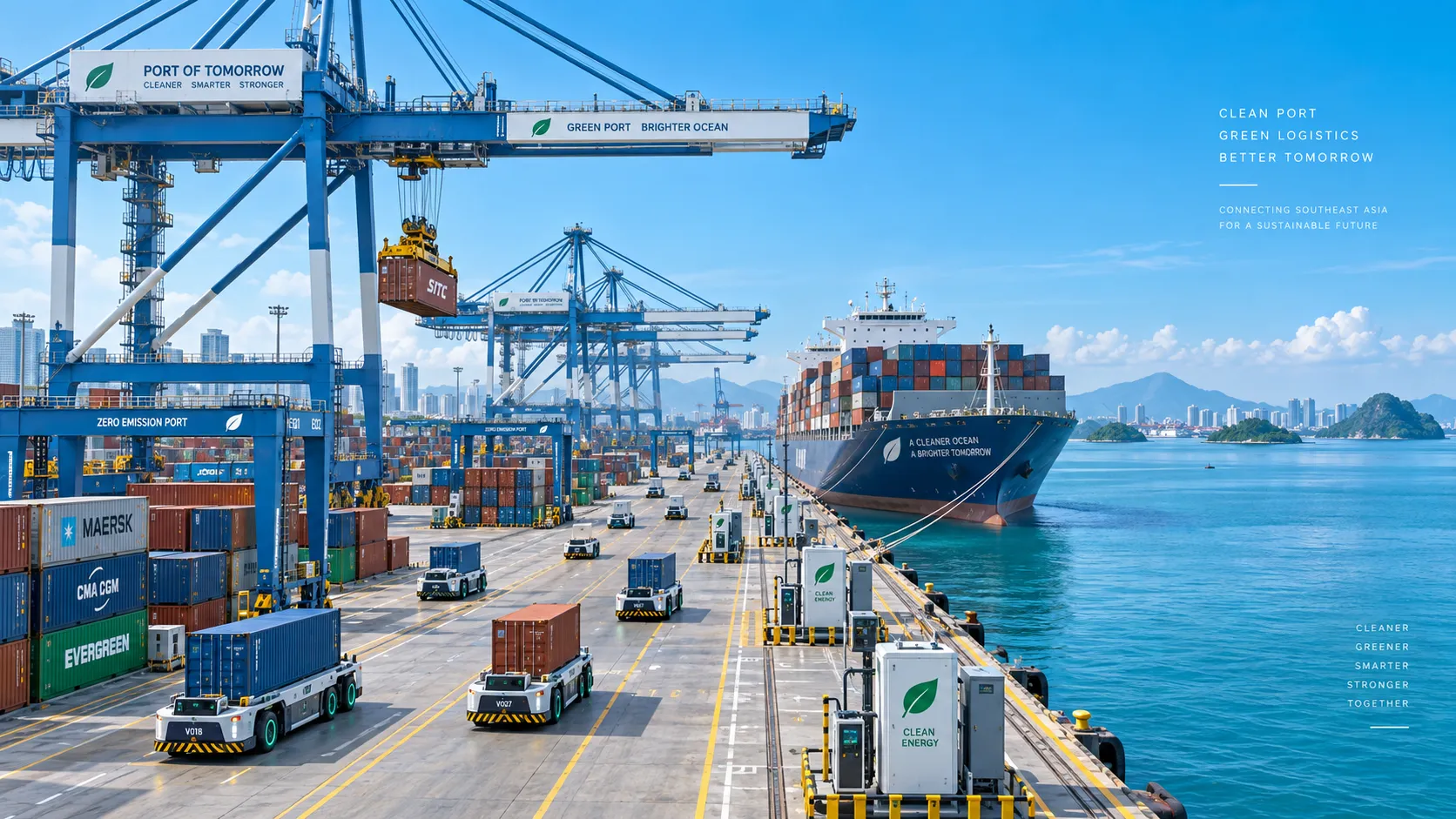
Smart Port Systems in Southeast Asia: Investment Priorities and Adoption Barriers
Smart port systems Southeast Asia: discover investment priorities, adoption barriers, and practical steps to build resilient, connected, high-performing terminals.
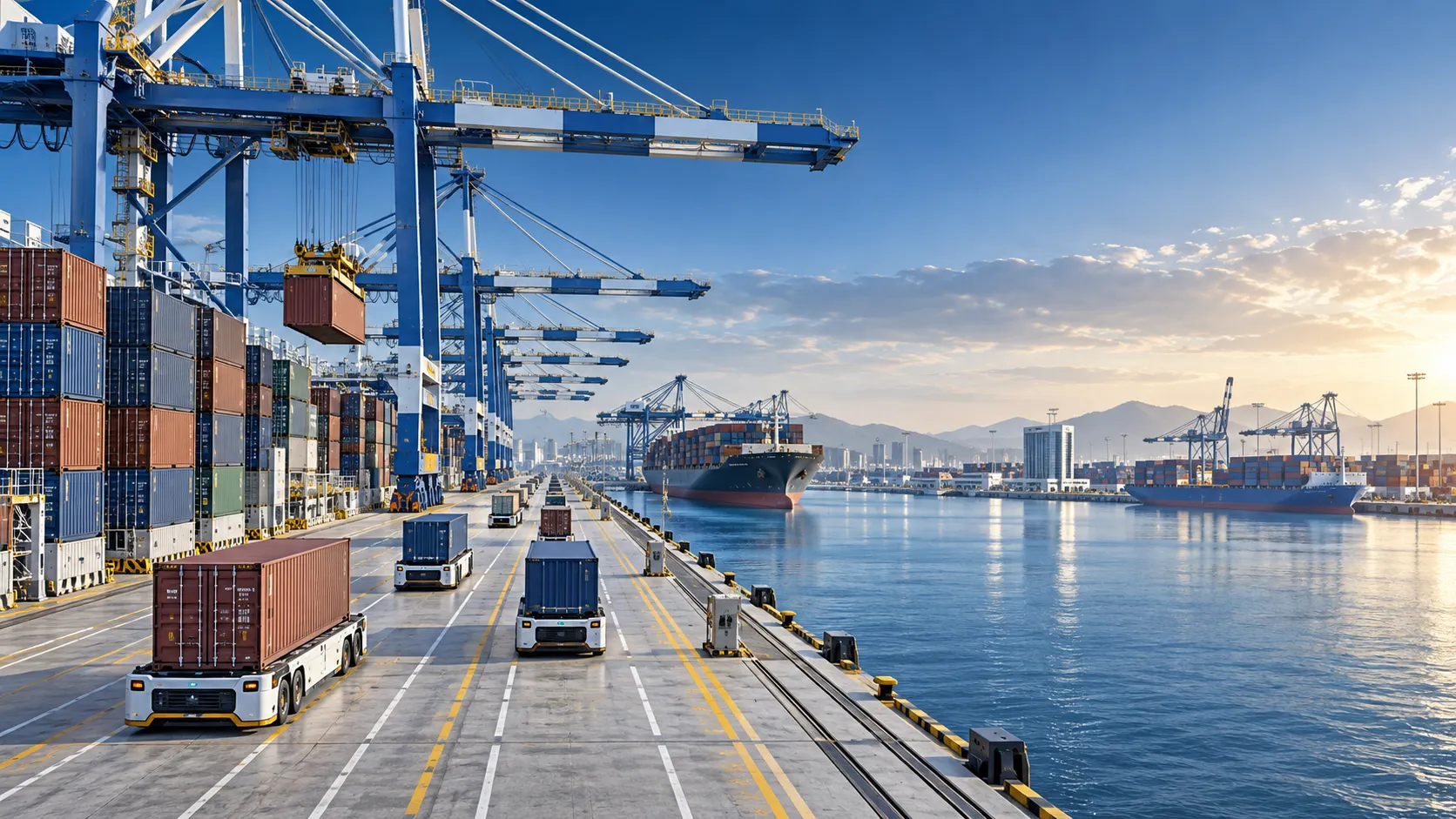
How to Evaluate Terminal Efficiency Solution Suppliers for High-Throughput Operations
Choose a terminal efficiency solutions supplier with confidence. Explore proven criteria for throughput, integration, lifecycle cost, safety, and reliable delivery.
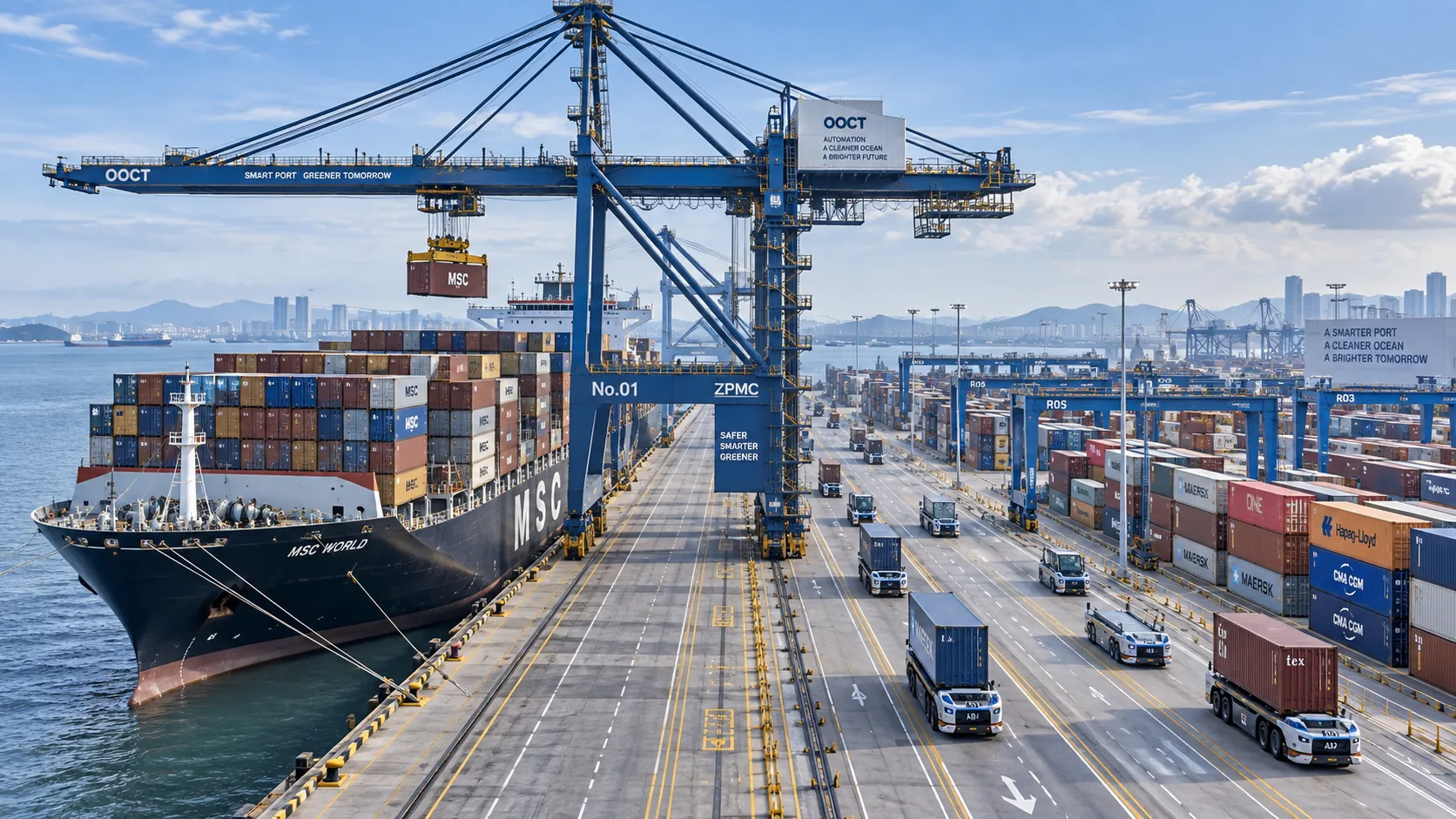
How to Specify a Quay Crane for Container Terminals by Vessel Size and Throughput?
Quay crane for container terminals: learn how to match outreach, lift height, capacity, automation, and cycle performance to vessel size and throughput goals.
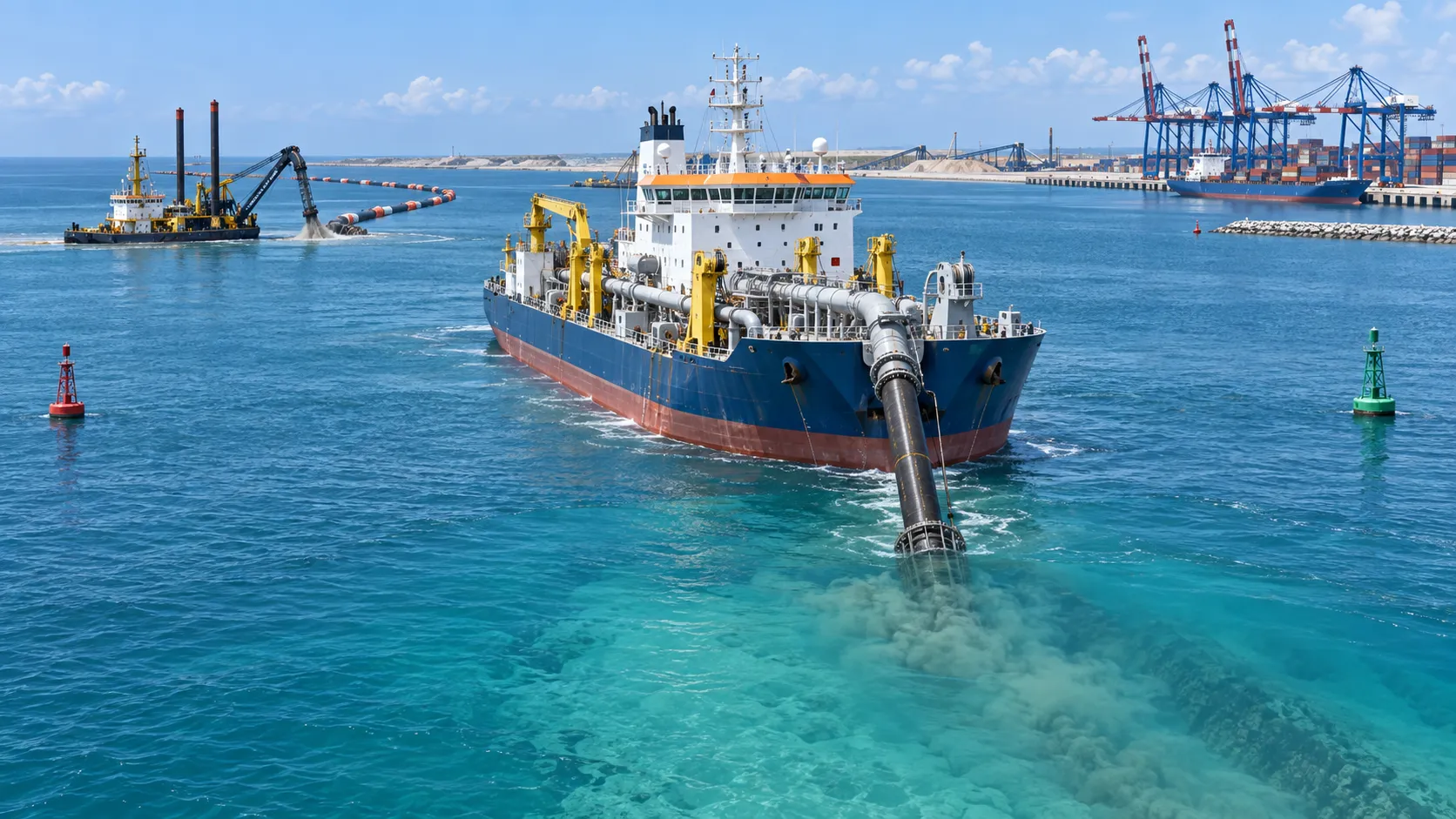
What Dredging Equipment Is Needed for Channel Deepening?
What dredging equipment is needed for channel deepening? Explore dredgers, pipelines, survey tools, and planning strategies for safer, more efficient port access.
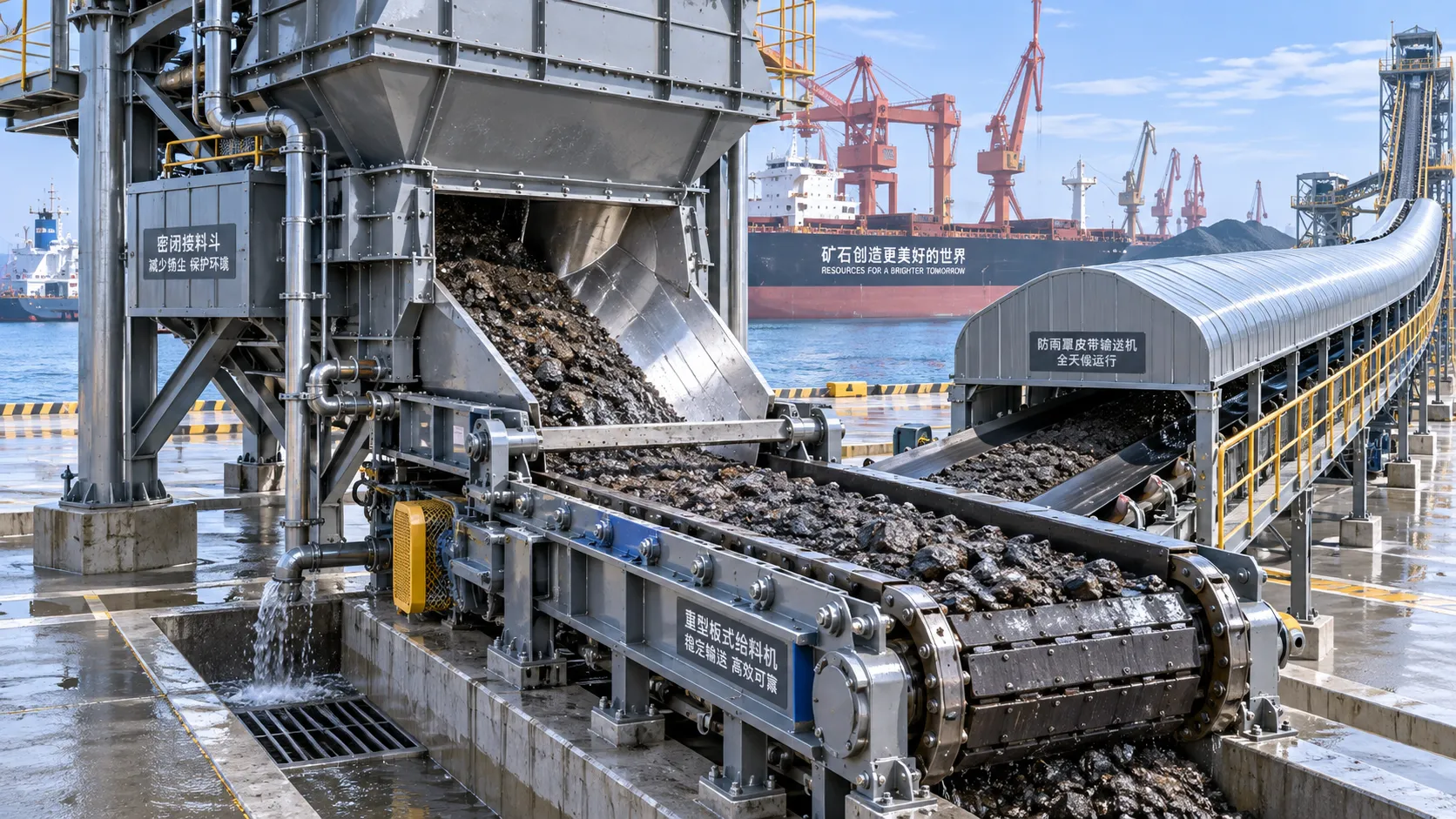
Which Bulk Handling Equipment Suits High-Moisture Cargo?
Which bulk handling equipment suits high-moisture cargo? Compare belt, apron, screw, drag, and slurry systems for reliable flow, less carryback, and higher terminal uptime.
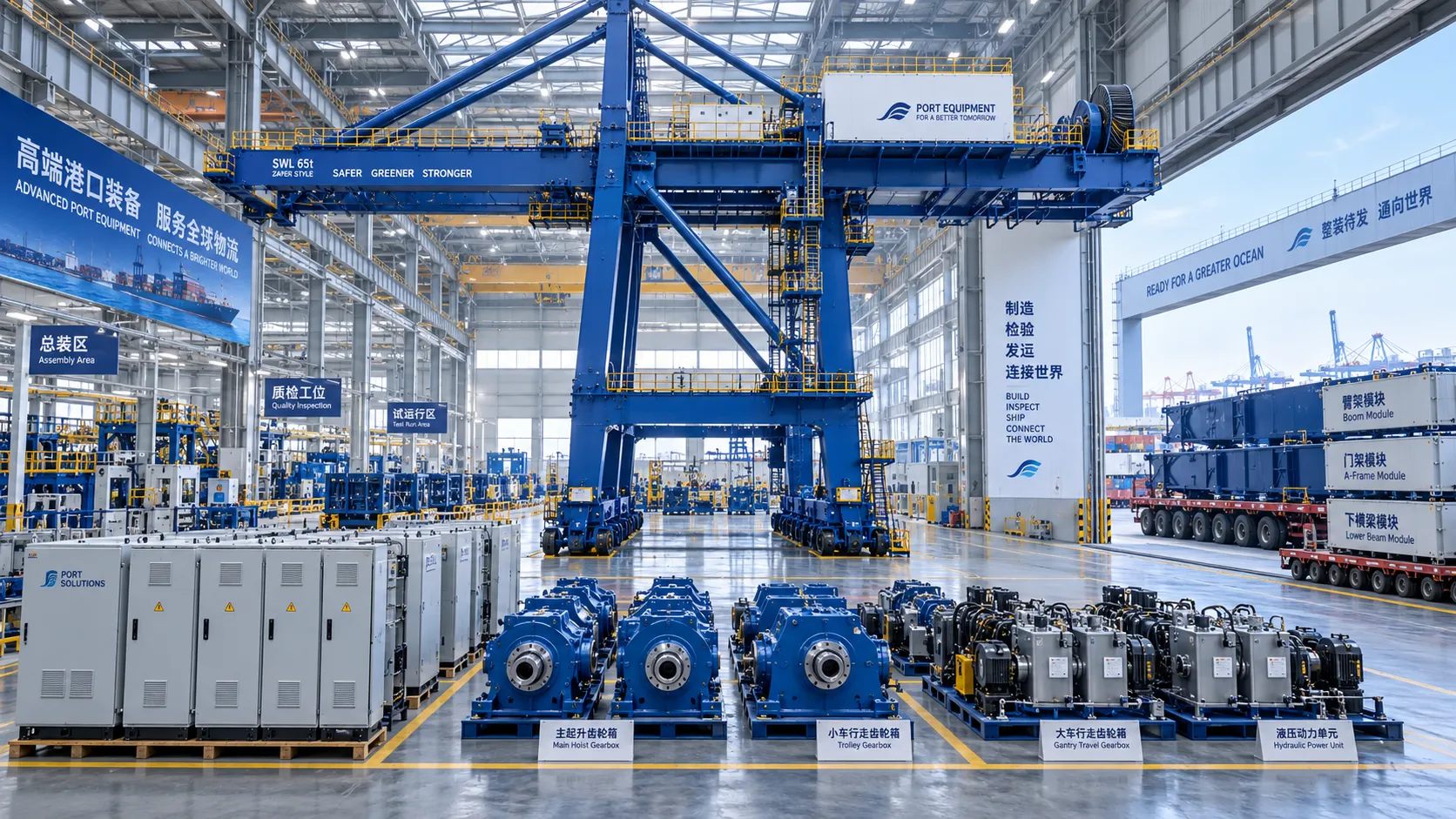
How Can Port Equipment Lead-Time Risk Be Managed?
How can port equipment lead-time risk be managed? Explore practical strategies to control critical paths, suppliers, transport, site readiness, and commissioning delays.
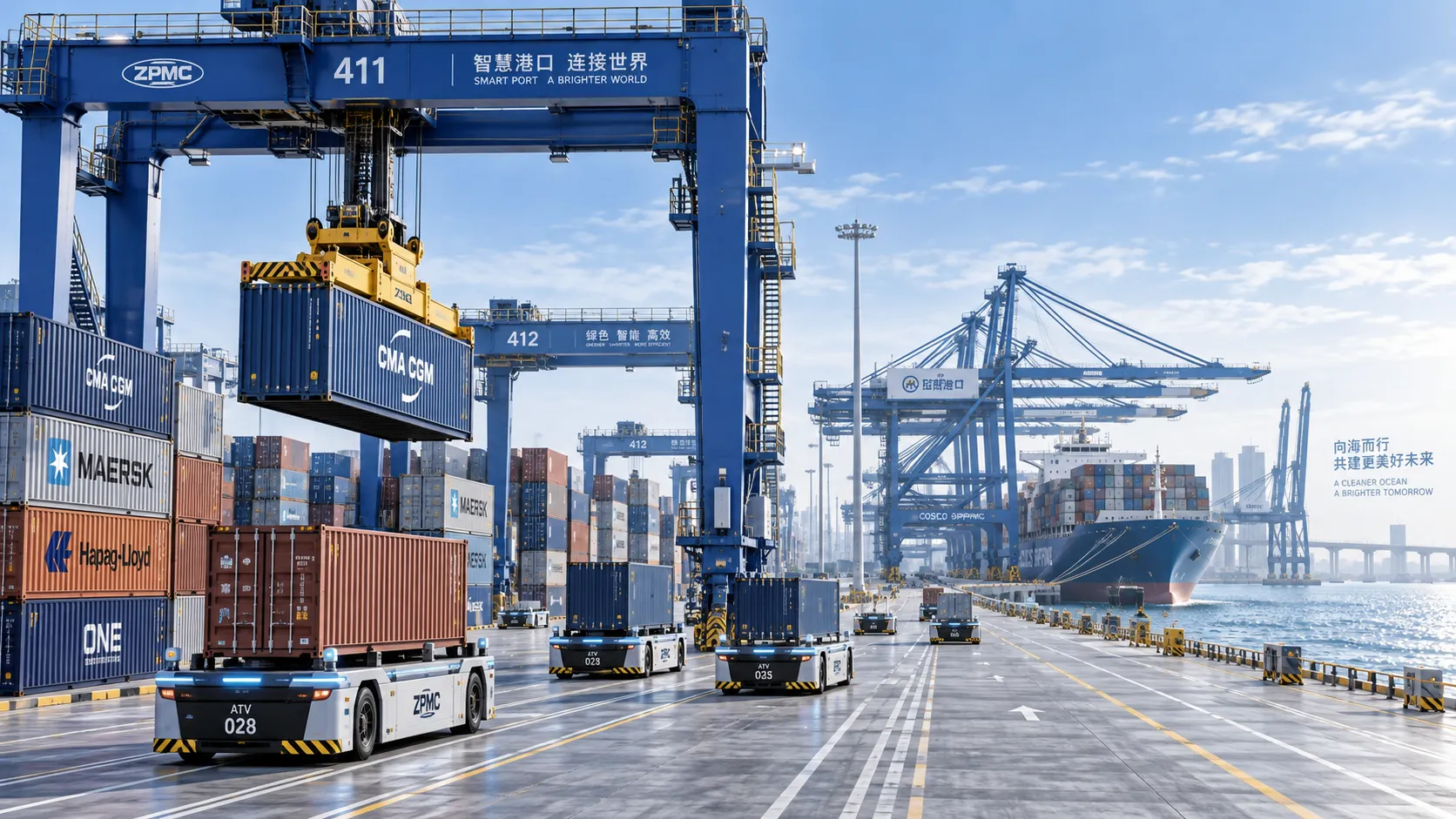
Terminal Automation Technologies That Raise Container Throughput Without Yard Disruption
Terminal automation technology that increases container throughput without disrupting yard flow. Explore smarter integration, resilient workflows, and phased deployment strategies.
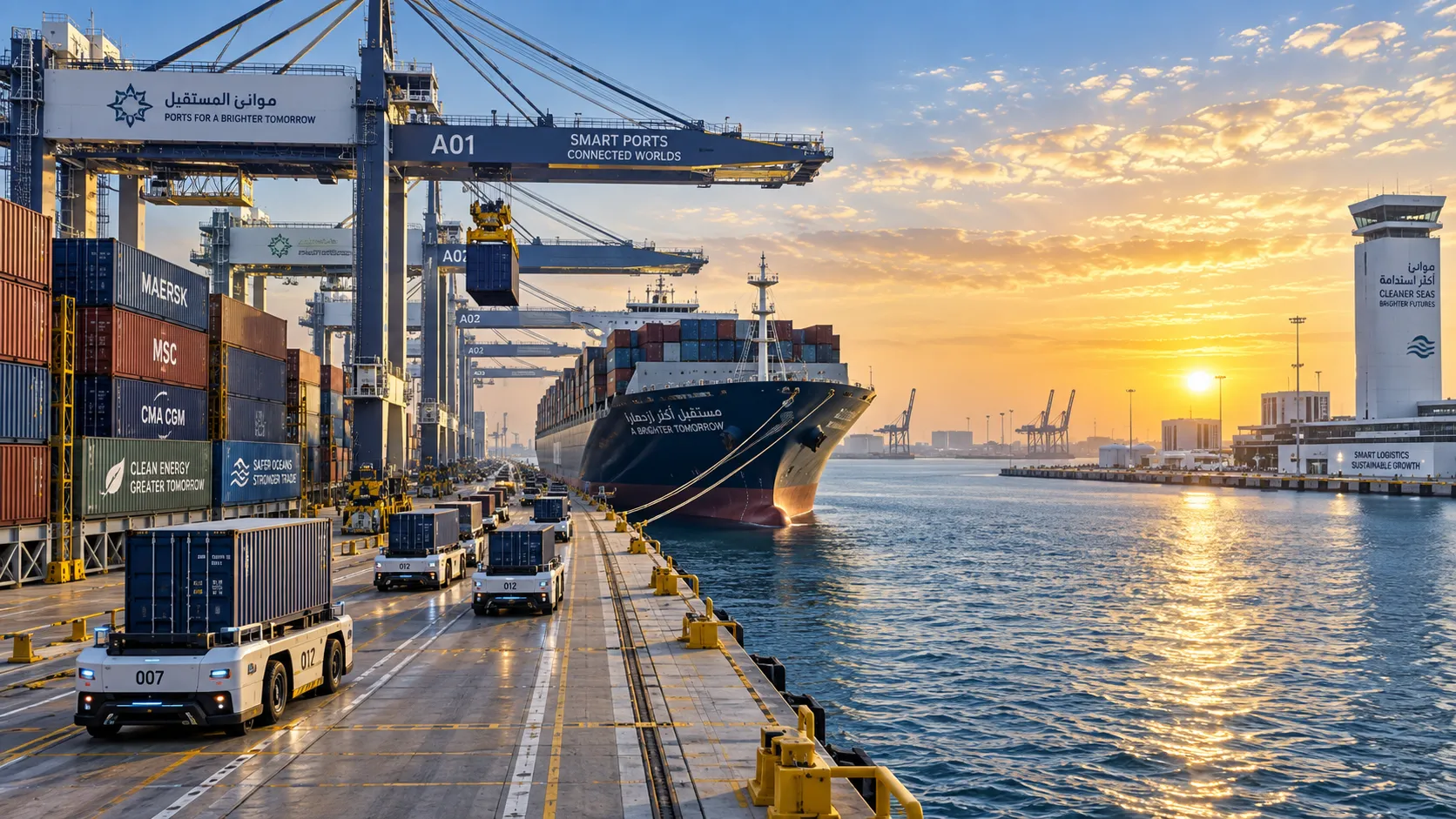
Middle East Port Automation: Key Market Drivers, Projects, and Investment Risks
Port automation systems Middle East: explore market drivers, flagship projects, integration challenges, and investment risks shaping smarter, resilient terminals.
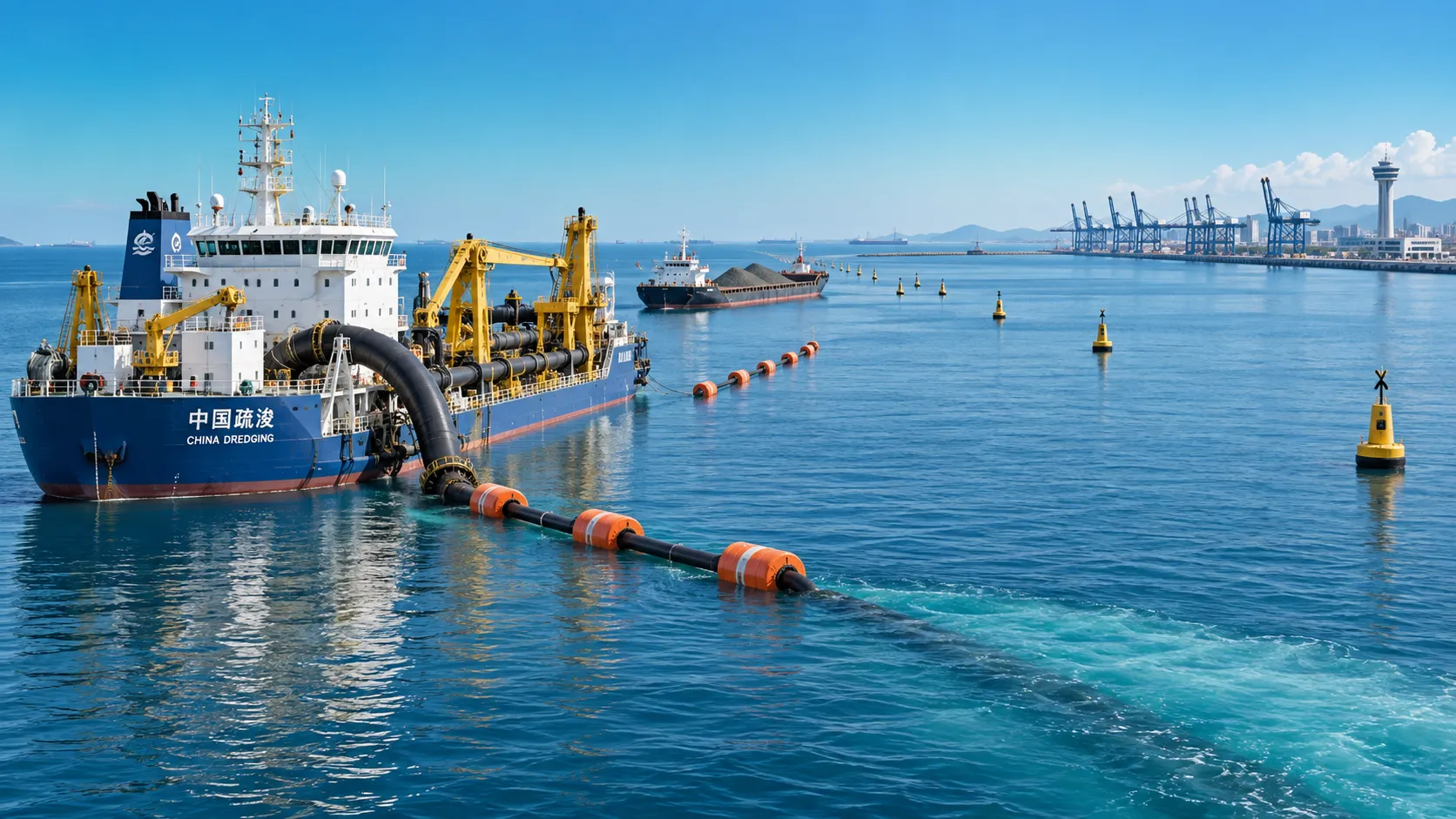
Planning Offshore Dredging Operations: Key Risks, Methods, and Project Controls
Offshore dredging operations demand smart planning. Explore key risks, proven methods, environmental controls, and project strategies for reliable delivery.