Related News
- 00
0000-00
Smart Port Systems Pricing: How to Compare Lifecycle Costs and ROI by Terminal Scale - 00
0000-00
What Drives Bulk Material Handling Pricing in Large Conveyor System Projects? - 00
0000-00
How Shipping Rate Analytics in Europe Help Importers Predict Costs and Route Risk - 00
0000-00
What Buyers Check When Reviewing Used PVC Coating Line Output and Condition - 00
0000-00
Automated Port Systems Cost Breakdown: CAPEX, Integration, and Maintenance Factors
What Buyers Check When Reviewing Used PVC Coating Line Output and Condition
Why Output and Condition Matter More in the Used PVC Coating Market
Buyers evaluating a used PVC coating line are rarely comparing machines on nameplate specifications alone. In many procurement reviews, the real question is whether the line can still deliver stable commercial output, acceptable coating quality, and manageable operating cost after installation. That matters even more when capital budgets are tight, project timelines are short, or production teams need to expand capacity without waiting for a new machine build cycle.
PVC film and coated substrate production often sits in a sensitive position within manufacturing plans. Output affects order fulfillment, labor scheduling, energy use, and unit economics. Condition affects downtime, reject rates, maintenance burden, and the likelihood of hidden refurbishment costs after purchase. For procurement teams, finance reviewers, and operating managers, a used line can be commercially attractive, but only if technical due diligence goes beyond surface appearance.
This is especially relevant for companies comparing the economics of replacement, expansion, or relocation. A lower upfront purchase price may look favorable in internal approval meetings, yet the decision becomes far more complex when actual throughput, coating uniformity, drying performance, and spare parts accessibility enter the discussion. In practice, buyers are not just assessing a machine; they are estimating future production reliability.
Why Buyers Are Taking a Closer Look
Several market conditions have made used equipment reviews more disciplined. Many manufacturers are under pressure to control capital expenditure while still responding to changing order volumes. Others are entering adjacent product categories and want to test production capability before committing to a fully new line. In these situations, used PVC coating equipment may offer a faster path to operation, but only if the asset fits the intended process window.
Another reason is the cost structure around line ownership. The purchase price is only one part of the investment. Installation, transport, recommissioning, utility integration, operator training, and replacement of worn components can materially affect the total project cost. For that reason, buyers increasingly review output history and machine condition together rather than treating them as separate topics.
In many scenarios, a used PVC coating line may also be considered alongside broader film processing options, including calendering-related upstream or downstream requirements. That means decision-makers need a practical view of how one line’s real-world performance will influence the rest of the plant, from material flow and drying balance to finishing capacity and quality control routines.
The First Check: Can the Line Deliver Realistic Output?
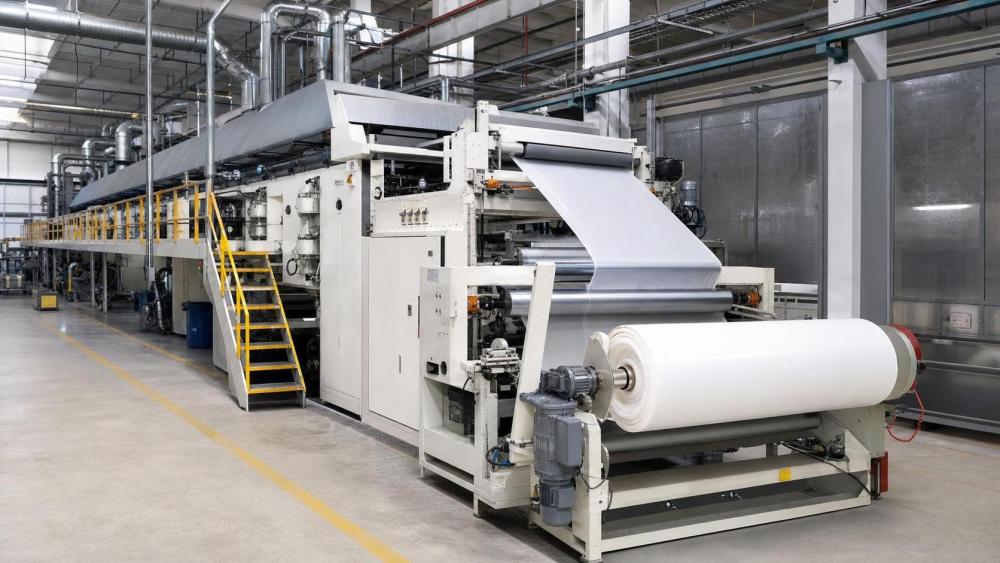
Output is often the first item discussed in a sales conversation, but it should also be one of the most carefully verified. Buyers should ask what production speed was actually achieved in prior operation, under which coating weights, substrate widths, material types, and quality tolerances. A line that once ran at a high speed for a narrow product range may not deliver the same result for a different commercial mix.
Useful output evaluation typically includes the following questions:
- What was the typical running speed, not just the maximum mechanical speed?
- How often did the line need to slow down for quality correction, tension instability, or drying limits?
- What width range was used in production, and how did speed change across those widths?
- Was output measured in ideal test conditions or in normal commercial operation?
- What scrap rate accompanied the reported throughput?
For buyers, the objective is to convert output claims into usable planning assumptions. A machine that appears productive on paper may still underperform if its heating efficiency has weakened, web handling is unstable, or coating application components no longer maintain consistent precision. That gap between theoretical and usable output is often where purchasing mistakes begin.
Condition Review Should Focus on Production Risk
Condition checks are not just about whether the machine looks clean or recently painted. The more important issue is whether wear, past maintenance practices, and retrofit history create operational risk. Buyers should review coating heads, rollers, ovens or stenter sections, drive systems, tension control components, electrical cabinets, and control interfaces with the same discipline used in a plant acceptance review.
Particular attention is usually warranted in areas that directly affect product consistency. Roller surface wear, bearing condition, uneven heating, exhaust balance, and control response can all influence coating thickness, line stability, and defect frequency. Even when a line can start and run, its condition may still impose hidden quality penalties that only appear during longer production cycles.
This is why used PVC coating line output and condition checks should be treated as part of a wider investment review rather than a simple equipment inspection. For many buyers, the decisive issue is not whether the machine can operate on day one, but whether it can continue operating at an acceptable cost per finished unit over time.
Key Areas That Often Reveal the True State of the Line
A disciplined inspection usually pays close attention to the systems most likely to affect output stability and maintenance exposure. Buyers often benefit from documenting each area in a structured checklist before commercial negotiations move too far.
This kind of review helps procurement teams move beyond generic statements such as “good running condition.” It also gives finance and management stakeholders a clearer basis for estimating refurbishment cost, startup risk, and time to stable production.
Common Misreadings During Used Equipment Evaluation
One common mistake is assuming that a line’s age tells the full story. In reality, a well-maintained older line may be more dependable than a newer machine that has experienced inconsistent maintenance or unsuitable operating conditions. Another mistake is focusing too heavily on visible mechanical parts while overlooking controls, thermal systems, and spare parts support, which often shape long-term ownership cost.
Buyers also sometimes overvalue reported capacity without checking the production recipe behind it. For example, the line may have been used on a product with lower coating demand, simpler drying needs, or a narrower width than the buyer intends to run. If those process conditions change, practical output can drop well below expectation.
A further risk is underestimating recommissioning complexity. Used lines may require electrical adaptation, burner or heating system checks, recalibration, roller refinishing, or partial control upgrades before reaching acceptable output. These steps are manageable, but they should be reflected in approval timelines and budget assumptions.
How Different Stakeholders Tend to Evaluate the Same Machine
A used PVC coating line is rarely approved by one department alone. Procurement often focuses on acquisition value and supplier responsiveness. Technical teams usually examine process fit, machine wear, and commissioning demands. Finance reviewers may prioritize total cost of ownership, expected utilization, and payback confidence. Senior decision-makers often want to understand whether the line supports capacity planning without introducing avoidable operational volatility.
Because these viewpoints differ, the most effective evaluations usually convert machine condition into business consequences. For example, uneven roller wear is not just a maintenance issue; it may reduce sellable output. Outdated controls are not only a modernization concern; they may raise downtime risk and complicate technician support. This type of translation improves internal alignment and helps approval teams compare a used asset with new equipment alternatives on more realistic terms.
Practical Selection Advice for Different Buying Scenarios
If the goal is rapid capacity expansion, buyers may place greater weight on commissioning speed, available documentation, and the condition of key wear components. If the goal is cost control for a mature product line, energy performance, scrap exposure, and maintenance predictability may deserve more attention. Where companies are entering a new product segment, flexibility across coating weight, substrate width, and process adjustment range often becomes more important than headline speed.
In many cases, the most practical buying decision is not the line with the highest stated capacity or the lowest asking price. It is the line whose verified output, mechanical condition, and upgrade requirements most closely match the buyer’s actual production plan. That kind of fit reduces surprises after delivery and improves the likelihood that the asset will support both operations and financial targets.
A More Useful Way to Judge Value
For companies comparing used PVC coating assets, value should be defined by dependable throughput, controllable quality, and foreseeable operating cost. Buyers who review output evidence, condition details, refurbishment needs, and process suitability together are generally in a stronger position than those who evaluate price in isolation. In a market where project timing and budget discipline both matter, that approach can help decision-makers avoid assets that look economical at purchase but become expensive in production.
A careful review does not eliminate uncertainty, but it can reduce it substantially. For procurement teams and business reviewers, the most useful question is simple: can this line support the intended product mix with stable performance and acceptable ownership risk? If the answer is backed by verified technical checks rather than assumption, the purchase decision becomes far more defensible.
Related News
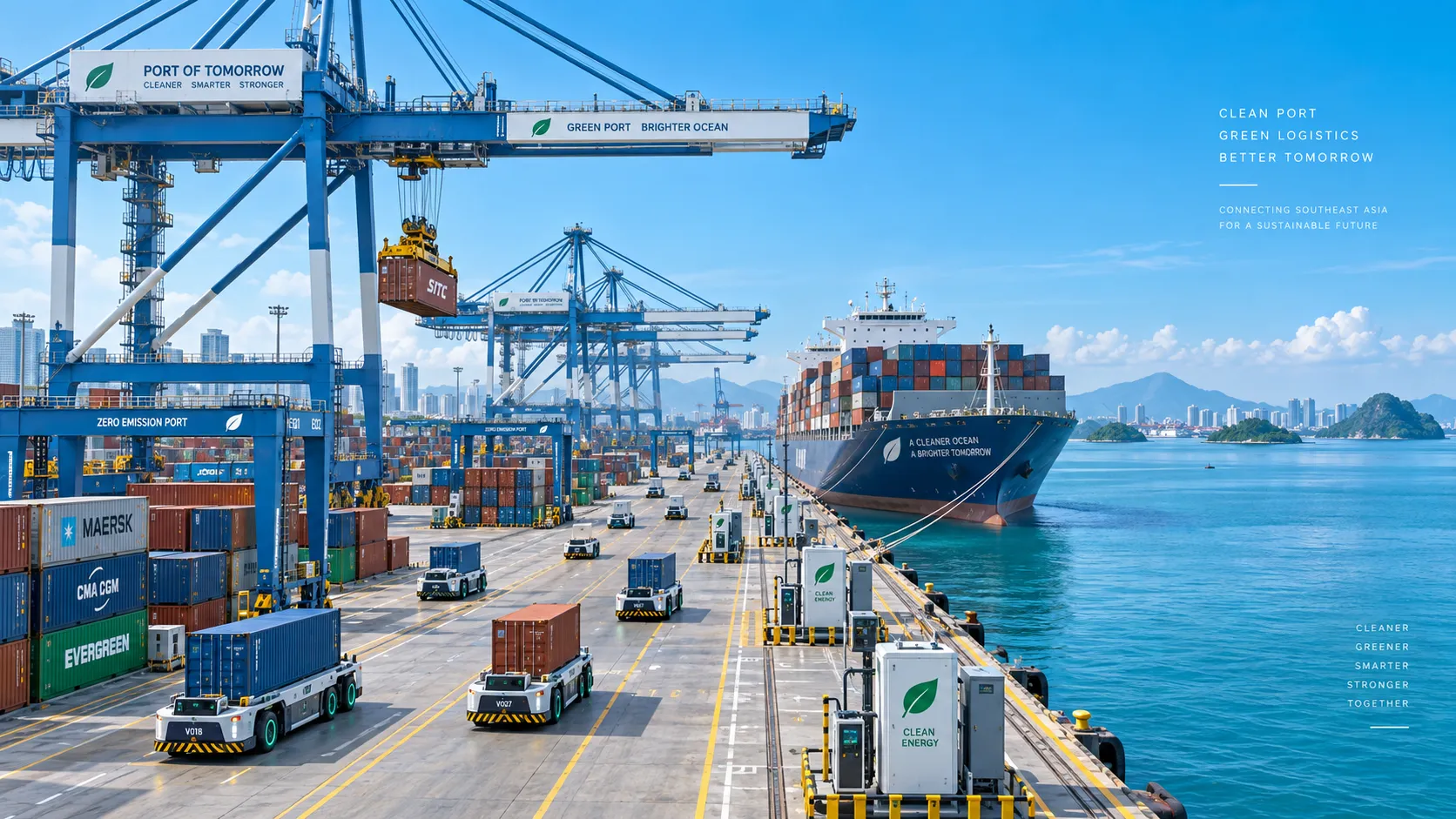
Smart Port Systems in Southeast Asia: Investment Priorities and Adoption Barriers
Smart port systems Southeast Asia: discover investment priorities, adoption barriers, and practical steps to build resilient, connected, high-performing terminals.
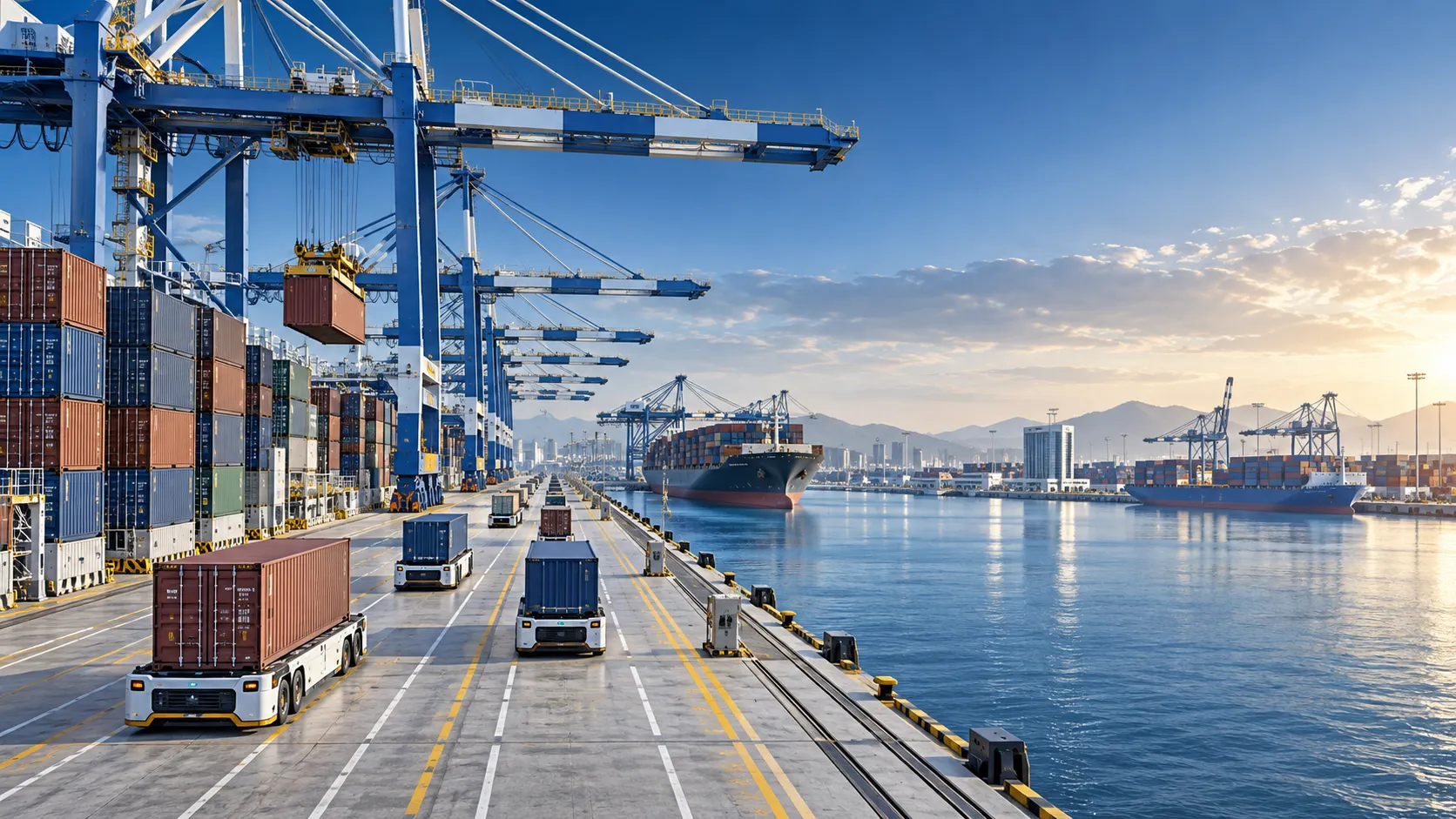
How to Evaluate Terminal Efficiency Solution Suppliers for High-Throughput Operations
Choose a terminal efficiency solutions supplier with confidence. Explore proven criteria for throughput, integration, lifecycle cost, safety, and reliable delivery.
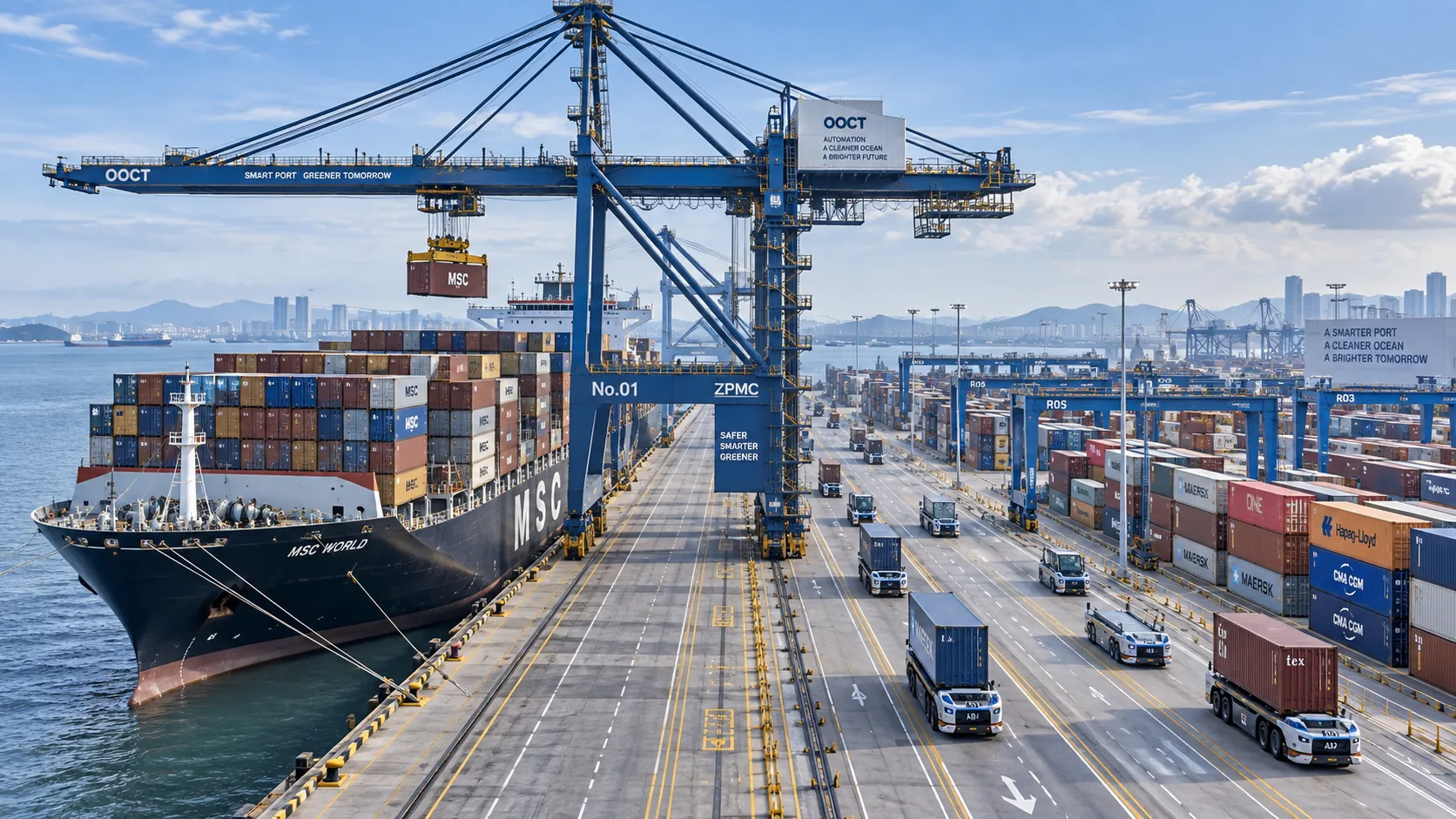
How to Specify a Quay Crane for Container Terminals by Vessel Size and Throughput?
Quay crane for container terminals: learn how to match outreach, lift height, capacity, automation, and cycle performance to vessel size and throughput goals.
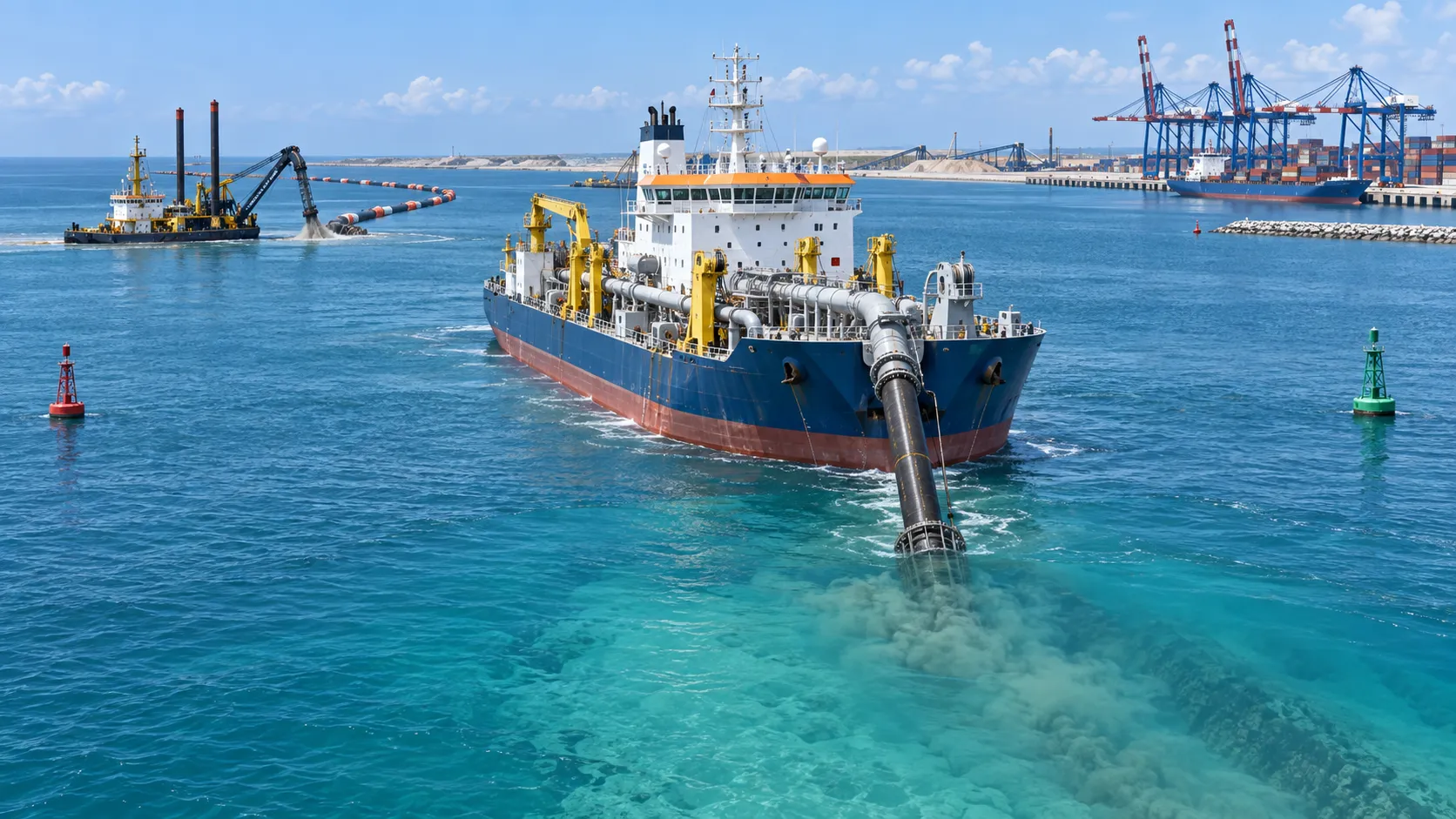
What Dredging Equipment Is Needed for Channel Deepening?
What dredging equipment is needed for channel deepening? Explore dredgers, pipelines, survey tools, and planning strategies for safer, more efficient port access.
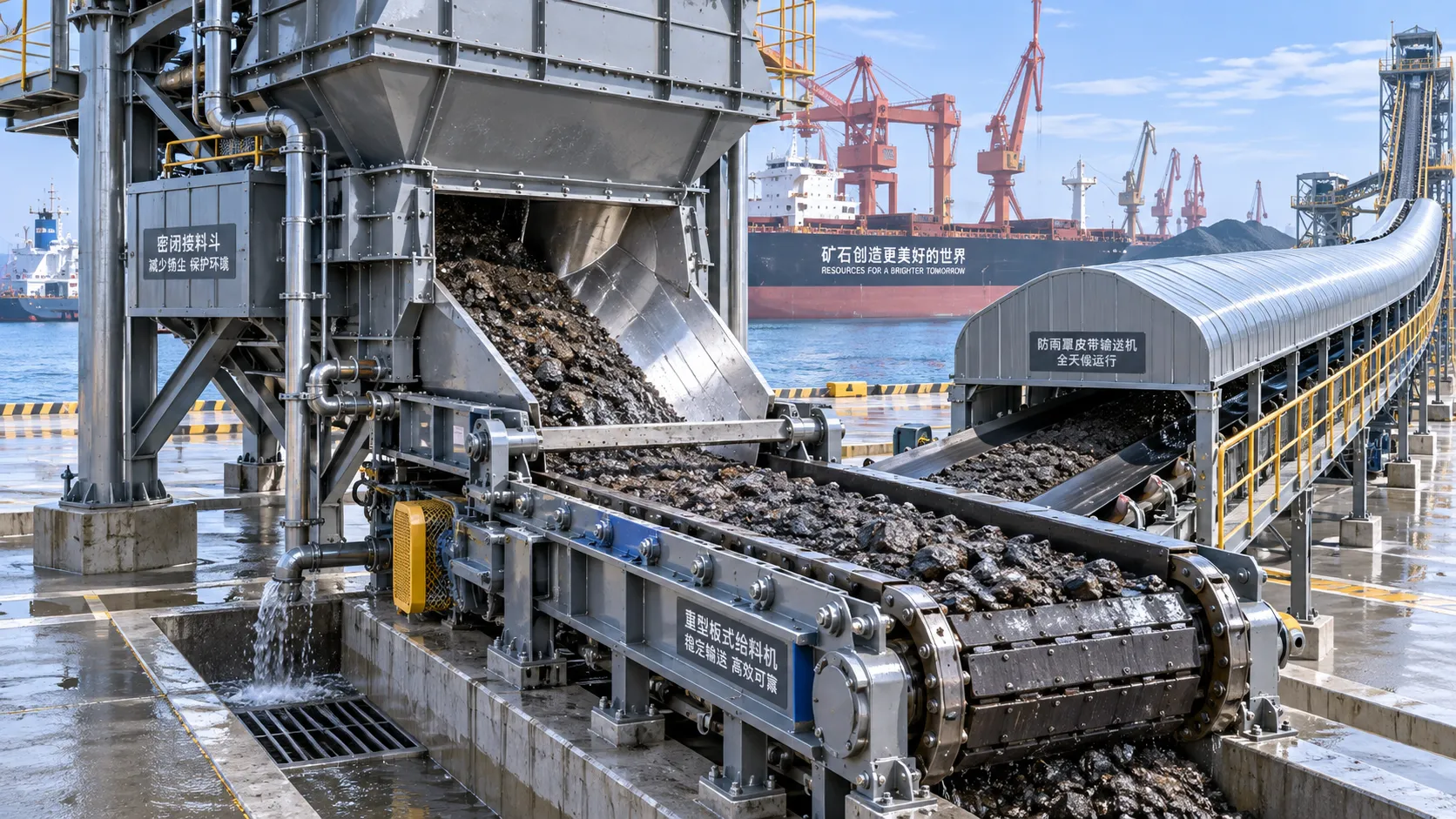
Which Bulk Handling Equipment Suits High-Moisture Cargo?
Which bulk handling equipment suits high-moisture cargo? Compare belt, apron, screw, drag, and slurry systems for reliable flow, less carryback, and higher terminal uptime.
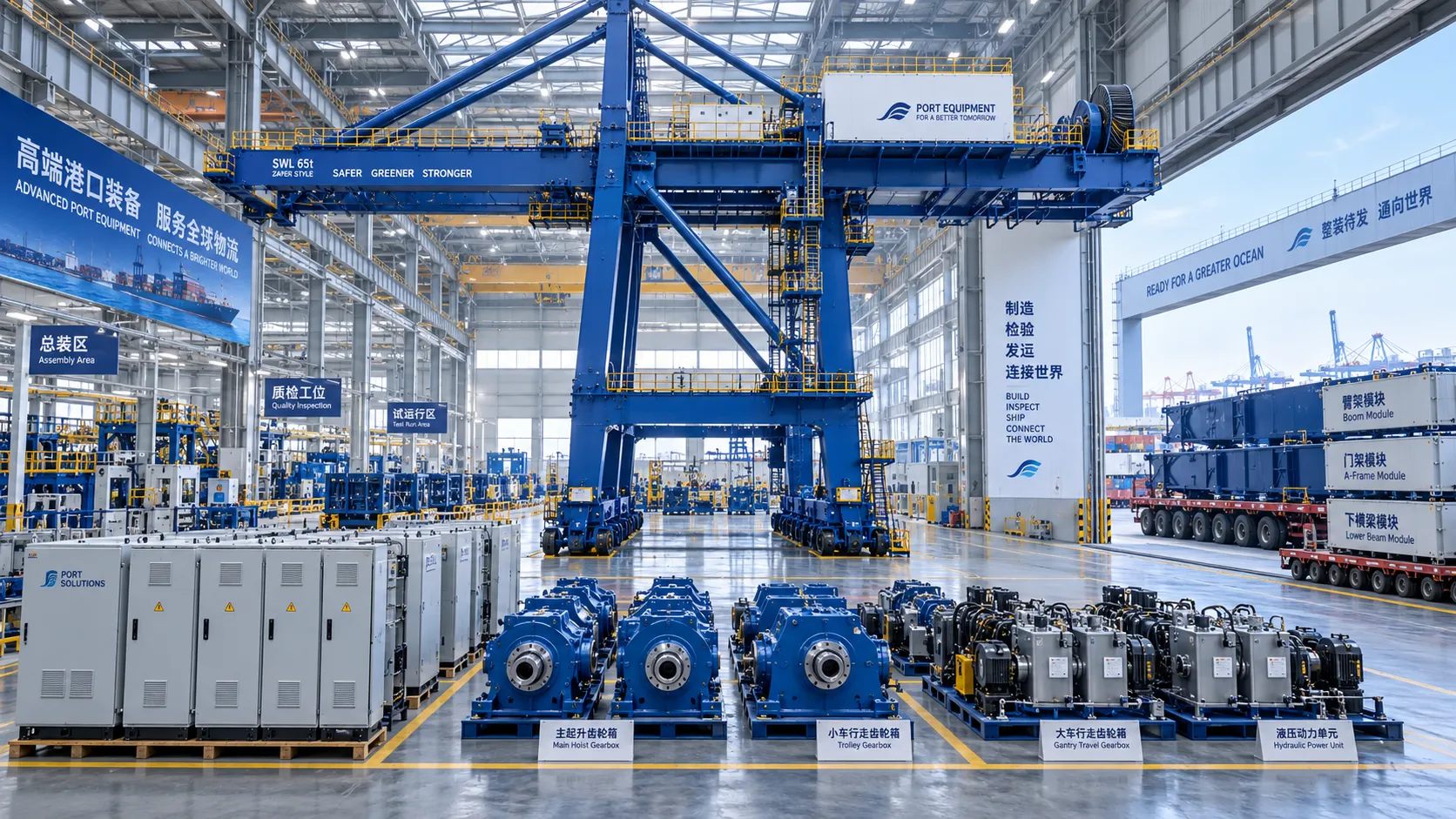
How Can Port Equipment Lead-Time Risk Be Managed?
How can port equipment lead-time risk be managed? Explore practical strategies to control critical paths, suppliers, transport, site readiness, and commissioning delays.
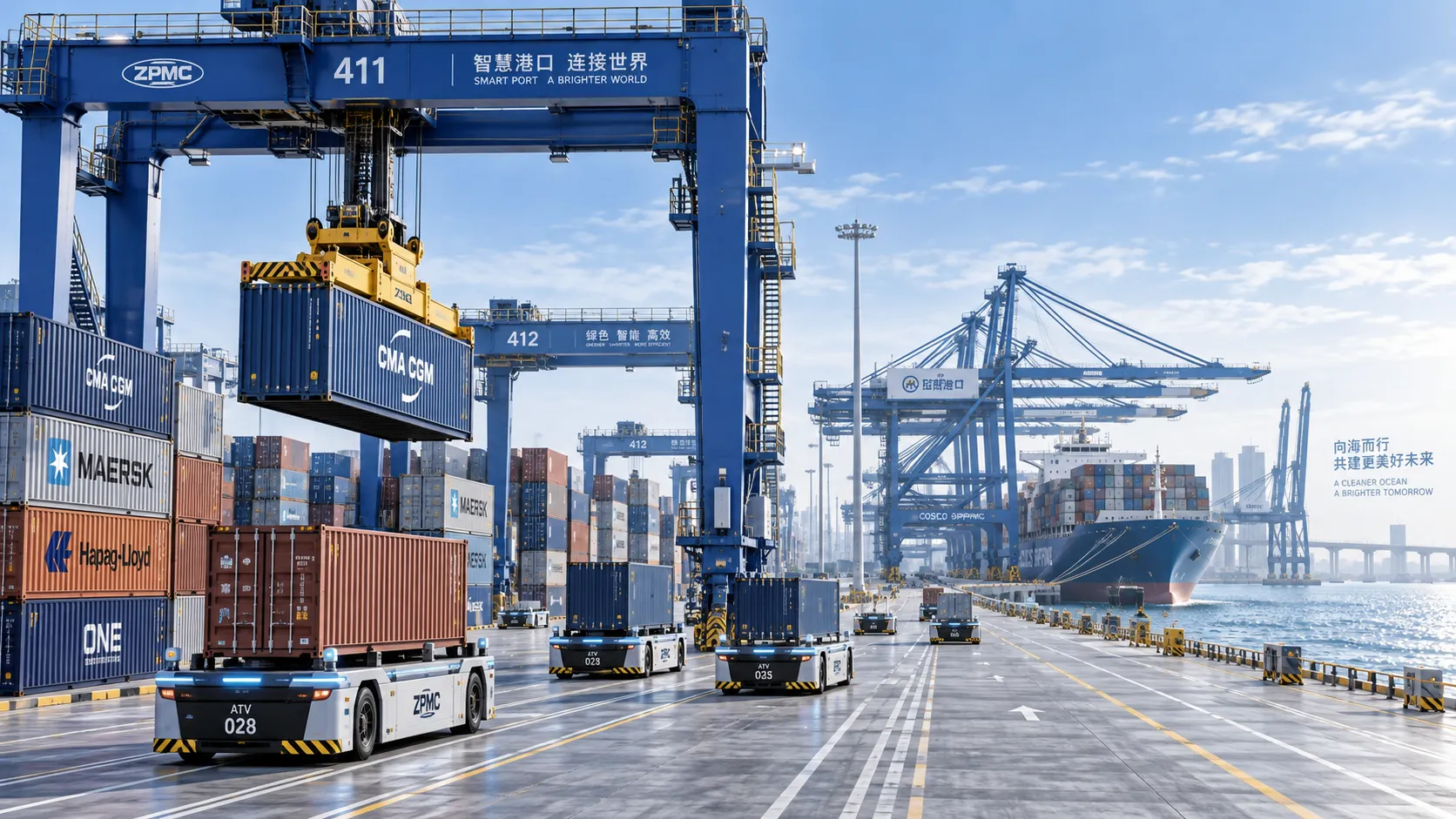
Terminal Automation Technologies That Raise Container Throughput Without Yard Disruption
Terminal automation technology that increases container throughput without disrupting yard flow. Explore smarter integration, resilient workflows, and phased deployment strategies.
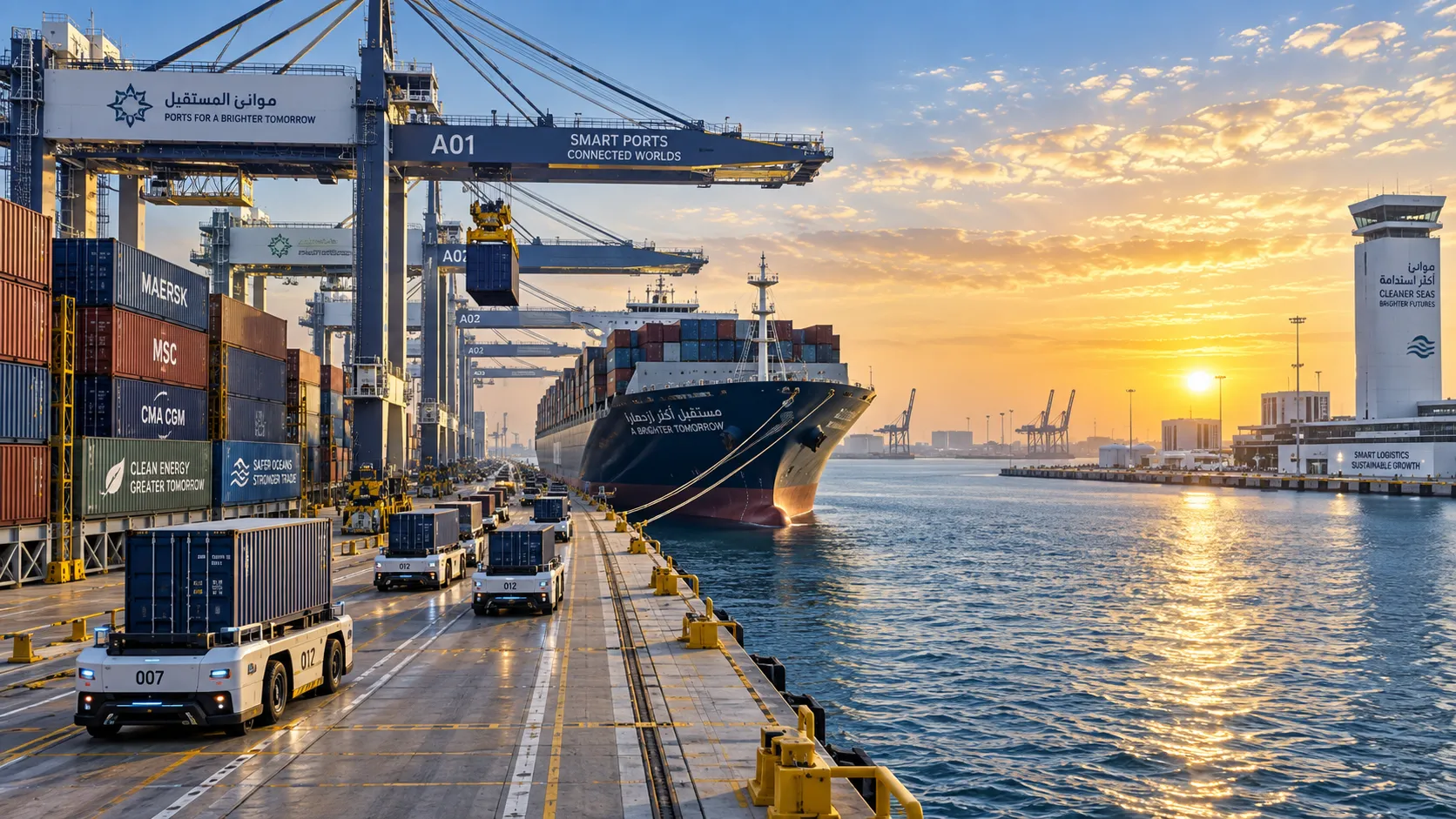
Middle East Port Automation: Key Market Drivers, Projects, and Investment Risks
Port automation systems Middle East: explore market drivers, flagship projects, integration challenges, and investment risks shaping smarter, resilient terminals.
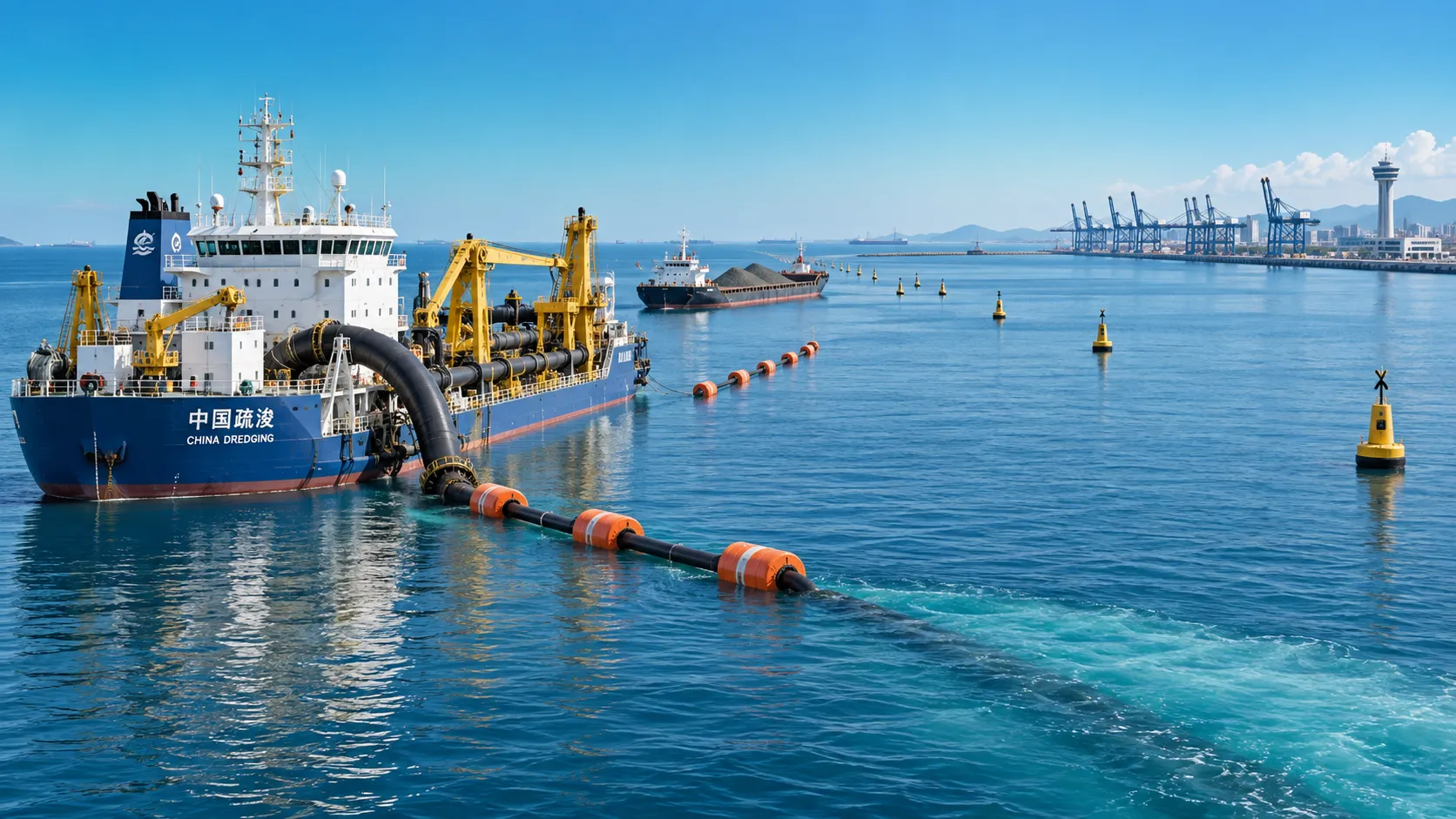
Planning Offshore Dredging Operations: Key Risks, Methods, and Project Controls
Offshore dredging operations demand smart planning. Explore key risks, proven methods, environmental controls, and project strategies for reliable delivery.