Related News
- 00
0000-00
Smart Port Systems Pricing: How to Compare Lifecycle Costs and ROI by Terminal Scale - 00
0000-00
What Drives Bulk Material Handling Pricing in Large Conveyor System Projects? - 00
0000-00
How Shipping Rate Analytics in Europe Help Importers Predict Costs and Route Risk - 00
0000-00
What Buyers Check When Reviewing Used PVC Coating Line Output and Condition - 00
0000-00
Automated Port Systems Cost Breakdown: CAPEX, Integration, and Maintenance Factors
Heavy Machinery Logistics Pricing Explained: What Drives Transport Costs Across Regions
Why does heavy machinery logistics pricing vary so much from one region to another?
Heavy machinery logistics pricing is shaped by geography, infrastructure, and operational risk more than by mileage alone.
A crane module moving through Northern Europe faces different cost logic than a dredging pump sent into West Africa or Southeast Asia.
Port depth, berth availability, customs speed, escort rules, and inland road restrictions can all change the final transport bill.
That is why a low base freight quote often tells only part of the story.
In practical terms, heavy machinery logistics pricing combines ocean freight, handling, permits, route engineering, storage risk, and schedule exposure.
For port equipment, automated yard systems, and dredging assets, the cost picture becomes even more sensitive.
PS-Nexus tracks this through maritime logistics intelligence, especially where terminal capacity and regional trade patterns distort standard rate assumptions.
The useful question is not, “What is the price?”
It is, “Which regional conditions are driving this price, and which of them can still change?”
When is a quote likely to move far above the initial estimate?
The biggest jumps usually happen when cargo complexity was simplified too early.
Oversize dimensions, irregular center of gravity, lifting points, and partial disassembly plans all affect handling and vessel selection.
A machine that looks movable on paper may require special lifting frames, extra lashing, or port-side engineering supervision.
That adds cost before the cargo even leaves origin.
Another common driver is route mismatch.
Some regions offer competitive ocean rates but weak last-mile infrastructure.
If inland bridges, turning radii, axle load limits, or staging yards are constrained, the inland section becomes the expensive part.
For heavy terminal gear and bulk handling machinery, this often matters more than sea freight.
There is also timing risk.
Peak construction seasons, monsoon disruption, port congestion, and vessel scarcity can raise heavy machinery logistics pricing quickly.
If installation windows are tight, premium scheduling may be unavoidable.
A fast screening table for quote volatility
Before approving a budget, it helps to test whether the quote is stable or likely to expand after engineering review.
Which regional cost drivers deserve the closest attention?
Not every region punishes the same weakness.
In North America, inland haul complexity and specialized trailer capacity can dominate total cost.
In parts of Latin America, customs timing and port dwell can outweigh freight itself.
Across island economies or shallow coastal zones, feeder coordination and draft limits become central.
For dredging engineering equipment, access to marine assembly support can be decisive.
Another regional factor is how mature the heavy-lift ecosystem is.
Where ports regularly handle quay cranes, AGV systems, or large bulk conveyors, execution tends to be more predictable.
Where such cargo is unusual, the quote often includes broader contingency.
This is not overpricing by itself.
It is a response to uncertain handling conditions.
PS-Nexus often frames regional pricing through a wider lens.
Trade lane pressure, automation investment cycles, and port infrastructure readiness all influence heavy machinery logistics pricing beyond the shipment file.
- Check whether destination ports have proven heavy-lift operating records.
- Review inland route surveys, not just nominal road distance.
- Ask whether local subcontractors are fixed or still provisional.
- Confirm whether weather seasonality is already priced into the schedule.
How can you tell whether one quote is truly cheaper than another?
The lower number is not always the lower exposure.
Heavy machinery logistics pricing should be compared on scope integrity, not headline total alone.
One provider may include route survey, temporary storage, customs brokerage, and engineering method statements.
Another may leave those as post-award extras.
That difference can distort approval decisions.
A practical comparison method is to isolate cost lines that usually move later.
Look closely at demurrage assumptions, crane hire duration, port storage days, lashing materials, and rehandling clauses.
These items often explain why two bids appear far apart.
It also helps to compare the information quality behind each quote.
A detailed quote built on cargo drawings, center-of-gravity data, and actual route constraints is usually more reliable than a fast budgetary figure.
Questions worth asking before sign-off
- Which assumptions are still provisional?
- What events trigger surcharges or revised engineering?
- Is port handling subcontracted, and under what rate basis?
- How many storage or waiting days are included?
- Are customs delays treated as carrier risk or project risk?
What hidden risks most often distort heavy machinery logistics pricing?
The most expensive surprises often sit outside freight itself.
Misdeclared dimensions, incomplete packing definitions, and unclear delivery responsibilities are frequent sources of dispute.
For automated container handling systems, cabling modules, control cabinets, and commissioning tools may travel under separate terms.
If they are omitted from the transport map, later consolidation costs appear unexpectedly.
Insurance is another blind spot.
Some approvals focus on freight and ignore cargo value concentration.
A single high-value component for port automation can carry modest weight but major replacement risk.
In those cases, heavy machinery logistics pricing should be read together with liability limits and recovery timelines.
There is also a strategic risk tied to market timing.
Fuel swings, charter availability, and geopolitical route changes can affect rates within weeks.
For long-cycle port infrastructure projects, stale budget assumptions quickly become unreliable.
So what is the smartest way to budget and approve cross-border moves?
Start with a structured approval view rather than a freight-only view.
Heavy machinery logistics pricing works best when broken into controllable and less controllable elements.
Controllable items include cargo preparation, packing scope, document completeness, and timing flexibility.
Less controllable items include fuel, congestion, weather, and regional permit timelines.
That distinction improves budget realism.
A sensible approval file usually includes a base quote, a defined contingency band, and a short note explaining the top cost variables by region.
That note matters because similar equipment can behave very differently across trade lanes.
For organizations following maritime and coastal infrastructure trends, PS-Nexus intelligence is useful here.
Its coverage of terminal gear, bulk systems, automation, and dredging conditions helps connect shipment cost with the wider operating environment.
In other words, better logistics approvals usually come from better context, not just better bargaining.
The next step is straightforward.
Map the cargo precisely, compare quote scope line by line, identify regional risk points, and reserve contingency where the route remains uncertain.
That approach makes heavy machinery logistics pricing easier to judge, defend, and manage after approval.
Related News
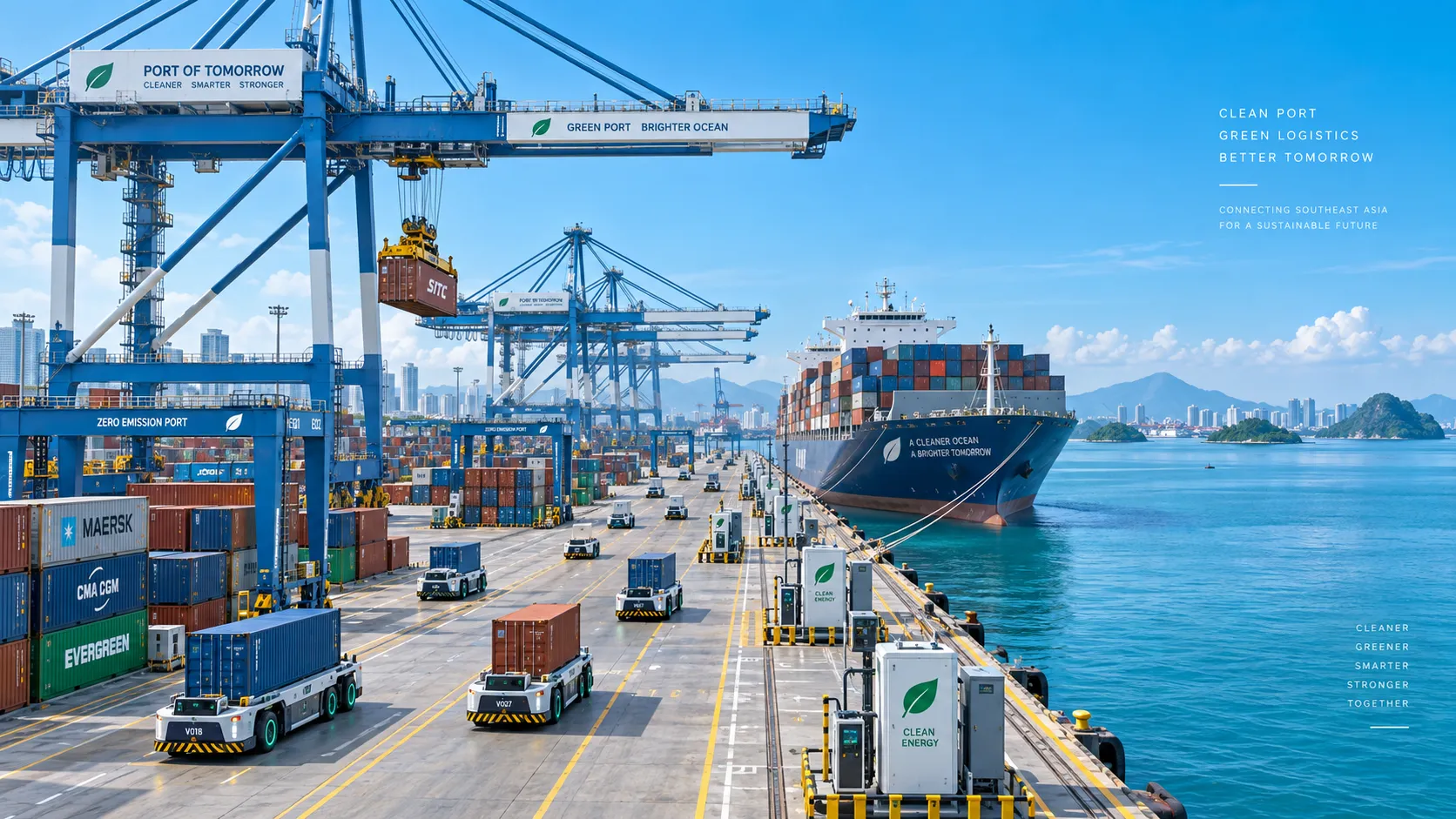
Smart Port Systems in Southeast Asia: Investment Priorities and Adoption Barriers
Smart port systems Southeast Asia: discover investment priorities, adoption barriers, and practical steps to build resilient, connected, high-performing terminals.
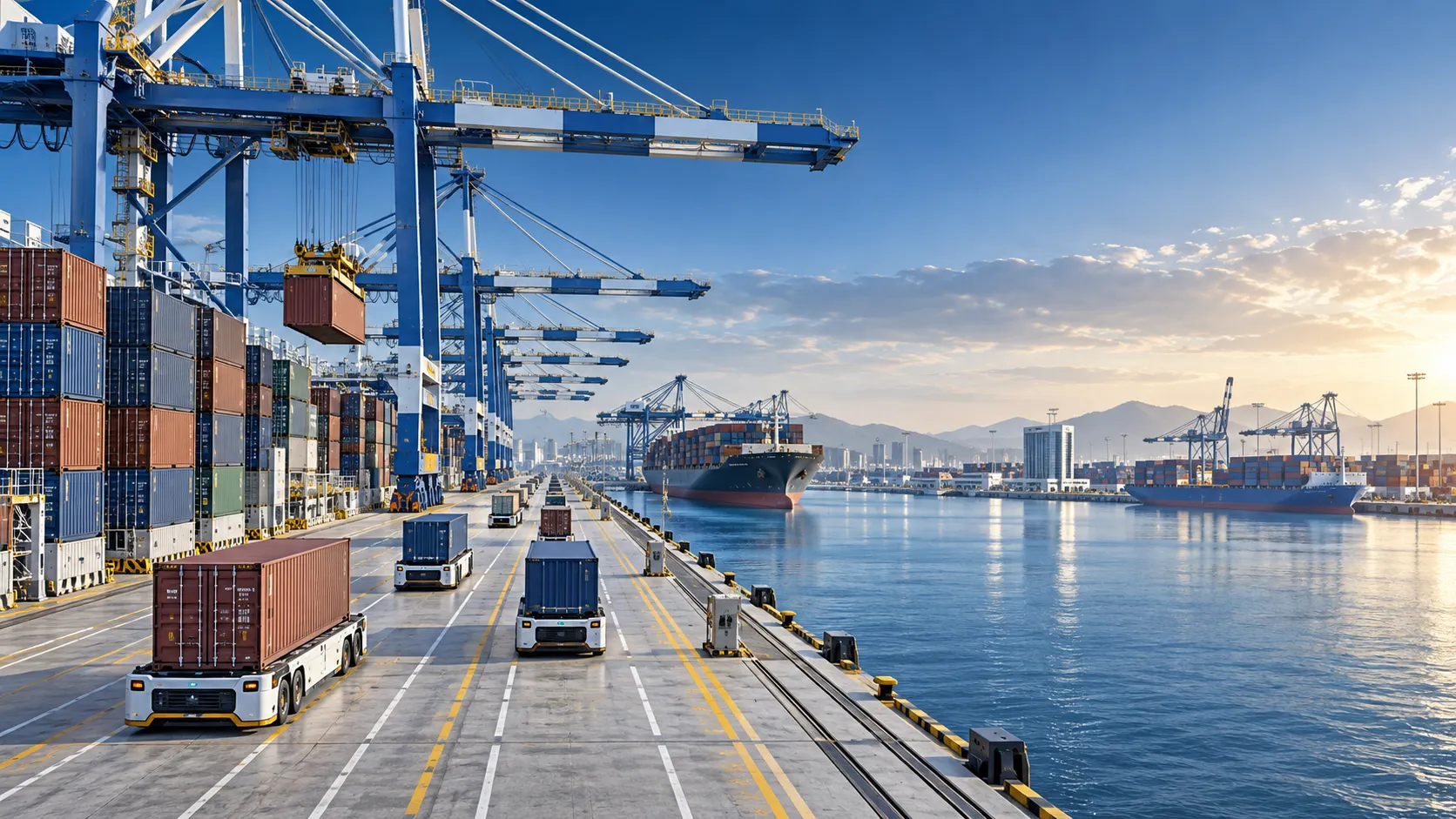
How to Evaluate Terminal Efficiency Solution Suppliers for High-Throughput Operations
Choose a terminal efficiency solutions supplier with confidence. Explore proven criteria for throughput, integration, lifecycle cost, safety, and reliable delivery.
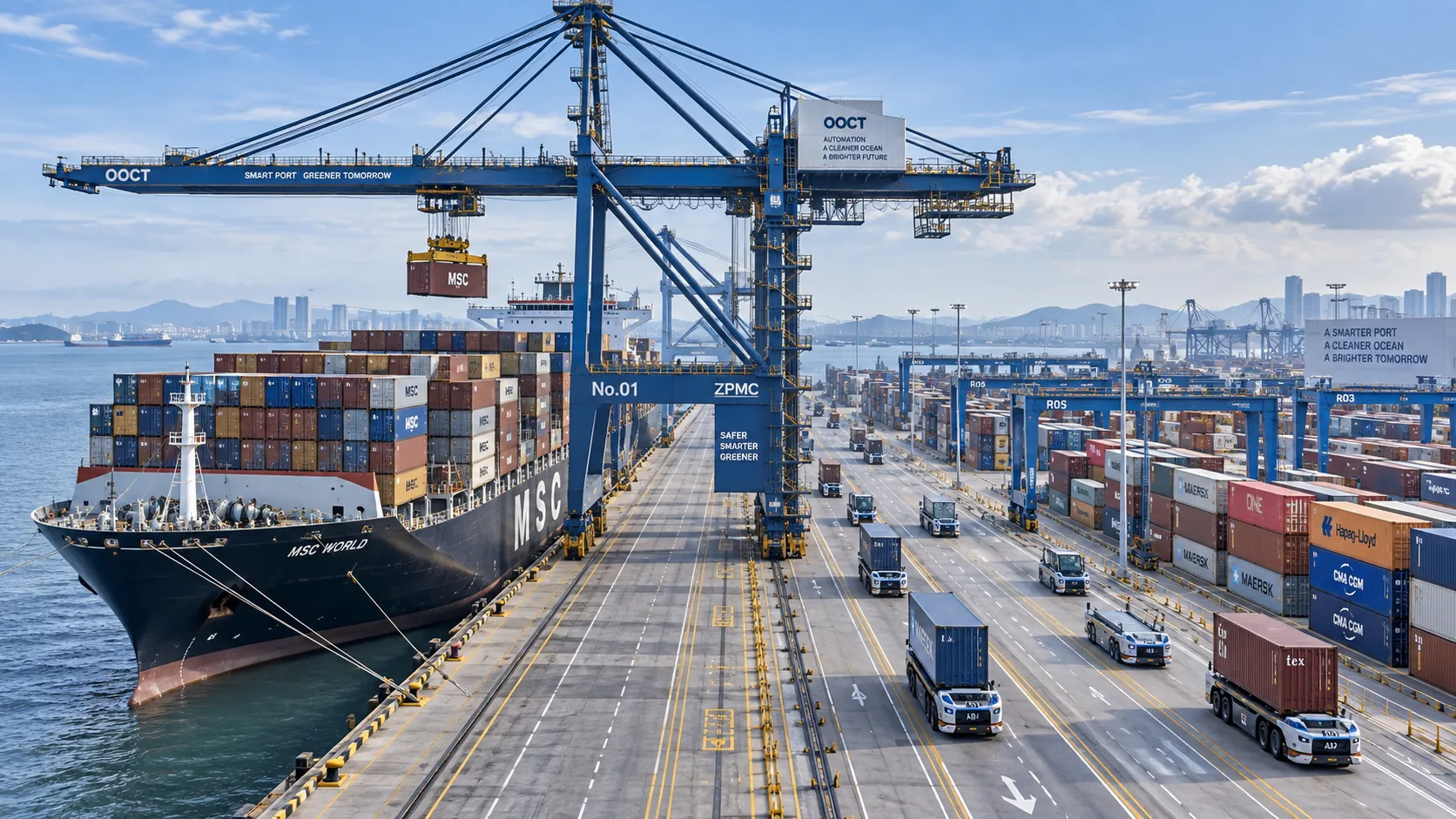
How to Specify a Quay Crane for Container Terminals by Vessel Size and Throughput?
Quay crane for container terminals: learn how to match outreach, lift height, capacity, automation, and cycle performance to vessel size and throughput goals.
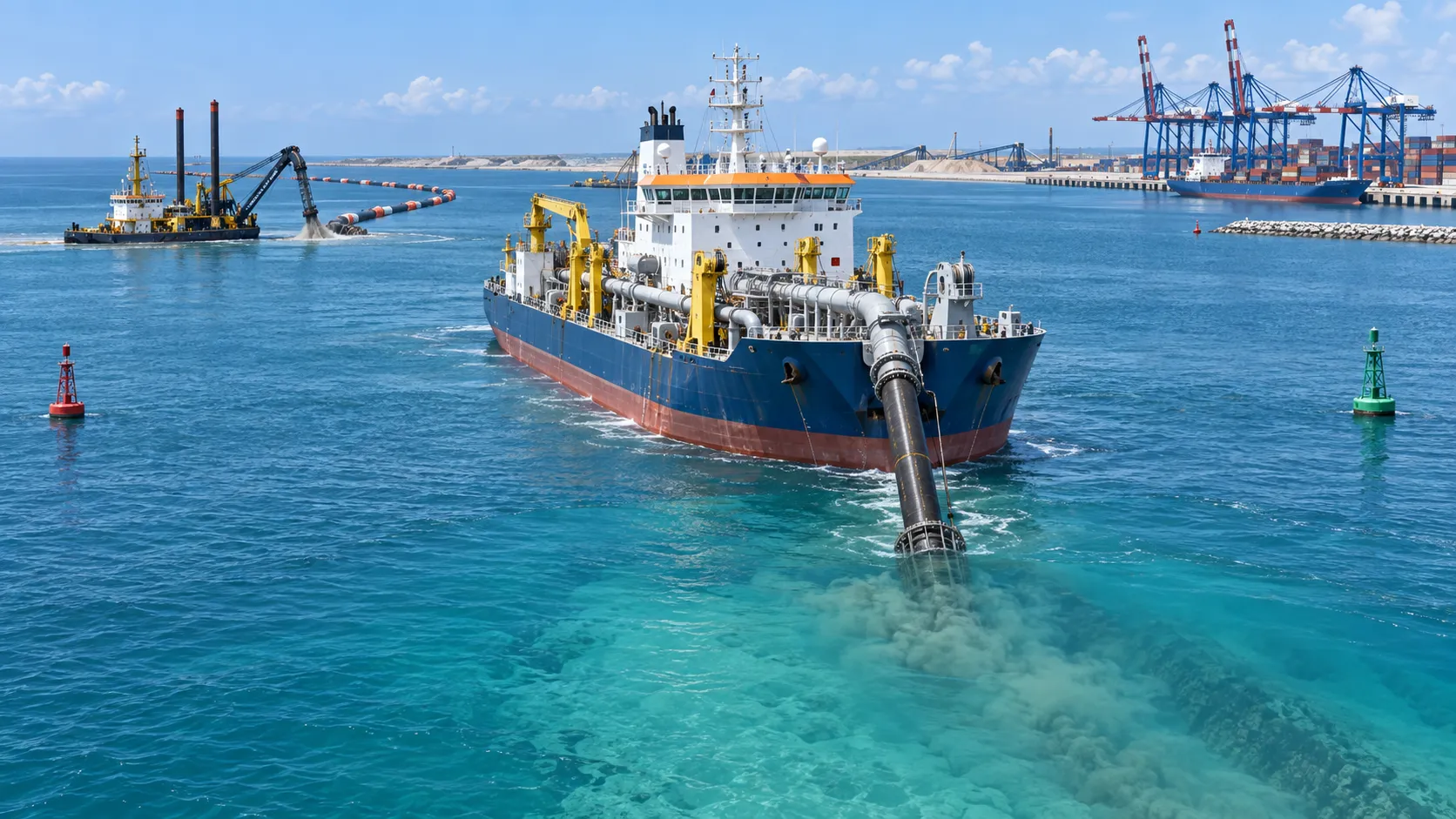
What Dredging Equipment Is Needed for Channel Deepening?
What dredging equipment is needed for channel deepening? Explore dredgers, pipelines, survey tools, and planning strategies for safer, more efficient port access.
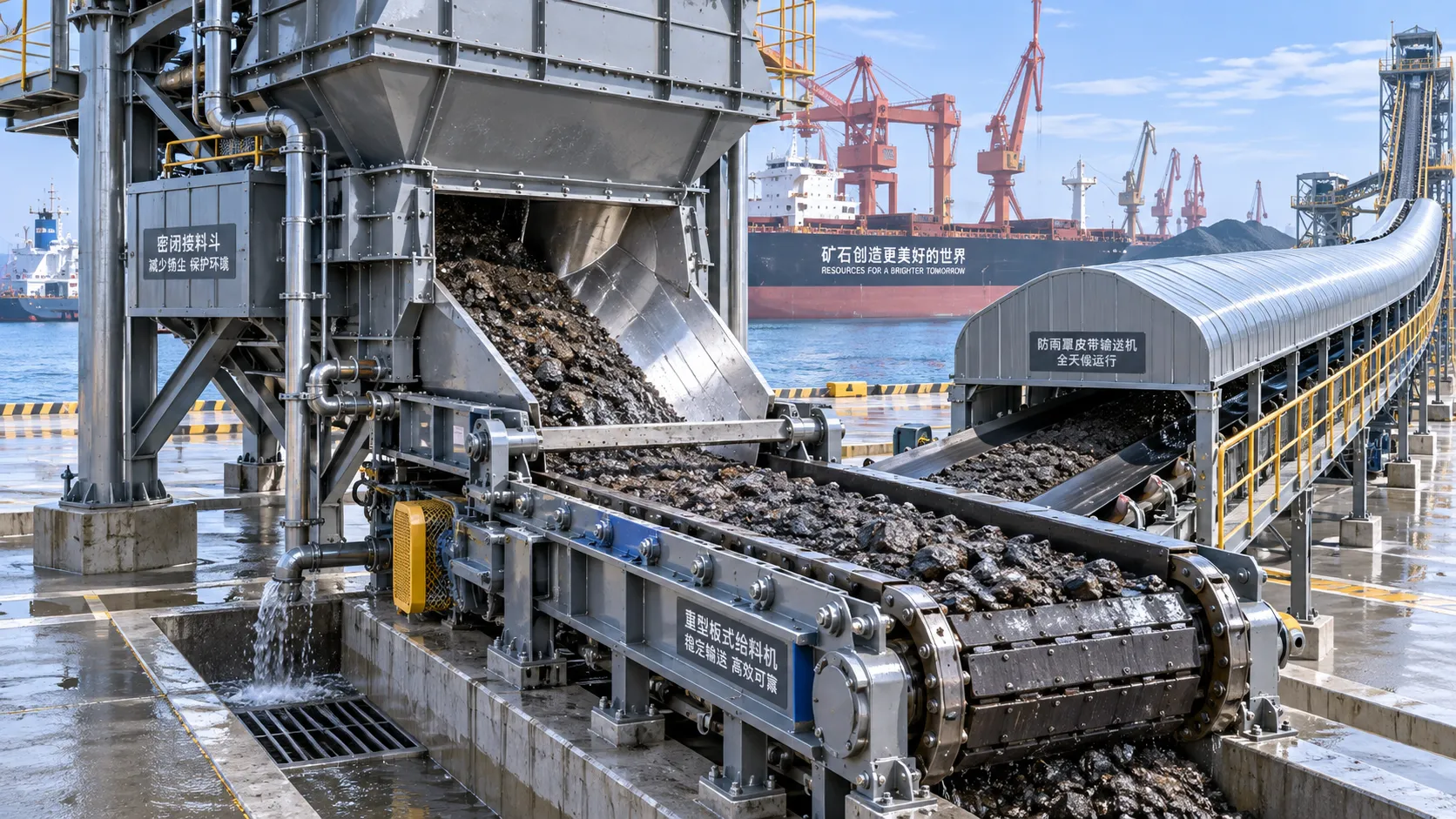
Which Bulk Handling Equipment Suits High-Moisture Cargo?
Which bulk handling equipment suits high-moisture cargo? Compare belt, apron, screw, drag, and slurry systems for reliable flow, less carryback, and higher terminal uptime.
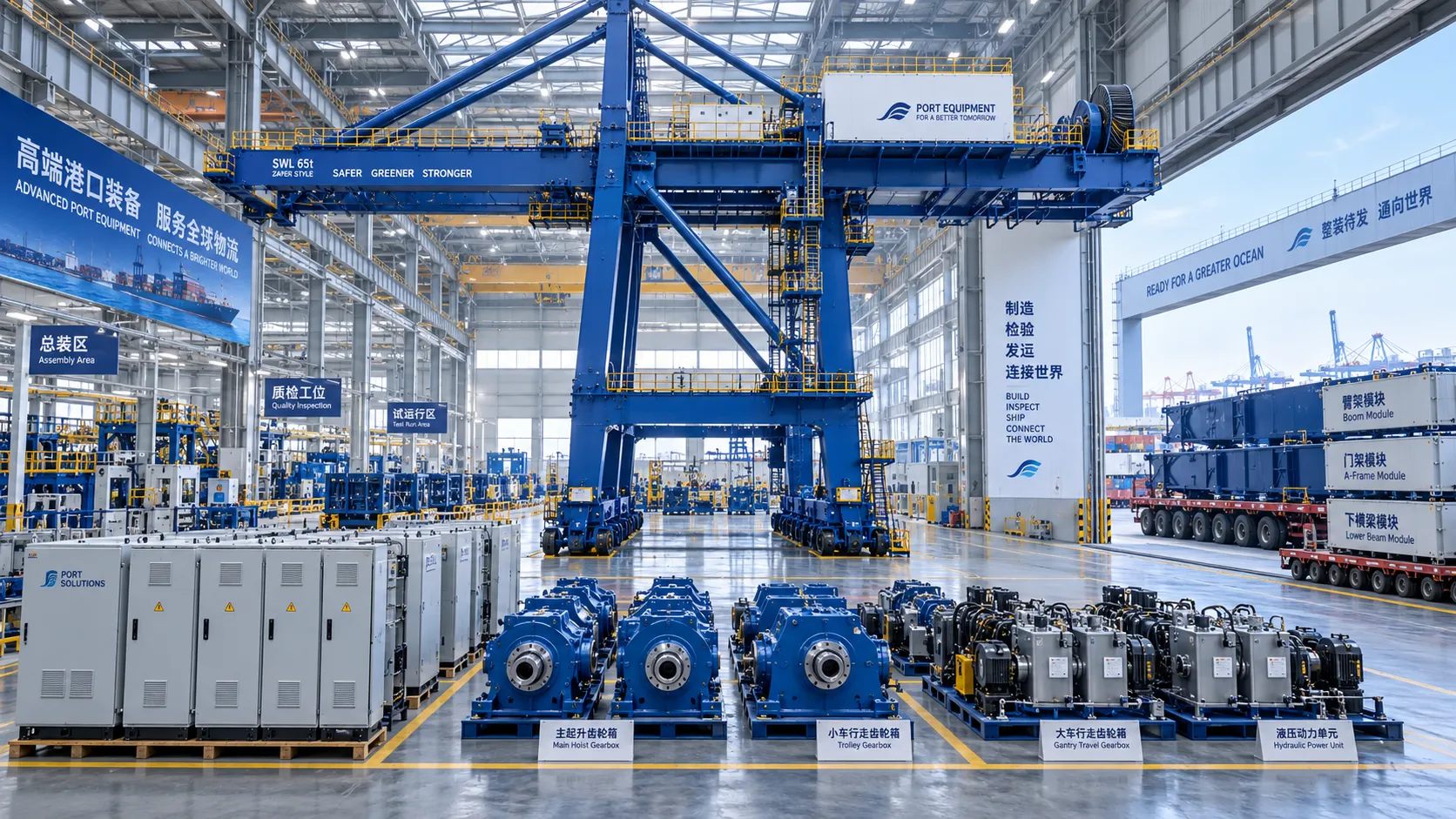
How Can Port Equipment Lead-Time Risk Be Managed?
How can port equipment lead-time risk be managed? Explore practical strategies to control critical paths, suppliers, transport, site readiness, and commissioning delays.
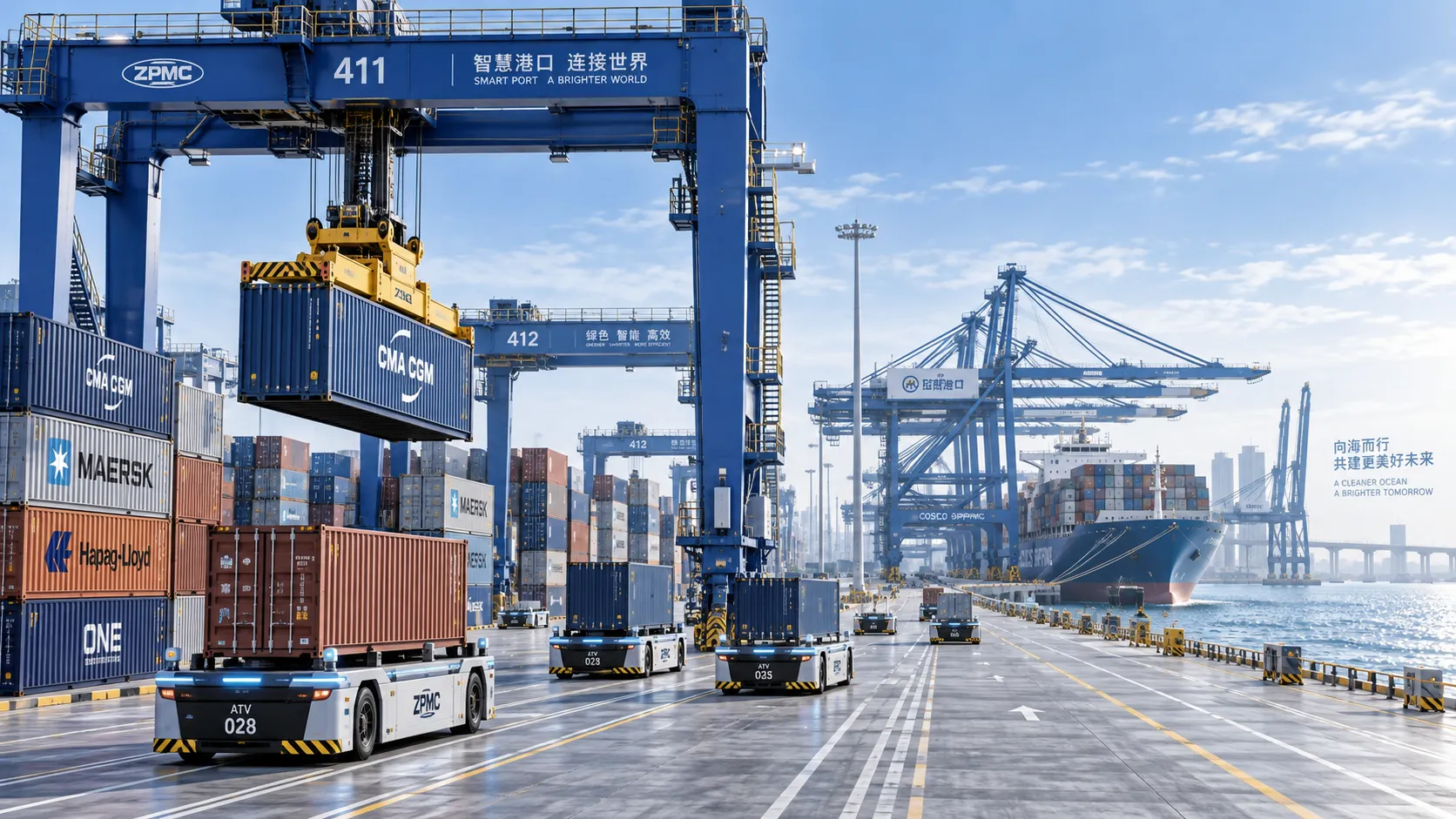
Terminal Automation Technologies That Raise Container Throughput Without Yard Disruption
Terminal automation technology that increases container throughput without disrupting yard flow. Explore smarter integration, resilient workflows, and phased deployment strategies.
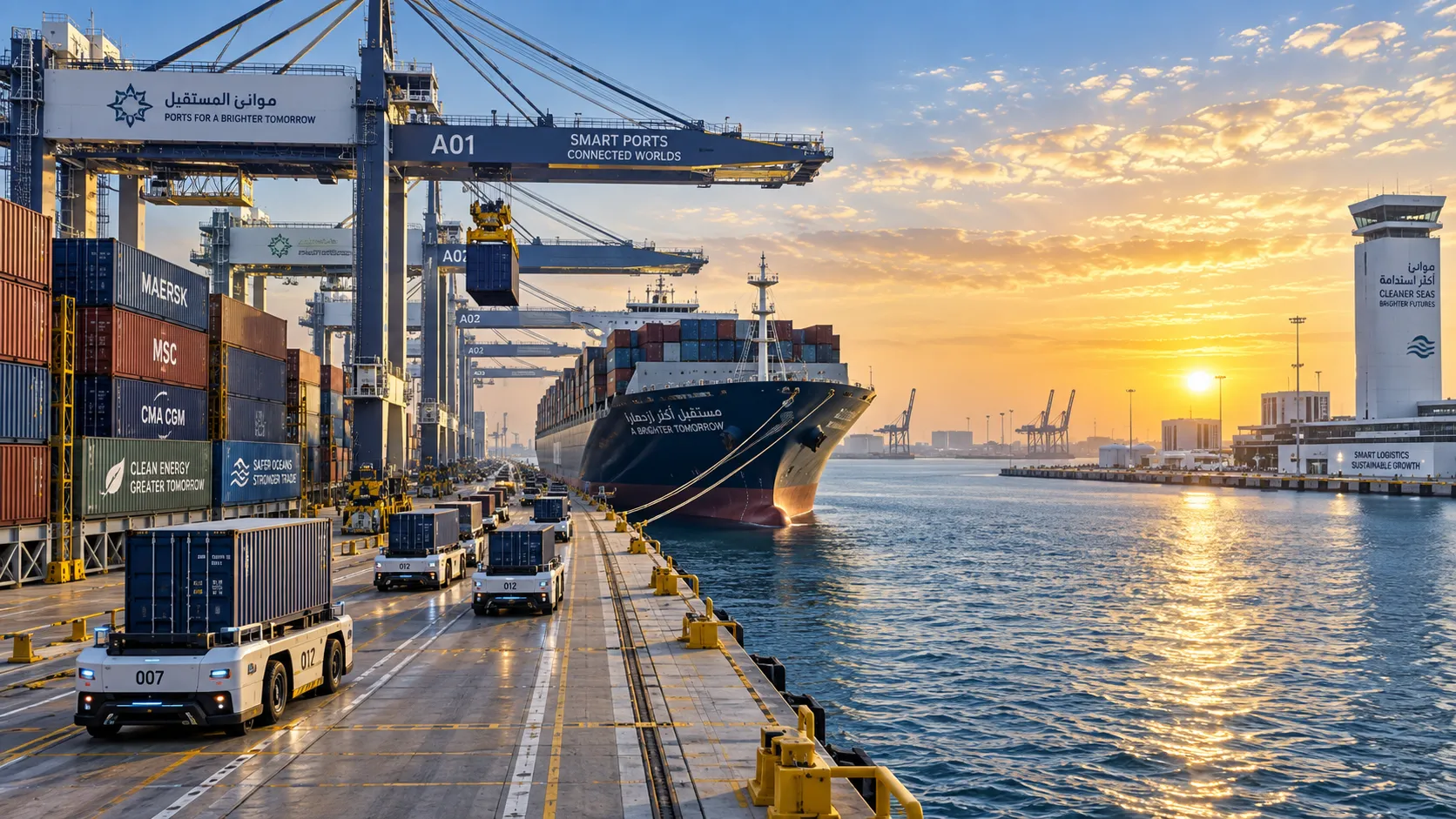
Middle East Port Automation: Key Market Drivers, Projects, and Investment Risks
Port automation systems Middle East: explore market drivers, flagship projects, integration challenges, and investment risks shaping smarter, resilient terminals.
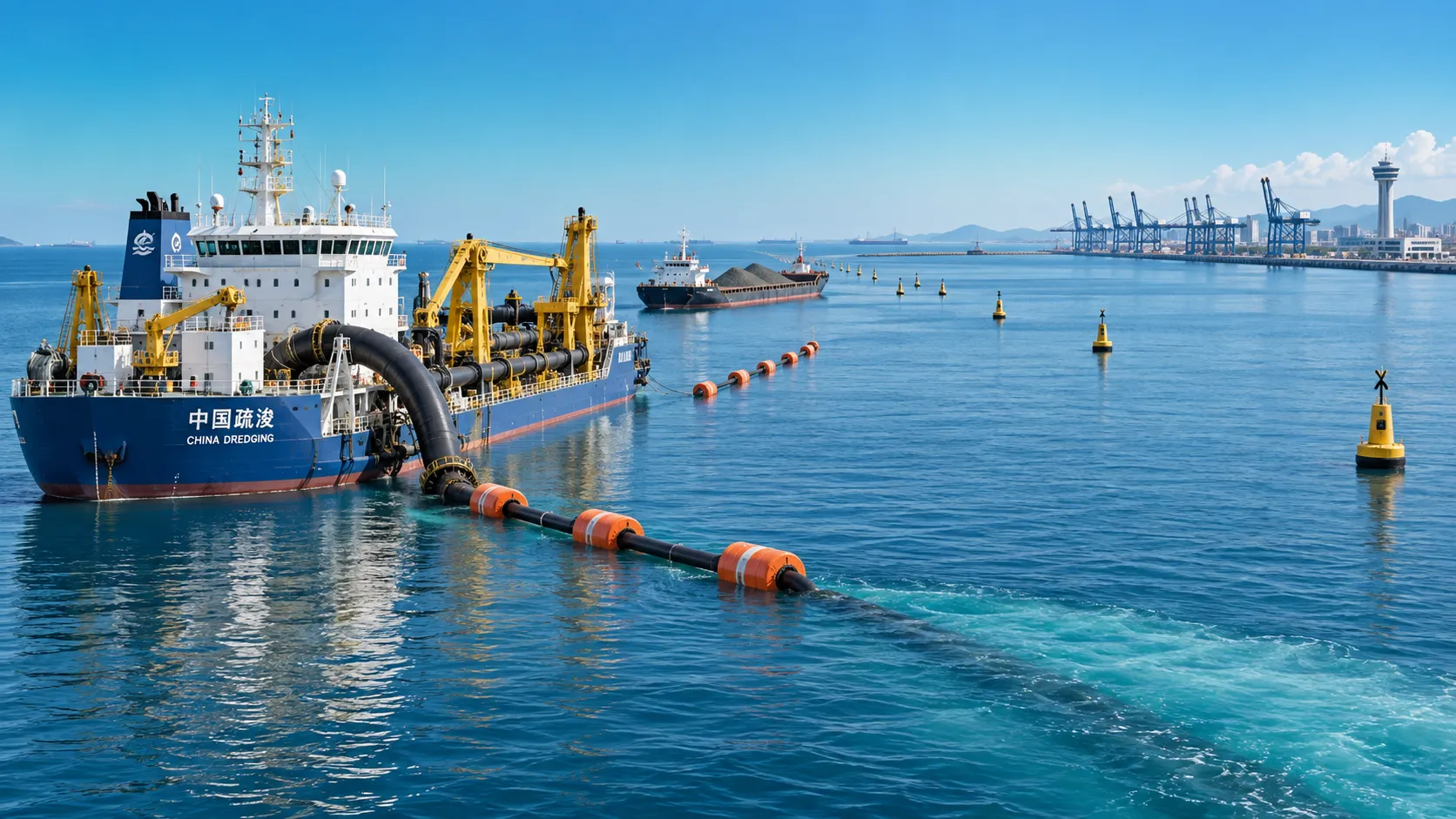
Planning Offshore Dredging Operations: Key Risks, Methods, and Project Controls
Offshore dredging operations demand smart planning. Explore key risks, proven methods, environmental controls, and project strategies for reliable delivery.