Related News
- 00
0000-00
How Can Port Equipment Lead-Time Risk Be Managed? - 00
0000-00
Maritime Logistics Operations: How Ports Can Reduce Container Dwell Time - 00
0000-00
What Does Logistics Node Monitoring Cost Across Warehouses and Transport Hubs? - 00
0000-00
How Can IoT Smart Port Solutions Improve Container Tracking and Yard Efficiency? - 00
0000-00
How Real-Time Port Logistics Intelligence Improves Container Yard Efficiency
What a Global Supply Chains Platform Should Offer for Multi-Supplier Visibility and Risk Control
A global supply chains platform earns its value when it turns scattered supplier data into a usable view of exposure, timing, and operational consequence. That matters even more in trade environments tied to ports, automated terminals, bulk equipment, and dredging programs, where one delayed component or one unstable route can affect vessel schedules, yard productivity, and capital deployment far beyond a single purchase order.
For organizations comparing complex sourcing structures, the core question is no longer whether visibility tools exist. The real issue is whether a global supply chains platform can reveal multi-supplier dependencies early enough to support action, especially across maritime logistics networks where equipment cycles are long, assets are expensive, and disruption often begins outside the factory gate.
Why visibility now means more than shipment tracking
Basic tracking still matters, but it is no longer enough. Modern supply risk is shaped by supplier concentration, port congestion, regulatory change, inland transport gaps, energy volatility, and equipment service constraints.
In sectors connected to maritime infrastructure, the impact is amplified. A missed crane subsystem, delayed bulk handling unit, or dredging equipment spare part can stall commissioning plans and weaken throughput assumptions.
That is why a global supply chains platform should combine logistics visibility with structural intelligence. It needs to show not only where goods are, but also where hidden dependencies are building.
What a global supply chains platform should actually deliver
The best platforms are designed for decisions, not dashboards alone. They help compare suppliers, routes, nodes, and scenarios in one operating picture.
Multi-supplier mapping at part, site, and route level
A credible global supply chains platform should identify every relevant supplier tier, production site, subcontractor, and transport leg tied to critical materials or equipment.
This is especially important when several vendors appear independent, yet rely on the same fabrication hub, terminal gateway, software integrator, or power electronics source.
Early warning signals instead of retrospective reporting
Risk control depends on timing. Alerts should detect unusual lead-time drift, booking failures, labor disruption, customs backlog, weather impact, sanctions exposure, and abnormal port dwell time.
A useful system also ranks those signals by business effect. Not every delay deserves escalation. The platform should distinguish noise from material operational risk.
Decision-ready context for high-value assets
Heavy terminal machinery and automation systems involve long planning windows, specialized vendors, and difficult replacement paths. A global supply chains platform should reflect that reality.
Instead of generic logistics status, it should connect supply movement with commissioning milestones, maintenance needs, installation sequencing, and spare parts availability.
Where maritime and port sectors raise the standard
PS-Nexus operates in a business environment where port equipment, automated container handling, and dredging engineering shape real trade capacity. That context changes what visibility should mean.
For example, a quay crane project depends on more than steel fabrication. It may rely on control systems, remote communication hardware, sensor packages, AGV interface logic, and regional installation schedules.
The same applies to dredging fleets and bulk handling systems. Mechanical readiness, digital monitoring, replacement pumps, fairway access, and mobilization windows can all become supply chain variables.
In that setting, a global supply chains platform should integrate commercial, engineering, and node-level trade intelligence. Otherwise, visibility remains partial and risk assessment remains too shallow.
The data layers that matter most
Not all data improves clarity. The right platform filters inputs into a set of usable layers that support comparison and escalation.
This combination is where a global supply chains platform becomes more than an information repository. It becomes a practical risk control tool.
How to judge platform usefulness in real operations
A platform can look impressive and still be difficult to use under pressure. Evaluation should focus on whether it supports operational judgment in live conditions.
- Can it compare supplier exposure side by side, including common upstream dependencies?
- Can it connect shipment delays with project schedules, maintenance plans, and equipment readiness?
- Can it flag risk by lane, component, site, or trade corridor instead of using broad global scores?
- Can it incorporate sector intelligence, such as port performance, automation trends, and heavy equipment demand shifts?
- Can users test alternatives, including route changes, dual sourcing, buffer stock, and resequencing decisions?
These questions matter because supply resilience is rarely built by one dramatic intervention. It usually comes from earlier choices made with better context.
Typical scenarios where the platform proves its value
Port automation programs
Automation projects involve software, controls, vehicles, sensors, and mechanical assets from different supply bases. A global supply chains platform helps expose interface risk across those streams.
Heavy terminal equipment procurement
Large equipment orders often appear secure once contracts are signed. In practice, fabrication bottlenecks, transport windows, and commissioning dependencies can still undermine delivery confidence.
Dredging and marine engineering support
Dredging operations depend on specialized components, service support, and navigational access. Visibility into fleet support chains can reduce idle time and improve intervention planning.
Strategic sourcing under changing trade patterns
When trade routes shift, demand for automated gear and bulk systems can move with them. A global supply chains platform should help interpret structural demand changes, not merely past transactions.
Why industry intelligence should sit beside transaction data
Transaction data shows what has happened. Sector intelligence explains why pressure is building. That distinction is critical in maritime logistics and coastal infrastructure.
PS-Nexus reflects this broader model well. Its focus on terminal gear, container handling, automation control systems, and dredging engineering points to a more useful standard for platform design.
When shipping rates, logistics node dynamics, equipment evolution, and commercial demand signals are viewed together, risk control becomes more forward-looking. The platform can then support timing, not just reporting.
What to examine before making the next platform decision
The most effective next step is to define which decisions the platform must improve. That usually means identifying critical suppliers, vulnerable routes, irreplaceable components, and the cost of delayed intervention.
From there, compare whether each global supply chains platform can map hidden dependencies, surface early warnings, and relate external disruptions to operational and commercial outcomes.
In industries influenced by port capacity, automation maturity, and blue economy investment, the better choice is usually the platform that combines network visibility with domain intelligence. That is where stronger risk control begins.
- automated container handling
- maritime logistics
- port automation
- control systems
- dredging equipment
- blue economy
- logistics node dynamics
- automated gear
- global supply chains
- quay crane
- coastal infrastructure
- dredging operations
- maritime infrastructure
- terminal equipment
- global supply chains platform
- blue economy investment
Related News
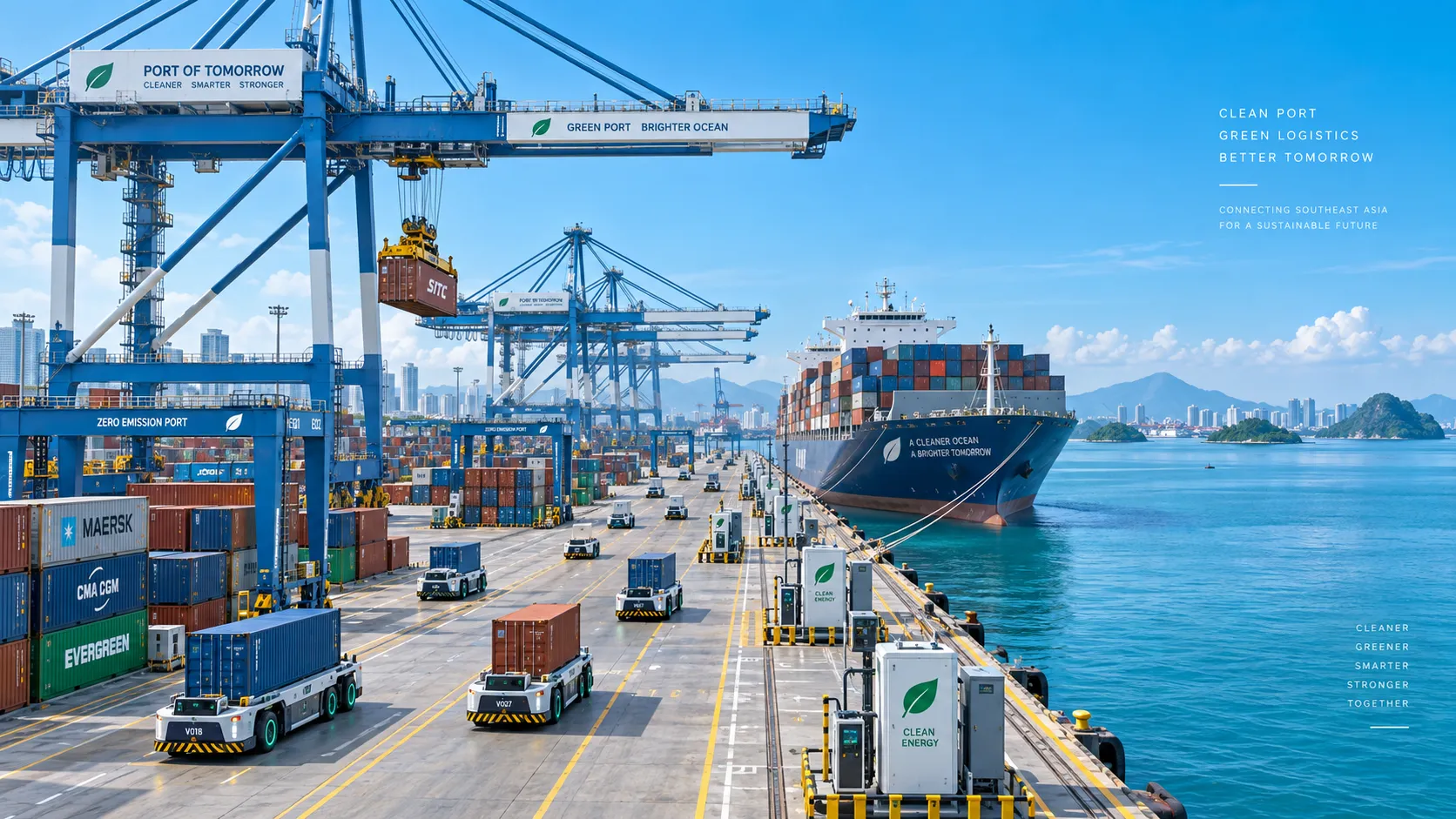
Smart Port Systems in Southeast Asia: Investment Priorities and Adoption Barriers
Smart port systems Southeast Asia: discover investment priorities, adoption barriers, and practical steps to build resilient, connected, high-performing terminals.
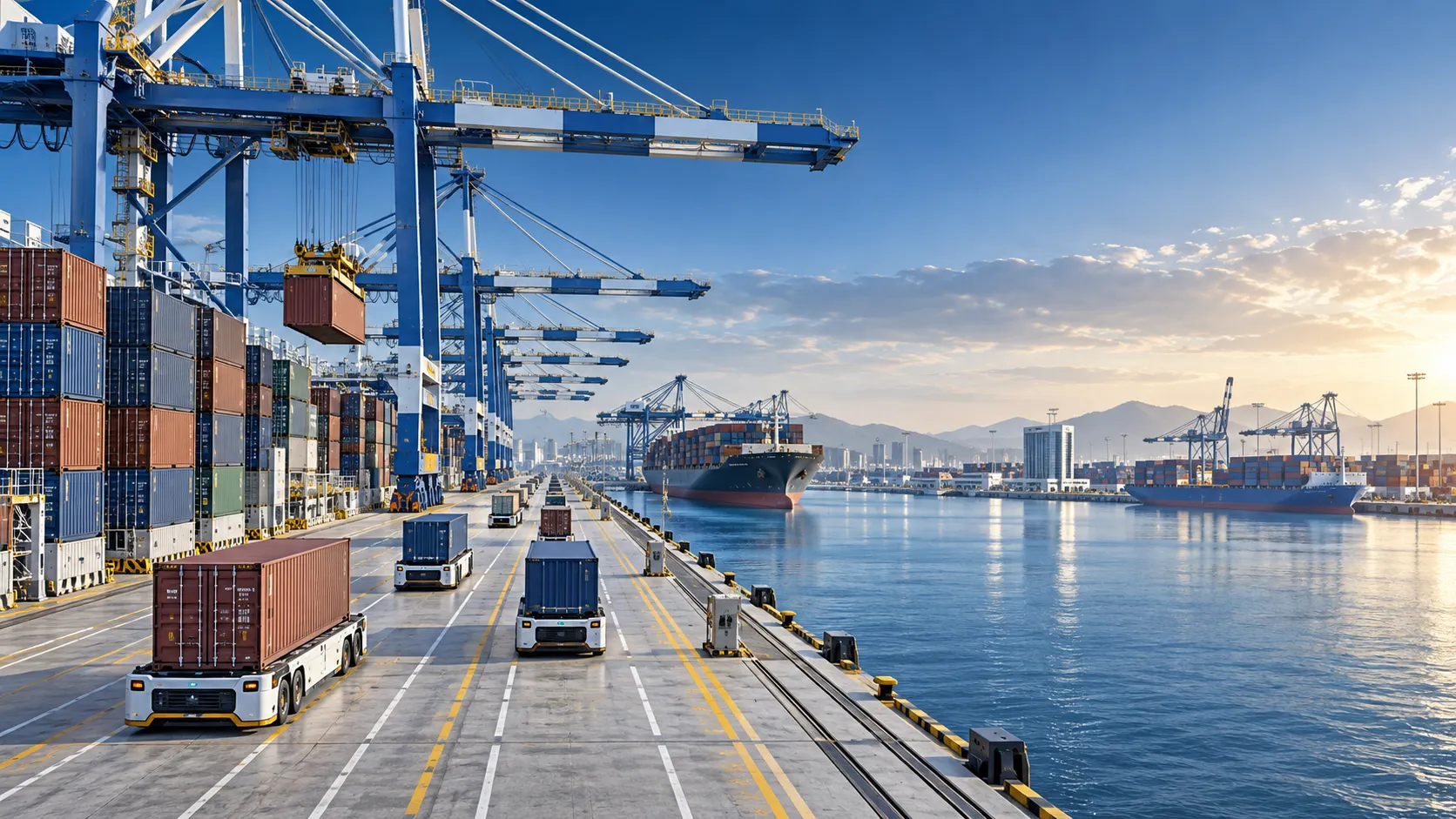
How to Evaluate Terminal Efficiency Solution Suppliers for High-Throughput Operations
Choose a terminal efficiency solutions supplier with confidence. Explore proven criteria for throughput, integration, lifecycle cost, safety, and reliable delivery.
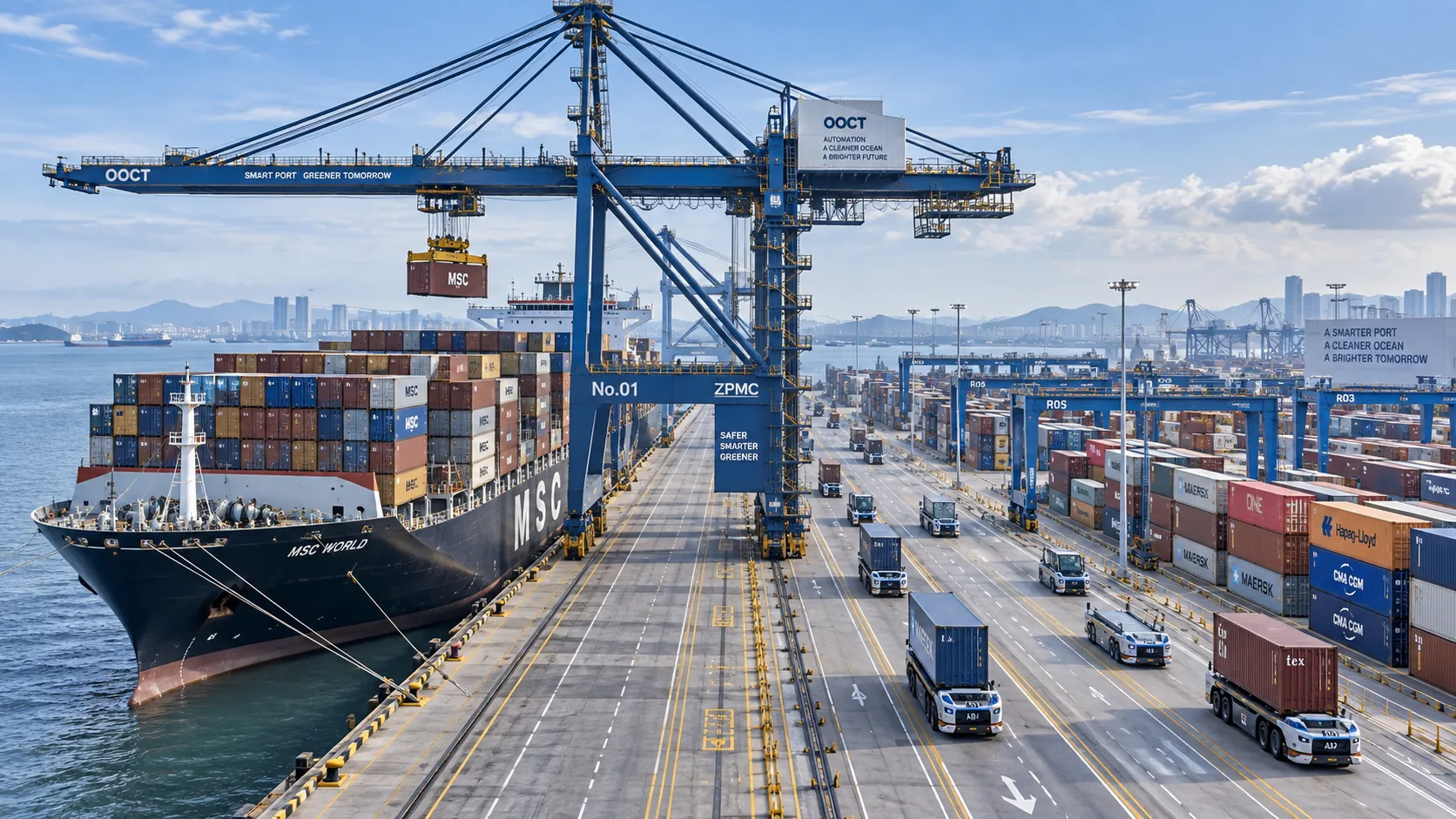
How to Specify a Quay Crane for Container Terminals by Vessel Size and Throughput?
Quay crane for container terminals: learn how to match outreach, lift height, capacity, automation, and cycle performance to vessel size and throughput goals.
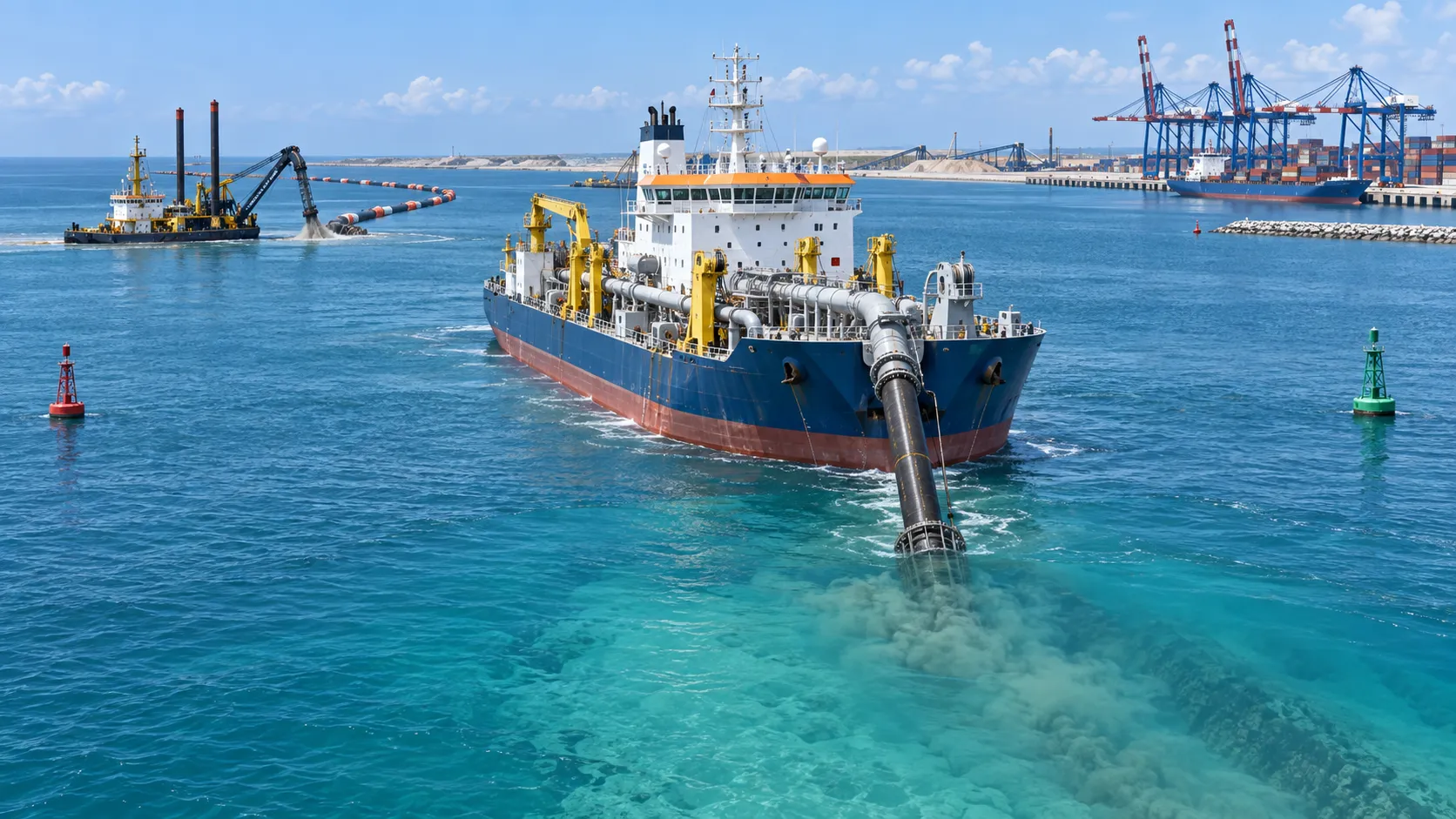
What Dredging Equipment Is Needed for Channel Deepening?
What dredging equipment is needed for channel deepening? Explore dredgers, pipelines, survey tools, and planning strategies for safer, more efficient port access.
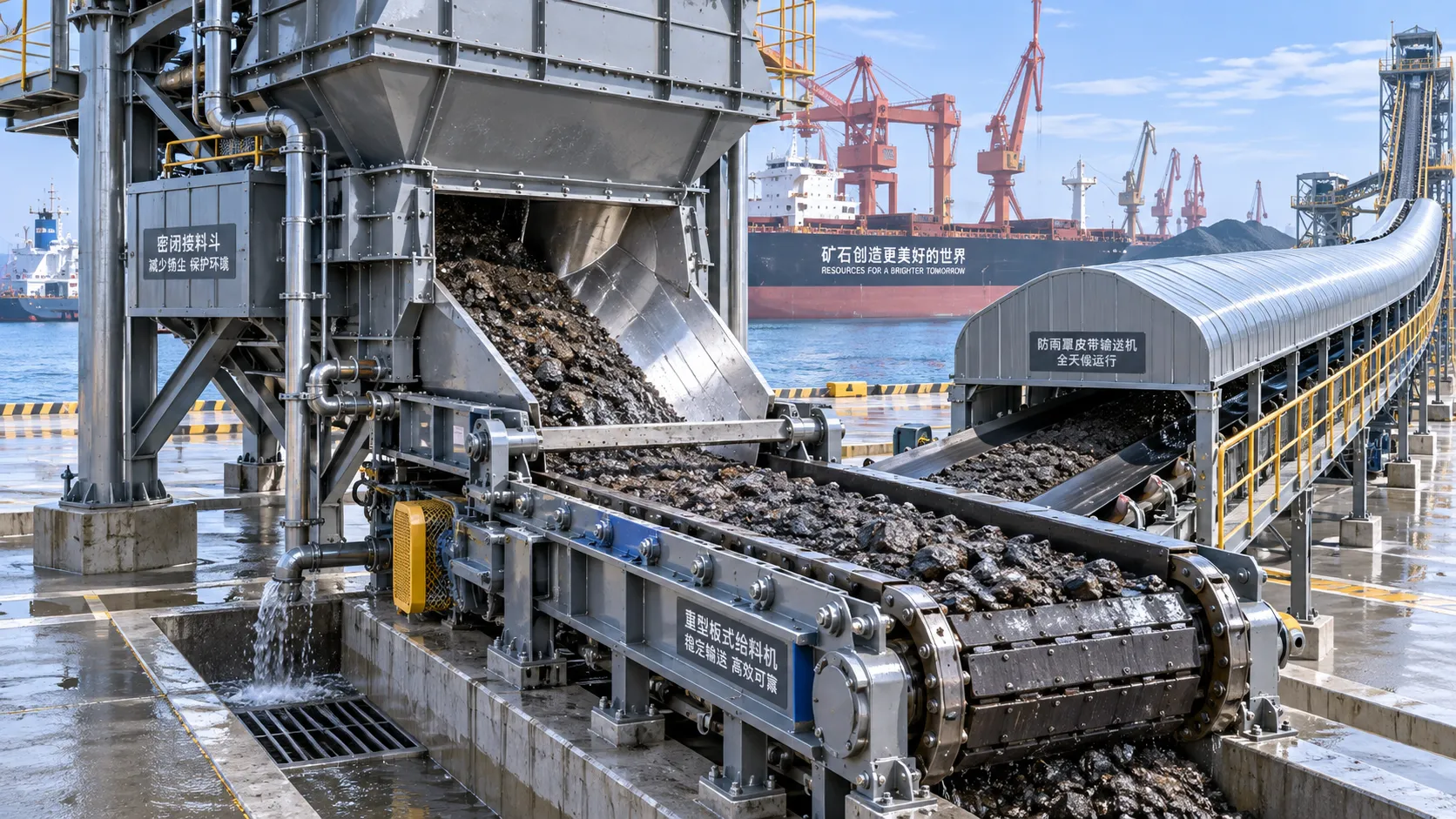
Which Bulk Handling Equipment Suits High-Moisture Cargo?
Which bulk handling equipment suits high-moisture cargo? Compare belt, apron, screw, drag, and slurry systems for reliable flow, less carryback, and higher terminal uptime.
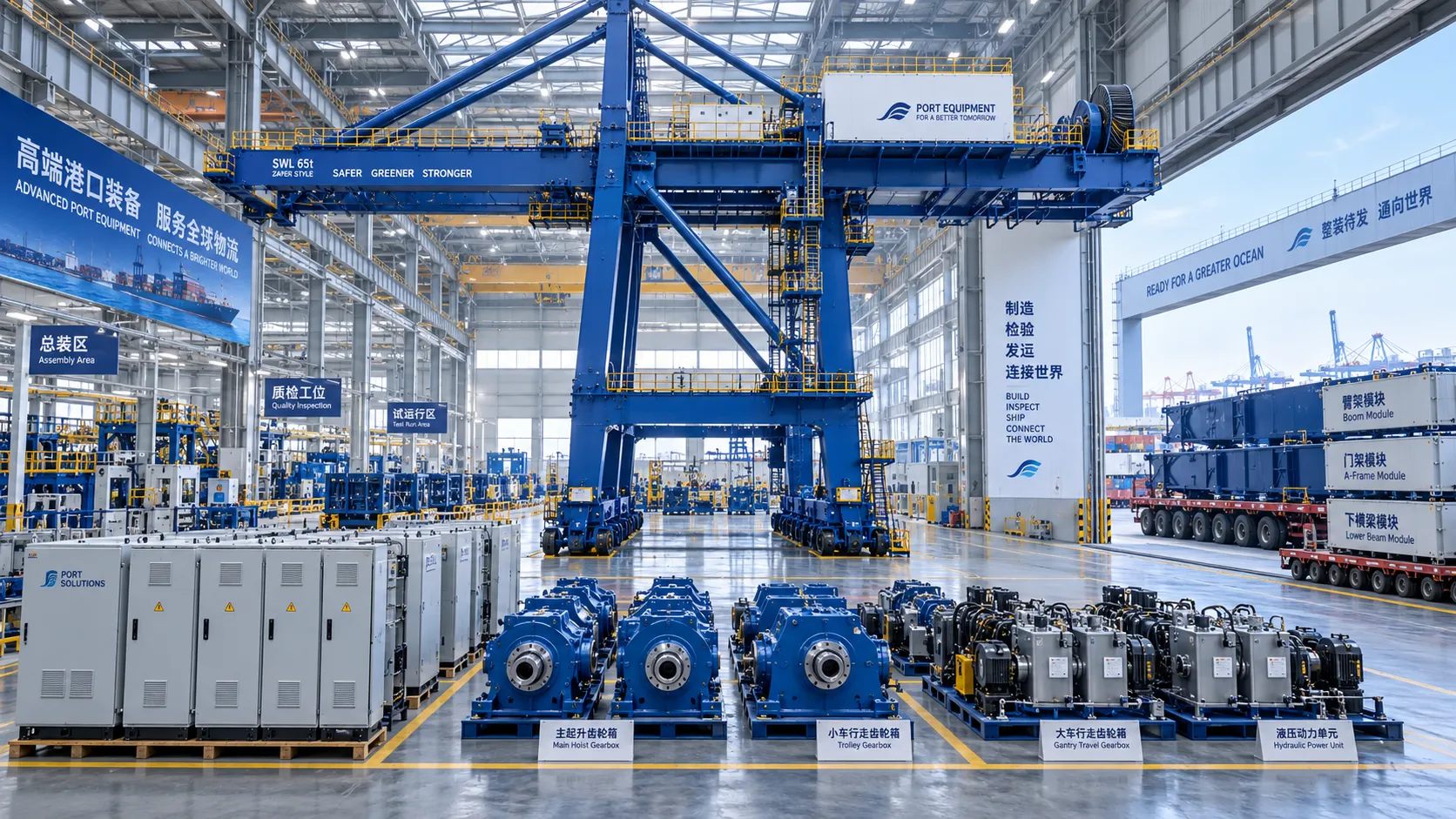
How Can Port Equipment Lead-Time Risk Be Managed?
How can port equipment lead-time risk be managed? Explore practical strategies to control critical paths, suppliers, transport, site readiness, and commissioning delays.
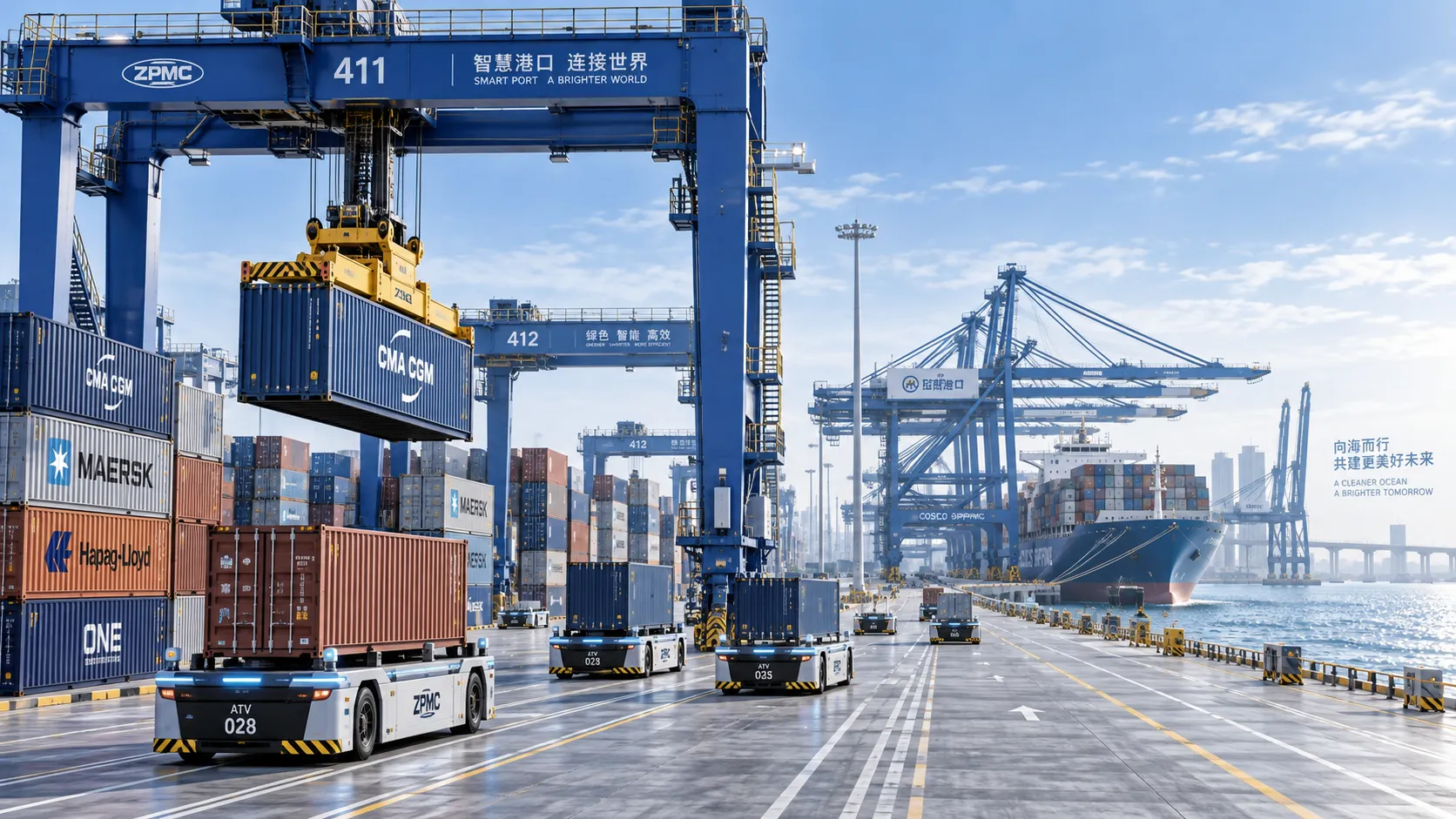
Terminal Automation Technologies That Raise Container Throughput Without Yard Disruption
Terminal automation technology that increases container throughput without disrupting yard flow. Explore smarter integration, resilient workflows, and phased deployment strategies.
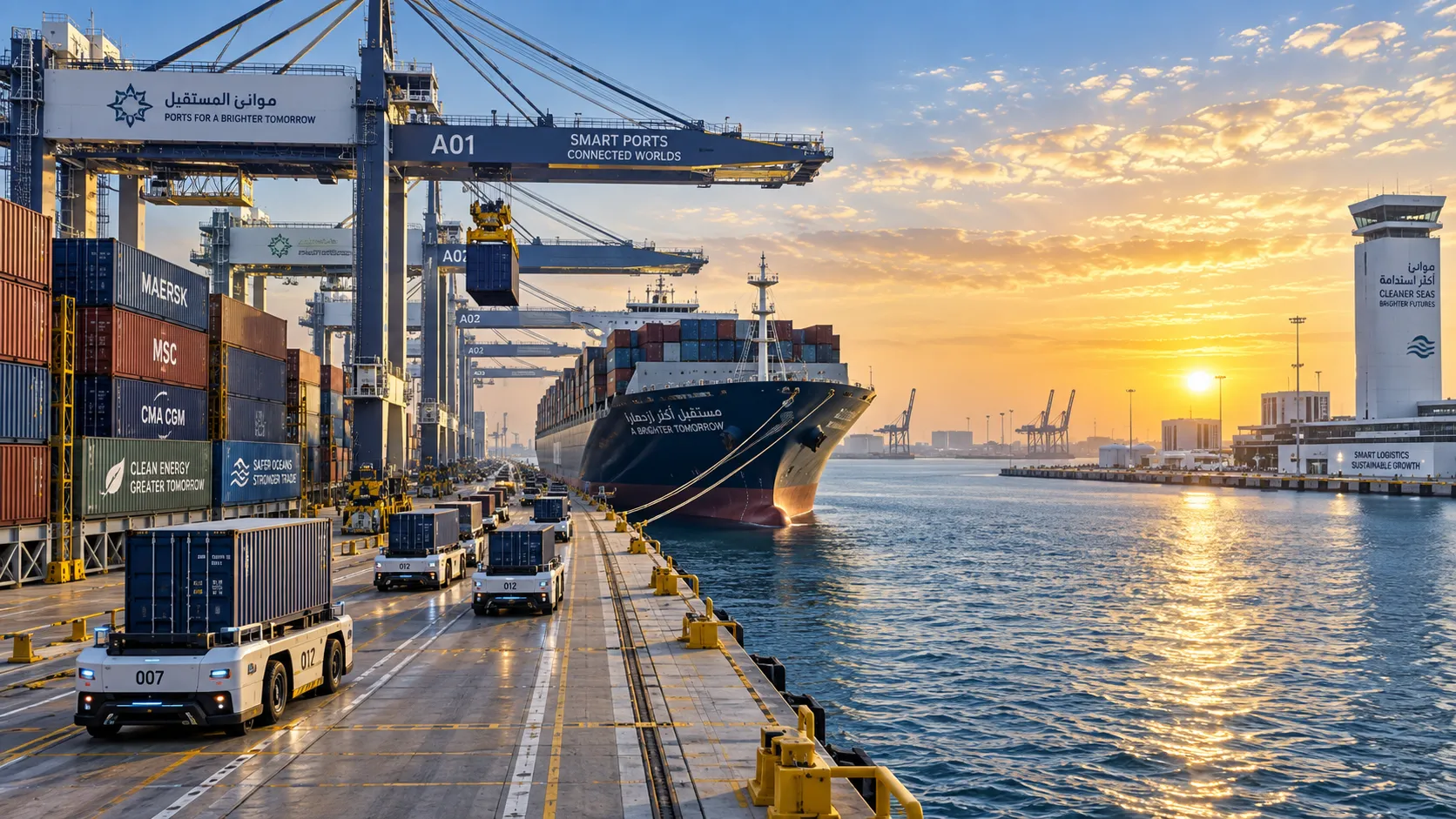
Middle East Port Automation: Key Market Drivers, Projects, and Investment Risks
Port automation systems Middle East: explore market drivers, flagship projects, integration challenges, and investment risks shaping smarter, resilient terminals.
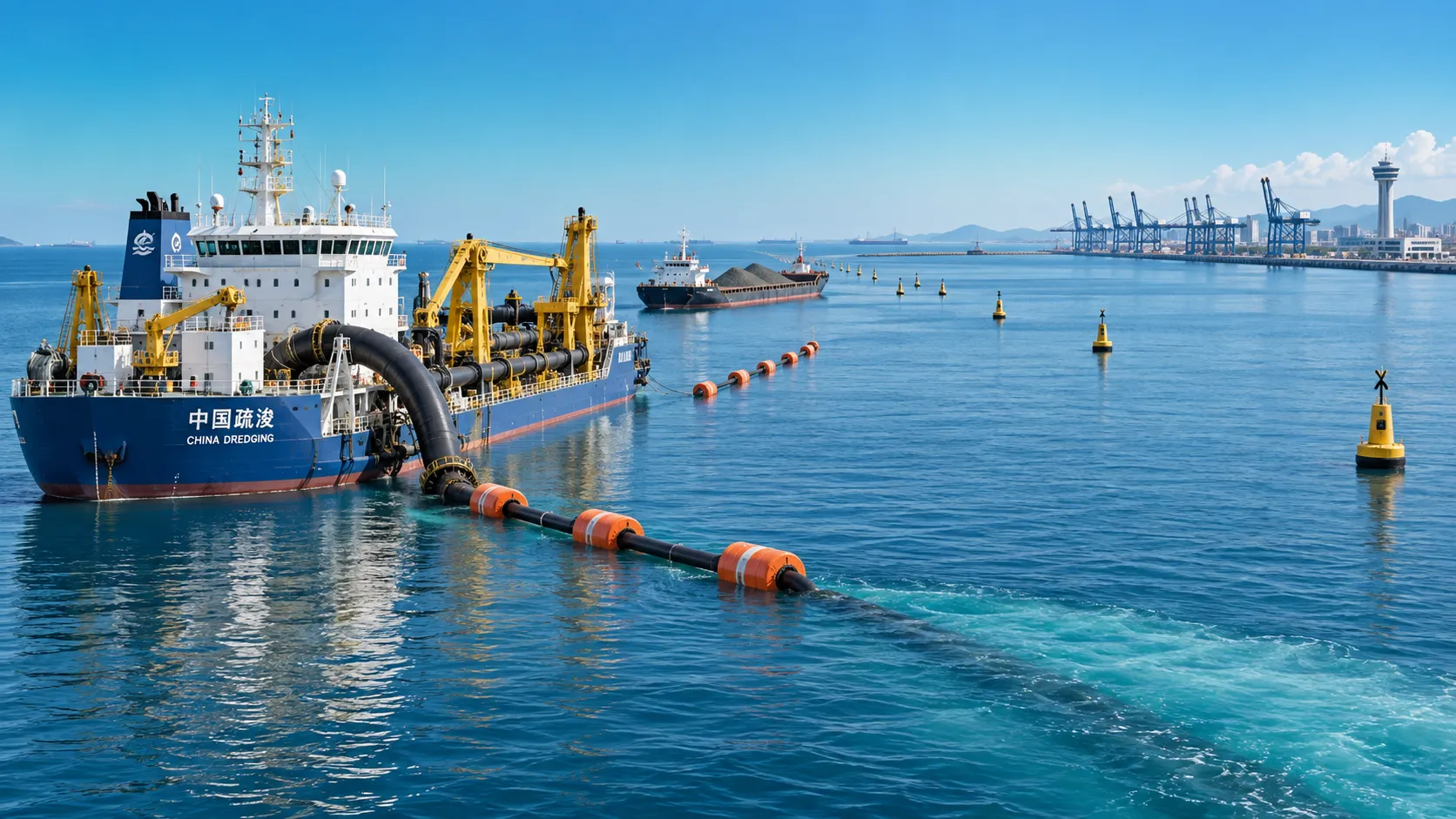
Planning Offshore Dredging Operations: Key Risks, Methods, and Project Controls
Offshore dredging operations demand smart planning. Explore key risks, proven methods, environmental controls, and project strategies for reliable delivery.