Related News
- 00
0000-00
How to Evaluate Terminal Efficiency Solution Suppliers for High-Throughput Operations - 00
0000-00
What to Consider When Buying Electric Port Machinery for Container Terminals - 00
0000-00
How to Select Container Handling Equipment for Middle East Ports and Terminals - 00
0000-00
How to Evaluate a Port Machinery Exporter for Large-Scale Terminal Projects - 00
0000-00
Evaluating a Dredging Equipment Manufacturer for Mining Plant Supply
How to Choose a Port Equipment Automation Integrator for Retrofit vs Greenfield Projects
Choosing a port equipment automation integrator is rarely a routine procurement step. In retrofit projects, the wrong partner can disrupt legacy operations and dilute expected gains. In greenfield terminals, the same mistake can lock in weak architecture for decades. That is why the decision now sits at the intersection of controls engineering, software design, asset strategy, and trade resilience.
Across maritime logistics, automation is no longer limited to crane control or yard routing. It touches berth productivity, energy use, maintenance visibility, safety logic, and data exchange with wider supply chain systems. For organizations following the intelligence work of PS-Nexus, this shift is familiar: port automation has become part of the operating core, not an isolated technology layer.
Why retrofit and greenfield projects require different selection logic
A retrofit project starts with constraints. Existing quay cranes, RTGs, RMGs, TOS interfaces, power systems, and maintenance routines are already in place. The selected port equipment automation integrator must fit into that reality without creating unstable transitions.
A greenfield project starts with freedom, but also with more architectural responsibility. Early choices on communication standards, fleet orchestration, simulation, cybersecurity, and data governance will shape performance long after commissioning.
In practical terms, retrofit selection is often driven by compatibility and phased delivery. Greenfield selection is driven more by system design depth, scalability, and future operating model alignment.
What a port equipment automation integrator actually does
The role goes beyond installing PLCs or connecting sensors. A capable port equipment automation integrator translates operational intent into a functioning control ecosystem.
That usually includes equipment control logic, supervisory systems, network architecture, TOS integration, traffic management, safety interlocks, remote operation, diagnostic visibility, and commissioning support.
In advanced projects, the integrator also contributes to simulation, digital testing, AGV path coordination, crane automation, and low-latency communications. These capabilities matter because automated terminals fail less from missing hardware than from weak system behavior under live conditions.
The market signals that make this decision more important
Ports are under pressure from larger vessels, tighter turnaround targets, labor variability, emissions goals, and uneven trade flows. Automation is being asked to absorb that volatility without sacrificing service continuity.
At the same time, equipment fleets are becoming more mixed. A single terminal may combine legacy cranes, newer electric yard equipment, OEM-specific control packages, and third-party software layers.
This is where a strong port equipment automation integrator creates value. The task is not simply to connect machines, but to make heavy mechanical systems, scheduling logic, and operational priorities work as one production environment.
PS-Nexus often frames this as the link between physical throughput and decision intelligence. That framing is useful because terminal performance increasingly depends on both mechanical reliability and software coherence.
How evaluation criteria shift between project types
The same vendor can look strong on paper and still be a poor fit for a specific delivery model. A structured comparison helps separate general capability from project-specific suitability.
This difference matters during tendering. A retrofit proposal that promises aggressive transformation may be less credible than one designed around staged stability. A greenfield proposal that only shows equipment-level control may be too narrow.
The capabilities worth testing before shortlisting
Architecture discipline
Ask how the port equipment automation integrator structures control layers, data flows, redundancy, and fail-safe modes. Good answers are specific. Weak answers rely on generic automation language.
Operational understanding
Terminal automation is not only a software job. The partner should understand berth windows, yard congestion, maintenance access, truck interactions, and the practical limits of heavy equipment cycles.
Integration history
Request examples involving mixed OEM fleets, legacy control systems, and TOS coordination. Retrofit work especially depends on field experience, not slideware.
Testing and commissioning method
Look for simulation, digital twins, FAT and SAT discipline, rollback plans, and measurable acceptance criteria. The most expensive problems often appear during handover, not design review.
Lifecycle support
A port equipment automation integrator should explain patching, spare logic management, remote diagnostics, training, and upgrade paths. Ports do not buy automation for a single commissioning milestone.
Questions that expose real delivery strength
A useful assessment goes beyond references and brochures. It should reveal how the partner behaves when systems become messy, delayed, or commercially pressured.
- Which legacy protocols have been integrated under live terminal constraints?
- How is control logic separated from OEM-specific dependencies?
- What throughput assumptions were missed in past projects, and how were they corrected?
- How are cybersecurity responsibilities divided across subcontractors and operators?
- What data remains usable if a higher-level system goes offline?
- How does the team support phased modernization while keeping cargo moving?
The quality of these answers usually says more than the sales deck. Strong integrators discuss constraints, tradeoffs, and recovery plans with unusual clarity.
Where business value is actually created
The return from a port equipment automation integrator should be viewed across several layers. Throughput improvement is one, but it is not the only one.
Retrofit programs often create value by reducing unplanned downtime, standardizing control behavior, improving remote visibility, and extending the useful life of installed assets.
Greenfield programs usually create value through scalable yard logic, cleaner interoperability, lower future integration cost, and better alignment with energy management or net-zero pathways.
This broader view aligns with the PS-Nexus perspective on smart ports. Equipment, controls, and strategic intelligence should reinforce one another rather than develop in separate silos.
Common selection mistakes
One common error is choosing mainly on equipment familiarity. A vendor may know a crane model well and still lack the integration discipline needed for terminal-wide automation.
Another mistake is underestimating data architecture. Ports increasingly depend on event quality, system traceability, and cross-platform visibility. Weak data structures become expensive later.
There is also a tendency to treat retrofit work as lower risk because the site already operates. In reality, live brownfield environments often produce harder interface problems than new terminals.
For greenfield projects, the opposite risk appears: overly ambitious automation scope before operational rules are mature enough to support it.
A practical next step for evaluation
Start with a decision matrix that separates non-negotiables from growth options. For retrofit projects, list legacy interfaces, uptime constraints, safety logic boundaries, and migration windows. For greenfield projects, define target architecture, future expansion scenarios, and system ownership rules.
Then compare each port equipment automation integrator against those conditions, not against generic promises. Site-specific intelligence is usually more valuable than broad branding.
For organizations tracking terminal modernization through PS-Nexus, the most reliable conclusions come from linking equipment reality, control strategy, and long-horizon trade economics. That approach makes the final choice more defensible and far more useful once operations begin.
Related News
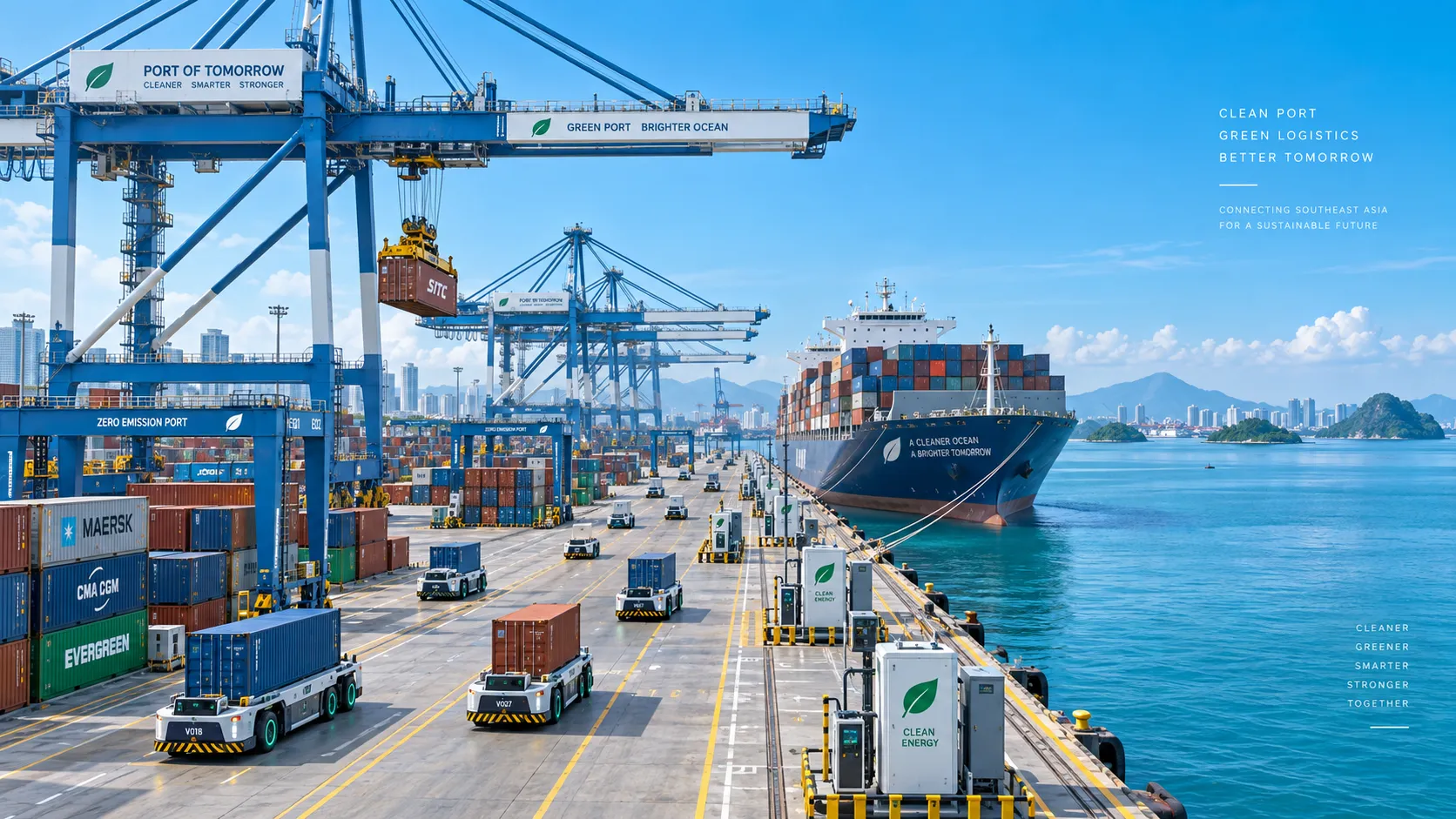
Smart Port Systems in Southeast Asia: Investment Priorities and Adoption Barriers
Smart port systems Southeast Asia: discover investment priorities, adoption barriers, and practical steps to build resilient, connected, high-performing terminals.
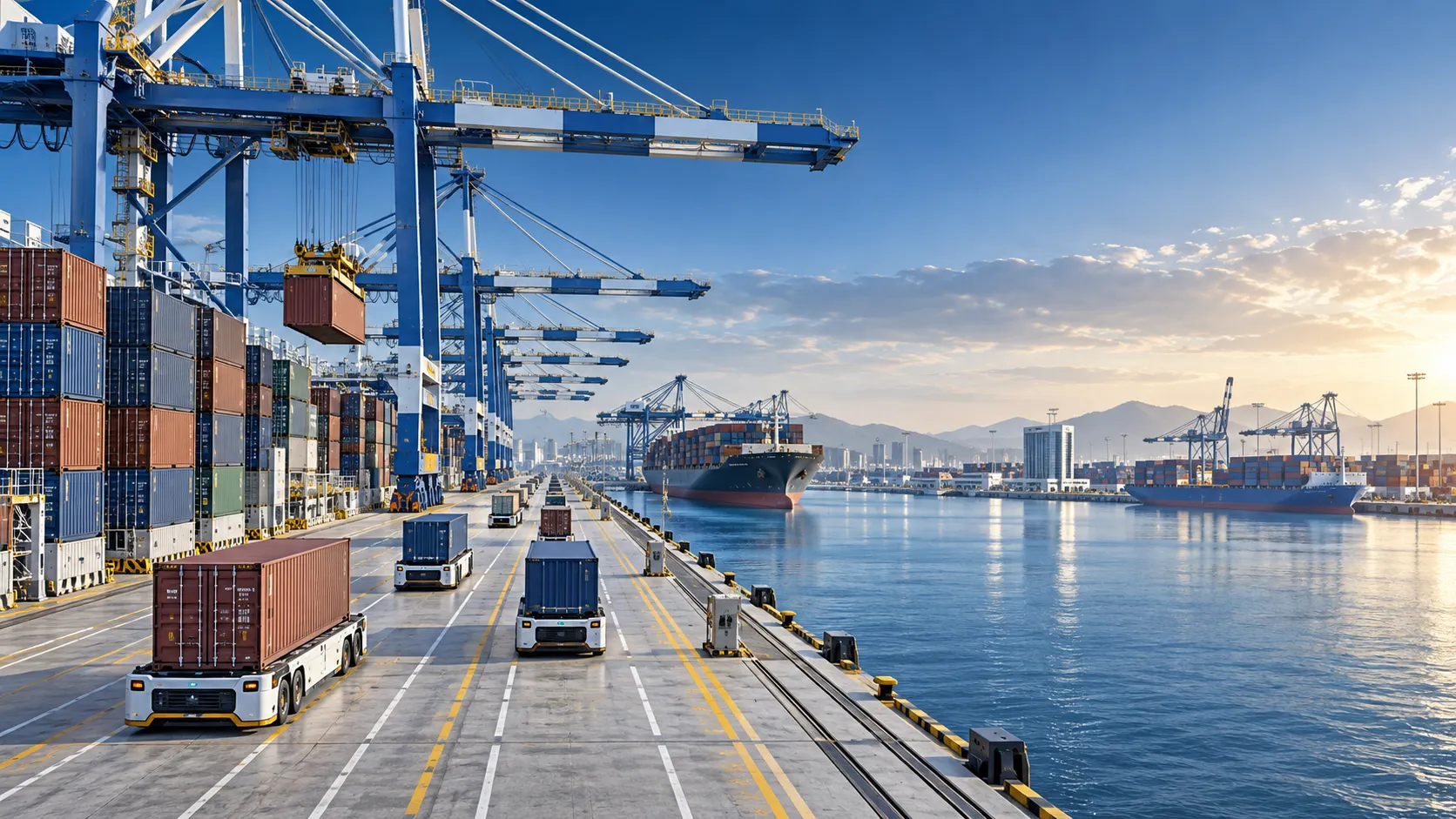
How to Evaluate Terminal Efficiency Solution Suppliers for High-Throughput Operations
Choose a terminal efficiency solutions supplier with confidence. Explore proven criteria for throughput, integration, lifecycle cost, safety, and reliable delivery.
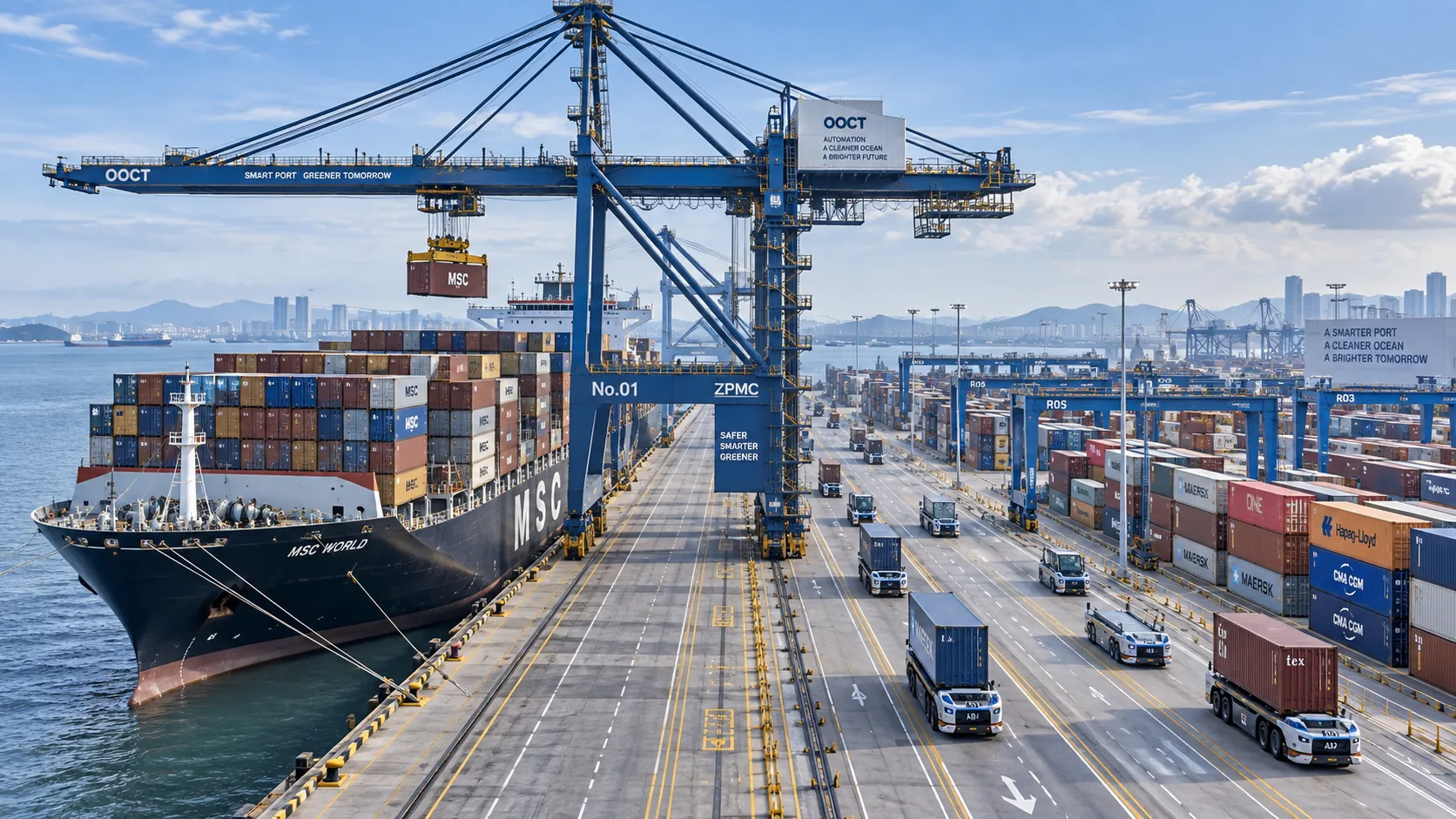
How to Specify a Quay Crane for Container Terminals by Vessel Size and Throughput?
Quay crane for container terminals: learn how to match outreach, lift height, capacity, automation, and cycle performance to vessel size and throughput goals.
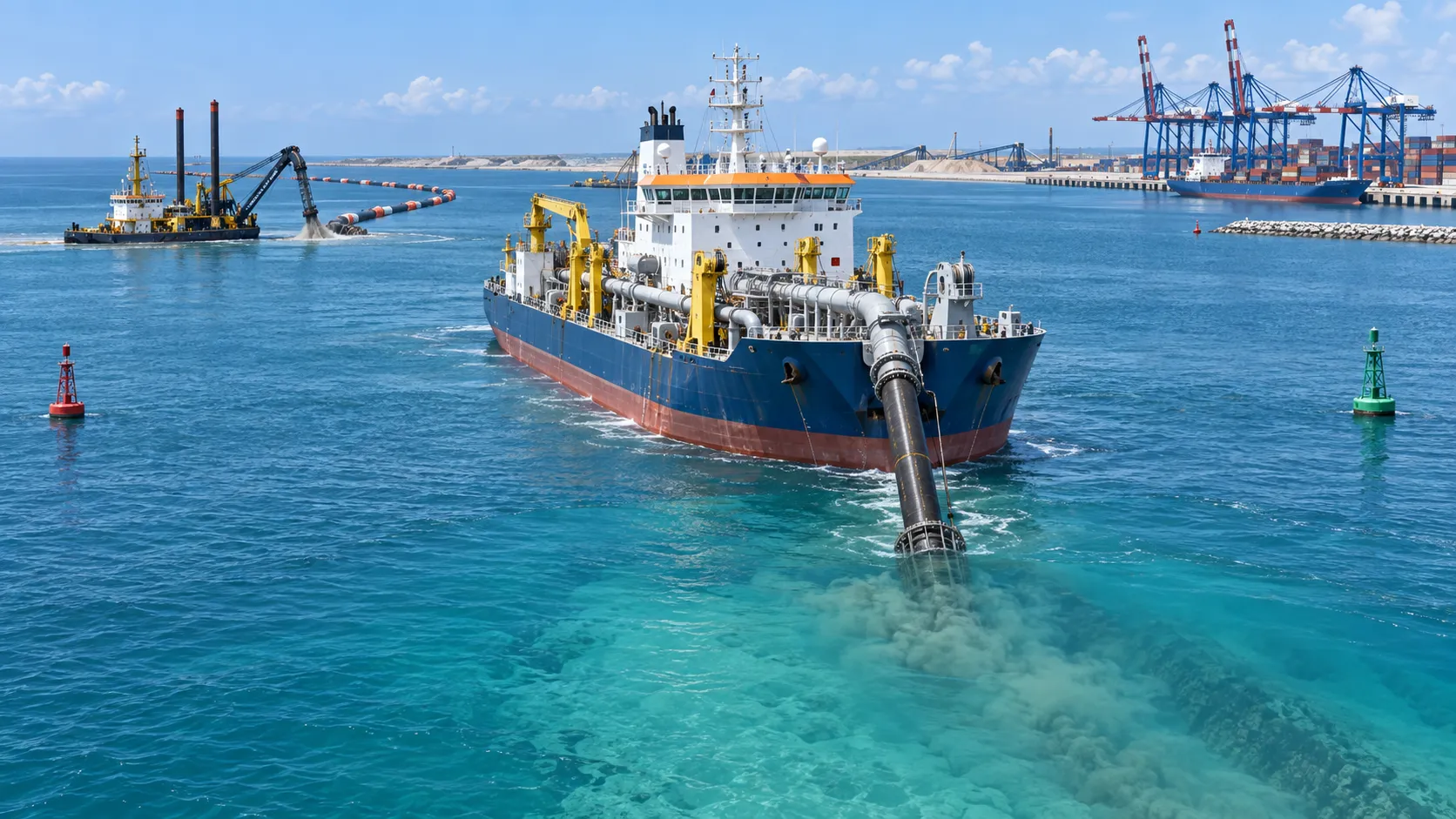
What Dredging Equipment Is Needed for Channel Deepening?
What dredging equipment is needed for channel deepening? Explore dredgers, pipelines, survey tools, and planning strategies for safer, more efficient port access.
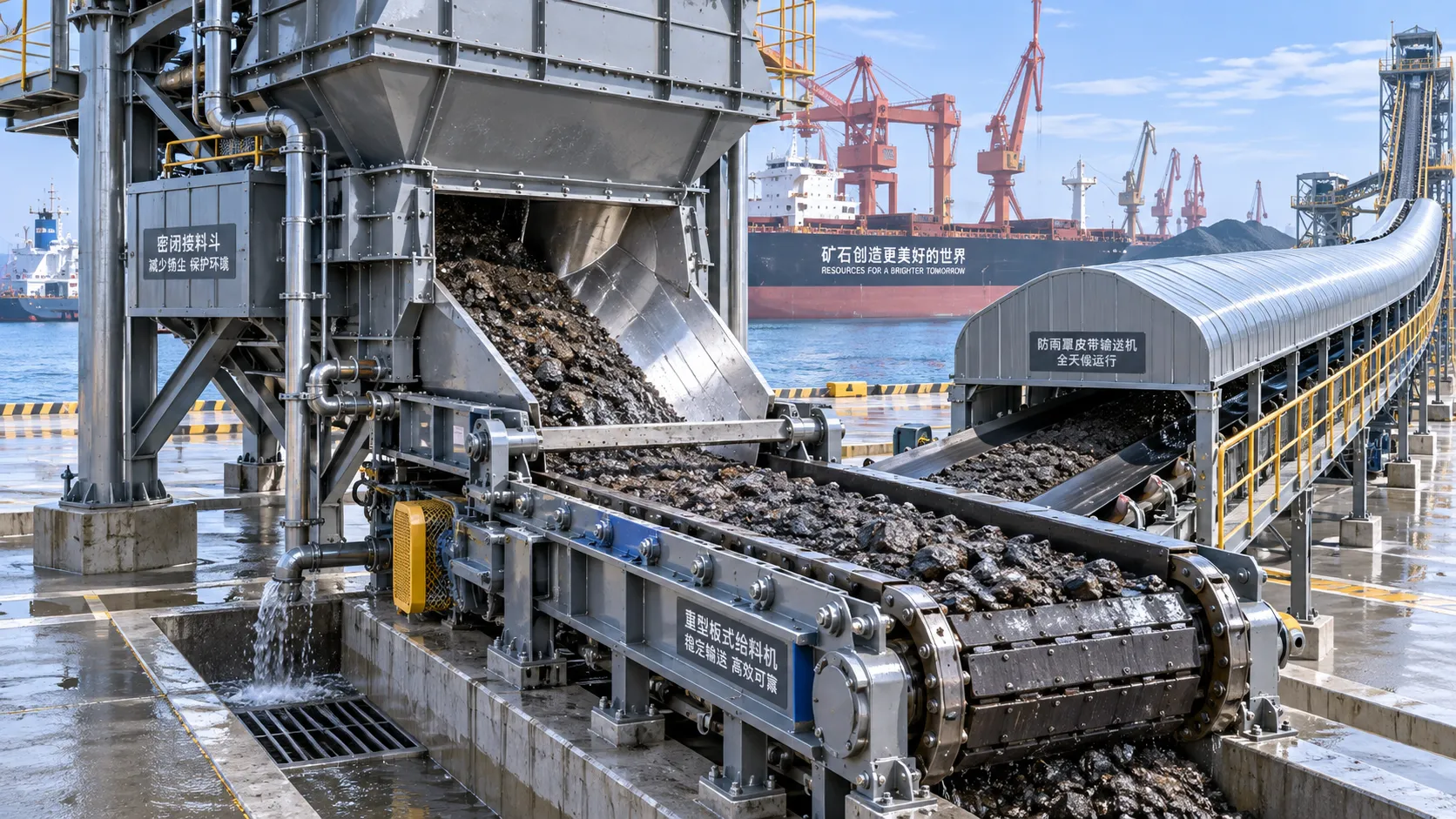
Which Bulk Handling Equipment Suits High-Moisture Cargo?
Which bulk handling equipment suits high-moisture cargo? Compare belt, apron, screw, drag, and slurry systems for reliable flow, less carryback, and higher terminal uptime.
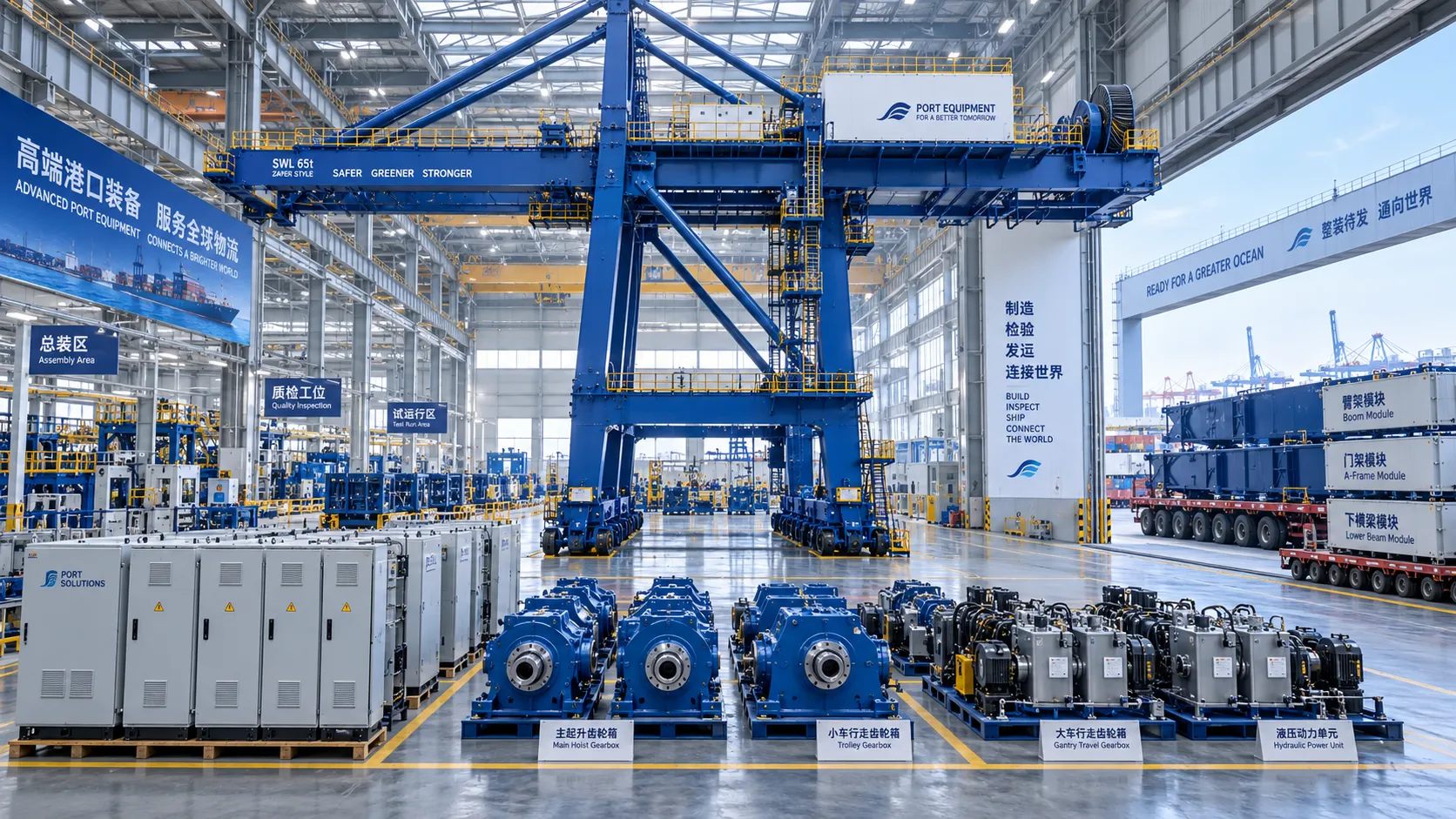
How Can Port Equipment Lead-Time Risk Be Managed?
How can port equipment lead-time risk be managed? Explore practical strategies to control critical paths, suppliers, transport, site readiness, and commissioning delays.
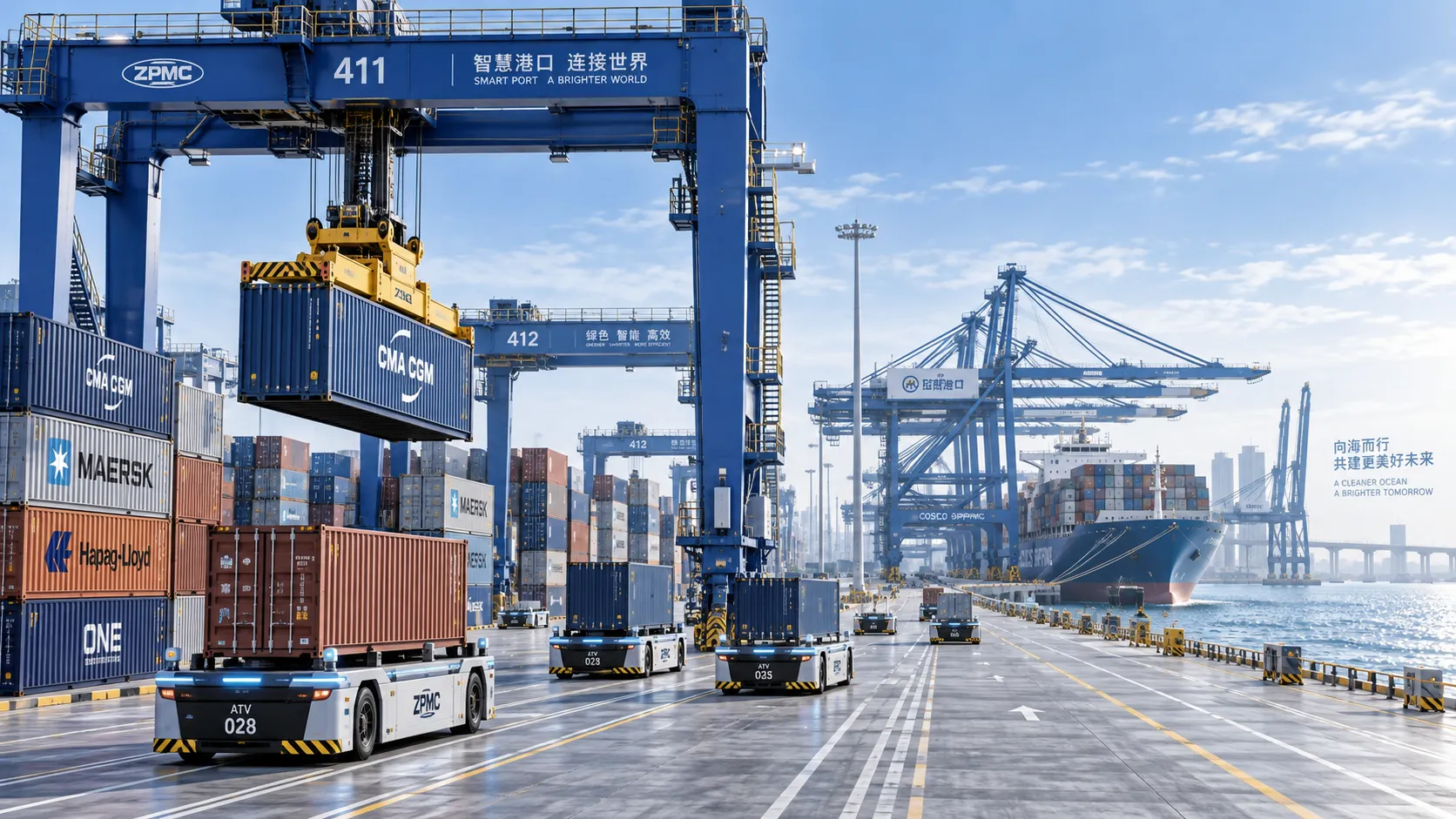
Terminal Automation Technologies That Raise Container Throughput Without Yard Disruption
Terminal automation technology that increases container throughput without disrupting yard flow. Explore smarter integration, resilient workflows, and phased deployment strategies.
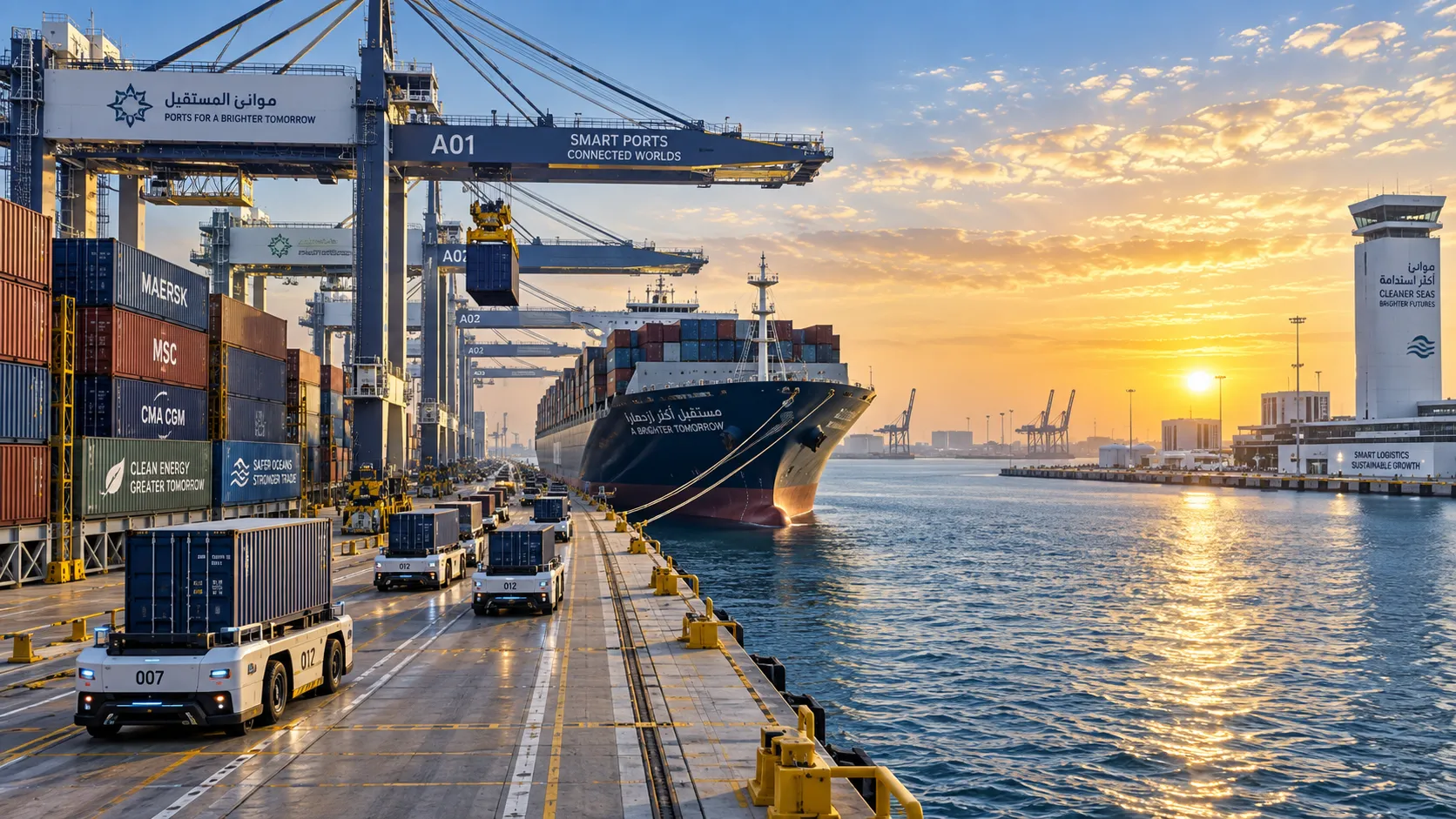
Middle East Port Automation: Key Market Drivers, Projects, and Investment Risks
Port automation systems Middle East: explore market drivers, flagship projects, integration challenges, and investment risks shaping smarter, resilient terminals.
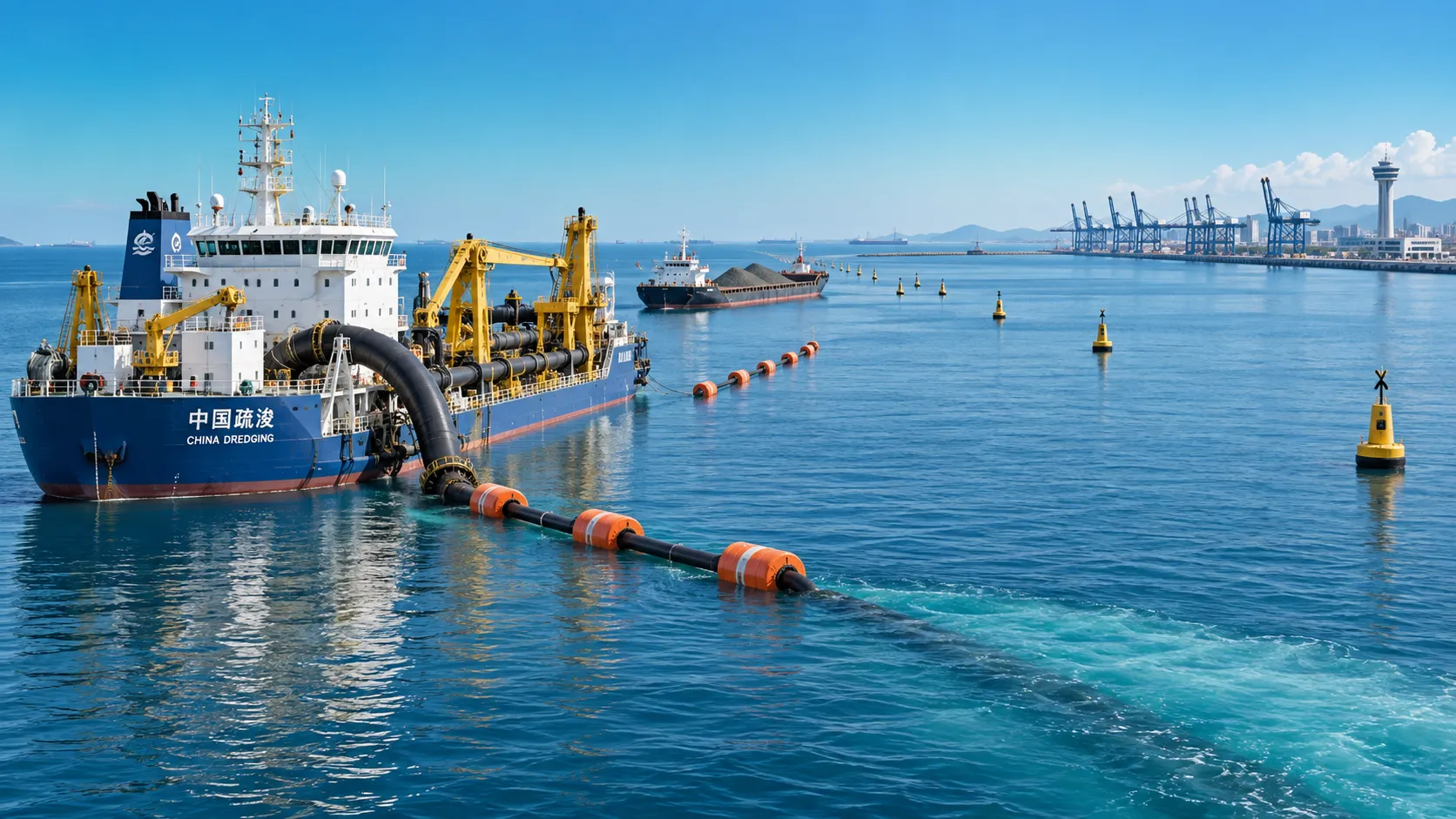
Planning Offshore Dredging Operations: Key Risks, Methods, and Project Controls
Offshore dredging operations demand smart planning. Explore key risks, proven methods, environmental controls, and project strategies for reliable delivery.