Related News
- 00
0000-00
How Can Port Equipment Lead-Time Risk Be Managed? - 00
0000-00
Maritime Logistics Operations: How Ports Can Reduce Container Dwell Time - 00
0000-00
What Does Logistics Node Monitoring Cost Across Warehouses and Transport Hubs? - 00
0000-00
How Can IoT Smart Port Solutions Improve Container Tracking and Yard Efficiency? - 00
0000-00
How Real-Time Port Logistics Intelligence Improves Container Yard Efficiency
How to Evaluate Marine Logistics Solutions in the Middle East by Route and Port Risk
How to Evaluate Marine Logistics Solutions in the Middle East by Route and Port Risk
Choosing effective marine logistics solutions Middle East requires more than comparing transit times or freight costs.
For business evaluation, route reliability often matters as much as nominal price.
A low-cost lane can become expensive when delays disrupt contracts, inventory, or project schedules.
That is why marine logistics solutions Middle East should be assessed through a route-and-port risk lens first.
This approach helps turn fragmented shipping data into a practical decision framework.
Why Route and Port Risk Should Lead the Evaluation
In the Middle East, logistics performance varies sharply by corridor, cargo type, and terminal capability.
Two ports may show similar published capacity yet behave very differently under pressure.
More importantly, route security and port resilience often change faster than annual procurement cycles.
This makes static supplier comparison an incomplete method for selecting marine logistics solutions Middle East.
From a commercial view, risk usually appears in four forms.
- Transit volatility, where vessel arrival windows shift beyond planning tolerance.
- Port-side disruption, including congestion, labor issues, draft limits, or equipment bottlenecks.
- Geopolitical exposure, especially around strategic chokepoints and sanction-sensitive trade flows.
- Operational mismatch, where cargo handling requirements exceed local terminal readiness.
A sound decision process ranks these risks before discussing rates or service bundles.
Start with Corridor Mapping, Not Vendor Shortlists
The first step is to map the actual movement corridor end to end.
That includes origin loading conditions, sea passage, transshipment risk, destination terminal handling, and inland transfer options.
In practice, marine logistics solutions Middle East should be compared by corridor clusters.
Typical clusters include Gulf hub routes, Red Sea access routes, Eastern Mediterranean links, and Arabian Sea feeder patterns.
Each cluster has distinct risk signals.
- Gulf routes often benefit from strong infrastructure, but berth competition can rise quickly during project cargo peaks.
- Red Sea routes require closer monitoring of security advisories, insurance shifts, and schedule reliability.
- Mediterranean connections may offer flexibility, though feeder dependency can add hidden transfer risk.
- Arabian Sea links can support alternate routing, but inland integration quality becomes critical.
This kind of mapping makes marine logistics solutions Middle East easier to compare on a like-for-like basis.
Assess Port Risk Through Infrastructure Readiness
Port risk is not only about congestion.
It also reflects whether the terminal can handle your cargo consistently, safely, and at the required speed.
This is where infrastructure intelligence becomes useful.
When reviewing marine logistics solutions Middle East, check the operating reality behind the brochure.
Key infrastructure checks
- Berth depth and channel maintenance for vessel class compatibility.
- Availability of heavy terminal gear for oversized or specialized loads.
- Yard density and container handling efficiency during seasonal peaks.
- Automation maturity, including gate flow, scheduling logic, and equipment uptime.
- Dredging support and fairway reliability where sedimentation affects navigation.
For heavy machinery, bulk materials, or energy cargoes, port engineering readiness often outweighs nominal turnaround promises.
PS-Nexus-style intelligence is especially valuable here because equipment capability directly affects operational continuity.
Measure Route Risk Beyond Transit Time
Transit time is easy to quote and easy to misunderstand.
A route with a shorter average voyage may still carry higher decision risk.
For marine logistics solutions Middle East, consistency usually matters more than a best-case schedule.
Recent market shifts have made that even clearer.
A useful route review should include these questions.
- How often does the service deviate from published arrival windows?
- Which chokepoints affect the route, and how quickly can carriers reroute?
- Is cargo exposed to repeated transshipment touches?
- What insurance, security, or surcharge changes typically hit this corridor first?
- How dependent is the route on one terminal, one feeder, or one customs gateway?
These answers turn marine logistics solutions Middle East from a shipping quote into a risk-adjusted business choice.
Build a Practical Port Comparison Matrix
A comparison matrix keeps evaluations disciplined.
It also helps separate measurable constraints from subjective preferences.
For marine logistics solutions Middle East, a weighted model usually works best.
The exact weight can change by cargo type, but the framework keeps trade-offs visible.
Use Intelligence Signals That Reflect Real Conditions
A good evaluation depends on signal quality.
Published capacity, carrier marketing, and static port profiles are not enough.
Marine logistics solutions Middle East should be tested against live or recent operational indicators.
- Average berth waiting time across the last quarter.
- Container dwell time by cargo category.
- Equipment uptime for cranes, yard systems, and gate processing.
- Draft alerts, dredging schedules, and navigational restrictions.
- Frequency of schedule blanking, rollovers, or feeder delays.
This is where a strategic intelligence source such as PS-Nexus supports a better decision.
It connects terminal gear realities, automation signals, and route performance into one commercial view.
Common Decision Mistakes in Marine Logistics Solutions Middle East
Several mistakes show up repeatedly during procurement reviews.
- Selecting the cheapest route without pricing disruption scenarios.
- Assuming a major port always means low risk.
- Ignoring heavy equipment or specialized handling constraints.
- Treating geopolitical risk as a separate compliance issue.
- Overlooking inland evacuation capacity after vessel discharge.
These errors make marine logistics solutions Middle East look efficient on paper but fragile in operation.
A better method is to test every option against likely disruption points before award.
A Practical Decision Flow for Final Selection
To close the process, use a simple decision flow.
- Define cargo requirements, delivery tolerance, and commercial exposure.
- Shortlist corridors before shortlisting providers.
- Score ports for infrastructure, congestion, and operational fit.
- Stress-test routes for geopolitical and schedule disruption.
- Compare total landed risk, not just landed cost.
- Set monitoring triggers for the chosen marine logistics solutions Middle East.
This keeps the final decision grounded in resilience as well as efficiency.
In a region shaped by strategic corridors and uneven port conditions, that balance matters.
The strongest marine logistics solutions Middle East are rarely the ones with the lowest headline rate.
They are the options that hold service quality when routes tighten, ports saturate, or handling complexity rises.
That is the real standard for a defensible logistics decision.
Use route mapping, port intelligence, and risk-weighted comparison to choose marine logistics solutions Middle East with more confidence and fewer surprises.
Related News
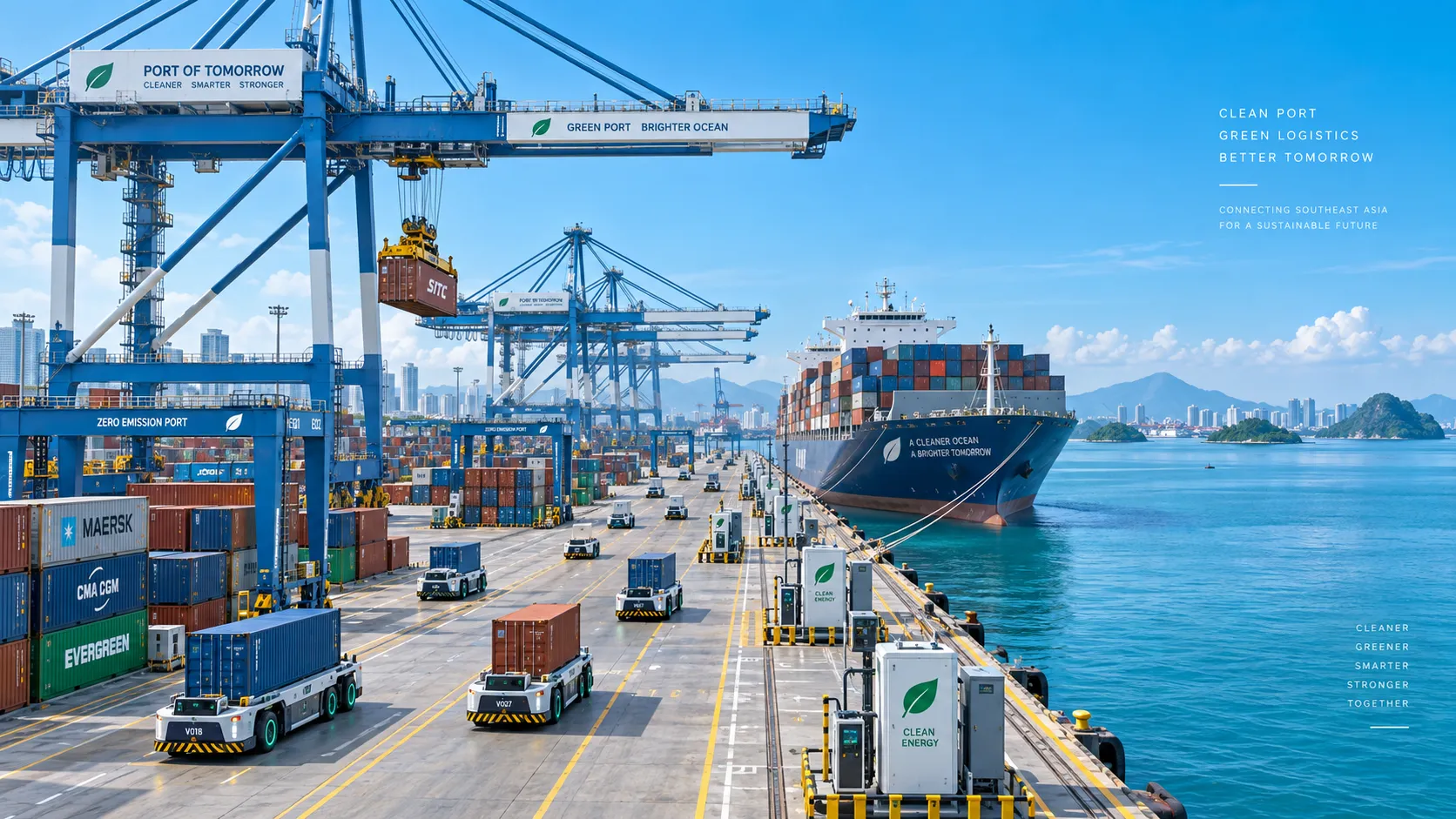
Smart Port Systems in Southeast Asia: Investment Priorities and Adoption Barriers
Smart port systems Southeast Asia: discover investment priorities, adoption barriers, and practical steps to build resilient, connected, high-performing terminals.

How to Evaluate Terminal Efficiency Solution Suppliers for High-Throughput Operations
Choose a terminal efficiency solutions supplier with confidence. Explore proven criteria for throughput, integration, lifecycle cost, safety, and reliable delivery.
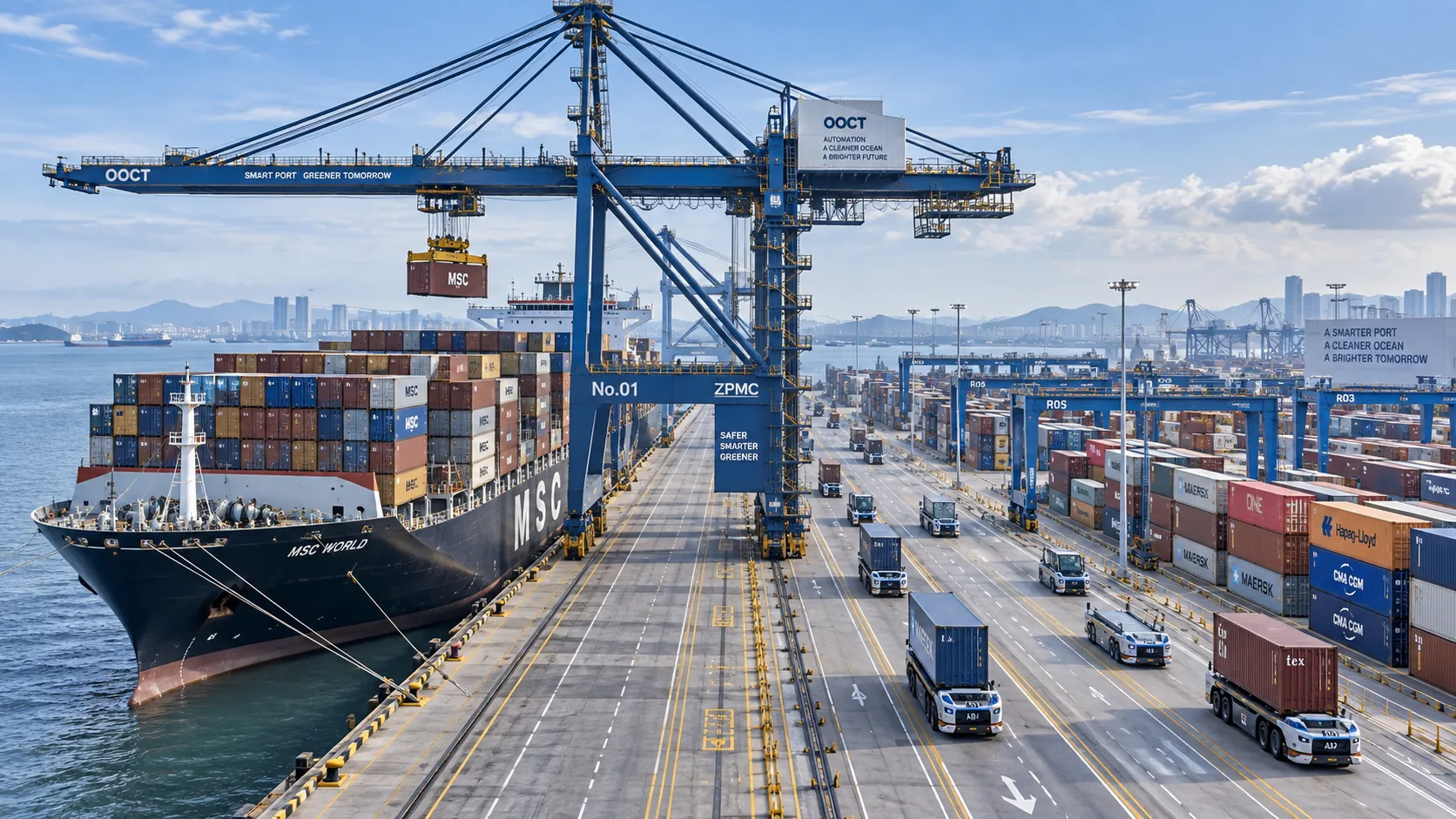
How to Specify a Quay Crane for Container Terminals by Vessel Size and Throughput?
Quay crane for container terminals: learn how to match outreach, lift height, capacity, automation, and cycle performance to vessel size and throughput goals.
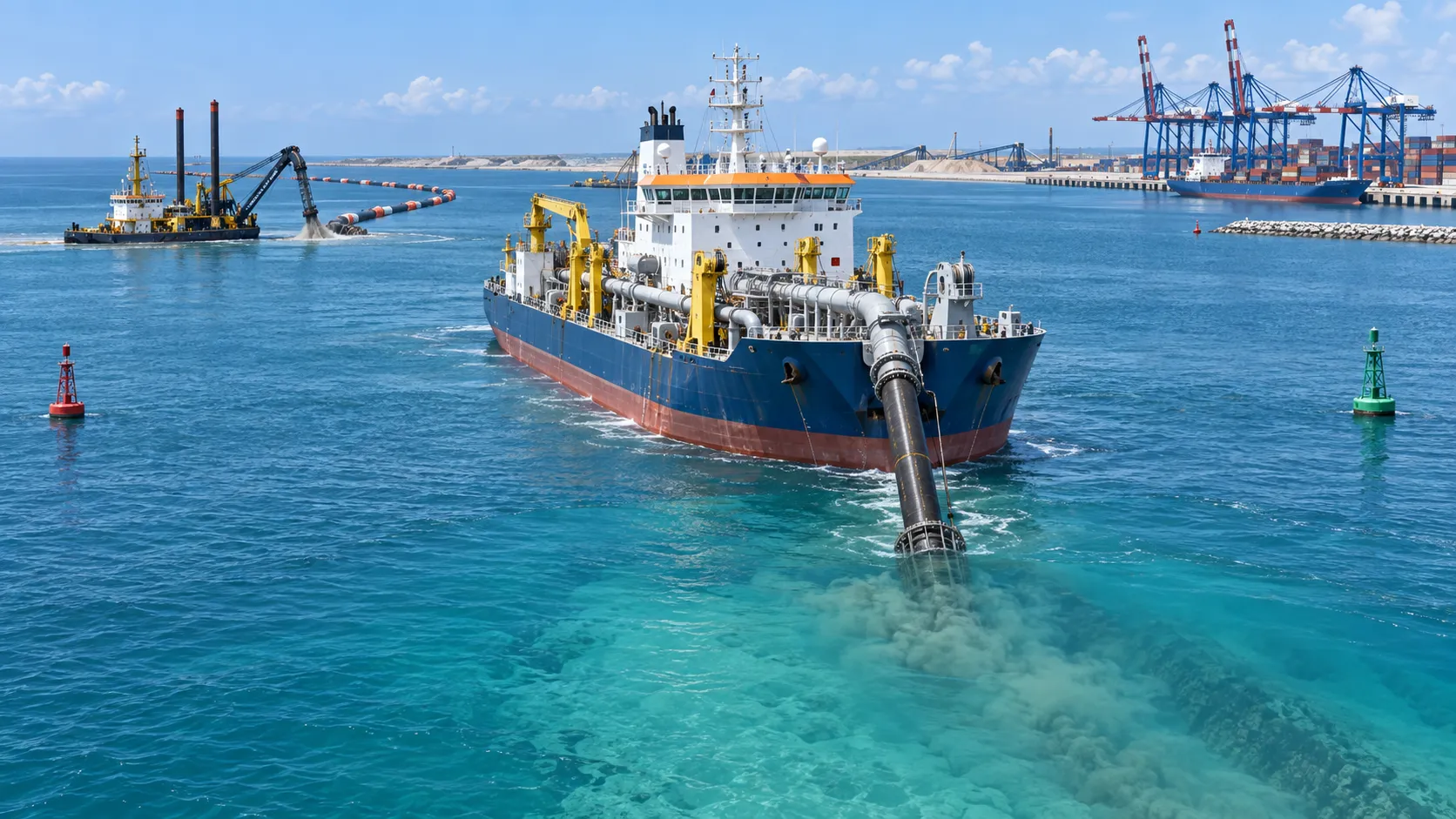
What Dredging Equipment Is Needed for Channel Deepening?
What dredging equipment is needed for channel deepening? Explore dredgers, pipelines, survey tools, and planning strategies for safer, more efficient port access.
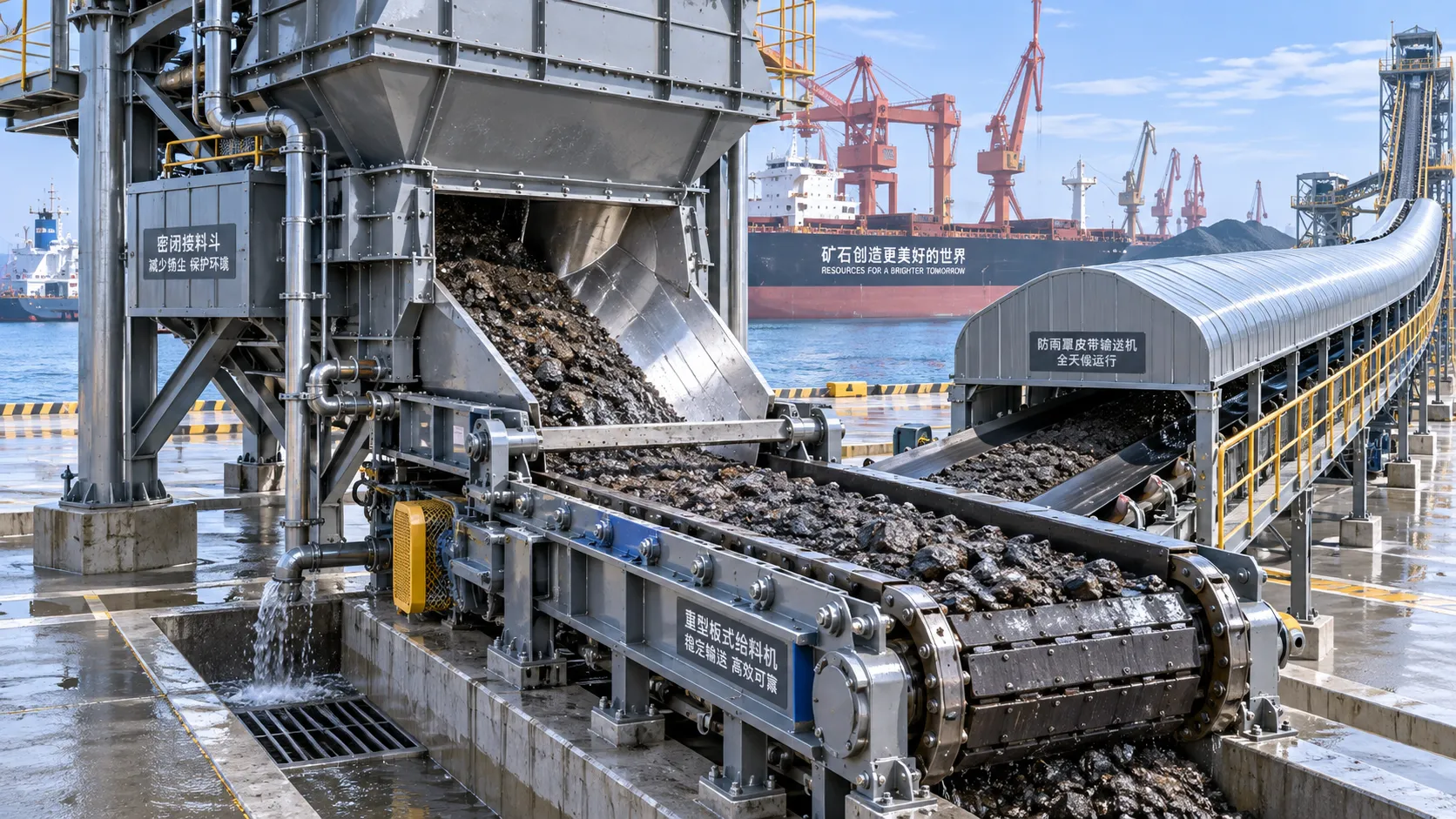
Which Bulk Handling Equipment Suits High-Moisture Cargo?
Which bulk handling equipment suits high-moisture cargo? Compare belt, apron, screw, drag, and slurry systems for reliable flow, less carryback, and higher terminal uptime.
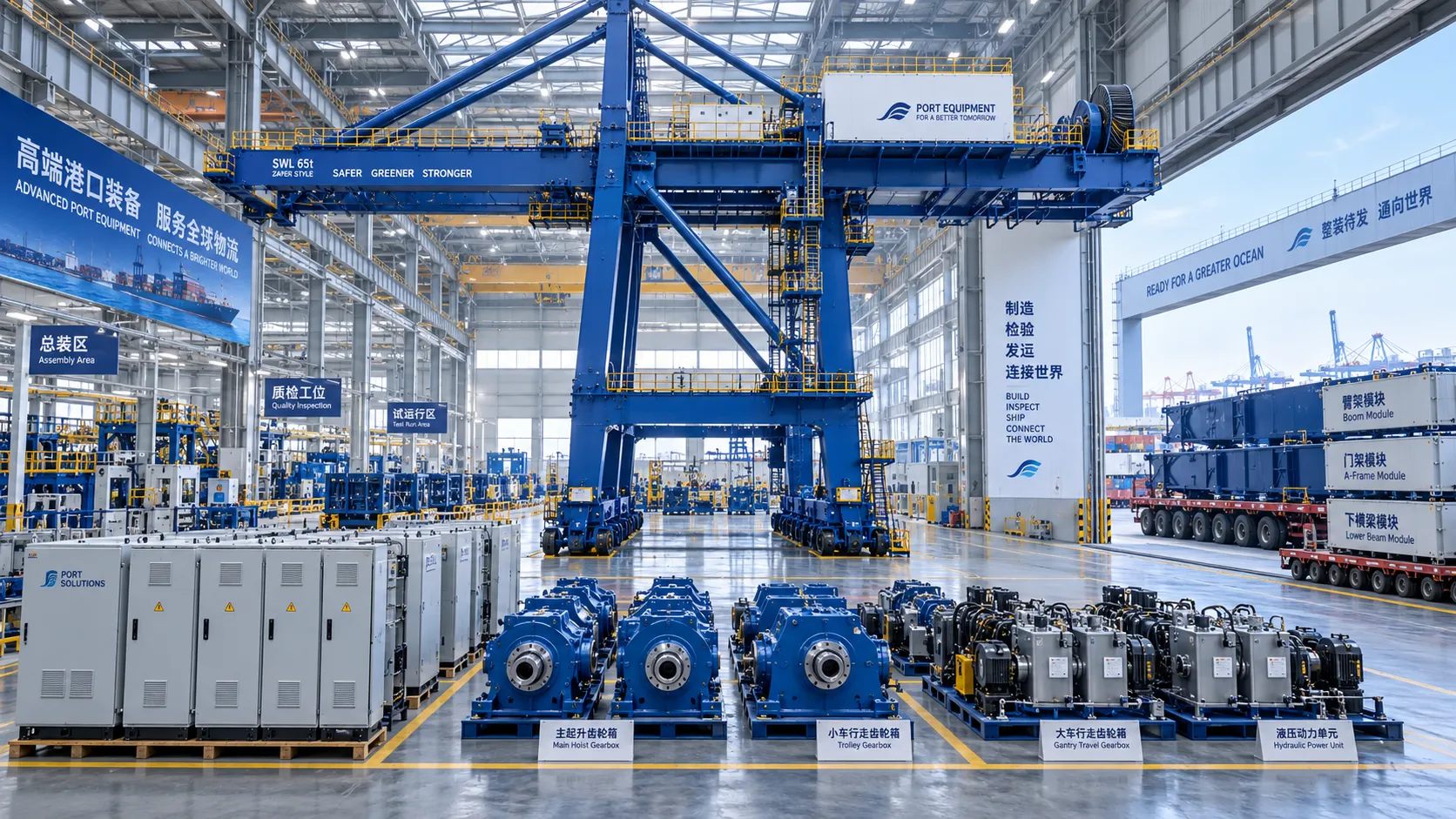
How Can Port Equipment Lead-Time Risk Be Managed?
How can port equipment lead-time risk be managed? Explore practical strategies to control critical paths, suppliers, transport, site readiness, and commissioning delays.
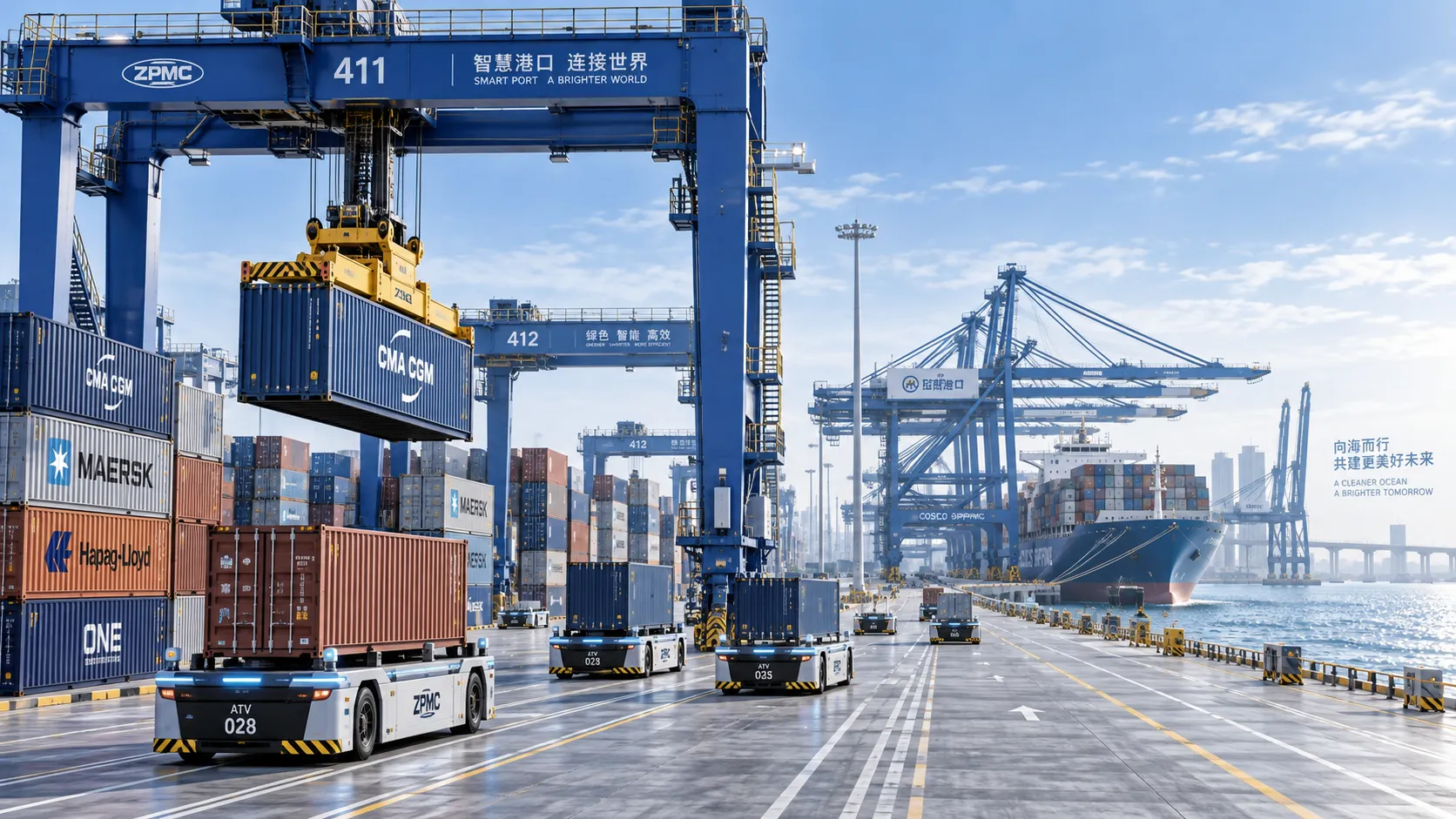
Terminal Automation Technologies That Raise Container Throughput Without Yard Disruption
Terminal automation technology that increases container throughput without disrupting yard flow. Explore smarter integration, resilient workflows, and phased deployment strategies.
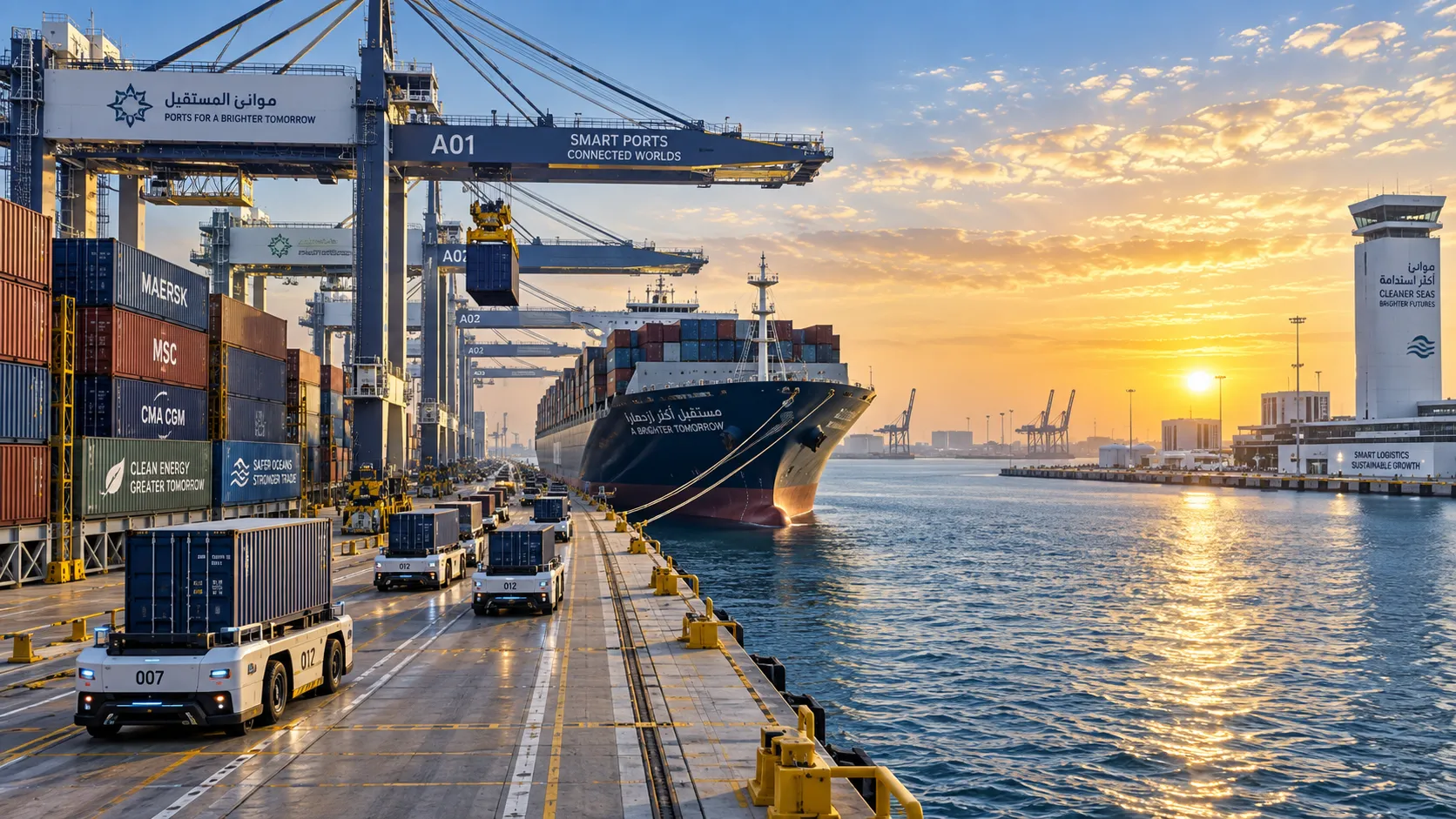
Middle East Port Automation: Key Market Drivers, Projects, and Investment Risks
Port automation systems Middle East: explore market drivers, flagship projects, integration challenges, and investment risks shaping smarter, resilient terminals.
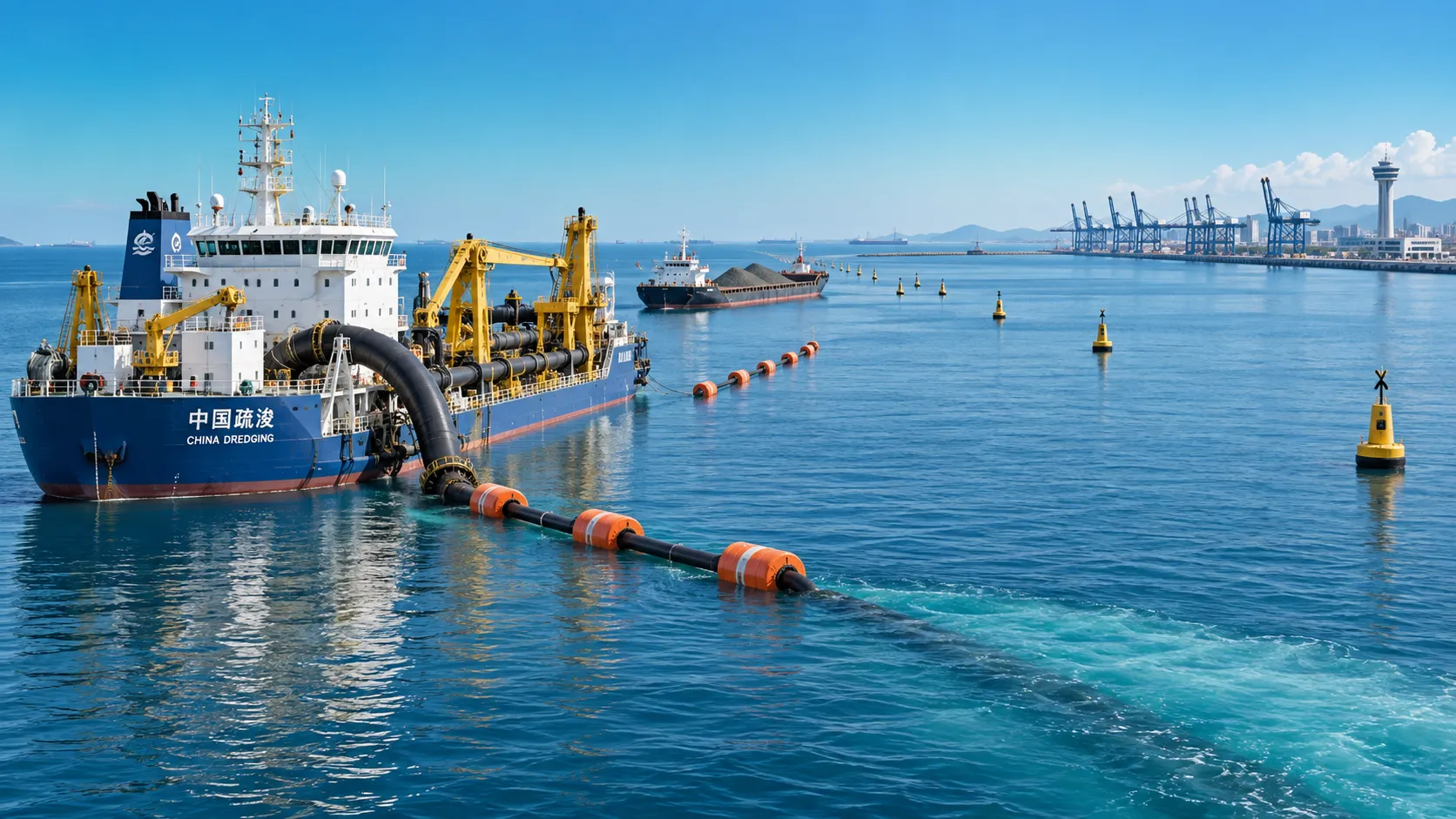
Planning Offshore Dredging Operations: Key Risks, Methods, and Project Controls
Offshore dredging operations demand smart planning. Explore key risks, proven methods, environmental controls, and project strategies for reliable delivery.