Related News
- 00
0000-00
How to Specify a Quay Crane for Container Terminals by Vessel Size and Throughput? - 00
0000-00
Which Bulk Handling Equipment Suits High-Moisture Cargo? - 00
0000-00
Terminal Automation Technologies That Raise Container Throughput Without Yard Disruption - 00
0000-00
Planning Offshore Dredging Operations: Key Risks, Methods, and Project Controls - 00
0000-00
Where Do Automated Guided Vehicles Deliver the Fastest Warehouse Gains in the Middle East?
How to Evaluate Automated Terminal Systems for Bulk Terminals Before Investment
How to Evaluate Automated Terminal Systems for Bulk Terminals Before Investment
Before committing capital to automated terminal systems for bulk terminals, decision-makers need more than vendor promises. They need a practical way to test fit, risk, and long-term value.
That starts with one simple point. Automation should solve a terminal problem first, not just add technology for its own sake.
In bulk operations, that problem usually sits around throughput, variability, safety exposure, energy use, labor constraints, or scheduling pressure across ship, yard, and gate activities.
Start With the Operating Reality
The first step in evaluating automated terminal systems for bulk terminals is operational mapping. Many investment errors happen because buyers compare technology packages before defining real operating conditions.
A bulk terminal is not a generic yard. Cargo behavior, weather exposure, vessel mix, dust control, stacking logic, and reclaim patterns change the automation requirement dramatically.
Ask basic but decisive questions early:
- What cargoes dominate annual volume: coal, ore, grain, clinker, fertilizer, biomass, or mixed dry bulk?
- How much variability exists between peak and average throughput?
- Where do current delays occur: unloading, conveying, stockyard transfer, blending, reclaim, or truck and rail interface?
- Which tasks create the highest safety exposure or labor dependency?
- How often do environmental restrictions interrupt normal flow?
This stage often reveals whether full automation, partial automation, or staged automation is the right path. That distinction matters because over-automation can damage returns as much as underinvestment.
Define What the System Must Control
Automated terminal systems for bulk terminals usually cover more than machines. The real value comes from control layers, data visibility, and coordinated decision logic.
In practice, investors should separate the system into three evaluation levels.
1. Equipment Automation
This includes stackers, reclaimers, ship loaders, unloaders, conveyor networks, sampling stations, and dust suppression equipment with automated control features.
2. Supervisory and Scheduling Logic
This layer coordinates task sequencing, route allocation, equipment utilization, stockpile logic, and conflict management across operating zones.
3. Business and Decision Integration
Here the platform should connect with maintenance systems, ERP, energy reporting, weighbridge data, vessel planning, and compliance reporting.
A vendor may be strong in one level and weak in another. That is why comparing only machine specifications is rarely enough.
Measure Fit Against Bulk Terminal Complexity
Not all automated terminal systems for bulk terminals perform equally under variable cargo conditions. Bulk sites are harder to standardize than many container workflows.
Material characteristics should sit near the center of the evaluation. Moisture, particle size, flow behavior, contamination risk, and spontaneous heating potential can change system design priorities.
The same is true for stockyard geometry. Long travel distances, uneven reclaim windows, mixed storage rules, and shared conveyor corridors all affect control performance.
A practical shortlist should test whether the solution can handle:
- dynamic stockpile allocation during vessel schedule changes
- blending accuracy for cargo quality commitments
- real-time rerouting after conveyor or machine downtime
- weather-related operating constraints
- traceability for cargo origin, movement, and dispatch
If a system performs well only under fixed and simplified assumptions, it may look efficient in demos while struggling in live terminal conditions.
Check Safety, Redundancy, and Failure Behavior
Safety is not a side category in automated terminal systems for bulk terminals. It is part of the commercial decision because one poor failure mode can erase projected gains.
The right question is not whether the system is automated. The right question is how it behaves when sensors drift, communications drop, a reclaimer stalls, or cargo conditions move outside the expected range.
Focus on the following review points:
- fail-safe states for critical machines
- manual override procedures and operator visibility
- cybersecurity protection for operational technology networks
- redundant communications and control paths
- alarm design that supports action rather than overload
- incident logging for audit and root-cause analysis
It is also useful to request recent references from terminals with similar duty cycles. The issue is not just whether incidents occurred, but how quickly the system recovered.
Look Beyond CAPEX to Whole-Life Economics
A low purchase price can make automated terminal systems for bulk terminals look attractive. Yet the more important test is life-cycle value across ten to twenty years.
Build the business case around measurable operating effects. Throughput uplift matters, but it should sit beside lower downtime, fewer misroutes, reduced spillage, better energy control, and stronger asset utilization.
The cost review should include:
In actual projects, the strongest return often comes from better consistency. Predictable flow can improve berth planning, contract performance, and customer confidence.
Test Integration and Data Quality Early
Automated terminal systems for bulk terminals are only as useful as the data moving through them. Weak integration can quietly undermine an otherwise capable platform.
From recent market shifts, a clearer signal is emerging. Buyers now place more value on interoperable architecture than on isolated automation features.
Review whether the system can exchange clean, timely data with terminal operating platforms, maintenance tools, environmental monitoring, weighbridges, laboratory systems, and enterprise reporting layers.
At this point, ask vendors for proof, not diagrams. Interface lists, data ownership rules, latency expectations, and sample exception workflows are more valuable than polished architecture slides.
Review Vendor Depth and Delivery Credibility
Technology fit matters. Delivery capability matters just as much. Many automated terminal systems for bulk terminals fail commercially because implementation quality falls below design ambition.
Look closely at the supplier’s engineering depth in heavy bulk operations. Container automation experience helps, but bulk handling has its own physics, constraints, and reliability challenges.
A credible partner should show:
- reference sites with comparable cargo and climate conditions
- clear commissioning methodology
- training plans for operators, maintainers, and supervisors
- defined service levels and remote support model
- upgrade roadmap that avoids forced lock-in
This is also where contractual structure becomes important. Performance guarantees should reflect real operational outcomes, not only isolated machine metrics.
Use a Phased Evaluation Model
For most projects, the safest way to assess automated terminal systems for bulk terminals is a phased model rather than a one-step commitment.
- Baseline the current operation using throughput, downtime, energy, and safety metrics.
- Identify the highest-value automation zone instead of targeting everything at once.
- Run simulation, scenario testing, and failure-mode review before final procurement.
- Pilot critical functions where feasible.
- Link final scope to measurable acceptance criteria and expansion triggers.
This approach reduces forecasting error and improves internal alignment. It also helps separate strategic automation from expensive experimentation.
Final Decision Frame
The best automated terminal systems for bulk terminals are not simply the most advanced. They are the systems that fit cargo reality, support safe recovery, integrate cleanly, and hold value over time.
A sound investment decision should rest on five checks: operational fit, control depth, resilience, life-cycle economics, and delivery credibility.
When those checks are handled seriously, automation becomes more than a technology upgrade. It becomes a practical lever for stronger throughput, lower disruption, and more future-ready bulk terminal performance.
The next move is straightforward. Build an evaluation matrix around your actual cargo flow, stress-test vendor claims against failure scenarios, and invest only where the operating case is clearly proven.
Related News
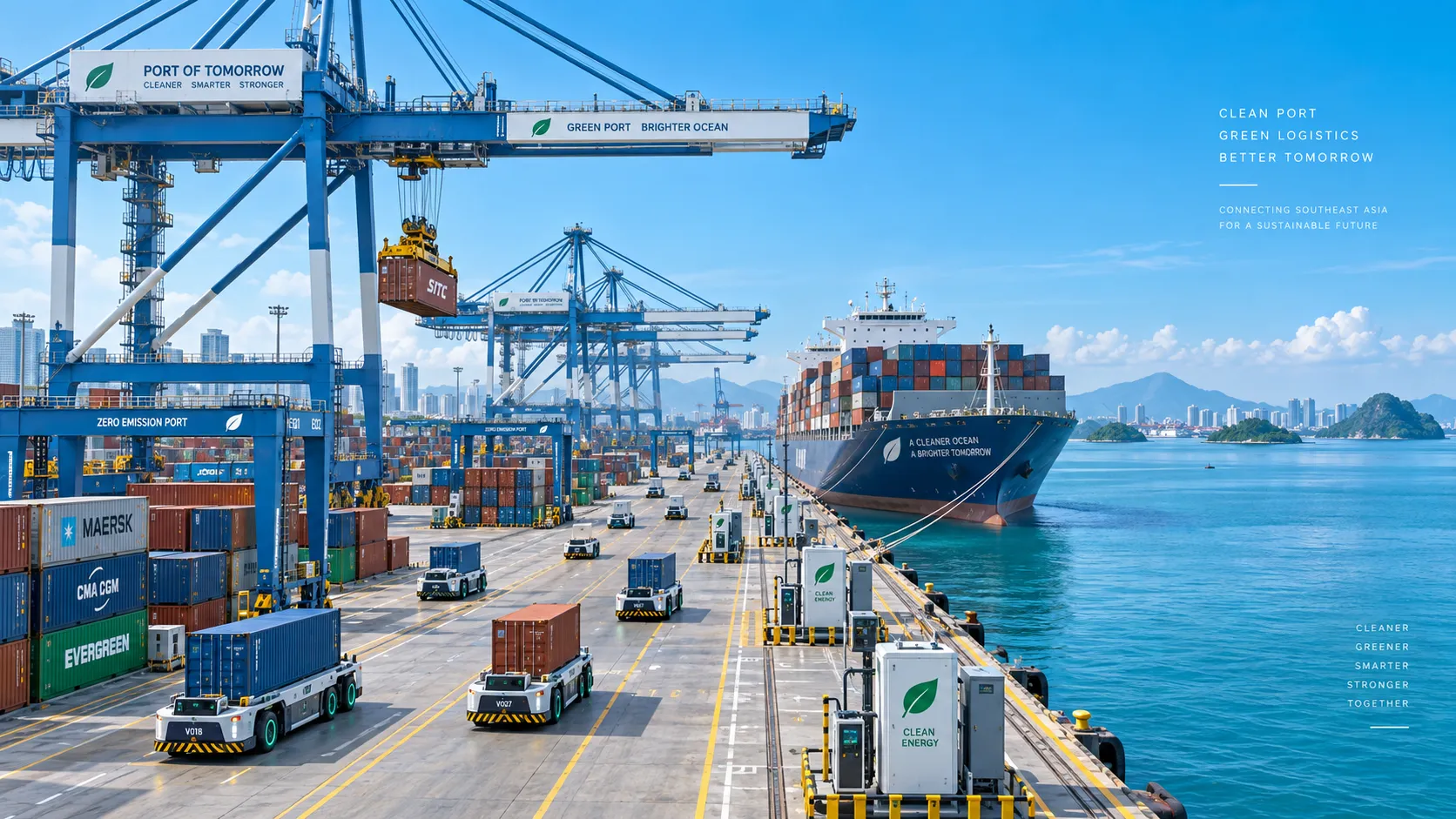
Smart Port Systems in Southeast Asia: Investment Priorities and Adoption Barriers
Smart port systems Southeast Asia: discover investment priorities, adoption barriers, and practical steps to build resilient, connected, high-performing terminals.

How to Evaluate Terminal Efficiency Solution Suppliers for High-Throughput Operations
Choose a terminal efficiency solutions supplier with confidence. Explore proven criteria for throughput, integration, lifecycle cost, safety, and reliable delivery.
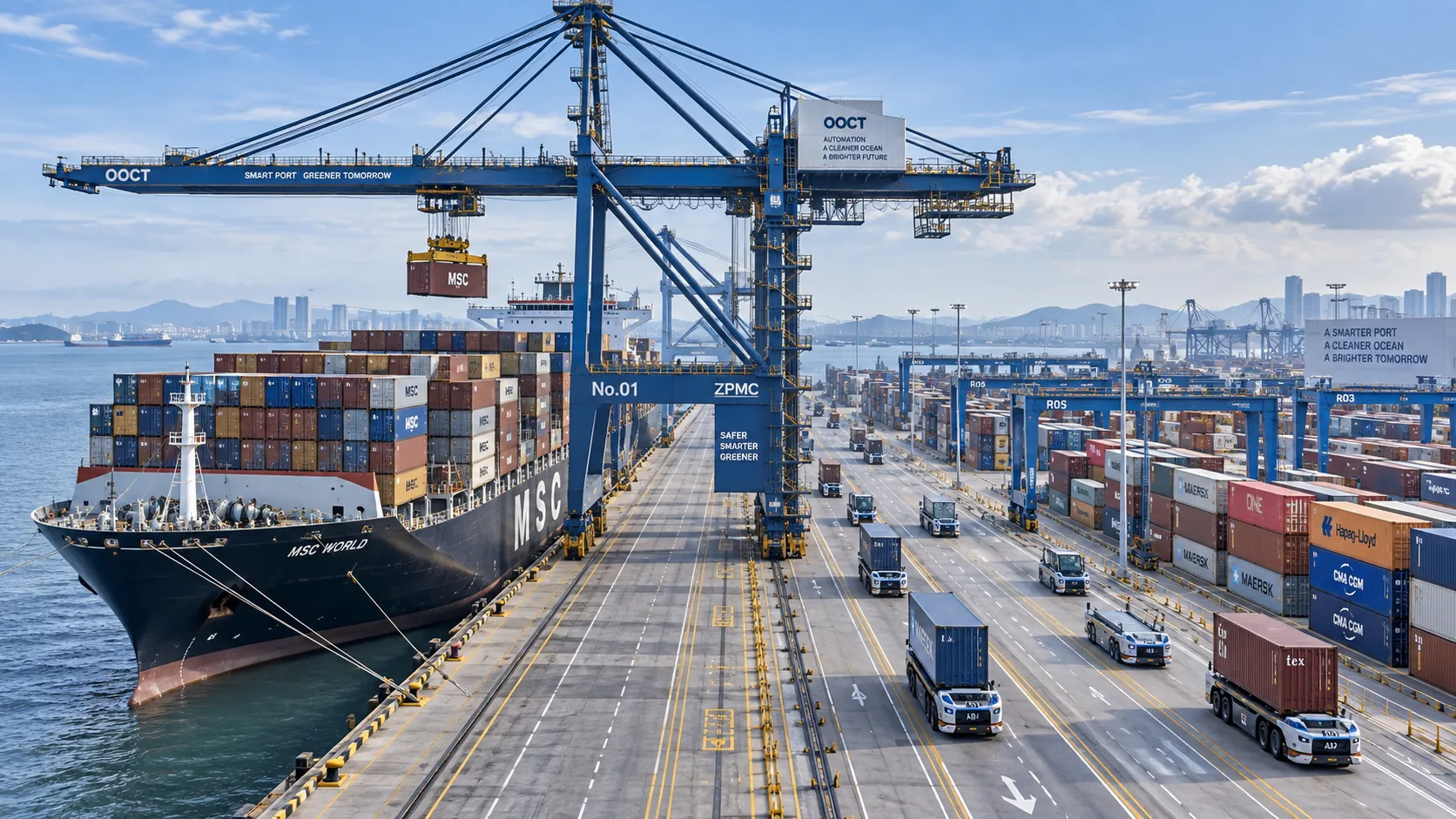
How to Specify a Quay Crane for Container Terminals by Vessel Size and Throughput?
Quay crane for container terminals: learn how to match outreach, lift height, capacity, automation, and cycle performance to vessel size and throughput goals.
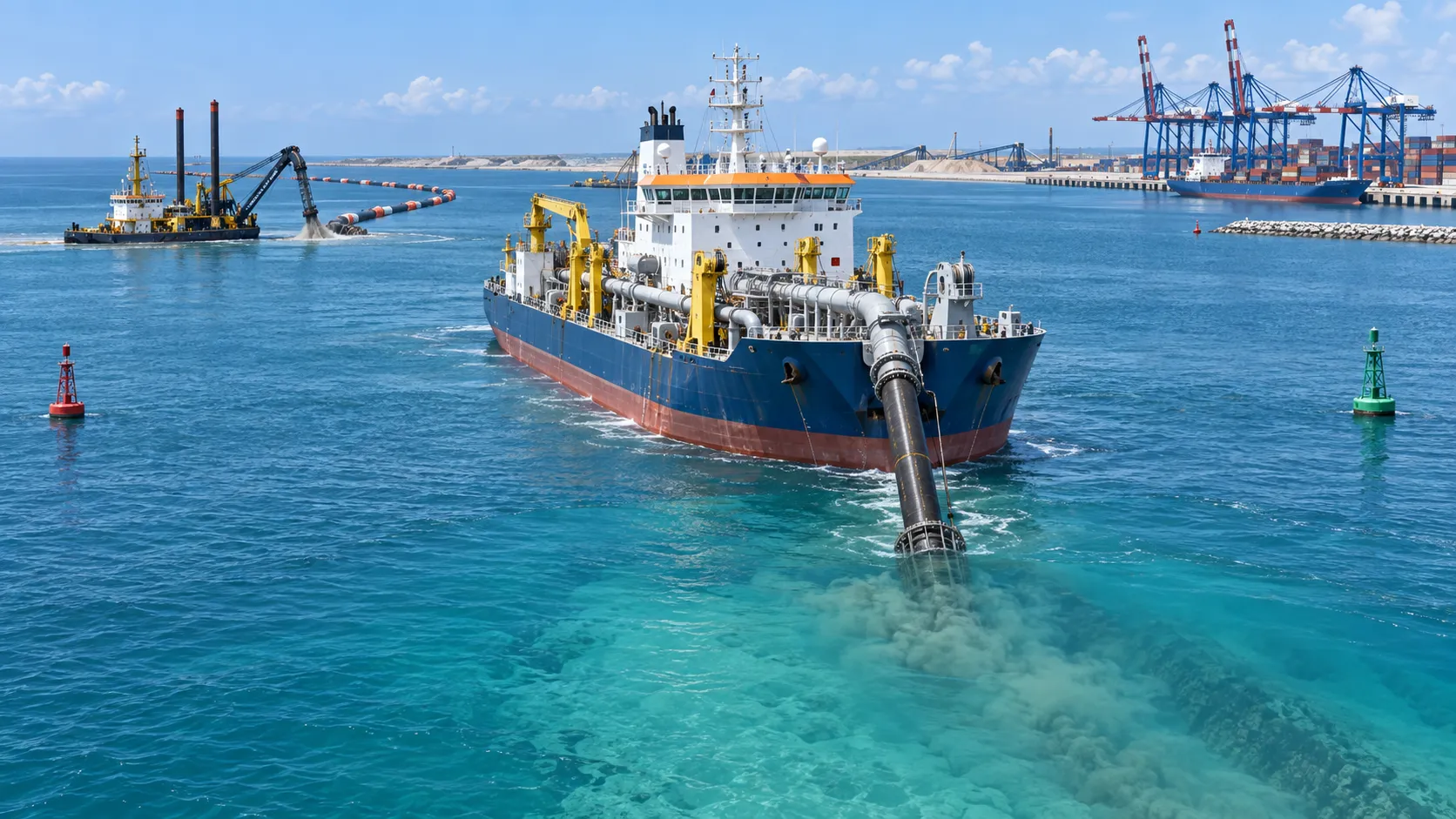
What Dredging Equipment Is Needed for Channel Deepening?
What dredging equipment is needed for channel deepening? Explore dredgers, pipelines, survey tools, and planning strategies for safer, more efficient port access.
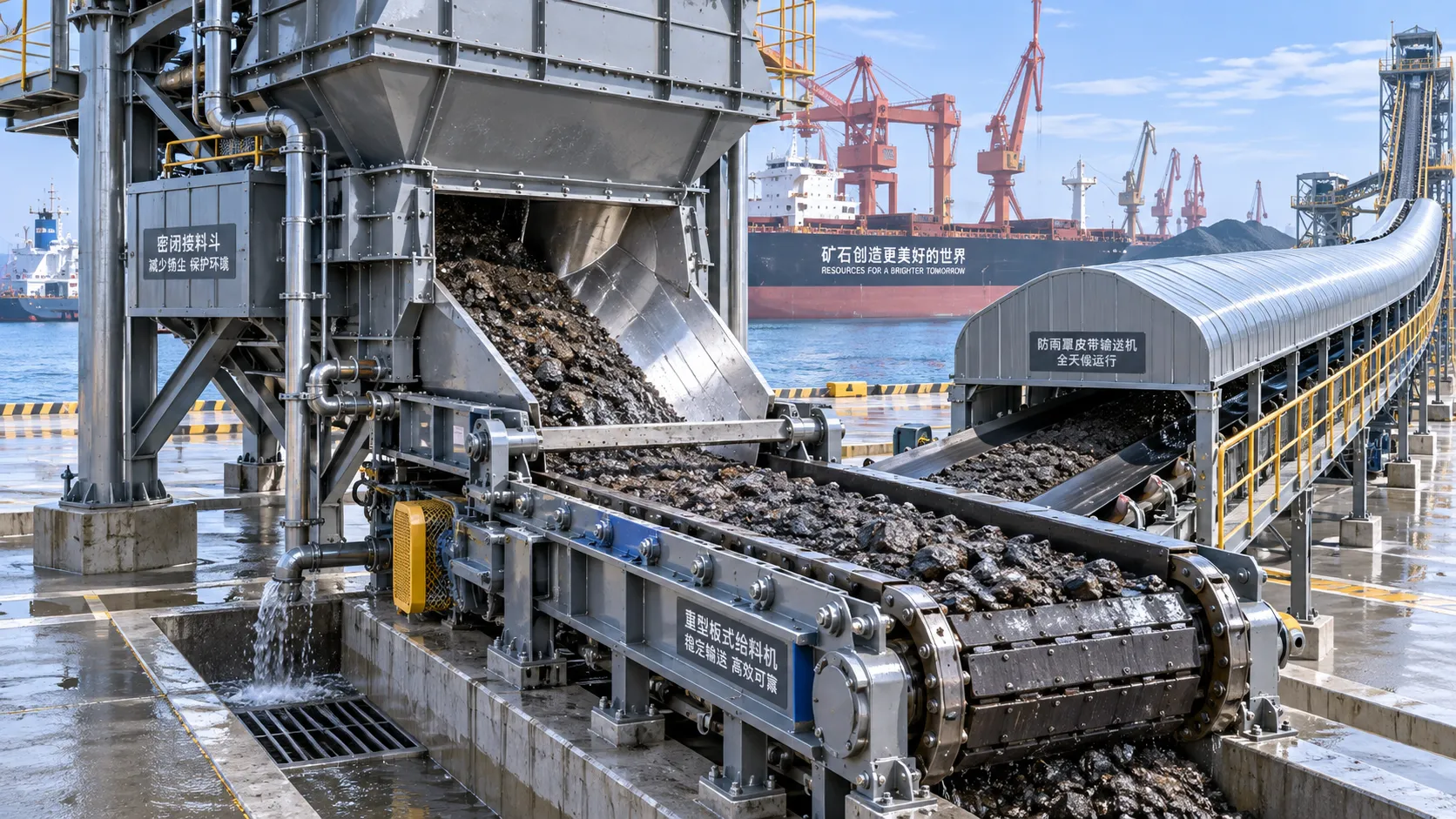
Which Bulk Handling Equipment Suits High-Moisture Cargo?
Which bulk handling equipment suits high-moisture cargo? Compare belt, apron, screw, drag, and slurry systems for reliable flow, less carryback, and higher terminal uptime.
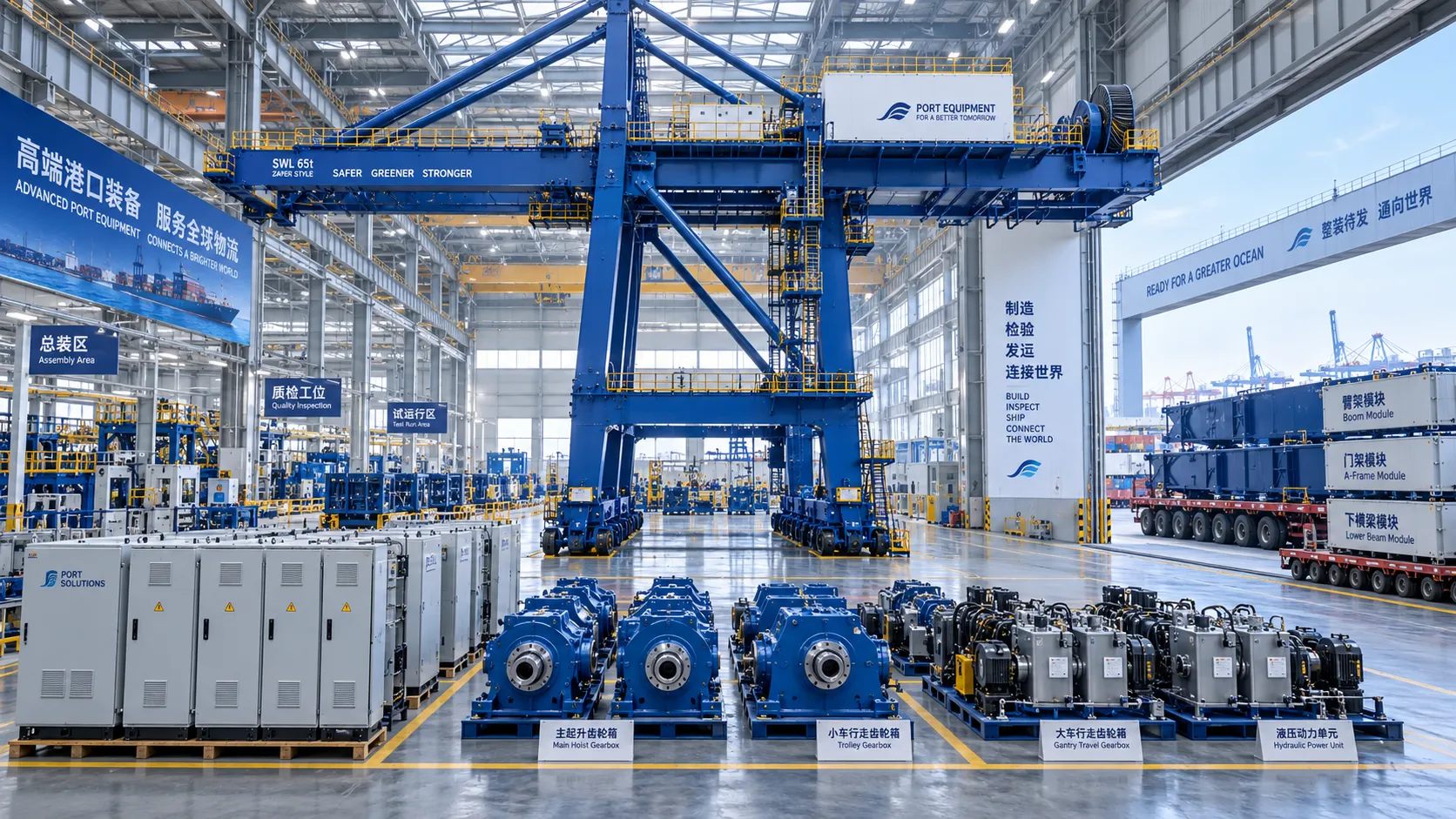
How Can Port Equipment Lead-Time Risk Be Managed?
How can port equipment lead-time risk be managed? Explore practical strategies to control critical paths, suppliers, transport, site readiness, and commissioning delays.
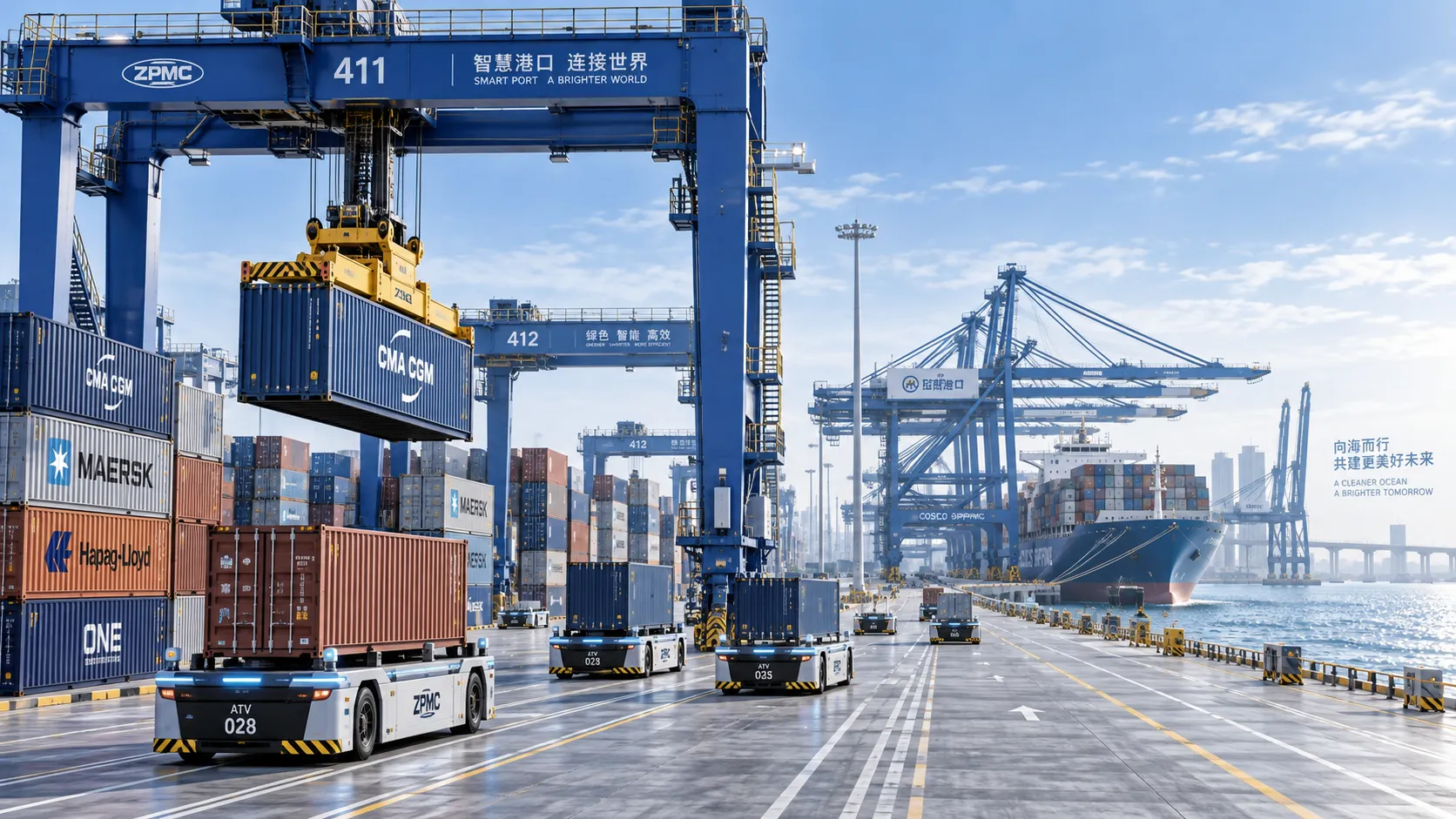
Terminal Automation Technologies That Raise Container Throughput Without Yard Disruption
Terminal automation technology that increases container throughput without disrupting yard flow. Explore smarter integration, resilient workflows, and phased deployment strategies.
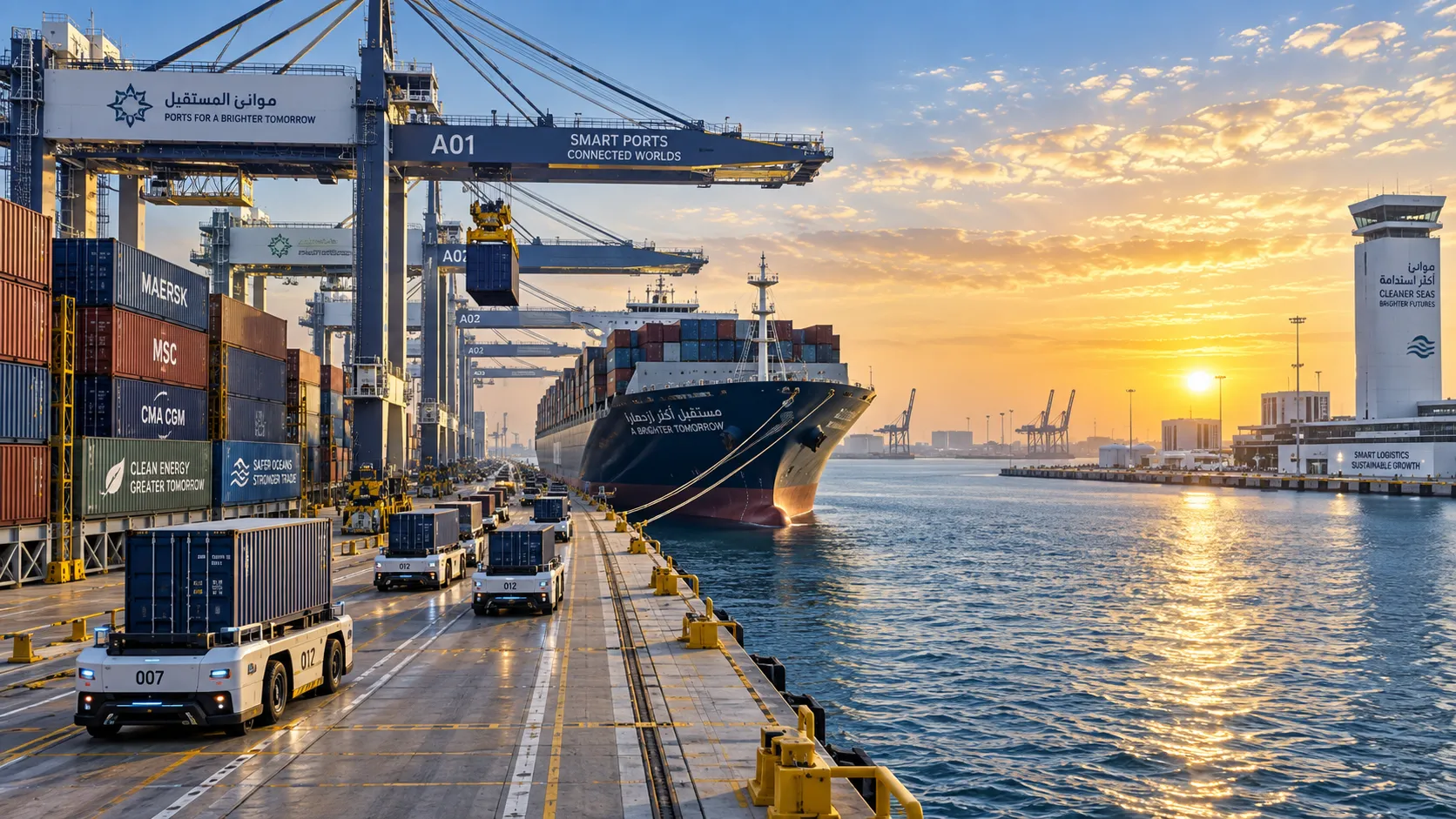
Middle East Port Automation: Key Market Drivers, Projects, and Investment Risks
Port automation systems Middle East: explore market drivers, flagship projects, integration challenges, and investment risks shaping smarter, resilient terminals.
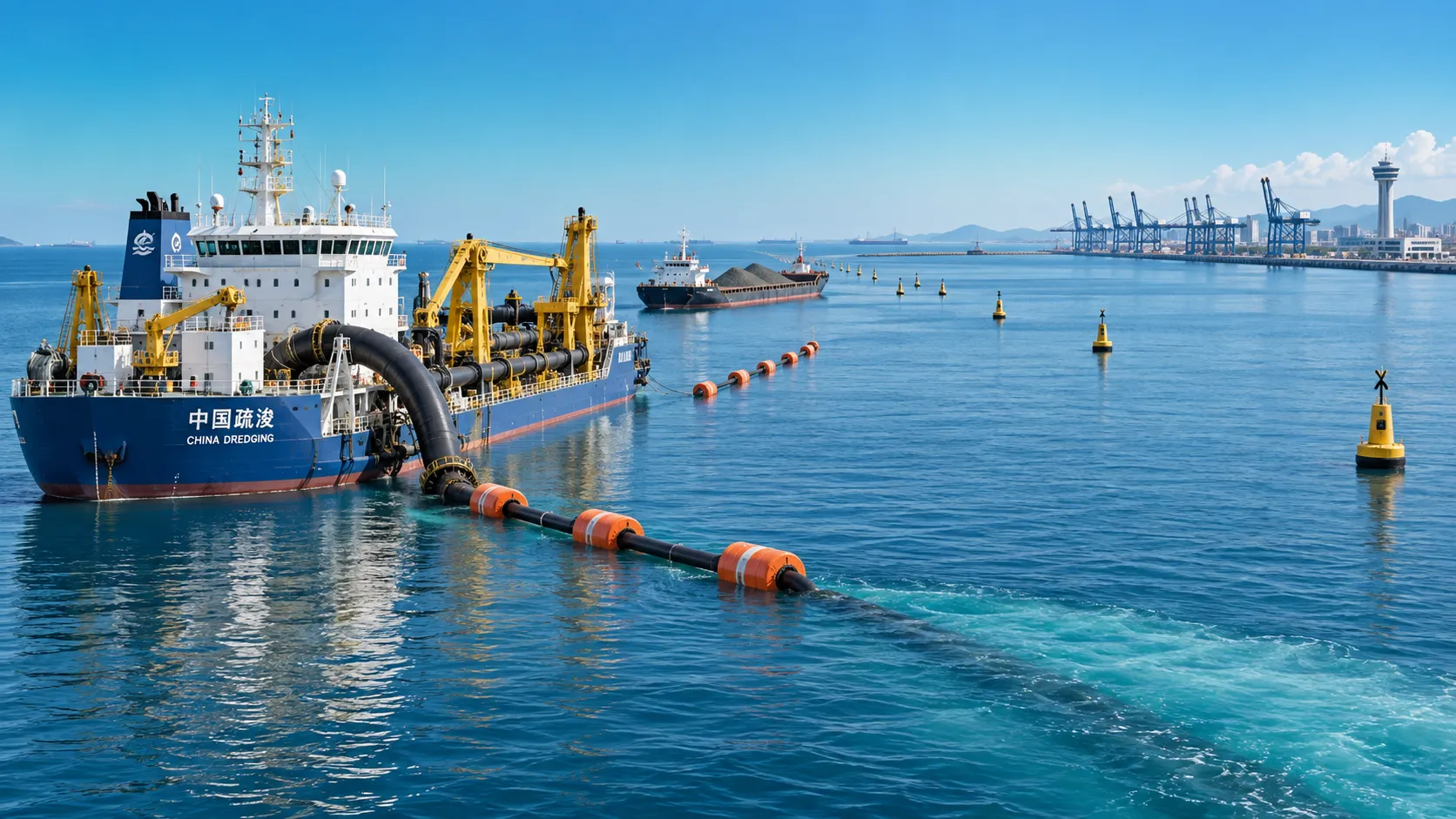
Planning Offshore Dredging Operations: Key Risks, Methods, and Project Controls
Offshore dredging operations demand smart planning. Explore key risks, proven methods, environmental controls, and project strategies for reliable delivery.