Related News
- 00
0000-00
How to Specify a Quay Crane for Container Terminals by Vessel Size and Throughput? - 00
0000-00
Which Bulk Handling Equipment Suits High-Moisture Cargo? - 00
0000-00
Terminal Automation Technologies That Raise Container Throughput Without Yard Disruption - 00
0000-00
Planning Offshore Dredging Operations: Key Risks, Methods, and Project Controls - 00
0000-00
Where Do Automated Guided Vehicles Deliver the Fastest Warehouse Gains in the Middle East?
Terminal Automation Systems for Bulk Handling: Best-Fit Applications and Limits
Where terminal automation systems for bulk handling create real operational value
Terminal automation systems for bulk handling usually enter discussion when manual coordination starts limiting berth productivity, stockyard visibility, or transfer safety.
In practice, the best results appear where material flow is continuous, equipment fleets are large, and planning errors quickly ripple across vessel schedules.
That is why the same automation logic rarely fits every dry bulk terminal, energy hub, or mixed cargo waterfront.
At PS-Nexus, this pattern is visible across heavy terminal gear, control systems, and commercial intelligence tied to maritime logistics and coastal economics.
The useful question is not whether terminal automation systems for bulk handling are advanced enough.
The better question is where they can govern reclaimers, conveyors, stackers, loaders, and yard routing with measurable advantage over conventional dispatch.
Actual deployment starts with why terminal conditions differ
Bulk terminals look similar from a distance, yet operating logic changes sharply with cargo behavior, berth windows, dust controls, and inland links.
Iron ore export chains usually value uninterrupted, high-volume movement and tight shiploader sequencing.
Grain terminals often care more about segregation, traceability, contamination risk, and seasonal volume spikes.
Coal sites may prioritize blending accuracy, reclaim flexibility, and environmental compliance when weather or local rules tighten operating windows.
For that reason, terminal automation systems for bulk handling should be judged by flow complexity, not by automation level alone.
A terminal with modest annual tonnage can still be a strong candidate if coordination failures create demurrage, stockpile confusion, or chronic equipment conflicts.
High-throughput export hubs are usually the clearest fit
Large export terminals handling ore, coal, bauxite, or fertilizer often gain the most from terminal automation systems for bulk handling.
These sites run interconnected assets where one delay at the stacker or transfer tower can affect the berth several hours later.
Automation is valuable here because it synchronizes stockyard assignments, conveyor routing, machine travel paths, and vessel loading priorities in one control layer.
The operational gain is rarely just faster movement.
It also reduces idle transfer chains, misrouted material, and unnecessary machine relocation, which are frequent hidden losses in busy terminals.
This is where PS-Nexus coverage of low-latency control, logic architecture, and equipment scheduling becomes commercially relevant.
What usually matters most in this setting
- Real-time stockpile position and reclaim status
- Berth sequence accuracy against vessel ETAs and loading plans
- Conflict-free routing across conveyors and transfer nodes
- Machine health signals tied to dispatch decisions
- Fallback logic when sensors or communication links degrade
Blending and quality-critical yards need a different automation logic
Some terminals are not constrained by raw tonnage.
They are constrained by composition control, source separation, moisture variation, or customer-specific quality windows.
In these yards, terminal automation systems for bulk handling earn their place when they connect laboratory data, stockpile genealogy, and reclaim sequencing.
The system must know more than where material sits.
It must understand what should and should not be mixed, and how reclaim decisions affect final shipment quality several moves later.
A common mistake is treating these operations like standard throughput optimization.
When the control platform ignores quality logic, automation can increase movement while undermining contract performance.
Smaller or mixed-use terminals often need selective automation instead
Not every waterfront operation benefits from full terminal automation systems for bulk handling.
Mixed terminals with irregular cargo calls, mobile equipment dependence, and frequent layout changes often need narrower control investments.
In these environments, the strongest move may be automating stock accounting, truck appointment logic, conveyor interlocks, or loader guidance first.
That approach preserves operational flexibility while still reducing manual decision pressure.
More complete automation can follow once cargo patterns become stable enough to justify deeper orchestration.
This staged path is often more realistic than copying the architecture of mega-port terminal gear operations.
A practical way to judge fit before scaling
- Map where delays originate, not only where labor is used
- Separate recurring bottlenecks from occasional disruptions
- Check whether equipment interfaces already produce reliable data
- Estimate fallback operating mode during outages or maintenance
- Compare software scope with expected terminal growth over five to ten years
Limits appear faster when data, layout, or environment are unstable
The limits of terminal automation systems for bulk handling are usually operational before they are theoretical.
Poor sensor reliability, inconsistent stockpile surveys, and fragmented PLC generations can distort the control picture enough to weaken automated decisions.
Harsh dust, corrosion, vibration, and weather exposure also raise maintenance load on field devices, especially around conveyor routes and stacker-reclaimer travel areas.
Another limit appears when dredging programs, berth expansion, or yard reconfiguration are still underway.
If the physical terminal keeps changing, the control model can become outdated before value is fully realized.
That is why automation planning should be linked with marine civil works, future dredging schedules, and network architecture from the start.
Misjudgments that weaken otherwise promising projects
One repeated misjudgment is buying terminal automation systems for bulk handling as software only.
The real project includes instrumentation quality, control latency, operator procedures, maintenance capability, and cyber resilience.
Another mistake is optimizing for peak vessel campaigns while ignoring lower-volume weeks, when flexibility and support burden matter more.
Some sites also overestimate labor savings and underestimate the value of fewer routing errors, cleaner inventory records, and better energy use.
In terminals linked to rail, barge, and road interfaces, weak coordination at those gates can erase gains achieved inside the yard.
The broader lesson is simple: similar cargo does not guarantee similar automation readiness.
How to move from interest to a workable automation decision
A sound next step is to evaluate terminal automation systems for bulk handling against a small set of operating truths.
Start with cargo flow stability, asset interdependence, stock accuracy, and the cost of a missed loading sequence.
Then examine whether communications, field devices, and legacy controls can support deterministic decision-making at terminal speed.
PS-Nexus frames this well because port automation works best when heavy machinery behavior, scheduling logic, and trade exposure are assessed together.
Where those conditions align, terminal automation systems for bulk handling can strengthen throughput, inventory discipline, and safer coordination.
Where they do not, selective automation, phased integration, and better data foundations usually deliver a stronger result than full-scale ambition.
The most reliable path is to define site-specific scenarios, compare constraints across them, and build an adaptation standard before committing capital and implementation time.
Related News
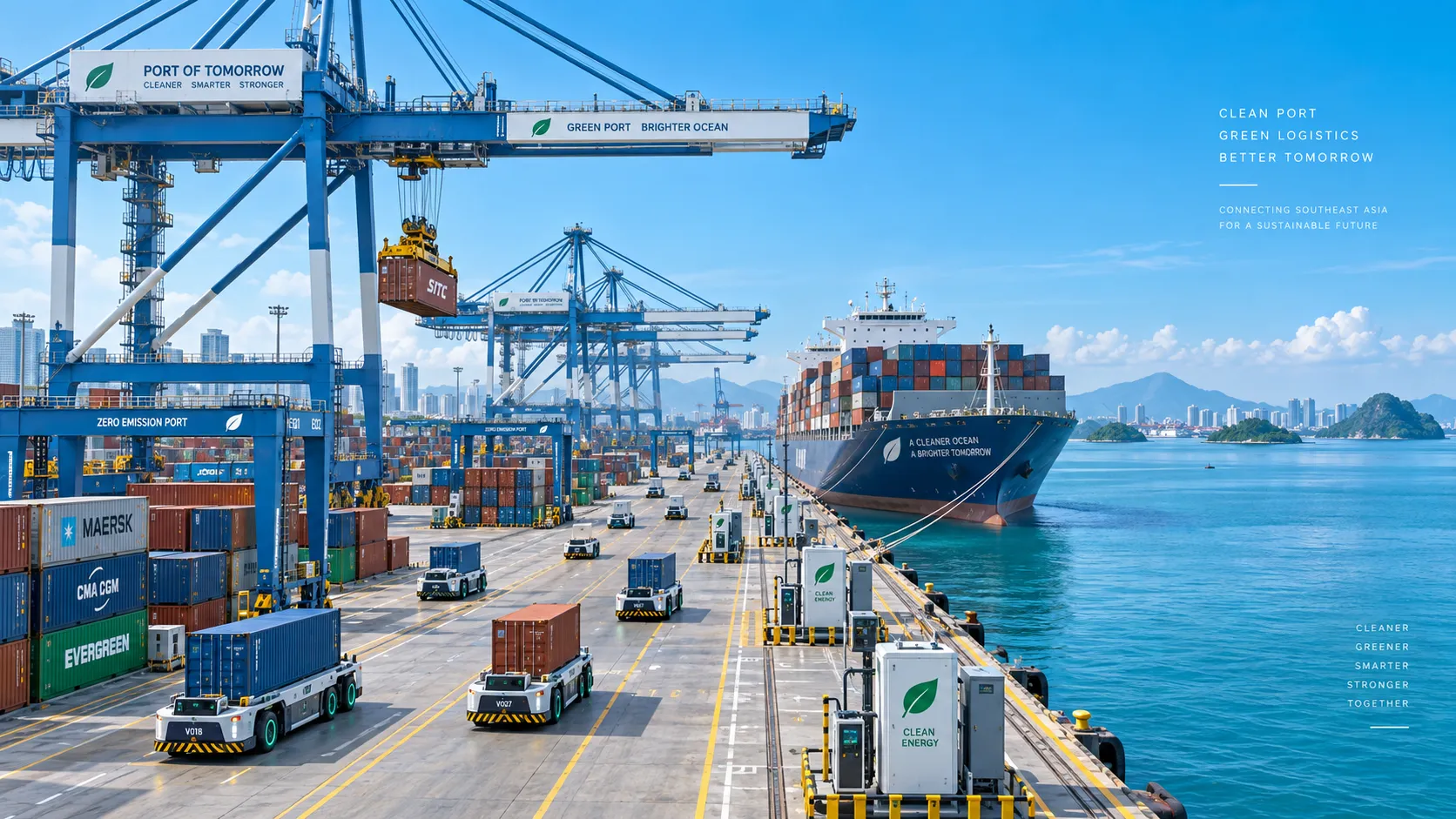
Smart Port Systems in Southeast Asia: Investment Priorities and Adoption Barriers
Smart port systems Southeast Asia: discover investment priorities, adoption barriers, and practical steps to build resilient, connected, high-performing terminals.

How to Evaluate Terminal Efficiency Solution Suppliers for High-Throughput Operations
Choose a terminal efficiency solutions supplier with confidence. Explore proven criteria for throughput, integration, lifecycle cost, safety, and reliable delivery.
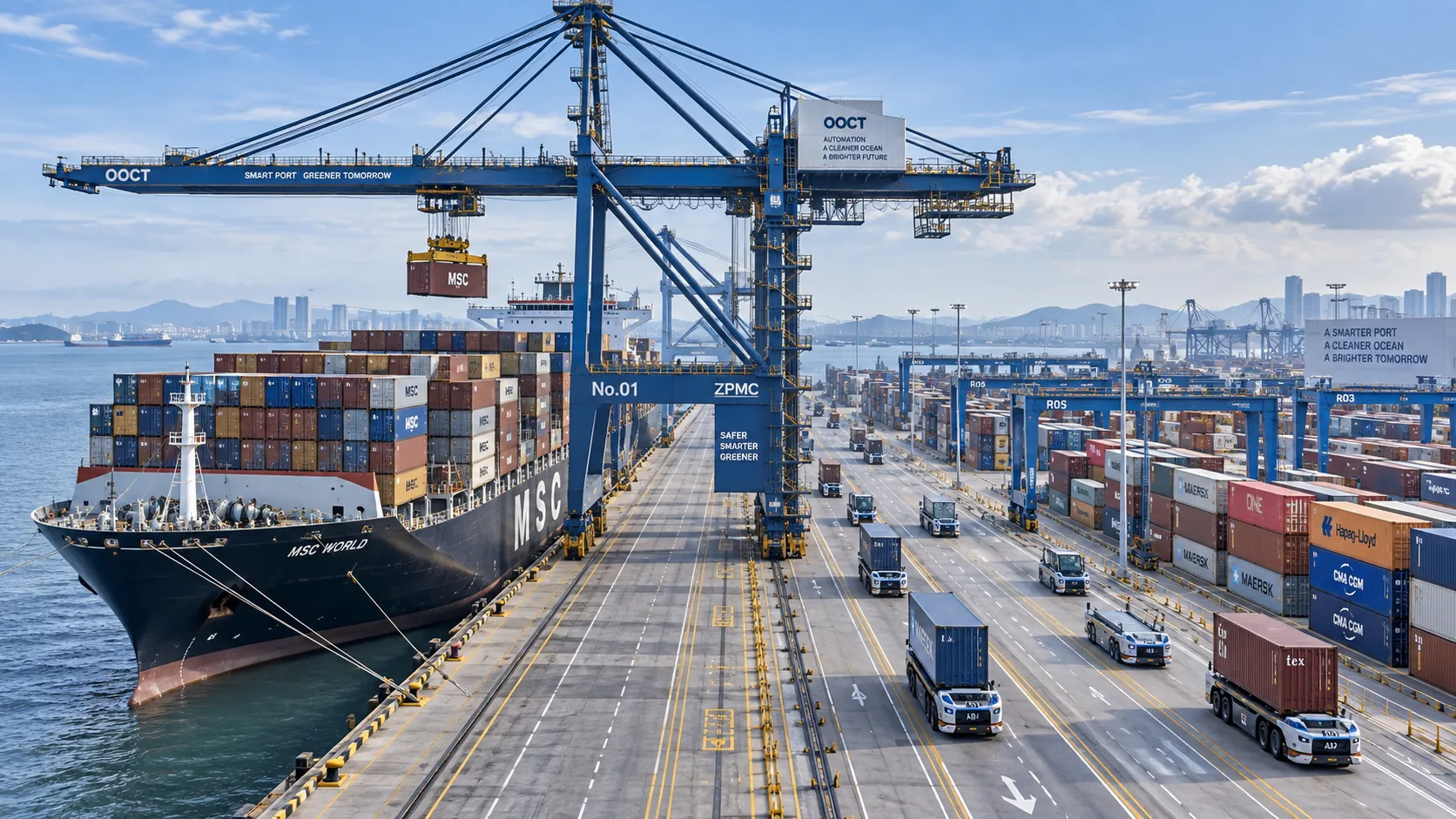
How to Specify a Quay Crane for Container Terminals by Vessel Size and Throughput?
Quay crane for container terminals: learn how to match outreach, lift height, capacity, automation, and cycle performance to vessel size and throughput goals.
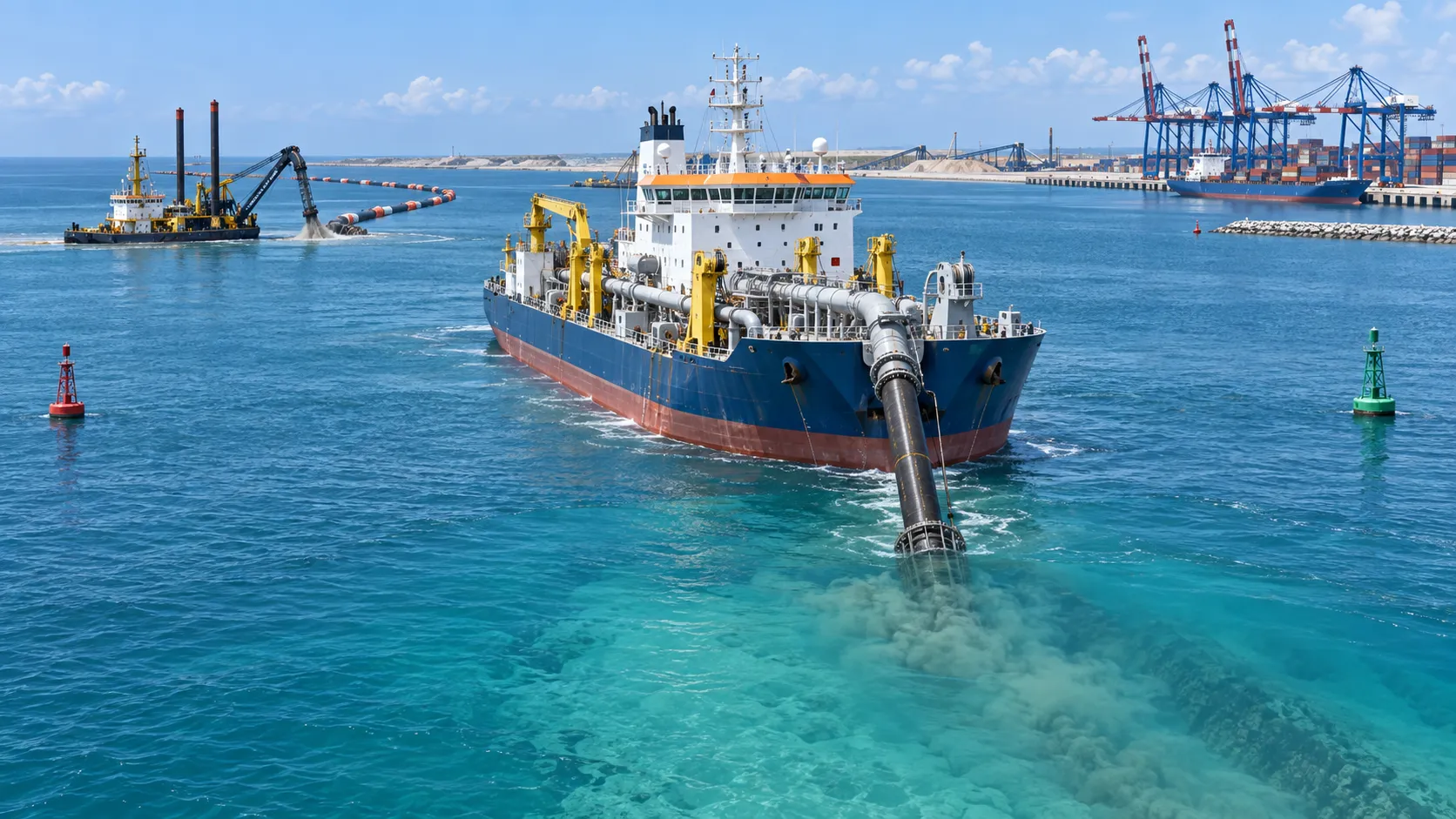
What Dredging Equipment Is Needed for Channel Deepening?
What dredging equipment is needed for channel deepening? Explore dredgers, pipelines, survey tools, and planning strategies for safer, more efficient port access.
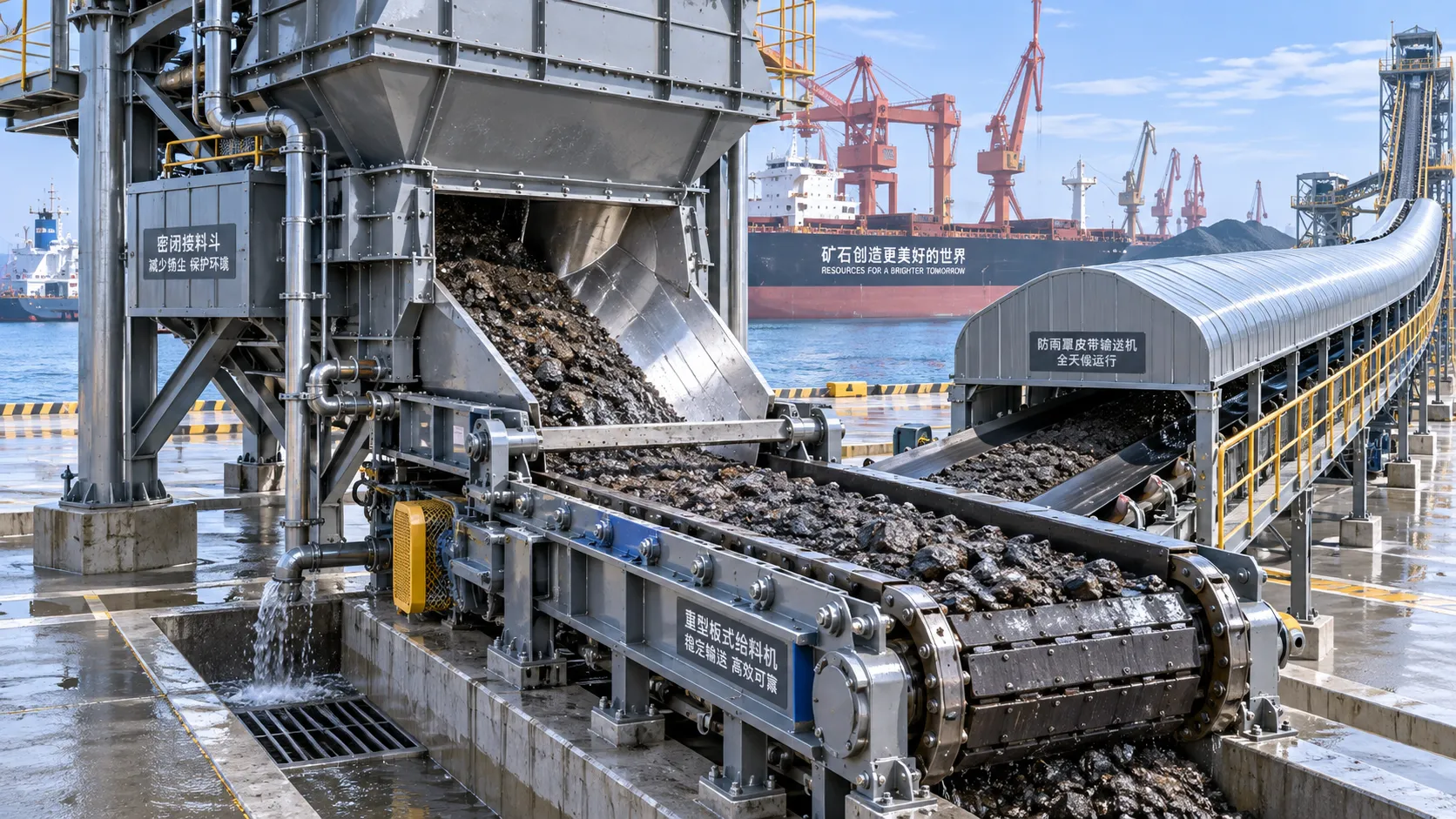
Which Bulk Handling Equipment Suits High-Moisture Cargo?
Which bulk handling equipment suits high-moisture cargo? Compare belt, apron, screw, drag, and slurry systems for reliable flow, less carryback, and higher terminal uptime.
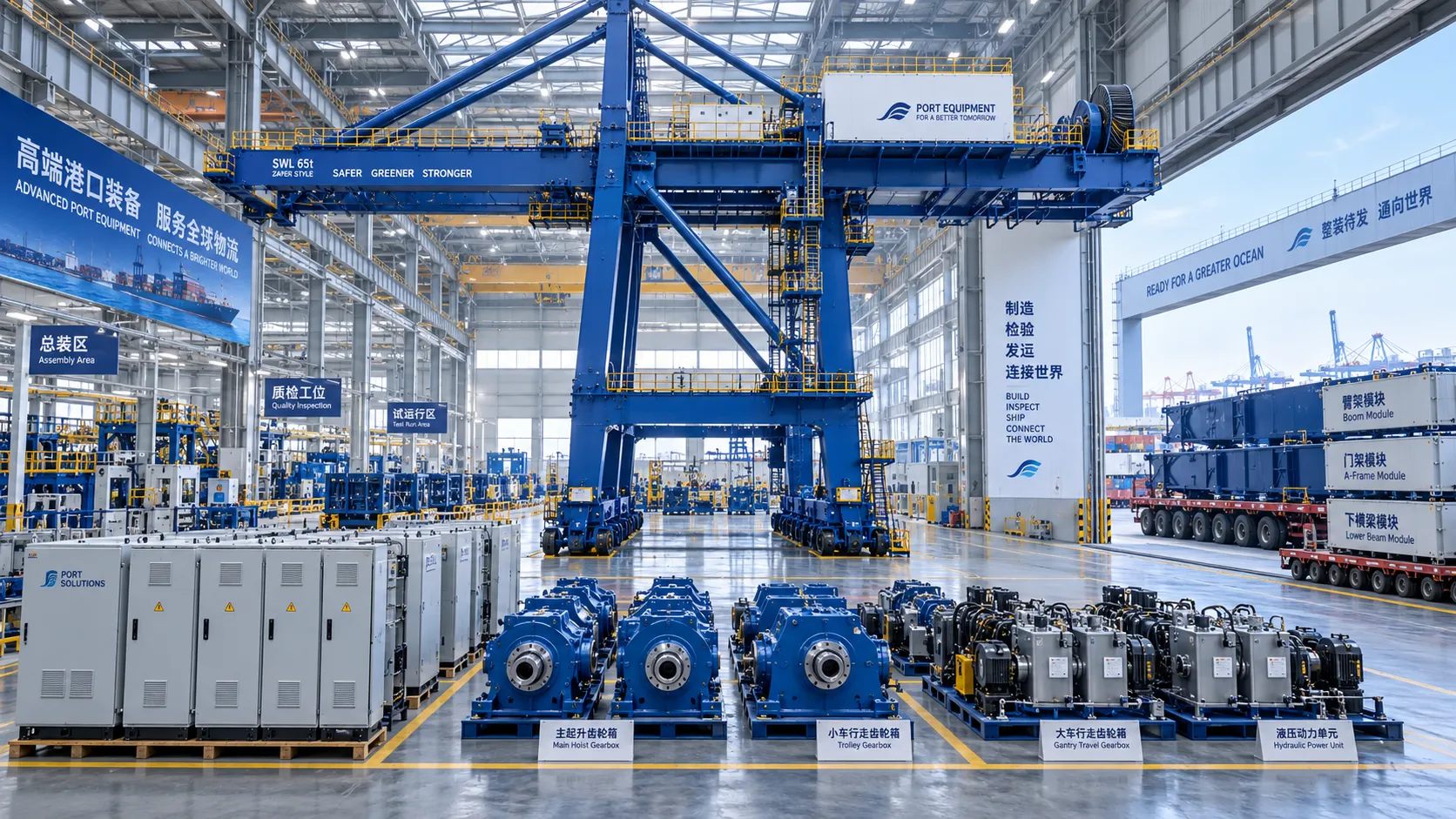
How Can Port Equipment Lead-Time Risk Be Managed?
How can port equipment lead-time risk be managed? Explore practical strategies to control critical paths, suppliers, transport, site readiness, and commissioning delays.
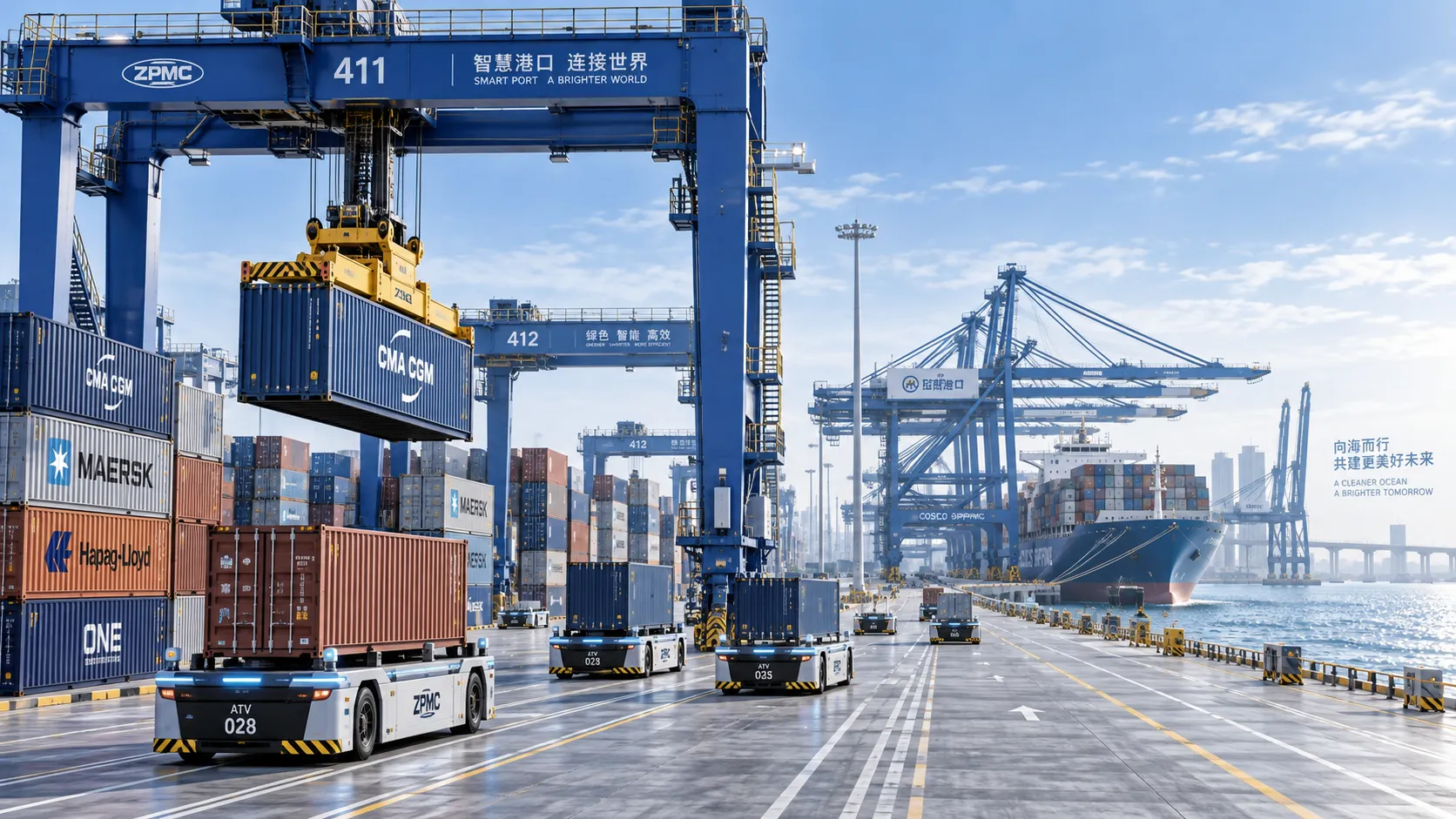
Terminal Automation Technologies That Raise Container Throughput Without Yard Disruption
Terminal automation technology that increases container throughput without disrupting yard flow. Explore smarter integration, resilient workflows, and phased deployment strategies.
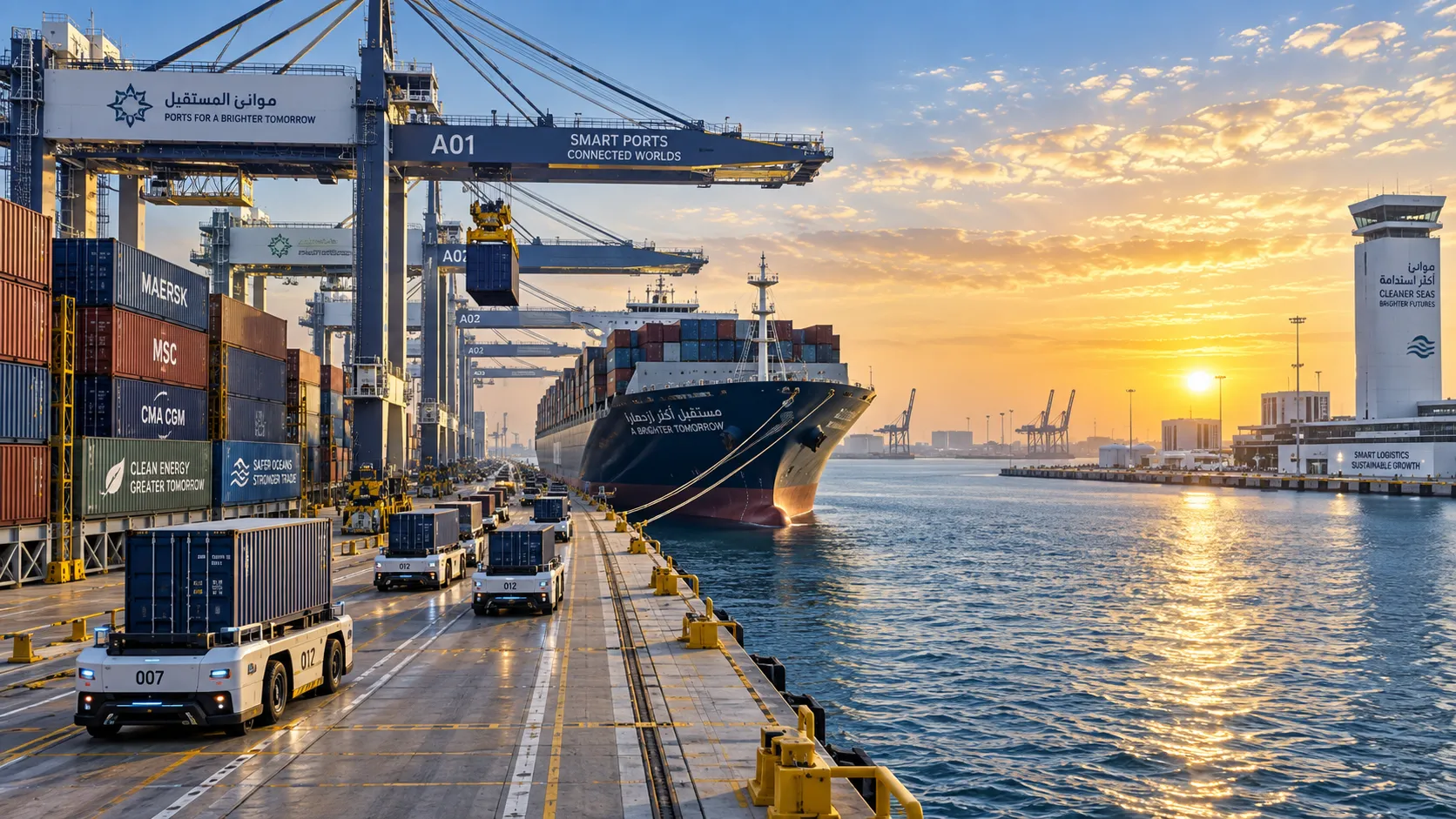
Middle East Port Automation: Key Market Drivers, Projects, and Investment Risks
Port automation systems Middle East: explore market drivers, flagship projects, integration challenges, and investment risks shaping smarter, resilient terminals.
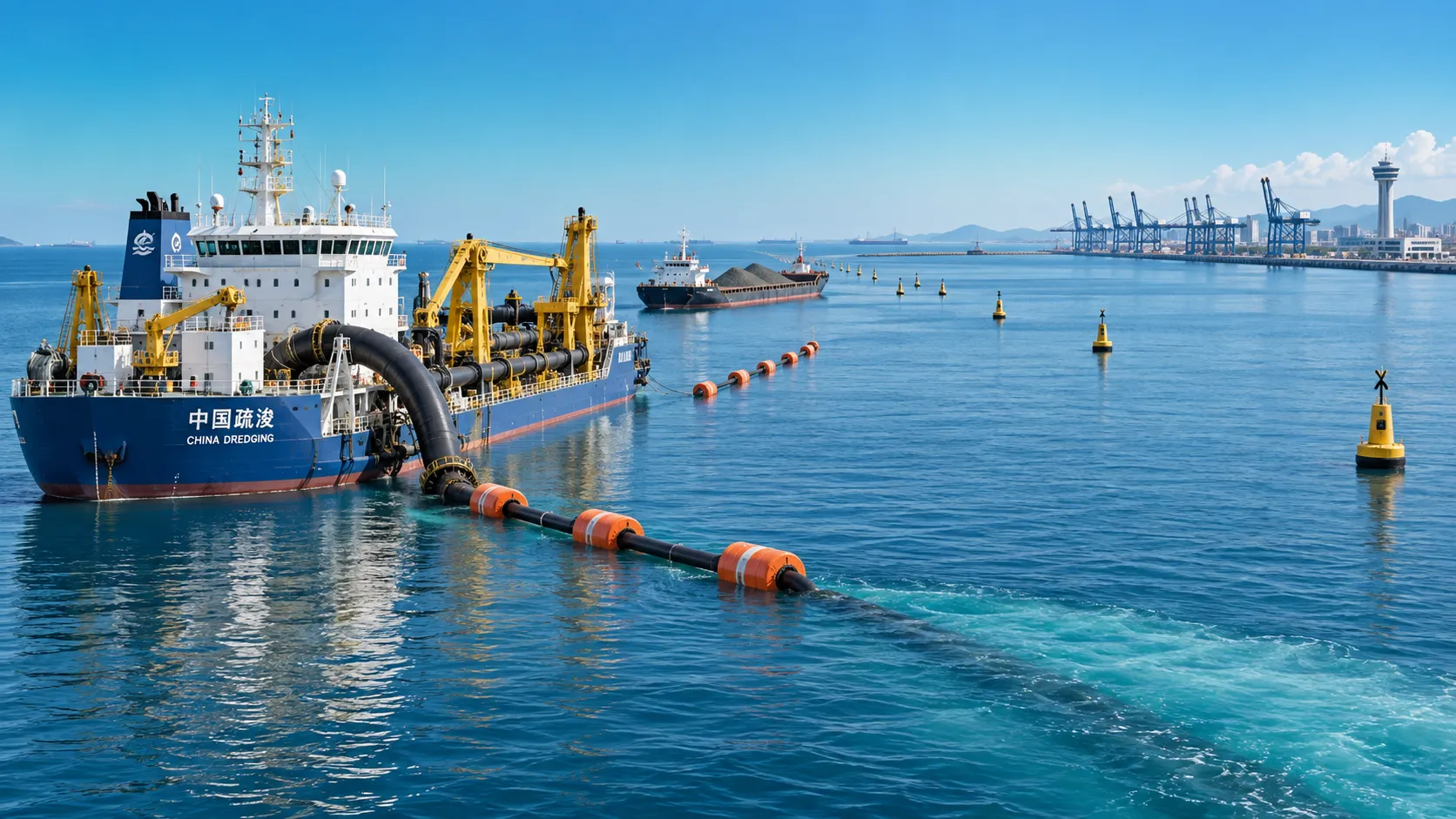
Planning Offshore Dredging Operations: Key Risks, Methods, and Project Controls
Offshore dredging operations demand smart planning. Explore key risks, proven methods, environmental controls, and project strategies for reliable delivery.