Related News
- 00
0000-00
How to Evaluate Terminal Efficiency Solution Suppliers for High-Throughput Operations - 00
0000-00
What to Consider When Buying Electric Port Machinery for Container Terminals - 00
0000-00
How to Select Container Handling Equipment for Middle East Ports and Terminals - 00
0000-00
How to Evaluate a Port Machinery Exporter for Large-Scale Terminal Projects - 00
0000-00
Evaluating a Dredging Equipment Manufacturer for Mining Plant Supply
How to Choose Heavy Terminal Gear for Bulk Terminals by Throughput and Cargo Type
Choosing heavy terminal gear for bulk terminals is rarely a simple matter of buying the largest machine available. Capacity must match throughput targets, cargo density, unloading cycles, storage layout, and environmental controls. In bulk logistics, that decision shapes berth productivity, vessel waiting time, maintenance exposure, and the economics of expansion. For terminals handling coal, iron ore, grain, fertilizer, clinker, or aggregates, equipment selection works best when throughput and cargo behavior are evaluated together rather than in isolation.
That is also why the topic has gained more attention across maritime infrastructure planning. Port operators are under pressure to move larger volumes with tighter labor, lower emissions, and stricter dust rules. Intelligence platforms such as PS-Nexus have highlighted the same pattern across port gear, automation, and dredging engineering: asset choices now depend as much on system coordination and future trade shifts as on mechanical output alone.
Why throughput cannot be treated as a single number
Throughput is often presented as annual tonnage, yet equipment sizing depends on a more detailed view. Peak hourly demand, vessel size distribution, berth occupancy, and stockyard transfer rates all matter.
A terminal moving five million tons a year through evenly distributed calls needs different heavy terminal gear for bulk terminals than a terminal moving the same volume through short seasonal peaks. The second case usually requires stronger surge capacity.
There is also a difference between rated capacity and effective capacity. A ship unloader may be rated at a high tons-per-hour figure, but actual output falls when grab fill rates drop, truck flow slows, or conveyors become the bottleneck.
In practice, equipment should be aligned with the terminal’s narrowest operating constraint. Sometimes that is berth time. In other cases, it is yard reclaim rate, dust suppression, or the ability to switch cargo streams without contamination.
Cargo type changes the equipment logic
Bulk cargoes do not behave in the same way. Density, moisture, abrasiveness, particle size, flowability, and contamination risk directly influence the right heavy terminal gear for bulk terminals.
High-density minerals
Iron ore and similar ores demand robust structural design, strong wear protection, and conveyors sized for heavy loading. Transfer points and chute liners need close attention because abrasion can erode lifecycle value quickly.
Dust-prone dry cargoes
Coal, petcoke, and clinker create stricter requirements for enclosed transfer, misting systems, and controlled discharge. Here, selection is not only about throughput. Environmental compliance becomes part of the operating capacity.
Sensitive agricultural bulk
Grain, feed, and food-grade materials need gentle handling, lower breakage, and strong contamination control. Equipment cleaning time and cargo changeover discipline become critical, especially in multi-user terminals.
Sticky or variable materials
Fertilizer blends, moist biomass, and certain concentrates may bridge, cake, or cling to equipment surfaces. That raises the value of specialized hoppers, anti-blocking design, and maintenance access for cleaning.
The main equipment families and where they fit
Most heavy terminal gear for bulk terminals falls into a few core categories. The right choice depends on vessel profile, berth geometry, stockyard layout, and the balance between fixed and mobile assets.
Continuous ship unloaders
These are attractive for high-volume imports with stable cargo streams. They support predictable discharge rates and can reduce spillage. Their value rises when berth utilization and vessel turnaround are central commercial priorities.
Grab ship unloaders
Grab-based systems remain common because they are versatile across cargoes and ship sizes. They work well where terminals must handle changing cargo mixes or where capital discipline favors flexible deployment.
Conveyors, hoppers, and transfer systems
These are often underestimated during procurement. Yet many bulk terminals lose performance in transfer zones, not at the quayside machine itself. Poor hopper design, weak sealing, or undersized conveyors can neutralize a premium unloader.
Stackers, reclaimers, and stacker-reclaimers
Once cargo reaches the yard, stockpile handling determines blending accuracy, storage efficiency, and dispatch continuity. For large mineral and energy terminals, these machines define whether the berth can truly sustain design throughput.
What the market is watching now
The discussion around heavy terminal gear for bulk terminals has shifted beyond horsepower. Several market signals are changing the evaluation model.
- Automation readiness now matters, even when a terminal is not fully autonomous today.
- Energy efficiency and electrification affect both operating cost and compliance planning.
- Remote monitoring reduces unplanned downtime when spare parts lead times are volatile.
- Digital control integration improves dispatch, blending, and berth scheduling accuracy.
- Dust, noise, and runoff controls increasingly influence project approval and community acceptance.
This broader perspective matches the PS-Nexus view of port assets as connected systems. A bulk machine is no longer judged only by mechanical specification. It is judged by how well it fits scheduling logic, maintenance visibility, and future modernization paths.
A practical way to compare options
When comparing heavy terminal gear for bulk terminals, a useful approach is to structure the decision around operating scenarios rather than catalog values. That usually produces more reliable outcomes.
Start with actual flow patterns
Map inbound vessel sizes, expected call frequency, berth windows, and downstream transport modes. Rail, truck, barge, and yard storage each create different timing pressure on the same machine.
Test cargo variability
If the terminal will switch between ore, coal, and grain, flexibility may outweigh absolute peak capacity. Changeover time, cleaning effort, and contamination controls become measurable economic factors.
Review the full duty cycle
A machine operating near rated output for short campaigns behaves differently from one working steady shifts year-round. Duty cycle affects wear, lubrication strategy, fatigue life, and spare parts planning.
Price the constraints, not just the machine
Foundation works, rail tracks, electrical upgrades, enclosure systems, and software interfaces can reshape total project cost. Sometimes the lower-priced machine creates the higher investment program.
Common mistakes in bulk terminal equipment selection
Several recurring errors appear in bulk handling projects, especially when volume growth expectations are high.
- Selecting for nominal tons per hour without verifying sustained system throughput.
- Ignoring cargo-specific wear, corrosion, or contamination behavior.
- Treating yard equipment as secondary to berth equipment.
- Underestimating maintenance access and shutdown windows.
- Buying fixed configurations that block later automation or electrification.
These issues usually surface after commissioning, when correction is expensive. That is why early-stage comparison should include lifecycle assumptions, not just supply scope and delivery schedule.
How to move from screening to decision
A sound shortlist for heavy terminal gear for bulk terminals should connect five layers: cargo behavior, throughput profile, berth interface, yard logic, and digital support. Removing one layer weakens the decision.
It helps to compare at least three scenarios: current demand, peak demand, and expansion demand. That reveals whether a machine is right-sized, overspecified, or likely to become a bottleneck within a few years.
The next step is to build a decision matrix with weighted criteria. Include effective throughput, cargo fit, environmental controls, energy demand, maintenance burden, system integration, and upgrade potential.
From there, the most useful conversations are grounded in operating data rather than brochure claims. For any terminal evaluating heavy terminal gear for bulk terminals, better outcomes usually come from aligning equipment with real cargo flows, realistic duty cycles, and the long-term direction of the port network.
Related News
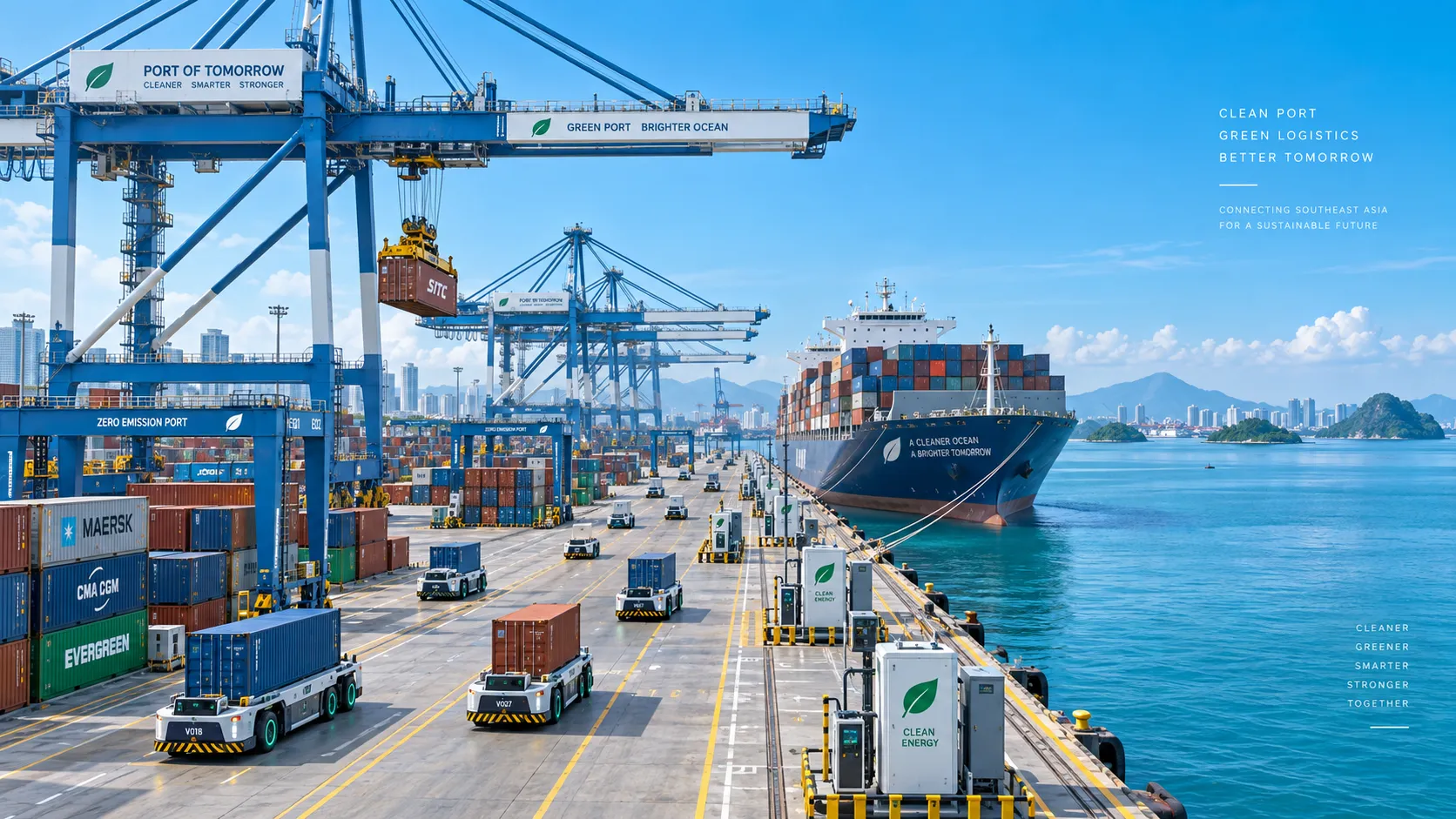
Smart Port Systems in Southeast Asia: Investment Priorities and Adoption Barriers
Smart port systems Southeast Asia: discover investment priorities, adoption barriers, and practical steps to build resilient, connected, high-performing terminals.
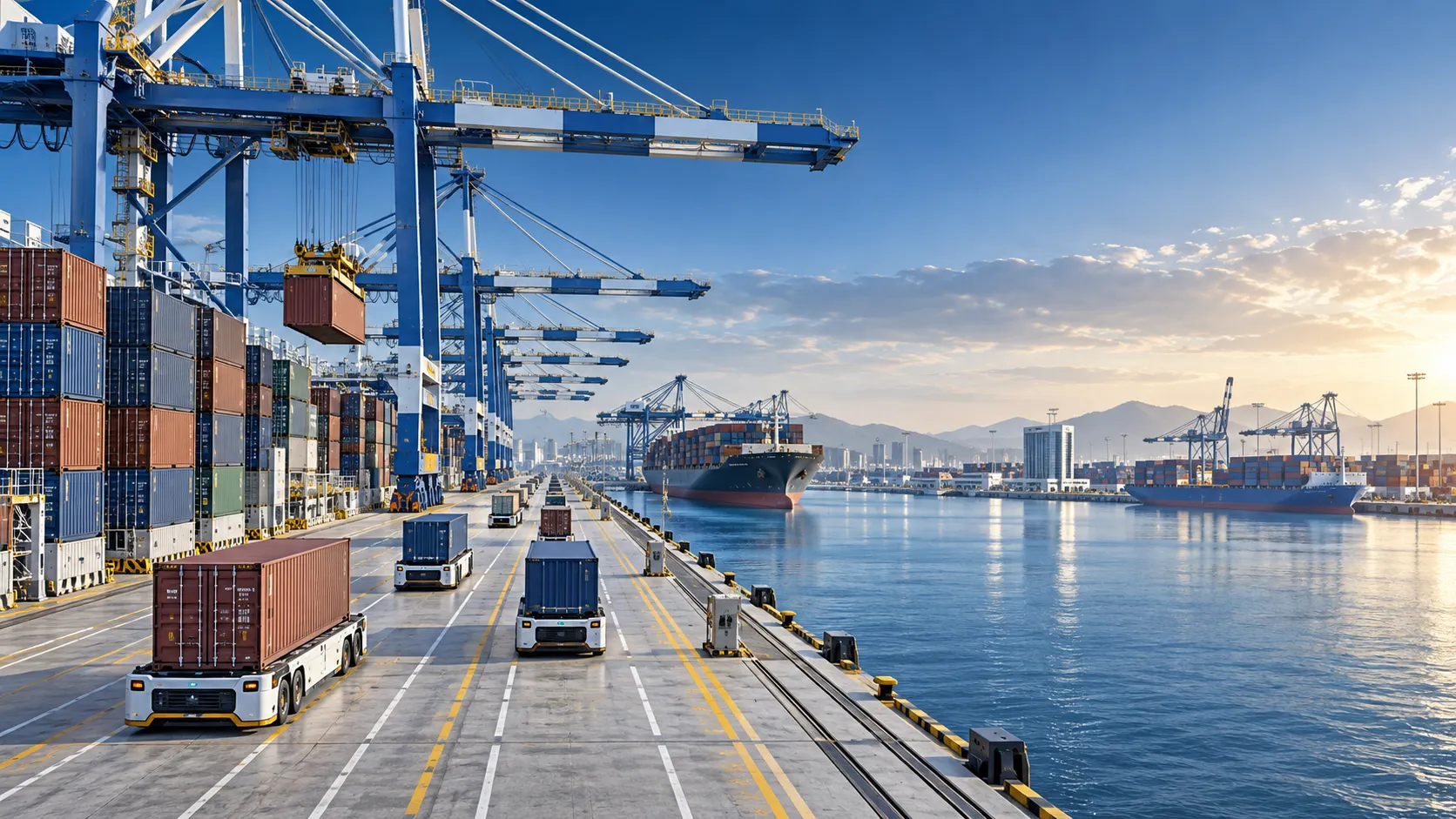
How to Evaluate Terminal Efficiency Solution Suppliers for High-Throughput Operations
Choose a terminal efficiency solutions supplier with confidence. Explore proven criteria for throughput, integration, lifecycle cost, safety, and reliable delivery.
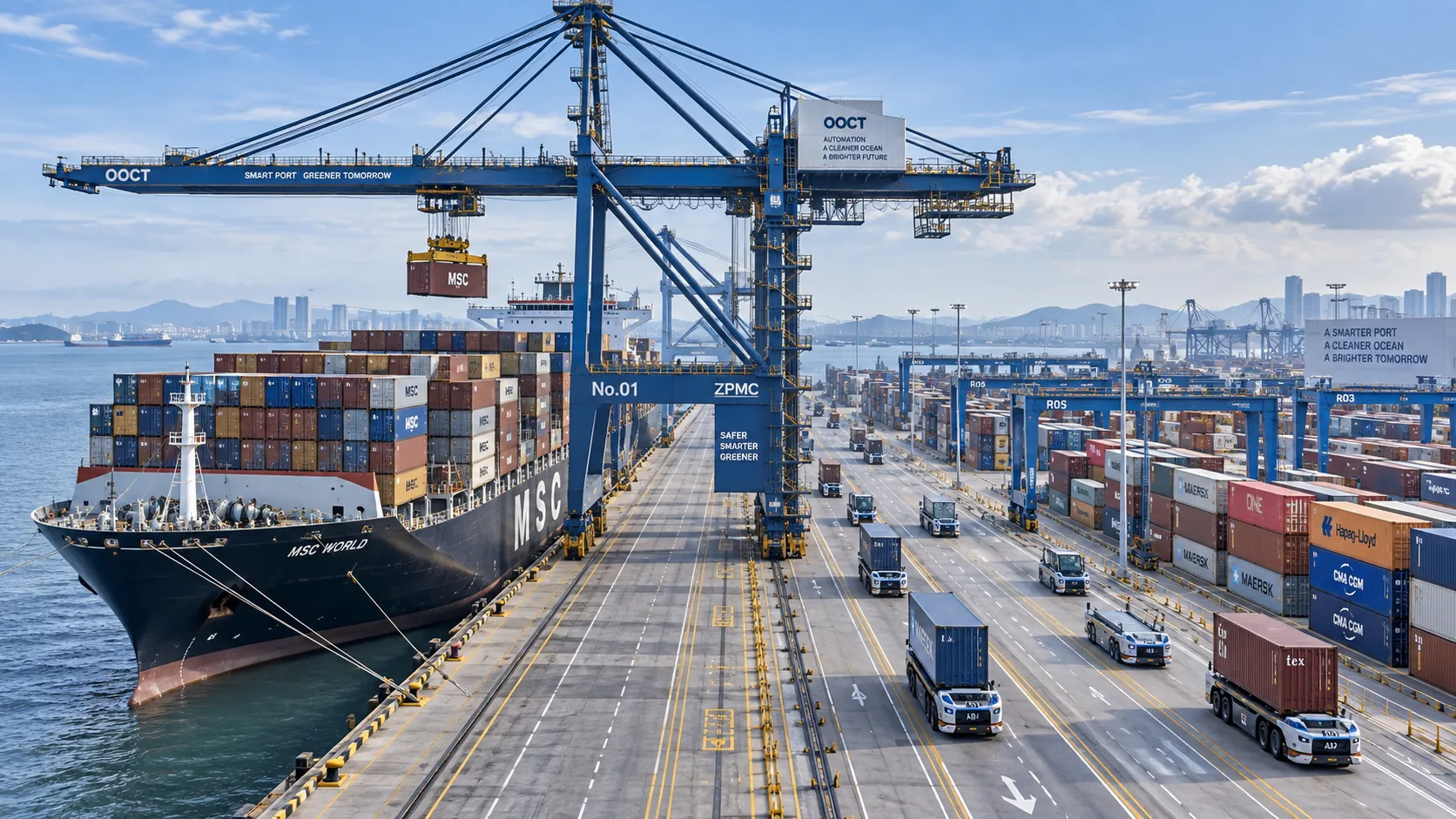
How to Specify a Quay Crane for Container Terminals by Vessel Size and Throughput?
Quay crane for container terminals: learn how to match outreach, lift height, capacity, automation, and cycle performance to vessel size and throughput goals.
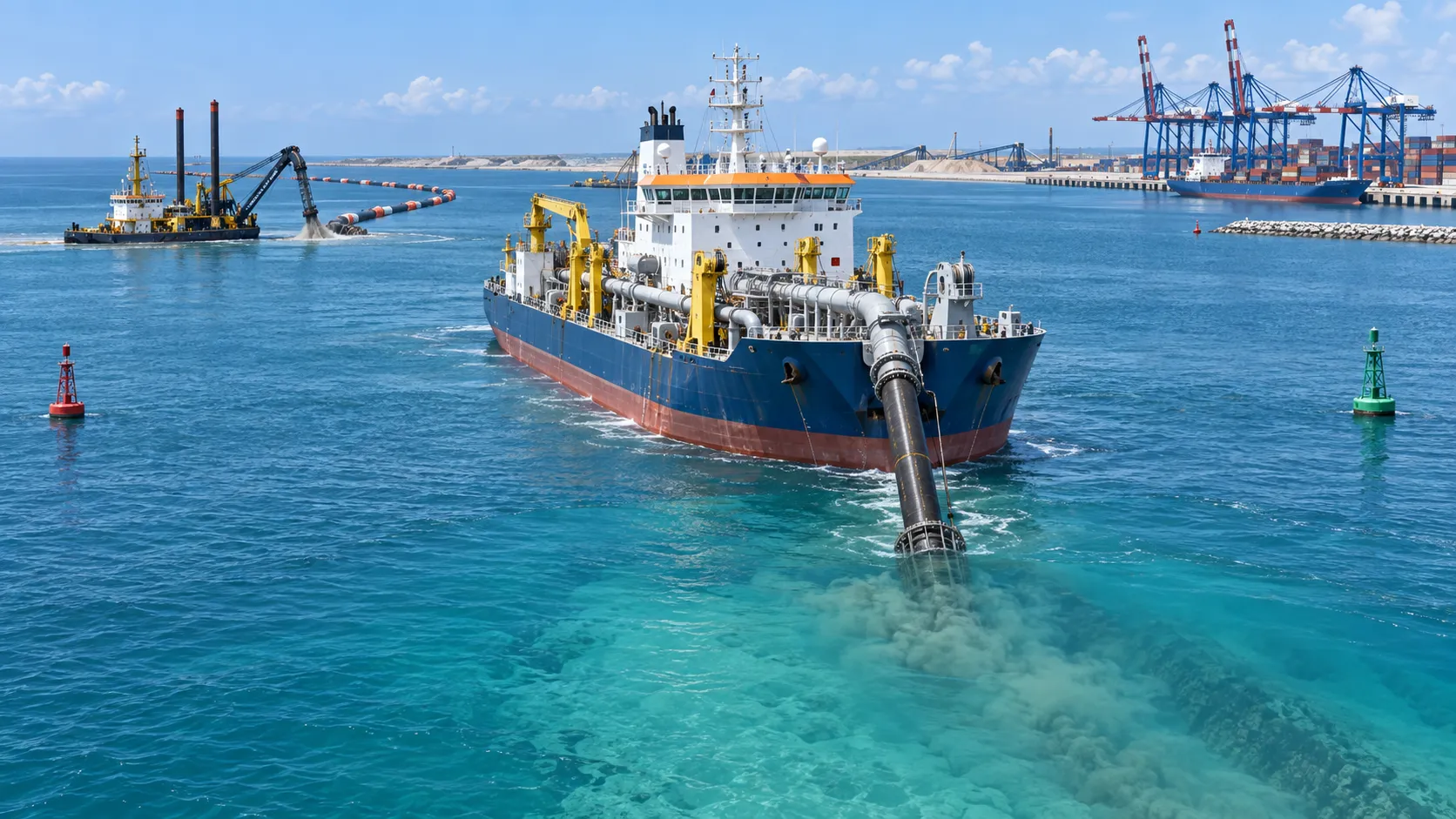
What Dredging Equipment Is Needed for Channel Deepening?
What dredging equipment is needed for channel deepening? Explore dredgers, pipelines, survey tools, and planning strategies for safer, more efficient port access.
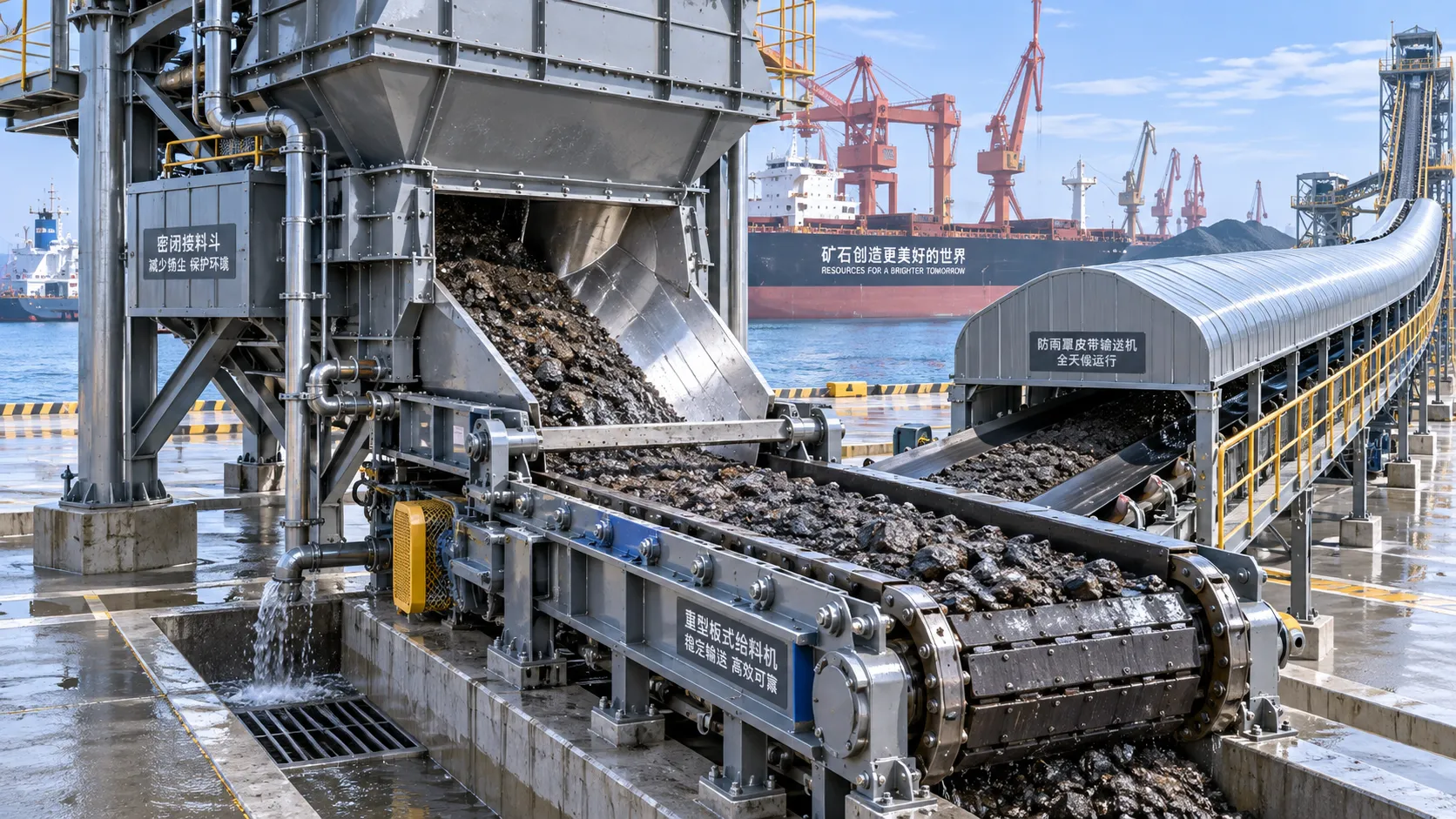
Which Bulk Handling Equipment Suits High-Moisture Cargo?
Which bulk handling equipment suits high-moisture cargo? Compare belt, apron, screw, drag, and slurry systems for reliable flow, less carryback, and higher terminal uptime.
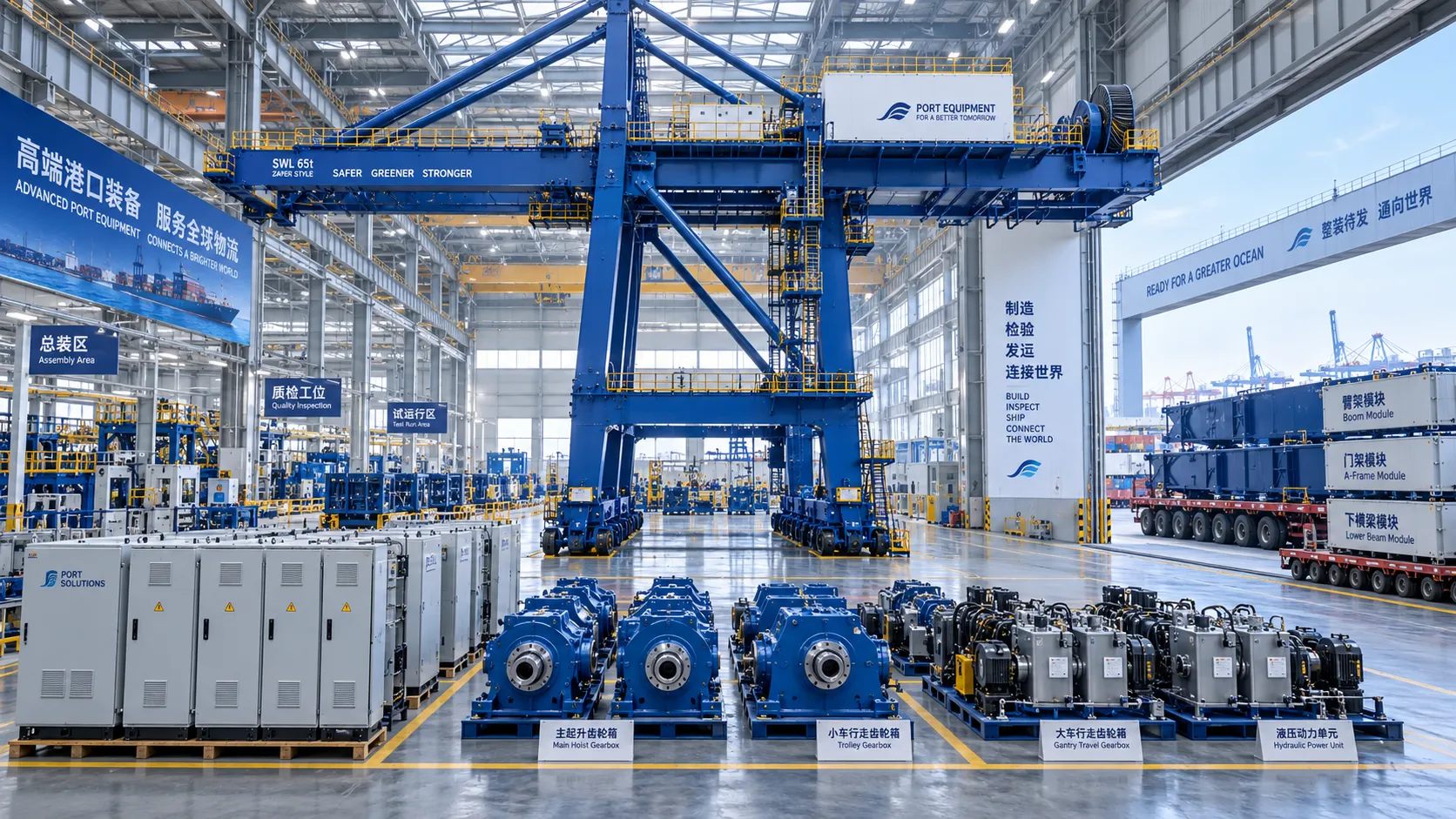
How Can Port Equipment Lead-Time Risk Be Managed?
How can port equipment lead-time risk be managed? Explore practical strategies to control critical paths, suppliers, transport, site readiness, and commissioning delays.
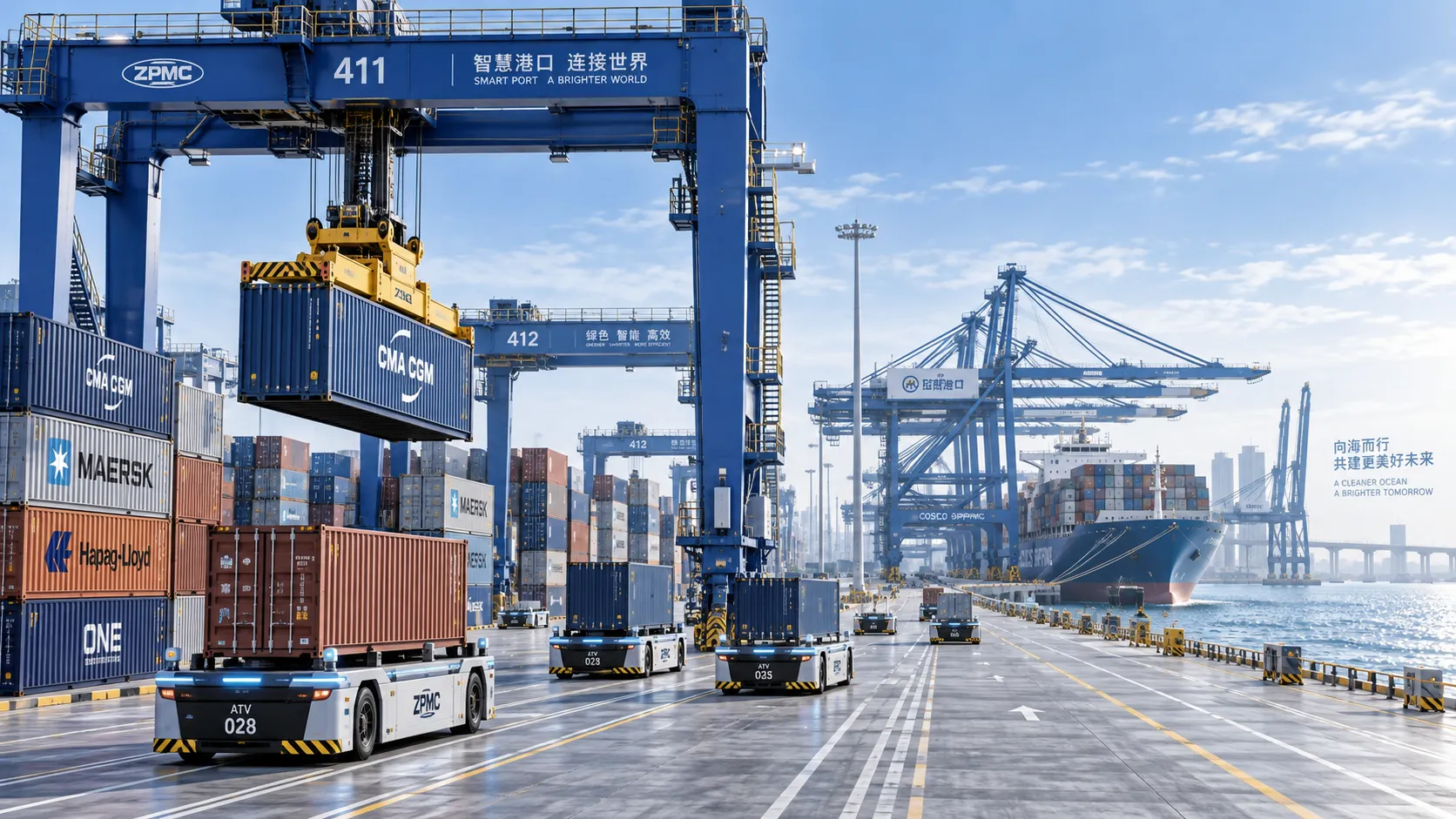
Terminal Automation Technologies That Raise Container Throughput Without Yard Disruption
Terminal automation technology that increases container throughput without disrupting yard flow. Explore smarter integration, resilient workflows, and phased deployment strategies.
Middle East Port Automation: Key Market Drivers, Projects, and Investment Risks
Port automation systems Middle East: explore market drivers, flagship projects, integration challenges, and investment risks shaping smarter, resilient terminals.
Planning Offshore Dredging Operations: Key Risks, Methods, and Project Controls
Offshore dredging operations demand smart planning. Explore key risks, proven methods, environmental controls, and project strategies for reliable delivery.