Related News
- 00
0000-00
How to Evaluate Terminal Efficiency Solution Suppliers for High-Throughput Operations - 00
0000-00
What to Consider When Buying Electric Port Machinery for Container Terminals - 00
0000-00
How to Select Container Handling Equipment for Middle East Ports and Terminals - 00
0000-00
How to Evaluate a Port Machinery Exporter for Large-Scale Terminal Projects - 00
0000-00
Evaluating a Dredging Equipment Manufacturer for Mining Plant Supply
How a Maritime Infrastructure Provider Is Evaluated in Tendering: Scope, Compliance, and Delivery Risk
Why does tender evaluation for a maritime infrastructure provider go beyond bid price?
Selecting a maritime infrastructure provider is rarely a simple price exercise.
In port expansion, quay upgrades, yard automation, and dredging support, the cheapest bid can become the most expensive contract.
That usually happens when scope gaps, weak compliance, or delayed delivery surface after award.
A serious tender review asks a different question.
Can this maritime infrastructure provider deliver the required performance, under the required rules, within the required timeframe?
For modern marine projects, that means looking at civil interfaces, heavy terminal gear, automation controls, dredging constraints, and long-term serviceability together.
This is also where market intelligence becomes useful.
PS-Nexus follows port equipment, automated container handling, and dredging engineering with a systems view.
That kind of perspective helps buyers compare suppliers in the context of throughput, logistics nodes, and coastal project realities.
What should be inside the real scope when reviewing a maritime infrastructure provider?
Scope is often where tender confusion starts.
Two bidders may appear to offer the same solution, while one includes commissioning logic, interface testing, and training, and the other does not.
A capable maritime infrastructure provider should define scope in operational terms, not only equipment lists.
That means the proposal should explain what is supplied, what is integrated, what is excluded, and what assumptions drive performance.
In actual tendering, scope review usually needs attention in five areas.
- Core assets: cranes, conveyors, bulk systems, dredging units, power modules, controls, or marine structures.
- Interfaces: civil works, utility tie-ins, SCADA, TOS, navigation support, and third-party software.
- Performance definition: throughput, cycle time, availability, dredging depth, tolerance, and energy consumption.
- Delivery responsibilities: transport, installation, testing, operator training, and handover documents.
- Lifecycle items: spare parts, warranty, remote diagnostics, and service response commitments.
A common mistake is evaluating only the visible machinery.
In automated terminals, the control architecture can decide whether assets work as a coordinated system or remain isolated machines.
In dredging programs, monitoring, sediment data, and pump condition visibility may affect continuity more than headline capacity.
If the scope narrative feels vague, the delivery risk is usually already visible.
How do you test compliance without getting lost in paperwork?
Compliance matters because maritime infrastructure operates under layered obligations.
There may be port authority requirements, marine safety codes, environmental permits, emissions targets, electrical standards, and cybersecurity controls.
The practical question is not whether a bidder says “compliant.”
It is whether the maritime infrastructure provider proves compliance through design records, prior installations, and named responsibilities.
A short evaluation matrix usually works better than collecting generic declarations.
This kind of table makes comparison more disciplined.
It also reduces the risk of awarding a contract to a bidder that looks compliant only at proposal summary level.
That issue appears frequently in fast-moving terminal modernization programs.
PS-Nexus often highlights how automation protocols, remote crane communication, and monitoring systems can create hidden compliance work.
Those details should be checked before award, not after mobilization.
When do delivery risks matter more than a lower tender price?
Almost always, once the project affects berth availability, cargo flow, or regulatory deadlines.
A maritime infrastructure provider may offer a competitive price but rely on long-lead components, uncertain fabrication slots, or untested subcontract chains.
In those cases, delivery risk directly converts into operational cost.
The more complex the project, the more useful it is to separate schedule confidence from schedule promise.
More common indicators include the following.
- Named manufacturing locations and current capacity loading.
- Critical path items with realistic procurement lead times.
- Interface milestones for civil works, utilities, and software readiness.
- Marine logistics planning for transport, weather windows, and site access.
- Commissioning logic that matches terminal operations, not just contractor convenience.
One useful test is asking how the bidder would recover from a six-week disruption.
A strong maritime infrastructure provider answers with resequencing logic, alternative sourcing, and resource redeployment.
A weak one gives only reassurance.
This distinction matters even more in ports linked to seasonal commodities, transshipment windows, or public infrastructure deadlines.
How can bids be compared fairly when suppliers package value differently?
Direct price comparison often fails because bids are structured differently.
One maritime infrastructure provider may include predictive maintenance tools and remote diagnostics.
Another may exclude those items but appear cheaper in the tender total.
A fair comparison needs normalization.
In practice, that means re-basing each offer against the same technical and commercial checklist.
The aim is not to force identical solutions.
It is to reveal where differences create future cost, delay, or operational compromise.
A practical comparison frame
- Capital price adjusted for exclusions, provisional sums, and owner-supplied interfaces.
- Expected operating cost, including energy use, maintenance intensity, and spare consumption.
- Asset performance, measured through throughput, availability, and recovery from failure.
- Technology maturity, especially for automation, scheduling, and monitoring layers.
- Support model, including training depth, response times, and regional service footprint.
This is where long-cycle intelligence matters.
PS-Nexus tracks demand shifts in automated gear, terminal controls, and dredging systems across trade corridors.
That broader context helps explain why some suppliers price aggressively in one segment but remain less reliable in another.
A fair evaluation should account for that market behavior.
What are the most common tendering mistakes with a maritime infrastructure provider?
Most costly mistakes are not dramatic.
They are small assumptions left untested during clarification.
Several patterns appear again and again.
- Treating reference projects as equivalent without checking scale, environment, and operating mode.
- Ignoring software and control interfaces in terminal or yard equipment tenders.
- Accepting compliance statements without mapping them to actual contract deliverables.
- Underestimating offshore transport, installation windows, and weather exposure.
- Scoring warranty length higher than maintainability and parts availability.
Another frequent error is separating equipment procurement from operational readiness.
A terminal can receive assets on time and still miss performance targets if software tuning, operator training, or interface acceptance is incomplete.
That is especially relevant for smart port projects pursuing automation and Net-Zero improvements at the same time.
A maritime infrastructure provider should be evaluated on the ability to deliver a working operating state, not just delivered hardware.
What is the best next step before shortlisting a maritime infrastructure provider?
Shortlisting works better when the evaluation standard is written before the final comparison begins.
That sounds simple, but it changes the quality of tender decisions.
Start by defining what success means in measurable terms.
That may include berth productivity, dredging continuity, yard moves per hour, emissions limits, or commissioning deadlines.
Then test each maritime infrastructure provider against the same framework for scope, compliance, and delivery resilience.
Where uncertainty remains, ask targeted clarification questions instead of broad resubmissions.
The strongest tender decisions usually come from disciplined comparison, not from the largest spreadsheet.
For projects touching heavy terminal gear, automation architecture, bulk handling, or dredging equipment, external market intelligence can sharpen that process.
PS-Nexus is useful in that sense because it connects equipment trends, control systems, and global logistics signals into one operating picture.
The practical takeaway is clear.
Do not ask only which maritime infrastructure provider is cheapest.
Ask which one can meet the real scope, survive compliance scrutiny, and deliver without creating avoidable downstream risk.
Related News
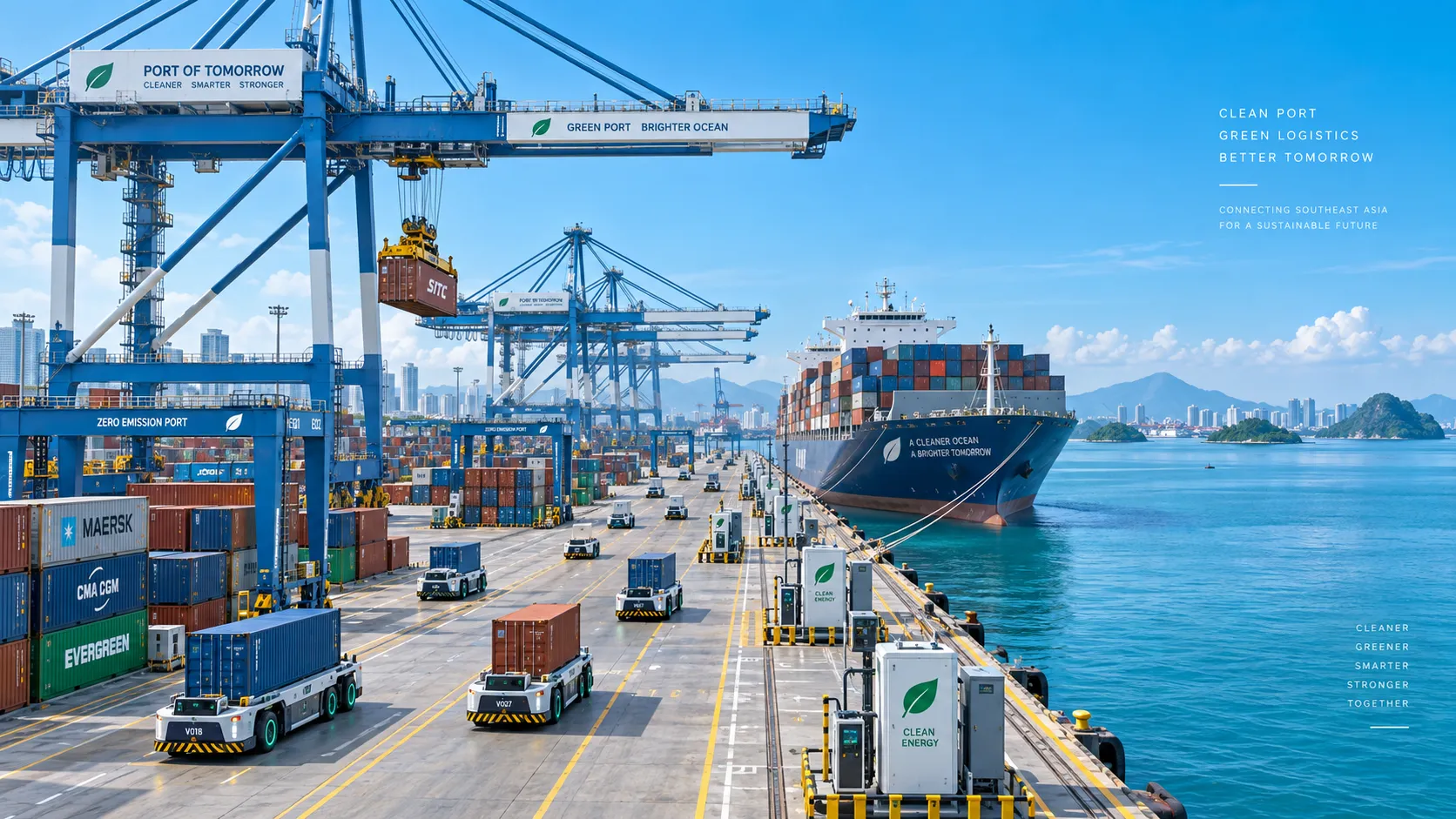
Smart Port Systems in Southeast Asia: Investment Priorities and Adoption Barriers
Smart port systems Southeast Asia: discover investment priorities, adoption barriers, and practical steps to build resilient, connected, high-performing terminals.

How to Evaluate Terminal Efficiency Solution Suppliers for High-Throughput Operations
Choose a terminal efficiency solutions supplier with confidence. Explore proven criteria for throughput, integration, lifecycle cost, safety, and reliable delivery.
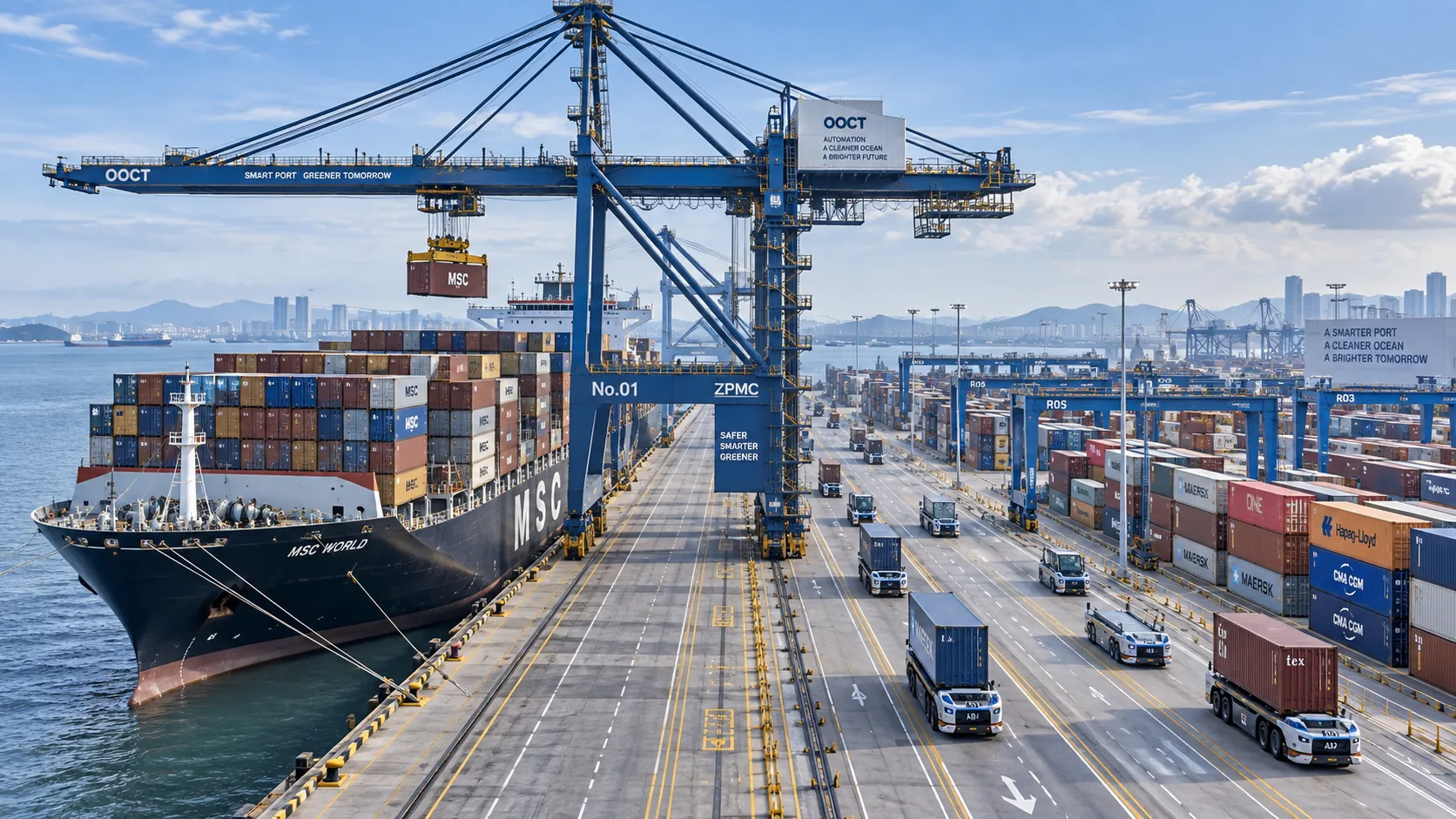
How to Specify a Quay Crane for Container Terminals by Vessel Size and Throughput?
Quay crane for container terminals: learn how to match outreach, lift height, capacity, automation, and cycle performance to vessel size and throughput goals.
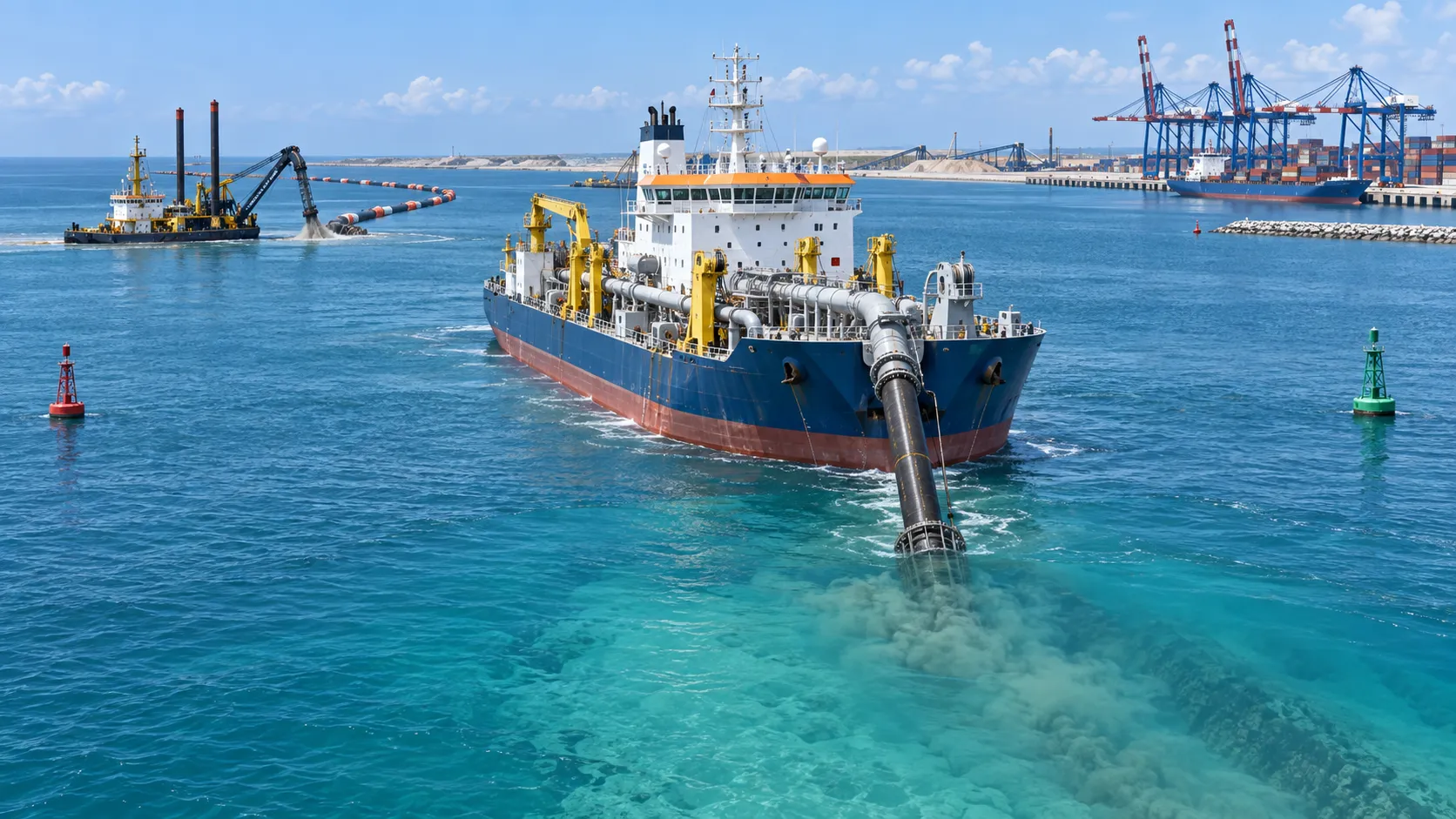
What Dredging Equipment Is Needed for Channel Deepening?
What dredging equipment is needed for channel deepening? Explore dredgers, pipelines, survey tools, and planning strategies for safer, more efficient port access.
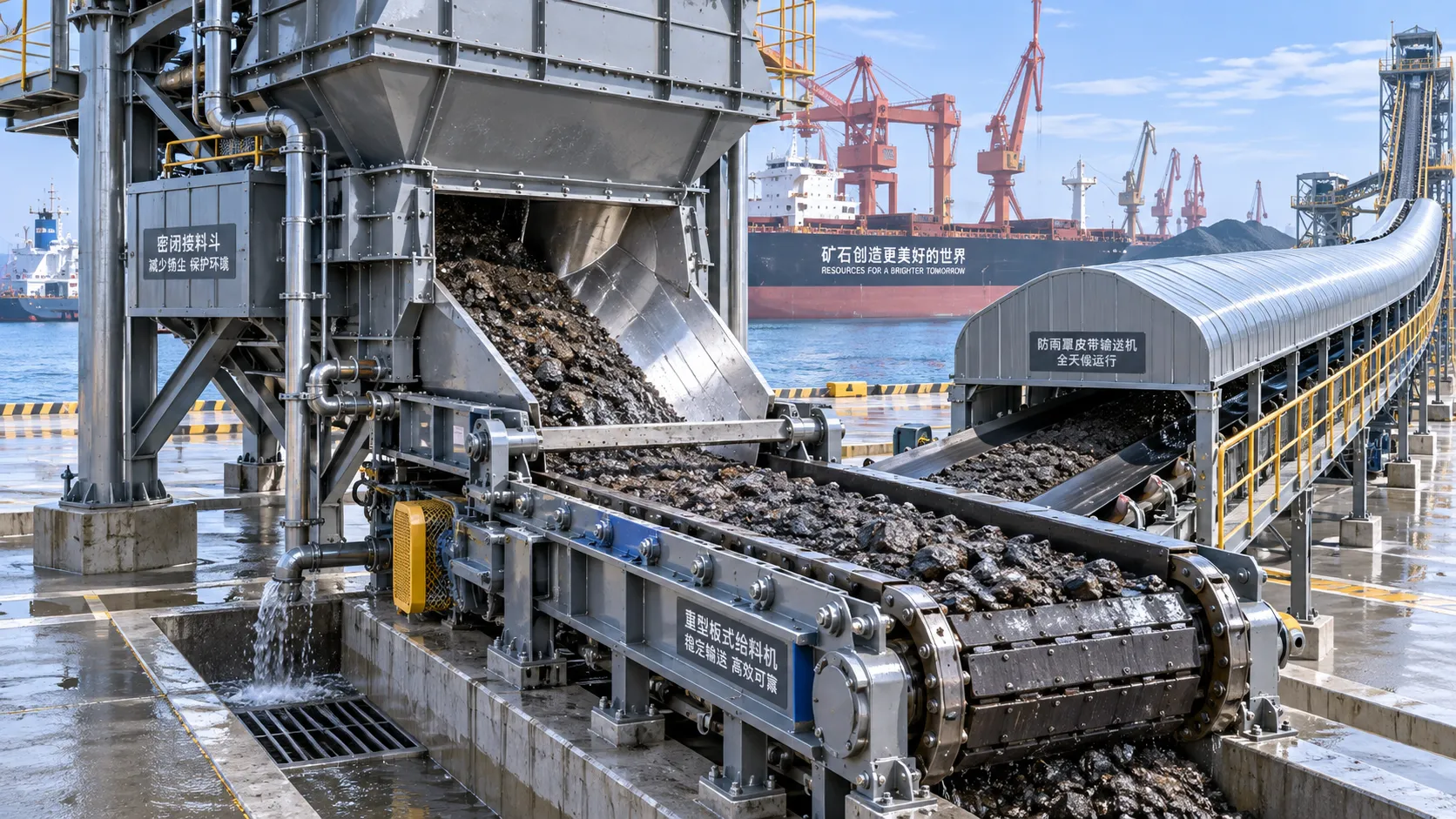
Which Bulk Handling Equipment Suits High-Moisture Cargo?
Which bulk handling equipment suits high-moisture cargo? Compare belt, apron, screw, drag, and slurry systems for reliable flow, less carryback, and higher terminal uptime.
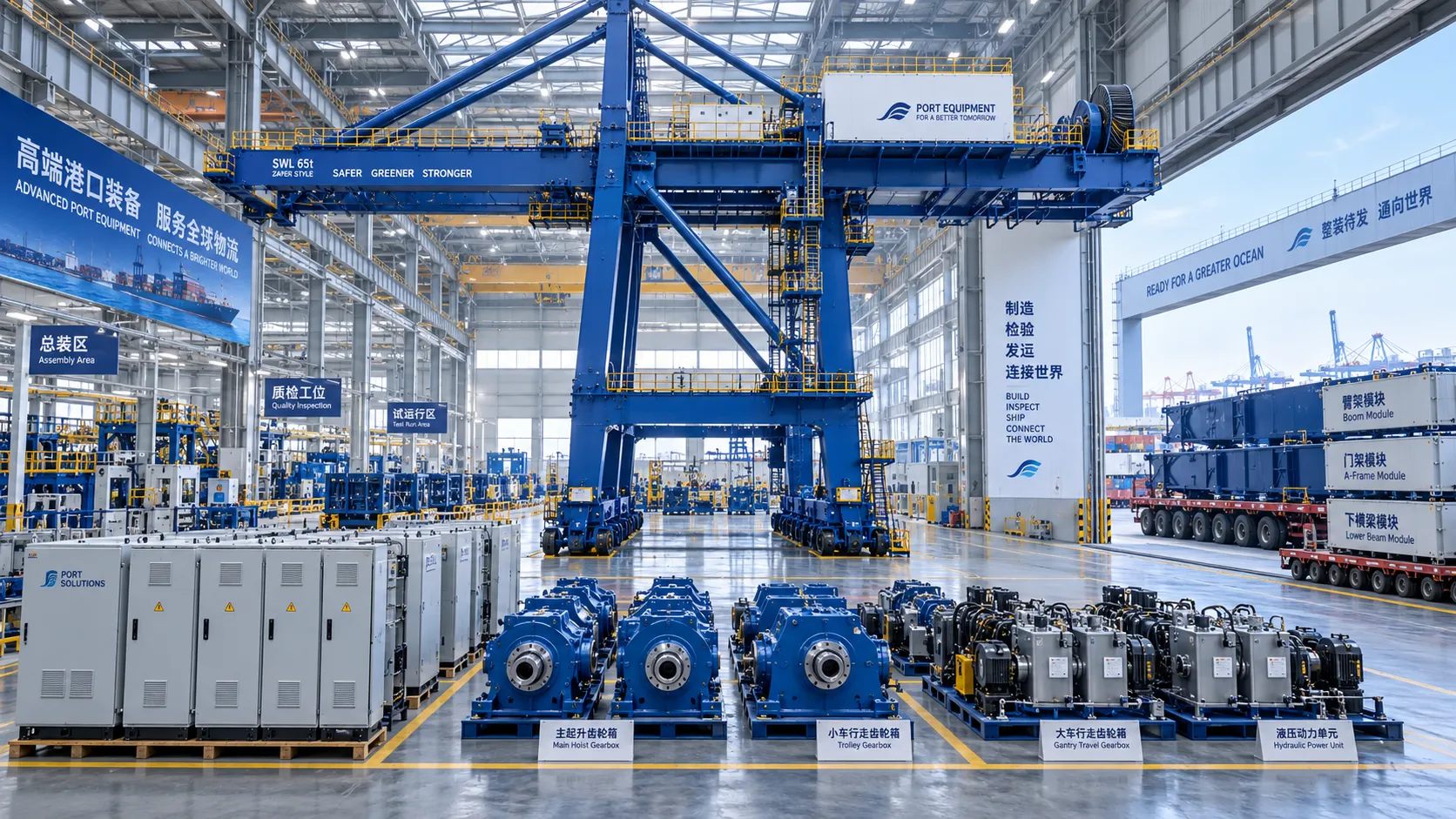
How Can Port Equipment Lead-Time Risk Be Managed?
How can port equipment lead-time risk be managed? Explore practical strategies to control critical paths, suppliers, transport, site readiness, and commissioning delays.
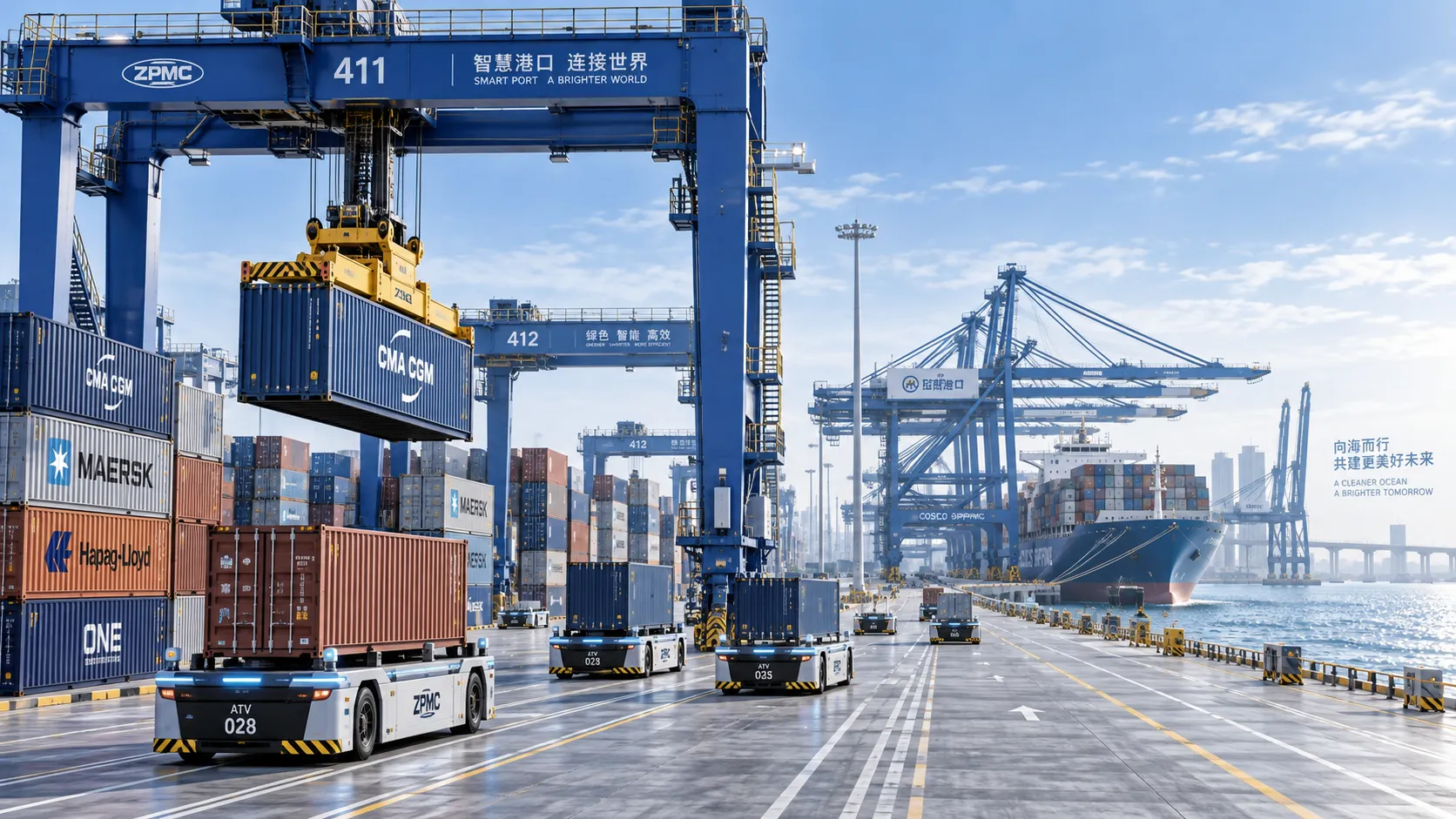
Terminal Automation Technologies That Raise Container Throughput Without Yard Disruption
Terminal automation technology that increases container throughput without disrupting yard flow. Explore smarter integration, resilient workflows, and phased deployment strategies.
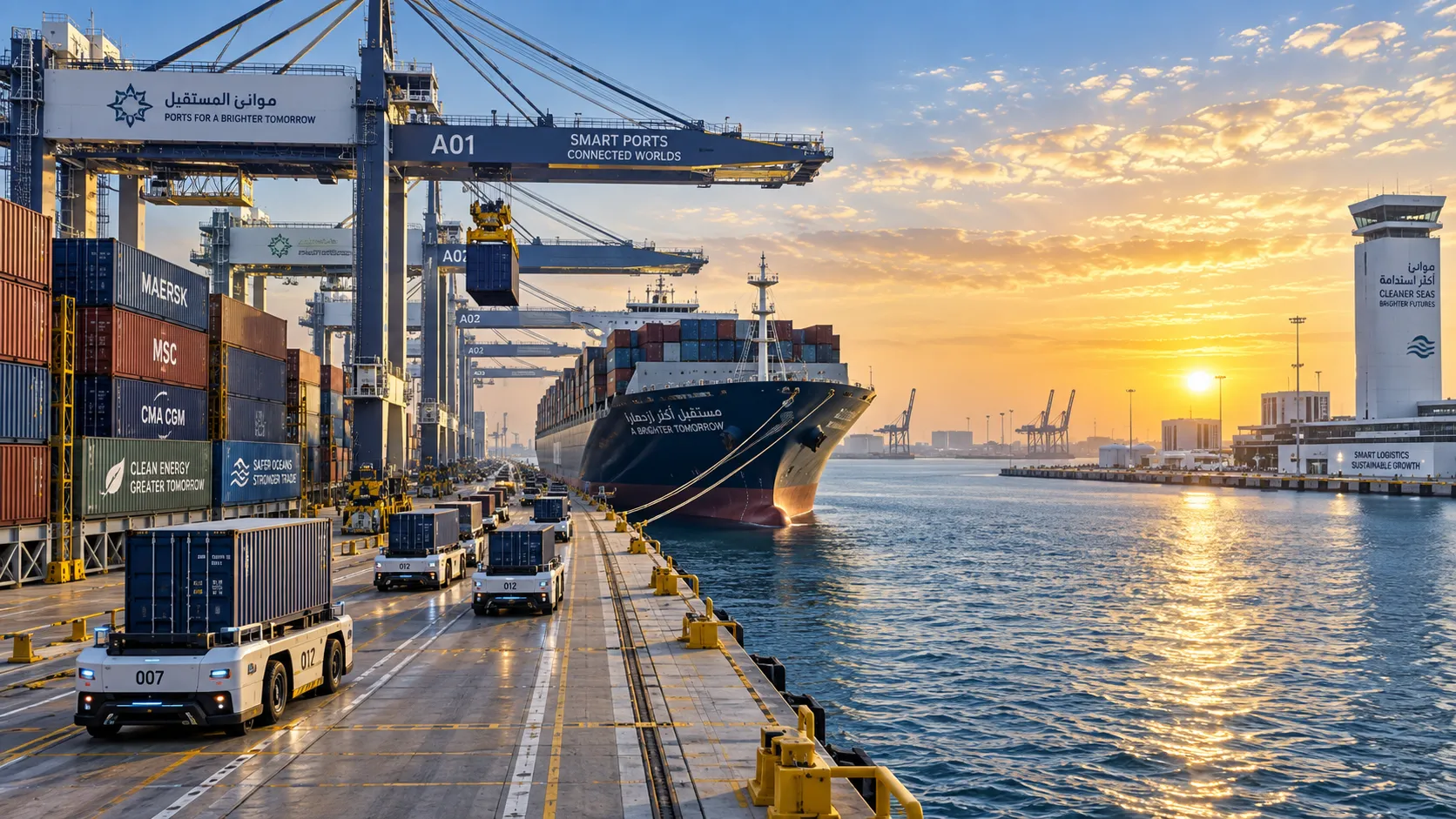
Middle East Port Automation: Key Market Drivers, Projects, and Investment Risks
Port automation systems Middle East: explore market drivers, flagship projects, integration challenges, and investment risks shaping smarter, resilient terminals.
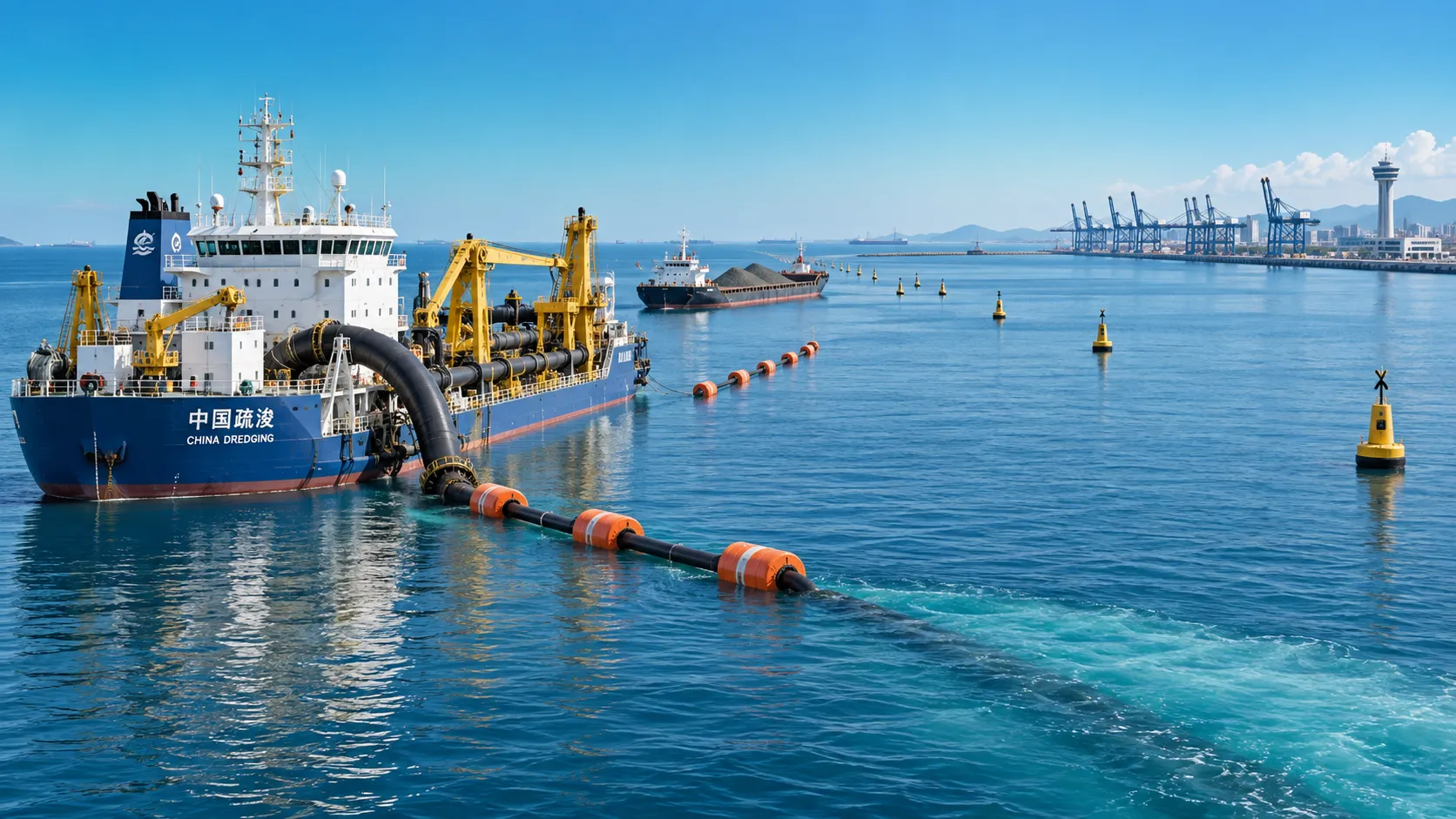
Planning Offshore Dredging Operations: Key Risks, Methods, and Project Controls
Offshore dredging operations demand smart planning. Explore key risks, proven methods, environmental controls, and project strategies for reliable delivery.