Related News
- 00
0000-00
How to Specify a Quay Crane for Container Terminals by Vessel Size and Throughput? - 00
0000-00
Which Bulk Handling Equipment Suits High-Moisture Cargo? - 00
0000-00
Terminal Automation Technologies That Raise Container Throughput Without Yard Disruption - 00
0000-00
Planning Offshore Dredging Operations: Key Risks, Methods, and Project Controls - 00
0000-00
Where Do Automated Guided Vehicles Deliver the Fastest Warehouse Gains in the Middle East?
Modular Port Automation Systems: Which Modules Matter Most for Expansion-Phase Terminals?
Why expansion-phase terminals need a modular view first
Expansion-phase terminals rarely have the luxury of rebuilding from zero. Berths stay active, yard patterns change gradually, and equipment generations often overlap for years.
That is where modular port automation systems become more than a technology choice. They become a sequencing strategy for growth, risk control, and operational continuity.
In practice, the right module mix depends on what is expanding fastest. Some terminals add quay capacity first. Others densify the yard. Some need cleaner data before adding autonomy.
PS-Nexus tracks this shift closely across maritime logistics, heavy terminal gear, and automated container handling. The pattern is consistent: the best modular port automation systems are chosen by bottleneck, not by brochure.
For live terminals, the question is not whether automation matters. The question is which modules produce immediate flow gains now, while preserving flexibility for later crane, AGV, or dredging-linked expansion.
Actual priorities change with the expansion bottleneck
Two terminals can buy similar equipment and still need very different modular port automation systems. The reason is simple: expansion stress shows up in different places.
If quay productivity is unstable, equipment control and traffic coordination usually come first. If stacks are already tight, yard orchestration becomes more valuable than adding isolated machine intelligence.
A terminal handling mixed container flows also judges modules differently from a more standardized operation. Transshipment peaks, reefer concentration, and gate volatility all change the automation logic.
This is why modular port automation systems should be assessed as operating layers. The layer under most strain should be stabilized first, then connected to the next one.
A quick way to read the site condition
- Frequent crane waiting: prioritize equipment control, dispatch logic, and low-latency communication.
- High rehandle rates: prioritize yard planning, slot optimization, and stack rule engines.
- Data conflicts between TOS and field devices: prioritize integration and data normalization.
- Remote assets with uneven uptime: prioritize diagnostics, condition monitoring, and fault visibility.
When yard density rises faster than berth capacity
This is one of the most common expansion scenarios. New blocks or higher stacking targets create pressure before berth additions fully translate into throughput.
In that situation, modular port automation systems should start with yard orchestration. The core value is not abstract optimization. It is fewer unplanned moves, cleaner handoffs, and more predictable retrieval timing.
A strong yard module should manage slotting rules, dynamic reshuffle control, equipment task balancing, and exception handling for late vessel changes.
More advanced terminals also connect this layer with specialized container handling constraints. Reefer power availability, hazardous segregation, and oversized cargo zones should not sit outside the logic.
A common mistake is buying machine automation before yard logic is mature. That often speeds up local motion while making the wider stack less stable.
Where quay-side growth depends on machine coordination
Some terminals expand berth frontage or crane count first. Here, the operational pain is usually synchronization, not raw mechanical capability.
The most useful modular port automation systems in this case are equipment control modules linked to dispatch, anti-collision logic, and traffic sequencing.
For remote-controlled or semi-automated cranes, low-latency communication matters as much as software features. PS-Nexus often highlights this point because field delays quickly erase the value of advanced control logic.
If AGVs or terminal trucks are added during the same phase, path-planning and handoff timing become central. Without that layer, equipment utilization looks high on paper but vessel service windows still slip.
In real operations, the best modular port automation systems here are not the ones with the longest feature list. They are the ones that keep crane-cycle variation narrow under mixed traffic conditions.
Mixed fleets and phased retrofits need stronger data modules
Expansion projects rarely create a clean technology environment. New cranes may sit beside legacy RTGs. Fresh sensor packages may feed older control rooms.
That is why data integration often deserves earlier funding than expected. Among modular port automation systems, this module usually delivers the highest strategic leverage during retrofit-heavy growth.
The integration layer should reconcile machine states, work orders, location data, alarm standards, and historical event logs. It also needs stable interfaces with the TOS, maintenance systems, and energy monitoring.
Without that foundation, later modules inherit blind spots. Dispatch works from inconsistent timestamps. Maintenance analytics misread utilization. Emissions reporting becomes difficult to trust.
For terminals aligning with smart operations and net-zero reporting, data coherence is no longer a back-office concern. It shapes every later automation decision.
Where module priorities usually diverge
Remote diagnostics become critical earlier than many expect
In expansion projects, uptime risk often grows before staffing and maintenance routines catch up. New automated assets increase dependency on software, sensors, and network health.
That makes remote diagnostics one of the more underrated modular port automation systems. It does not always look transformative at the procurement stage, but it changes recovery speed after go-live.
Useful diagnostic modules should track fault trees, controller events, component trends, and communications performance. They should also support guided troubleshooting across mixed OEM environments.
This matters even more in terminals linked to dredging expansion or civil works. During transition phases, temporary operating patterns can produce failure modes that static maintenance plans fail to capture.
Common misreads when comparing modular port automation systems
The first misread is treating similar terminals as identical. A transshipment hub, a gateway terminal, and a bulk-adjacent container facility may all expand, but their flow logic differs sharply.
Another misread is focusing on equipment parameters alone. Modular port automation systems succeed or fail through compatibility, data quality, and exception handling discipline.
Short-term cost can also distort the choice. A lower-priced module may require heavier interface work, more downtime windows, or repeated rule tuning after launch.
There is also a planning blind spot around environmental targets. If the terminal expects tighter energy or emissions reporting, the automation stack should already expose usable operating data.
- Check latency tolerance before approving remote-control functions.
- Check alarm standards before merging old and new equipment fleets.
- Check maintenance ownership before enabling advanced diagnostics.
- Check yard rule exceptions before relying on automated slot assignment.
A practical sequence for choosing the right modules
A workable selection path starts with operating friction, not software categories. Map where delay, rehandle, idle time, or data loss occurs during peak weeks.
Then separate immediate stabilization from long-range scaling. Some modular port automation systems solve today’s bottleneck. Others create the conditions for later automation maturity.
In many expansion-phase terminals, the sequence looks like this: integration first when data is fragmented, orchestration first when yard pressure dominates, and control first when berth-side motion is the limiting factor.
Remote diagnostics should enter early whenever uptime exposure is rising. That is especially true for distributed assets, remote operations, and mixed-vendor environments.
The most durable modular port automation systems are the ones that match the terminal’s real growth path. Before locking scope, compare traffic patterns, interface complexity, maintenance readiness, and reporting needs side by side.
That kind of structured review fits the wider PS-Nexus perspective: heavy mechanical power, scheduling intelligence, and infrastructure evolution only create value when they stay synchronized. For the next step, define the dominant bottleneck, list the interfaces it touches, and test each module against live operating constraints rather than ideal design assumptions.
Related News
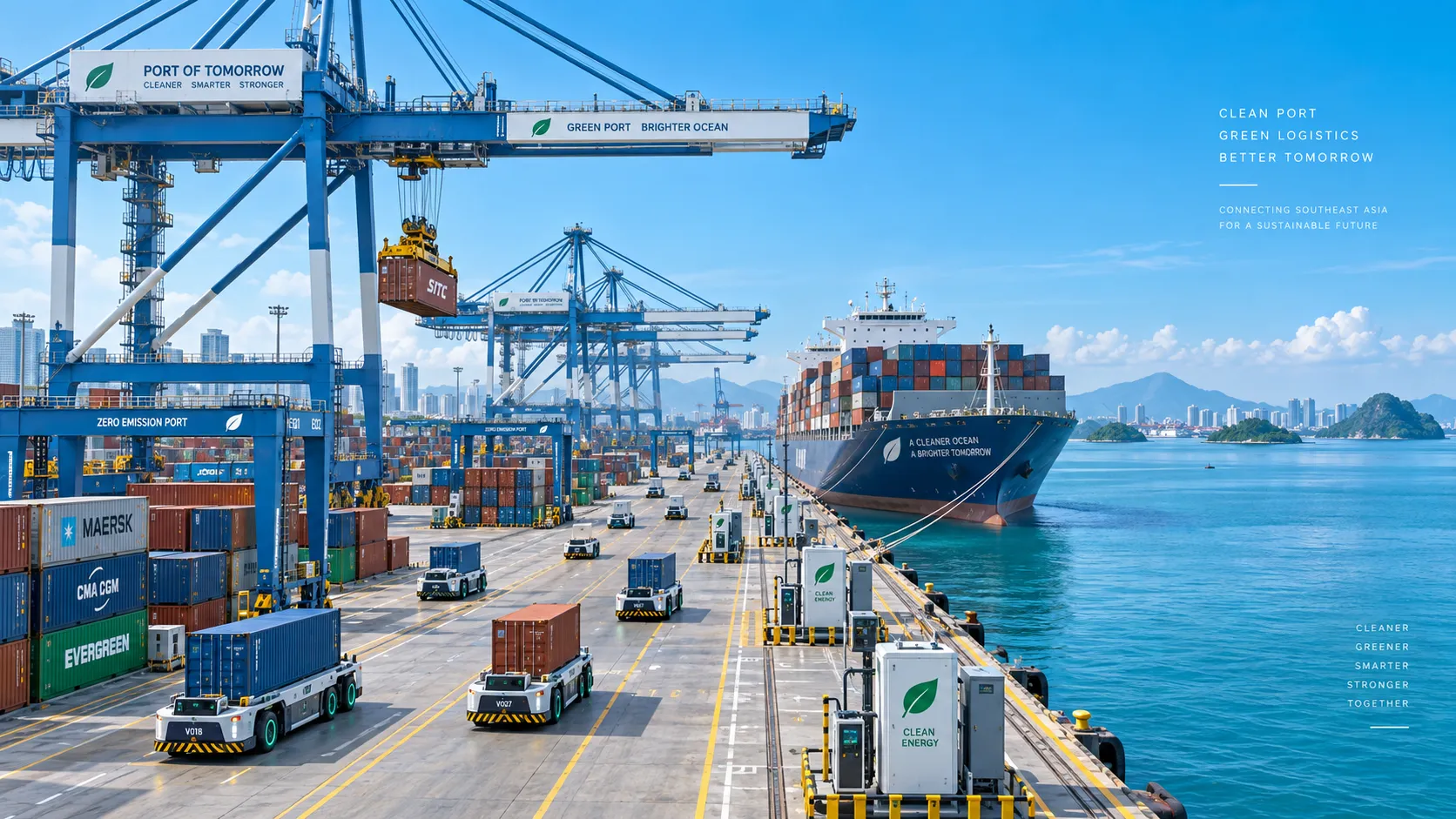
Smart Port Systems in Southeast Asia: Investment Priorities and Adoption Barriers
Smart port systems Southeast Asia: discover investment priorities, adoption barriers, and practical steps to build resilient, connected, high-performing terminals.
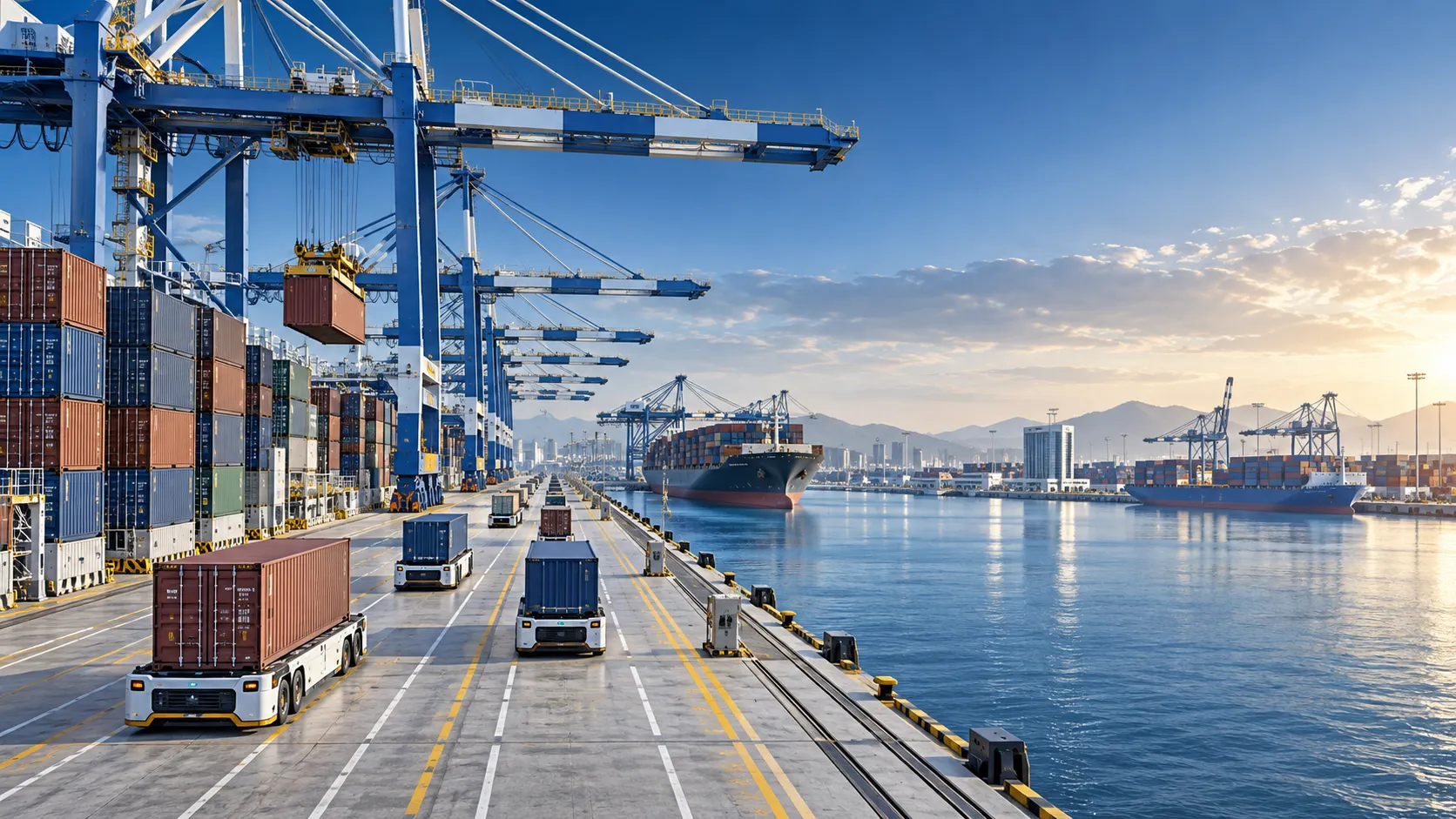
How to Evaluate Terminal Efficiency Solution Suppliers for High-Throughput Operations
Choose a terminal efficiency solutions supplier with confidence. Explore proven criteria for throughput, integration, lifecycle cost, safety, and reliable delivery.
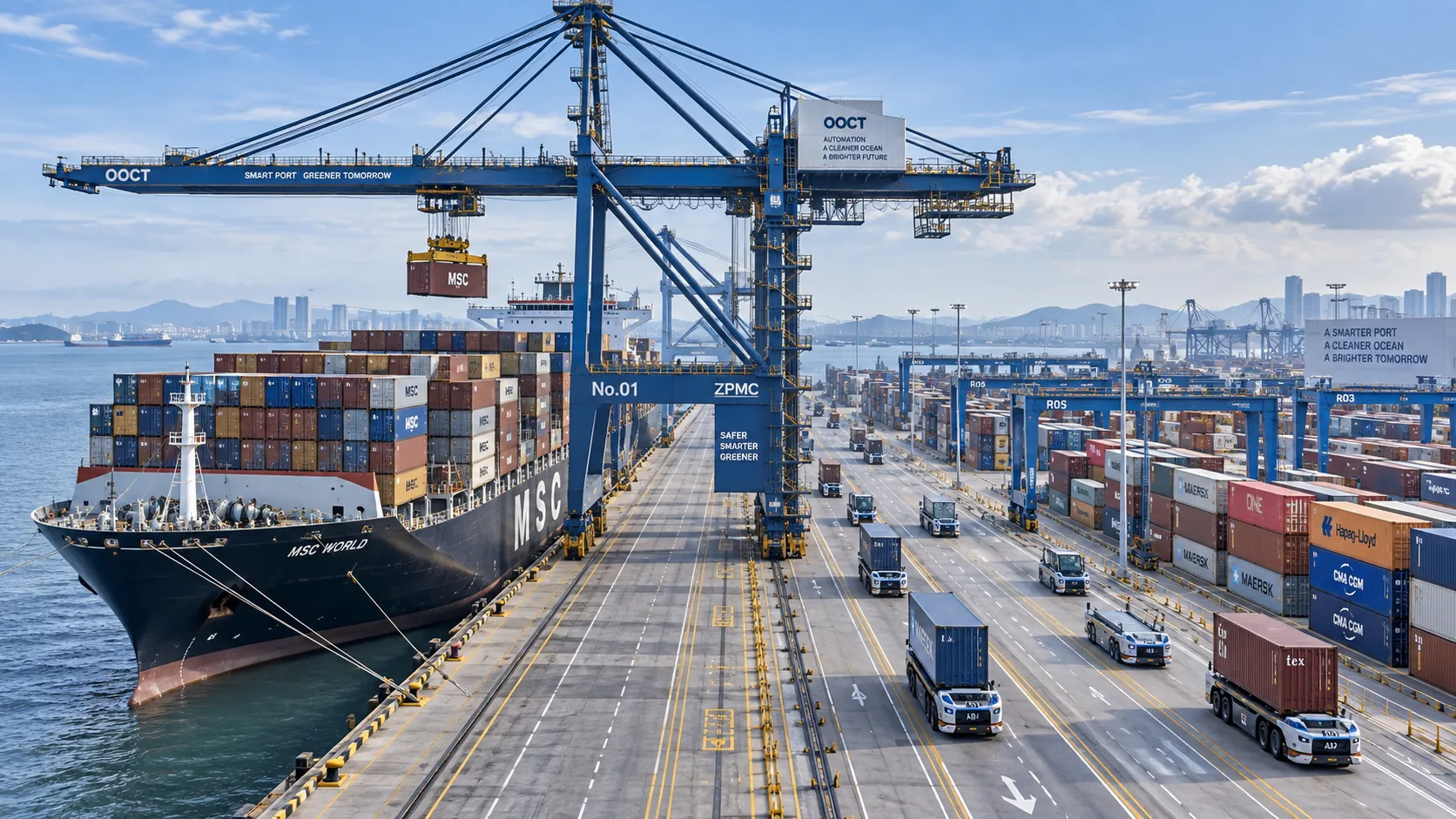
How to Specify a Quay Crane for Container Terminals by Vessel Size and Throughput?
Quay crane for container terminals: learn how to match outreach, lift height, capacity, automation, and cycle performance to vessel size and throughput goals.
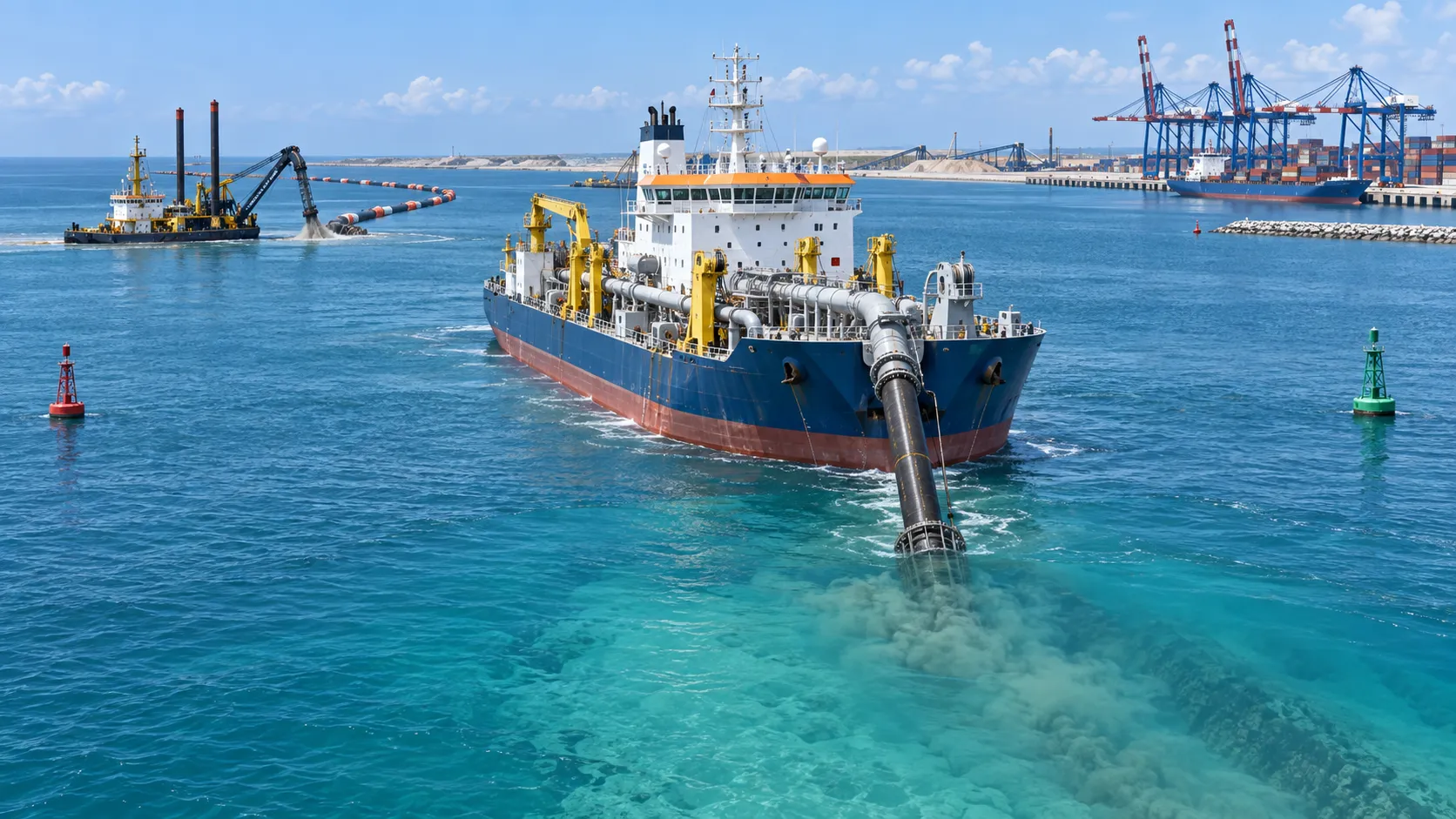
What Dredging Equipment Is Needed for Channel Deepening?
What dredging equipment is needed for channel deepening? Explore dredgers, pipelines, survey tools, and planning strategies for safer, more efficient port access.
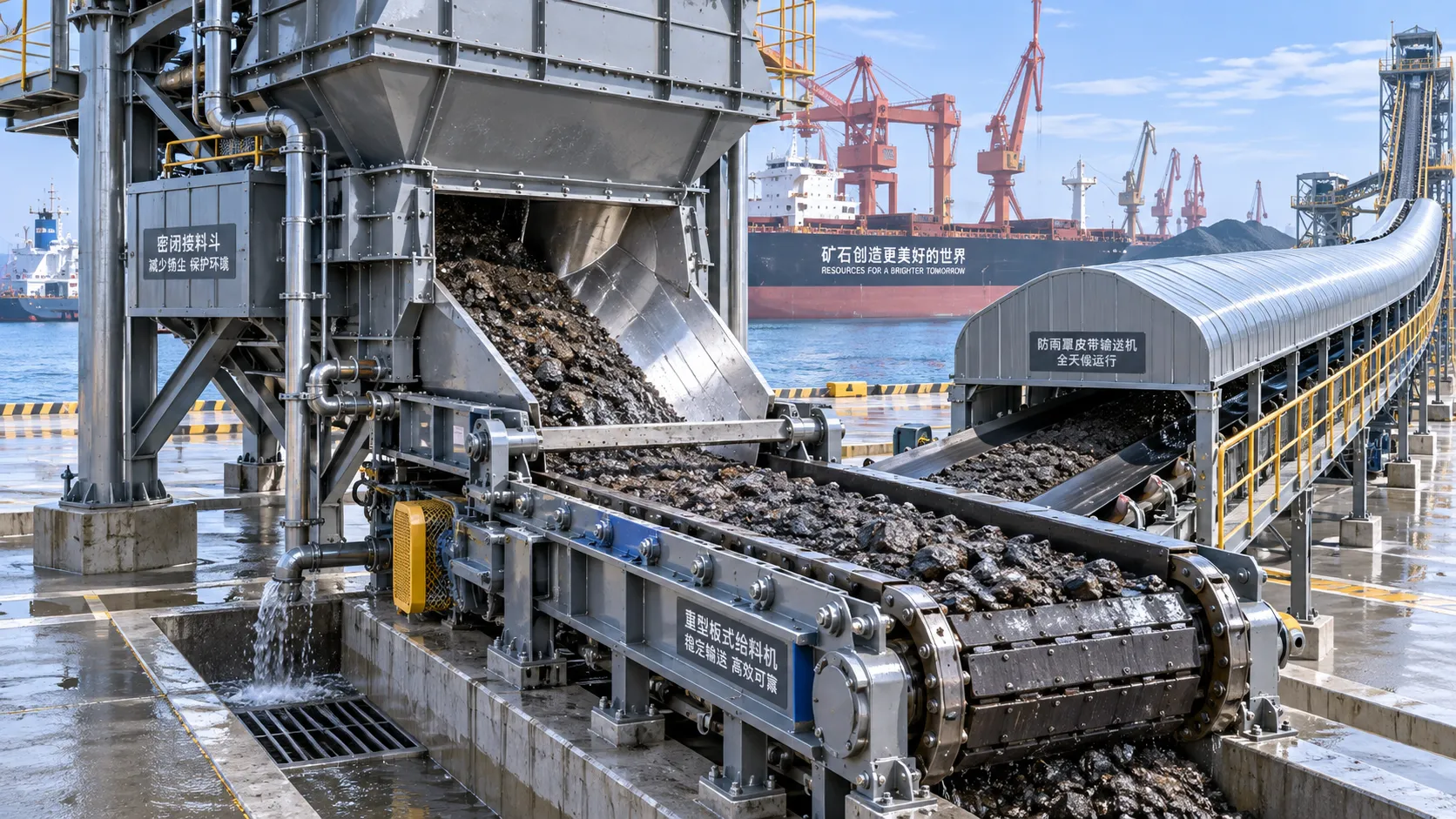
Which Bulk Handling Equipment Suits High-Moisture Cargo?
Which bulk handling equipment suits high-moisture cargo? Compare belt, apron, screw, drag, and slurry systems for reliable flow, less carryback, and higher terminal uptime.
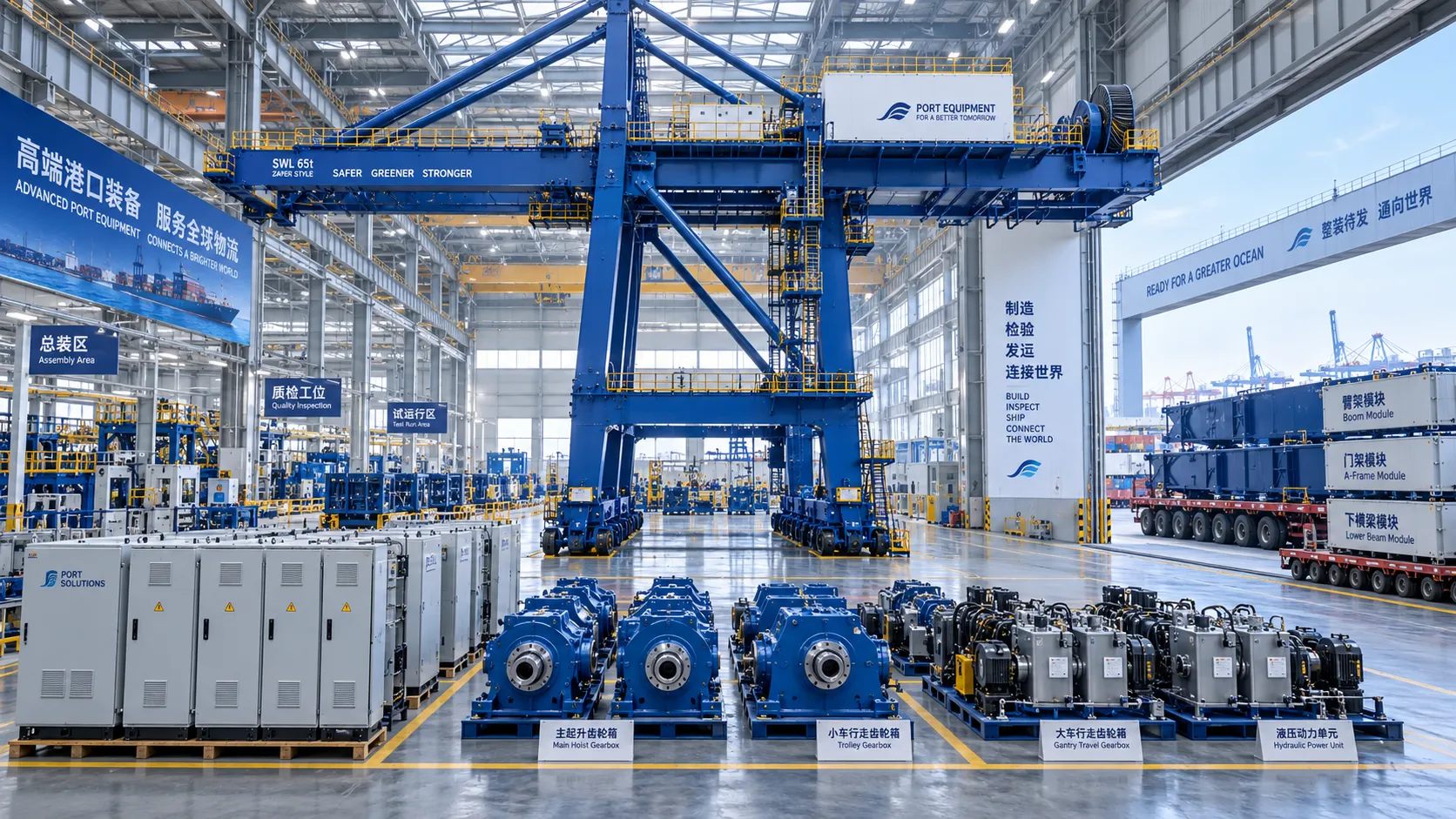
How Can Port Equipment Lead-Time Risk Be Managed?
How can port equipment lead-time risk be managed? Explore practical strategies to control critical paths, suppliers, transport, site readiness, and commissioning delays.
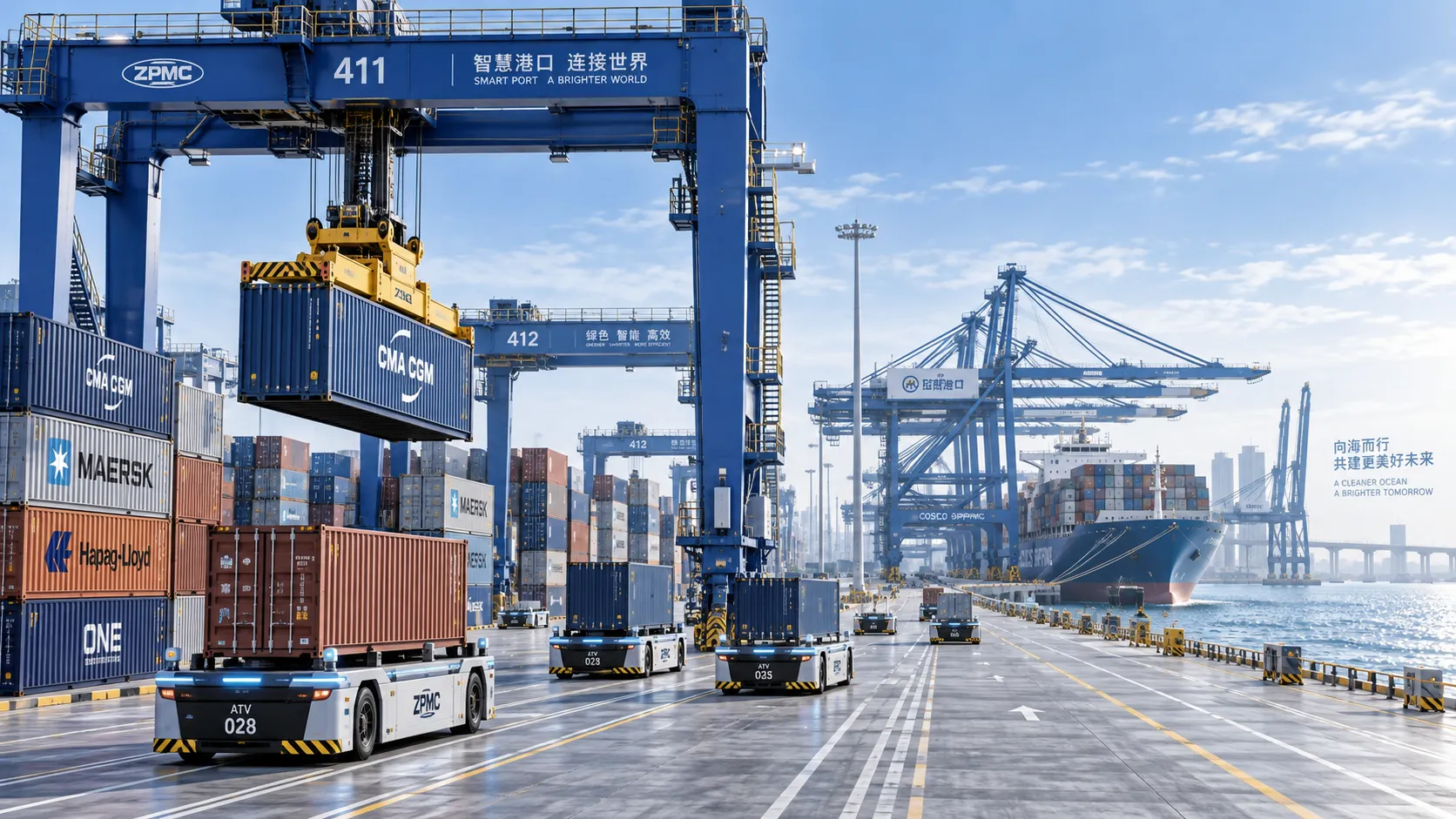
Terminal Automation Technologies That Raise Container Throughput Without Yard Disruption
Terminal automation technology that increases container throughput without disrupting yard flow. Explore smarter integration, resilient workflows, and phased deployment strategies.
Middle East Port Automation: Key Market Drivers, Projects, and Investment Risks
Port automation systems Middle East: explore market drivers, flagship projects, integration challenges, and investment risks shaping smarter, resilient terminals.
Planning Offshore Dredging Operations: Key Risks, Methods, and Project Controls
Offshore dredging operations demand smart planning. Explore key risks, proven methods, environmental controls, and project strategies for reliable delivery.