Related News
- 00
0000-00
How to Specify a Quay Crane for Container Terminals by Vessel Size and Throughput? - 00
0000-00
Which Bulk Handling Equipment Suits High-Moisture Cargo? - 00
0000-00
Terminal Automation Technologies That Raise Container Throughput Without Yard Disruption - 00
0000-00
Planning Offshore Dredging Operations: Key Risks, Methods, and Project Controls - 00
0000-00
Where Do Automated Guided Vehicles Deliver the Fastest Warehouse Gains in the Middle East?
How to Evaluate Specialized Container Handling for Terminals by Throughput, Cargo Mix, and Safety Needs
How to Evaluate Specialized Container Handling for Terminals by Throughput, Cargo Mix, and Safety Needs
Evaluating specialized container handling for terminals requires more than comparing equipment specs.
The stronger approach is to link machine capability with traffic patterns, yard pressure, cargo diversity, and operating risk.
That is where specialized container handling for terminals becomes a strategic decision, not just a procurement task.
In practice, the right selection improves moves per hour, protects assets, and reduces avoidable disruption.
It also creates room for automation, cleaner workflows, and better long-term return from terminal infrastructure.
Start With the Real Throughput Requirement
Throughput is usually the first filter in specialized container handling for terminals, but many teams define it too loosely.
Peak demand matters more than average demand, especially when vessel windows tighten or truck gates bunch up.
A system that looks adequate on monthly volume can still fail during concentrated surge periods.
So the assessment should separate berth productivity, yard transfer speed, stack handling rate, and gate-side circulation.
Each point can become the true bottleneck.
Useful throughput questions include:
- What is the target moves per hour at berth and in yard transfer?
- How often do peak periods exceed planned averages?
- What is the acceptable queue time for trucks, AGVs, or internal tractors?
- How much dwell-time variation can the stack absorb?
- Which process loses performance first under weather or labor constraints?
When specialized container handling for terminals is evaluated against these operating peaks, equipment comparisons become much more realistic.
Map Cargo Mix Before Comparing Equipment Types
Cargo mix often decides the best handling model earlier than brand, powertrain, or headline lifting speed.
Standard dry containers are only one part of the picture in many terminals.
Reefers, empties, out-of-gauge units, dangerous goods, and high-turn transshipment boxes place very different demands on the yard.
That means specialized container handling for terminals must match the handling profile, not just the nominal capacity.
A practical cargo mix review should cover:
- Share of laden, empty, reefer, hazardous, and oversized containers
- Average stack height needed for each category
- Frequency of reshuffles caused by retrieval priority
- Separate storage rules driven by regulation or customer agreements
- Impact of seasonal trade swings on storage density
For example, a terminal with heavy empty-container traffic may prefer fast, flexible handling with lower axle stress.
A terminal with dense reefer blocks may prioritize power access, slot stability, and clear maintenance lanes.
This is why specialized container handling for terminals should always be tied to actual cargo behavior.
Choose the Handling Model That Fits Yard Geometry
Yard layout shapes equipment performance more than many early-stage evaluations admit.
A wide terminal with long travel paths may need a different answer from a compact site with dense stacking pressure.
In specialized container handling for terminals, geometry affects travel time, turning efficiency, traffic conflict, and maintenance access.
The main evaluation factors are usually:
- Lane width and turning radius
- Stack block length and orientation
- Pavement load limits and settlement risk
- Distance between quay, yard, and gate
- Space reserved for charging, fueling, and service operations
Rubber-tired gantries, rail-mounted gantries, reach stackers, straddle carriers, terminal tractors, and AGV-linked systems each respond differently to those constraints.
There is no universal winner.
The best specialized container handling for terminals is the one that preserves flow inside the actual yard footprint.
Put Safety Needs on the Same Level as Productivity
Safety should not appear as a final checklist item after productivity scoring is complete.
In specialized container handling for terminals, safety constraints often redefine the whole equipment choice.
Mixed traffic, poor visibility, night operation, hazardous cargo zones, and weather exposure all increase operating risk.
That risk grows when higher speeds are used to chase volume without revising control logic.
Safety evaluation should include:
- Collision avoidance performance in shared operating zones
- Anti-sway, anti-rollover, and load stability functions
- Cab visibility or remote-operation camera quality
- Emergency stop logic and fail-safe response time
- Compliance with site rules, fire planning, and dangerous goods segregation
A useful test is to ask what happens during the third-worst day of the year, not the best day.
That view usually exposes the true resilience of specialized container handling for terminals.
Check Automation Readiness and Control Integration
From recent market changes, a clearer signal is that handling equipment can no longer be assessed as a standalone asset.
Specialized container handling for terminals now depends heavily on software coordination, sensor quality, and data visibility.
Even a partially automated yard needs stable links to TOS, fleet control, gate systems, and maintenance platforms.
Key integration questions are:
- Can the system exchange task data with the existing TOS in real time?
- How accurate is positioning under dense yard conditions?
- What is the fallback mode during communication loss?
- Are diagnostics open enough for predictive maintenance workflows?
- Can the architecture scale toward remote control or full automation later?
This also means procurement teams should review latency tolerance, cybersecurity posture, and spare-parts support together.
Without that, specialized container handling for terminals may perform well on paper but stall during digital integration.
Use a Scoring Matrix That Reflects Operating Reality
A sound selection process needs more than a price comparison table.
For specialized container handling for terminals, a weighted scoring matrix keeps the decision grounded.
It also helps explain tradeoffs to management, operators, and finance teams.
The exact weight can change by terminal type, but the structure should stay disciplined.
That keeps specialized container handling for terminals tied to measurable business outcomes.
Focus on Lifecycle Value, Not Just Acquisition Cost
Low purchase price can look attractive early, but it often hides later operating penalties.
In specialized container handling for terminals, lifecycle value usually decides the stronger investment.
Energy use, tire wear, rail maintenance, spreader reliability, software licensing, and technician access all affect real cost.
Downtime costs are especially important in high-volume yards where lost moves quickly multiply.
A useful lifecycle review covers:
- Planned and unplanned maintenance hours
- Component replacement intervals
- Energy or fuel consumption per move
- Supplier response time and regional service reach
- Upgrade path for emissions and automation compliance
That broader view gives specialized container handling for terminals a business case that holds up beyond the first budget cycle.
Build the Decision Around Real Operating Scenarios
The most reliable evaluations use scenarios, not assumptions alone.
Test specialized container handling for terminals against a busy vessel call, a reefer surge, a hazardous cargo segregation day, and a weather-disrupted shift.
This reveals how throughput, cargo mix, and safety needs interact under pressure.
It also helps separate nominal performance from usable performance.
For PS-Nexus, the wider market signal is clear.
Terminals are moving toward smarter, safer, and more tightly integrated handling ecosystems.
That shift rewards decisions based on operating evidence, not isolated equipment claims.
When specialized container handling for terminals is evaluated through realistic scenarios, selection becomes more defensible and future-ready.
Begin with peak throughput.
Confirm cargo mix constraints.
Score safety and integration without compromise.
That is the path to specialized container handling for terminals that delivers reliable long-term performance.
Related News
Smart Port Systems in Southeast Asia: Investment Priorities and Adoption Barriers
Smart port systems Southeast Asia: discover investment priorities, adoption barriers, and practical steps to build resilient, connected, high-performing terminals.
How to Evaluate Terminal Efficiency Solution Suppliers for High-Throughput Operations
Choose a terminal efficiency solutions supplier with confidence. Explore proven criteria for throughput, integration, lifecycle cost, safety, and reliable delivery.
How to Specify a Quay Crane for Container Terminals by Vessel Size and Throughput?
Quay crane for container terminals: learn how to match outreach, lift height, capacity, automation, and cycle performance to vessel size and throughput goals.
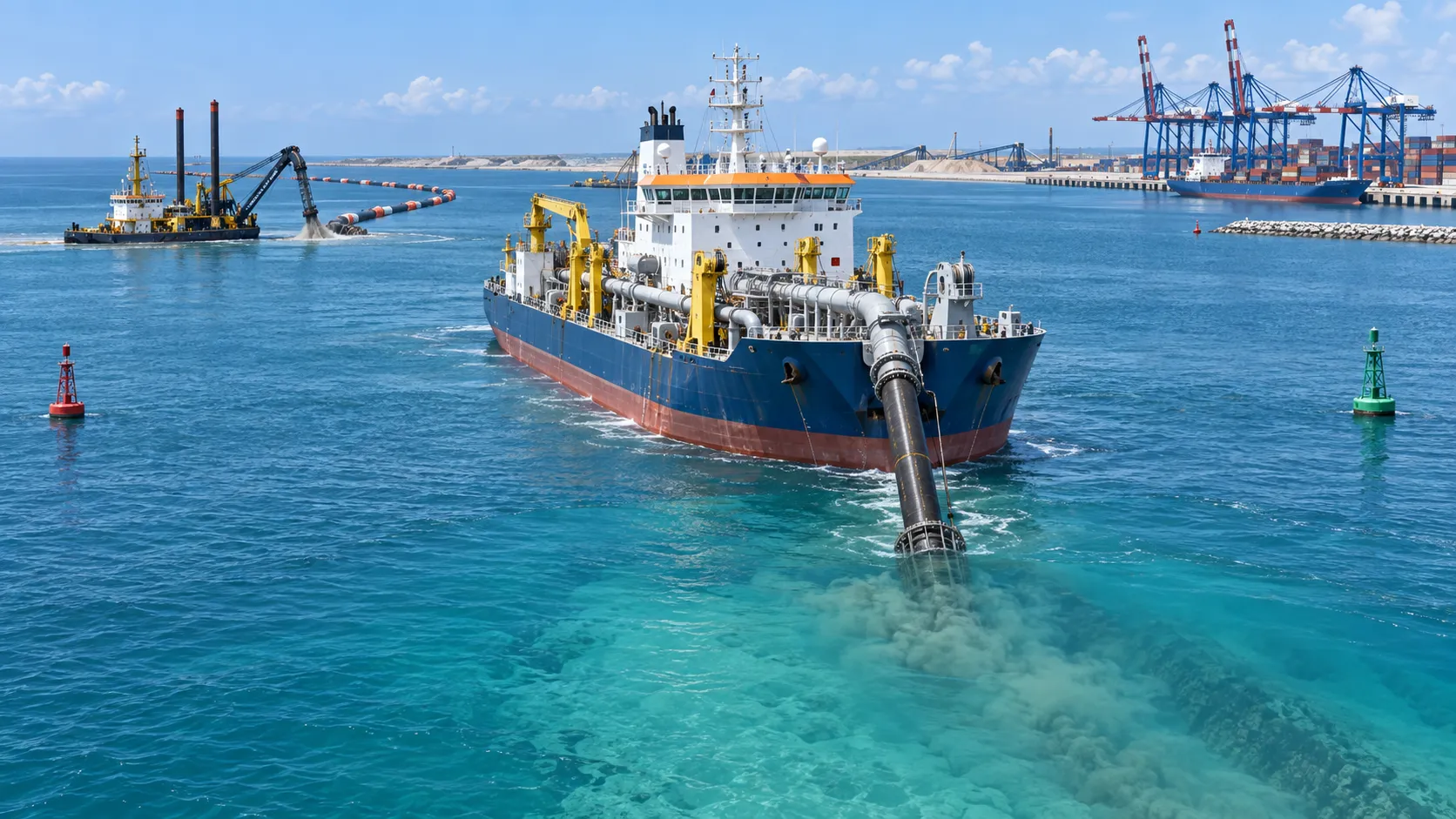
What Dredging Equipment Is Needed for Channel Deepening?
What dredging equipment is needed for channel deepening? Explore dredgers, pipelines, survey tools, and planning strategies for safer, more efficient port access.
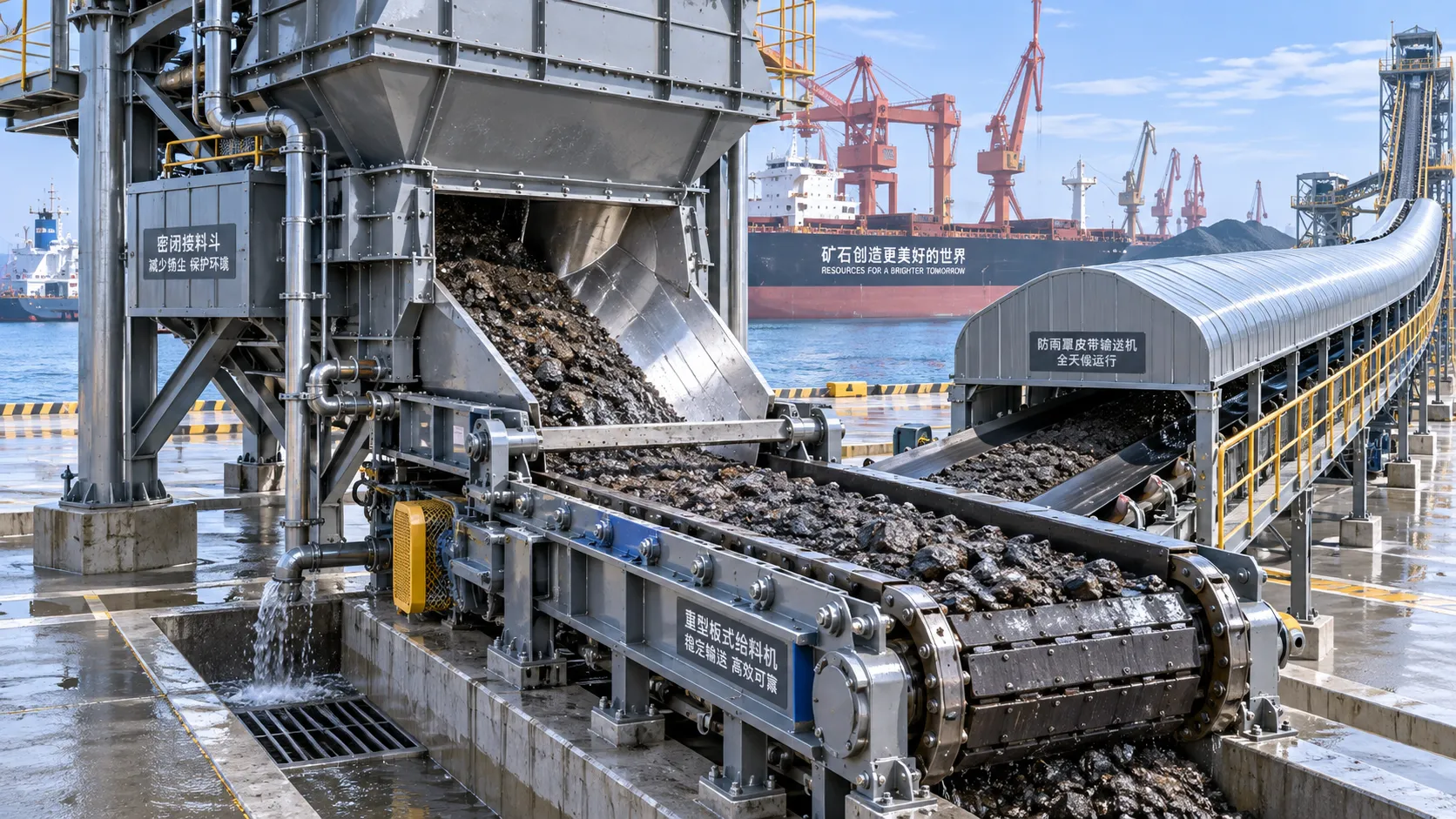
Which Bulk Handling Equipment Suits High-Moisture Cargo?
Which bulk handling equipment suits high-moisture cargo? Compare belt, apron, screw, drag, and slurry systems for reliable flow, less carryback, and higher terminal uptime.
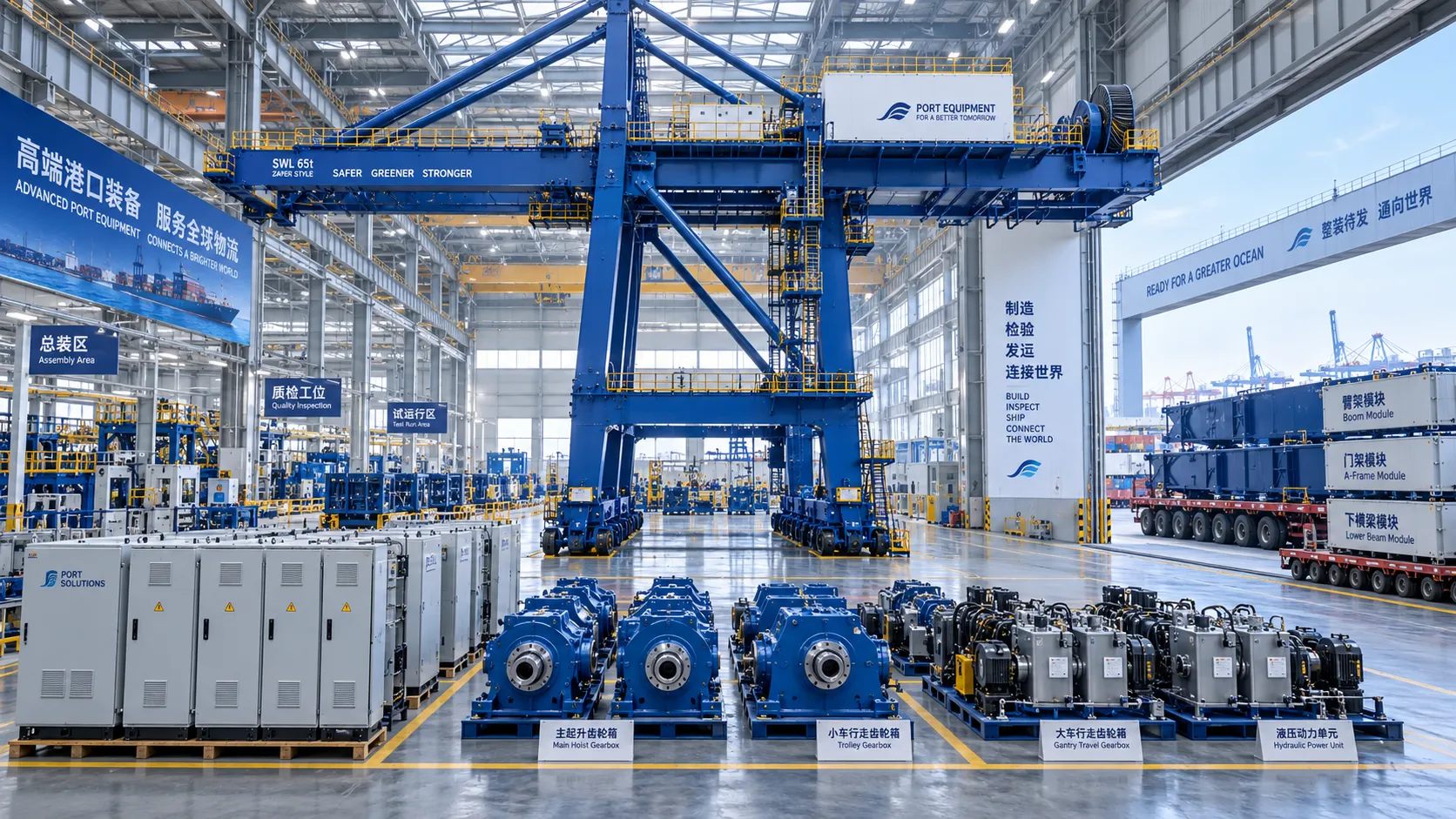
How Can Port Equipment Lead-Time Risk Be Managed?
How can port equipment lead-time risk be managed? Explore practical strategies to control critical paths, suppliers, transport, site readiness, and commissioning delays.
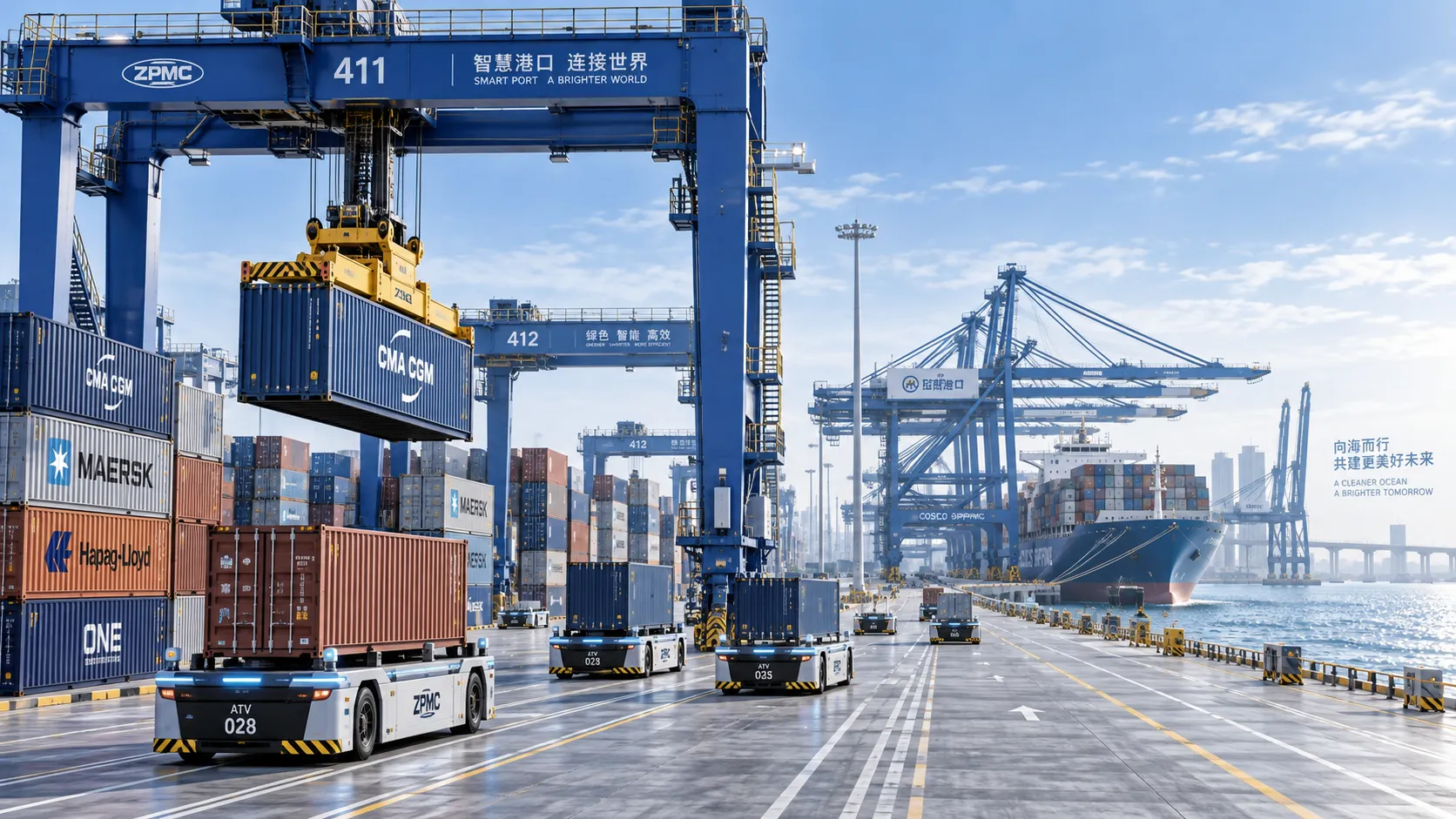
Terminal Automation Technologies That Raise Container Throughput Without Yard Disruption
Terminal automation technology that increases container throughput without disrupting yard flow. Explore smarter integration, resilient workflows, and phased deployment strategies.
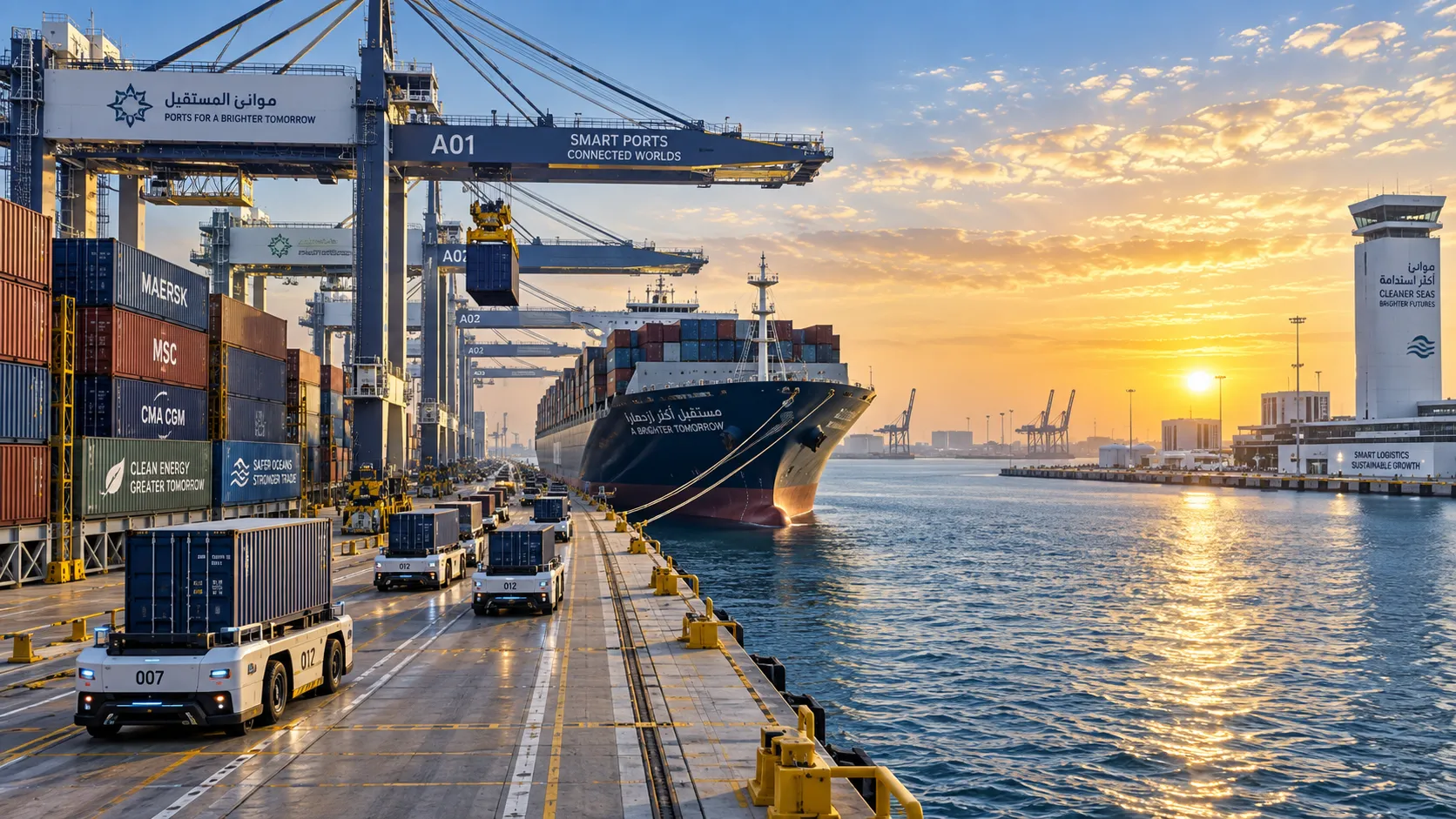
Middle East Port Automation: Key Market Drivers, Projects, and Investment Risks
Port automation systems Middle East: explore market drivers, flagship projects, integration challenges, and investment risks shaping smarter, resilient terminals.
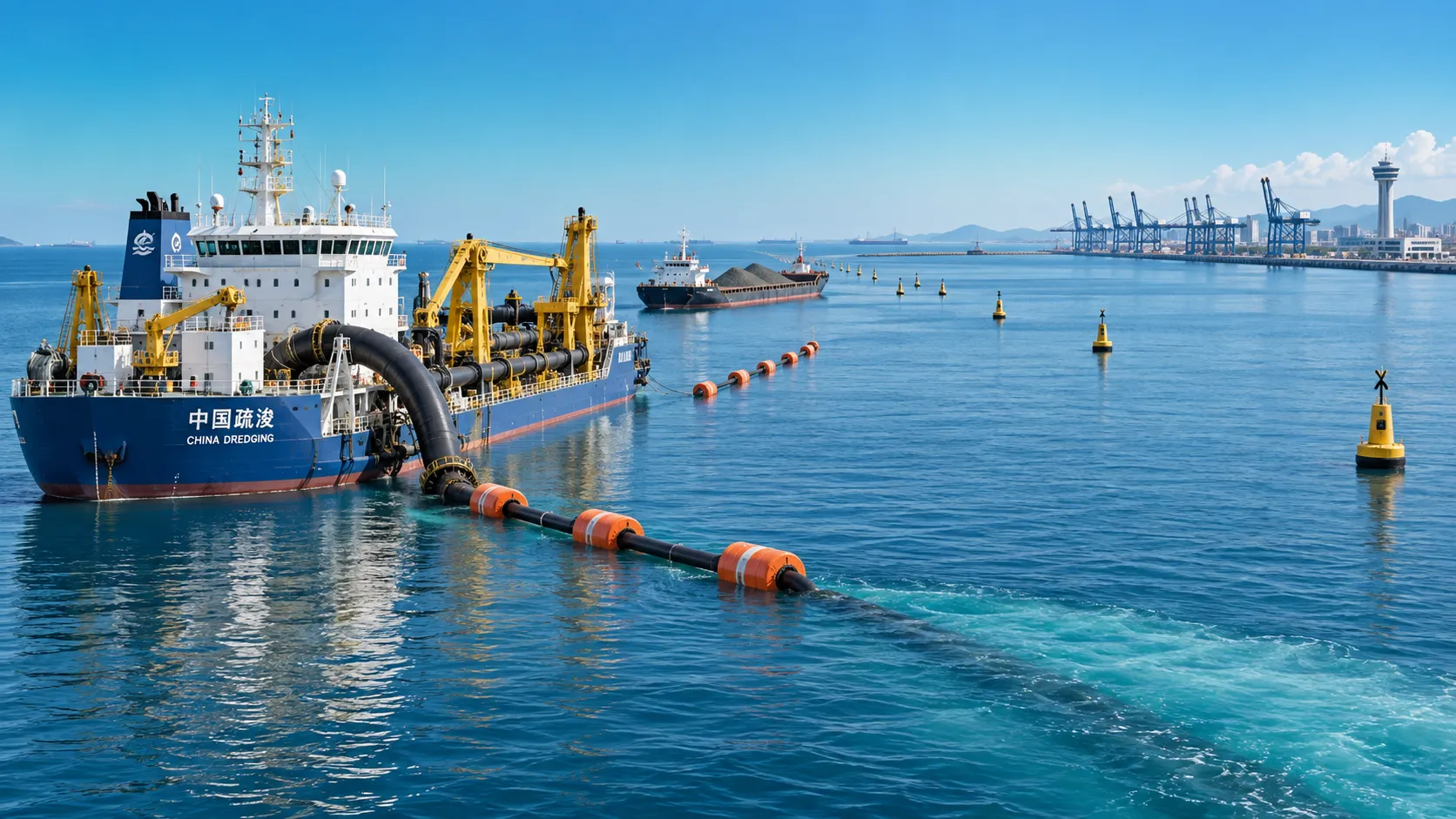
Planning Offshore Dredging Operations: Key Risks, Methods, and Project Controls
Offshore dredging operations demand smart planning. Explore key risks, proven methods, environmental controls, and project strategies for reliable delivery.