Related News
- 00
0000-00
How to Specify a Quay Crane for Container Terminals by Vessel Size and Throughput? - 00
0000-00
Which Bulk Handling Equipment Suits High-Moisture Cargo? - 00
0000-00
Terminal Automation Technologies That Raise Container Throughput Without Yard Disruption - 00
0000-00
Planning Offshore Dredging Operations: Key Risks, Methods, and Project Controls - 00
0000-00
Where Do Automated Guided Vehicles Deliver the Fastest Warehouse Gains in the Middle East?
How Port Automation Solutions for Gate Automation Reduce Truck Queues and Manual Checks
Why gate congestion is now a wider port performance issue
Port entry lanes used to be treated as a local checkpoint problem. That view no longer fits modern terminal operations.
When truck arrivals spike, slow gate handling quickly affects yard planning, berth windows, and inland delivery commitments.
This is why port automation solutions for gate automation are gaining attention across the broader logistics chain, not only inside security teams.
The real value is not simply replacing guards with cameras. It is reducing stop-and-check friction without weakening control.
In practice, gate automation links appointment data, OCR, RFID, weighbridge records, container IDs, driver credentials, and lane logic.
That connected layer matters because truck queues are rarely caused by one missing device. They usually come from disconnected decisions.
PS-Nexus tracks this issue as part of port automation and control systems, the operational nerve center behind unmanned and semi-automated terminals.
From the perspective of maritime logistics, gate performance now shapes vessel productivity, asset utilization, and even emissions from idle trucks.
Actual deployment starts with scenario differences
Not every terminal needs the same form of port automation solutions for gate automation.
A high-volume container gateway, a bulk cargo facility, and an inland intermodal terminal face different traffic rhythms and verification risks.
The first judgment is flow complexity. How many exceptions appear per shift matters more than average truck volume alone.
The second is data readiness. Automated lanes perform well only when booking records, truck visits, and cargo references are reliable before arrival.
The third is lane consequence. A two-minute delay at a peripheral gate is different from a two-minute delay at the main export entrance.
In actual operations, the more useful question is not whether to automate, but where automation removes the most repeated friction.
Busy container gateways need speed without losing exception control
Large container terminals usually adopt port automation solutions for gate automation to compress transaction time during peak arrival waves.
Here, truck queues often come from documentation mismatches, late appointments, wrong container references, or incomplete customs release status.
Automated recognition helps, but the bigger gain comes from routing clean moves and exception moves into different processing paths.
If every truck still enters the same decision tree, digital hardware alone will not fix congestion.
Mixed cargo terminals care more about flexibility
Ports handling containers, project cargo, and bulk-related support vehicles usually face more variable gate conditions.
In these settings, port automation solutions for gate automation must cope with irregular truck profiles, special permits, and non-standard loads.
A rigid model built only for uniform container flows may create new delays when oversized or escorted vehicles arrive.
This is where configurable workflows matter more than headline throughput numbers.
Inland and satellite yards focus on synchronization
Satellite yards and inland terminals often use port automation solutions for gate automation to stay aligned with main-port schedules.
The issue is less about maximum lane speed and more about data continuity between remote yards, drayage planning, and terminal operating systems.
If gate data arrives late, the inland node loses its role as a buffer and becomes another source of uncertainty.
Different operating conditions change what should be prioritized
The table below shows why similar gate projects can require different design priorities.
This is where many evaluations become too narrow. A system can be technically advanced and still poorly matched to the traffic pattern.
Where the strongest gains usually appear first
The first visible improvement from port automation solutions for gate automation is shorter waiting time at entry and exit lanes.
That matters, but the more durable gains often happen deeper in the operation.
- Cleaner arrival data improves yard planning and reduces unnecessary reshuffles.
- Automatic time stamps create better visibility for dwell time analysis.
- License plate, container, and seal recognition reduce dispute resolution time.
- Digital access control supports stronger security without adding lane friction.
- Predictable truck processing helps cut idling, fuel waste, and local emissions.
For PS-Nexus, these outcomes connect directly to the wider smart-port agenda: lower latency decisions, better asset scheduling, and more resilient trade nodes.
Misjudgments often happen before implementation begins
A common mistake is choosing port automation solutions for gate automation by device specification alone.
High OCR accuracy on paper does not guarantee good performance in rain, glare, dust, damaged plates, or inconsistent container markings.
Another frequent issue is treating all truck visits as routine. Real terminals handle exceptions every day.
When exception handling is weak, operators bypass automation, and the process quietly returns to manual dependence.
Some sites also underestimate integration effort. Gate automation touches TOS, ERP, customs interfaces, weighbridge systems, and access databases.
If those links are unstable, truck queues reappear even when the lane hardware works correctly.
There is also a cost blind spot. Lower staffing at the gate can be offset by support complexity if system maintenance is poorly planned.
A practical way to judge fit before scaling up
A useful evaluation framework starts with operational evidence, not vendor vocabulary.
- Map truck arrival patterns by hour, move type, and exception frequency.
- Identify which checks can be validated before the truck reaches the lane.
- Separate standard flows from high-risk or special-handling movements.
- Test integration quality across TOS, access control, customs, and booking systems.
- Review maintenance access, spare parts timing, and fallback operating procedures.
In many ports, a phased approach works better than full-site conversion.
Start where queue pressure is measurable, data quality is acceptable, and process rules are stable enough to automate.
That sequence usually produces cleaner results than deploying the same gate model across every lane and cargo type.
What to clarify next if gate performance is under pressure
Port automation solutions for gate automation deliver the strongest value when they are matched to actual traffic behavior and decision logic.
The important distinction is not automated versus manual in abstract terms. It is where repeated verification work slows the wider terminal system.
For ports navigating higher volume, labor constraints, and tighter schedule sensitivity, the next step is to examine lane conditions in detail.
Compare standard and exception flows. Confirm data dependencies. Check environmental limits. Measure maintenance demands before expansion.
That kind of scenario-based review is far more useful than treating gate automation as a standalone equipment upgrade.
It is also the approach most consistent with the PS-Nexus view of smart maritime infrastructure: connected, measurable, and built around operational reality.
Related News
Smart Port Systems in Southeast Asia: Investment Priorities and Adoption Barriers
Smart port systems Southeast Asia: discover investment priorities, adoption barriers, and practical steps to build resilient, connected, high-performing terminals.
How to Evaluate Terminal Efficiency Solution Suppliers for High-Throughput Operations
Choose a terminal efficiency solutions supplier with confidence. Explore proven criteria for throughput, integration, lifecycle cost, safety, and reliable delivery.
How to Specify a Quay Crane for Container Terminals by Vessel Size and Throughput?
Quay crane for container terminals: learn how to match outreach, lift height, capacity, automation, and cycle performance to vessel size and throughput goals.
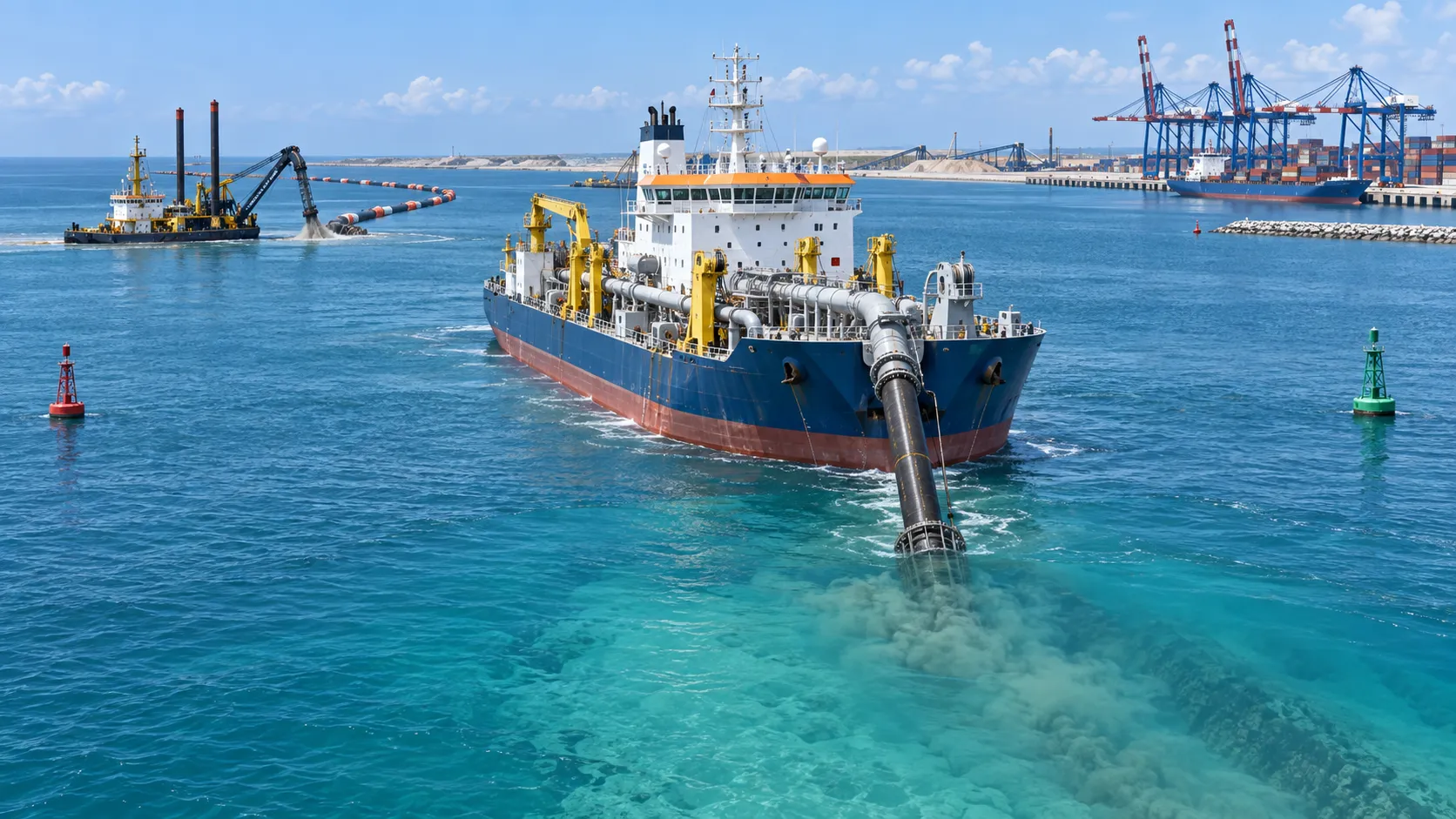
What Dredging Equipment Is Needed for Channel Deepening?
What dredging equipment is needed for channel deepening? Explore dredgers, pipelines, survey tools, and planning strategies for safer, more efficient port access.
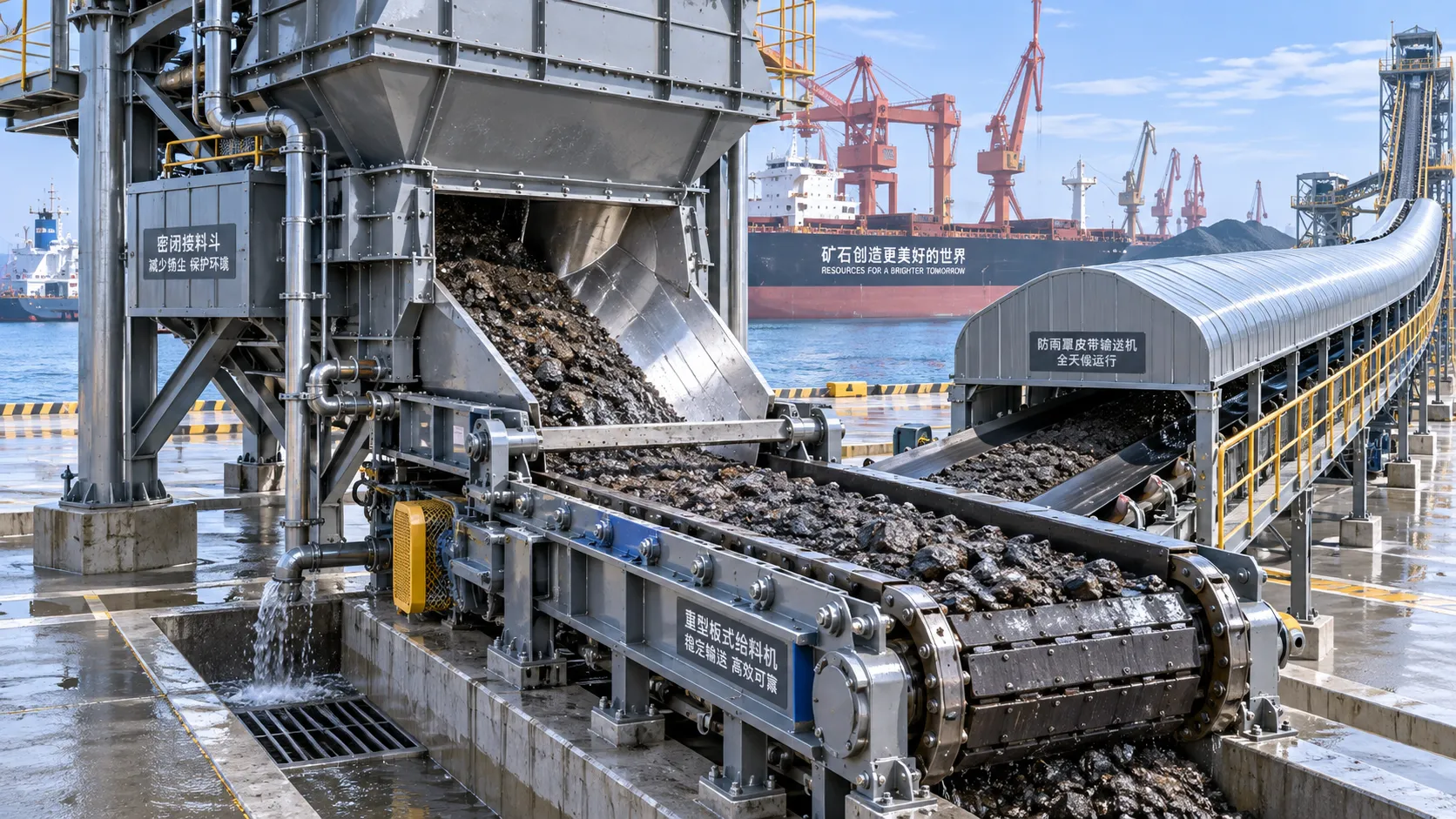
Which Bulk Handling Equipment Suits High-Moisture Cargo?
Which bulk handling equipment suits high-moisture cargo? Compare belt, apron, screw, drag, and slurry systems for reliable flow, less carryback, and higher terminal uptime.
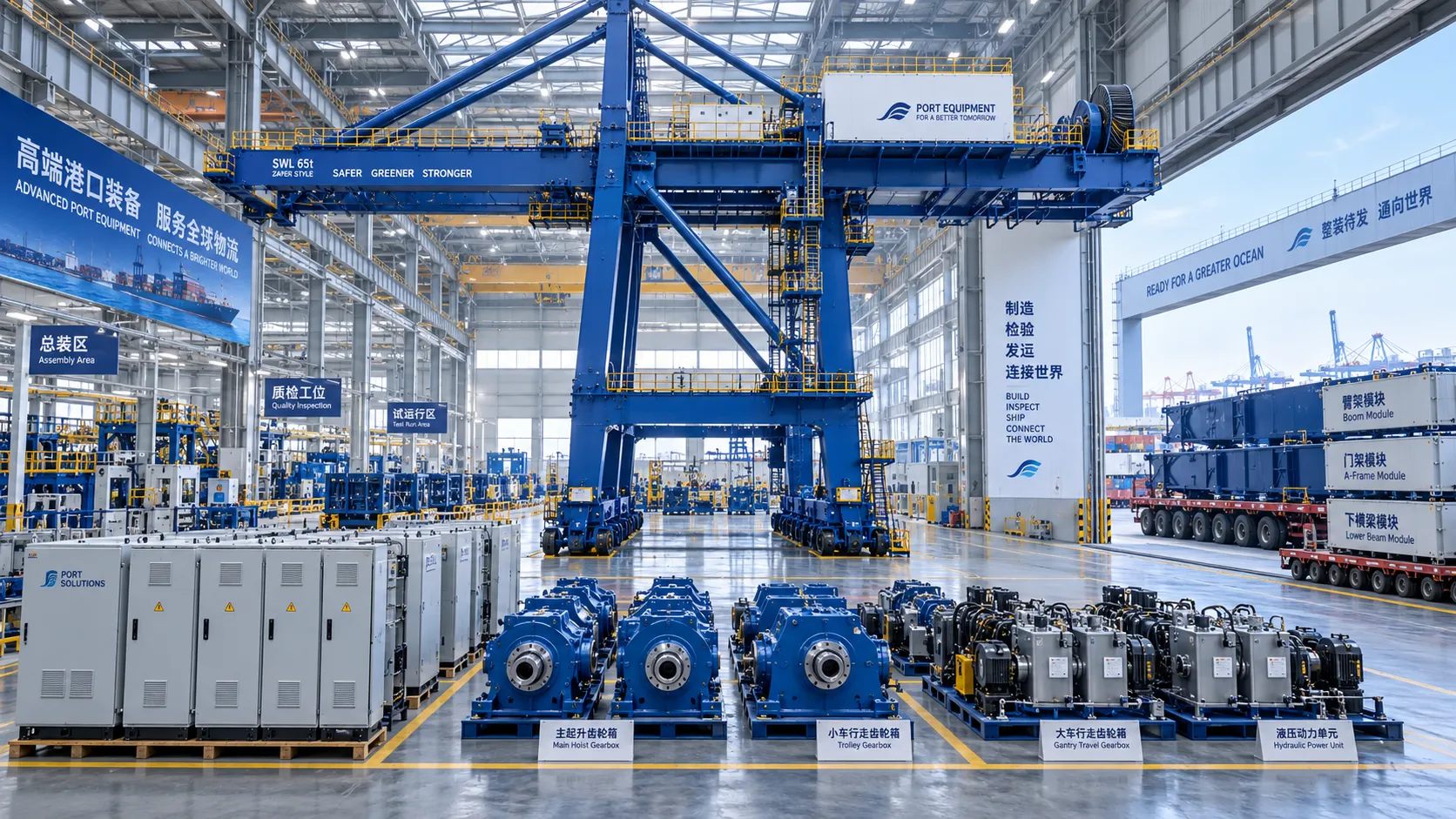
How Can Port Equipment Lead-Time Risk Be Managed?
How can port equipment lead-time risk be managed? Explore practical strategies to control critical paths, suppliers, transport, site readiness, and commissioning delays.
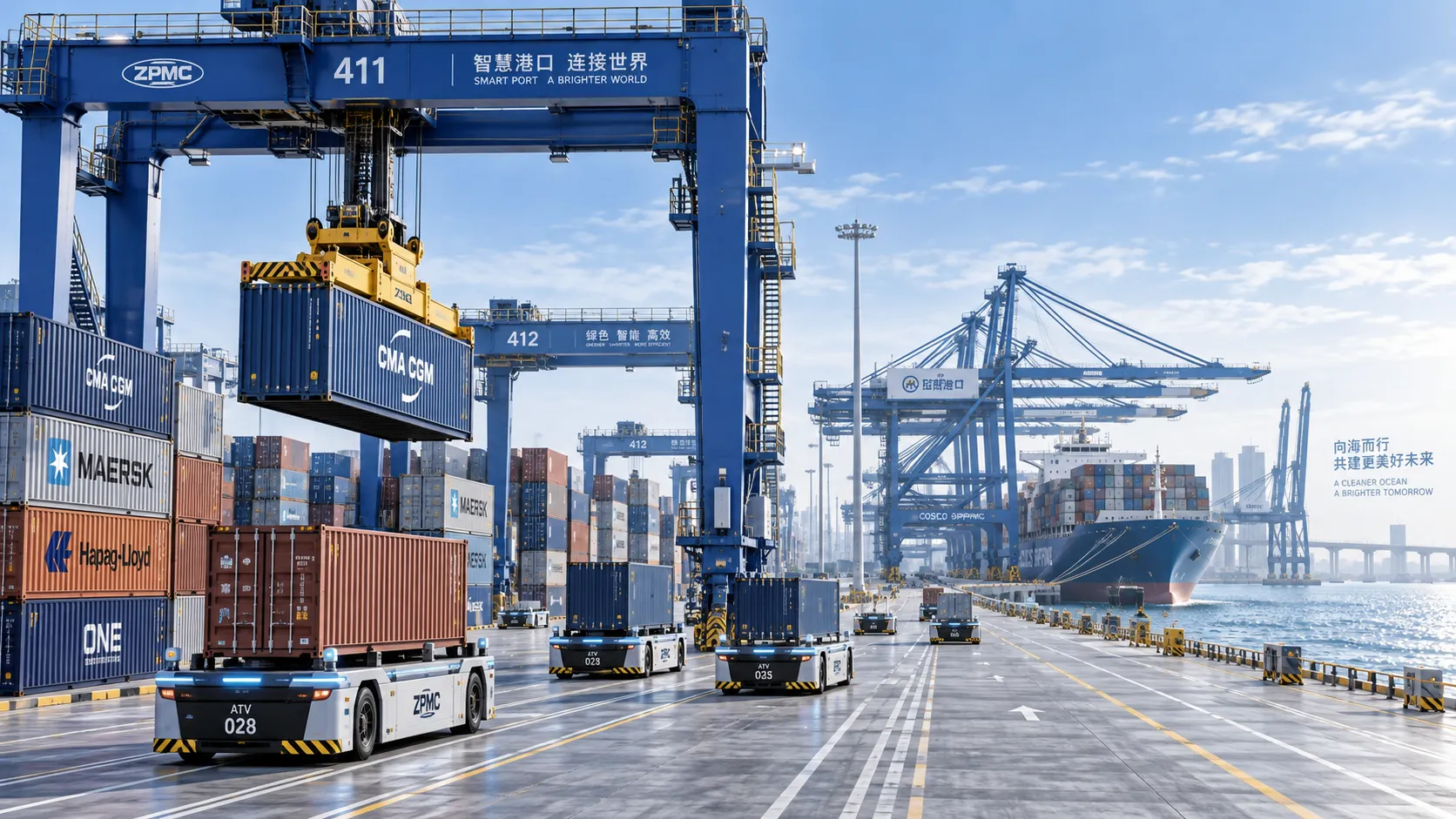
Terminal Automation Technologies That Raise Container Throughput Without Yard Disruption
Terminal automation technology that increases container throughput without disrupting yard flow. Explore smarter integration, resilient workflows, and phased deployment strategies.
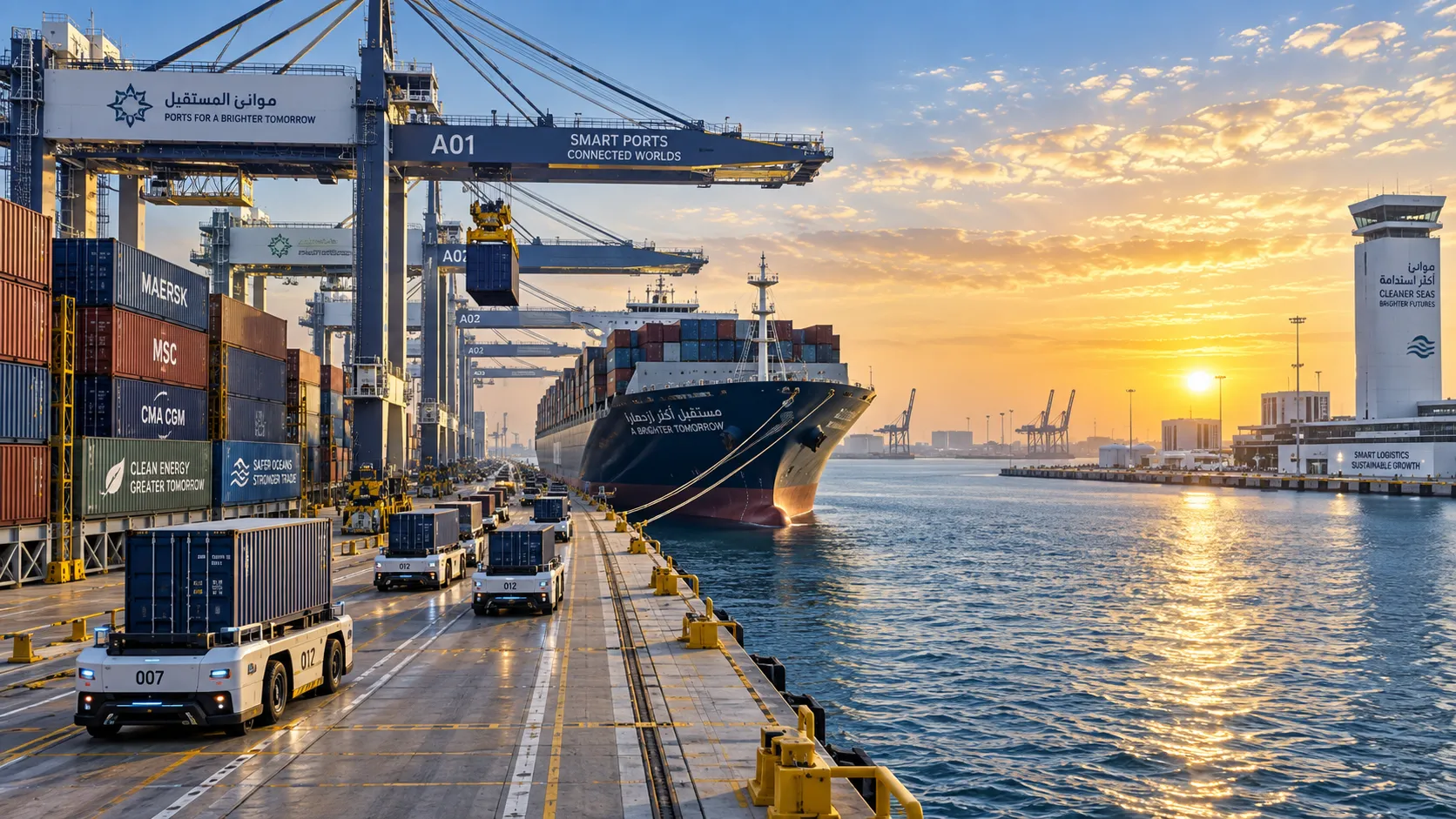
Middle East Port Automation: Key Market Drivers, Projects, and Investment Risks
Port automation systems Middle East: explore market drivers, flagship projects, integration challenges, and investment risks shaping smarter, resilient terminals.
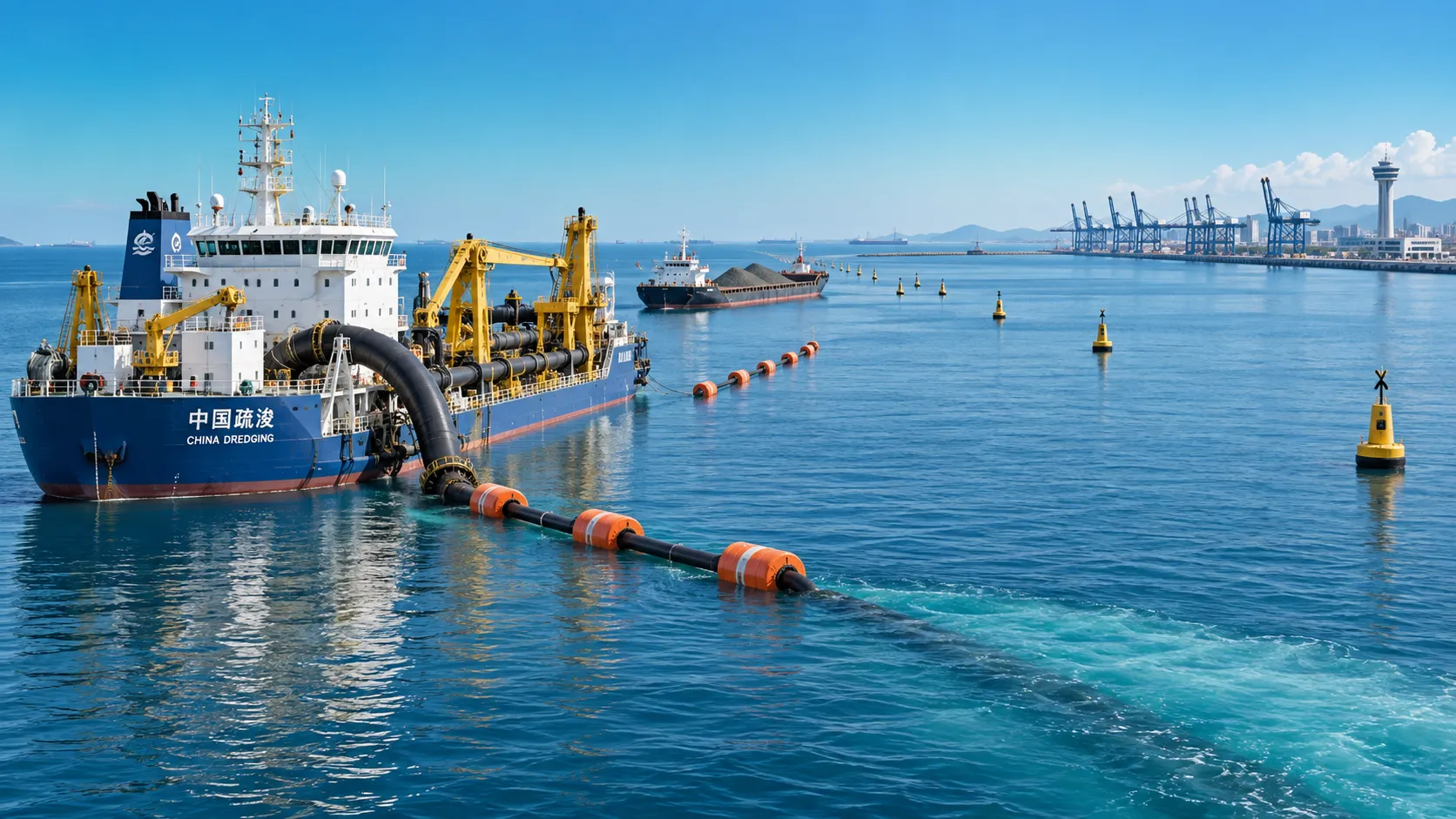
Planning Offshore Dredging Operations: Key Risks, Methods, and Project Controls
Offshore dredging operations demand smart planning. Explore key risks, proven methods, environmental controls, and project strategies for reliable delivery.