
Related News
- 00
0000-00
How to Evaluate Terminal Efficiency Solution Suppliers for High-Throughput Operations - 00
0000-00
What to Consider When Buying Electric Port Machinery for Container Terminals - 00
0000-00
How to Select Container Handling Equipment for Middle East Ports and Terminals - 00
0000-00
How to Evaluate a Port Machinery Exporter for Large-Scale Terminal Projects - 00
0000-00
Evaluating a Dredging Equipment Manufacturer for Mining Plant Supply
How to Compare a Terminal Efficiency Solutions Manufacturer on Integration, Support, and ROI
How to Compare a Terminal Efficiency Solutions Manufacturer on Integration, Support, and ROI
Choosing a terminal efficiency solutions manufacturer goes far beyond equipment specs.
The stronger comparison usually starts after the brochure ends.
Integration quality, support depth, and ROI discipline shape real operating value.
That matters even more in ports facing tighter labor, energy, and throughput pressure.
A capable terminal efficiency solutions manufacturer should fit into live terminal conditions.
It should also reduce friction across yard operations, equipment dispatch, and system control.
This guide breaks down how to compare suppliers in a practical way.
The goal is simple: select a partner that improves performance without hiding long-term cost.
Start with the Operating Context
Before comparing suppliers, define the exact problem the solution must solve.
Many buying teams lose time by comparing features outside their actual workflow.
In practice, terminal efficiency can mean different things at different sites.
One terminal may need faster truck turn time.
Another may need tighter crane scheduling or better AGV coordination.
A third may care most about energy use and downtime reduction.
- Current throughput bottlenecks
- Existing TOS, PLC, and automation layers
- Asset age and maintenance condition
- Required uptime targets
- Labor model and operator skill level
- Emission and energy performance goals
This baseline makes every later comparison sharper and more defensible.
Compare Integration Before Features
A terminal efficiency solutions manufacturer should first be judged on integration capability.
If integration is weak, even strong software logic can fail in operations.
Ports rarely run as clean, closed systems.
Most sites have mixed vendors, legacy interfaces, and phased automation histories.
That is why interface maturity often matters more than headline performance claims.
What to verify
- Compatibility with TOS, ERP, WMS, and asset monitoring platforms
- Support for open protocols and documented APIs
- Integration with cranes, RTGs, RMGs, AGVs, and gate systems
- Real-time data exchange latency under peak load
- Cybersecurity design and access control
- Ability to run staged deployment without stopping operations
Ask the terminal efficiency solutions manufacturer for reference architectures.
Then ask for live examples matching your equipment mix and automation level.
A generic integration slide is not enough for a procurement decision.
Look at Support as a Lifecycle Commitment
Support is where many supplier comparisons become too shallow.
A terminal efficiency solutions manufacturer is not only delivering equipment or software.
It is taking part in a long operating cycle with commercial consequences.
When support is slow, terminal delays can spread quickly across vessel windows and yard plans.
Key support factors
- Response time commitments by severity level
- Local service presence or remote diagnostic coverage
- Spare parts strategy and critical component lead time
- Operator and technician training plans
- Software updates, patch policy, and version control
- Root cause analysis process after incidents
Recent market shifts make this even more important.
Global shipping volatility has reduced tolerance for avoidable terminal disruption.
That also means support quality should appear in the contract, not only in presentations.
Service-level terms should be measurable, enforceable, and reviewed against actual site conditions.
Measure ROI Beyond Purchase Price
A lower bid does not always produce a lower total cost.
This is where a terminal efficiency solutions manufacturer should be tested hard.
Ask for a transparent ROI model with assumptions you can challenge.
If the math depends on vague utilization gains, the case is weak.
Include these cost and value items
- Implementation and commissioning cost
- Integration engineering cost
- Training and change management cost
- Expected downtime during rollout
- Maintenance, licensing, and upgrade cost
- Productivity gains by move rate or cycle time
- Energy savings and equipment life extension
- Reduced incident risk and operational variance
Good ROI analysis also separates fast wins from strategic gains.
For example, schedule optimization may pay back faster than a broad automation upgrade.
That distinction helps prioritize investment when budgets are phased.
Use a Practical Comparison Table
A side-by-side matrix keeps the procurement process grounded.
It also prevents one strong demo from masking structural weakness.
Weight each criterion based on operational importance, not vendor marketing strength.
Ask Better Questions During Vendor Evaluation
The quality of your questions often determines the quality of supplier disclosure.
A credible terminal efficiency solutions manufacturer should answer with specifics.
Look for evidence, not polished language.
- Which live terminals use this solution at similar scale?
- What systems caused the hardest integration issues?
- How is uptime measured after commissioning?
- What support tasks are remote, and what requires site presence?
- What assumptions drive the ROI estimate?
- What changed in the last three deployments?
That last question is especially useful.
It shows whether the terminal efficiency solutions manufacturer is learning from field experience.
It also exposes whether improvement is systematic or accidental.
Watch for Common Red Flags
Some warning signs appear early if you know where to look.
They usually point to delivery risk, hidden cost, or weak lifecycle value.
- No clear integration documentation
- ROI claims without baseline assumptions
- Support terms kept outside the main contract
- Heavy dependence on custom code for basic interfaces
- Reference sites that do not match your operating profile
- Vague answers on spare parts and update policy
When these signs appear together, the risk is usually material.
Make the Final Decision on Long-Term Fit
The best terminal efficiency solutions manufacturer is rarely the one with the loudest promise.
It is the one that fits your systems, supports your team, and proves value over time.
From a buying perspective, integration reduces execution risk.
Support protects continuity after launch.
ROI confirms whether the project strengthens cost control and terminal performance.
That combination is what turns a supplier into a practical operating partner.
Build the comparison around evidence, site reality, and measurable outcomes.
Then the final choice becomes clearer, faster, and easier to defend internally.
That is the strongest way to evaluate any terminal efficiency solutions manufacturer.
Related News
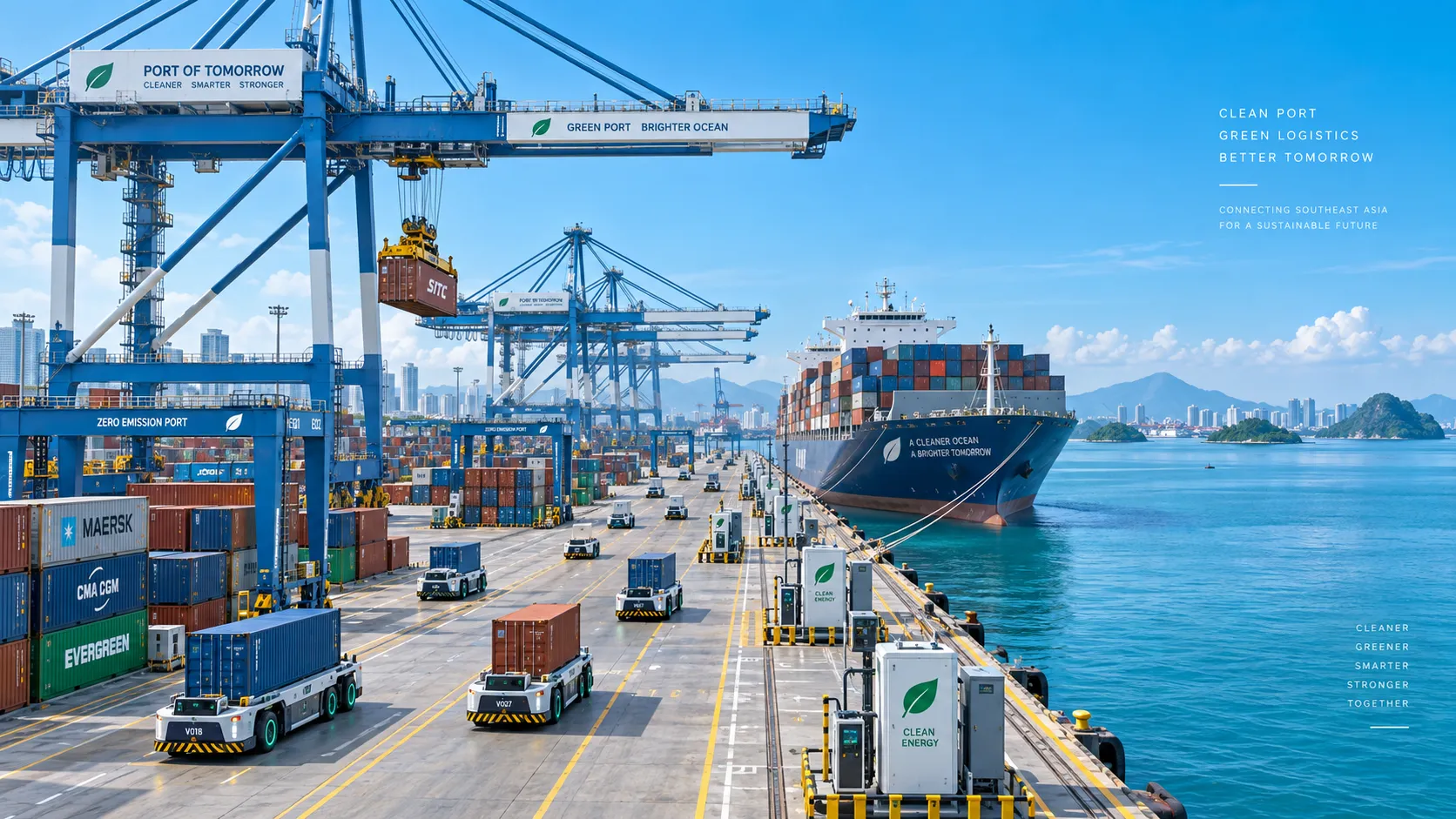
Smart Port Systems in Southeast Asia: Investment Priorities and Adoption Barriers
Smart port systems Southeast Asia: discover investment priorities, adoption barriers, and practical steps to build resilient, connected, high-performing terminals.

How to Evaluate Terminal Efficiency Solution Suppliers for High-Throughput Operations
Choose a terminal efficiency solutions supplier with confidence. Explore proven criteria for throughput, integration, lifecycle cost, safety, and reliable delivery.
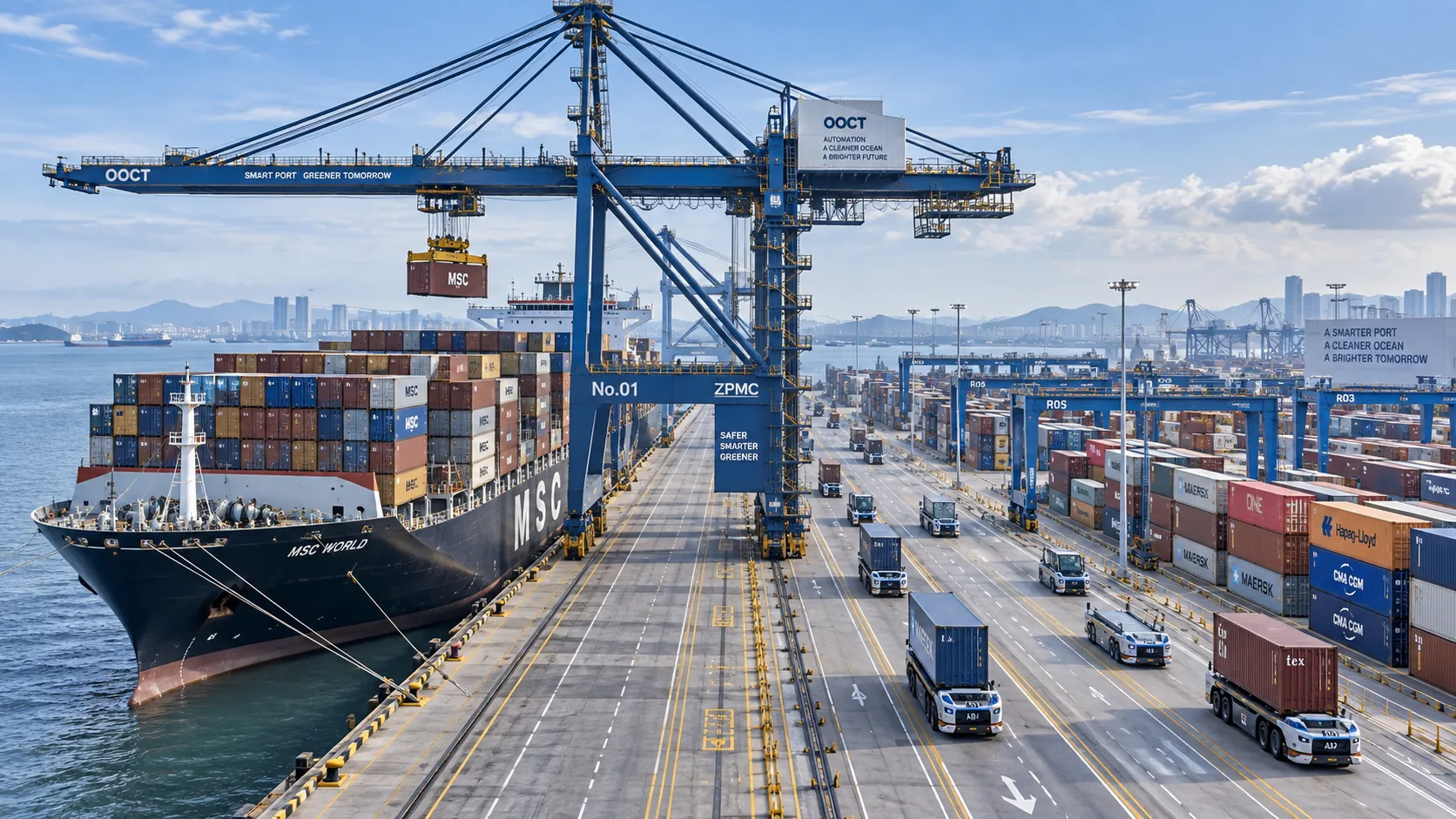
How to Specify a Quay Crane for Container Terminals by Vessel Size and Throughput?
Quay crane for container terminals: learn how to match outreach, lift height, capacity, automation, and cycle performance to vessel size and throughput goals.
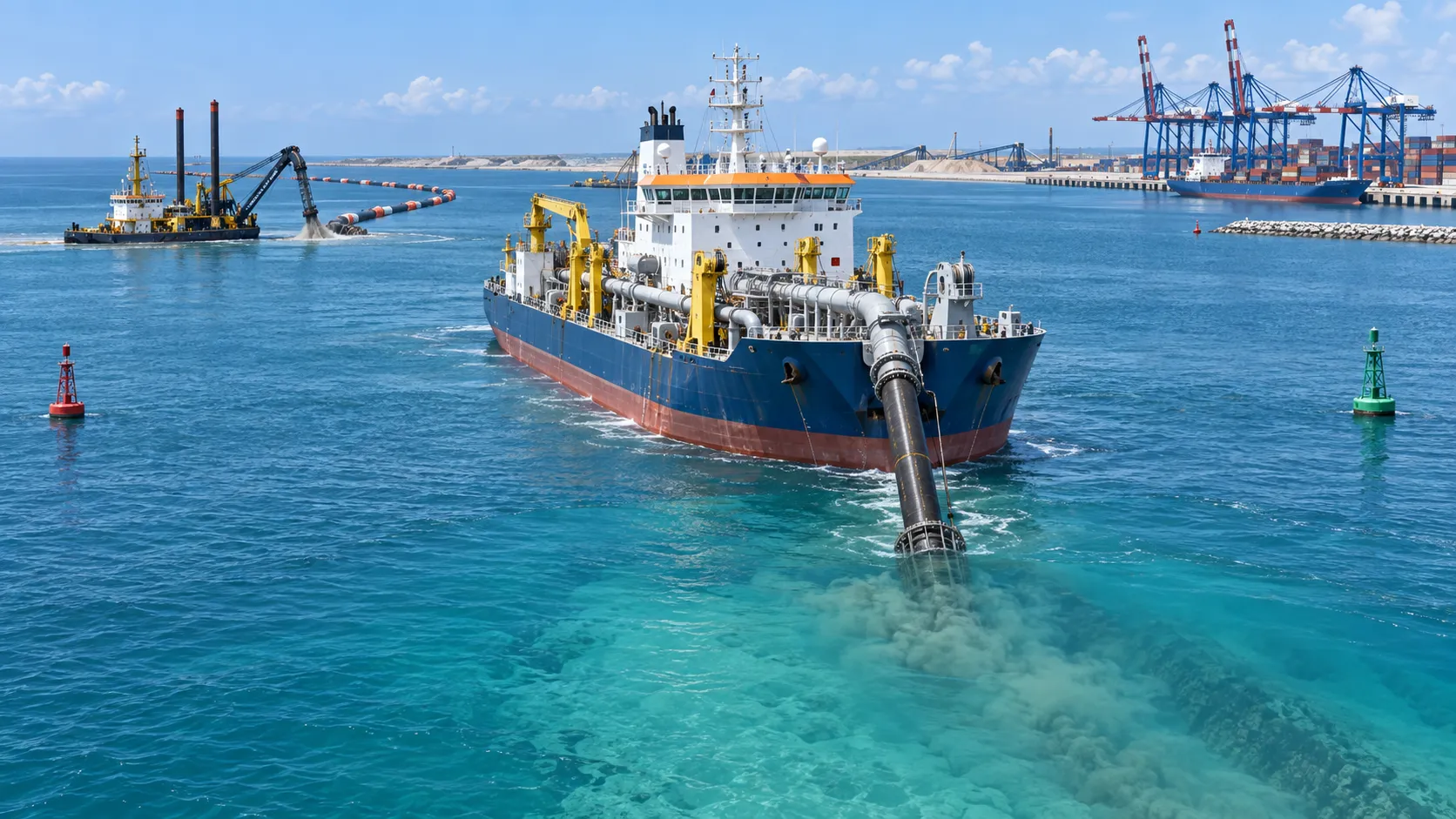
What Dredging Equipment Is Needed for Channel Deepening?
What dredging equipment is needed for channel deepening? Explore dredgers, pipelines, survey tools, and planning strategies for safer, more efficient port access.
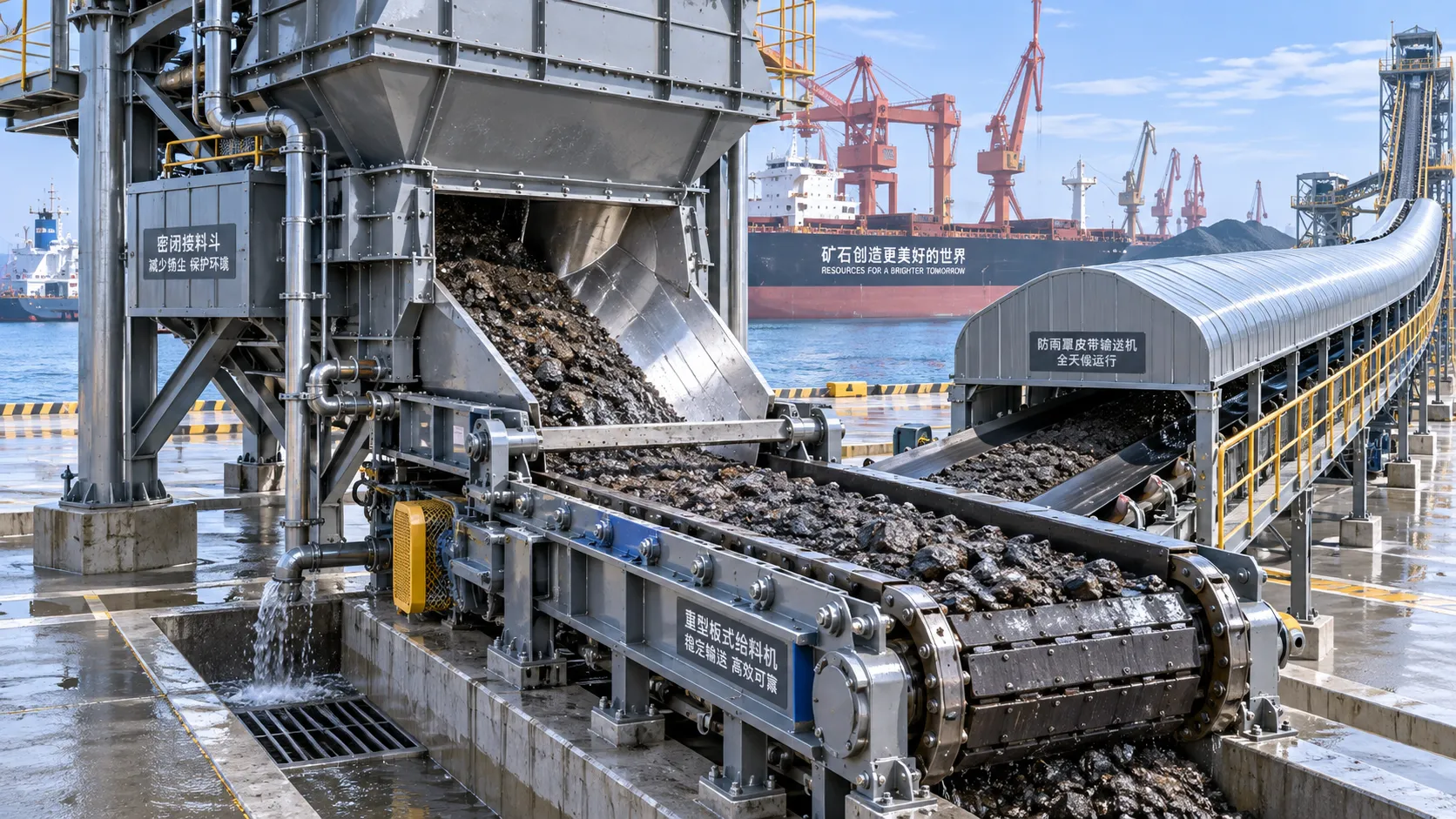
Which Bulk Handling Equipment Suits High-Moisture Cargo?
Which bulk handling equipment suits high-moisture cargo? Compare belt, apron, screw, drag, and slurry systems for reliable flow, less carryback, and higher terminal uptime.
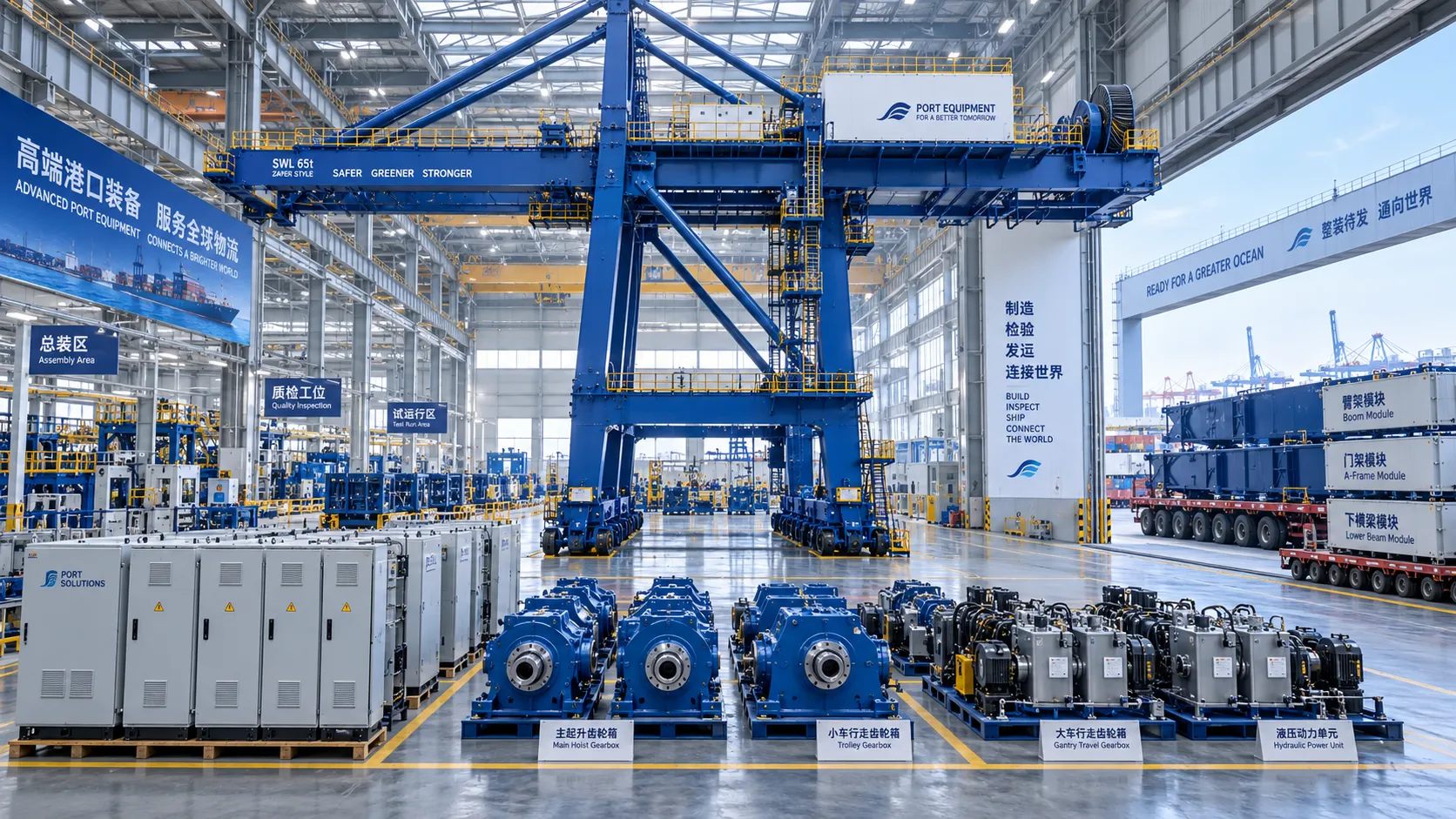
How Can Port Equipment Lead-Time Risk Be Managed?
How can port equipment lead-time risk be managed? Explore practical strategies to control critical paths, suppliers, transport, site readiness, and commissioning delays.
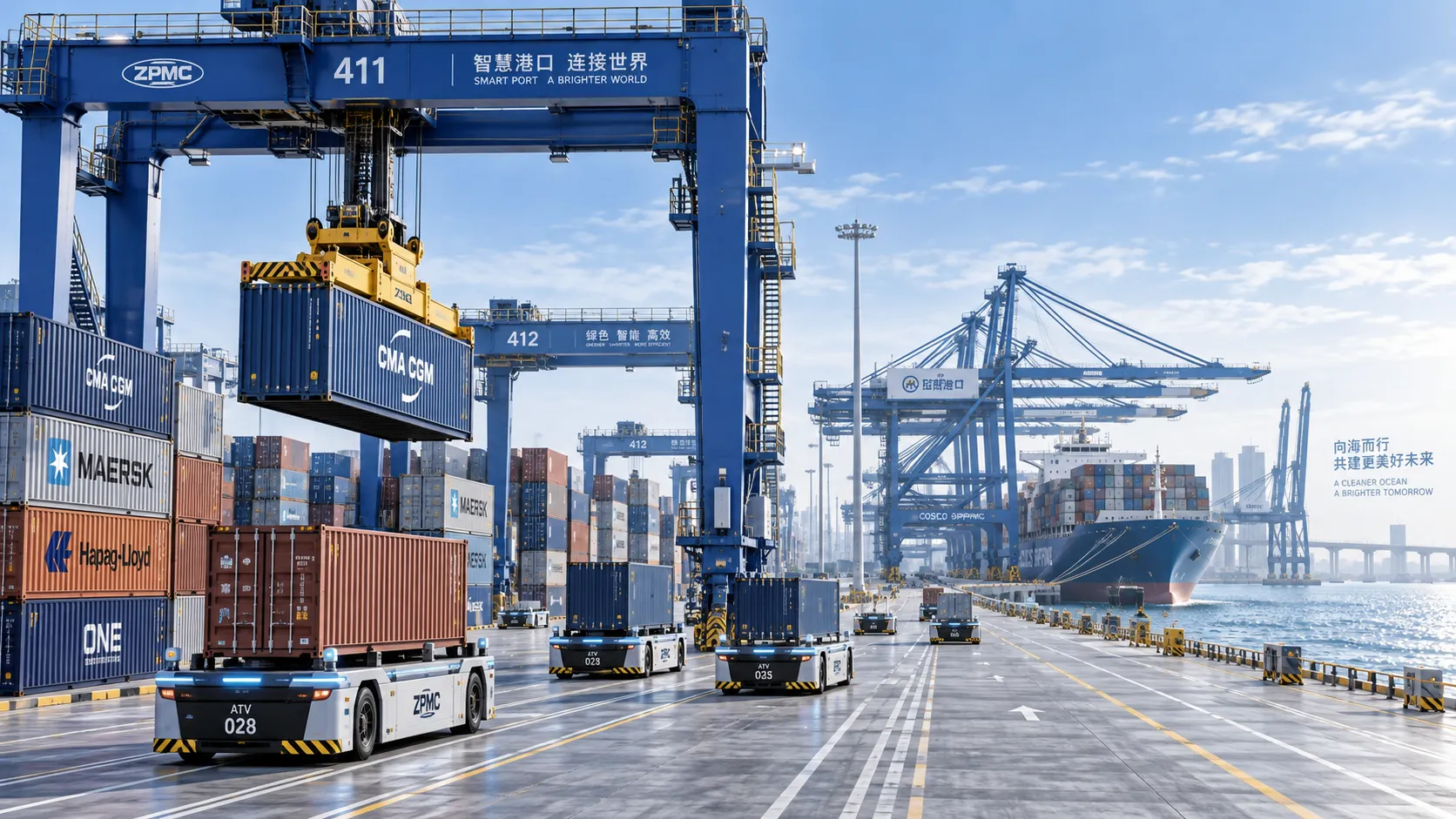
Terminal Automation Technologies That Raise Container Throughput Without Yard Disruption
Terminal automation technology that increases container throughput without disrupting yard flow. Explore smarter integration, resilient workflows, and phased deployment strategies.
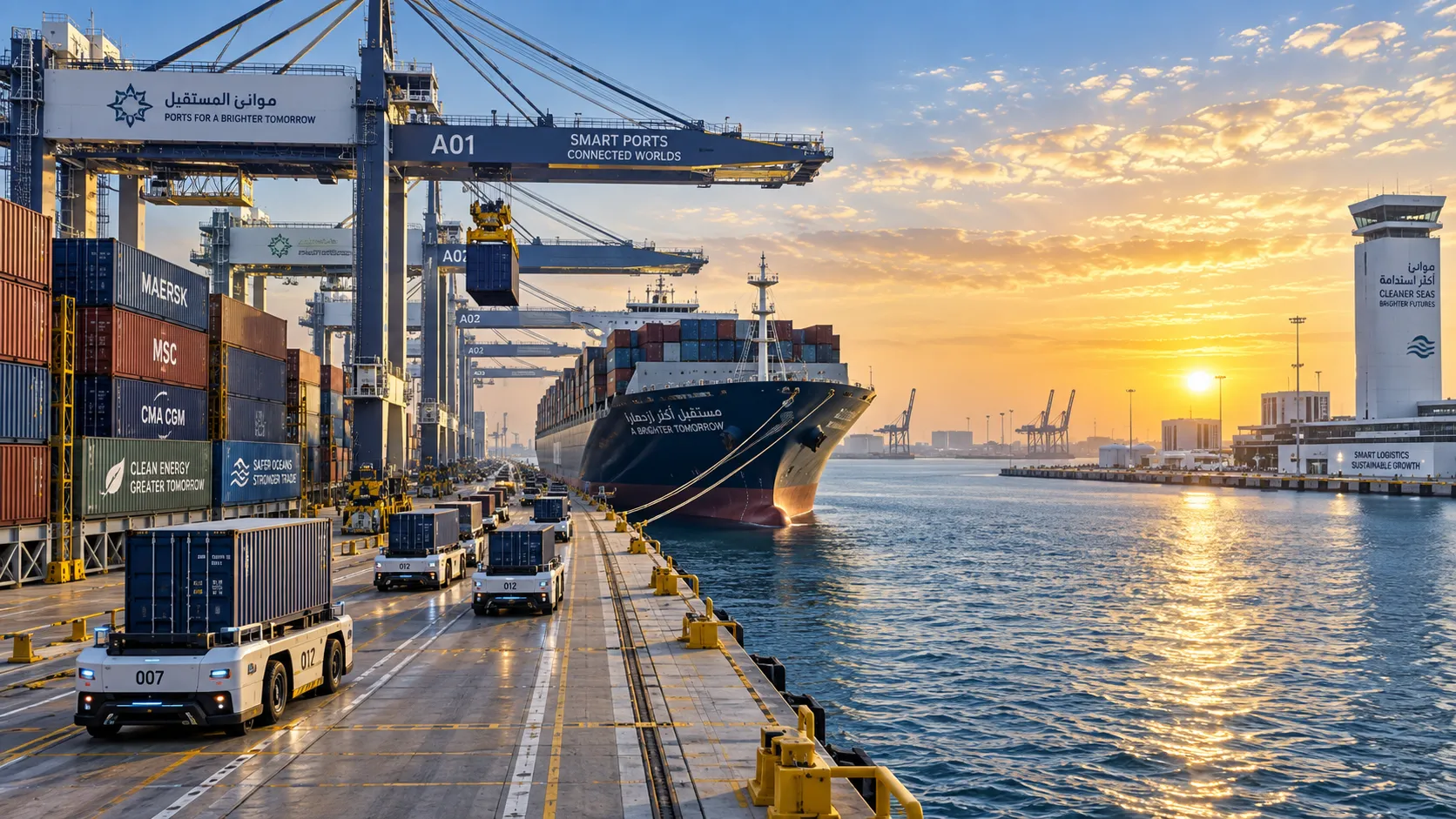
Middle East Port Automation: Key Market Drivers, Projects, and Investment Risks
Port automation systems Middle East: explore market drivers, flagship projects, integration challenges, and investment risks shaping smarter, resilient terminals.
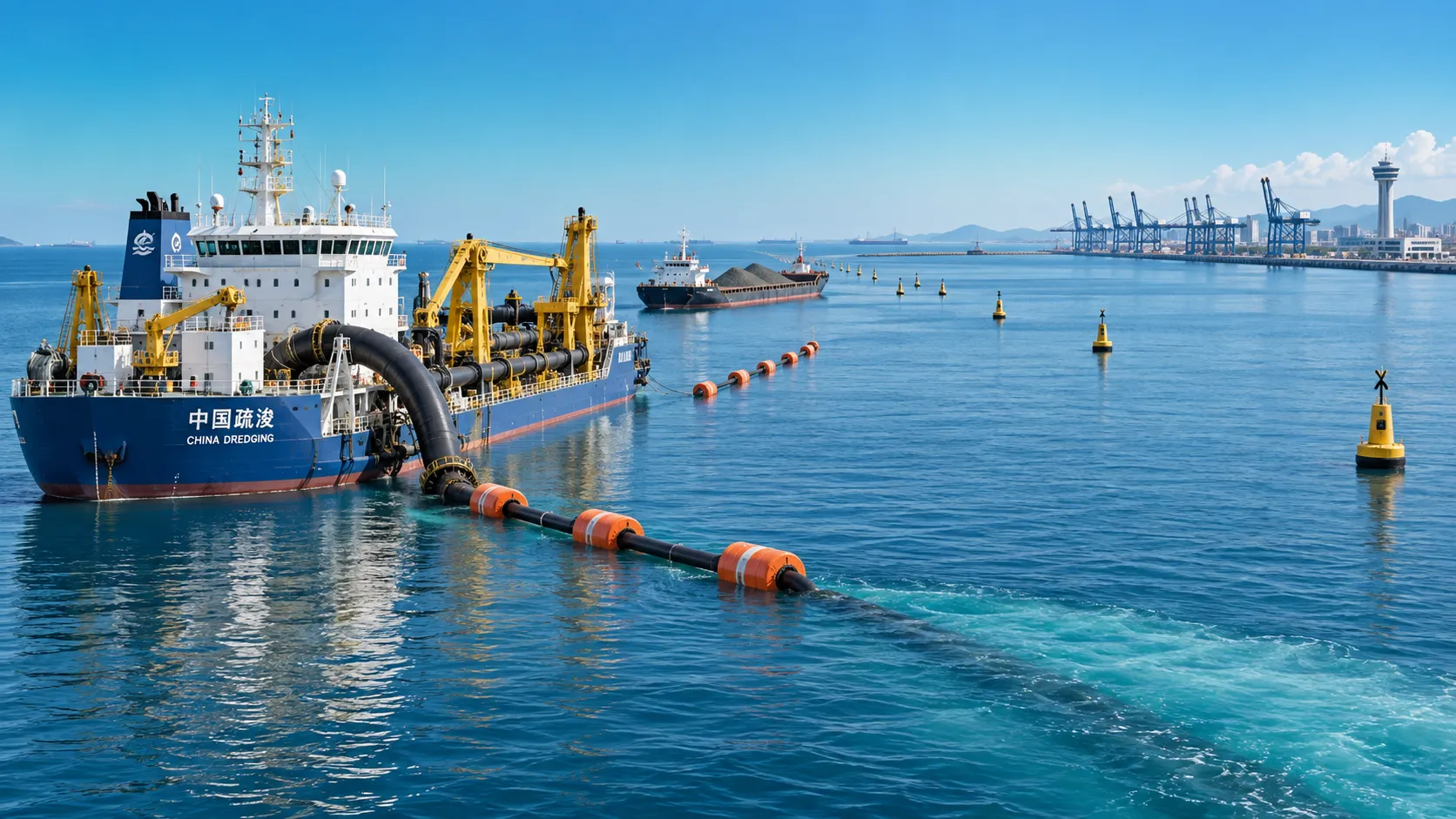
Planning Offshore Dredging Operations: Key Risks, Methods, and Project Controls
Offshore dredging operations demand smart planning. Explore key risks, proven methods, environmental controls, and project strategies for reliable delivery.