Related News
- 00
0000-00
How to Evaluate Terminal Efficiency Solution Suppliers for High-Throughput Operations - 00
0000-00
What to Consider When Buying Electric Port Machinery for Container Terminals - 00
0000-00
How to Select Container Handling Equipment for Middle East Ports and Terminals - 00
0000-00
How to Evaluate a Port Machinery Exporter for Large-Scale Terminal Projects - 00
0000-00
Evaluating a Dredging Equipment Manufacturer for Mining Plant Supply
Marine Engineering Solutions Middle East: Key Project Challenges and Fit-for-Port Options
Marine Engineering Solutions Middle East: Key Project Challenges and Fit-for-Port Options
Marine engineering solutions Middle East projects demand more than technical strength. They depend on timing, port realities, and equipment choices that truly match operating conditions.
Across the Gulf and wider regional corridor, terminal expansion remains active. Dredging, quay upgrades, yard automation, and bulk handling investments are moving in parallel.
That creates opportunity, but also exposes projects to avoidable friction. The biggest failures rarely start with one machine. They start with poor fit between design assumptions and port behavior.
For teams managing schedules, budgets, and commissioning targets, the practical question is simple. Which marine engineering solutions Middle East sites can absorb quickly, safely, and profitably?
This article breaks down the region’s core project challenges and the fit-for-port options that improve delivery confidence, asset uptime, and long-term terminal performance.
Why Port Fit Matters More Than Generic Engineering Strength
In theory, high-capacity equipment should lift throughput. In practice, the wrong configuration can slow berthing windows, overload utilities, and increase maintenance exposure.
Marine engineering solutions Middle East portfolios must adapt to salinity, heat stress, sediment behavior, vessel mix, labor model, and digital maturity.
A dredger that performs well in one coastline profile may underdeliver in another. The same is true for quay cranes, AGV systems, and bulk conveyors.
From a project perspective, port fit means selecting solutions against actual operating constraints, not only nameplate specifications or benchmark references.
- Berth geometry and draft depth
- Yard density and internal transfer logic
- Power stability and control system readiness
- Corrosion, wind, and dust exposure
- Maintenance access and spare parts lead time
The closer the fit, the lower the rework risk. That is the real baseline for strong marine engineering solutions Middle East planning.
The Main Project Challenges in the Middle East
1. Coastal and Environmental Stress
High salinity, suspended sediments, and extreme temperatures reduce component life faster than many base designs assume.
This affects steel structures, hydraulic seals, cable systems, sensors, coatings, and cooling performance. It also changes inspection frequency and shutdown planning.
2. Compressed Delivery Windows
Many regional ports cannot tolerate long operational disruption. Expansion work often runs beside live terminal activity with narrow access windows.
That increases interface risk between civil works, marine logistics, equipment assembly, and commissioning. Delays multiply quickly when sequencing is weak.
3. Mixed Asset Generations
A common challenge is integrating new systems with older cranes, legacy SCADA, or partially digitized yard operations.
In these cases, marine engineering solutions Middle East projects need interoperability planning early, not after delivery.
4. Procurement and Localization Pressure
Regional buyers increasingly expect faster support, local service depth, and clearer lifecycle visibility. Equipment alone is no longer enough.
A project may be technically sound, yet still lose value if the spare parts path, training model, or response coverage is too thin.
Fit-for-Port Marine Engineering Solutions Middle East Teams Should Prioritize
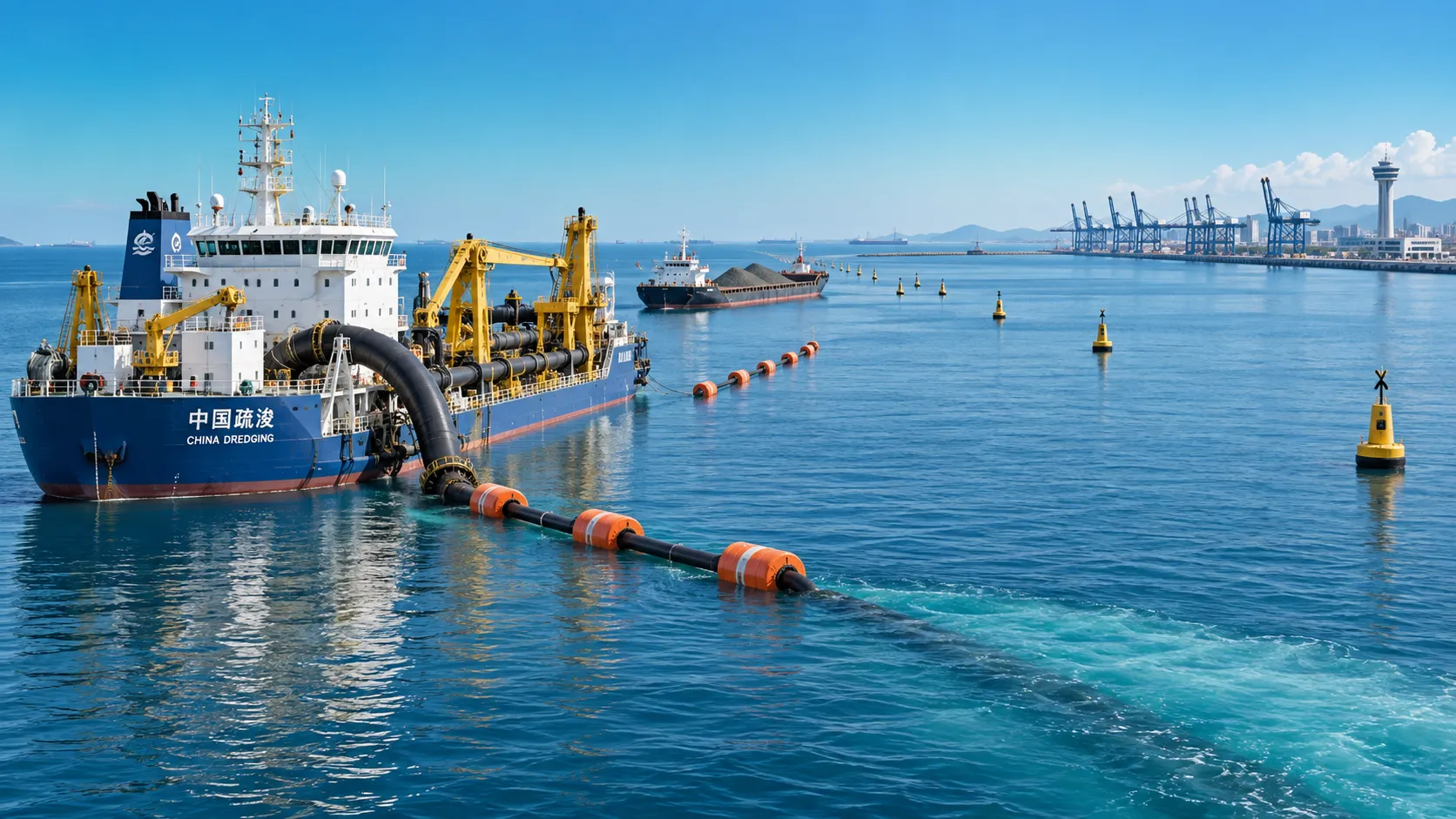
Port-Specific Dredging Configurations
Dredging decisions should start with sediment profile, disposal route, turbidity limits, and channel maintenance pattern.
For some ports, cutter suction dredgers offer better control. For others, trailing suction hopper dredgers provide stronger operational flexibility.
The right marine engineering solutions Middle East approach also includes pump monitoring, wear prediction, and discharge efficiency analytics.
Heavy Terminal Gear Matched to Throughput Reality
Bigger crane capacity is not always the best answer. Ports need a balanced combination of outreach, cycle time, wind tolerance, and energy demand.
When selecting ship-to-shore cranes, RTGs, RMGs, or mobile harbor cranes, teams should model actual vessel calls and peak yard behavior.
Automation with a Phased Logic Stack
Full automation can create value, but forced acceleration often creates commissioning drag. A phased logic stack is usually more resilient.
That may begin with remote crane control, traffic management, and equipment telemetry before advancing into autonomous dispatch and predictive scheduling.
This is where strong marine engineering solutions Middle East planning aligns hardware, software, and operator adoption at the same pace.
A Practical Evaluation Framework for Project Decisions
A useful evaluation model should be simple enough for fast decisions, yet detailed enough to catch delivery risk early.
This framework helps compare marine engineering solutions Middle East options without getting distracted by headline specifications.
It also improves alignment between engineering, procurement, operations, and finance during bid review and pre-award clarification.
How to Reduce Delivery Risk Before Commissioning Starts
The most effective risk reduction happens before fabrication is complete. By the time hardware arrives, flexibility is already shrinking.
- Map live operational constraints before final equipment lock-in.
- Run interface workshops across civil, electrical, marine, and controls teams.
- Test digital protocols and data architecture ahead of site deployment.
- Set corrosion, thermal, and maintenance assumptions in contract documents.
- Define spare strategy, training scope, and acceptance metrics early.
These steps are especially relevant for marine engineering solutions Middle East programs with multiple suppliers and staged handover milestones.
In actual delivery environments, small interface gaps often create larger schedule losses than visible construction problems.
The Role of Intelligence-Led Selection
Port infrastructure decisions are increasingly shaped by trade volatility, vessel upsizing, energy transition targets, and automation readiness.
That makes intelligence-led selection more valuable than generic market comparison. Teams need evidence tied to terminal logic, not broad equipment claims.
PS-Nexus supports this view by connecting heavy terminal gear, scheduling logic, and dredging engineering into one operational picture.
For marine engineering solutions Middle East evaluations, that means reading beyond current demand and into future throughput pressure, maintenance burden, and expansion flexibility.
The result is a more stable decision path, especially where ports are balancing immediate delivery goals with long-cycle infrastructure returns.
What Stronger Project Choices Look Like
Better outcomes usually come from disciplined matching, not aggressive overbuilding. The strongest marine engineering solutions Middle East choices share a few traits.
- Equipment capacity aligned with real traffic patterns
- Design allowances for heat, corrosion, and sediment stress
- Control systems that can integrate with current assets
- Commissioning plans built around active port conditions
- Lifecycle support structured for fast local response
When these elements are present, projects move with fewer surprises. Performance ramps faster, and expansion decisions stay open for the next phase.
That is the practical value of well-chosen marine engineering solutions Middle East strategies: lower risk, better port fit, and infrastructure that serves trade growth with fewer corrections later.
Related News
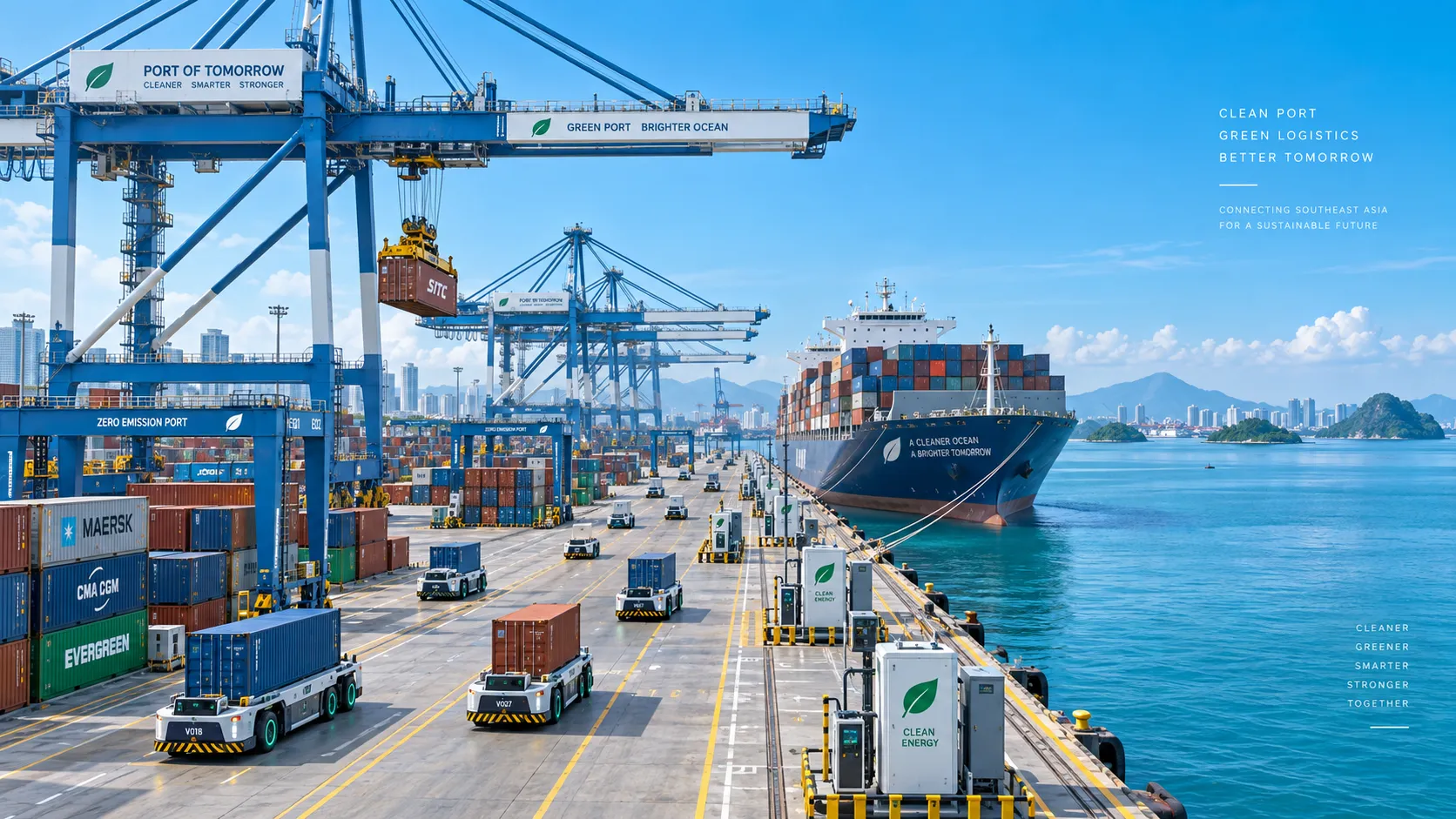
Smart Port Systems in Southeast Asia: Investment Priorities and Adoption Barriers
Smart port systems Southeast Asia: discover investment priorities, adoption barriers, and practical steps to build resilient, connected, high-performing terminals.

How to Evaluate Terminal Efficiency Solution Suppliers for High-Throughput Operations
Choose a terminal efficiency solutions supplier with confidence. Explore proven criteria for throughput, integration, lifecycle cost, safety, and reliable delivery.
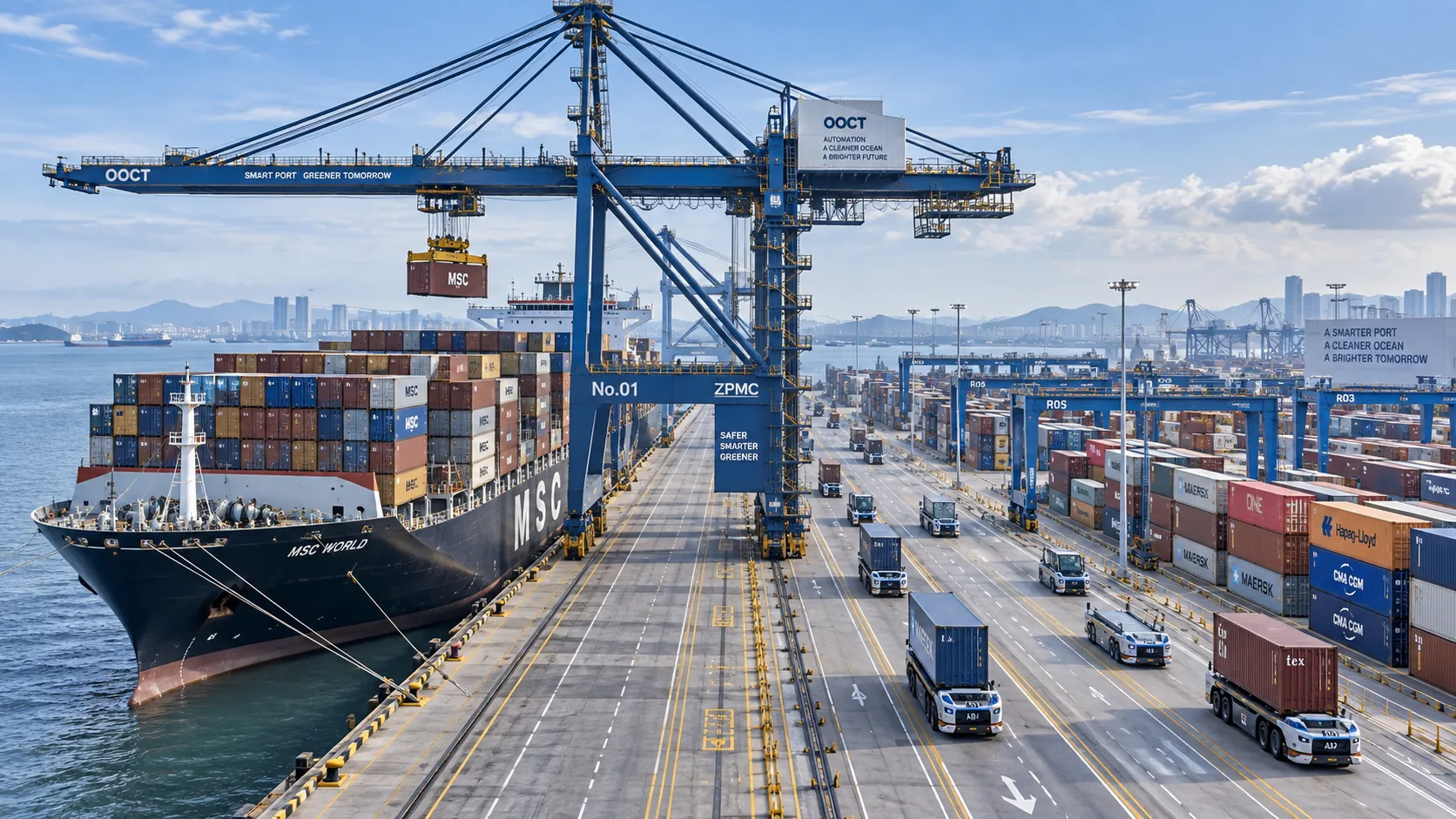
How to Specify a Quay Crane for Container Terminals by Vessel Size and Throughput?
Quay crane for container terminals: learn how to match outreach, lift height, capacity, automation, and cycle performance to vessel size and throughput goals.
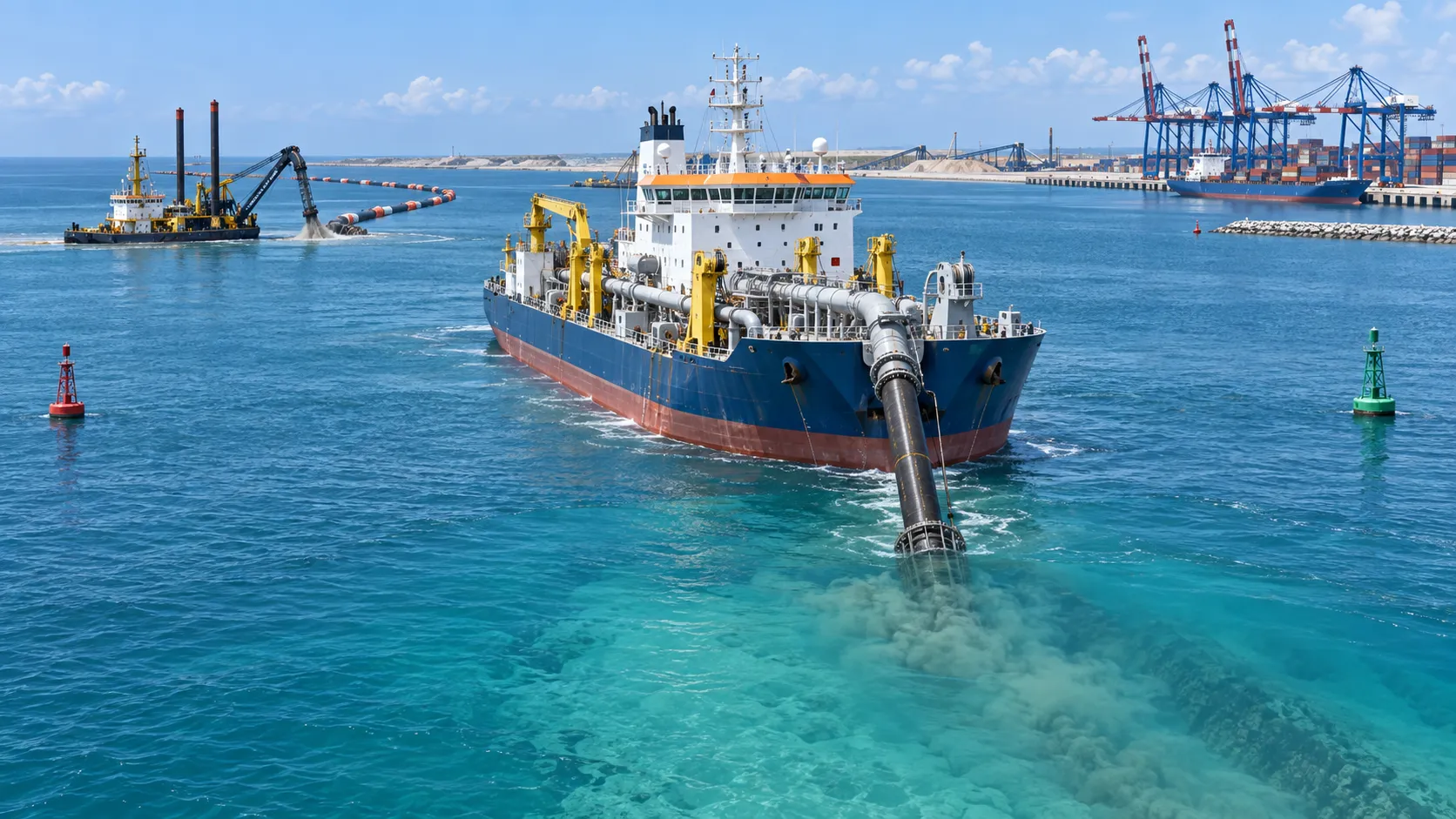
What Dredging Equipment Is Needed for Channel Deepening?
What dredging equipment is needed for channel deepening? Explore dredgers, pipelines, survey tools, and planning strategies for safer, more efficient port access.
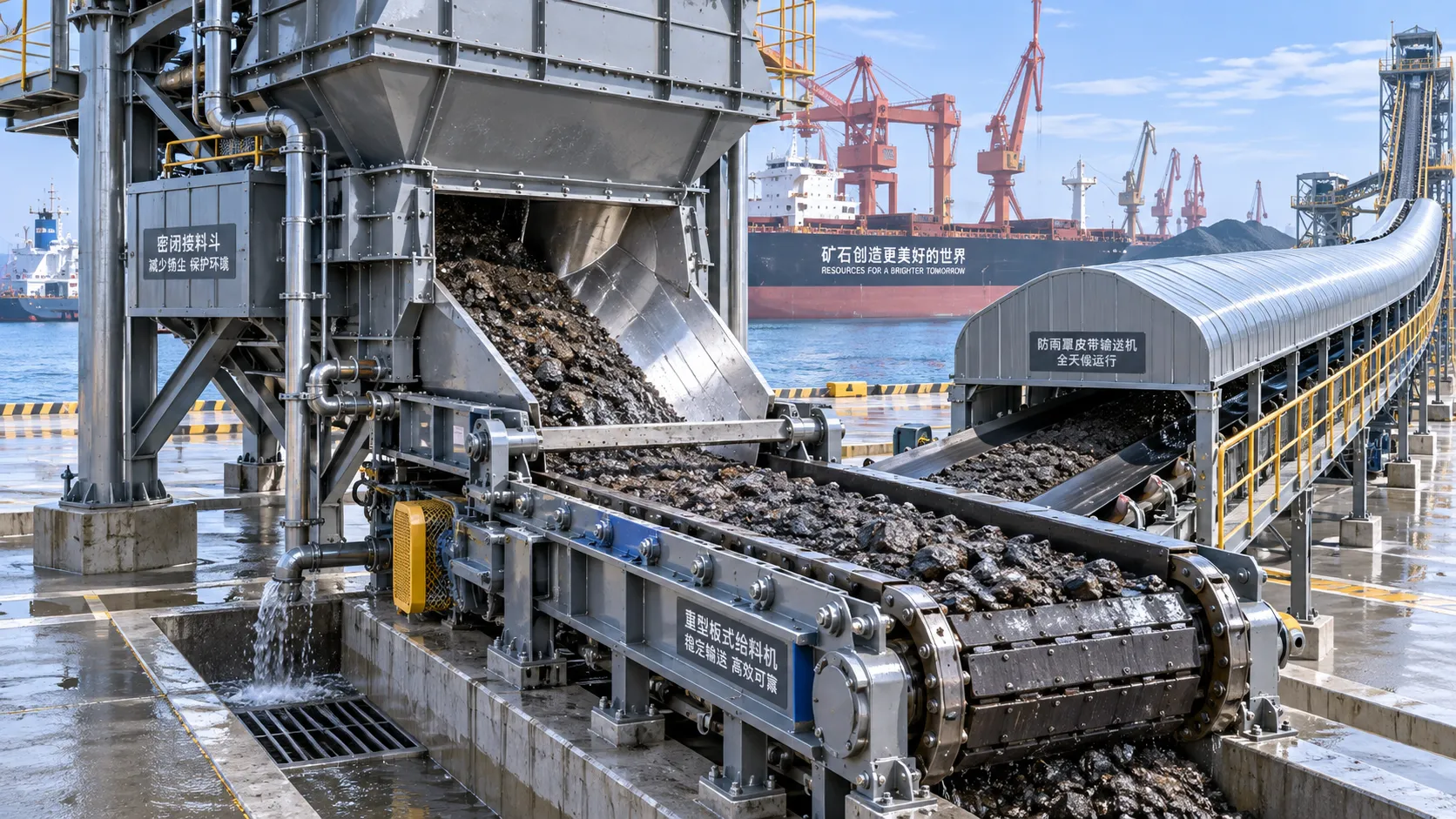
Which Bulk Handling Equipment Suits High-Moisture Cargo?
Which bulk handling equipment suits high-moisture cargo? Compare belt, apron, screw, drag, and slurry systems for reliable flow, less carryback, and higher terminal uptime.
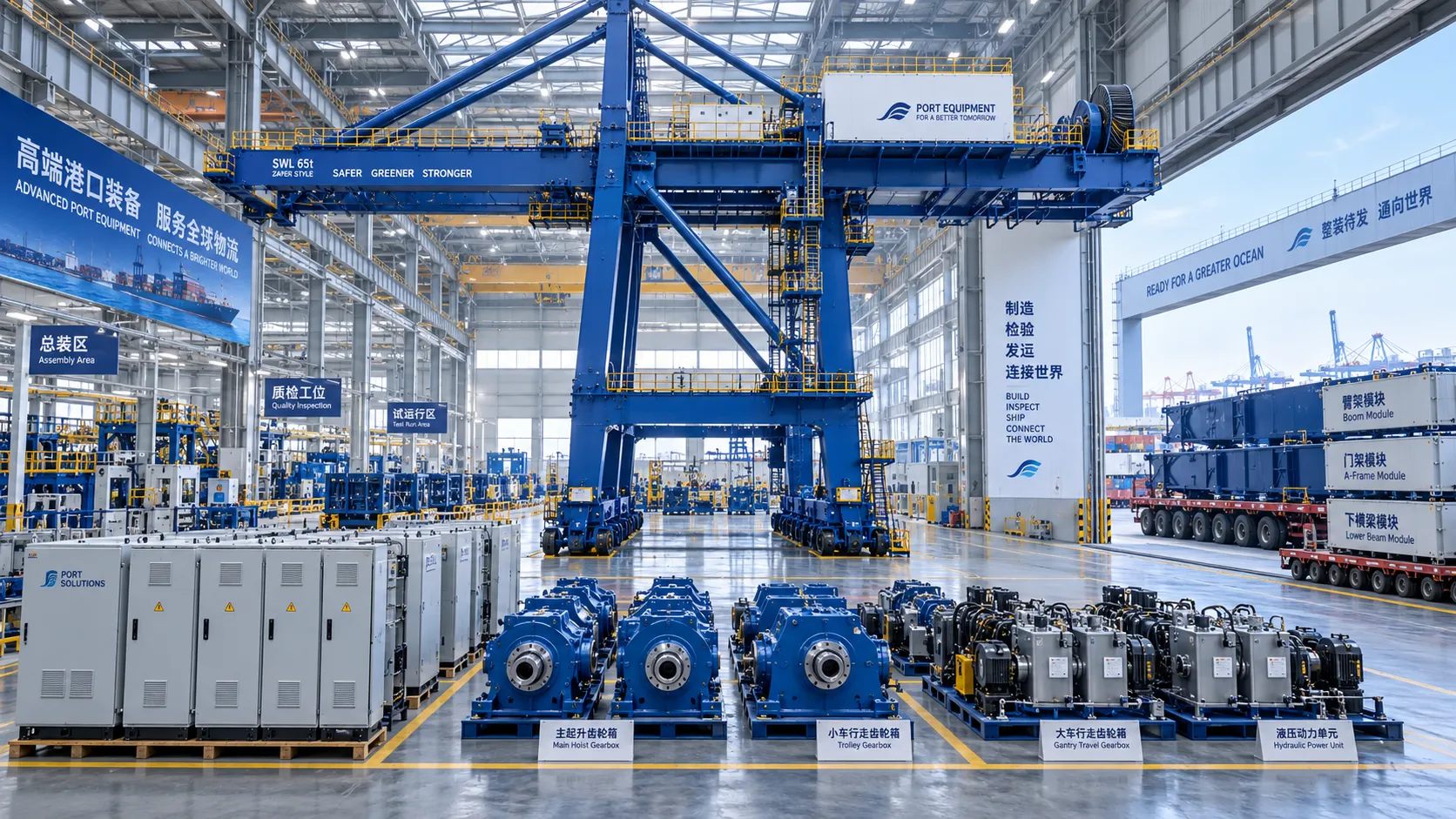
How Can Port Equipment Lead-Time Risk Be Managed?
How can port equipment lead-time risk be managed? Explore practical strategies to control critical paths, suppliers, transport, site readiness, and commissioning delays.
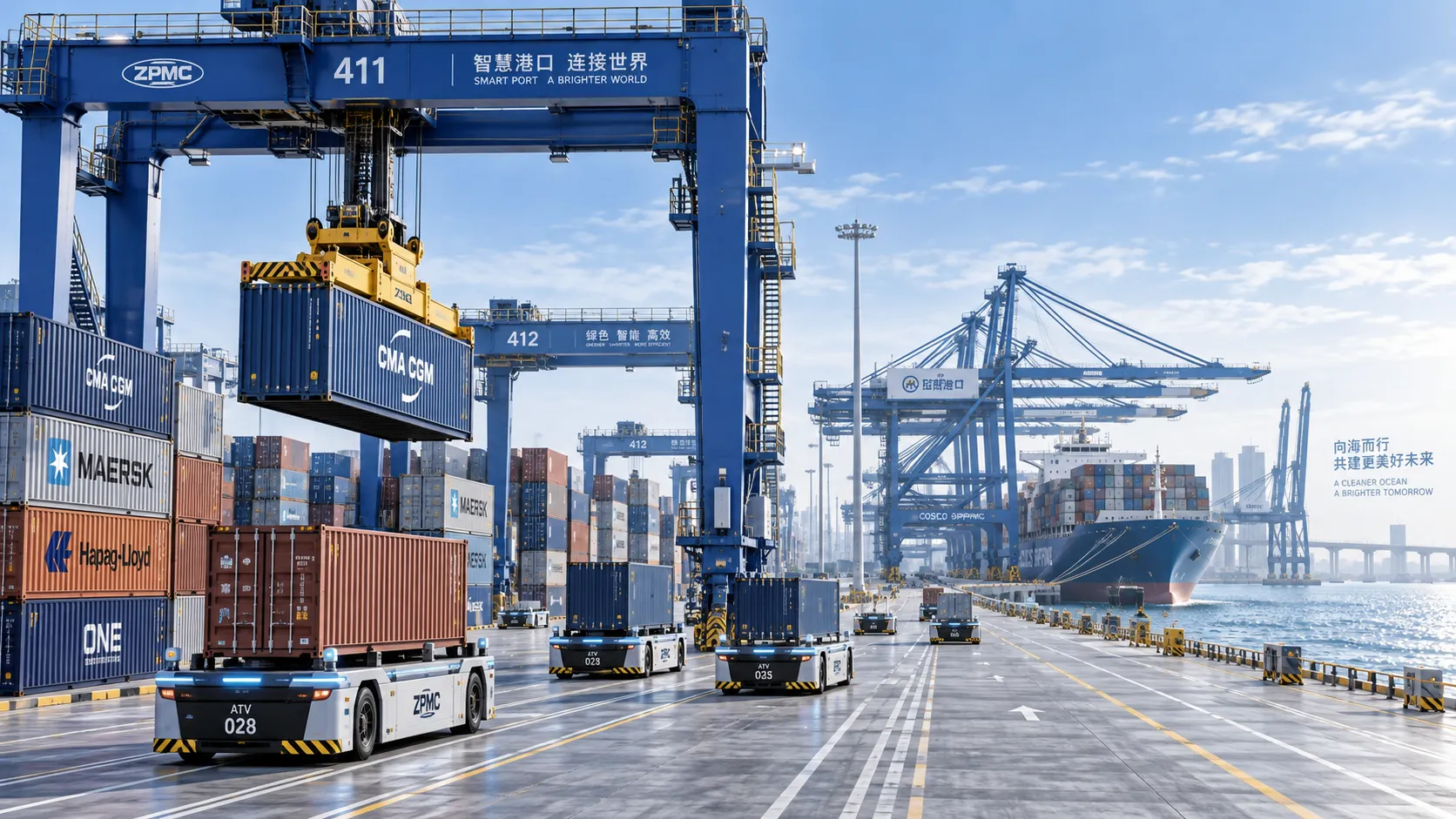
Terminal Automation Technologies That Raise Container Throughput Without Yard Disruption
Terminal automation technology that increases container throughput without disrupting yard flow. Explore smarter integration, resilient workflows, and phased deployment strategies.
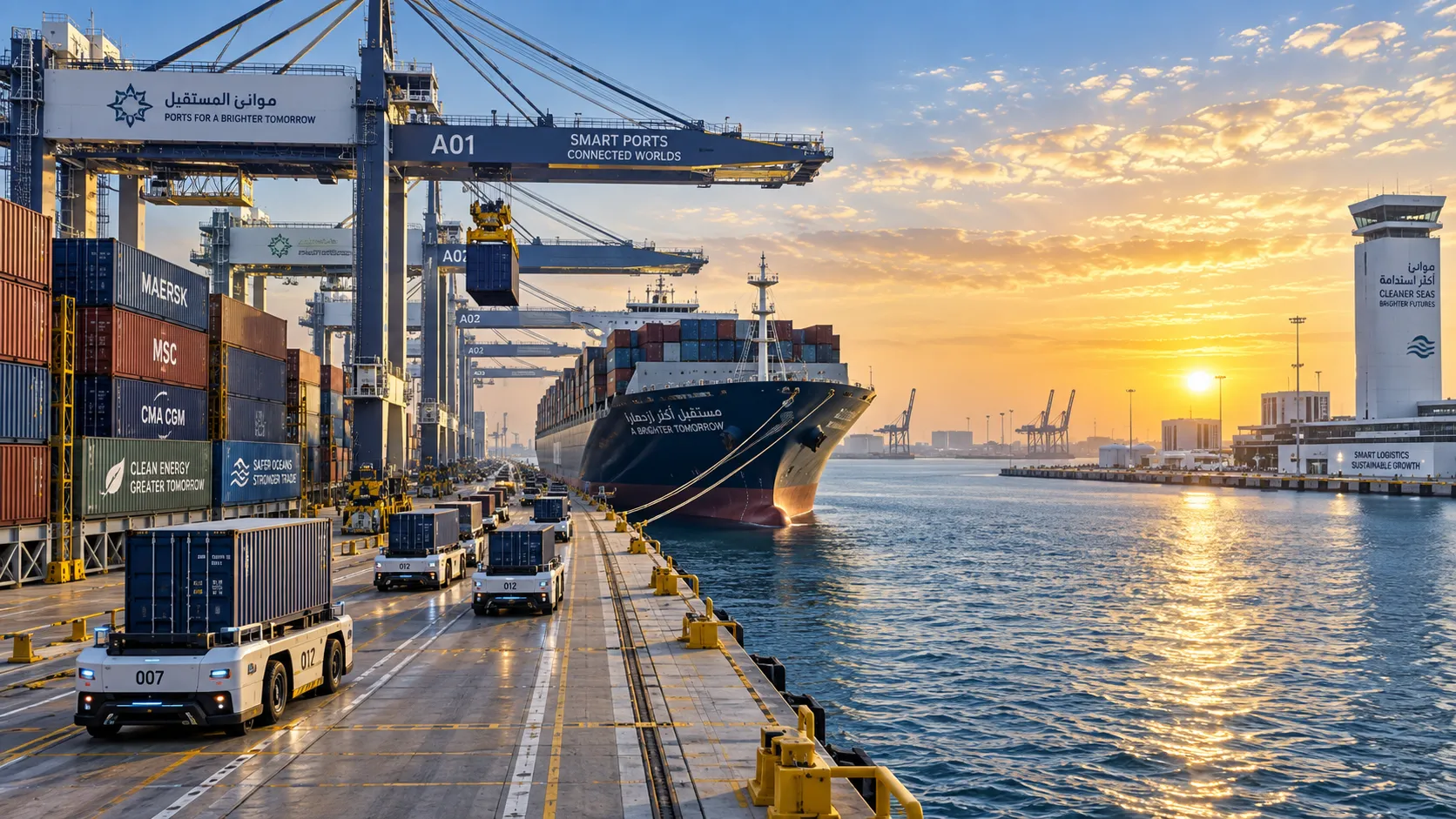
Middle East Port Automation: Key Market Drivers, Projects, and Investment Risks
Port automation systems Middle East: explore market drivers, flagship projects, integration challenges, and investment risks shaping smarter, resilient terminals.
Planning Offshore Dredging Operations: Key Risks, Methods, and Project Controls
Offshore dredging operations demand smart planning. Explore key risks, proven methods, environmental controls, and project strategies for reliable delivery.